History
Frozen in time: The remarkable legacy of Mary Vaux, amateur glaciologist
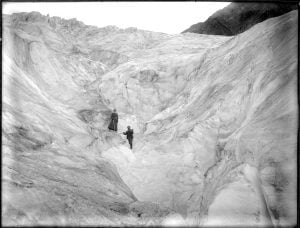
Mary Vaux’s groundbreaking 19th-century study of B.C.’s Illecillewaet Glacier created an invaluable record of the glacier’s recession
- 4293 words
- 18 minutes
Travel
A stay at Eleven Revelstoke Lodge brings one writer deep into the Selkirk Mountains for an exhilarating journey across the ice – and a soft landing back at the lodge
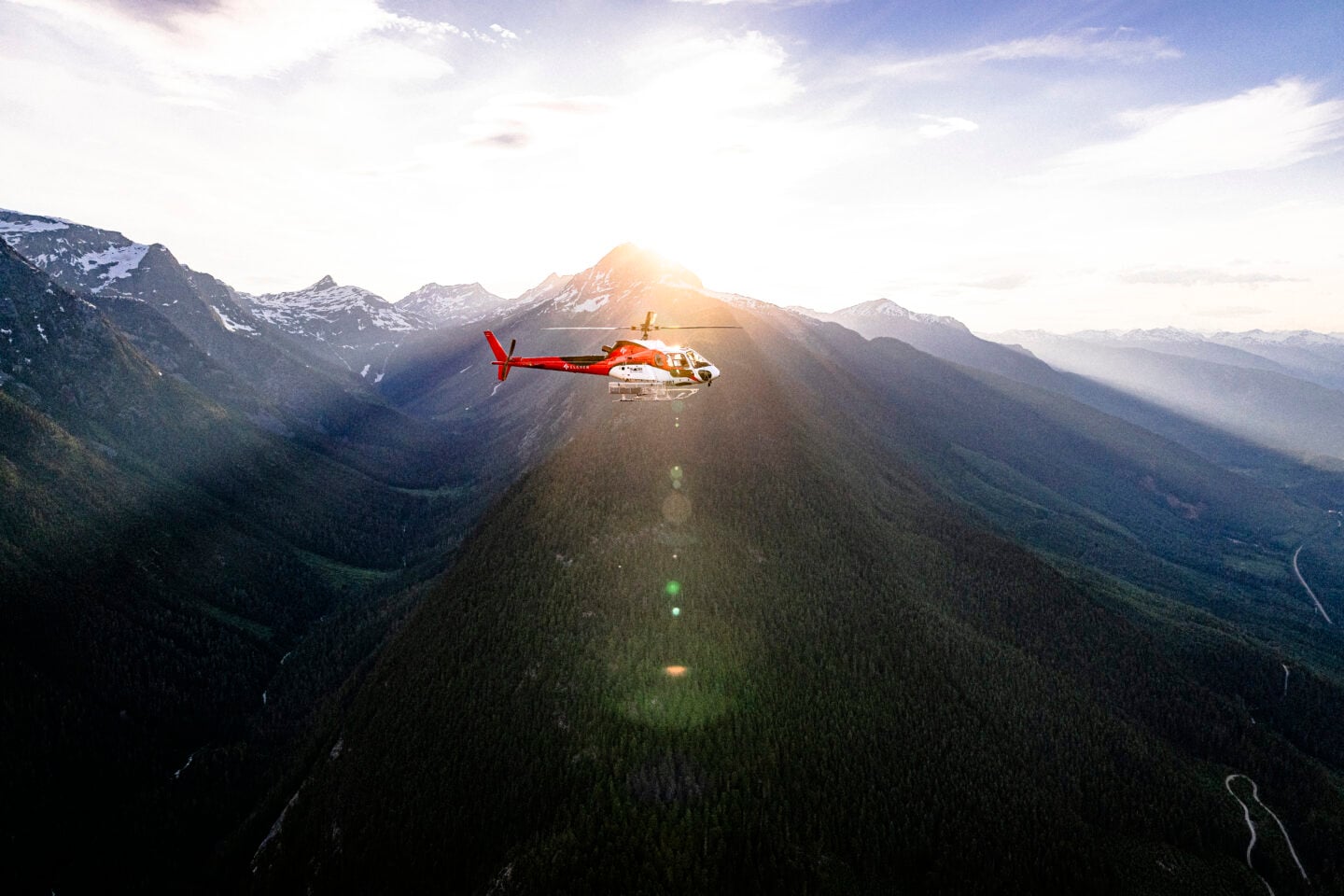
“Stay low, on your knees, hats off!” Bob Shafto shouts as the roar of the AStar’s spinning blades fills the air and the helicopter’s downwash blows us back.
Shafto, our guide, makes eye contact with the pilot, then signals us. Our group of four climbs into the single-engine red-and-white helicopter. We strap in and are off.
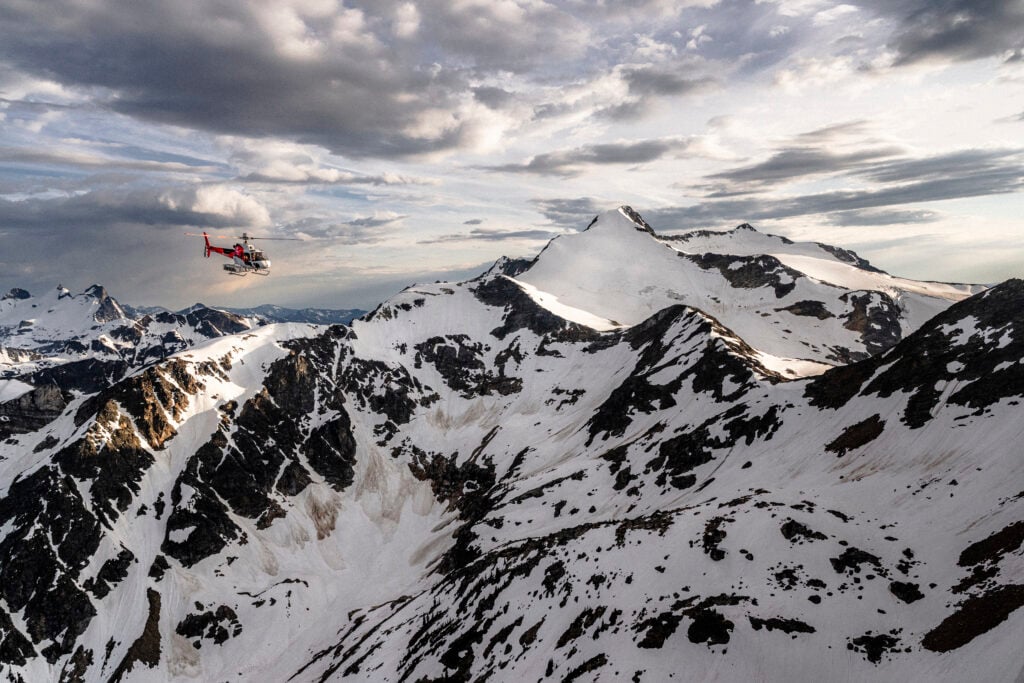
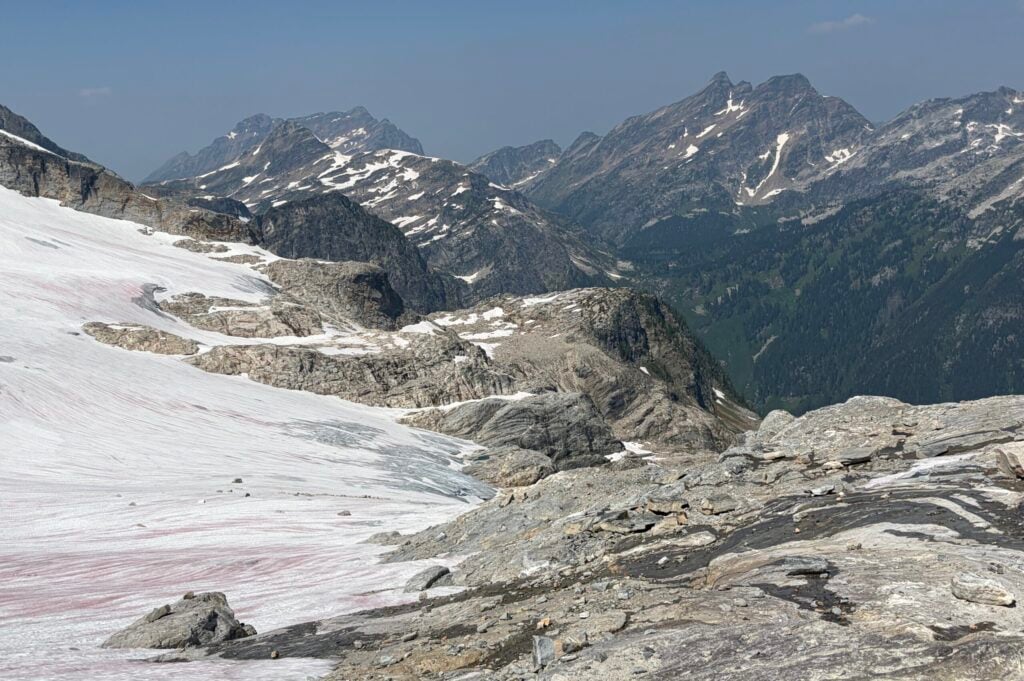
We soar past ancient green forests and the winding sapphire ribbon of the Columbia River, rising above alpine meadows and into the sky. On this cloudless day, I can see for miles as we ascend into the majestic, snow-kissed peaks, until the earth rises to meet us beside a turquoise, glacier-fed lake nestled beneath the ice of the Mulvey Glacier in British Columbia’s Selkirk Mountains.
My heart pounds at the thought of the adventure ahead: heli-glacier hiking in a remote alpine landscape where Heli Canada Adventures holds the commercial recreation tenure. The company has permission to operate across 10,000 hectares of this Crown land in the Monashee and Selkirk Mountains exclusively for backcountry tourism.
I am, along with another journalist and two others, a guest of Eleven Revelstoke Lodge, a boutique hotel-cum-alpine basecamp that partners with local outfitters, like Heli Canada Adventures, to offer heli-skiing in winter and heli-glacier hiking in summer — not to mention fly fishing, mountain biking, kayaking, paragliding and just about any other adventure you can dream up.
On foot, it would have taken us four days of strenuous backcountry trekking to reach Mulvey Basin from Revelstoke. The route gains about 1,600 metres in elevation and passes through temperate rainforest thick with undergrowth, across technical alpine terrain, headwalls and active glaciers.
I am grateful to have bypassed such a hellish journey as I take in the vast solitude stretching in every direction: 360-degree views of towering peaks, crystal-clear glacier streams and the south face of iconic Mount Begbie rising in the distance. The only sound is the distant burble of water and, every so often, the sharp crackle of shifting ice. I feel lighter somehow — cleaner, too — as if the effort of getting here has been lifted along with the helicopter.
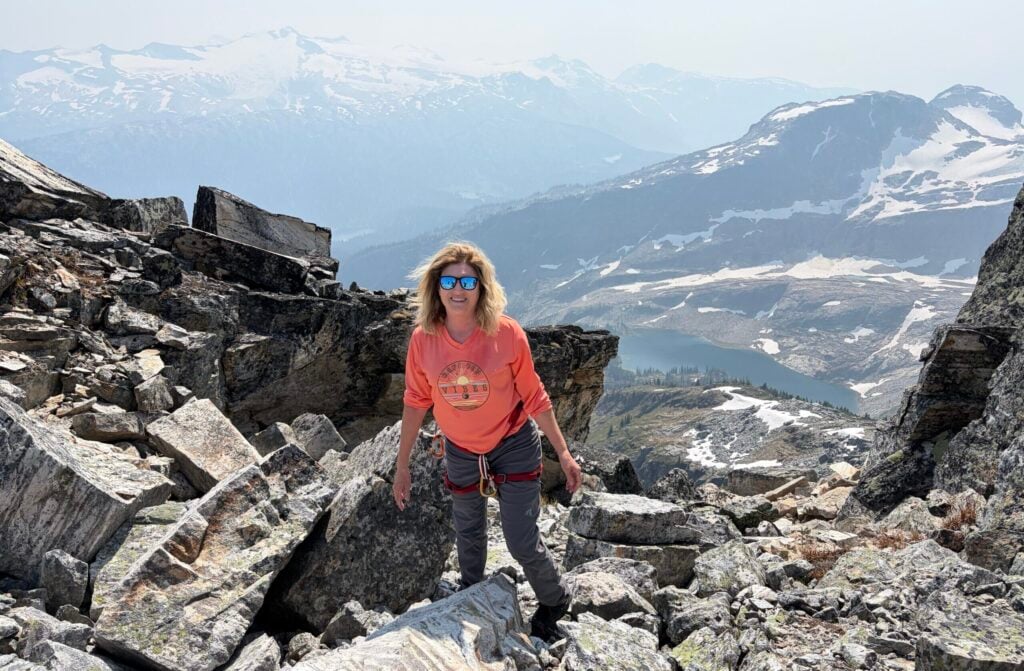
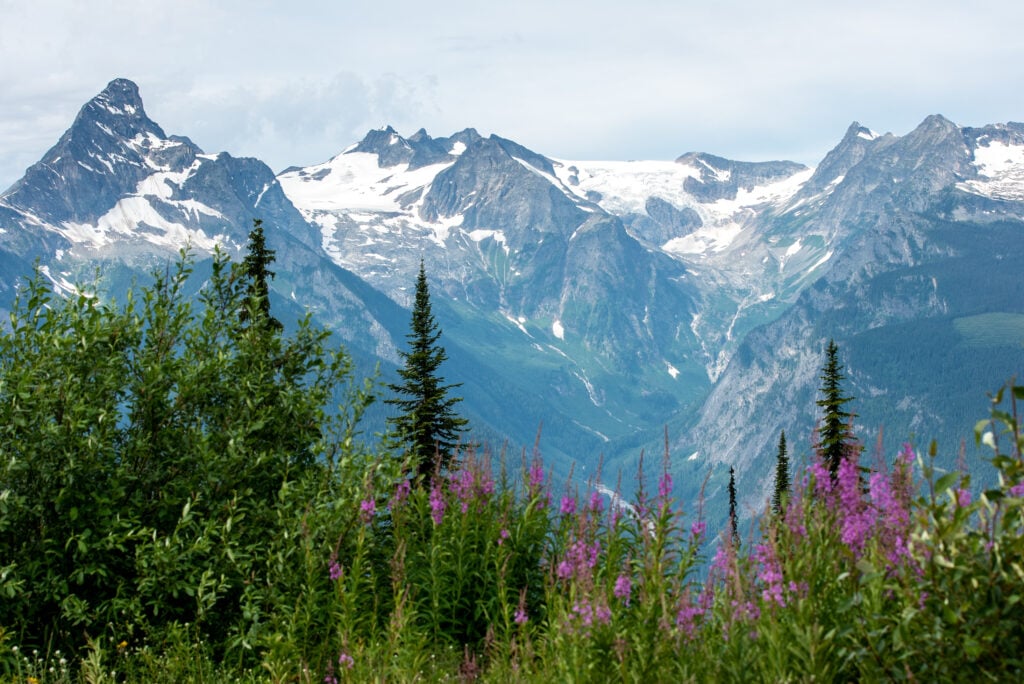
“Welcome to the pristine wilderness,” says Shafto, a sinewy 61-year-old in Smith sunglasses, an Arc’teryx jacket and a yellow knapsack as weather-worn as his face.
“But remember, this is unprepared terrain. It is a living landscape. Glaciers don’t stand still.”
Shafto, who founded Heli Canada Adventures in 1989 and is a qualified guide with more than four decades of search-and-rescue experience, has never had an accident as a heli-glacier guide (knock on wood). Safety is paramount, he says.
“If I go down, just press the red button on my radio. It will alert the cavalry. Base station is following our every move,” Shafto tells us before we begin our journey.
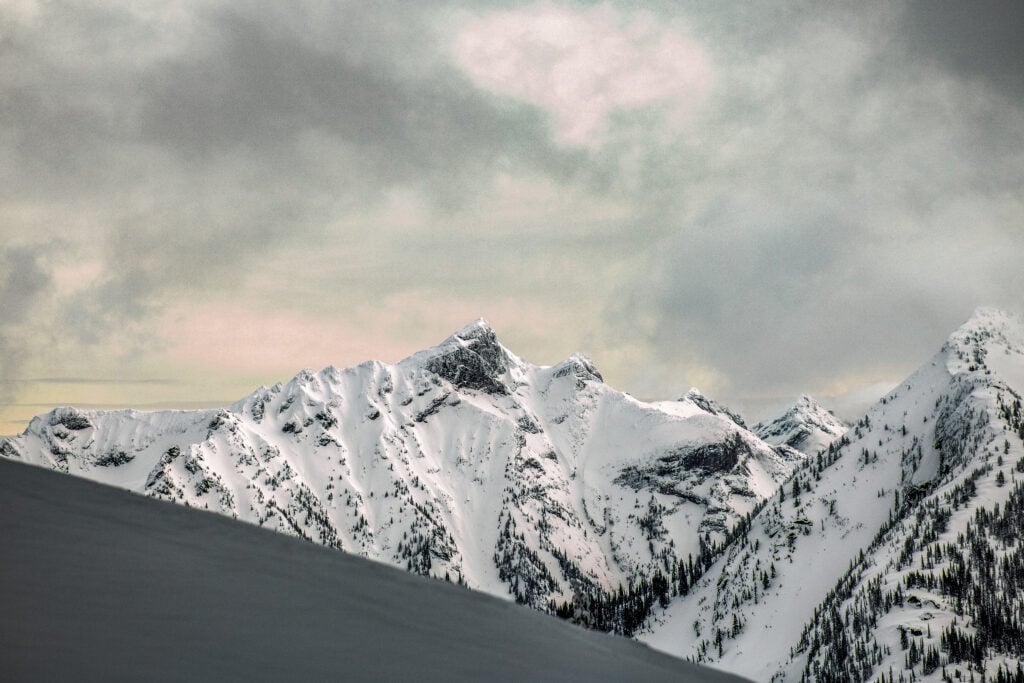
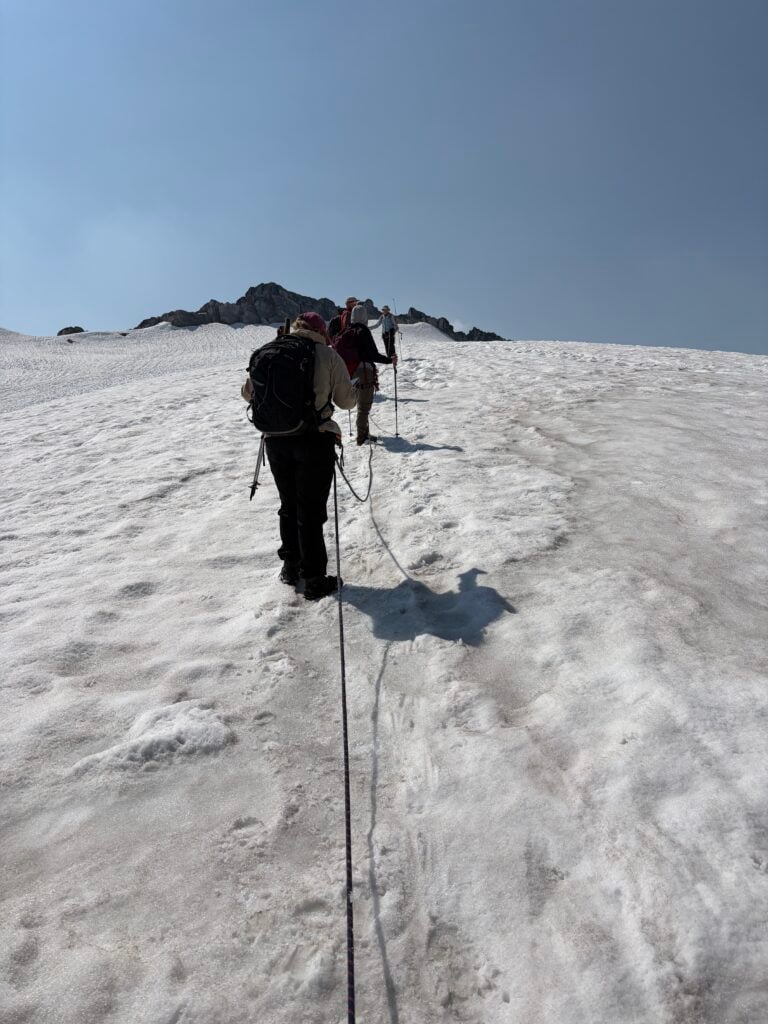
We strap on crampons over our hiking boots to help improve our grip on the ice, tighten our climbing harnesses, and then Shafto ropes us together. Each of us also has an accessory rope tied into a Prusik hitch that grips the main rope; together, they are our lifeline for self-rescue or backing up a rappel.
“I’ll take the back,” I shout out, worried I will be slow.
Shafto leads, slowly probing the snow with his avalanche probe to detect hidden crevasses. Glaciers are highly dynamic, and crevasses can be hidden beneath thin snow bridges that weaken as temperatures rise.
“We don’t want to go on a snow bridge or a weak point because it could be a crack that goes down 20 metres,” Shafto says. “The small holes are worse than the big one, which you can climb out of.”
I soon realize there’s no hiding at the back; the rope goes taut if I don’t keep up. I lean into my crampons, willing them to stop me from tumbling down an alpine ridge into, God forbid, a crevasse.
“If you fall, don’t forget to sit on your ass,” Shafto calls out. “You don’t want to go sliding down a glacier. It’s not a toboggan run.”
His nonchalance gives me confidence. I breathe deeply and look around at the delicate moss and lichen sprouting from the craggy rocks, glistening mica and snow in countless shades and textures, some glowing red from snow algae. Up, up, up we go, inching our way to the top of the glacier. It is exhilarating, terrifying, addictive.
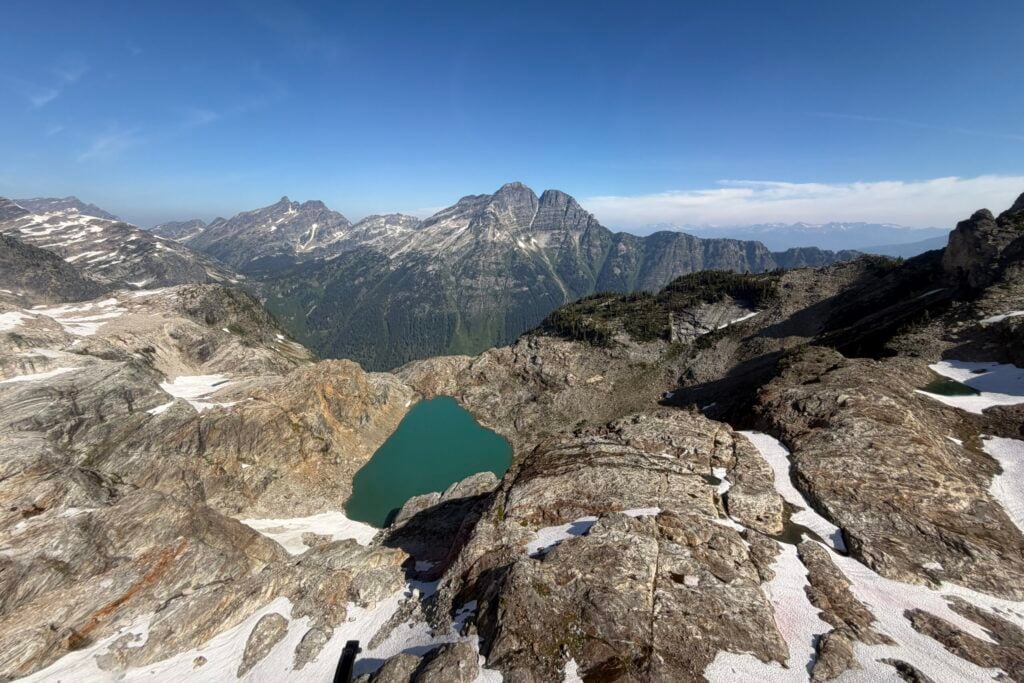
Revelstoke, on the banks of the Columbia River in southeastern B.C., is a world-renowned winter destination known for heli-skiing, deep powder, and Revelstoke Mountain Resort’s 1,713-metre vertical — the greatest of any ski resort in North America.
But the gritty town of about 9,000 residents, bordered by Mount Revelstoke National Park and close to Glacier National Park, is increasingly drawing tourists during the summer and shoulder seasons, too. The town grew around the Canadian Pacific Railway in the 1880s and today is home to a blend of longtime residents, artisans, outdoor enthusiasts, as well as a surprising plethora of boutique coffee shops and excellent restaurants, including Eleven’s upscale Quartermaster Eatery.
Eleven, a global experiential-travel company founded by former Wall Street banker Chad Pike, recently set up shop here, betting on Revvy’s growing year-round popularity.
“It is so nice to see a summer draw in Revelstoke — people who want to experience all the outdoor activities — and young people coming from all over the world to work here so they want to be here, and that is fun,” says Nina Frohlicher, general manager of Eleven Revelstoke Lodge, who is from Switzerland and counts several young Aussies and a British man among her staff.
More guests are coming for three-night stays rather than simply passing through on the Trans-Canada Highway between Calgary and Vancouver, she adds.
While Eleven, a Colorado-based adventure-travel company, has properties worldwide —including in New Zealand’s South Island, a sheep farm in Iceland and a remote lodge in Chile — this is their only Canadian lodge.
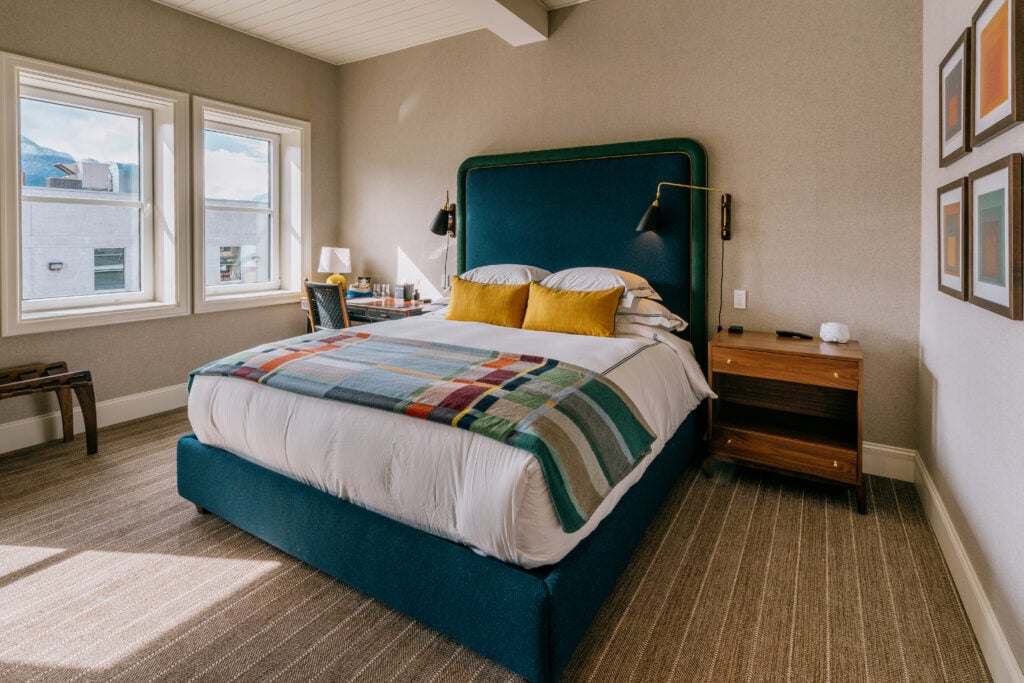
The company bought and renovated a historic 1911 red-brick building on the town’s main street, and converted it into a chic 12-room space with elegant wood finishes and exposed brick. With plush carpets and bright blankets throughout, the space feels Scandi-elegant and cosy, like the holiday house of your rich, laid-back West Coast friend.
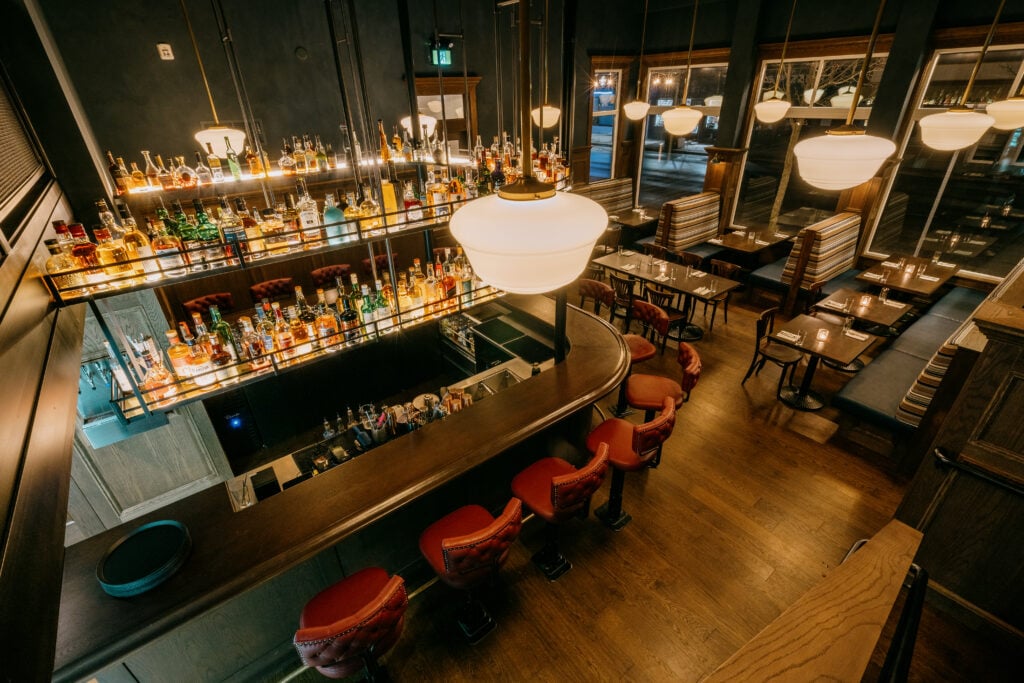
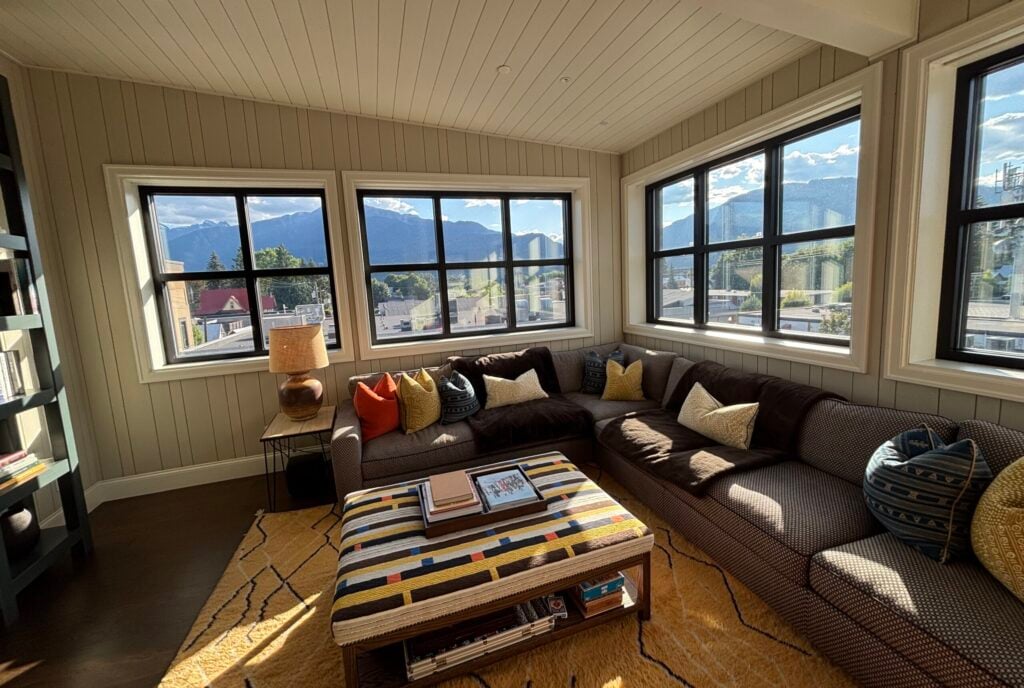
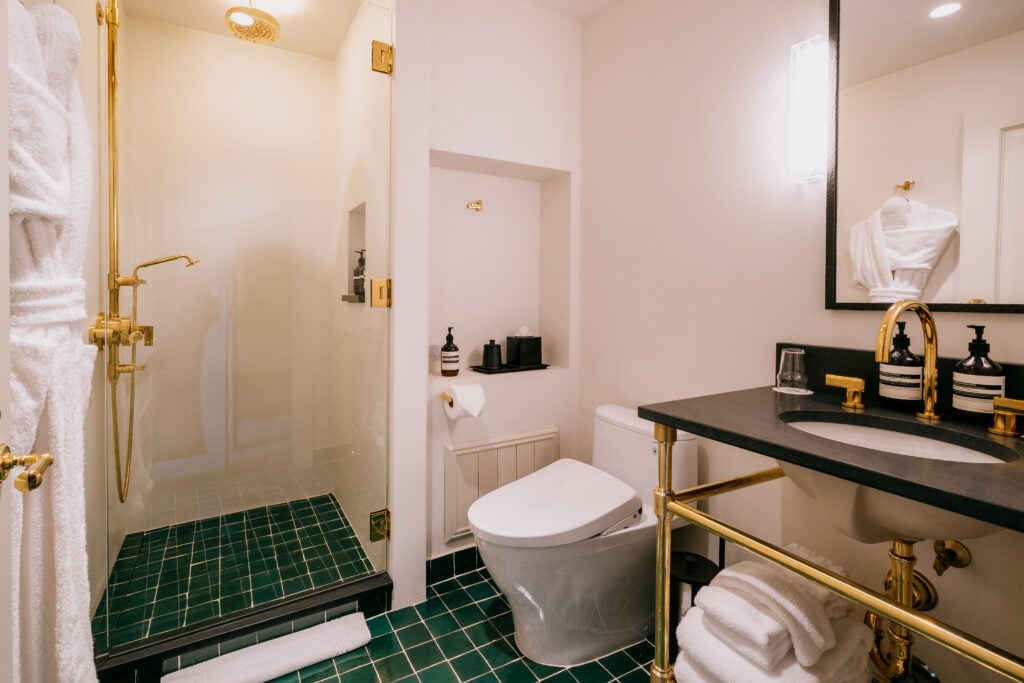
My room is named Sugar, after a nearby mountain, and is the perfect soft landing after a day of hard play. I love the third-story lounge, with wrap-around window views of the Monashee Mountains, an impressive vinyl collection, Marshall Bluetooth speakers, and a nature-themed library. It also has a rooftop hot tub, cold plunge, and red cedar sauna; a wellness area; a gear room with boot and glove dryers; and an underground bar in a converted boiler room.
The company takes its promise of personalized adventure seriously, asking guests to fill in questionnaires before they arrive so “experience managers” can create tailored itineraries.
I consider paragliding but eventually choose a scenic paddle across Lake Revelstoke and a hike in an inland temperate rainforest of Douglas-fir, red cedar and hemlock — critical habitat for southern mountain caribou. And, of course, who can resist the heli-glacier hike?
Back in the mountains on our heli-glacier hiking adventure, we remove our ropes and crampons for a short lunch break at a rocky outcrop. My ham and cheese sandwich and homemade brownie have never tasted so heavenly.
Although we have yet to encounter any wildlife, Shafto regales us with stories of the animals we might see: bobcat, lynx, mountain goats, deer, elk, ptarmigan and birds of prey. He also explains how to respond should we encounter a bear (stay together and monitor the animal).
He speaks passionately about why he has chosen a life as an outdoor guide and the enduring mystery and beauty of alpine wilderness.
“It is so wonderful to share these wide-open empty spaces with others,” he says. “Every year, the snowpack is so unpredictable. Every snowflake is unique, and every avalanche is different.”
We re-attach our ropes and begin our descent, careful to avoid any holes or weak spots in the snow. We finish in a different location than where we began. Shafto pulls a shovel out of his backpack and begins packing down the snow to create a smooth landing pad for the helicopter.
“I’ve scabbed a pickup in the snow. You won’t punch through,” he radios the pilot.
The pilot comes in to land, and we crouch down, knapsacks off, ready to jump on.
“I’m not crazy about this spot,” the pilot says. “But it’s all good.”
Within 20 minutes, we are back at the heliport. The stark world of snow, alpine ridges and steep glaciers gives way to Revelstoke’s carpet of lush green forest. The transformation feels almost surreal.
We disembark, and I immediately feel my sore muscles and tired legs — proof that I really did spend five hours on a glacier. The exhilaration remains, even if the landscape already feels like a dream.
History
Mary Vaux’s groundbreaking 19th-century study of B.C.’s Illecillewaet Glacier created an invaluable record of the glacier’s recession
History
In the late 19th century, skiing arrived in Revelstoke, B.C. — and put the city on the map
Environment
What vanishing mountain glaciers mean for river flows, groundwater and the millions who depend on them

History
A new book by Ken McGoogan traces the experiences of Scottish Highlanders evicted from their homes to pre-Confederation Canada