Exploration

From moon joy to space-station joy: Astronaut Joshua Kutryk speaks about his upcoming mission

Kutryk says Canada has a crucial role to play in the ‘new ocean’ of space

  • Jun 08, 2026
  • 922 words
  • 4 minutes
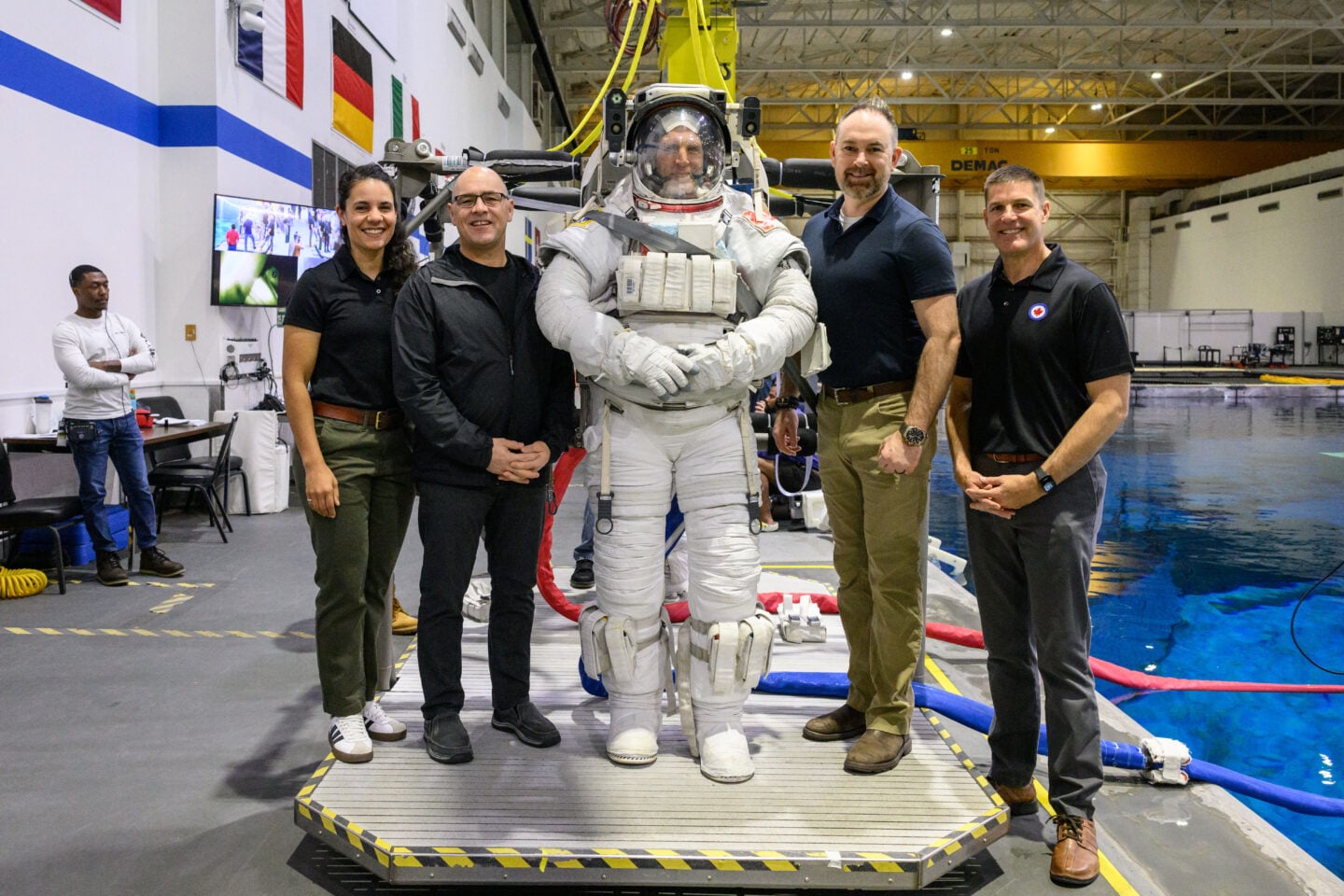
Joshua Kutryk (centre) geared up to perform a simulated spacewalk at the Neutral Buoyancy Laboratory in Houston, Texas. (Photo: NASA/Helen Arase Vargas)
Expand Image
Advertisement
Advertisement
Live Net Zero Email Service

Canada’s next astronaut, who will fly to space in September, is not only inspired by the Artemis moon missions, but by the Canadian Arctic.

Joshua Kutryk was announced in April as the next Canadian to fly to the International Space Station, where he’ll remain for about half a year. Weeks after the Artemis II’s mission’s “moon joy,” with Canadian astronaut Jeremy Hansen on board, Kutryk will bring his own desire for exploration and learning beyond Earth’s atmosphere.

“I want to explore places humans have never been. And that means space,” the Canadian Space Agency astronaut said in a livestreamed address on May 23.

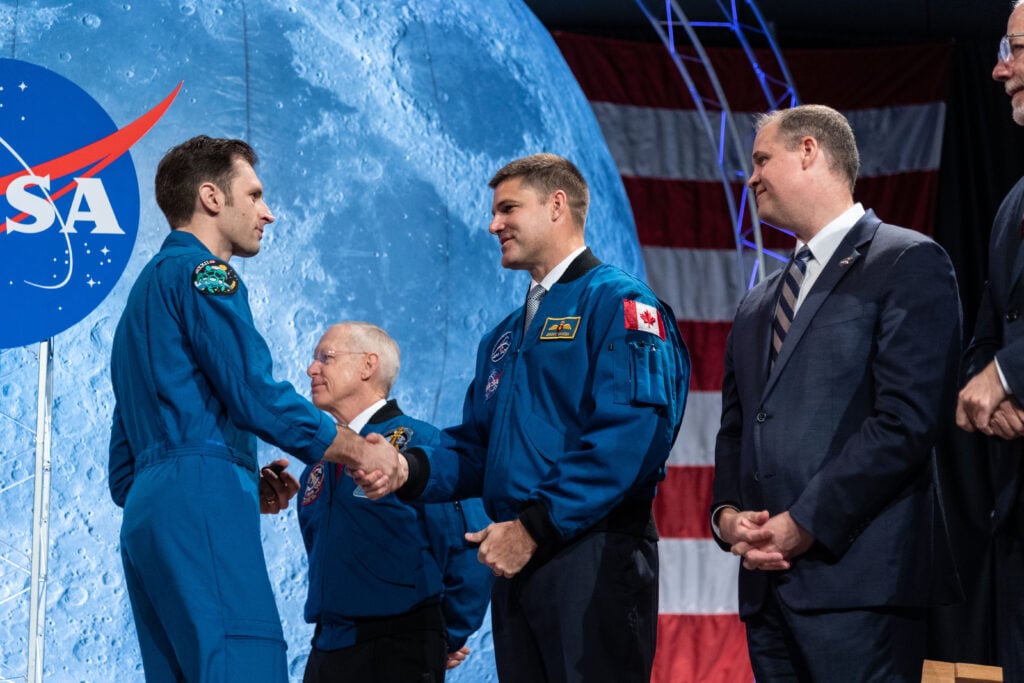
Canadian Space Agency astronaut Joshua Kutryk (left) celebrates the end of basic training, along with NASA classmates during a ceremony at the Johnson Space Center in Houston, Texas. (Photo: Robert Markowitz)
Expand Image

Kutryk also shared that he is reading a book about Arctic exploration, as part of his lifelong passion for learning about the unknown: “I always wanted to explore,” he said in the speech, broadcast from the University of Calgary. (The Canadian Space Agency regularly works with Indigenous nations in the Arctic, and other parts of Canada, as it builds its space exploration program.)

That space exploration program has a long history in Canada. Kutryk, as Hansen often does in his own speeches, emphasized to the audience that Canada earned its spot in both the Artemis and International Space Station programs on the strength of more than 45 years of Canadarm robotics in space, among other contributions.

“It’s the result of really, really careful stewardship, planning, policy, sustained investment,” Kutryk explained, adding that Canada has a place in space going forward because “NASA wants stuff that Canada builds, and brings to the table, when it comes to space exploration.”

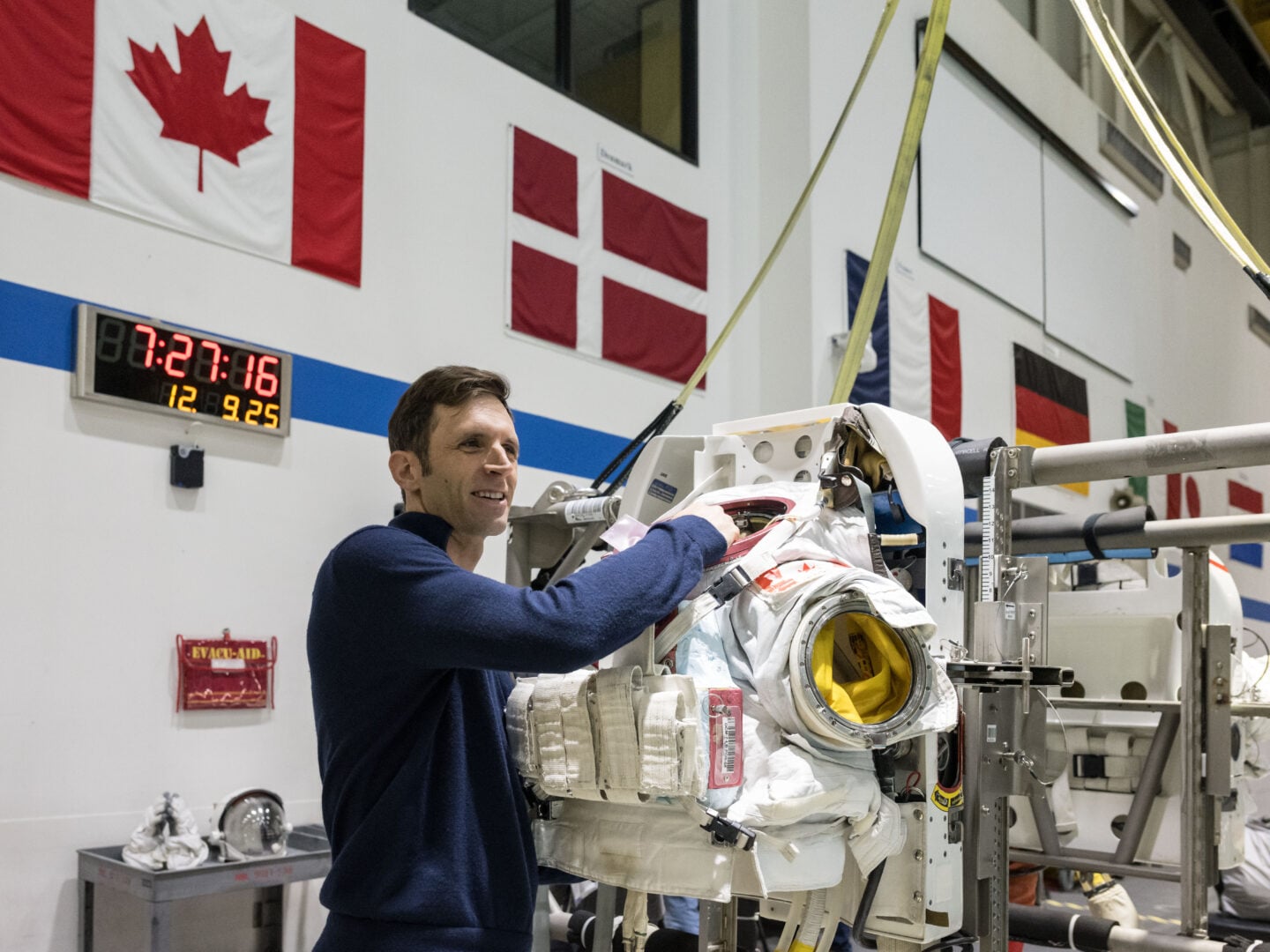
Canadian Space Agency astronaut Joshua Kutryk with the spacesuit he was about to wear to train in NASA's Neutral Buoyancy Laboratory pool in Houston, Texas. (Photo: Josh Valcarcel)
Expand Image

From the ISS to the moon

Kutryk, 44, was selected for the astronaut program in 2017, alongside Jenni Gibbons – best known today for serving as an Artemis II backup crew member and as capsule communicator during the lunar flyby.

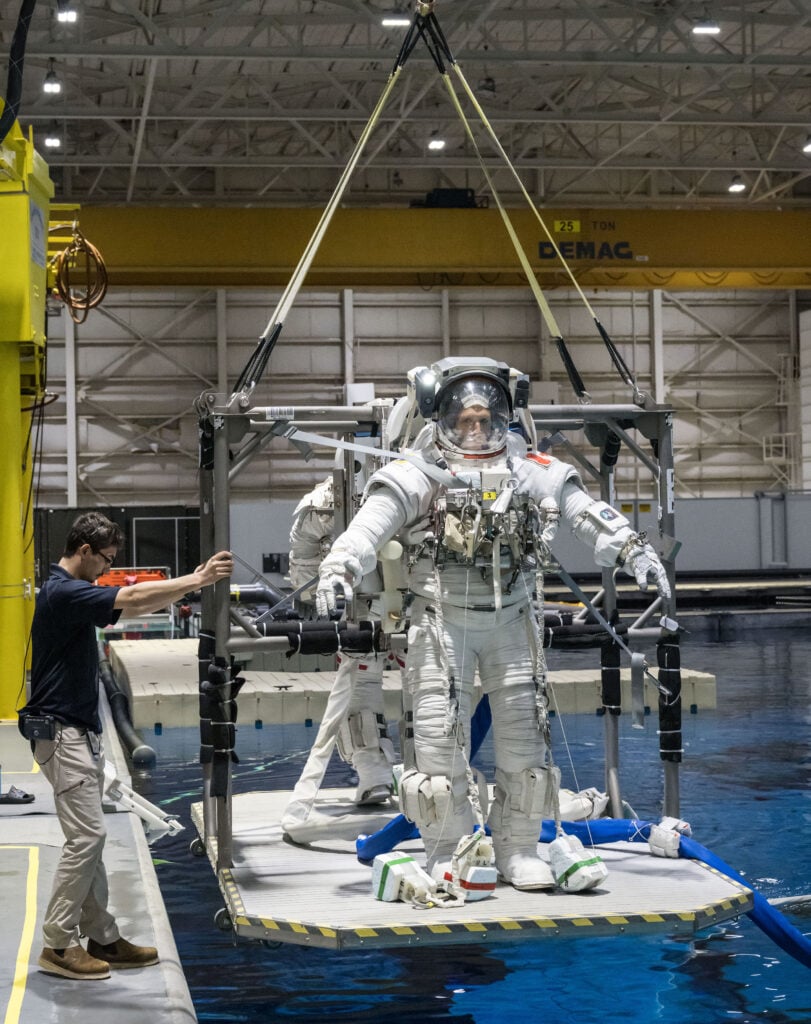
Canadian Space Agency astronaut Joshua Kutryk stands on a platform, in a full spacesuit ready to be lowered into NASA's Neutral Buoyancy Laboratory, one of the largest indoor pools in the world which astronauts use to simulate spacewalks. (Photo: NASA/James Blair)
Expand Image

He will be the first Canadian to fly on a SpaceX Dragon spacecraft to the International Space Station. While other Canadian Space Agency astronauts have been to the ISS before – most recently, David Saint-Jacques in 2018-19 – Kutryk said his mission will be a strategic play for Canadian involvement in future moon missions.

He pointed to his personal Crew-13 patch, showing the crescent moon floating above the International Space Station, as a symbol of that lunar commitment: “You see, of course, the space station because that’s where we’re going. You see the moon, because that’s where we’re going next.”

Canada was an early signatory to the NASA-led Artemis Accords, which is a consortium of dozens of nations who have committed to US norms in space. Some countries, including Canada, Japan, and certain European countries, also contributed hardware to a planned NASA space station that would orbit the moon, called Gateway.

In late March, less than two weeks before Hansen’s moon mission, NASA said it would “pause” Gateway to instead pour more resources into a planned lunar base on the surface. Kutryk’s address took place against the backdrop of the international changes associated with that shift. For example, Canadarm3, funded by Canadian Space Agency and developed by Brampton-based private company MDA Space, was initially promised to Gateway in exchange for at least two lunar Artemis astronaut missions (including Hansen’s).

MDA Space’s Canadarm3 contract with Canadian Space Agency is still ongoing, and the company says the robotics can be used for other projects. Meanwhile, both Canadian Space Agency president Lisa Campbell and NASA have said international partners will have a place in the moon’s base’s development.

Kutryk said the certain thing about NASA is the agency is committed to that moon base. “In the next few years, I’m 100 per cent confident you will see American astronauts starting to build this moon base on the surface,” he said. “We certainly hope that you’ll see astronauts from other countries there, and possibly even from Canada as well.”
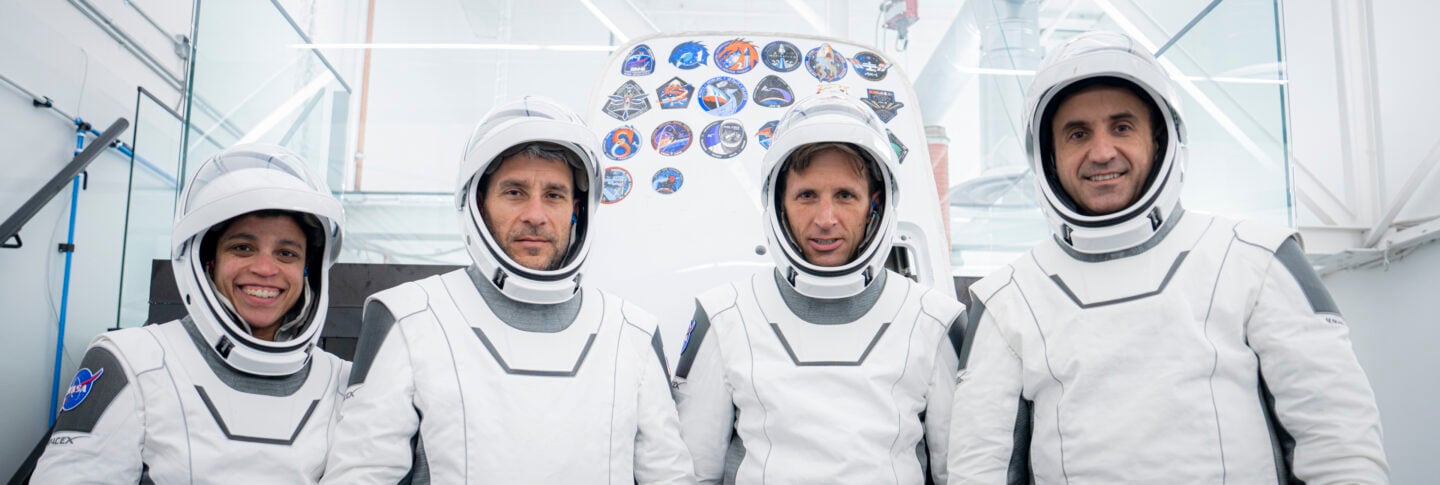
Crew-13 astronauts train for their International Space Station mission at SpaceX's facilities. (Left to right) NASA astronauts Jessica Watkins and Luke Delaney, Canadian Space Agency astronaut Joshua Kutryk, and Roscosmos cosmonaut Sergey Teteryatnikov. (Photo: SpaceX)
Expand Image

Mars and exploration

Lightly referencing US politics, Kutryk said NASA has had a singular focus for decades, regardless of which party is in power. That focus is Mars. “NASA’s ultimate goal, through all the political administrations—and ups and downs, cancellations and new programs—has actually never changed. They’ve always been steered by one goal, and that’s still to go all the way out someday to that small little red planet—with a human.”

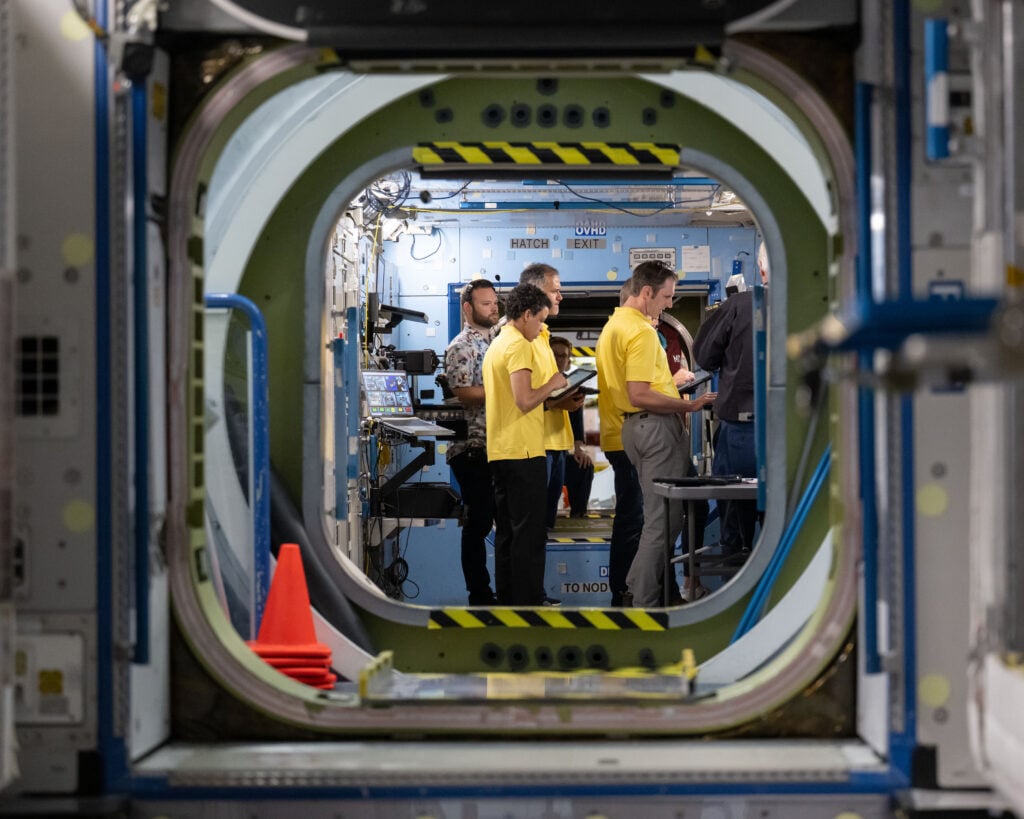
The Crew-13 astronauts participate in emergency scene training. In yellow, from left to right: NASA's Jessica Watkins and Luke Delaney, Canadian Space Agency's Joshua Kutryk, and Roscosmos's Sergey Teteryatnikov (hidden behind Joshua Kutryk). (Photo: NASA/Bill Stafford)
Expand Image

With that Martian goal in mind, he pointed to one major way that Canada is prepared to contribute: with a funded lunar-utility rover program that aims to bring a cargo cart to the moon for Artemis astronauts as soon as 2033. That rover could be repurposed for future Mars missions.

Alluding to exploration, however, Kutryk said the key is for multiple nations to be involved in learning more about “the next new ocean” of space, because it is a forum for discovery and innovation. Canada, he emphasized, does have a place in this new space forum.

“We would be so foolish to give up now, to say, no, we don’t want to be a part of this,” he said. “We have a lot more that we can offer as a country, and I’m confident we’ll get there as the years go by. I think if you’re a young person in Canada, as I once was—and you dream about flying in space or working in space, or seeing a Canadian flag on the moon—I think your future has never been brighter. I think this is going to happen.”

Advertisement

Help us tell Canada’s story

You can support Canadian Geographic in 3 ways:

Live Net Zero Email Service

Related Content

Science & Tech

Artemis II astronauts have returned safely to Earth following historic mission around the moon

Canadian Geographic is following this history-making mission, which saw Canadian Space Agency astronaut Jeremy Hansen become the first Canadian to fly around the moon

  • 5285 words
  • 22 minutes

Science & Tech

Canada’s ‘moon joy’ will continue long past Artemis II. Here’s what’s next for our space program

While Jeremy Hansen’s mission is complete, Canadian scientists and astronauts will be involved in future space missions – including to the moon

  • 857 words
  • 4 minutes

Exploration

From Labrador to Luna: Training future moon explorers

With the Artemis II mission set to blast off next spring, humanity is one step closer to returning to the moon. In the meantime, astronauts are honing their skills in a Labrador meteorite crater.

  • 2203 words
  • 9 minutes

Science & Tech

Who is Jeremy Hansen, the Canadian tapped by NASA to fly around the moon?

Canadian Space Agency astronaut Jeremy Hansen will soon be blasting off on NASA’s Artemis II mission. How did he get from an imaginary treehouse spaceship in rural Ontario to the real thing? 

  • 3607 words
  • 15 minutes
Advertisement
Advertisement