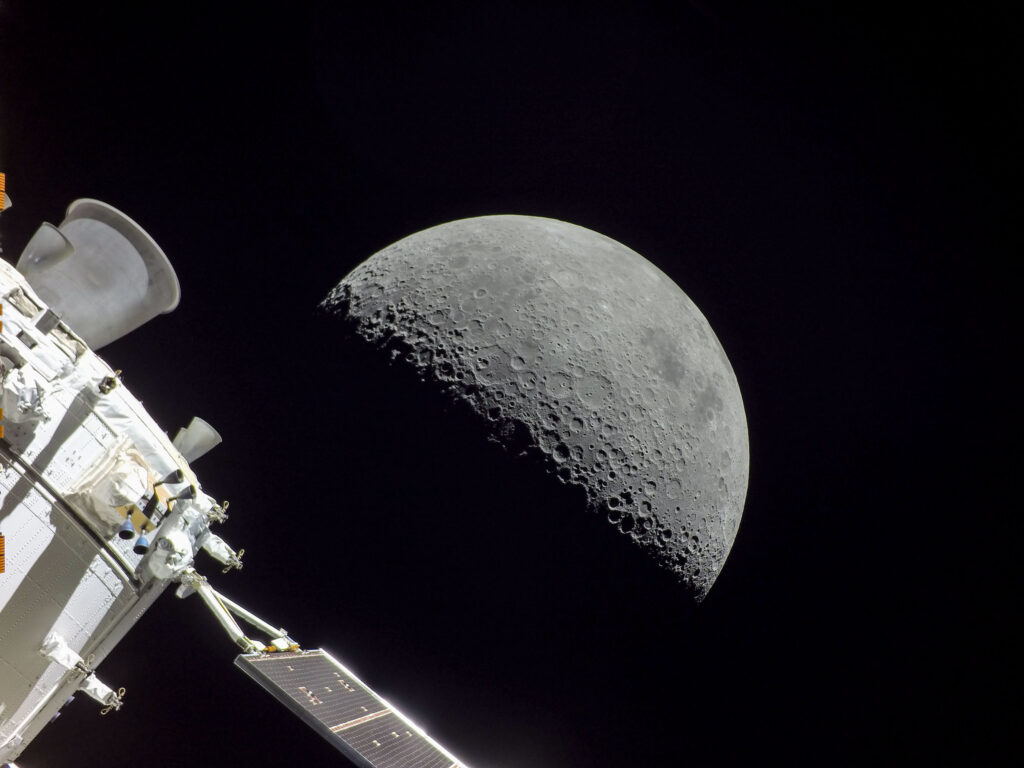
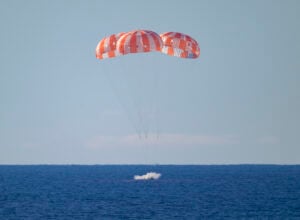
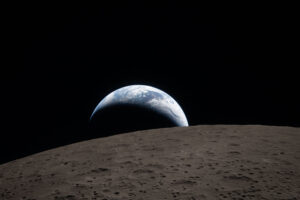
Artemis II, originally scheduled for September 2024, is now expected to launch in April 2026. This is an incredibly exciting mission for our country, as Canadian astronaut Jeremy Hansen will be onboard. While this mission will not land on the moon, it will still be historic: it will be the first time that astronauts will fly in NASA’s Orion spacecraft and, as it flies past the moon, it will break the record for the farthest distance humans have ever travelled from Earth — over 450,000 kilometres. Jeremy’s participation will also make Canada only the second country in the world to send a human to what we refer to as “deep space.” The return of humans to the surface of the moon for the first time since 1972 will occur with Artemis III, currently scheduled for sometime in 2027.
Unsurprisingly, training for the Artemis astronauts has focused largely on the aspects of the mission that will keep them alive: operating the spacecraft that will fly them to the moon and back, learning to moonwalk in their space suits, and so on. However, like the Apollo program before it, a major goal of the Artemis program is advancing lunar science.
Artemis III, along with at least the next two human missions and countless preceding robotic missions, are going the south pole of the moon. Just like polar explorers here on Earth, astronauts exploring this region will face greater challenges than the pioneers who flew the Apollo missions. Not only is it much harder to get to and communicate with the poles, these explorers will be doing fieldwork in a place where the sun never rises more than a few degrees above the horizon and where temperatures can reach an unfathomable -200 degrees Celsius.
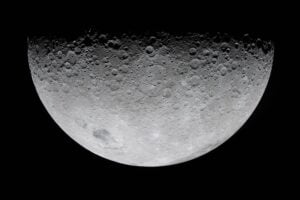
The south polar region of the moon is also incredibly geologically complex, potentially harbouring deposits of water ice. It is the site of the largest impact crater in the solar system, the South Pole-Aitken Basin, measuring a whopping 2,500 kilometres in diameter. We think this crater formed over four billion years ago, but to know its exact age, we need astronauts to conduct geological fieldwork and collect samples to bring back to Earth.
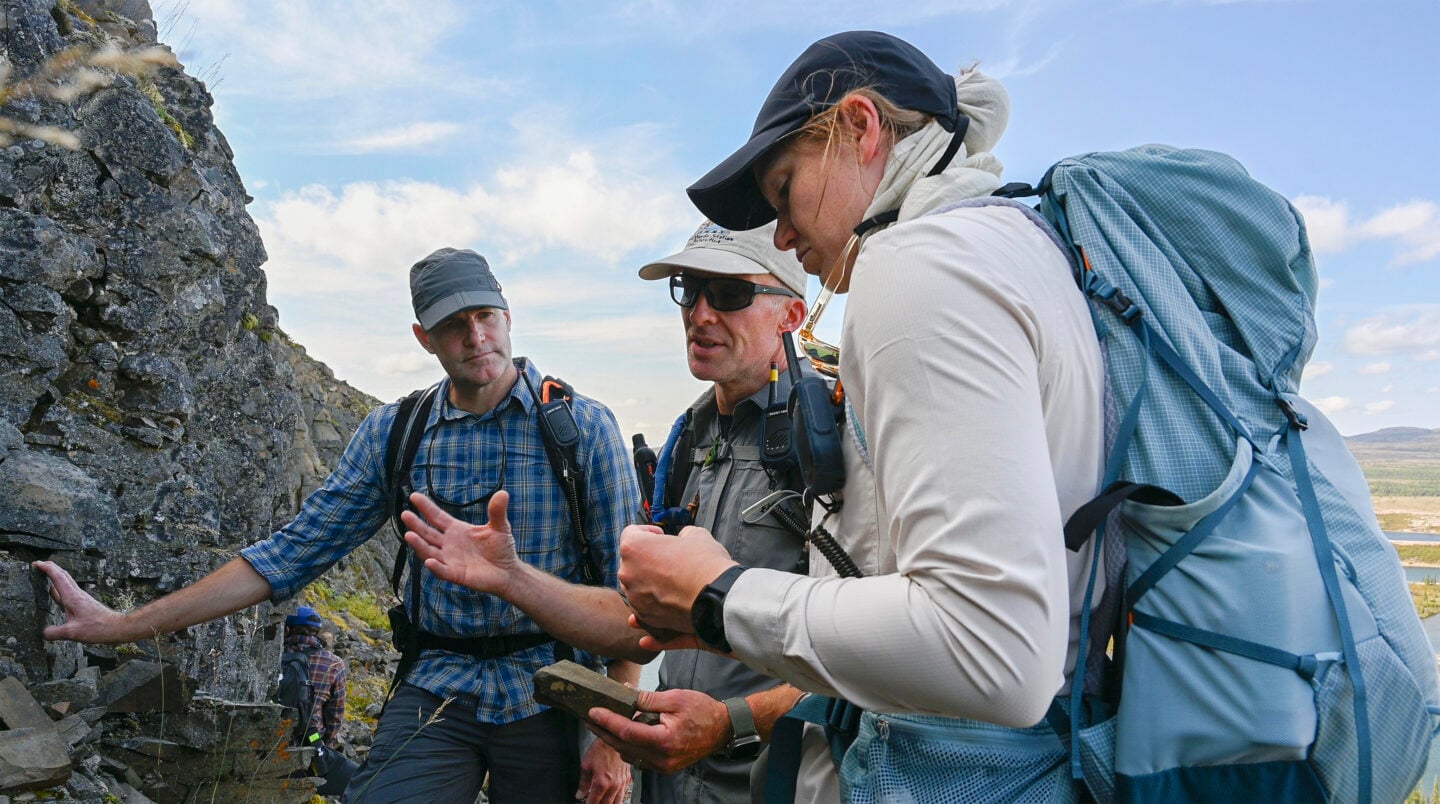
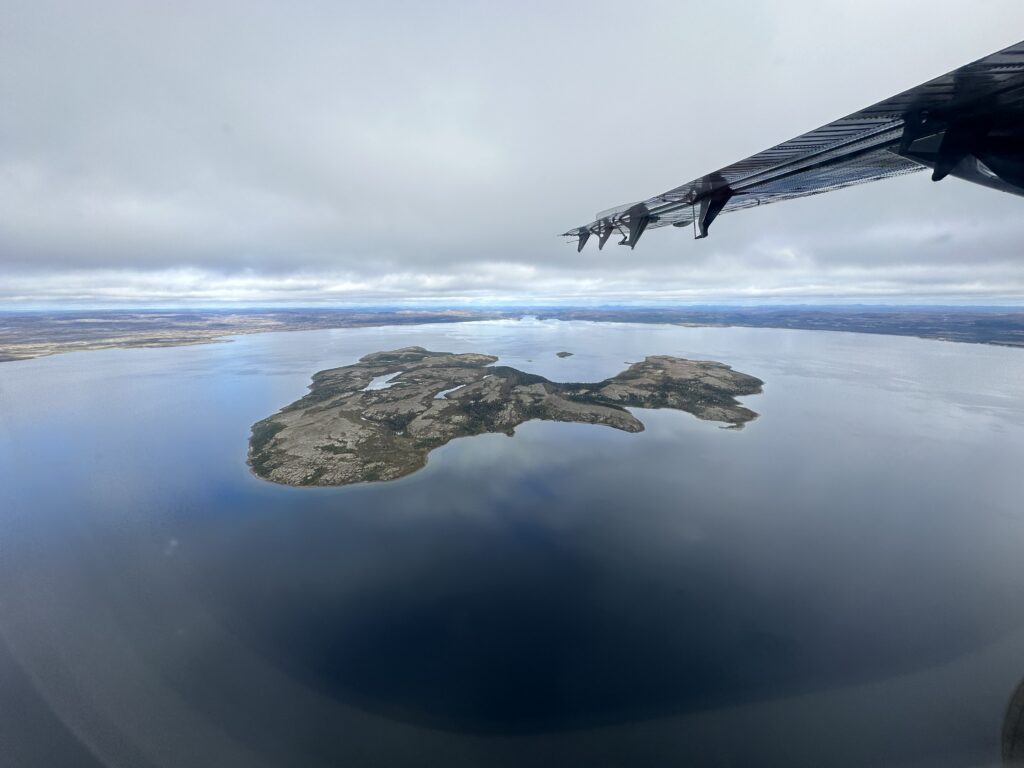
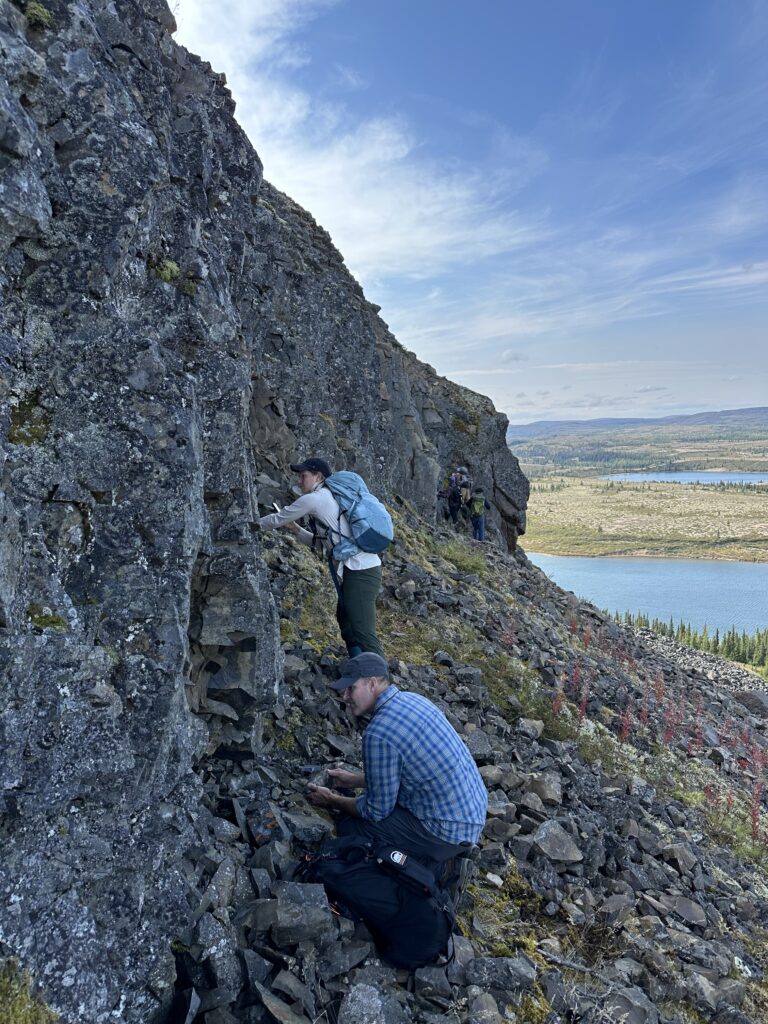
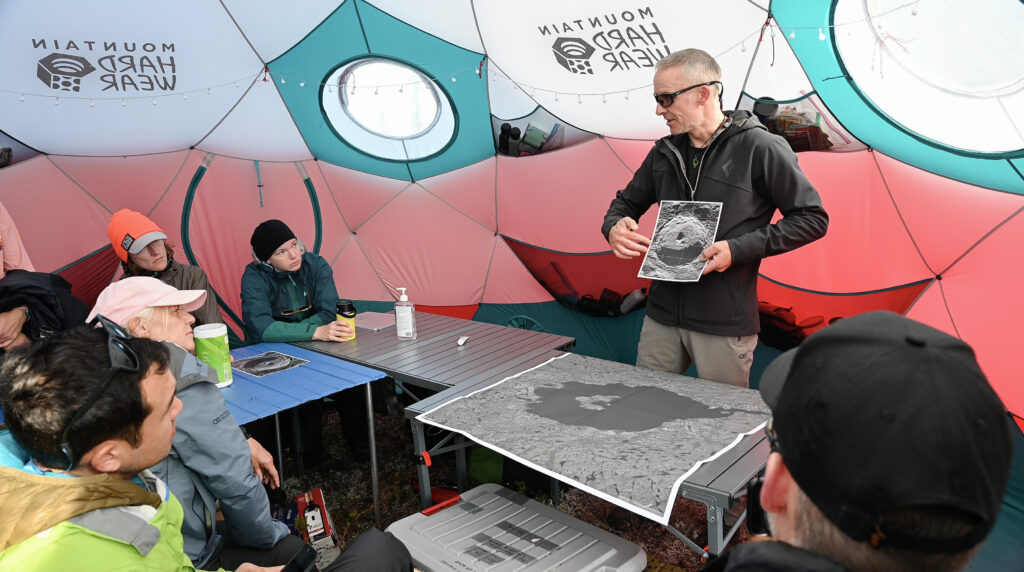
The only way to prepare astronauts to do geology on the moon is to train them in similar environments on Earth — namely, meteorite impact craters.