By virtue of Canada’s colossal landmass, our outsized country is integral to the movement of wildlife from pole to pole across the continent. And with this abundance comes the responsibility to care for the habitat they rely on. National wildlife areas and migratory bird sanctuaries are two important ways the federal government safeguards these spaces, forming a vast conservation network across the country.
Managed by Environment and Climate Change Canada’s Canadian Wildlife Service, these areas are particularly important to migratory birds, allowing birds safe passage and providing scientists with space to conduct vital research. Many are also open to the public, providing opportunities for people to connect with nature.
Here are some intriguing and surprising facts about these protected landscapes and the bird species that live there — or stop in along their long migrations.
The network
64
The 64 national wildlife areas across the country protect about 35,000 square kilometres.
115,000
It’s wild to imagine that Canada’s migratory bird sanctuaries protect 115,000 square kilometres — an area more than twice the size of Nova Scotia. There are a whopping 92 migratory bird sanctuaries.
What’s the difference?
National wildlife areas and migratory bird sanctuaries often overlap, and they are both meant to conserve wildlife habitat. Migratory bird sanctuaries protect landscapes specifically for migratory birds and are created under the Migratory Birds Convention Act. National wildlife areas have a wider purpose under the Canada Wildlife Act to conserve habitat for all wildlife, conduct research and help visitors learn more about wildlife.
On the wing
450
Canada is a bird mecca. Roughly 450 bird species, the majority of them migratory, make their homes in Canada.
4
Four migration superhighways run the length of North America and pass through Canada: the Pacific flyway, Central flyway, Mississippi flyway and the Atlantic flyway.
40 per cent
Birdwatchers will love this statistic: migration means a greater opportunity to see more birds. More than 4,000 bird species, some 40 per cent of all known species, regularly migrate.
Stopping points
4
Birds and other wildlife depend on four main habitat types, and Canada has them all: woodland (coniferous and deciduous trees), aquatic (shorelines, oceans, lakes, ponds and wetlands), scrub-shrub (short woody plants and bushes) and open habitats (farm fields, tundra and grasslands).
Woodland Birds
3.69 million
Did you know that 3.69 million square kilometres in Canada are covered in forest, accounting for almost 9 per cent of the world’s total forest area?
300
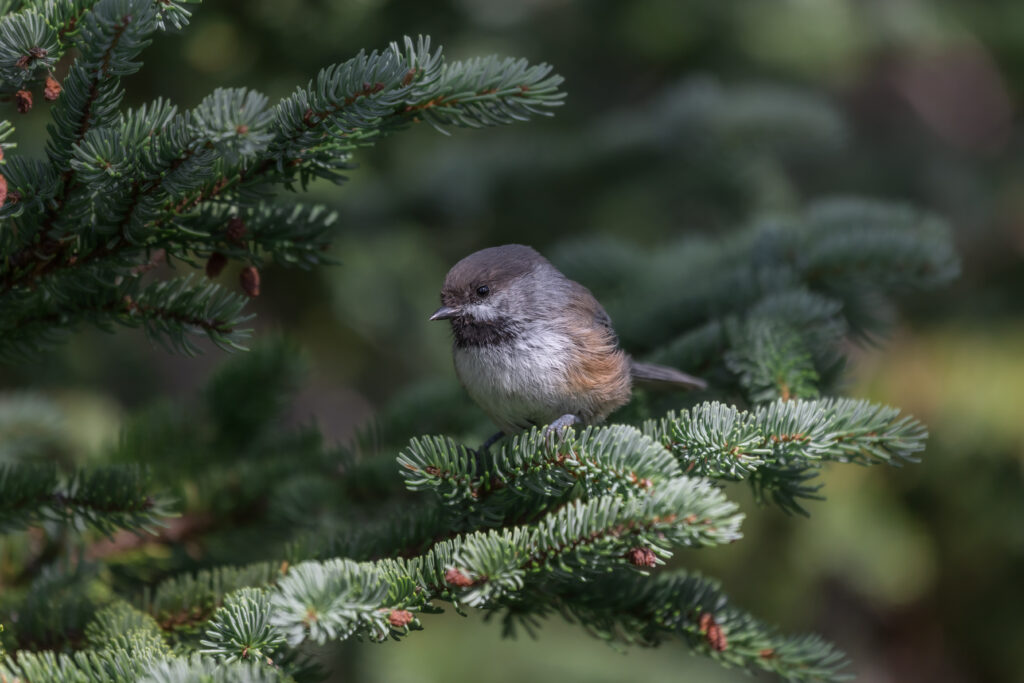
Some 300 species of birds breed in the boreal forest, earning it the nickname “North America’s bird nursery.”
1 in 3
Our birds love trees! One-third of the bird species in Canada rely on forests.
80 per cent
I guess they don’t love the snow. About 80 per cent of Canada’s forest birds migrate for the winter.
Waterfowl
Canada is a paradise for birds that prefer wetlands. Some 25 per cent of the world’s wetlands — areas where the soil is waterlogged — are in Canada.
500+
It’s a big number, proving how important wetlands are — 500-plus plant and animal species rely on Canada’s wetlands, including many migratory birds.
40-60 hours
Shorebirds are superheroes. Some species can fly for 40-60 hours uninterrupted when they migrate to Canada’s beaches, salt marshes, tidal flats and estuaries.
Birds that love scrub and shrubs
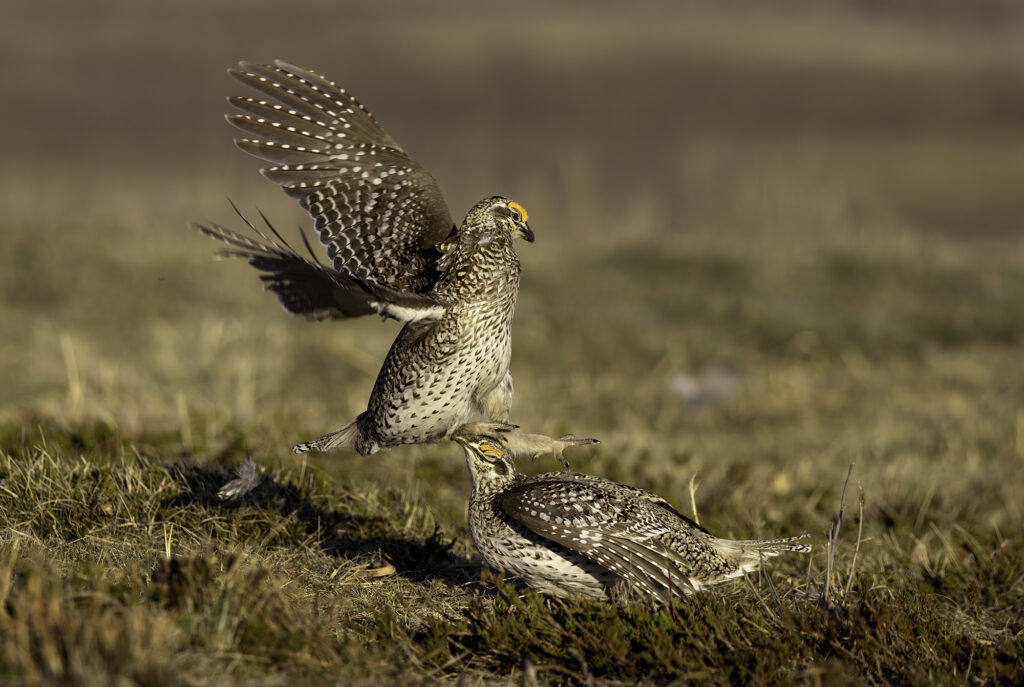
From grouse to waterfowl and hawks to owls, a wide variety of bird species depend on Canada’s grasslands and shrublands.
19 per cent
This important habitat covers just 19 per cent of the country.
67 per cent
The grasslands are under threat, as reflected in the statistic that 67 per cent of Canada’s grassland bird population has declined since 1970. That decline is primarily due to habitat loss — grasslands are now one of the most endangered ecosystems on the planet.
135
The tundra is a busy place come summer! There are 135 bird species that breed across North America’s tundra.
Spot these birds
Here are just a handful of the migratory bird species that visit Canada’s forests, wetlands grasslands and coastlines each year.
Canada warbler
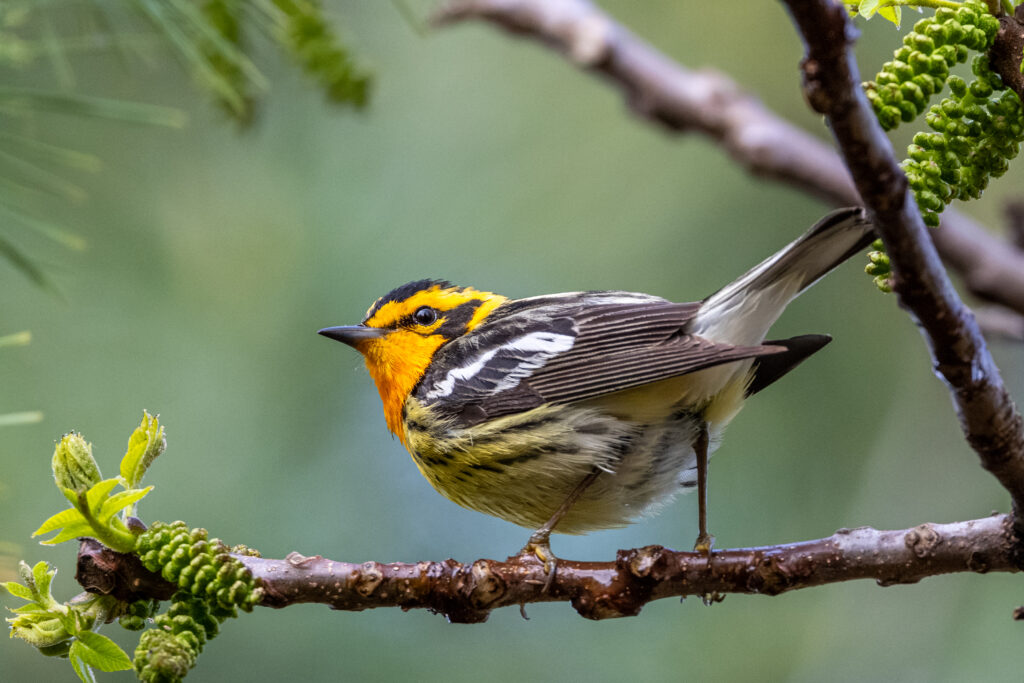
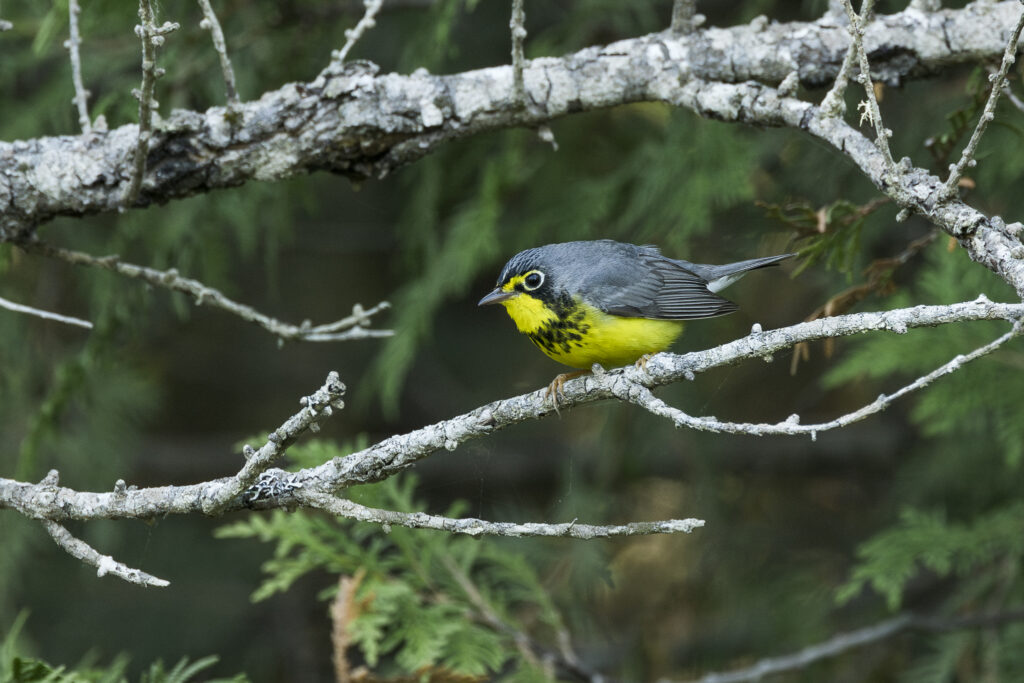
This small boreal songbird with a yellow breast and black “necklace” breeds in forests across Canada and parts of the United States. Consider yourself lucky if you see one — the Canada warbler is a species at risk. Where to spot: Lake Saint-François National Wildlife Area, Que.
Great blue heron
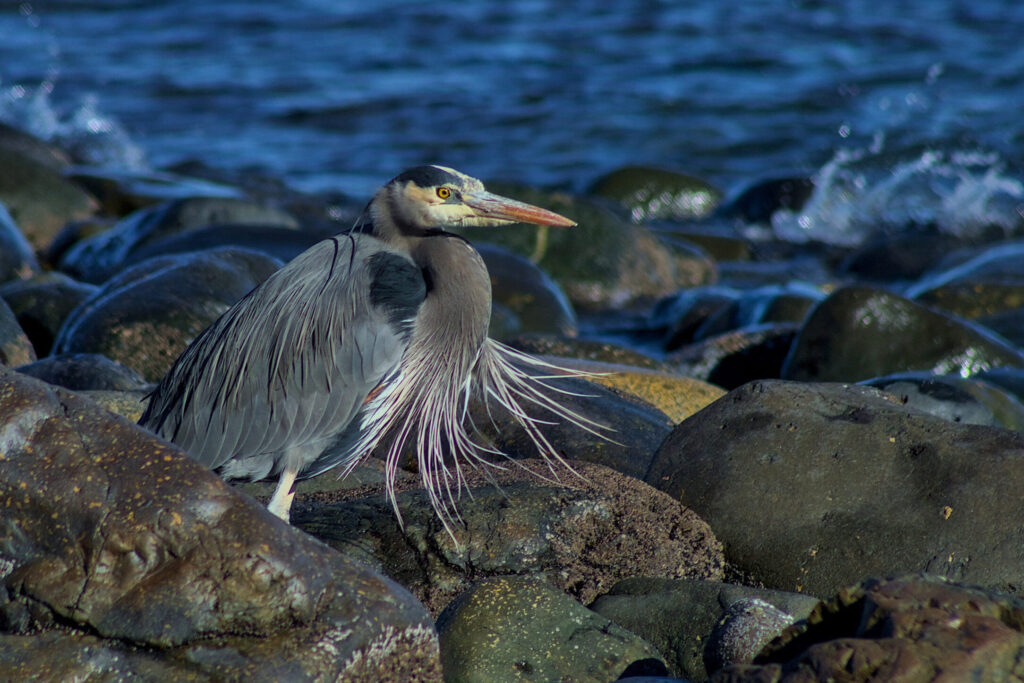
These large and graceful hunters feed day and night at the edges of rivers, shorelines and wetlands. Glimpse them in the warmer months across Canada, though some populations on the West Coast stay year-round. Where to spot: George C. Reifel Migratory Bird Sanctuary, B.C.
Snow goose
This white-feathered waterfowl with ink-dipped wings migrates in giant flocks from the United States to its spring breeding grounds on the tundra. Along the way, it stops to rest and feed in open areas near bodies of water. Where to spot: Cap Tourmente National Wildlife Area, Que.
Whooping crane
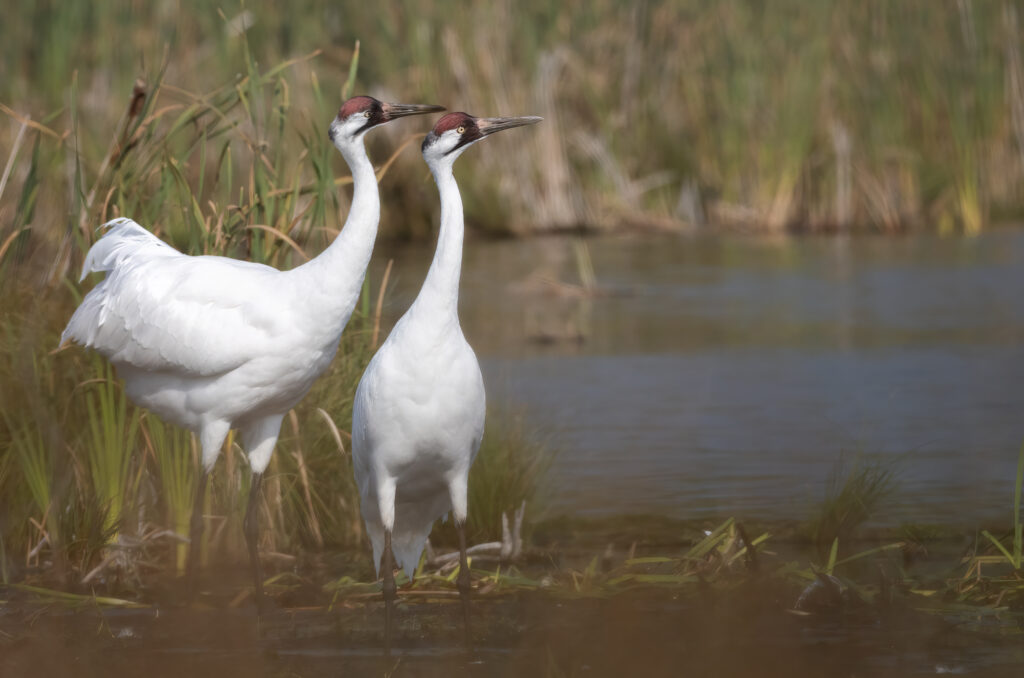
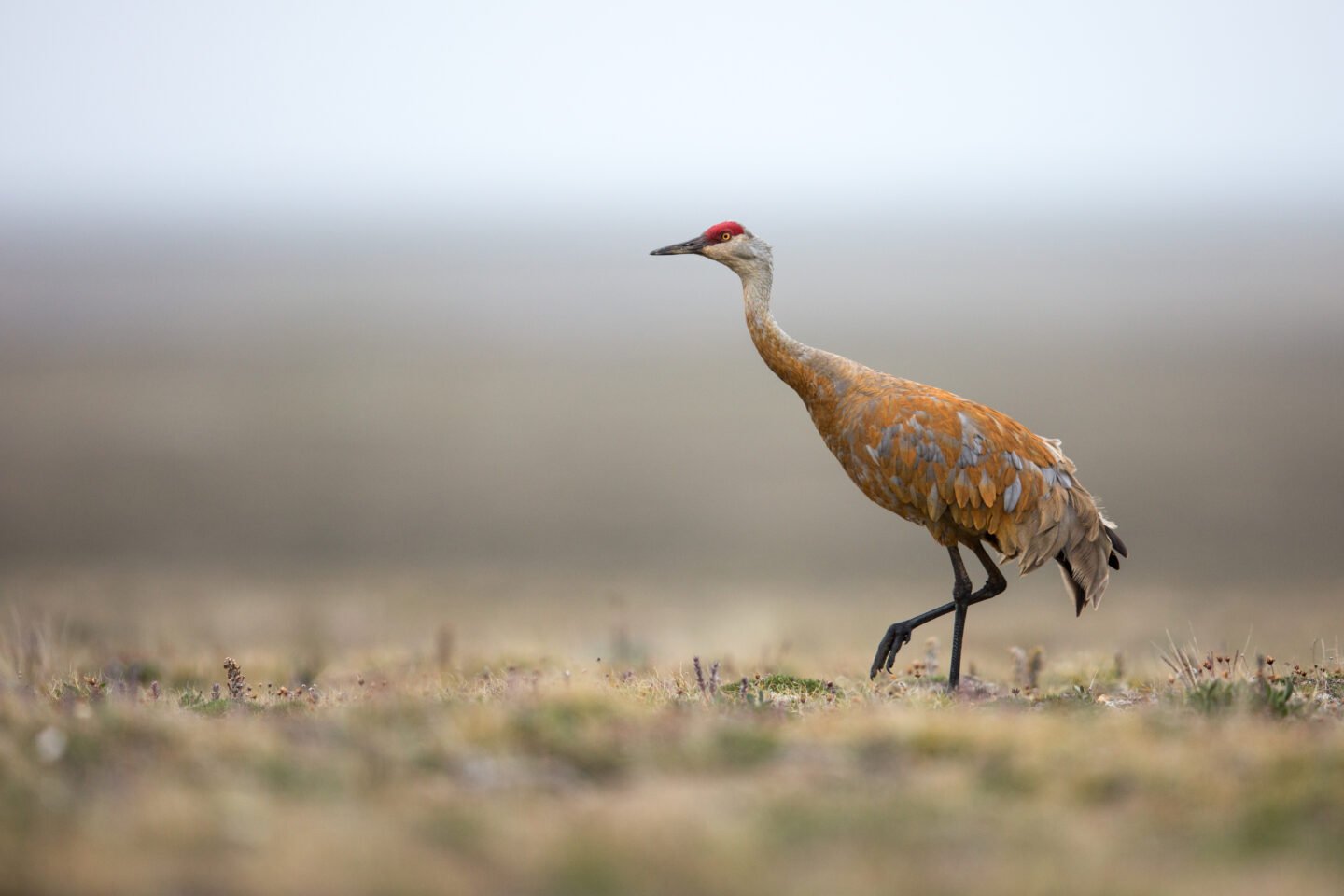
Reaching a mature height of roughly 1.5 metres, whooping cranes are North America’s tallest bird. They are also striking to look at, with milky white plumage and a red cap. They’re an endangered species, making them harder to spot on their spring migration from southeastern U.S. to Wood Buffalo National Park, Alta., one of their only breeding grounds. Thankfully, they also make some pitstops along the way, including at Last Mountain Lake, Sask. Where to spot: Last Mountain Lake National Wildlife Area and Migratory Bird Sanctuary, Sask.
Atlantic puffins
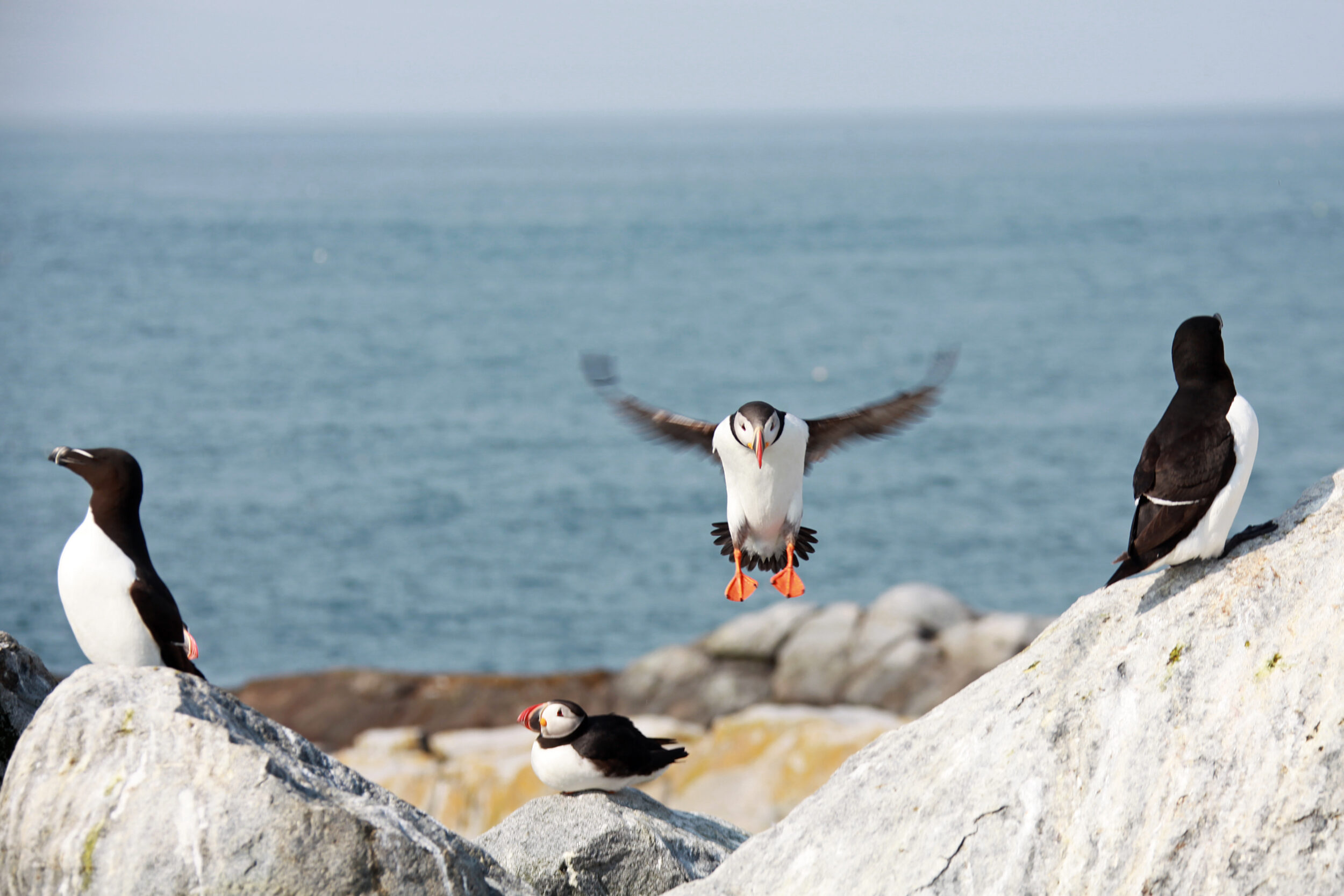
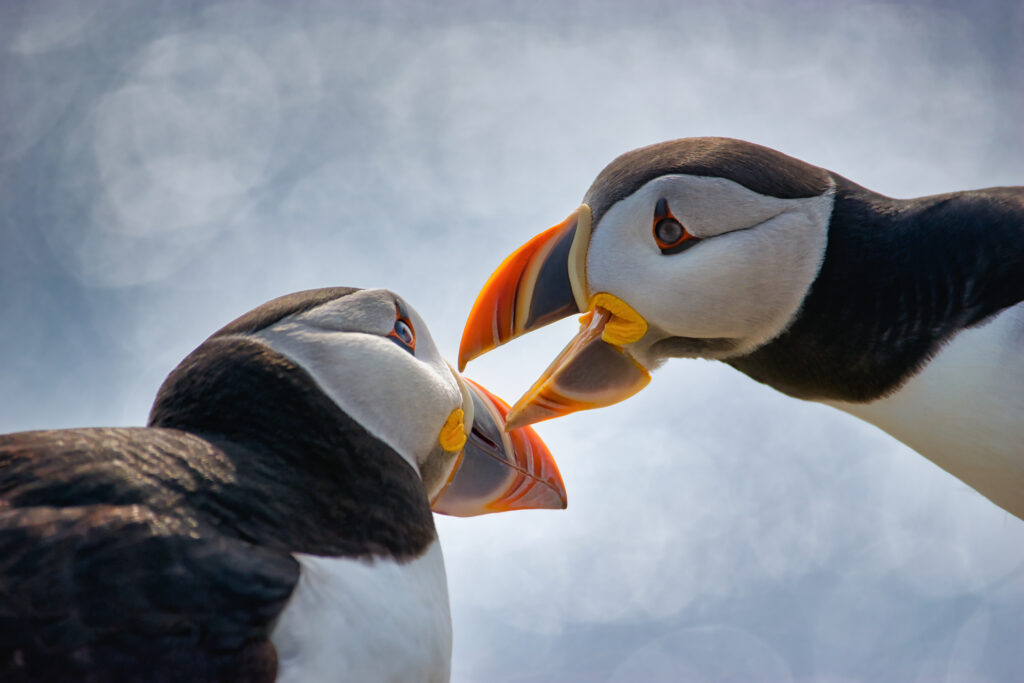
In the warmer months, this so-called clown of the sea migrates from its winter home in open water to islands in the North Atlantic to breed in large colonies. These seabirds live up to 30 years and are adept swimmers, using their small wings as flippers to chase down small fish. Where to spot: Machias Seal Island Migratory Bird Sanctuary, N.B.
Thick-billed murre
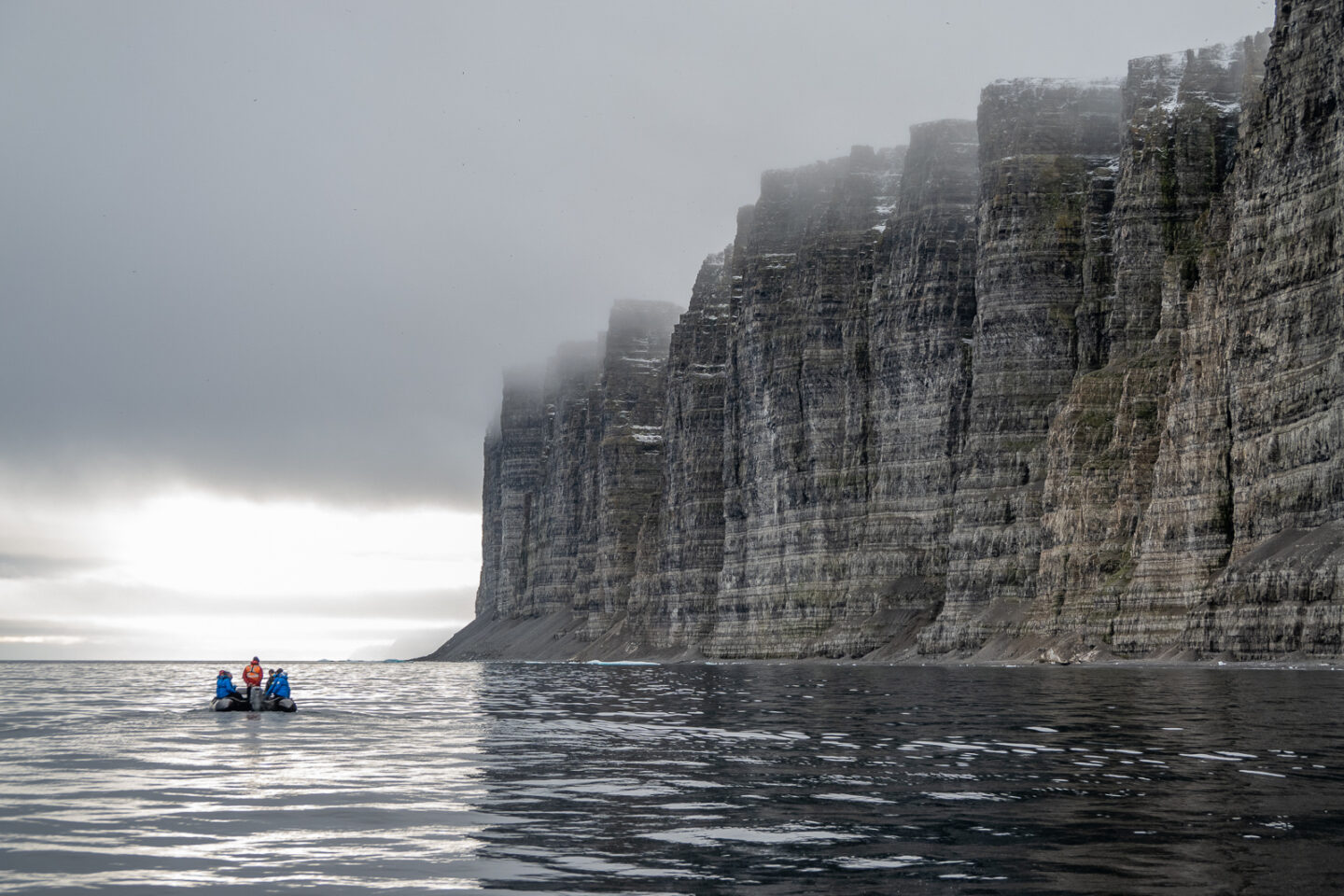
Black-and-white thick-billed murres nest in vast colonies, with sometimes up to one million breeding birds, on cliffs above the Arctic Sea. This penguin-like avian accounts for some of the largest gatherings of seabirds in Canada. Where to spot: Akpaqarvik Migratory Bird Sanctuary, Nunavut.
This story was created in partnership with Environment and Climate Change Canada.