Mapping

For the birds! Mapping Canada’s 92 migratory bird sanctuaries

These federally protected areas are located along avian superhighways — also known as flyways — traversed by millions of birds on their annual migrations. They provide vital stopover sites and breeding grounds.

[ Disponible en français ]
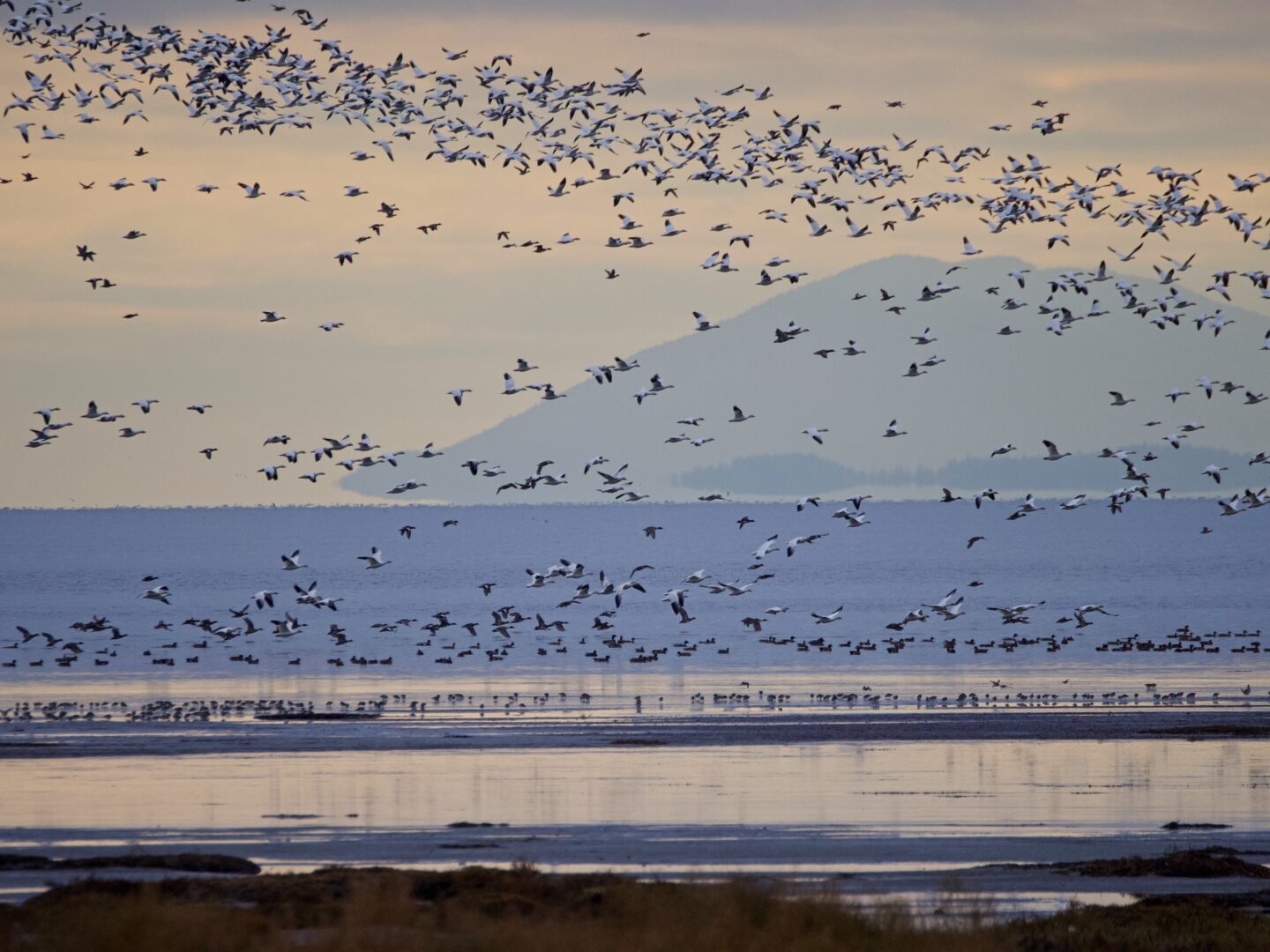
Hundreds of snow geese migrate along the B.C. coast. (Photo: Greg Peterson/Can Geo Photo Club)
Expand Image
Advertisement
Advertisement
Advertisement

Bird migration is one of the world’s great wonders as billions of birds take to the skies each spring and fall to fly between their summer and winter homes. It’s also a gruelling test of stamina and strength. Canada’s 92 migratory bird sanctuaries, managed by the Canadian Wildlife Service of Environment and Climate Change Canada, make the perilous journey just a tiny bit less onerous.

In 1887, Last Mountain Lake in Saskatchewan became the first federally protected area for the conservation of birds in North America (it would become a federal migratory bird sanctuary in 1921). The decision to set aside this land from settlement — and from the railway line — was petitioned by Edgar Dewdney, lieutenant governor of the North-West Territories, who completed a land survey and found that the area was “favourite breeding grounds for almost all the different varieties of waterfowl in the North-West, from pelicans to snipe [and] the shores of the islands are literally covered with eggs.” The desire to protect such abundant waterfowl populations coincided with alarming and visible declines in wildlife populations — including bison, egrets and passenger pigeons — largely due to overhunting.

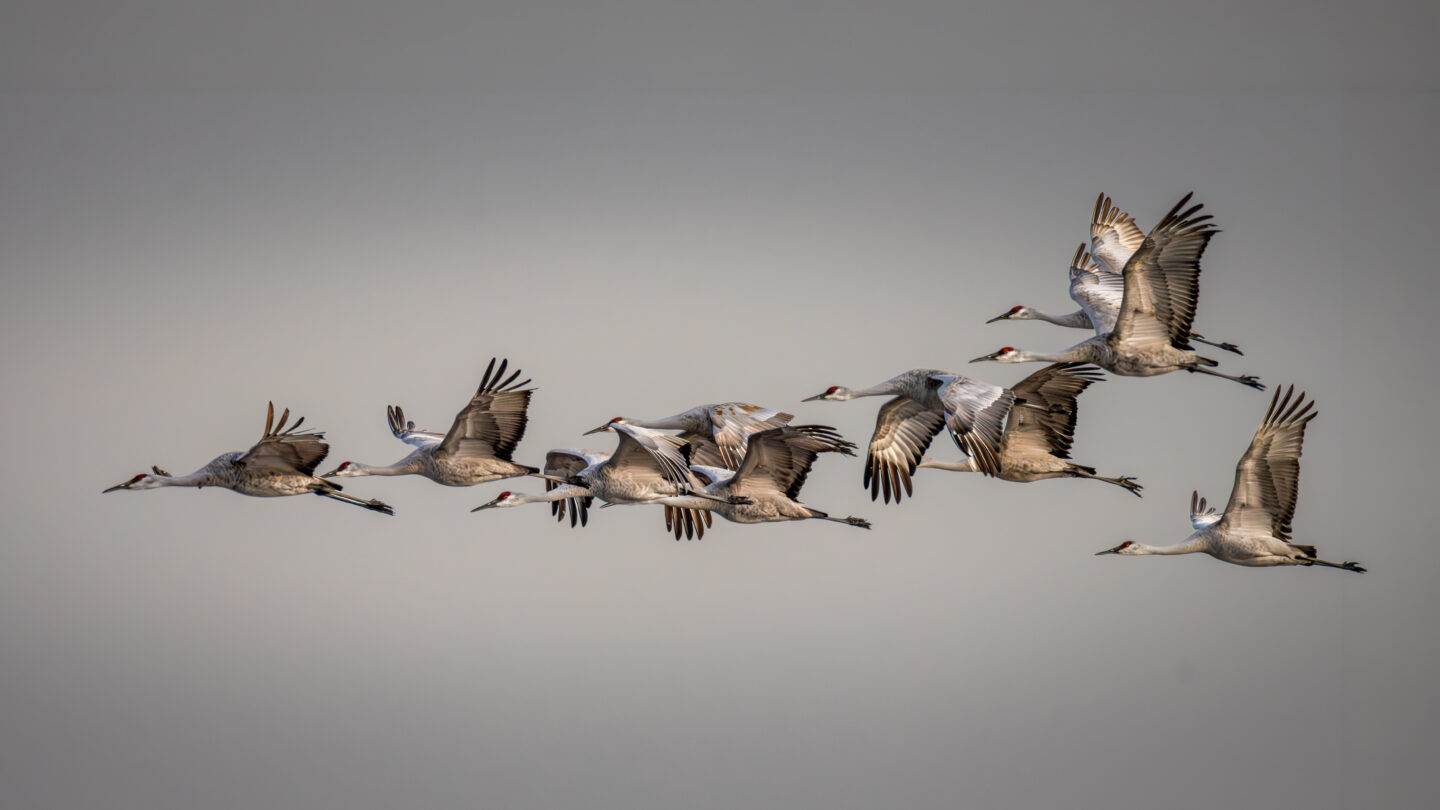
A line of sandhill cranes on migration. (Photo: Michelle Bassie-Brown/Can Geo Photo Club)
Expand Image

By the time Canada passed the Migratory Bird Convention Act in 1917 to protect migratory birds from overhunting and commercialization, the passenger pigeon was extinct and the millinery trade had rendered egrets very nearly extinct. The time to protect migratory bird populations could wait no longer.

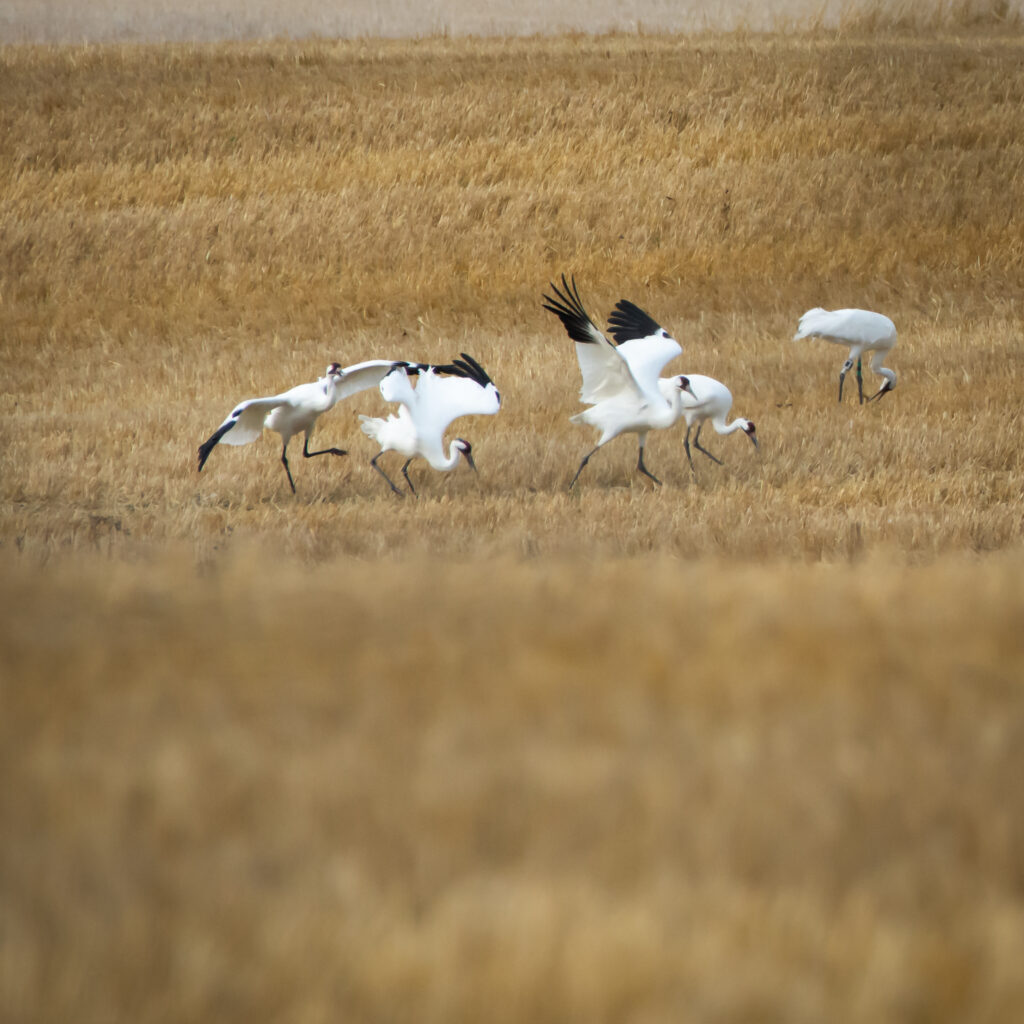
A group of whooping cranes stop in a Saskatchewan field during the fall migration. (Photo: Peter Goode/Can Geo Photo Club)
Expand Image

Over the course of the 20th century, Canada established 92 bird sanctuaries, covering more than 11.5 million hectares. These sanctuaries ensure that migratory birds are protected at critical junctures in their life cycles when they are particularly vulnerable: during nesting and breeding; during moult, when some species are essentially flightless while they shed and regrow feathers; while they rest and refuel to prepare for the rest of their arduous migratory flights; and while they overwinter.

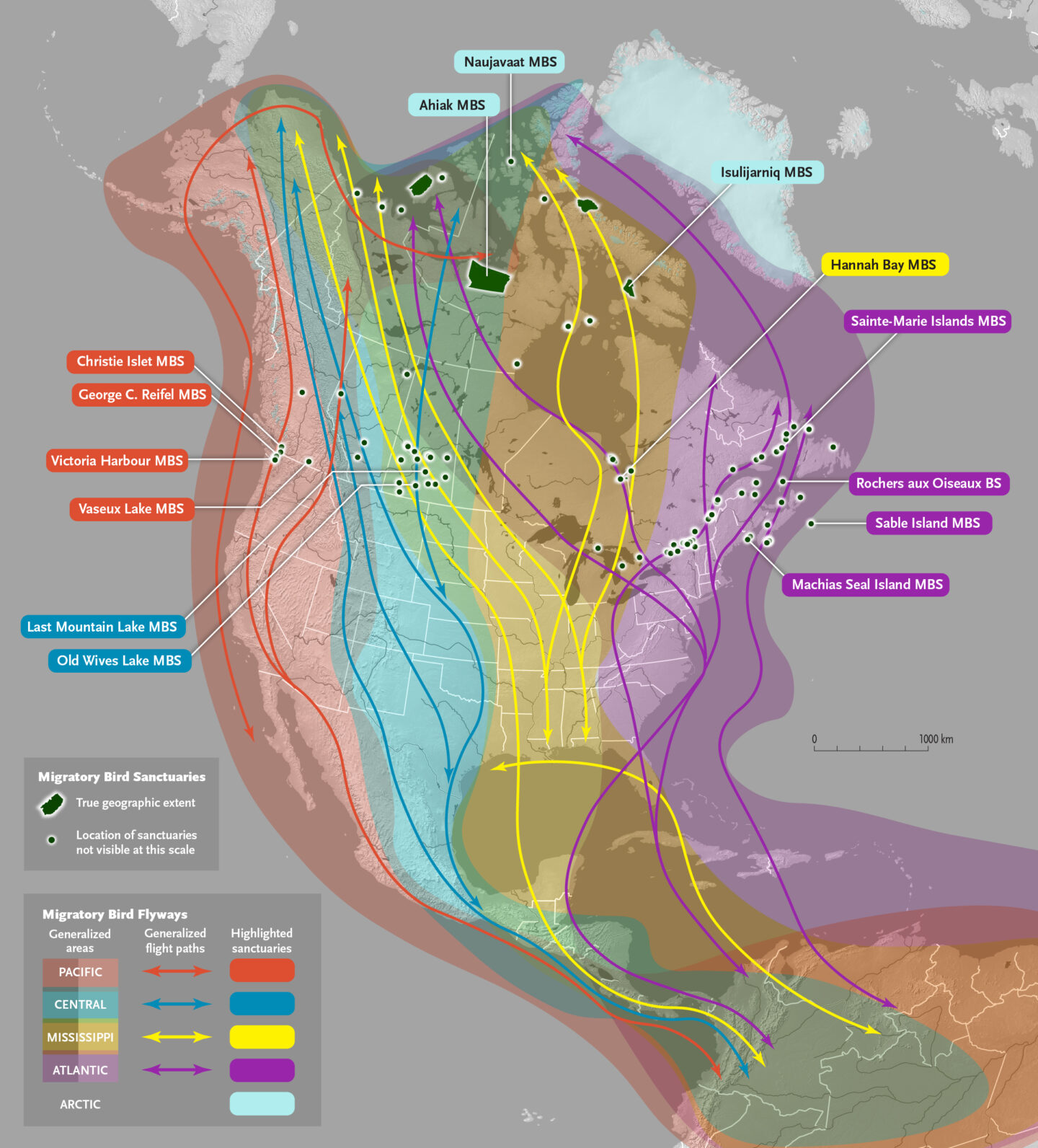
Canada’s migratory bird sanctuaries are strategically positioned along four key avian superhighways — known as flyways — used by all manner of birds as they migrate from their wintering grounds in Central and South America to their breeding grounds in Canada. Migratory bird sanctuaries along the Pacific and Atlantic flyways provide coastal refuge for shorebirds and seabirds, while those servicing the Central and Mississippi flyways offer especially valuable protection to waterfowl. The exact locations of these migratory bird sanctuaries are carefully chosen, with researchers selecting sites based on specific criteria, including support for at least one per cent of a species’ population, vulnerability to threats and the presence of rare or endangered species.

Though birds have perfected their navigational skills to undertake journeys that cover vast distances — up to 80,000 kilometres per year for that champion North American migrant the Arctic tern — they can’t accomplish these incredible feats without proper habitat and abundant food to greet them upon their arrival or at their stopover sites. At a time of biodiversity loss and steep avian population declines, migratory bird sanctuaries offer critical protection when birds are at their most vulnerable.

Canada’s migratory bird sanctuaries are strategically positioned along four key avian superhighways — known as flyways. (Map: Chris Brackley/Can Geo)
Expand Image

Arctic Region

Avian flyways converge in the Arctic. Here, migratory bird sanctuaries protect a remarkable diversity of shorebirds, songbirds, gulls and waterfowl during the short but intense breeding and nesting season. The bulk of the action takes place between May and early September, with all the birds timing their arrival to coincide with the eruption of insect and plant life. A plentiful food supply allows the migrants to maximize their frenzied around-the-clock breeding, nesting and fledging activities. The Arctic zone is home to Canada’s largest migratory bird sanctuary — Ahiak Migratory Bird Sanctuary clocks in at over six million hectares and boasts a vast and diverse array of specialized ecosystems. There is tundra and meadows, mudflats and marshes, rivers and lakes and wetlands galore. A spotlight on four sanctuaries that Arctic birds depend upon.

Ahiak Migratory Bird Sanctuary, Nunavut

Although a vast variety of birds make use of this vital nesting territory, Ahiak Migratory Bird Sanctuary (formerly known as Queen Maud Gulf) is best known for boasting over 90 per cent of the global population of Ross’s geese. Large flocks of these distinctive geese — snowy white with black wingtips — return each summer to Nunavut’s central mainland coast to breed.

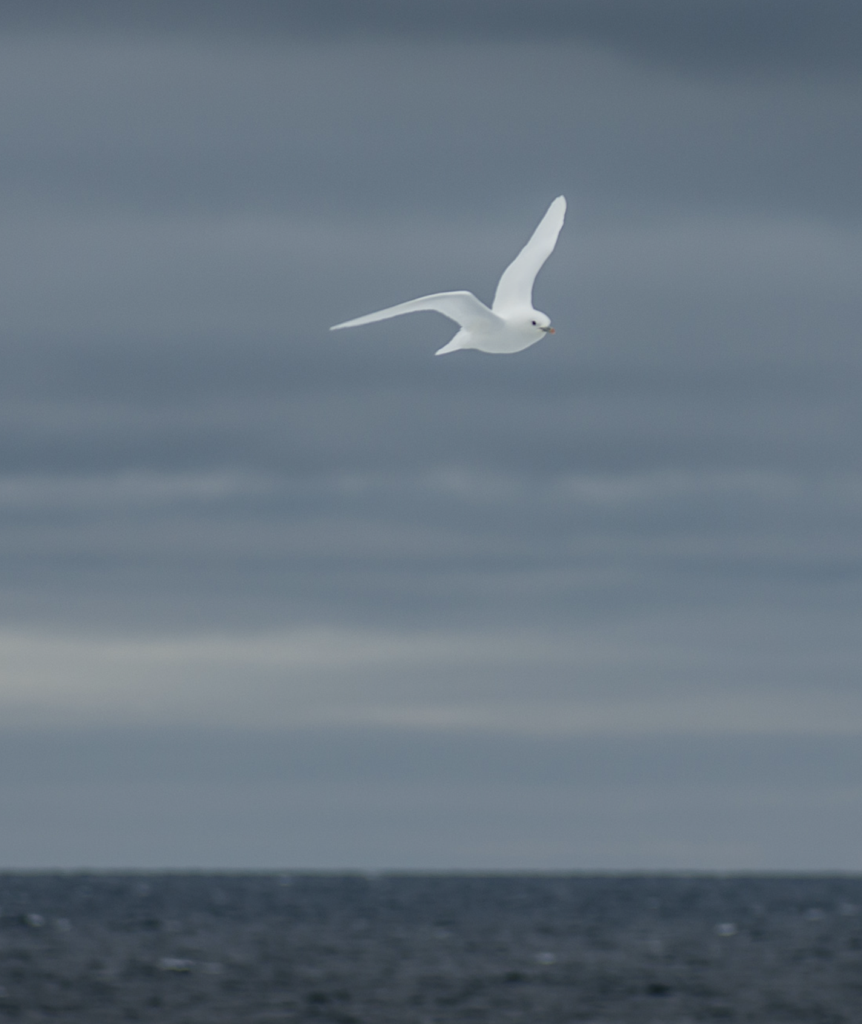
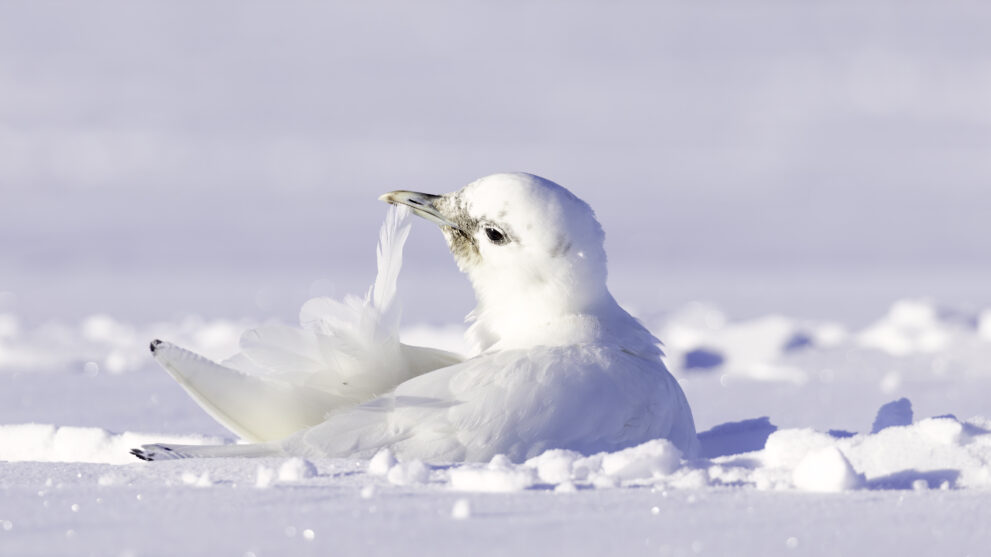
The ivory gull nests in the Naujavaat Migratory Bird Sanctuary. (Photo: Nate Small/Can Geo Photo Club)
Expand Image
Isulijarniq Migratory Bird Sanctuary, Nunavut

The marshy lowlands and tidal flats on Isulijarniq Migratory Bird Sanctuary (formerly known as Dewey-Soper) on the south coast of Baffin Island provide an ideal buffet of diverse vegetation for geese to feast on. This sanctuary is home to the world’s largest colony of lesser snow geese — over a million!  

Naujavaat Migratory Bird Sanctuary, Nunavut

North of Bathurst Island, Naujavaat Migratory Bird Sanctuary (formerly known as Seymour Island) is the island of choice for the endangered ivory gull. These all-white gulls with black legs and yellow bills flock to the island to take advantage of the rocky landscape and raised beaches that help shelter hatchlings from predators. It’s the largest nesting colony in Canada.

Hannah Bay Migratory Bird Sanctuary, Ontario

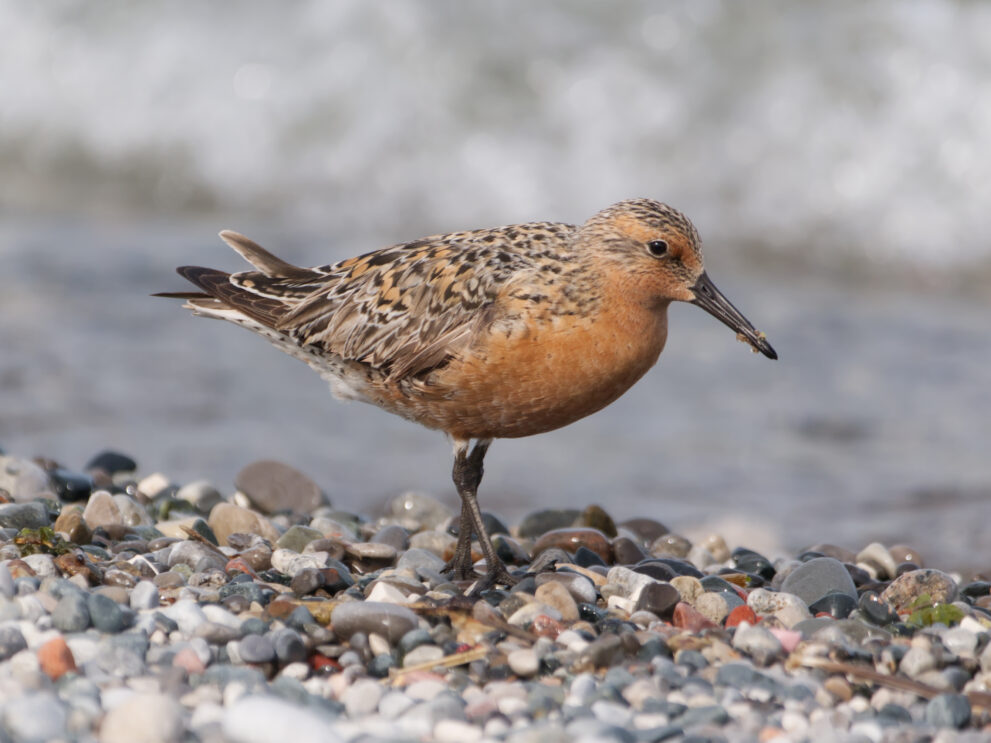
Farther south, along the southern reaches of James Bay, Hannah Bay Migratory Bird Sanctuary is a busy rest stop for migrants heading to the Arctic. It is also an important stopover staging area for roughly 25 per cent of the endangered red knot (rufa subspecies) population. These plump sandpipers stop here to rest and refuel before heading north to Baffin Island to breed.

Advertisement

Central Flyway

The migratory bird sanctuaries in the prairies are located along the Central Flyway and provide a vital stopover feeding area for waterfowl on their long journey to their breeding grounds in the Arctic. Fifty per cent of North American waterfowl use the Central Flyway and rely on these sanctuaries to provide unfragmented areas and undisturbed shallow wetlands in which to rest and recuperate. The depressions — often called potholes — left behind by receding glaciers have turned into nontidal marshes and offer indispensable opportunities for sustenance in an environment that has relatively little water. Many of these potholes have been filled for farming and other development, so the sanctuaries are essential to protect prized wetlands and lakes where waterfowl, shorebirds and grassland species refuel and breed.

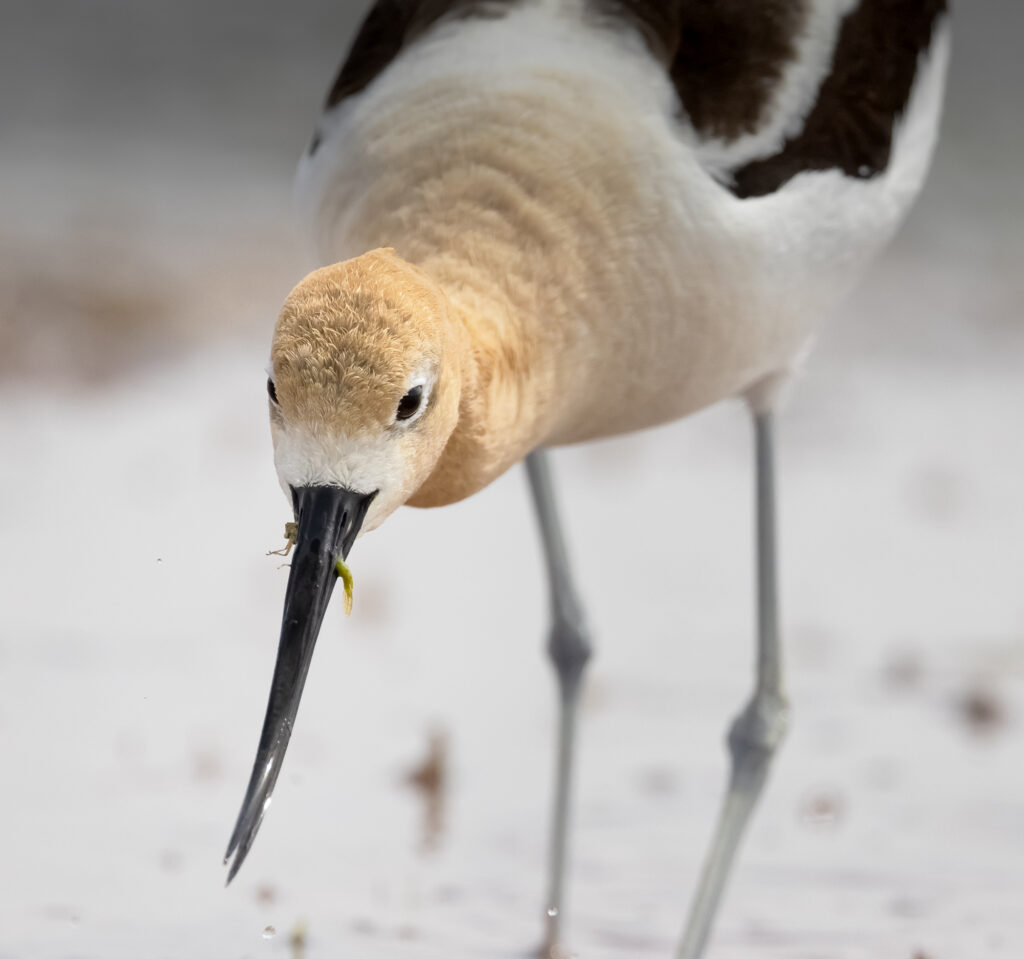
Old Wives Lake MBS is a popular stopover for American avocets. (Photo: Jo-Anne Oucharek/Can Geo Photo Club)
Expand Image

As with most things in the prairies, you have to look closely to appreciate the magic. The blizzard of insects presents tantalizing feeding opportunities as birds migrate north. The prairie sanctuaries offer extraordinary migration spectacles — no one forgets experiencing millions of snow geese taking flight, with a soundtrack akin to a rocket blasting into space, their swirling and swooping flight resembling a tornado. Add to that a veritable grebe bonanza. The prairies are the only place in Canada where the distribution of all six grebe species — red-necked, pied-billed, Clark’s, western, horned and eared — overlaps. Look for them at Last Mountain Lake Migratory Bird Sanctuary, along with endangered species such as piping plovers and whooping cranes. About 200 km south of Last Mountain Lake, Old Wives Lake is also a popular stopping point.

Old Wives Lake Migratory Bird Sanctuary, Saskatchewan

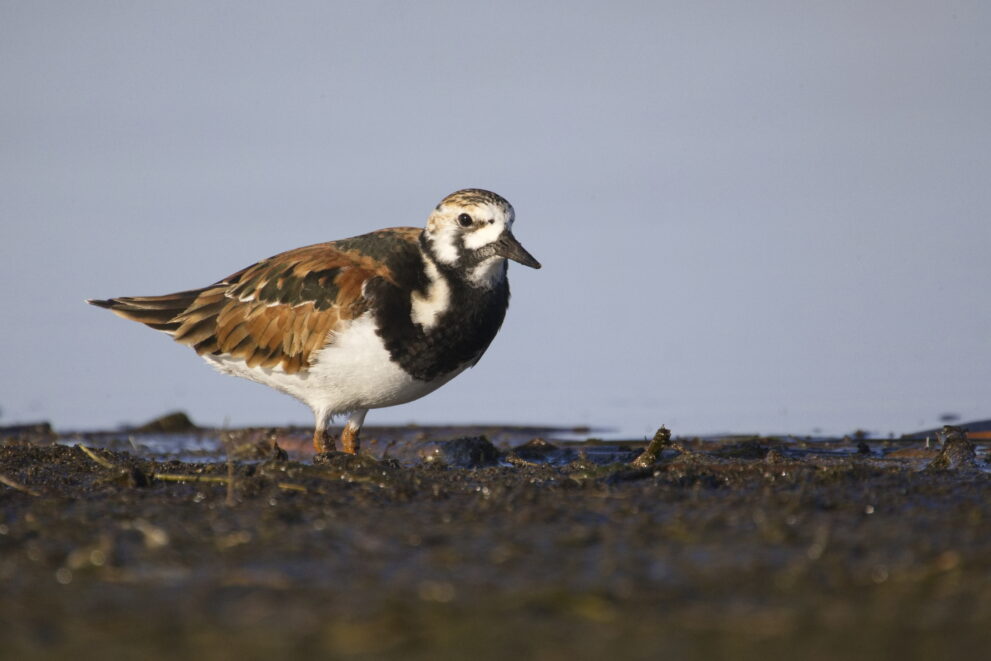
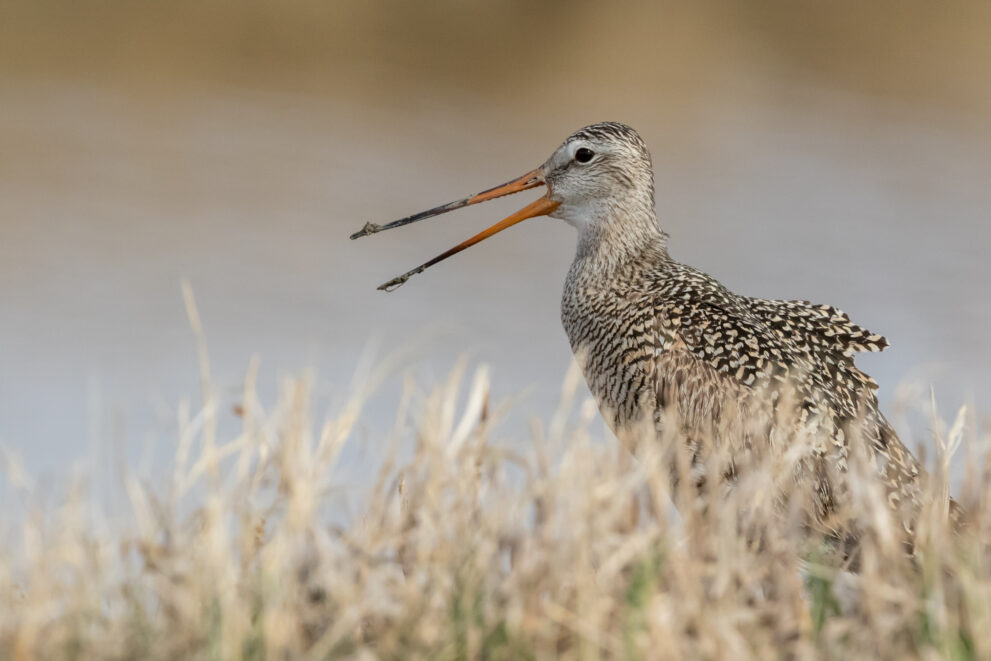
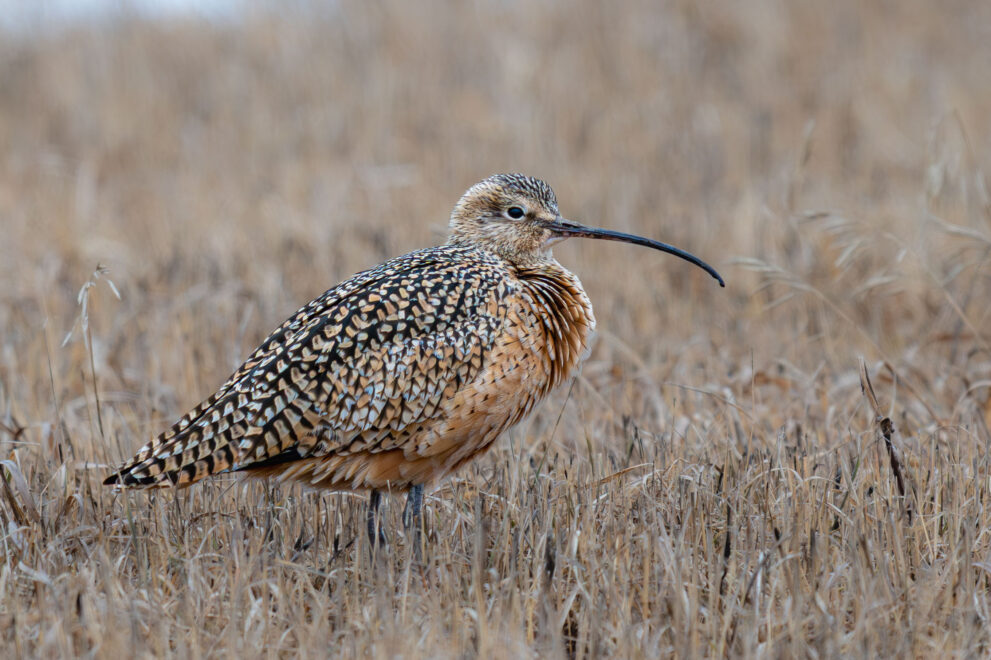
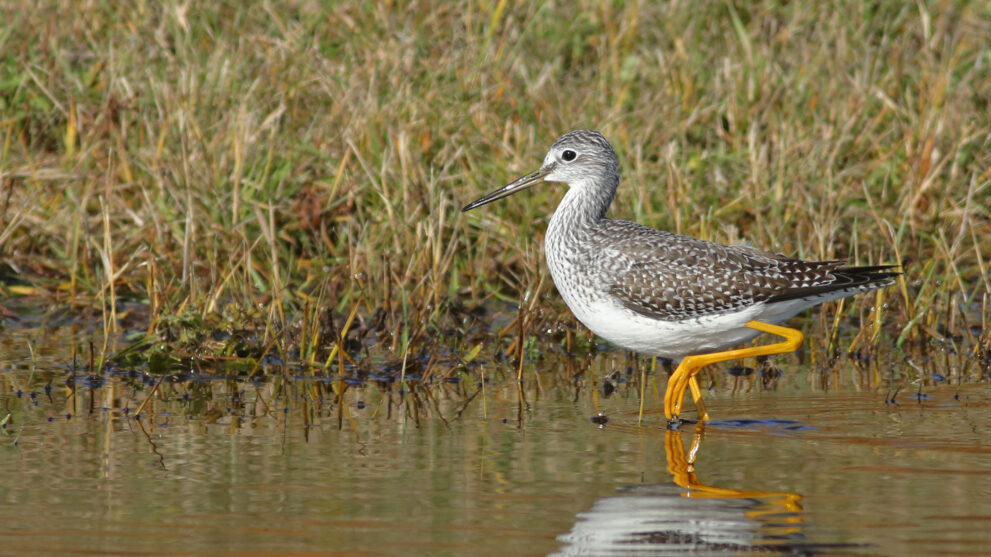
Old Wives Lake Migratory Bird Sanctuary in Saskatchewan receives much of its water as run-off from the surrounding higher landscape. As there are no outlet streams, the minerals in the lake have concentrated over time, turning it into a massive saline lake located on the Central Flyway. Its extensive mudflats provide an extraordinary breeding habitat for the American avocet, an elegant long-legged wading bird. The sanctuary also acts as an essential refuelling stop for a startling diversity of shorebirds, including the marbled godwit, killdeer, willet, long-billed curlew, ruddy turnstone, and greater and lesser yellowlegs.

Atlantic Flyway

Migratory bird sanctuaries in the Gulf of St. Lawrence and along the East Coast are located along the Atlantic Flyway. These sanctuaries encompass myriad cliffs, rock formations and islands that provide ideal, predator-free breeding grounds with abundant eelgrass and a much-needed respite for seabirds before they resume their (non-breeding) lives on open water. Most of the seabirds that nest in sanctuaries along the Atlantic Flyway gather in enormous colonies. Spotlighting four unique sanctuaries.

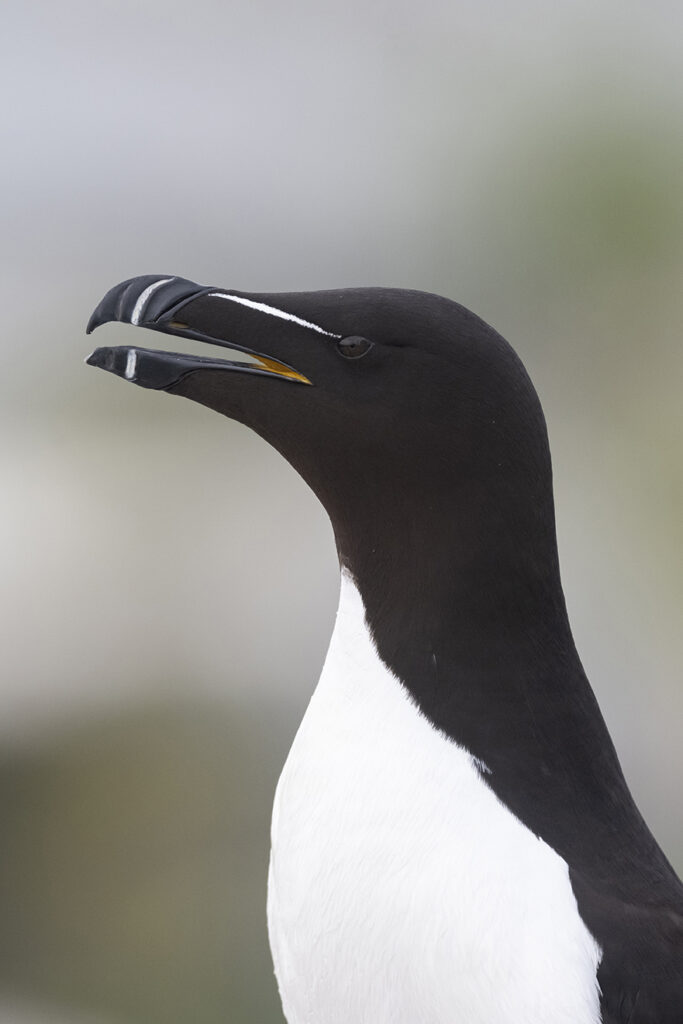
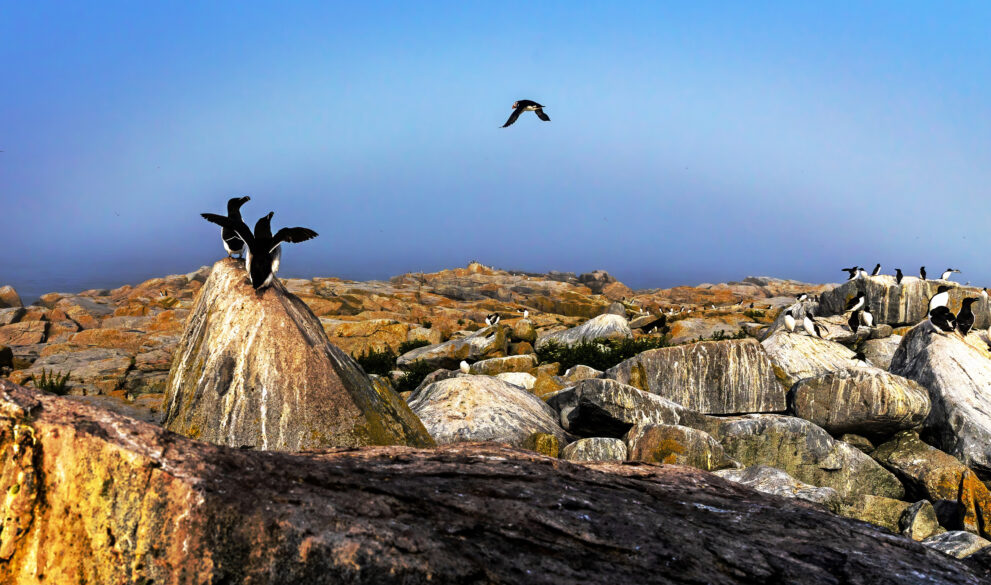
A large colony of razorbills nests on Machias Seal Island MBS. (Photo: Amanda Beers/Can Geo Photo Club)
Expand Image
Sable Island Migratory Bird Sanctuary, Nova Scotia

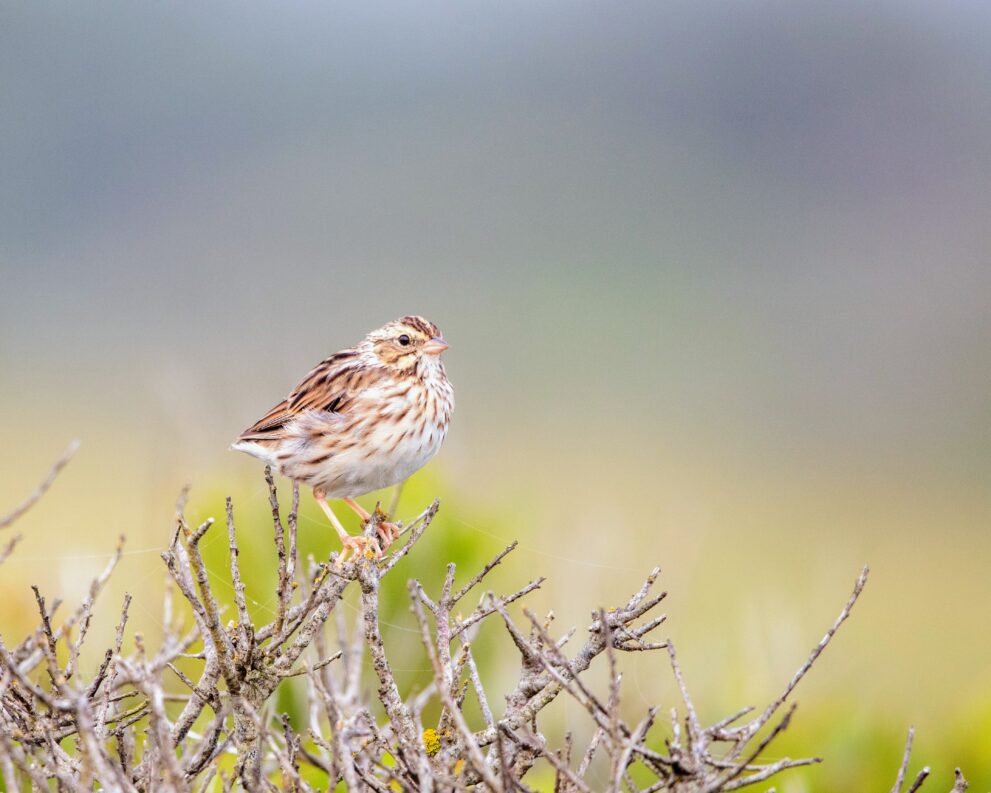
Better known for its population of wild horses, Nova Scotia’s Sable Island is also a migratory bird sanctuary that attracts nesting terns, gulls, sandpipers and ducks. The crescent-shaped island has 20 kilometres of coastal dune habitat that attracts the only nesting population in the world of the endangered Ipswich sparrow, a subspecies of the Savannah sparrow.

Bird Rocks Migratory Bird Sanctuary, Quebec

Quebec’s Bird Rocks was established in 1919. The steep cliffs boast up to 60,000 northern gannets — 25 per cent of North America’s breeding population. Now extinct due to overhunting, a large colony of great auks used to breed here — a starkest reminder of how human greed can rapidly decimate a species.

Machias Seal Island Migratory Bird Sanctuary, New Brunswick

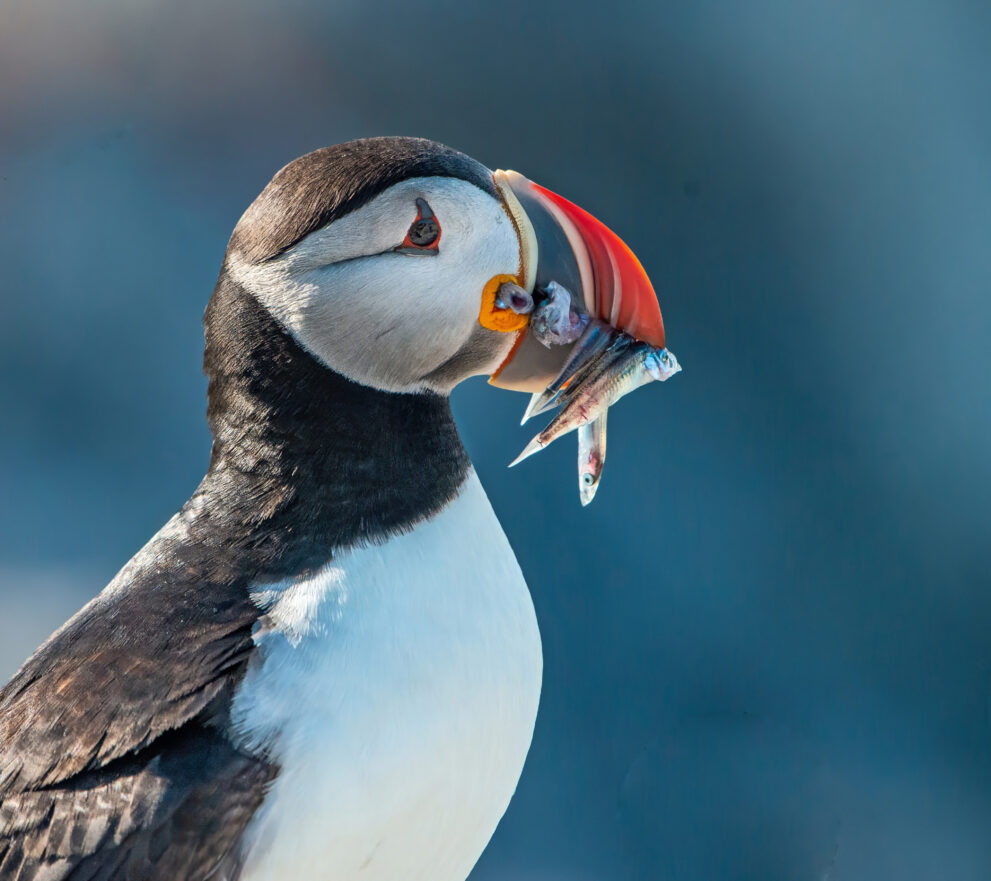
Tiny, rugged and treeless, Machias Seal Island in the Bay of Fundy one of the most southerly colonies of Atlantic puffin along the Atlantic Flyway, with more than 1,000 breeding pairs. A significant colony of razorbills also nests here.

Sainte-Marie Islands Migratory Bird Sanctuary, Quebec

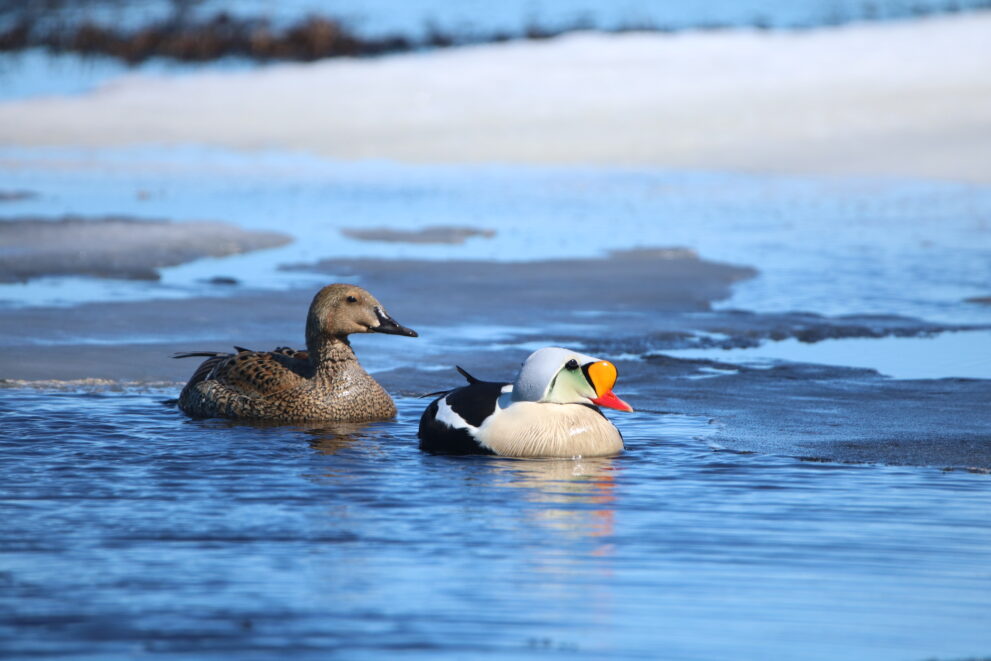
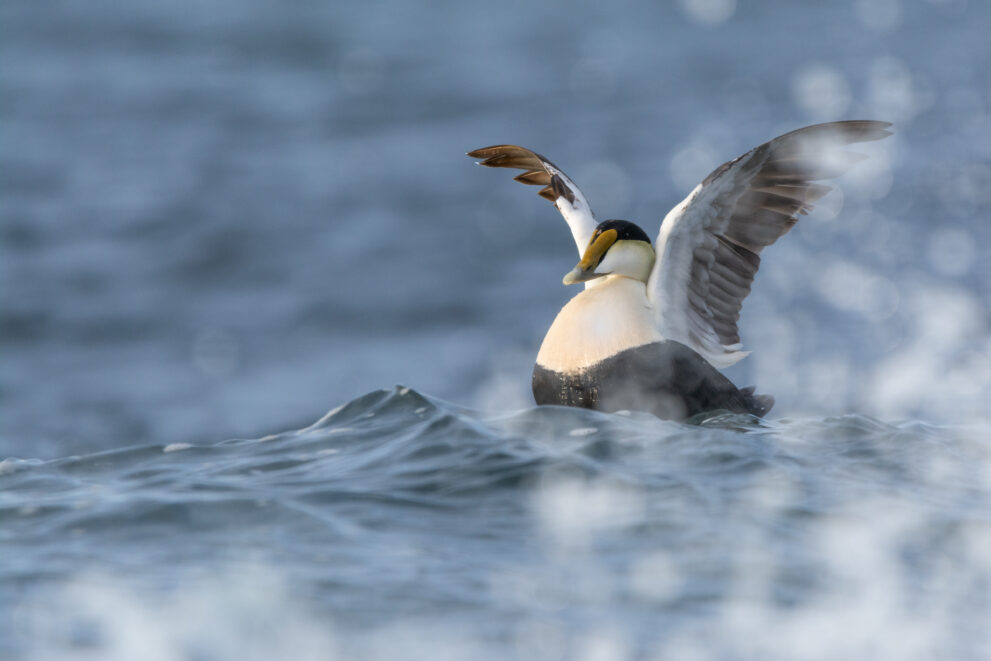
The archipelago of Sainte-Marie Islands was initially established as a sanctuary to protect the common eider, as well as other seabird colonies. The freshwater ponds, rocky outcroppings and tundra are home to over 100 plant species that delight a diverse array of seabirds, passerines, cormorants and gulls.

This story was created in partnership with Environment and Climate Change Canada.

Pacific Flyway

British Columbia’s migratory bird sanctuaries lie on the Pacific Flyway and provide critical protection, during both breeding and overwintering seasons, as well as stopover habitat to seabirds, waterfowl and shorebirds flying to breed in Arctic regions. Bordered by the Pacific Ocean and the Rocky Mountains, the sanctuaries in coastal B.C. offer year-round shelter. A spotlight on four of British Columbia’s seven busy migratory bird sanctuaries.

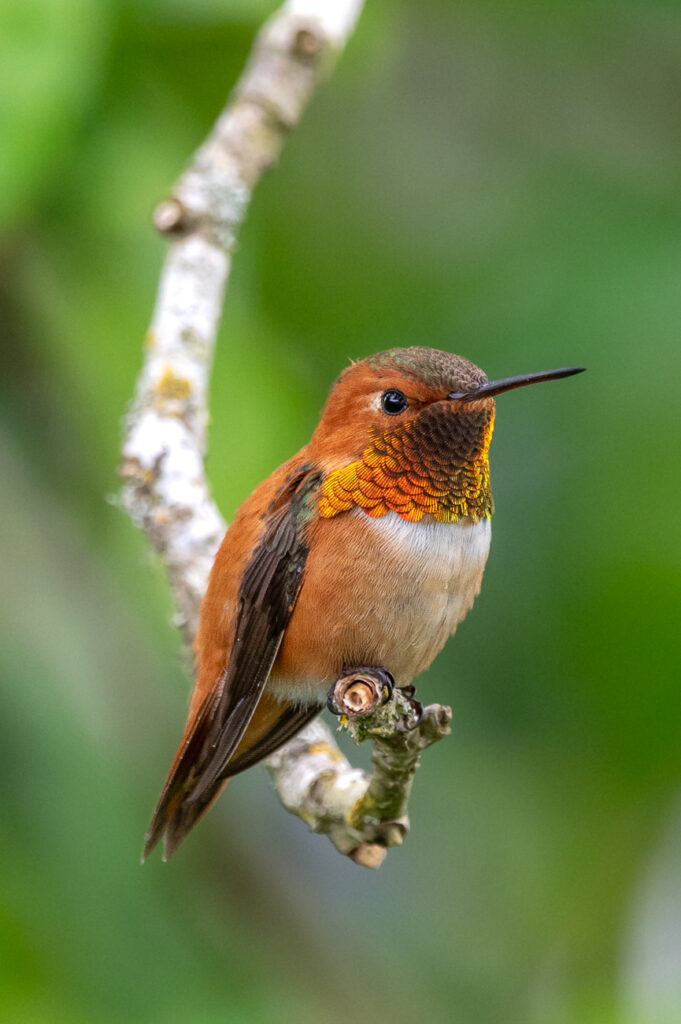
A rufous hummingbird in the George C. Reifel MBS. (Photo: Marck Guttman)
Expand Image
Victoria Harbour Migratory Bird Sanctuary, British Columbia

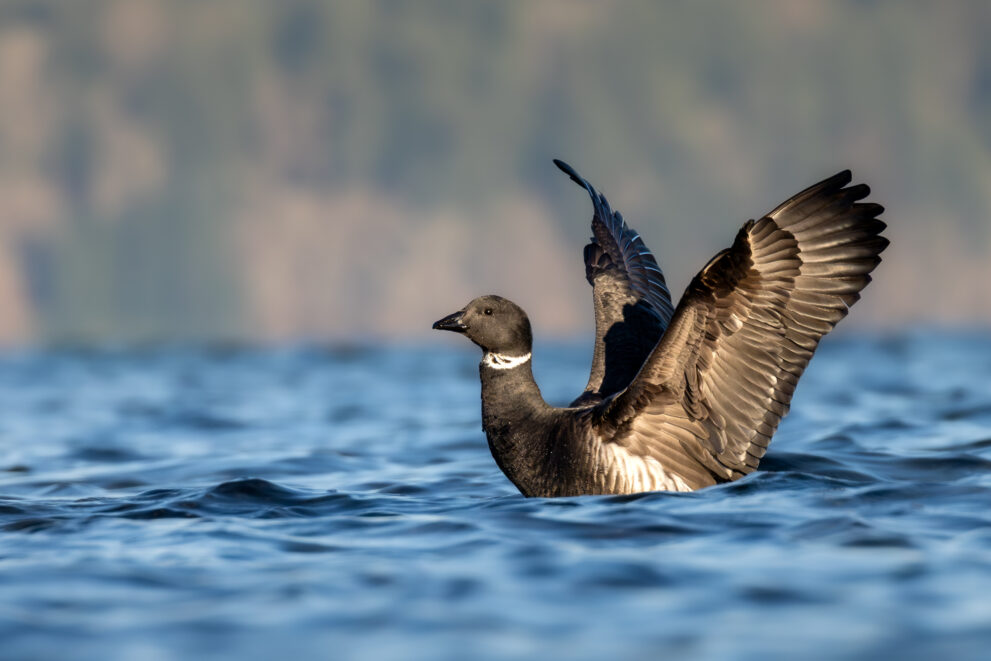
The first migratory bird sanctuary on the Pacific, Victoria Harbour was established in 1923 to protect brant geese, which were hunted to excess at the time. It remains an essential haven. More than 270 bird species have been reported here, and it is an especially important sanctuary for waterfowl and shorebirds that breed in the Arctic — some overwinter here, taking advantage of marine waters that remain ice-free year-round. Boasting habitats that range from tidal waters to kelp forests, mudflats, marshes, krill nurseries, eelgrass and surfgrass beds, Victoria Harbour is one of the most diverse bird sanctuaries in the country.

Christie Islet Migratory Bird Sanctuary, British Columbia

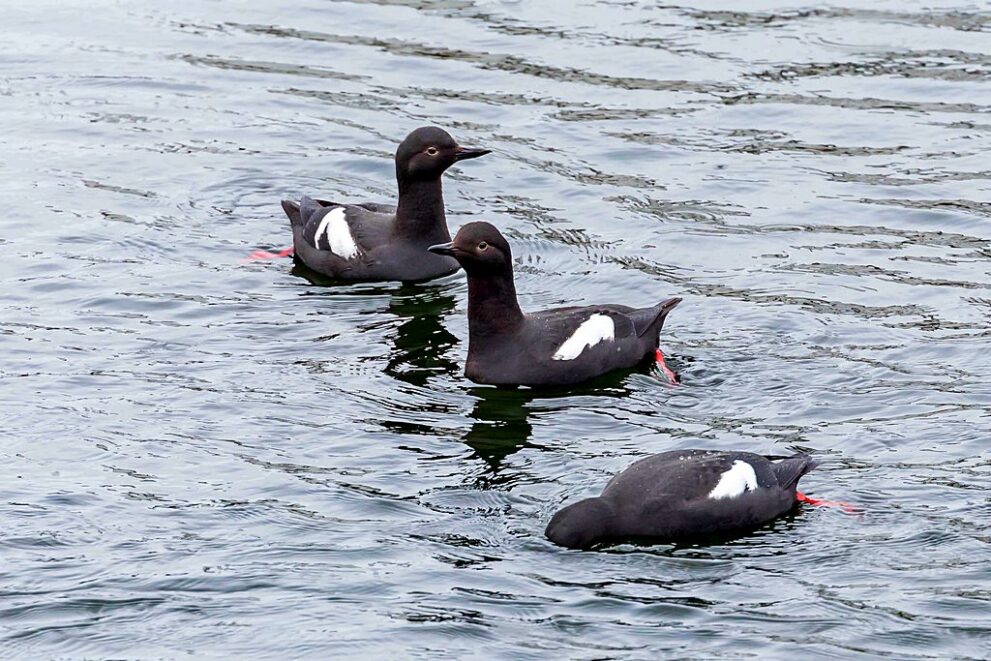
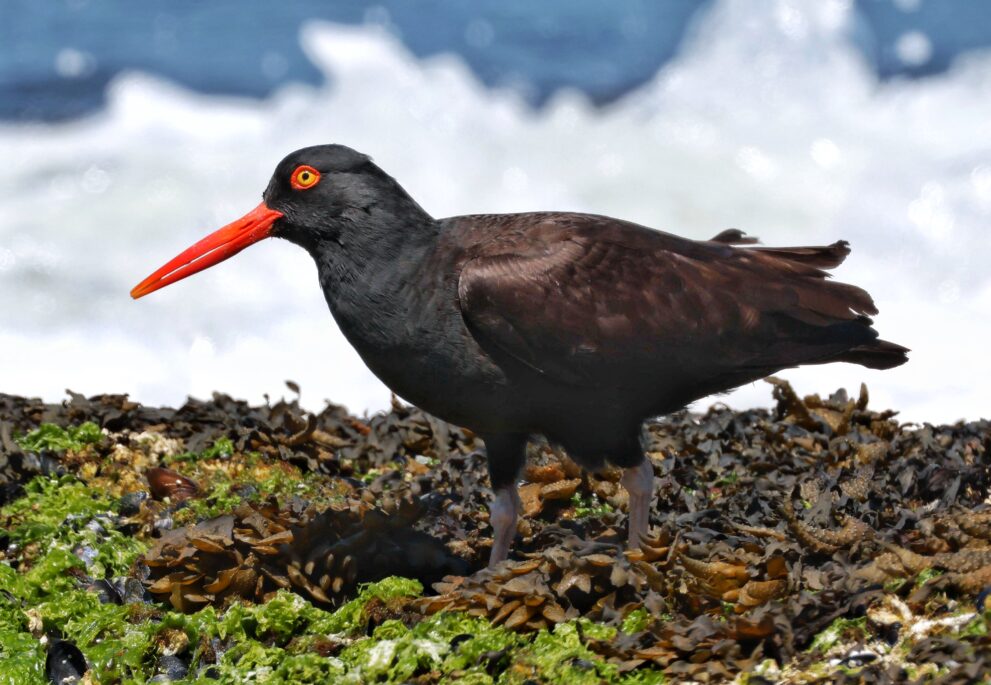
Measuring just under one hectare is tiny Christie Islet, in the Strait of Georgia. The island’s tiny footprint belies its importance to the massive concentration of birds that perch, mate and nest here. The grassy, rocky islet boasts an abundance of crevices, ledges, shrubs and cliffs that attract myriad seabirds, including pelagic cormorants and glaucous-winged gulls, pigeon guillemots and black oystercatchers.

George C. Reifel Migratory Bird Sanctuary, British Columbia

Just south of Vancouver, the George C. Reifel Migratory Bird Sanctuary boasts tidal saltwater mudflats, agricultural fields, salt marshes and freshwater ponds. Birders flock to see the fall migration of more than 25,000 lesser snow geese. More than a million shorebirds stop here to refuel and recharge while on their migration journeys. During the summer, it is also popular with ducks and songbirds, which raise young here.

Vaseux Lake Migratory Bird Sanctuary, British Columbia

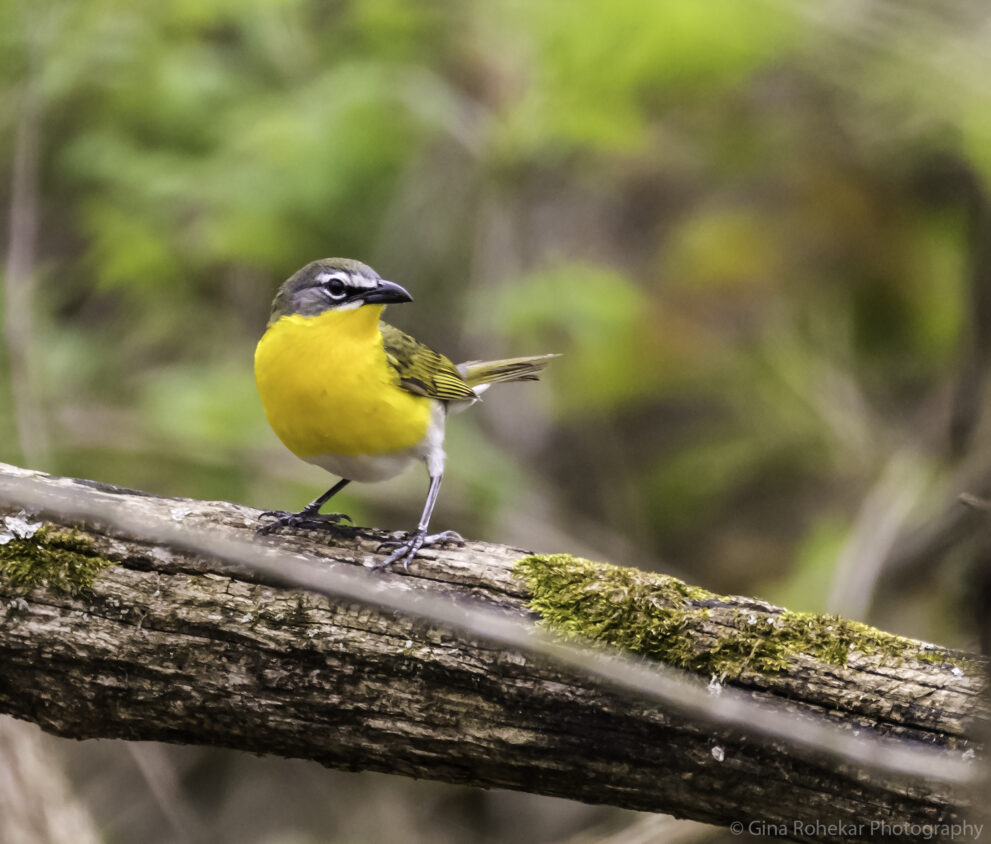
Initially created in 1923 to protect trumpeter swans, Vaseux Lake’s shallow waters attract not only waterfowl but also several bird species at the northern edge of their range, including the at-risk Lewis’s woodpecker and yellow-breasted chat.

This story was created in partnership with Environment and Climate Change Canada.
Advertisement

Help us tell Canada’s story

You can support Canadian Geographic in 3 ways:

Related Content

Wildlife

By the numbers: Protected landscapes and the birds that live there

National wildlife areas and migratory bird sanctuaries form a vast conservation network across the country. Here are a few surprising facts about these protected landscapes and the bird species that live there

  • 1087 words
  • 5 minutes
A male Canada warbler

Wildlife

How citizen scientists are helping to protect migratory birds

Conserving at-risk species is difficult when they’re constantly crossing international borders, but digital tools are making it easier than ever to track feathered globetrotters

  • 1383 words
  • 6 minutes
A purple martin silhouetted in flight against a blue sky

Wildlife

Migration in the time of climate change

New technology is helping researchers understand how birds time their migrations when the seasons send mixed signals

  • 1164 words
  • 5 minutes
A man stands at the edge of a lake during sunset

People & Culture

The biggest year in Canadian birds

A tale of joy and persistence: Logging Bruce Di Labio’s birding “big years” almost 50 years apart

  • 4123 words
  • 17 minutes
Advertisement
Advertisement