The 2023 Quest: Bruce Di Labio revisits the dream — a whole new approach five decades in the making
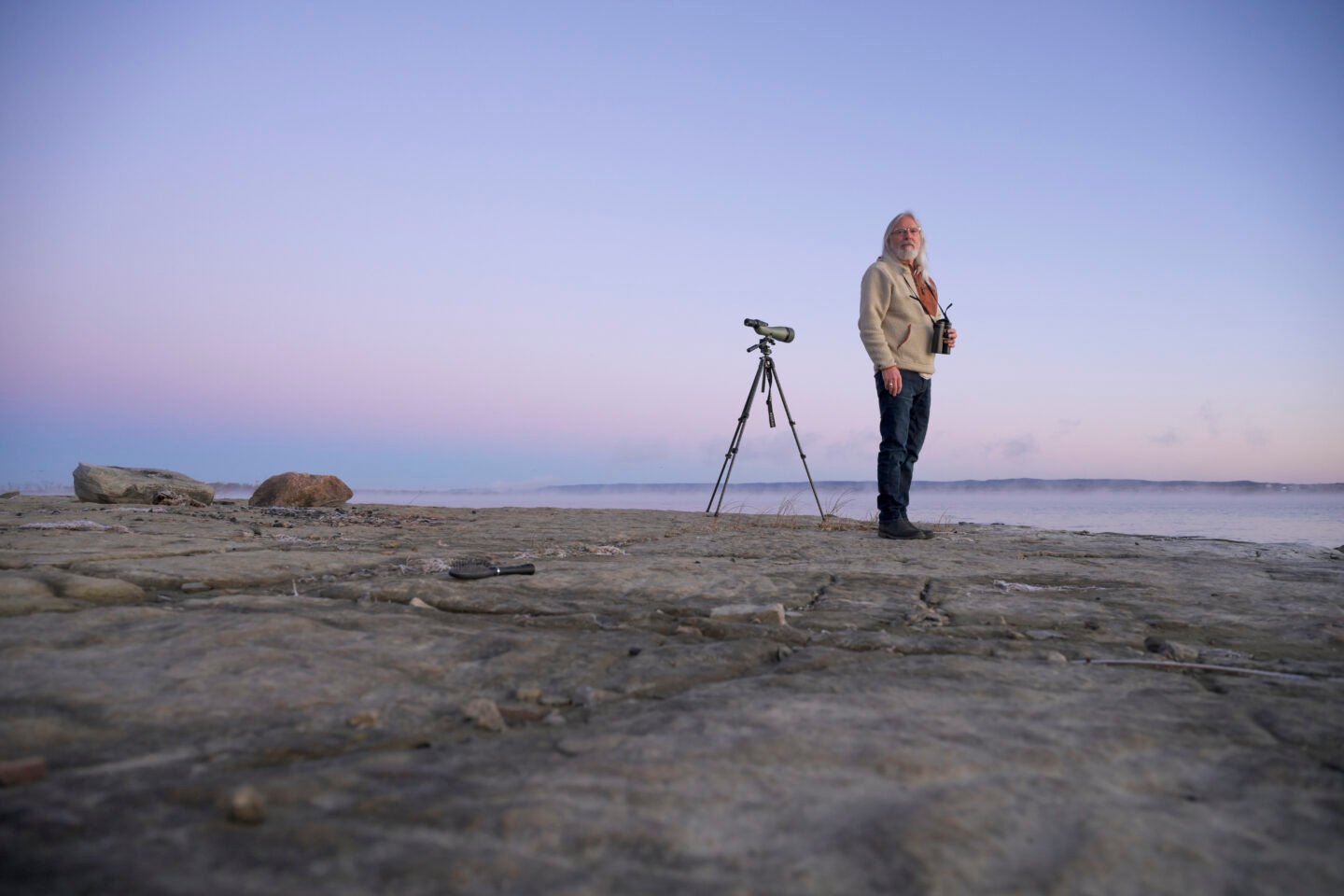
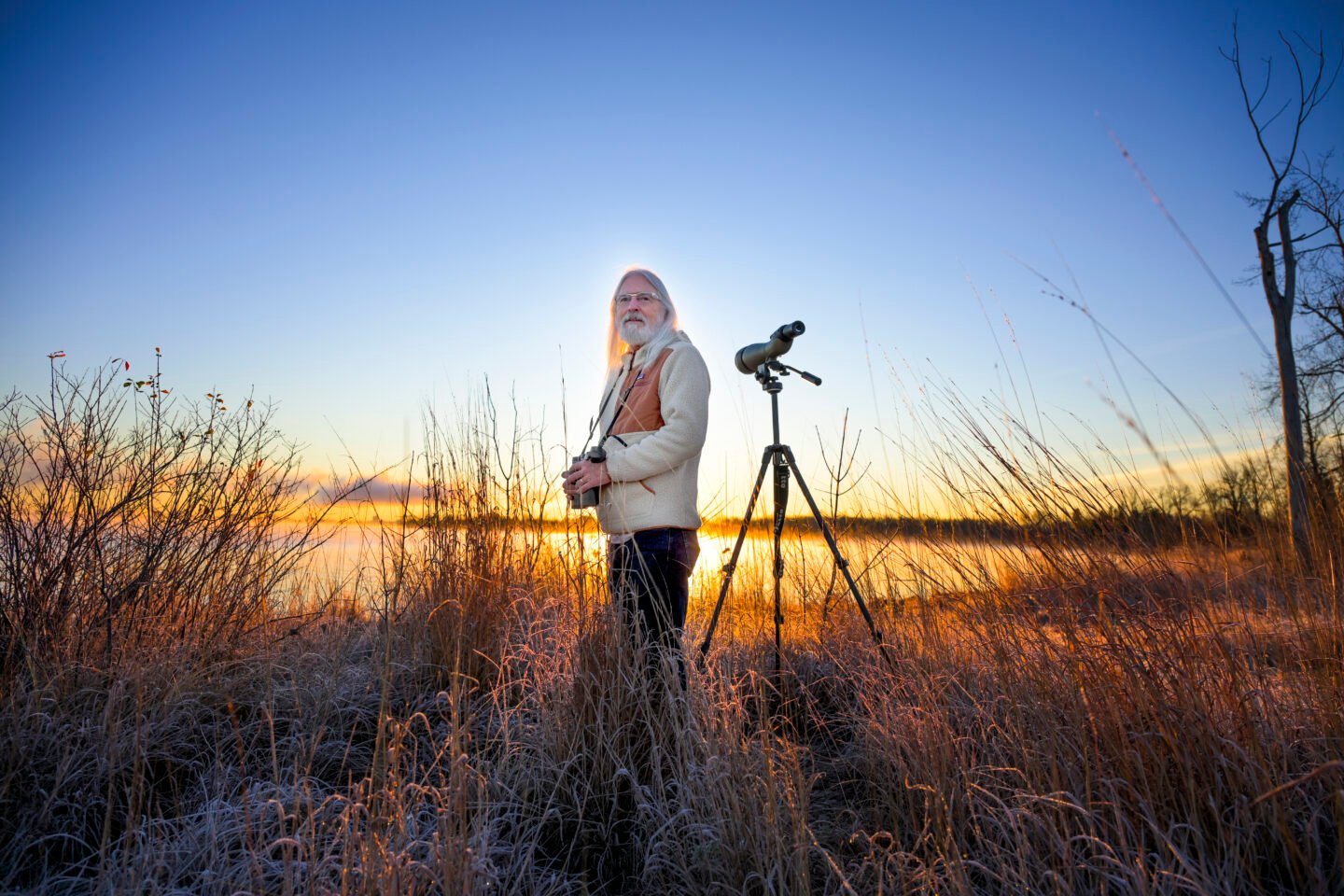
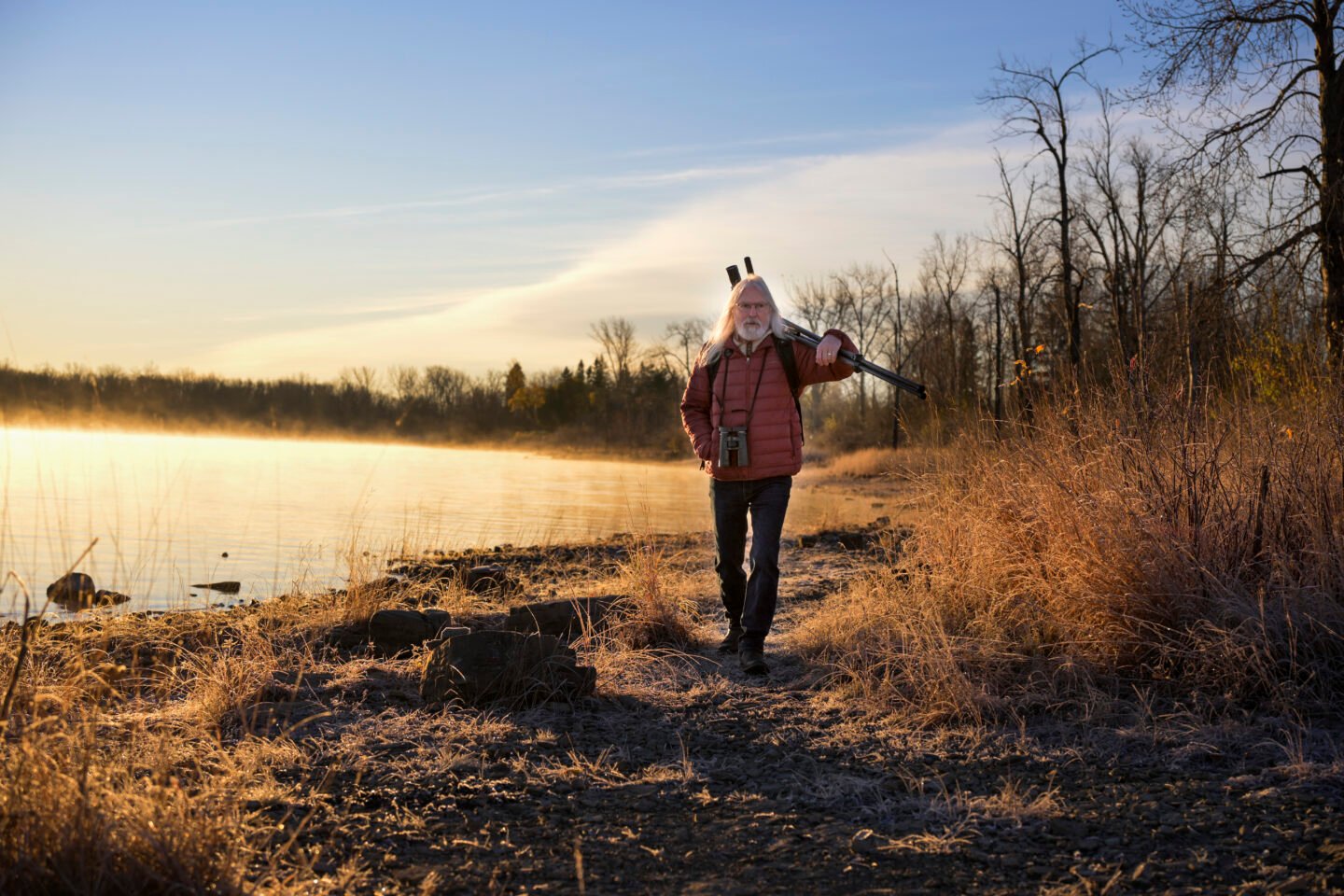
Fast-forward almost 50 years to New Year’s Day 2023. Di Labio’s life at 64 years old continued to be as defined by birds as ever.
After working as a museum technician and interpretive naturalist, Di Labio had settled into a career as a birding tour guide. He started locally, but soon branched out, guiding across Canada and as far afield as South Africa and Australia. He also became a fixture of the Canadian birding community and a mentor to countless new birders.
He was a retired father of two and grandfather of one enjoying life in Gananoque, Ont. But that one big challenge still beckoned. “In the back of my mind, I still wanted to do a proper big year.”
By then, the record was 457, set by Neil and Andrea MacLeod in 2018. Di Labio had tried to break it once in 2020, but COVID shut the big year down. He tried again in 2022, but only started seriously trying partway through the year and came within three species of the record. When he realized how within reach the record was, “the deal was sealed” — 2023 would be his year to go for the record in earnest.
This time, January 1 didn’t feature any automobile issues. He enjoyed a morning of calm, local birding. He knew full well the calm wouldn’t last much longer — eight days later, he got on a flight to Nova Scotia, where the real big year started. These are a few notable memories from that journey.
January 13, 2023: Scouring the East Coast with friends
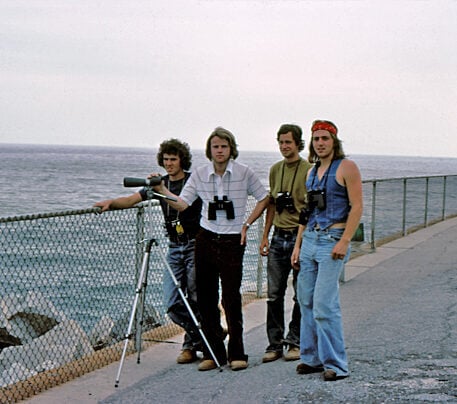
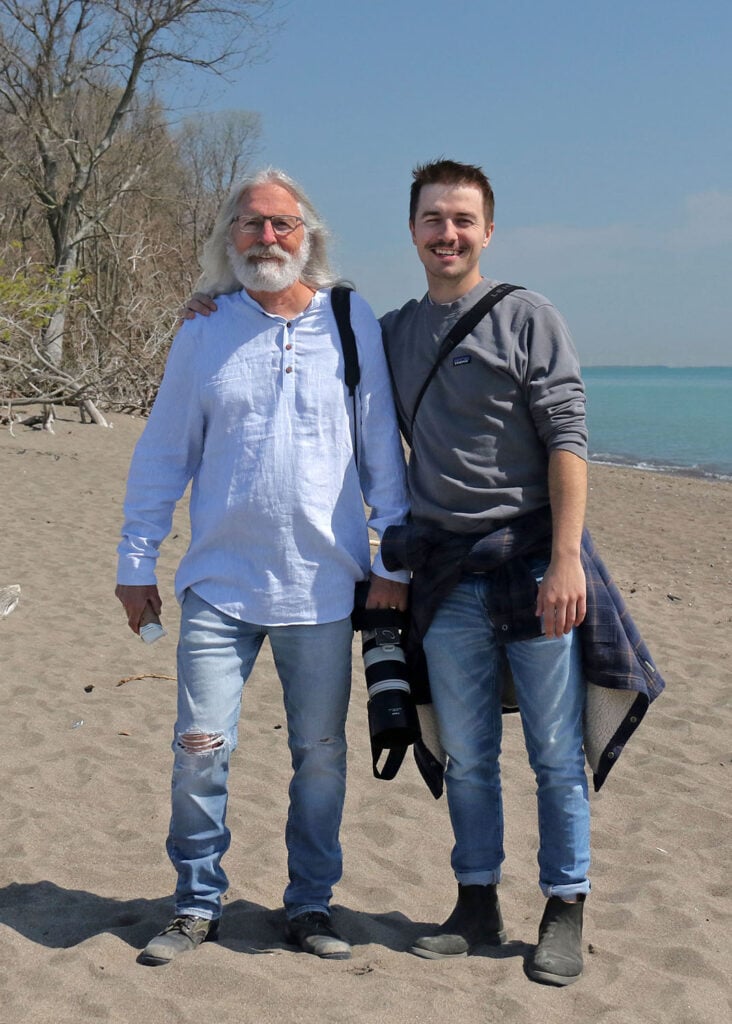
Di Labio was enjoying himself out east. Thanks to a network of birders sharing rarities via bird alerts and group chats, he had seen a whole host of rare birds, including a shorebird called a common ringed plover, a very rare visitor to the Maritimes. After a few days in Nova Scotia, Di Labio flew to Newfoundland to see his old friend Bruce Mactavish, a key fixture of the Ottawa bike gang in the 1970s – when they were teenagers, Di Labio used to sit on Mactavish’s handlebars while he pedaled.
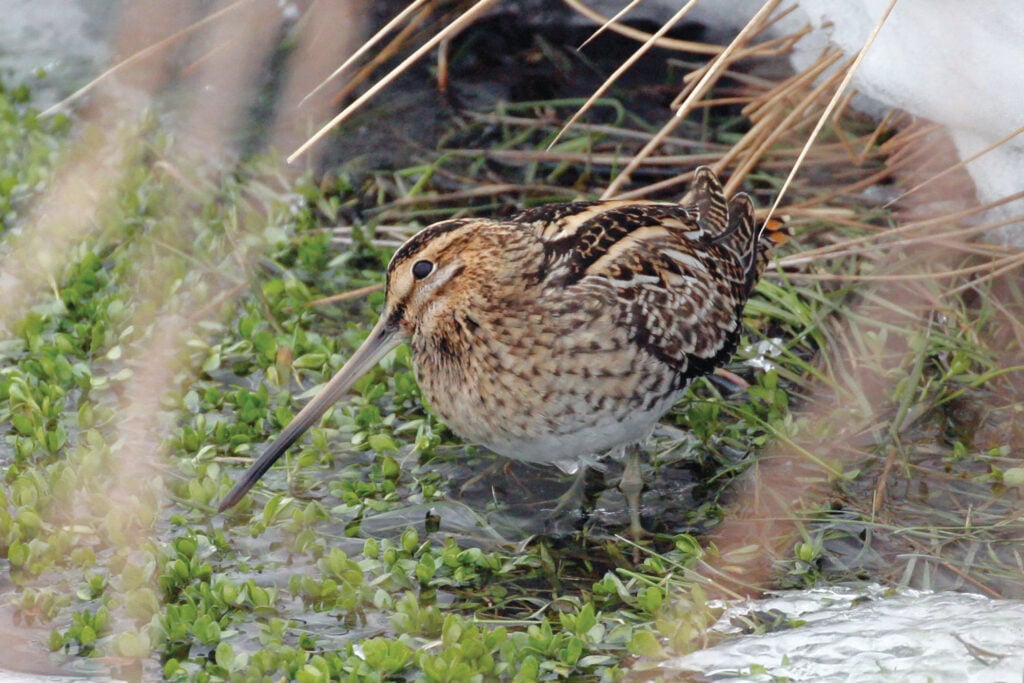
The two began birding around the Avalon peninsula, connecting with a few key waterbirds like the purple sandpiper, king eider and dovekie. Then, as the pair cruised along the highway to their next destination, a snipe flew over their car.
They spun the car around and followed it to try to make an identification. They eventually found the bird in a drainage ditch. Upon closer inspection, they realized it was the Eurasian common snipe. This was one of the very few recorded sightings in Canada.
Di Labio and Mactavish were elated. “It was so exciting,” Di Labio says. “It was still like I was a beginner again.”
March 31, 2023: Encounters with a very special blackbird — and a polar bear
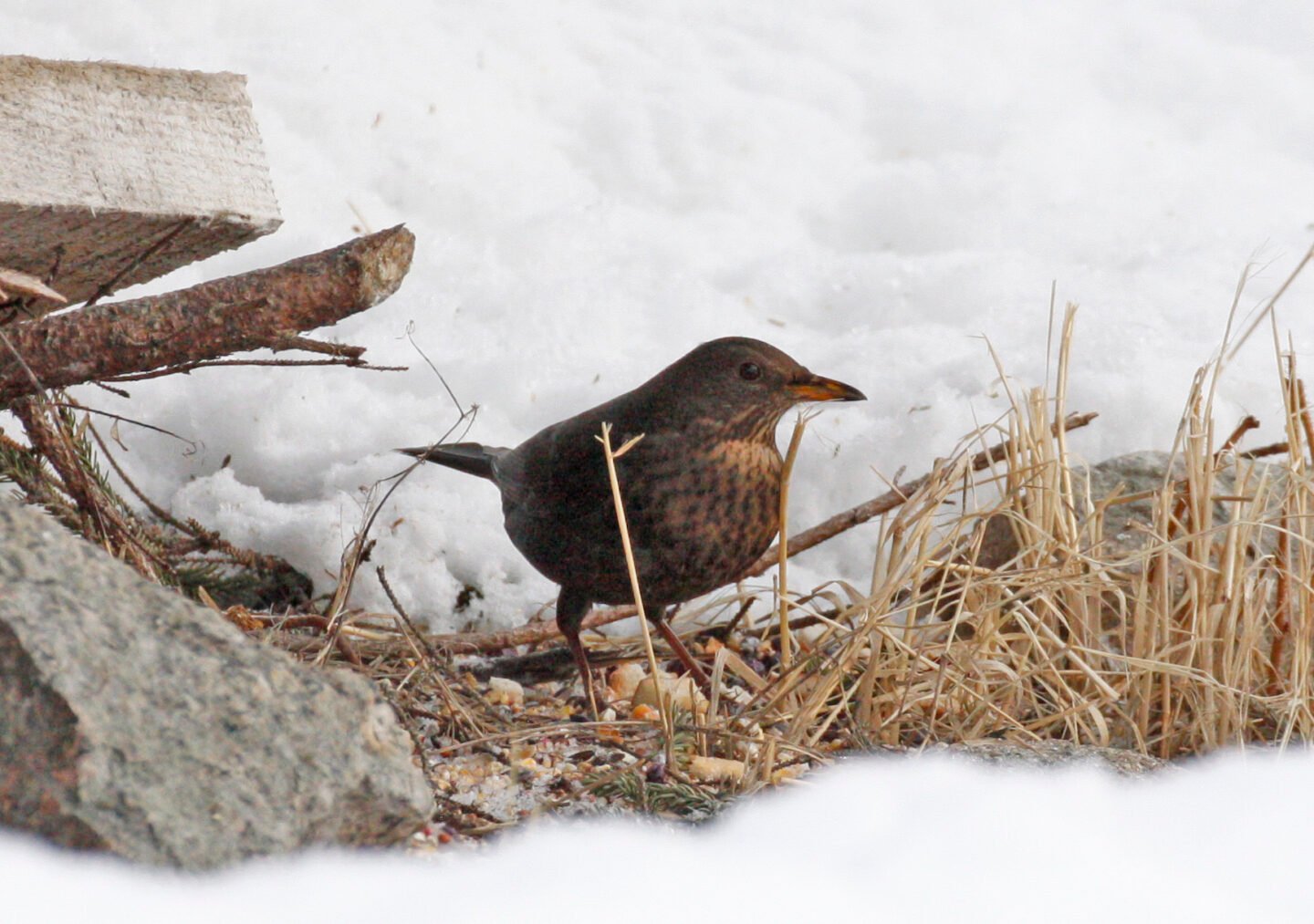
In late March, Di Labio decided to make his way to the town of Cartwright, Labrador for a very special bird. Nestled up on a tiny subarctic inlet, the town has a population of just 439 — plus, for that winter, a vagrant Eurasian blackbird.
The bird had appeared the previous December at a feeder in town and had stuck around through the winter. So, on March 31, Di Labio headed to Montreal, where he joined his friend Alvan Buckley on a tiny 20-seater plane headed for Blanc-Sablon, Que.
The flight was a milk run, stopping at eight airports on the way up the St. Lawrence. The stops were quick and intense, and the pilot “drove it like he was driving a Ferrari,” Di Labio remembers.
After many take offs and landings, they arrived at Blanc-Sablon, where birder Vernon Buckle picked them up for the five-hour drive to Cartwright. The ride was uneventful, until 30 minutes outside of town, when a polar bear dashed out into the road. It scampered up the embankment, stopped and turned to look at the car, its intense black eyes focused on the three birders. After a moment, it lumbered away, disappearing into the boreal forest. They were truly in the far North.
The next morning, the three men arrived at the house where the blackbird had been seen. Then, they waited. Ten minutes. Twenty minutes. Thirty minutes. “It felt like a lifetime,” Di Labio says. “You’re hoping a boreal owl didn’t eat it overnight!”
Finally, after nearly an hour wait, the bird appeared in the front yard, a dark thrush with a brownish speckled belly. Di Labio added it to the list and headed back.