1. Alaksen National Wildlife Area, B.C.
Bring your binoculars — this bird migration hotspot has plenty to fill your field of vision. Protecting a portion of the Fraser Delta and overlapping with part of the George C. Reifel Migratory Bird Sanctuary, this mosaic of estuary, wetlands, forests, agricultural fields and urbanized areas sees 1.4 million birds each year.
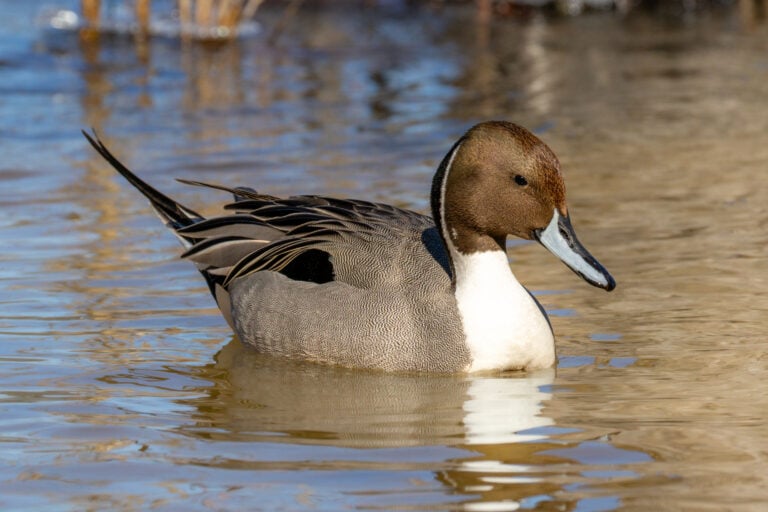
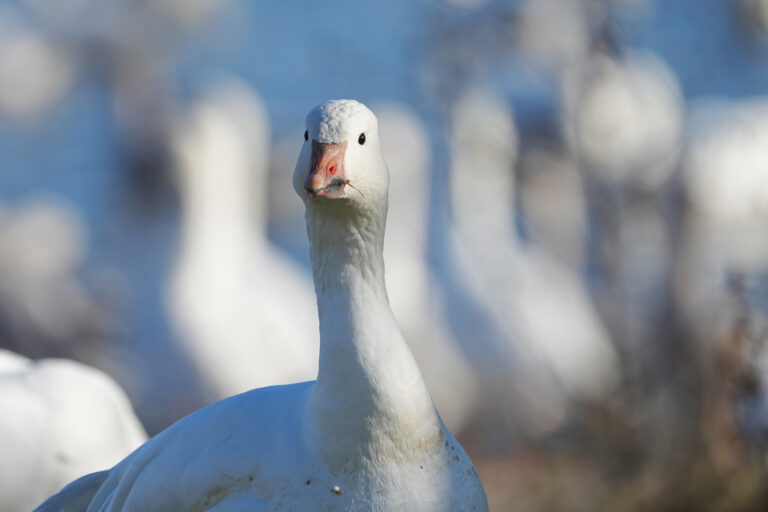
Species like trumpeter swans and lesser snow geese feed in the agricultural fields during the fall and winter, while dabbling ducks like northern pintails glide through the calmer marsh areas. Great blue herons hunt the adjacent estuary for small fish in the spring and summer. Raptors including barn owls, short-eared owls and peregrine falcons — all species at-risk — watch the fields from nearby stands of trees.
This national wildlife area is just a 20-minute drive from Delta, B.C., with trails winding through picturesque coastal landscapes. Alasken NWA is open Monday to Friday from 8 a.m. to 3 p.m., excluding statutory holidays. Reservations are needed to enter the George C. Reifel Migratory Bird Sanctuary. Visit the British Columbia Waterfowl Society’s webpage to plan your trip.
2. Last Mountain Lake National Wildlife Area, Sask.
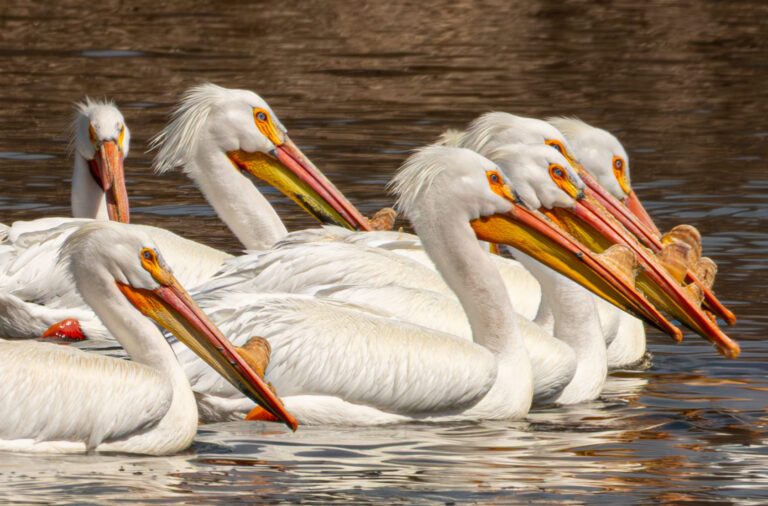
Last Mountain Lake, between Regina and Saskatoon, is at the heart of a bird migration superhighway extending the length of the Americas. Covering 100 square kilometres at the northern end of Last Mountain Lake, the national wildlife area has long shallow bays that reach out like fingers into the surrounding grasslands, creating numerous narrow channels and wetlands. Visit during spring and fall when the sky comes alive with hundreds of bird species, including up to 50,000 sandhill cranes (and sometimes endangered whooping cranes), 450,000 geese and hundreds of thousands of ducks, not to mention the scores of songbirds. This wetland of international significance is also a crucial breeding habitat for American white pelicans, common terns and western grebes.
With all the avian attention, it’s no wonder Last Mountain Lake has been recognized and protected since 1887. Learn more about the site’s history and ecology at the interpretive pavilion, and explore three trails that run along the lake’s shoreline, through prairie grasslands and alongside wetlands. Activities like dark-sky stargazing and guided birdwatching happen throughout the year.
3. Big Creek National Wildlife Area, Ont.
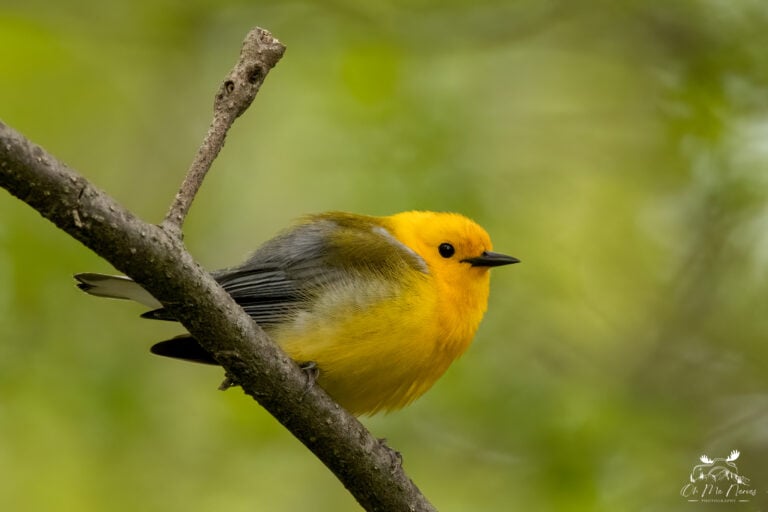
On a heavily developed shoreline like Lake Erie’s, Big Creek’s extensive wetlands are an integral part of the largest sand-spit-marsh complex of the Great Lakes and are an oasis for migratory birds and endangered Carolinian species. More than 30,000 tundra swans pass through this site — also part of the UNESCO Long Point World Biosphere Reserve and a part of the Long Point Ramsar wetland of international significance — each spring, with the greater area welcoming as much as 10 per cent of the world’s population of canvasback and redhead ducks. It’s also one of the few locations in Canada where birders can spot the rare and endangered prothonotary warbler.
The national wildlife area is divided into two sections — the Big Creek unit has a walking trail and two viewing towers open year-round, while a short walking trail that accesses the marsh interior is only open mid-May through mid-September. The Hahn Marsh unit is open year-round for non-motorized boat use. At the Big Creek unit, start with a bird’s-eye view from the two viewing towers. After getting the lay of the land, head down the short trail into the marsh, keeping watch for the big pink blooms of the at-risk swamp rose-mallow or one of the many threatened snake species, including the eastern foxsnake. Or explore a wooded swamp by kayak through the Hahn Marsh — if you’re lucky, you just might spot the tropical plumage of a prothonotary warbler.
4. Prince Edward Point National Wildlife Area, Ont.
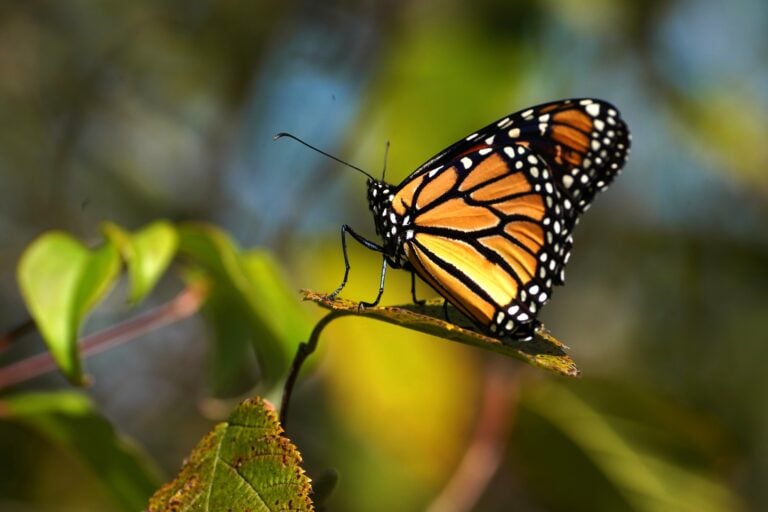
Take an afternoon off from wine touring in Prince Edward County and head south to Prince Edward Point, where pebble beaches stretch into cerulean Lake Ontario, migratory birds abound, and monarch butterflies flutter through meadows.
Prince Edward Point is a popular rest stop for hundreds of migratory bird species crossing the unruly inland sea, including ruby-crowned kinglets, white-winged scoters and northern saw-whet owls. Plus, as a key monarch migratory stopover area in Canada, the point can see thousands of this at-risk species depending on the year. In the late summer and early fall, monarchs drape the cedars and shrubs throughout the peninsula as they rest, feed and wait out the wind before continuing their Herculean journey south to Mexico.
Activities abound here: hike the designated trails, swim (unsupervised) and — of course — birdwatch. Stop at the Prince Edward Point Bird Observatory for seasonal activities, including the spring birding festival every Mother’s Day weekend, featuring presentations, family fun and banding demonstrations. In the fall, the Starry Nights with Saw-Whets event has guests gather at dusk to watch as the owls are banded.
5. Lake Saint-François National Wildlife Area, Que.
It’s always great to have friends! Lake Saint-François National Wildlife Area has something for everyone, including canoe and kayak rentals and excursions, as well as guided hikes and family geocaching adventures. The activities in this national wildlife area are led by Les Amis de la Réserve nationale de faune du Lac-Saint-François and highlight their love for this unique set of marshes and swamps along the St. Lawrence River.
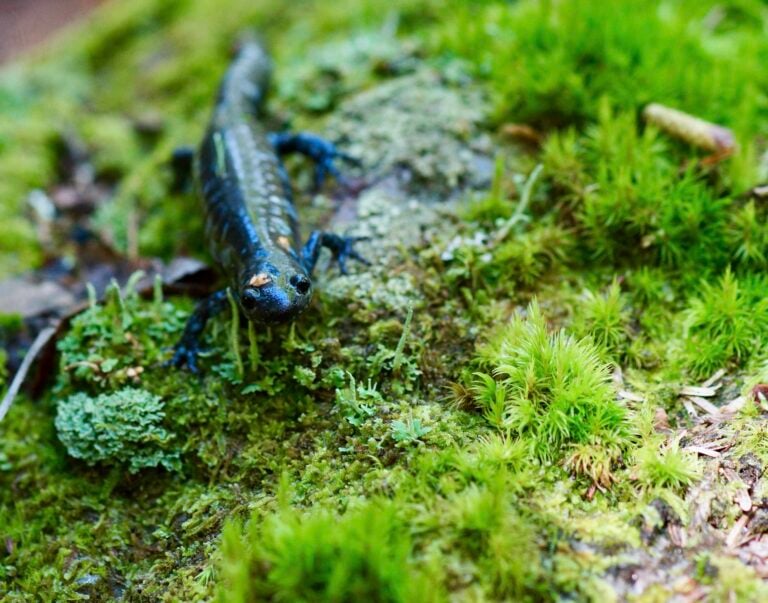
A mecca for migrating birds — an impressive 237 species — it is also home to amphibians and reptiles like the blue-spotted salamander and the northern map turtle, which is a species at risk. A series of short trails ranging from 800 m to 5.9 km offer up birding and picnicking activities, as well as interpretive signs about the flora and fauna. Stop in at the right time and you just might spot an oh-so-tall great egret or a teeny-tiny sedge wren.
6. Cap Tourmente National Wildlife Area, Que.
This national wildlife area is just a half-hour drive northeast of Quebec City, but feels worlds away with its dramatic cliffs, coastal marshes, lush forest and open plains rolling into the St. Lawrence. This quilt of habitats at the confluence of the Canadian Shield, the St. Lawrence Lowlands and the Appalachians, is home to more than 200 bird and mammal species and is considered a wetland of international significance.
Each spring and fall, tens of thousands of greater snow geese fill the sky along the cape’s escarpment en route to nearby bulrush marshes to feed. Birds like the threatened bobolink, elusive Nelson’s sparrow and the peregrine falcon can also be found in this 23-square-kilometre conservation area. In the winter, white-tailed deer are often sighted, while porcupines and red foxes are occasional inhabitants.
More than 20 kilometres of trails run through a variety of habitats and are open from spring to fall. A few walking trails also remain open in the winter, taking visitors through a network of bird feeders popular with chickadees and blue jays. Your first stop should be the interpretation centre where, if you are visiting between April and October, you can learn more about the landscape, including its history of human presence. Then, grab a pair of binoculars and a wildlife guide and hit the trails.
7. Shepody National Wildlife Area, N.B.
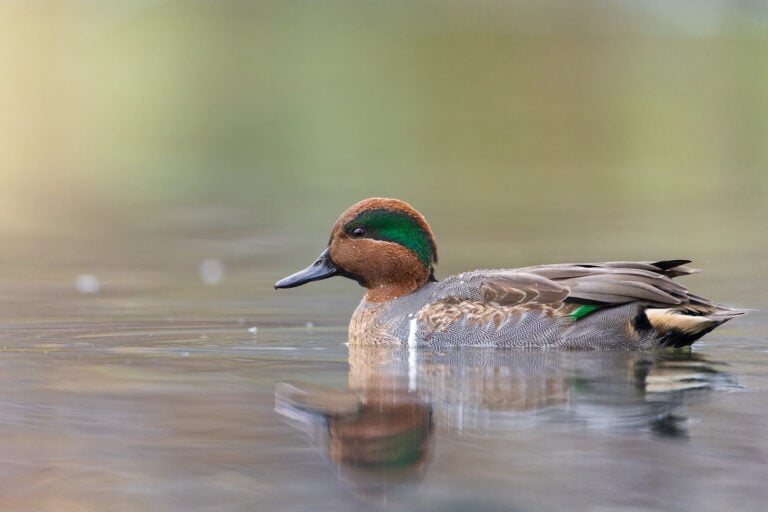
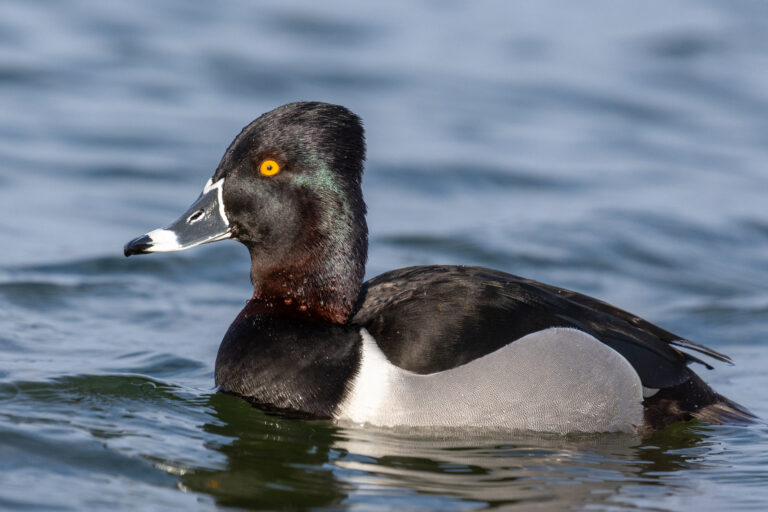
If you’re a sandpiper fan, Shepody National Wildlife Area has got to be on your bucket list. Located on the Bay of Fundy, this NWA is home to saltmarsh and freshwater wetlands, forest and mudflats. During migration, literally hundreds of thousands of semipalmated sandpipers, along with plovers and sanderlings, descend on the expansive mudflats to scoop up tiny mud shrimp and algae to fuel their epic flight from the Arctic to South America. Of course, the marshes attract ducks, ducks and more ducks, including blue- and green-winged teals, ring-necked ducks and the American black duck.
The popular Shorebird Discovery Centre, open from July through August, hosts exhibits about the area’s wildlife, runs interpretive programming and showcases work by local wildlife artists. A small network of trails includes the Mary’s Point Trail, which leads to the beach and views of the tidal mudflats, as well as the Ruffed Grouse Trail, popular with birders who congregate on its observation deck overlooking the salt marshes.
8. Chignecto National Wildlife Area, N.S.
Set in a pinch point between mainland Canada and the rest of Nova Scotia, Chignecto National Wildlife Area at the head of the Bay of Fundy protects a 4.3-square-kilometre space within a wildlife migration corridor. The site also overlaps the Amherst Point Migratory Bird Sanctuary and is next to the John Lusby Marsh National Wildlife Area.
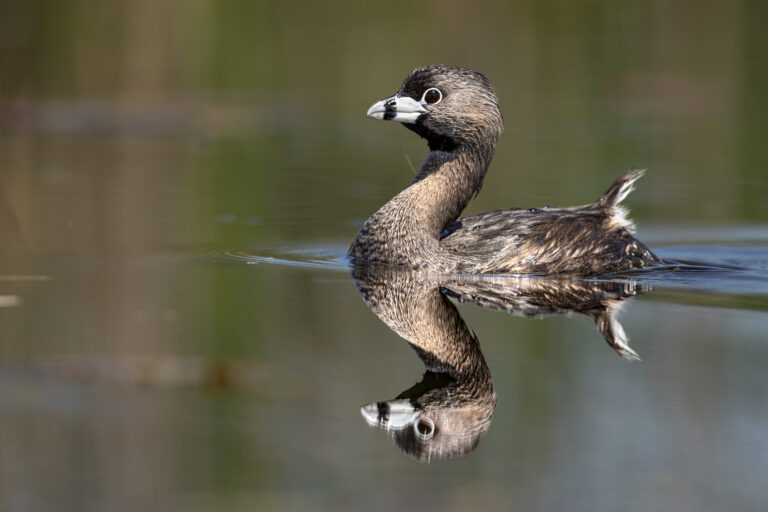
The waterbodies at Chignecto National Wildlife Area, including marshes, bogs and lakes, are important to migrating waterfowl like northern pintails and ring-necked ducks, as well as breeding marsh birds, including pied-billed grebes and Virginia rail. Its forests, meanwhile, support species like northern flying squirrels, red foxes, snowshoe hares, white-tailed deer and an impressive 250-year-old sugar maple.
Explore the 2.5-kilometre interpretive trail circling Laytons Lake, with spectacular views of the lake and great birdwatching from the hillside. In the winter, don cross-country skis or snowshoes on this trail and get acquainted with the site’s year-round residents, including songbirds, woodpeckers, grouse and owls.
9. Cape Jourimain National Wildlife Area, N.B.
This area on New Brunswick’s southeastern shore is one of the best in all of Atlantic Canada to spot shorebirds, and it’s just one hour from Moncton, N.B., or Charlottetown, P.E.I. A combination of salt and brackish marshes and freshwater wetlands, along with beaches, dunes and forested areas, creates the ideal stopping point for flocks of migratory shorebirds, including piping plovers, sanderlings, short-billed dowitchers and willets. Plus, plenty of waterfowl like American black ducks and scoters arrive in spring and fall, as well as ospreys, which use the many nesting platforms.
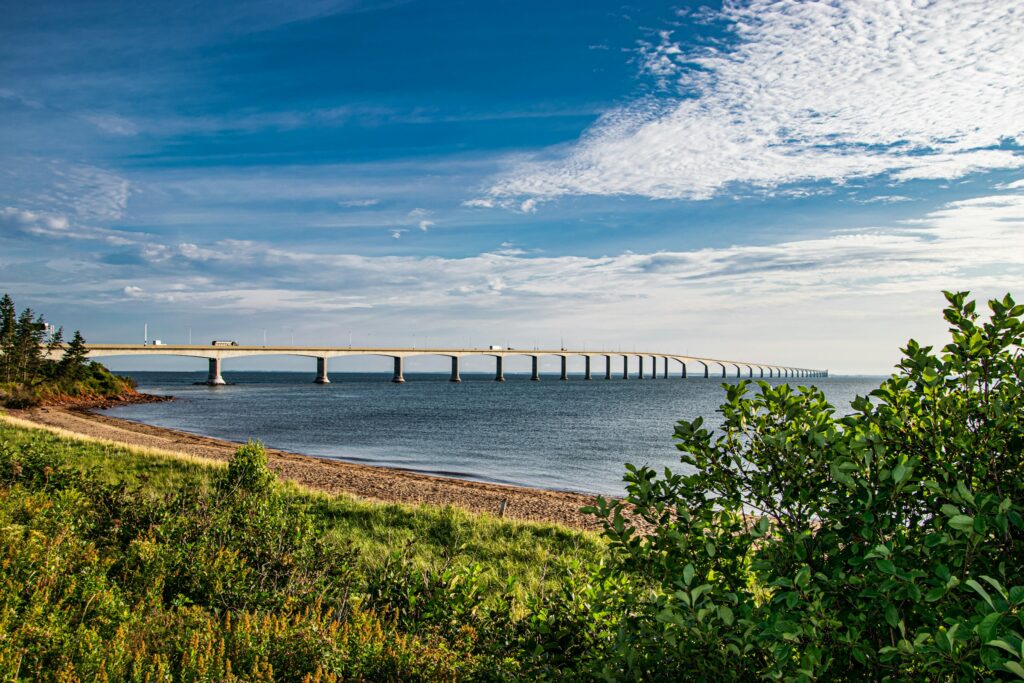
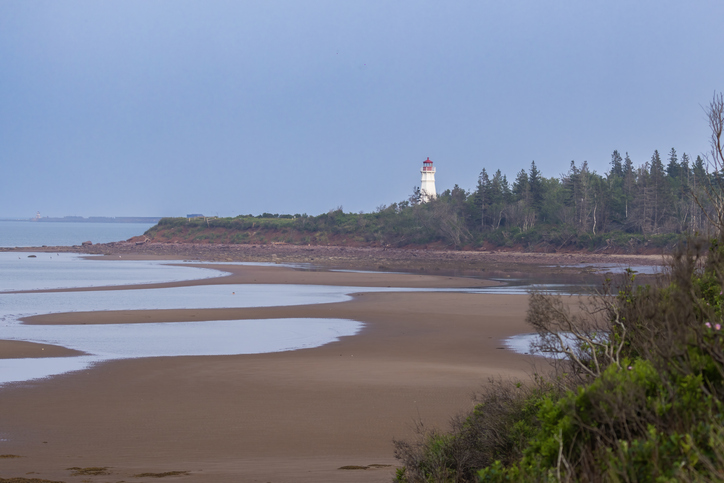
From the ground, hike an easy two-kilometre loop to the historic Cape Jourimain lighthouse and get incredible coastal views of the Confederation Bridge, the Northumberland Strait and Prince Edward Island. Then, hit the equally short Gunning Trail leading through fields of wild roses to an observation deck over a brackish marsh and come out to views of Cape Jourimain’s sprawling salt marsh. After working up an appetite, grab a bite to eat at the nature centre and check out crafts made by local artisans.