Wildlife
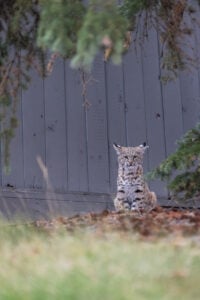
Love thy neighbour: The bobcats taking over Calgary’s backyards
As cities grow, a new kind of biodiversity is emerging. Can we learn to live alongside the urban ecosystems we’ve helped create?
- 3272 words
- 14 minutes
Wildlife
The award-winning author and epidemiologist Dan Werb discusses the surprising ways wildlife is adapting to urban life and what our increasingly wild cities reveal about the natural world

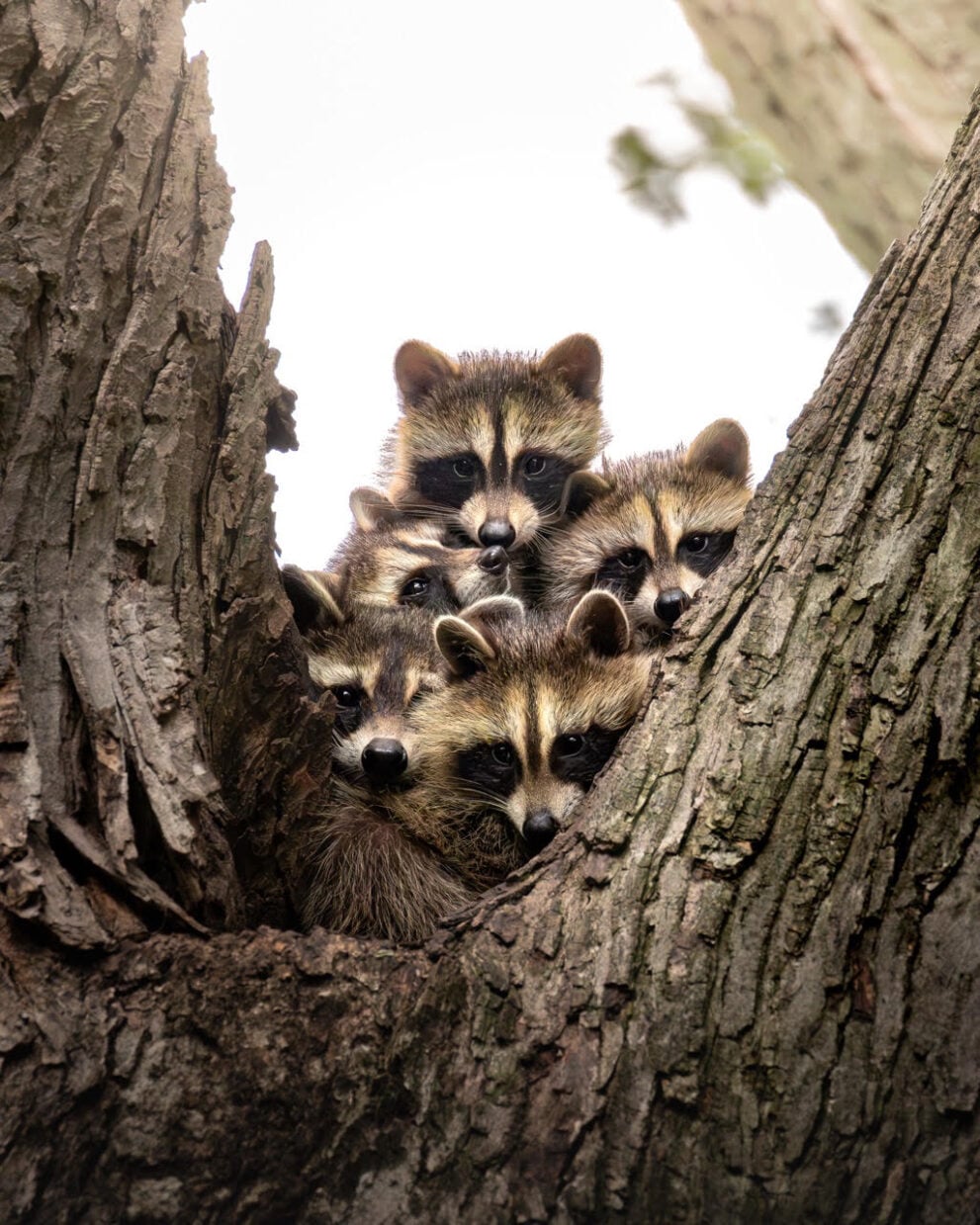
“It is a raccoon city that exists in the city of Toronto.”
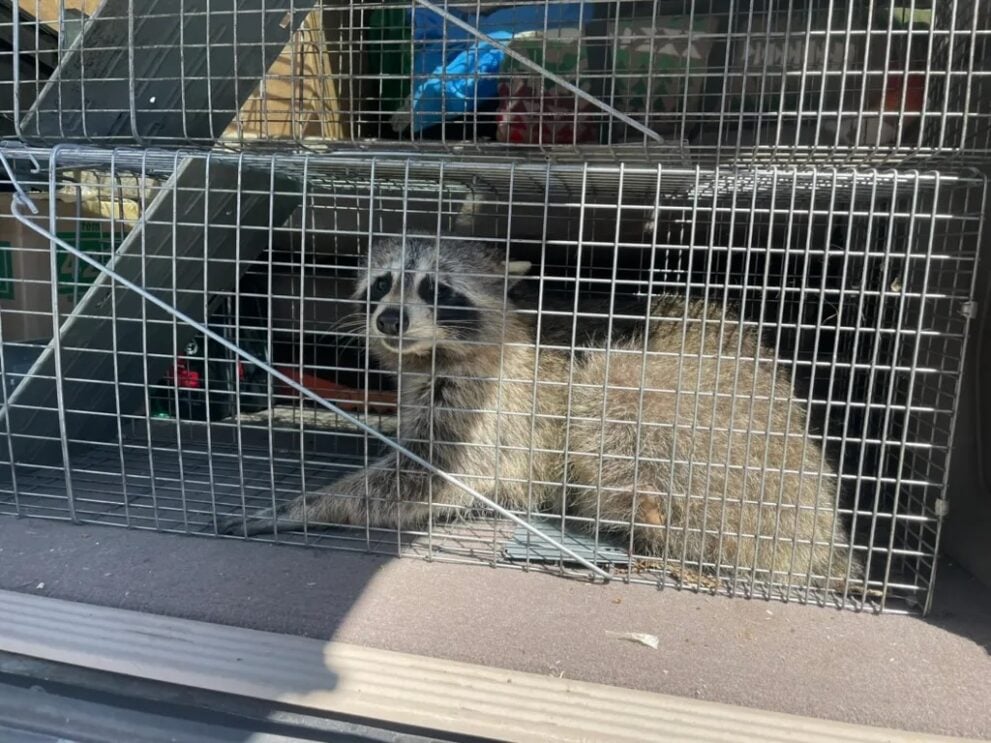
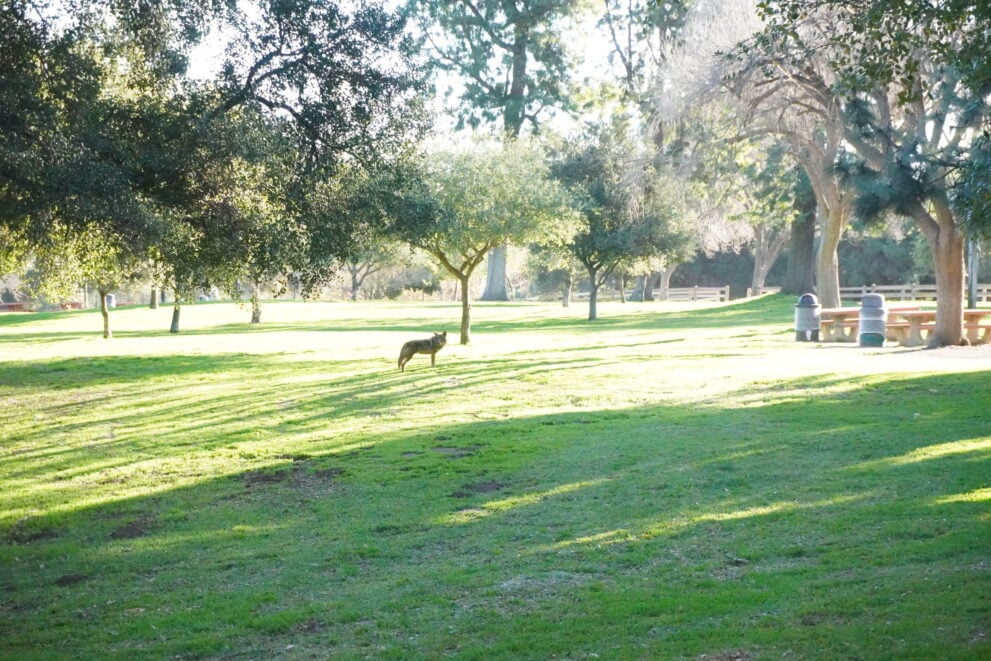
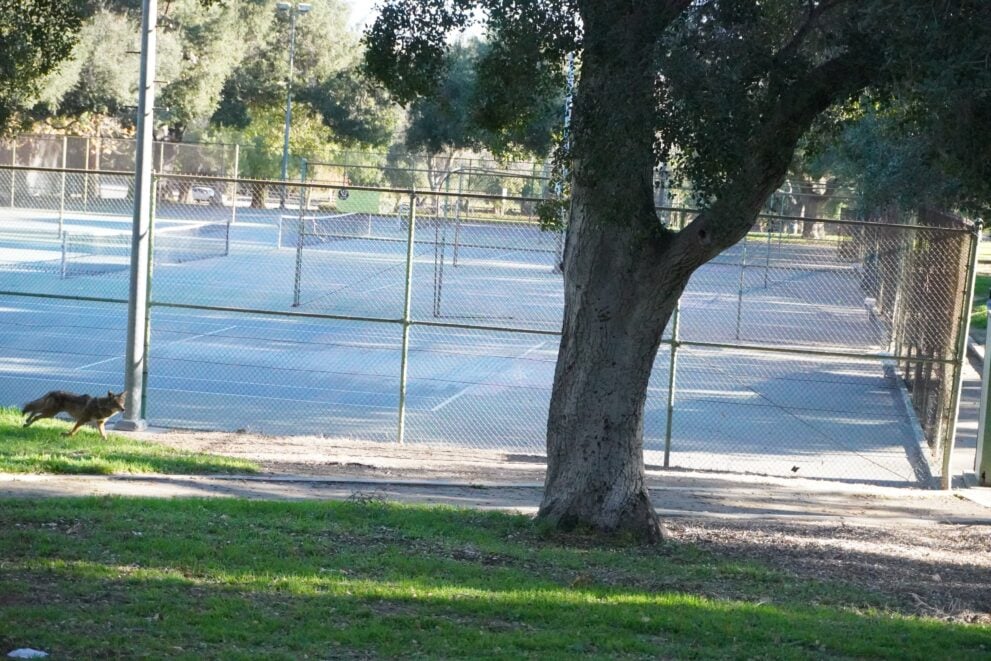
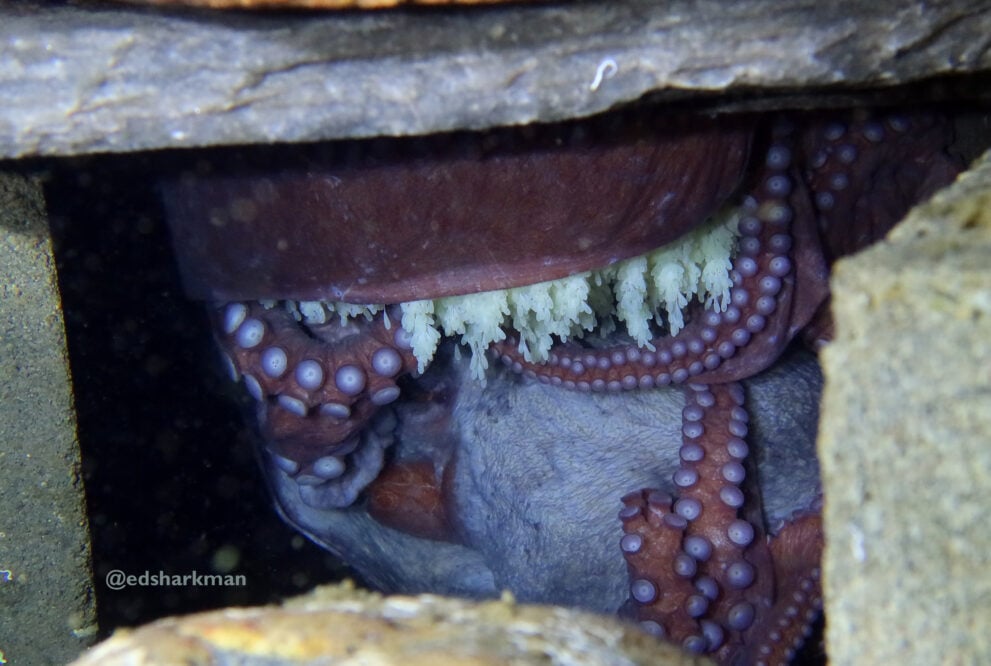
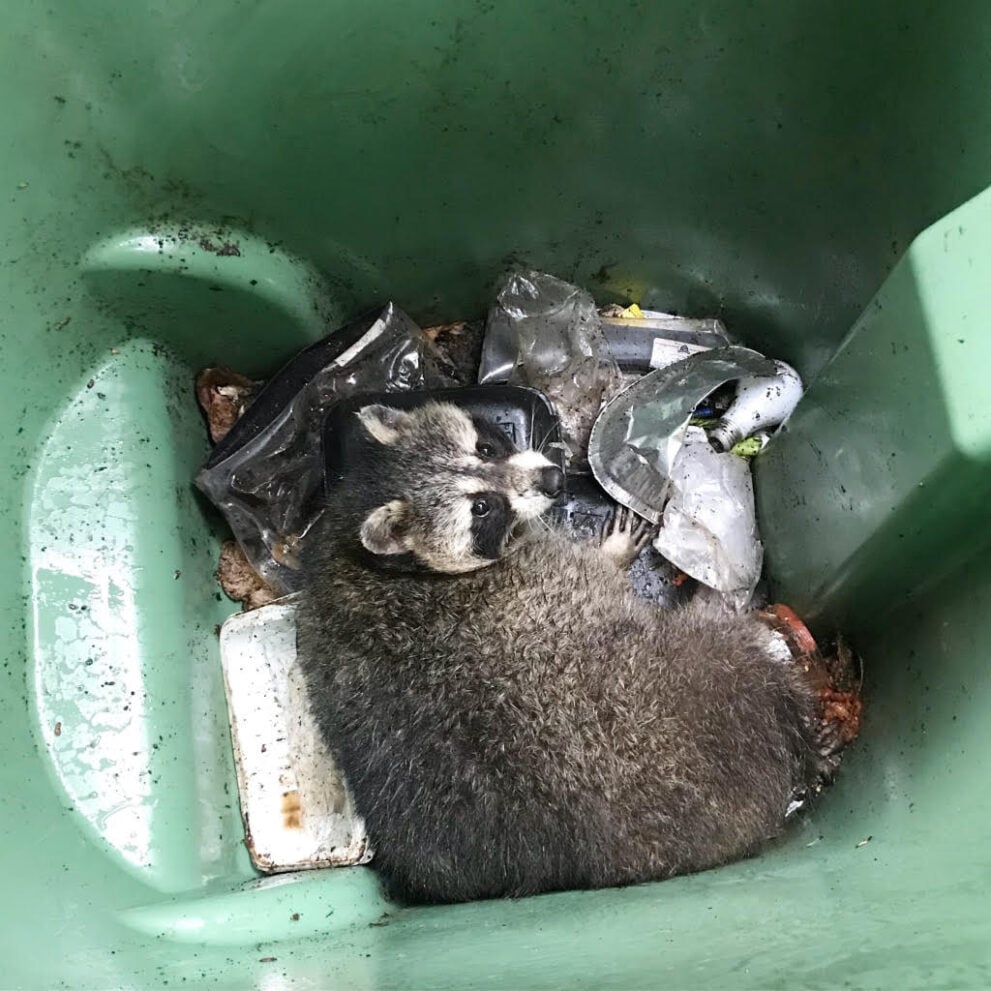
Raccoons cracking raccoon-proof compost bins, coyotes finding refuge in city neighbourhoods, and giant Pacific octopuses making homes in discarded refrigerators. These are just a few examples of wildlife adapting to urban life in extraordinary ways, while challenging our ideas about where nature belongs.
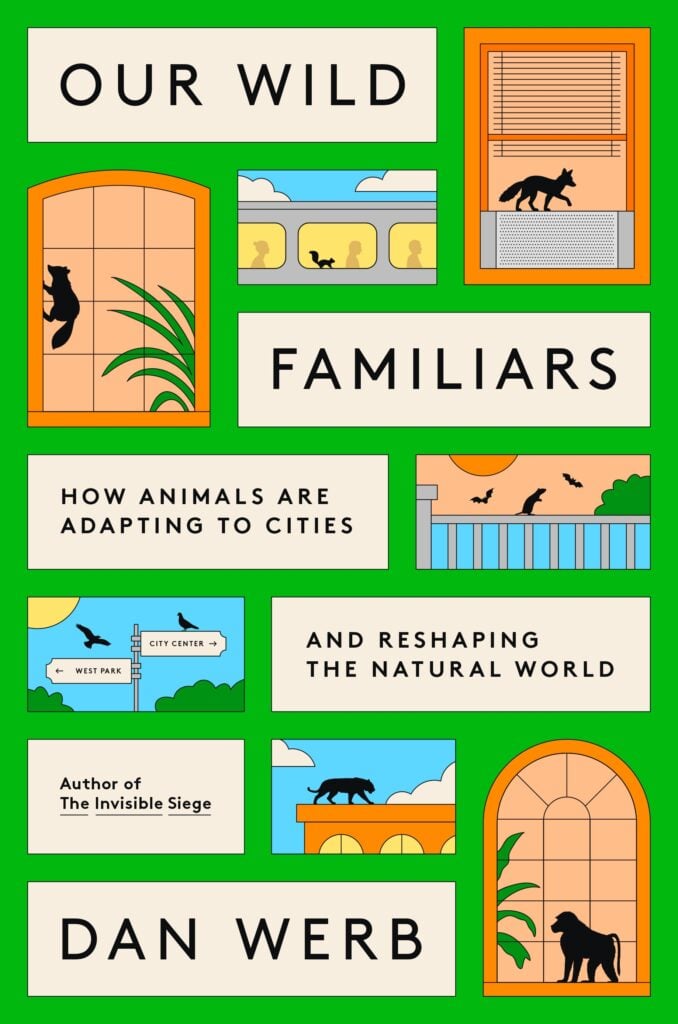
On this episode of Explore: A Canadian Geographic Podcast, host David McGuffin welcomes epidemiologist and bestselling author Dr. Dan Werb to discuss his latest book, Our Wild Familiars: How Animals Are Adapting to Cities and Reshaping the Natural World.
From Toronto’s back alleys to Seattle’s industrial waters and Saudi Arabia’s garbage dumps, Werb investigates the ingenuity of animals living alongside us. He explains how raccoons learn — and spread new skills through overlapping social networks — why urban coyotes are becoming bolder, and the remarkable observations of baboons incorporating dogs into their communities.
McGuffin and Werb discuss the “great urban shift”: how habitat loss, climate change and plentiful resources are drawing wildlife into cities. They also explore why treating cities as ecosystems matters for conservation and how the health of our wild neighbours is connected to our own.
Dan Werb is a Toronto-based epidemiologist and award-winning author. His previous book, The Invisible Siege, won the 2022 Hilary Weston Writers’ Trust Prize for Nonfiction. Our Wild Familiars is shortlisted for the same prize.
Explore more conversations with fellow 2026 Writers’ Trust shortlisted authors:
Bid on polar cruises, excursions with explorers, signed books and more in the RCGS Silent Auction, running until November 8 at rcgsauction.com. Proceeds support the Royal Canadian Geographical Society’s education, scientific and exploration programs.
Explore is hosted by David McGuffin and produced by David McGuffin and Explore Podcast Productions in partnership with Canadian Geographic.
Follow Explore wherever you listen, and help others discover the podcast by leaving a rating and review.
Wildlife
As cities grow, a new kind of biodiversity is emerging. Can we learn to live alongside the urban ecosystems we’ve helped create?
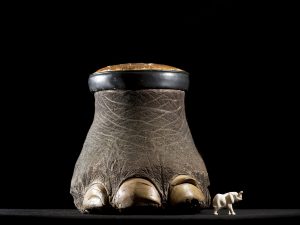
Wildlife
An estimated annual $175-billion business, the illegal trade in wildlife is the world’s fourth-largest criminal enterprise. It stands to radically alter the animal kingdom.

People & Culture
Comment une langue autochtone gravement menacée peut être sauvée
Places
Hiking trails, paddling, birdwatching, educational activities and more — all within easy reach of urban areas