Wildlife
Do not disturb: Practicing ethical wildlife photography
Wildlife photographers on the thrill of the chase — and the importance of setting ethical guidelines
- 2849 words
- 12 minutes
Wildlife
As cities grow, a new kind of biodiversity is emerging. Can we learn to live alongside the urban ecosystems we’ve helped create?
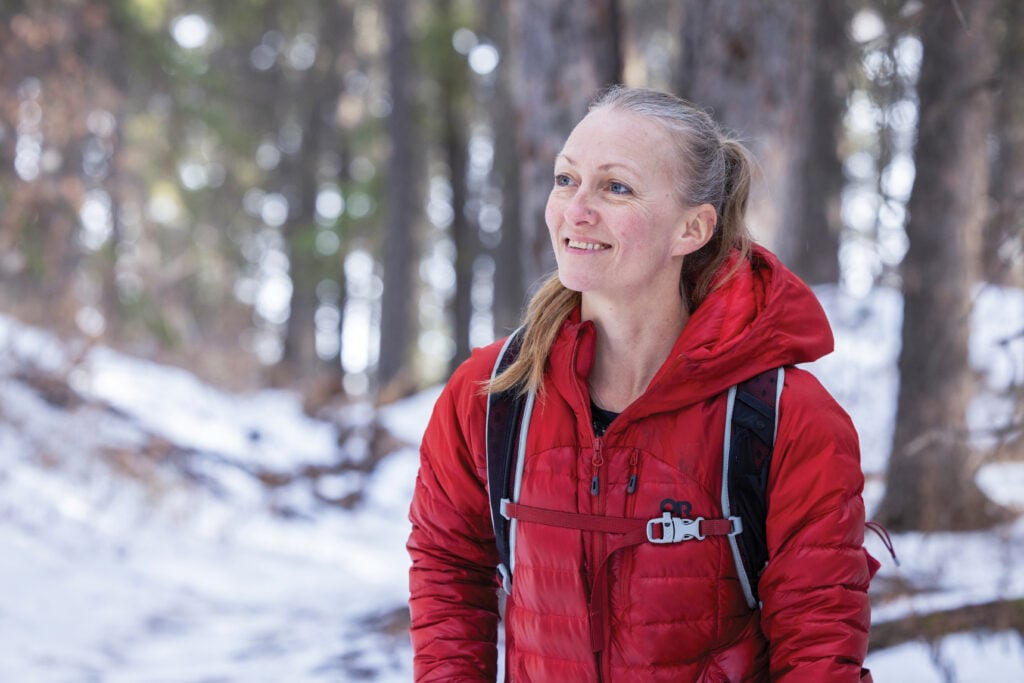
BY 3 P.M., THE SQUIRREL had been screeching all day. That sweltering afternoon in August 2024, I’d had enough of the raspy bleating and decided to investigate. I pushed my chair away from my makeshift desk at my mother-in-law’s dining table in southwest Calgary, slid on my Birkenstocks and ventured into her backyard. As I reached the flowerbed by the back fence, I spotted the black fuzzy tail of one of the squirrel’s young on the ground. Then I heard the growling.
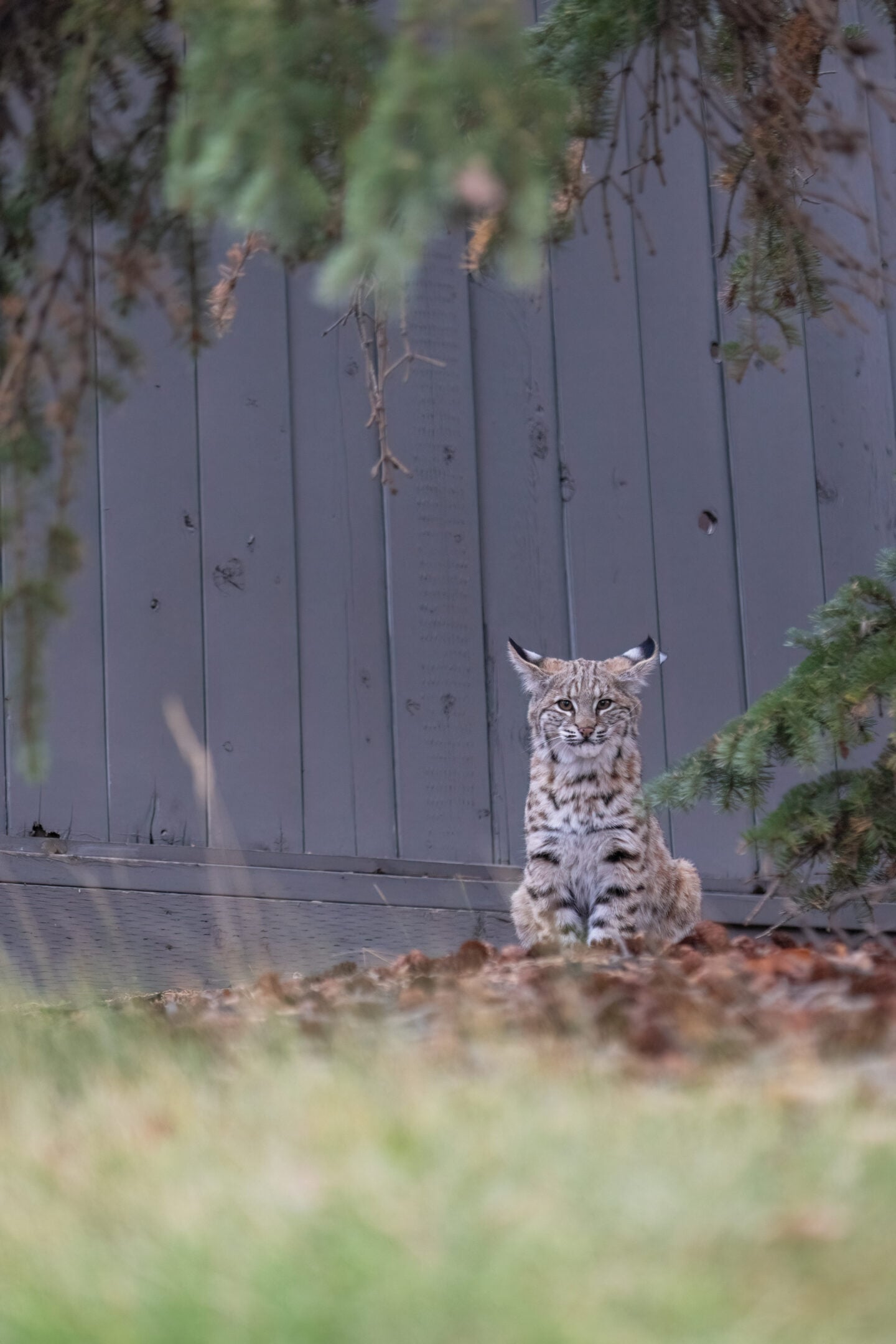
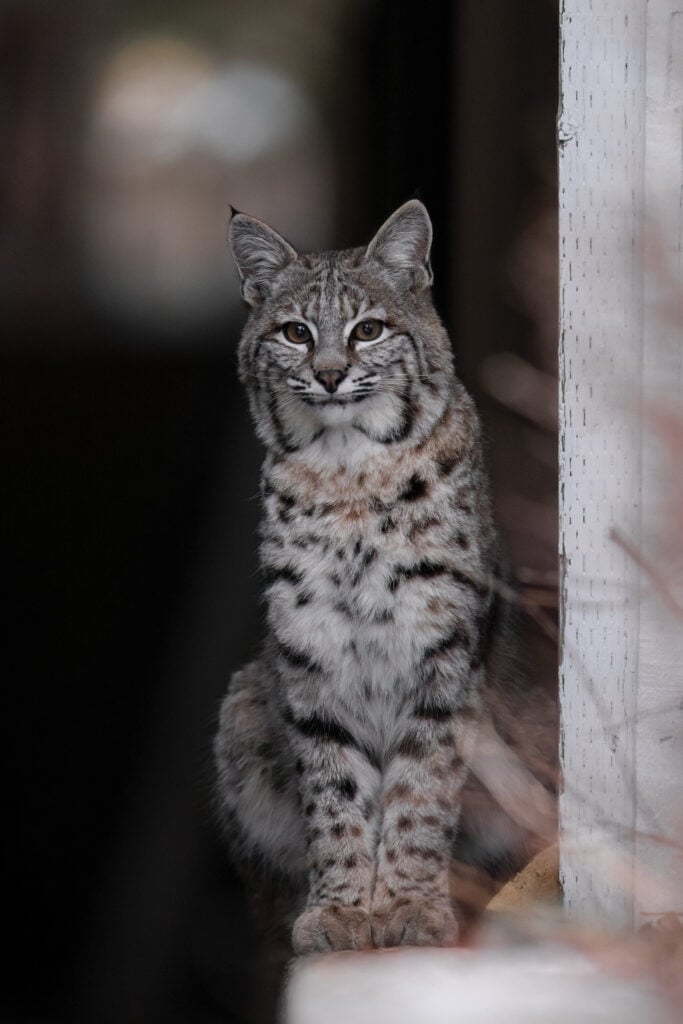
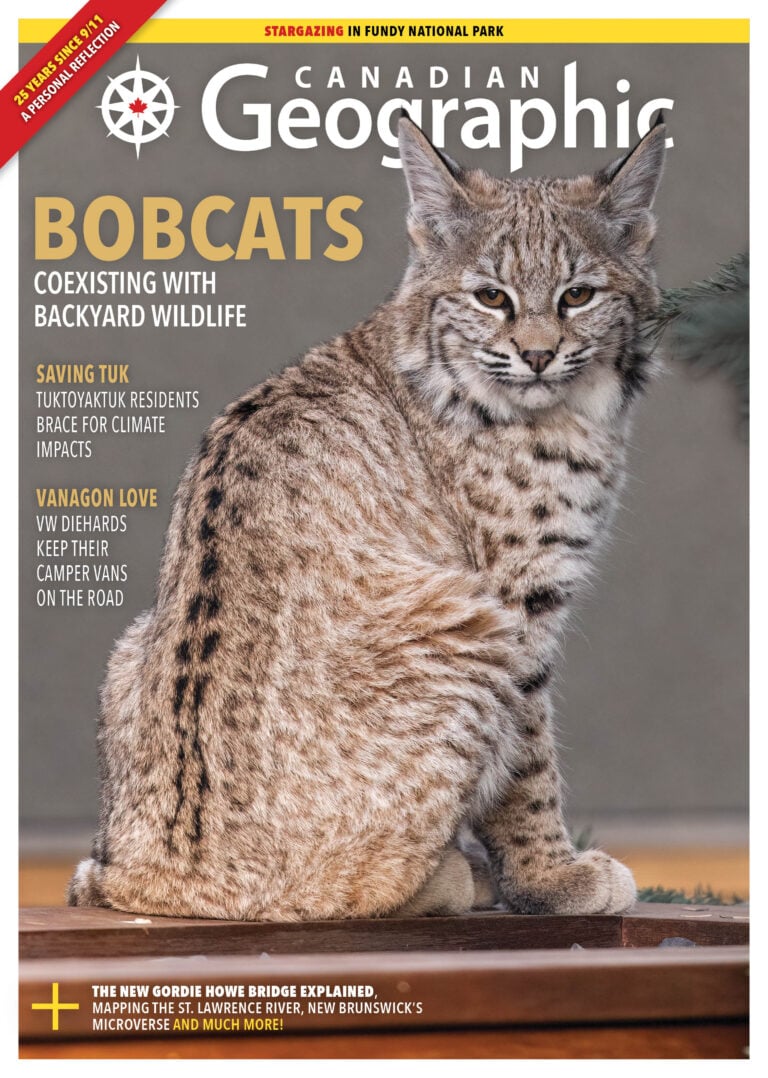
The bobcat let loose a low and sustained grrrrrrrrrr from my left as she slunk from the lilac bushes. My instincts took over — the ones developed from many years of living with a large, cranky tomcat named Oscar. I held up my index finger and shouted “No!” The bobcat paused, giving me time to slowly retreat back toward the house. Then she growled and prowled forward once more. “No!” Another pause, and I was able to slip inside the patio doors.
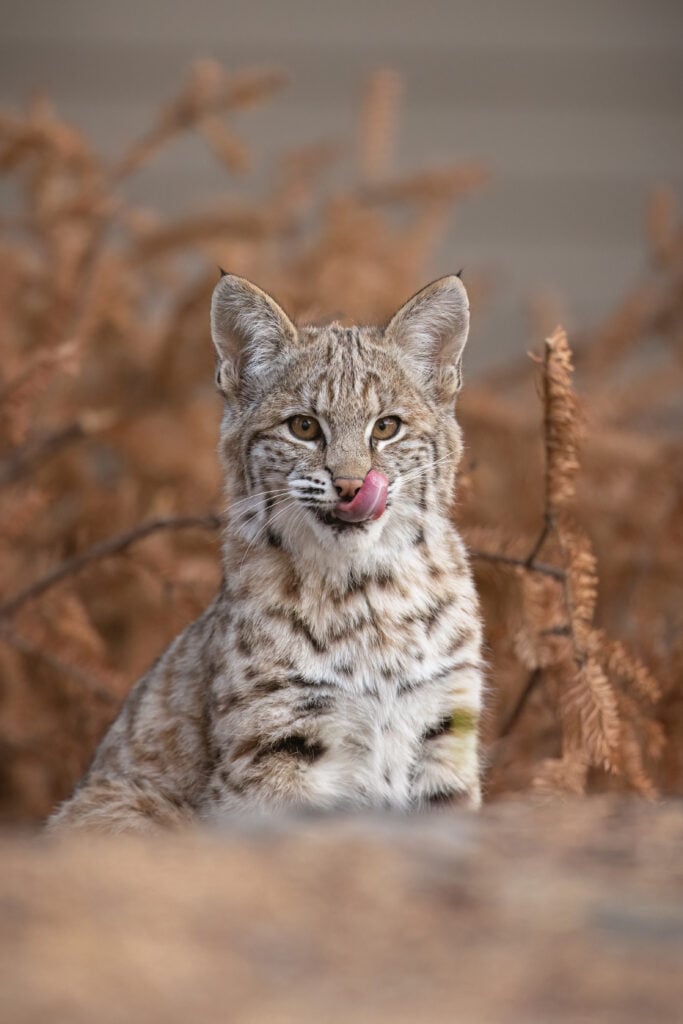
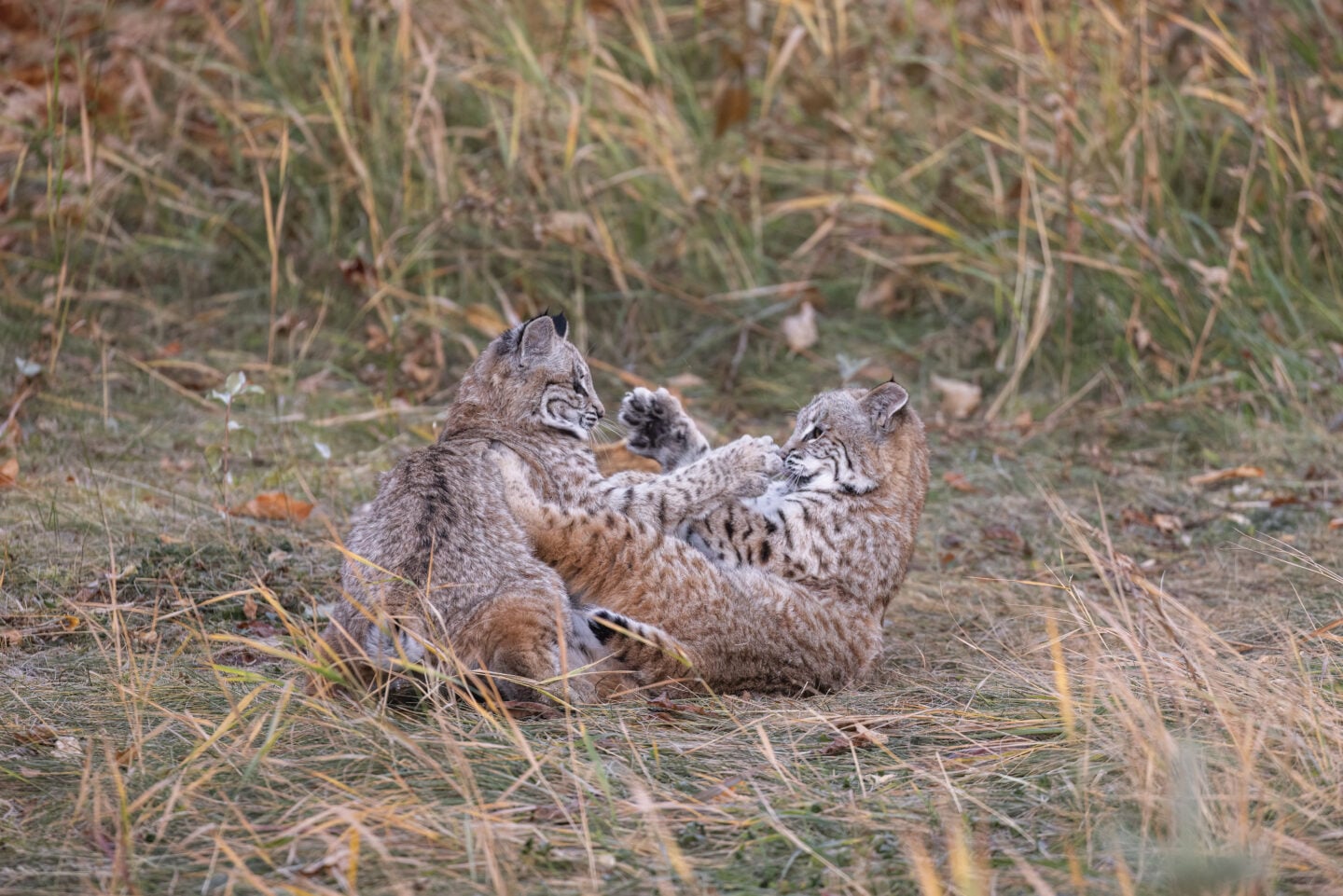
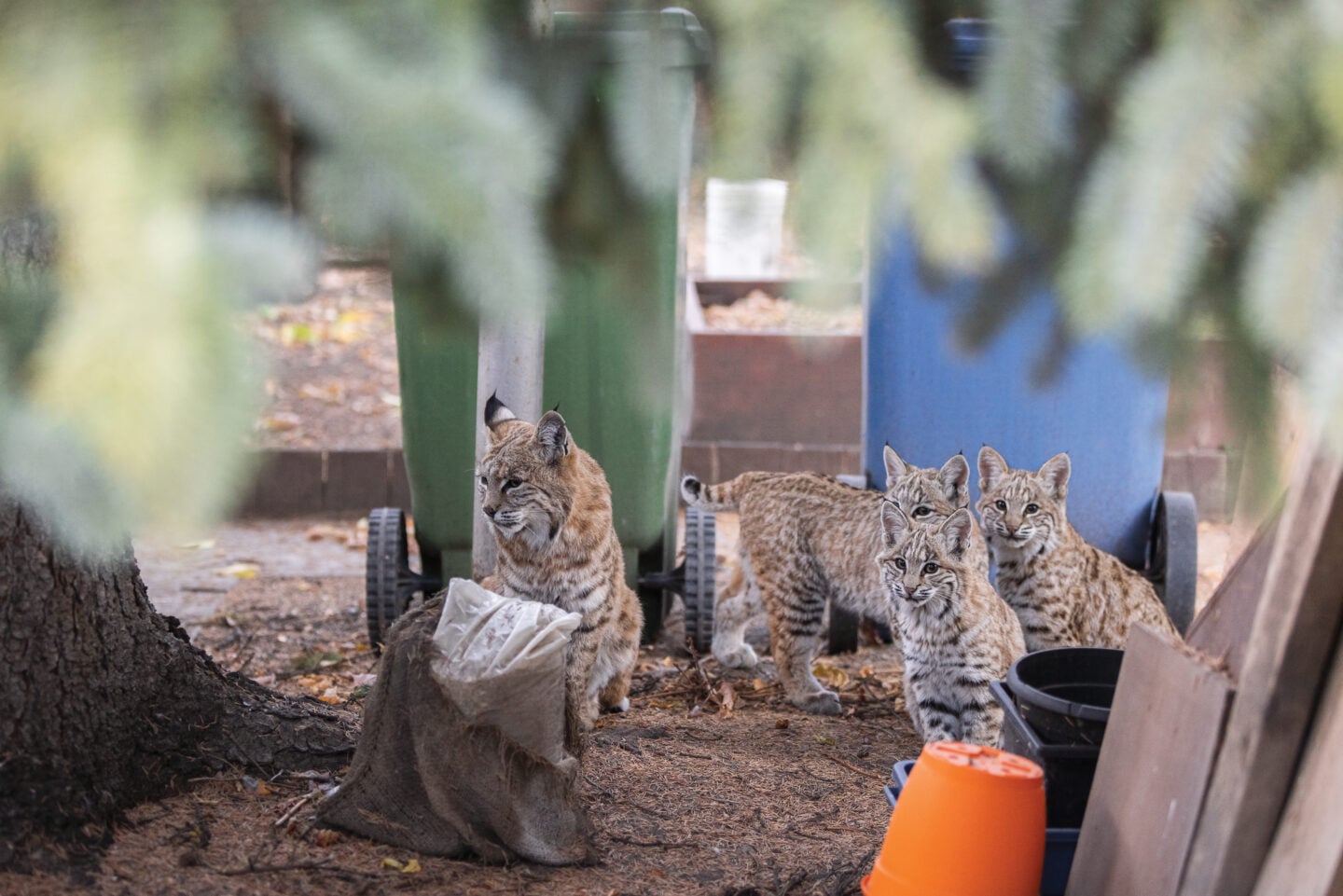
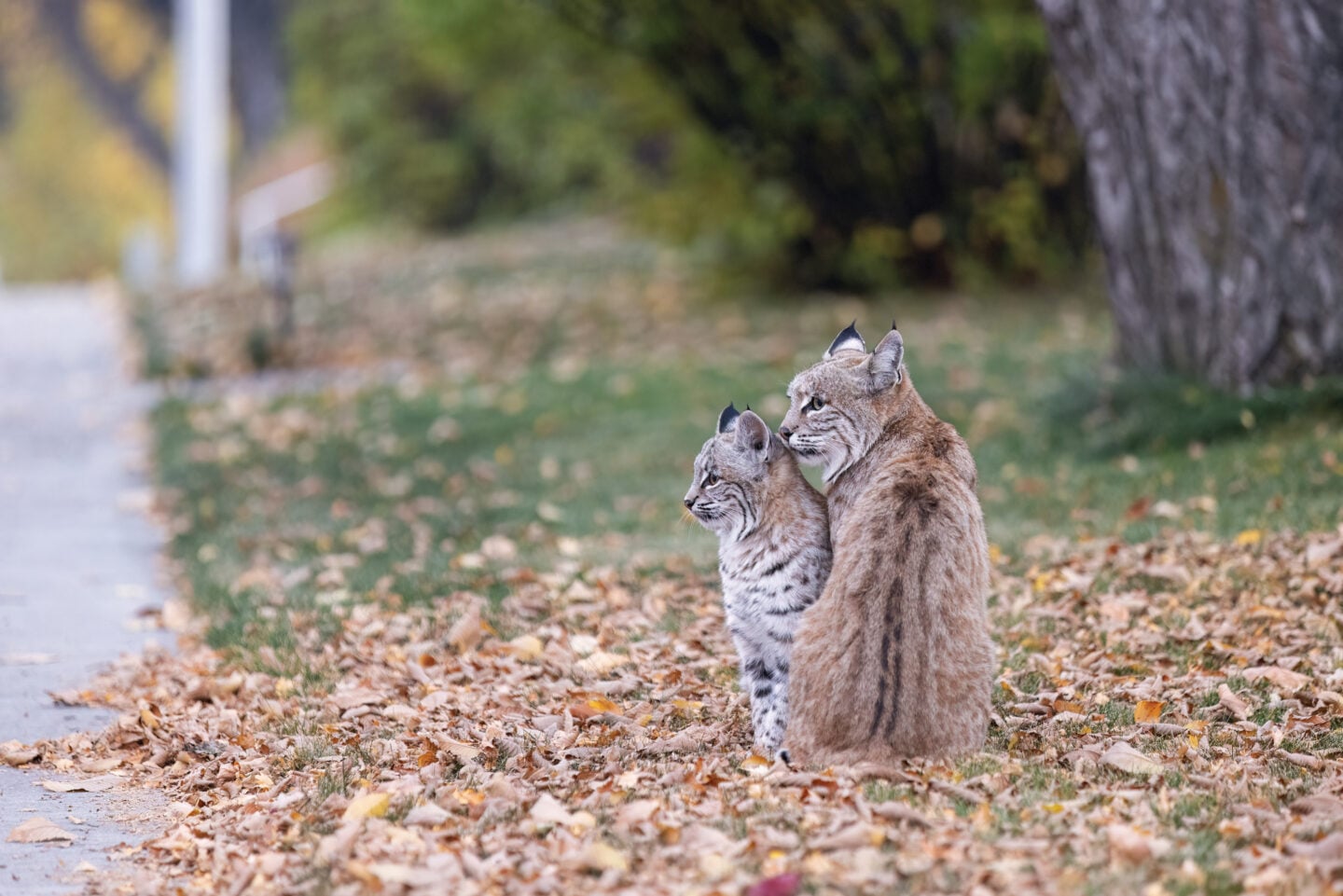
An hour later, the reason for the cat’s behaviour became clear. Two housecat-sized bobkittens emerged from the bushes and jumped onto the patio furniture. For hours, they batted at lanterns, nosed their way under seat cushions and played with the squirrel tail — tossing it in the air and catching it. They ripped around the yard, bouncing off trees and fence planks while their mom tried to catch some sleep. I live in Jasper National Park, yet this city encounter was one of the wildlife viewing highlights of my life.
Calgary’s bobcats are part of a thriving and often unseen urban ecosystem inhabited by animals as large as moose and as small as deer mice. Within this metropolis, little brown bats snatch insects by streetlamps and coyotes pounce on hares in school fields. Bears and cougars occasionally wander through South Glenmore Park. The city is alive with myriad non-human residents, as are Vancouver, Whitehorse, Toronto and many other Canadian cities. Animals hunt, feed, nest and den under decks, in the crooks and hollows of city parks and in cardboard boxes behind businesses. Understanding that we share our cities with wildlife is not new, but these ecosystems are evolving as wild things crack the code of urban living. They are figuring out how to live alongside us. Can we learn to better coexist with them?
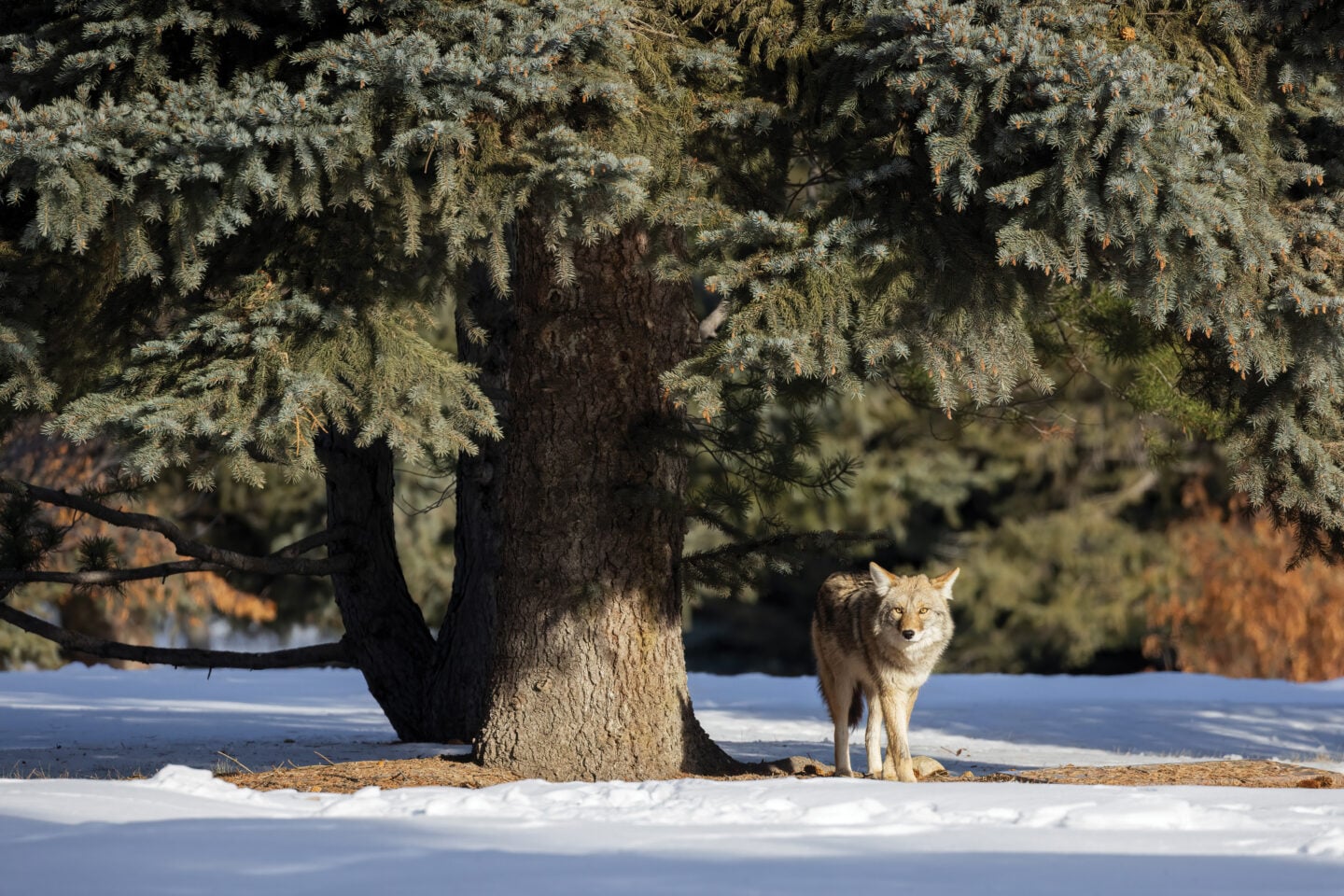
“ATTENTION: COYOTES IN THE AREA,” proclaims a sandwich board sign in South Glenmore Park along the Glenmore Reservoir in southwest Calgary. “I was here once with a colleague, and a coyote walked right past that sign,” says wildlife biologist Sara Jordan-McLachlan, laughing. As coyotes have expanded their range into cities across North America, they have become frequent users of this park and its surrounding residential areas. We might encounter one on this mild February day as we walk the trails toward Weaselhead Flats. But what we really hope to see is a bobcat. It’s more likely the elusive cats will see us. Bobcats are big climbers, and the spruce trees lining the trail are favoured vantage points to watch unseen.
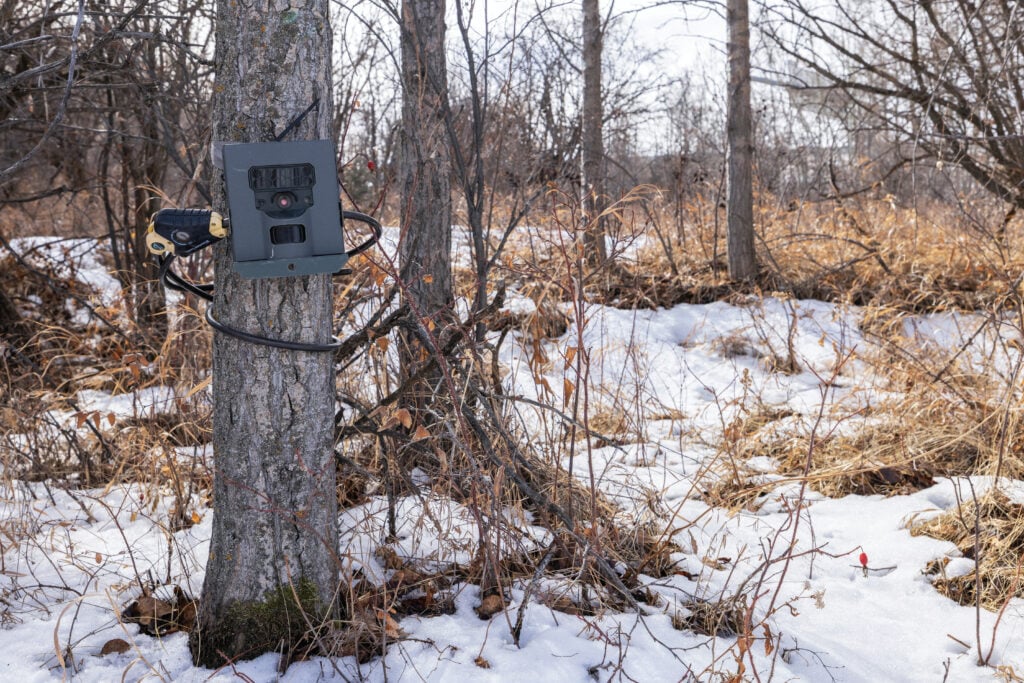
I’ll settle for some bob-tracks in the snow, or perhaps a trail camera photo captured by the Nature’s Network program. Partnered with the City of Calgary and shepherded by the non-profit Miistakis Institute, the program aims to understand how wildlife moves through three major city corridors. As part of that work, Jordan-McLachlan has been walking this route for more than seven years. She can name the diseases that cause fuzzy galls on plants and identify birds by their trilling. Bobcat images she collected from the cameras, alongside a 15-year record of bobcat reports submitted to the city by residents, became part of her graduate research to understand the prevalence of urban bobcat sightings. Were sightings increasing? Was bobcat distribution changing over time?
She found that between 2005 and 2020, bobcat populations spread across the city from west to east. Based on available records, it appears this is an expansion of bobcat range in Alberta, rather than a return to it, says Jordan-McLachlan. In 2020, few cats had found a way across the Deerfoot Trail freeway. But since then, the clever kitties have made it to the other side in numbers and are now found citywide. Though the number of bobcats living in the city is unknown, Calgary parks and green spaces like school fields are bobcat central. They are usually found no more than 200 metres from these environments, though some have ventured as far as a kilometre away to hunt or den. Having bobkittens in backyards may keep them safer from predators like coyotes, Jordan-McLachlan says. “You’ve got a deck to den under? The bobcats say, ‘thank you!’”
“Cities create all these weird little habitats because of so much human alteration,” says Tracy Lee, who oversees Nature’s Network as director of conservation research at the Miistakis Institute. “We water things to death. We plant things that aren’t native.” Sometimes that has unexpected consequences. For example, bobcats have been reported rolling in catnip planted in backyard gardens.
Sometimes, we also introduce animals that weren’t there before, like the black morph of eastern grey squirrels, which were accidentally released into Calgary in the 1930s. Now, the squirrels are rattling on from every tree, announcing themselves as a tasty bobcat snack. Lee would know — in December 2024, she and her son saw two bobcats flush one from a spruce and kill it in her yard. With groomed lawns and mature trees, many Calgary neighbourhoods are excellent habitat for the rabbits, rodents and birds that carnivores hunt. “We’ve created this new kind of biodiversity,” says Lee.
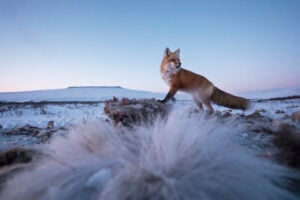
CITY BIODIVERSITY — and the form it takes — is evolving and changing. In Whitehorse, for example, there’s a relatively new top dog in town: the red fox. When Yukon-based photojournalist Peter Mather was school-aged, it was coyotes he watched roaming the streets of Whitehorse at night while he did homework at his dad’s office. “Coyotes used to own our downtown core,” he says. Then, about 15 years ago, it switched.
Now foxes can be seen denning under decks and even playing or napping on rooftops. Locals know that ball gloves and sneakers left outside the house overnight might not be there in the morning, as denning foxes have a thing for leather, says Mather, who spent months tracking and photographing foxes in 2020 and 2021. After foxes clear out of their dens, he says, it’s common for residents to dig out stolen items and display them in a kind of foxhole yard sale for owners to recover their goods.
While the exact numbers aren’t known, the city fox population appears to be growing. Foxes generally have on average six kits, but litters can be as high as 11. In one case, Mather found a den occupied by what seemed to be two families with 16 kits. The increase may be linked to new urban habitat and easier access to food as the human population continues to expand. Whatever the reasons, Mather has seen the foxes fully at home downtown. In the past, they have even denned at the busy McDonald’s drive-thru.
City life can change how wildlife behaves, affecting numerous wildlife relationships, including those between predators. In rural spaces, coyotes and red foxes are generally competitors. Coyotes sometimes kill red foxes and limit their populations. Yet in some cities, they exist in tight quarters. Urban ecologists studying this relationship suggest the cunning canines are figuring out new ways to coexist. A study based in Madison, Wis., showed coyotes tend to live in the city’s more natural areas, while red foxes were more at home with open space and moderately developed areas. But in other cities, they overlap.
Tiziana Gelmi Candusso is an urban wildlife ecologist based in Toronto. Between 2020 and 2021, she collected videos of wildlife along the city’s urban trails. In one clip, a fox passes into
camera view, hears a sound behind him, then tentatively backtracks to investigate. You can see the “uh-oh” moment when he sees the coyote coming and bolts into the trees like a mark trying to ditch their tail. After it passes, the fox pops back out and continues on its way. “For me, that was so interesting, because in the scientific literature, we think these animals are spatially avoiding each other,” says Gelmi Candusso. But it seems that in cities, depending on resources, they overlap much more. This avoidance is happening on a much finer scale, one that could not simply be seen on a map of their home ranges. “I don’t think we realize what they are doing to coexist.”
Living in the city requires wildlife to be constantly assessing risk and reward. Throw in human food sources, and rewards get more tantalizing. Wildlife are tempted by a smorgasbord of pet food, fast food and food waste. When one well-meaning Torontonian erected a birdfeeder near one of Gelmi Candusso’s video cameras, the nut and seed spillover caused a feeding frenzy. Red foxes, squirrels and raccoons scarfed down the grains side-by-side. It wasn’t always harmonious. At one point, Gelmi Candusso says, a gang of fierce raccoons forced a fox into a submissive position — lying down as if waiting for its next command. “It was unexpected, because, I mean, I would expect the predator to be the one that was on top.”
“Wildlife will take advantage of the resources presented to them,” says wildlife biologist Sarah Benson-Amram, associate professor at the University of British Columbia and head of its Animal Behaviour and Cognition Lab. In Vancouver, raccoons are attracted to trees that bear fruit. Picking and cleaning up downed fruit is one way to prevent conflict, as is keeping dogs inside at night when raccoons are more active. It’s also important to prevent wildlife from losing their fear of people by not feeding them and teaching them wariness of humans — especially carnivores. This means not actively harming them but making it unpleasant to be around us. For example, the Edmonton Urban Coyote Project website advises directly approaching coyotes “while throwing objects [such as a tennis ball or stone], carrying a protective stick, and shouting or shaking a can containing coins.” Says Benson-Amram, “So much of it comes down to human behaviour and management.”
Not only do human food sources encourage wildlife to trade their fear of people and pets for a quick meal, but they can alter the health and possibly behaviour of wildlife. Research from Edmonton suggests coyotes consuming more human-made, higher carbohydrate food (e.g., compost and fast-food waste) have poorer than average body condition and higher abundances of pathogens like Streptococcus. Studies like these have initiated conversations about how human food sources alter the gut microbiomes of urban wildlife and the possibility that those changes may be linked to aggressive behaviour.
It’s not just our garbage that can have profound effects on the physiology of our furry neighbours. A 16-year, California-based study found that bobcats exposed through their prey to anticoagulant rodenticides — chemical poisons used to kill rats and mice by preventing their blood from clotting — were significantly more likely to die of mange, a skin disease caused by mites. While healthy bobcats can often fight off mange and seem to survive rodenticide exposure better than some other animals, the rodenticide weakens them, and the one-two punch of both is lethal.
How parasitic diseases and other pathogens cycle in and between pets, humans and wildlife in the urban environment is an area of active study. Bobcats can carry parasites such as Cryptosporidium and Giardia, for example, and both can infect humans. However, the results of another study from California and Colorado showed bobcats were more likely to pick up those parasites when they live near people — suggesting humans were transmitting them — most likely through contaminated water around cities. There’s also work ongoing to determine if predators like bobcats act as disease buffers — effectively regulating prey populations, in turn curbing disease reservoirs. Disease systems are complicated, and understanding the risk coexistence poses to both human and wildlife health is critical to making sound city planning and public health decisions. A key part of the equation is pets — the millions of cat and dog furbabies we love to snuggle up to at home and let roam free outside.
Living in the city requires wildlife to be constantly assessing risk and reward.
Dogs, for example, are more likely to come in contact with wildlife diseases and wildlife when they are off leash, says Gelmi Candusso. Free roaming not only puts dogs at risk but allows dogs to displace and harass wildlife, sometimes without the owner realizing it, she says. Off-leash dogs are a lot more common than Miistakis’ Tracy Lee thought before getting the results of the Calgary Connects 2017-2022 monitoring report. The project revealed that 72 per cent of dogs captured on camera in parks were off leash in on-leash areas. “One of the best things we can do for wildlife is to keep dogs on leashes,” says Lee.
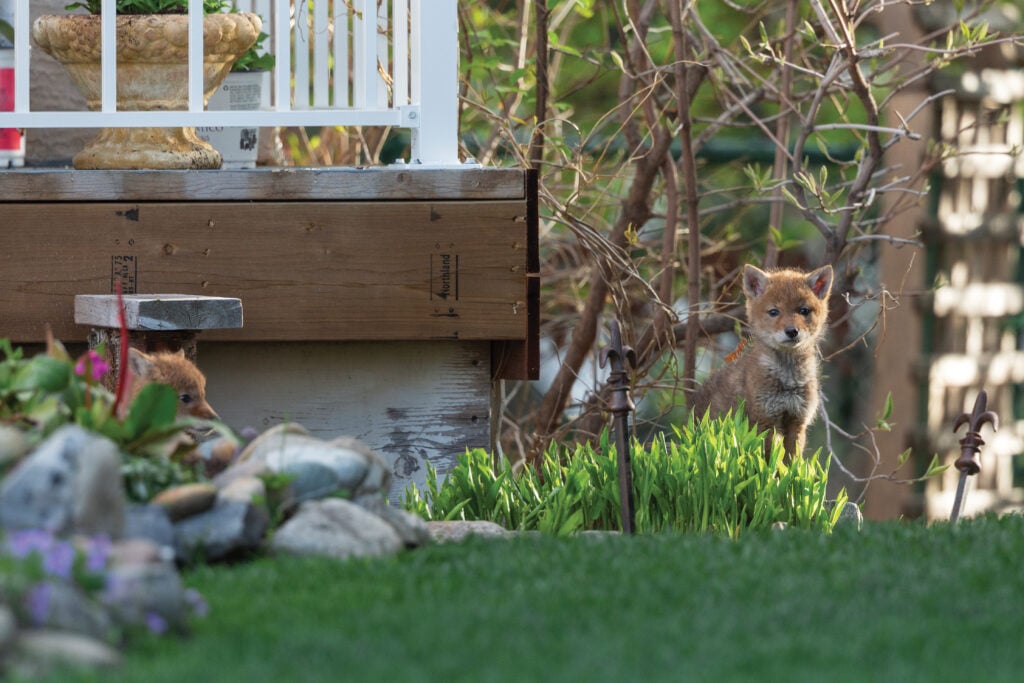
In Calgary, city wildlife technician Harry Aime says coyotes are especially sensitive to dogs and humans in the spring when they have newborn pups. “They have their den established, and there’s a bit of an increase in territorial and protective behaviour,” he says. If a coyote parent is worried a dog or person is too close, it might perform what wildlife biologists call an “escort” away from their den. People sometimes misunderstand this behaviour as stalking, but it’s actually the coyote following at a safe distance until they feel the threat has abated, then it doubles back to its young. “It can be an alarming or unsettling experience for residents,” says Aime, but these coyotes are actually just trying to anticipate potential danger.
In the scope of all interactions between people and wildlife in cities, conflict is rare, says Aime, but it happens. Animals that show problem behaviour could be hazed, relocated or, in worst-case scenarios, killed. However, people can help prevent these outcomes. Anticipating natural wildlife behaviour is one way.
“We’re advocating for as much non-lethal management as possible,” says Benson-Amram, and “by understanding the cognition and behaviour of these animals, they can potentially be managed in a more effective way.” Benson-Amram and her students are exploring whether city life might select for more intelligent animals, and how that relates to the kind of people-trouble they get in. “It’s possible that actually, when you’re smart, you’re the animal that’s going to be doing things like opening a trash can or breaking into an attic or opening up a chicken coop and stealing some of the chickens,” she says. And it may be that for some of those clever animals, humans are stimulating a kind of “cognitive arms race.” A raccoon breaks into a garbage can, so we put a bungee cord on it. They solve that, so we add a brick. It’s an unintended training program, and so far, the raccoons are here for it. The real question is: who is training whom?
WHILE URBAN WILDLIFE are busy gaming our garbage cans, they are also providing valuable ecosystem services like seed dispersal. For plants to be healthy, they need a diverse gene pool — something that can be hard to get when a city block of skyscrapers stands between remnants of natural vegetation. Though birds and herbivores help, scientists have long suspected that far-ranging animals capable of travelling sketchy terrain are critical to seed dispersal in cities.
Enter once more the wily coyote, capable of scaling six-foot fences, slinking across freeways and consuming fruit both directly and in the belly of their prey. To better understand how far urban coyotes might carry seeds, Gelmi Candusso analyzed the movements of collared coyotes roaming about the Greater Toronto Area between 2010 and 2021. One coyote travelled from North York to Lakeshore Road and then to Mississauga in a couple of days, she says. That’s about 50-60 kilometres — not as far as many of its rural counterparts travel, but much farther than the seeds would travel in a mouse or rabbit.
There are myriad benefits to living with wildlife. The City of St. Albert, Alta., is actively managing beaver populations to help meet its biodiversity and climate adaptation goals for water and maintenance of natural areas. Living with nature is also inherently good for us. Birdwatching and proximity to city parks have been shown to boost mental health and productivity. Predators like bobcats and coyotes control the numbers of pocket gophers, rabbits and squirrels, says Aime. “In a very real sense, [they] make the park spaces more usable for residents.”
Animals provide these services, live healthier lives and have less conflict with people when their preferred habitats are connected to one another. “One of the big concerns for me is always habitat loss and ensuring that species aren’t isolated,” says Toronto’s first-ever city ecologist, Tanya Pulfer.
This is where city land-use planning and policy can help. In Toronto and Calgary, for example, there are policies and strategies in place to consider the impact of development on wildlife connectivity and natural areas prior to building. That doesn’t mean development pressure won’t override those considerations — Lee points to the approval of a 635-hectare project, part of which cuts into an important ecological corridor along the Bow River in southeast Calgary. But progress comes through collaborations like those between the Miistakis Institute, City of Calgary and the adjacent municipal district of Rocky View to connect wildlife corridors across municipalities amid the continual march of urban development.
Programs and policies like these have marked a shift in thinking from the idea that cities should be for people only to one in which wildlife habitat is woven into the urban fabric. One where wild things are not just something we see on screens but thriving outside our doors.
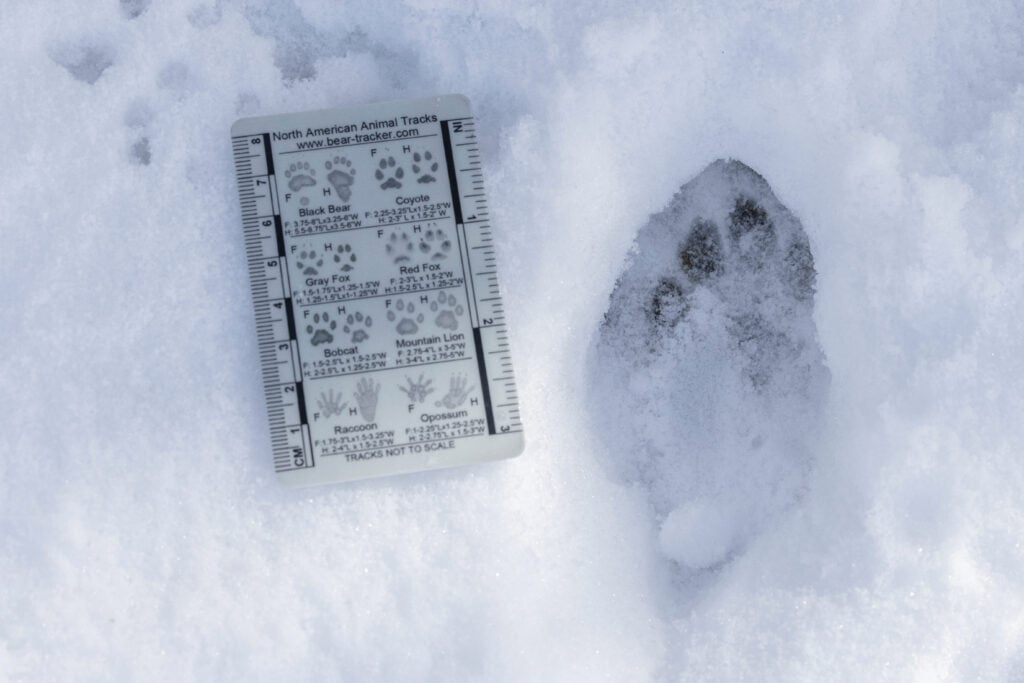
BACK IN CALGARY, it’s a mild spring day in early May as Jordan-McLachlan and I head out for more bobcat tracking, this time weaving our way through Fish Creek Provincial Park and the community of Queensland. It’s been a busy night for wildlife as evidenced by the hundreds of tracks we see criss-crossing the new snow — those of hare, mice, coyote and deer. Near a park bench, a snow-angel-like imprint was left behind by a bird of prey where its feathers grazed the snow, perhaps nabbing a vole. Leading toward a spruce tree trunk in a back alley, we finally find them — bobcat tracks fresh from the night before.
Jordan-McLachlan crawls into the tree well, her small frame fitting easily beneath the boughs. From a comfortable squat she alternates her gaze between the tracks beneath her and the landscape beyond. She’s trying to think like a bobcat, to understand where it was before its tracks appeared near the tree. We laugh as we reconfirm it’s not in the tree above us. But there are no tracks leading away. Where did it go? It’s a puzzle both of us would like to solve (well-played, bobcats). But for Jordan-McLachlan, it’s part of a bigger plan. “I try to look at the world through the eyes of other beings,” she says. “I think about how I can make this a better place to share.”
This story is from the September/October 2026 Issue
Wildlife
Wildlife photographers on the thrill of the chase — and the importance of setting ethical guidelines
Environment
Alberta’s largest city has a lofty goal to restore some of its roadsides, boulevards and other open spaces to a more natural state. Here’s a look at some biodiversity-friendly projects already underway.

Wildlife
Plus: Mapping North America’s sea ducks, collecting Yukon’s mosquitos, celebrating Newfoundland’s pine marten success and a rebound for Antarctica’s fin whales
Travel
From South African penguins and Canadian bears to Australian wombats and Bolivian pumas, Robin Esrock introduces inspiring wildlife sanctuaries where volunteers make all the difference