Exploration

Live Updated 1 day ago

Updates from the 2026 Heroic Age Expedition

Follow along as an international team led by the Royal Canadian Geographical Society surveys the wrecks of Quest and Terra Nova in the Labrador Sea

  • Published Jul 05, 2026
  • Updated Jul 06
  • 1,494 words
  • 6 minutes

Editor's note

Welcome to the collaborative diary of the 2026 Heroic Age Expedition! Led by the Royal Canadian Geographical Society in partnership with Woods Hole Oceanographic Institution, the purpose of the expedition is to produce the first comprehensive visual surveys of the wrecks of Quest and Terra Nova, the last ships of legendary Antarctic explorers Ernest Shackleton and Robert Falcon Scott. Updates from the expedition and reflections from team members will be posted here daily, with newer updates appearing first.
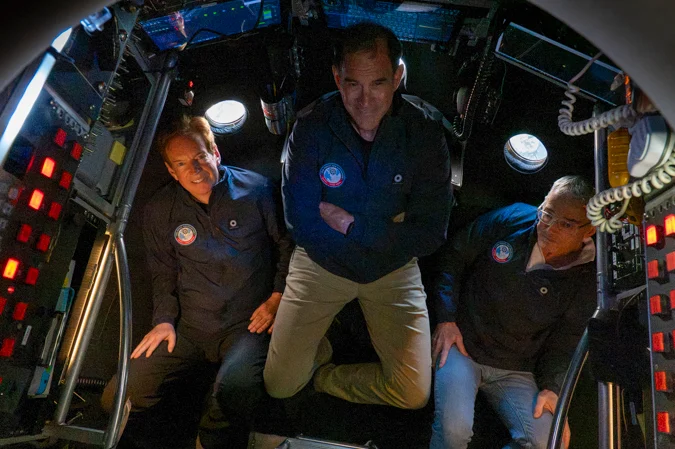
Left to right: Expedition leader John Geiger, lead submersible pilot Bruce Strickrott and co-chief scientist David Mearns inside Alvin, the storied submersible that will take members of the Heroic Age Expedition to the wrecks of Quest and Terra Nova. (Photo: Martin Hartley)
Expand Image
Advertisement
Advertisement
Advertisement
Monday, July 6, 10:20 p.m. ET

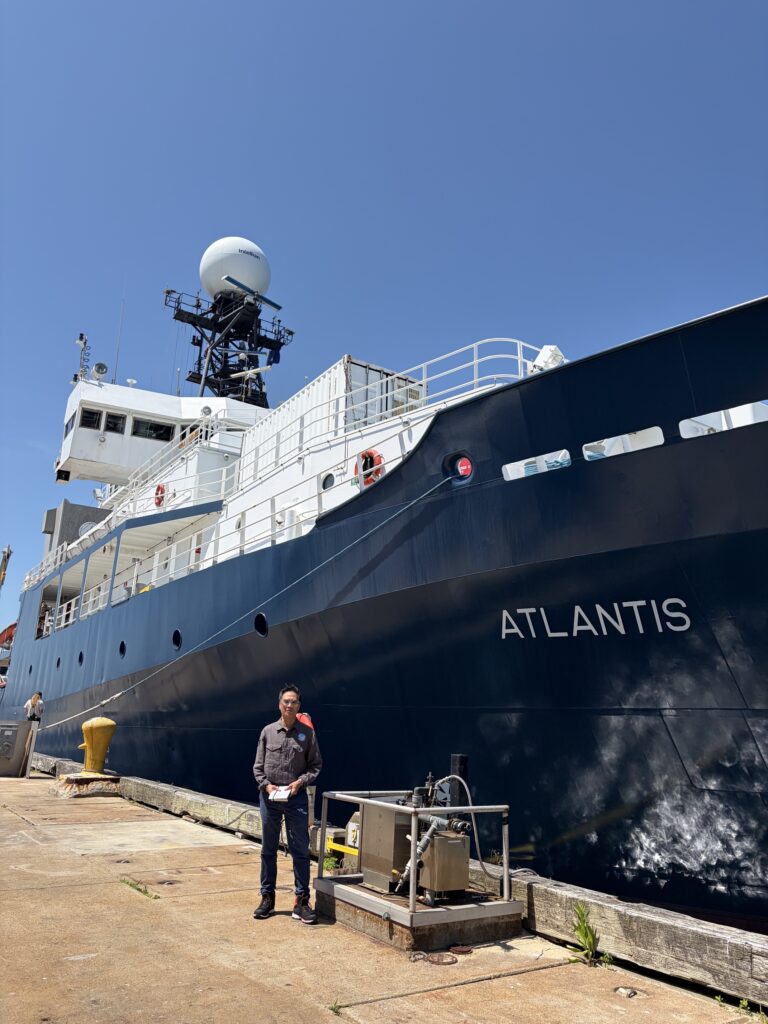
Atlantis has arrived at the wreck site. ROV operations are expected to begin at 11 p.m. ET, with the first images of Quest arriving shortly after that. The goal of this first ROV dive will be to confirm the position of the wreck, assess the site for any hazards that the Alvin pilots should be aware of tomorrow, and, of course, positively identify the wreck as that of Quest

As research director Antoine Normandin explains, Quest is a bit of a Ship of Theseus, having undergone multiple upgrades and retrofits over her 45-year lifespan. Part of his work over the past three days at sea has been to develop a list of the ship’s key features at the time of her sinking, including her prominent bow bearing her Norwegian registration, T24T. 

Monday, July 6, 1:30 p.m. ET

RV Atlantis has passed through the Strait of Belle Isle and is expected to arrive at the Quest wreck site by midnight. While we continue our journey, expedition member Jan Chojecki, who is the grandson of John Quiller Rowett — the financier of Shackleton’s final expedition — has contributed a short history of the Shackleton-Rowett Expedition and its legacy. 

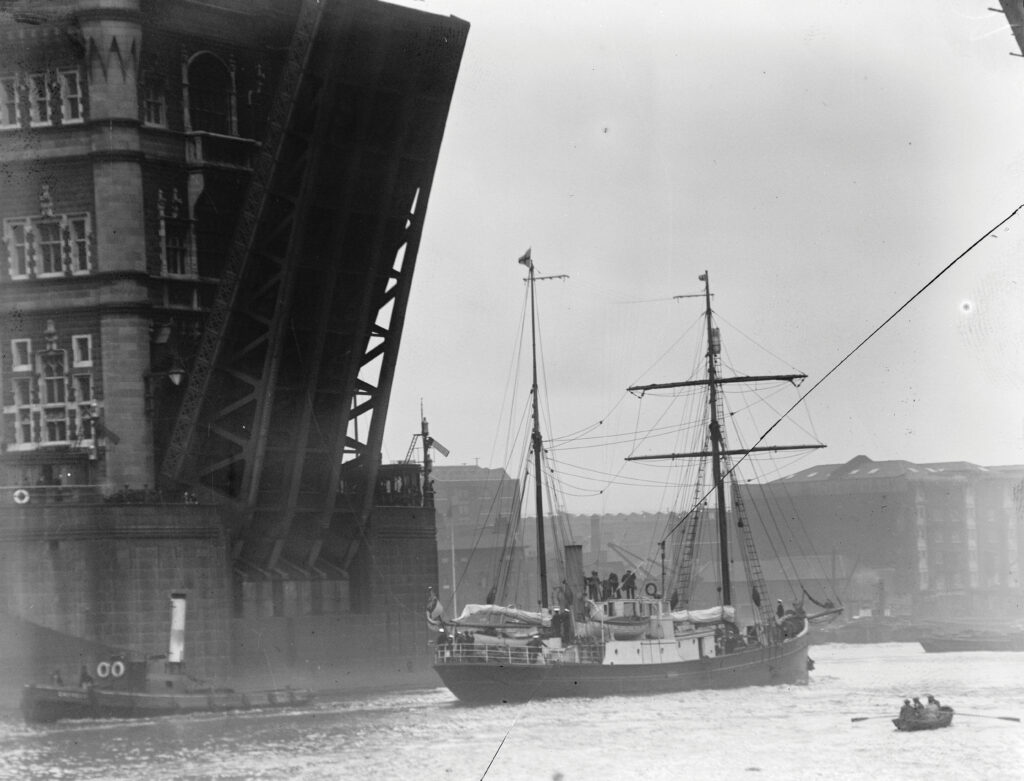
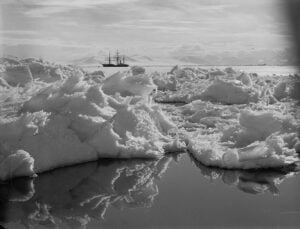
Quest sailing under Tower Bridge in London in 1921. (Photo: Smith Archive/Alamy Stock Photo)
Expand Image

Shackleton’s swan song and the legacy of the Quest

1921 was a busy year for the London businessman John Quiller Rowett. Having made a considerable fortune, mainly through his position in the rum market, he was turning his mind to charitable and philanthropic causes. Construction started on what would become the Rowett Institute in Aberdeen, Scotland, today a leading research centre for nutritional science. He contributed frequently to hospitals and dental research, working men’s clubs and the like.

When in 1920 his Dulwich College schoolfriend, Ernest Shackleton, approached him to support an Arctic expedition, he agreed a cornerstone amount on the basis that the majority of the funds would come from the Canadian government. However, in May 1921, the Canadians declined and Rowett generously stepped in and agreed to finance the entire expedition – to be known as the Shackleton-Rowett Expedition. By this time, it was too late to mount an Arctic venture, so Shackleton decided to head south instead. The converted Norwegian sealer he had purchased, now named Quest, was finally ready for departure in September 1921. Addressing the world’s media, Shackleton said of the mission, “It will be my swan song.”

The ambitious plan was to survey uninhabited, rarely visited islands of the Atlantic, chart the coast of Antarctica’s Enderby Land, and go on to circumnavigate the entire continent, exploring bases for wireless networks, long-range weather forecasting stations, supply depots and the like, all of which would have big value for the economies of the southern hemisphere. This far-sighted aspiration no doubt appealed to Rowett’s intentions for making a worthwhile contribution with his money.

Dogged by mechanical difficulties with Quest from the start, the expedition’s route was changed as they diverted to Rio de Janeiro for major repairs, missing out the stop at Cape Town where key supplies, and even a seaplane, would have been loaded. By now well behind schedule, Shackleton headed directly to South Georgia, where he died from a massive heart attack on 5 January 1922.

Shackleton’s right-hand man and Antarctic veteran of four previous expeditions, Frank Wild, took command. The Quest carried on, visiting the Weddell Sea but not reaching Enderby Land. They returned to South Georgia in April 1922 to find that Shackleton’s remains had been buried in the cemetery of the Grytviken whaling station, instead of being returned to England for burial there. After visiting the Tristan da Cunha archipelago, Quest reached Cape Town in June 1922. At that point, Rowett recalled the expedition and they were back in London by September.

Despite the altered and curtailed itinerary, the expedition nonetheless did carry out a considerable volume of research. George Hubert Wilkins, acting as naturalist, and Canada’s George Vibert Douglas, the geologist, had gone ahead together to South Georgia while Quest was being repaired in Rio. They managed to spend several weeks studying on the island. The visit to the south Atlantic islands was also productive. A large collection of biological specimens made its way in various shipments back to the British Museum of Natural History. Its breadth of taxa and geography sets it apart from the collections of other polar expeditions and together these materials are still a key resource for Antarctic and ocean science.

And the Shackleton-Rowett Expedition launched the career of James Marr, the scout who – together with Norman Mooney – was selected to be Shackleton’s cabin boy. Marr went on to a distinguished career in polar exploration and science, writing seminal works on the natural history of krill, the key indicator species group. Marr also led Operation Tabarin, the British mission to establish the first permanent base on the Antarctic continent, from which is descended the British Antarctic Survey, the UK’s national polar research institute.

— Jan Chojecki
Sunday, July 5 – 5 p.m. ET 

Heroic Age Expedition approaching first wreck site, Quest

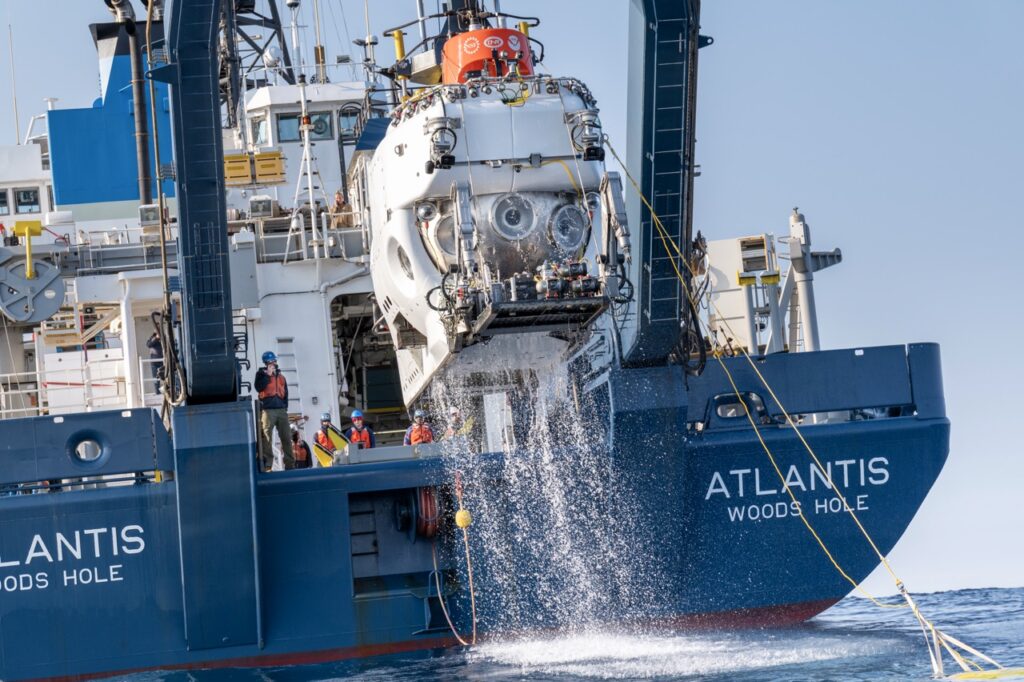
The RV Atlantis is sailing up the western coast of Newfoundland en route to the site of Quest, the first of two shipwrecks that will be surveyed over the next two weeks. The surveys will consist of a combination of direct observation in the human-occupied submersible Alvin, ultra-high-resolution underwater camera footage and 3D mapping, so much of the first three days at sea has been spent preparing and testing equipment, as well as adjusting to the daily rhythm of life on the ship. 

The expedition team and Atlantis crew have enjoyed daily presentations and talks on topics including the 2024 search for Quest, Shackleton’s final ill-fated expedition and Alvin’s 2025 survey of the wreck of USS F-1, a First World War submarine that sank off the coast of San Diego during a training exercise. World Cup games are a focal point of life on board. 

Advertisement
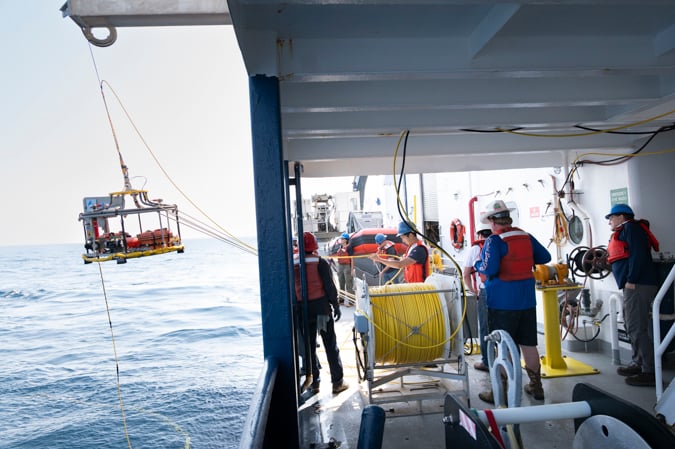
Crew members on RV Atlantis launch a MISO (Multidisciplinary Imaging in Support of Oceanography) camera array as part of a test of the Falcon ROV and Voyis imaging systems on Saturday, July 4 off the coast of Nova Scotia. (Photo: Martin Hartley)
Expand Image
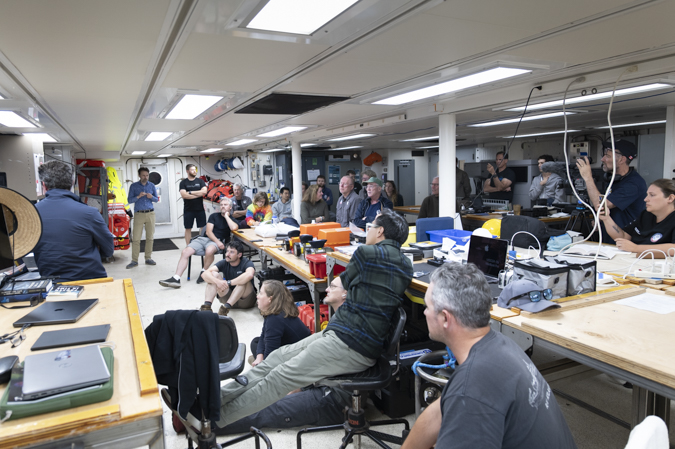
The expedition team listens to a presentation by research director Antoine Normandin on how the Quest was found. (Photo: Martin Hartley)
Expand Image

For the most part, conditions at sea have been fair and calm, making it possible to enjoy some time out on deck — looking for whales, watching dolphins play around the bow and even recreating photos from explorer Robert Falcon Scott’s British Antarctic Expedition of 1910-1913. Today we are passing through our first patch of rough weather, but some team members have been able to climb inside Alvin and get oriented with its key systems prior to the first dive, currently scheduled for Tuesday.


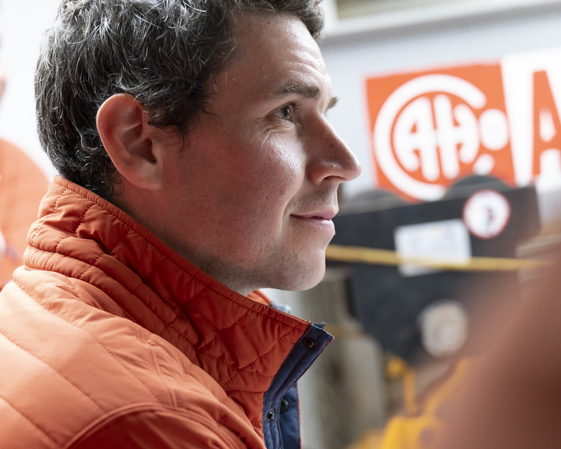
Research director Antoine Normandin takes part in a tour of Alvin’s external features on Sunday, July 5 while en route to the Quest wreck site. (Photo: Martin Hartley)
Expand Image

Why are we surveying the wrecks of Quest and Terra Nova?

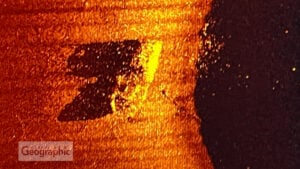
Antoine Normandin, research director for the expedition, says there are four main objectives to the survey. The first is to bring Quest fully to life, finishing the work that was started in 2024 with side-scan sonar. 

“These ships are the closest thing to space shuttles that they had at the time,” he says. At the dawn of the 20th century, Antarctica was an undiscovered continent. To walk on ice and land that had never before been seen with human eyes was akin to walking on the moon. Ships like Quest and Terra Nova were a critical part of that endeavour, and their wrecks are time capsules. 

“We’re going to be able to tell the history of Quest, not only from its Shackleton days but from its Arctic exploration days in the 1930s, as well as its seal hunting days in the 1950s and 60s, which are also important parts of Newfoundland and Canadian history,” says Normandin.

The second objective is simply to learn more about the dynamics of shipwrecks: what happens to ships as they sink and once they hit the bottom? Normandin has done extensive research on the various upgrades and retrofits done to both Quest and Terra Nova over the years so that the Alvin and ROV teams will be able to identify specific features and assess what was damaged when the ships were wrecked.

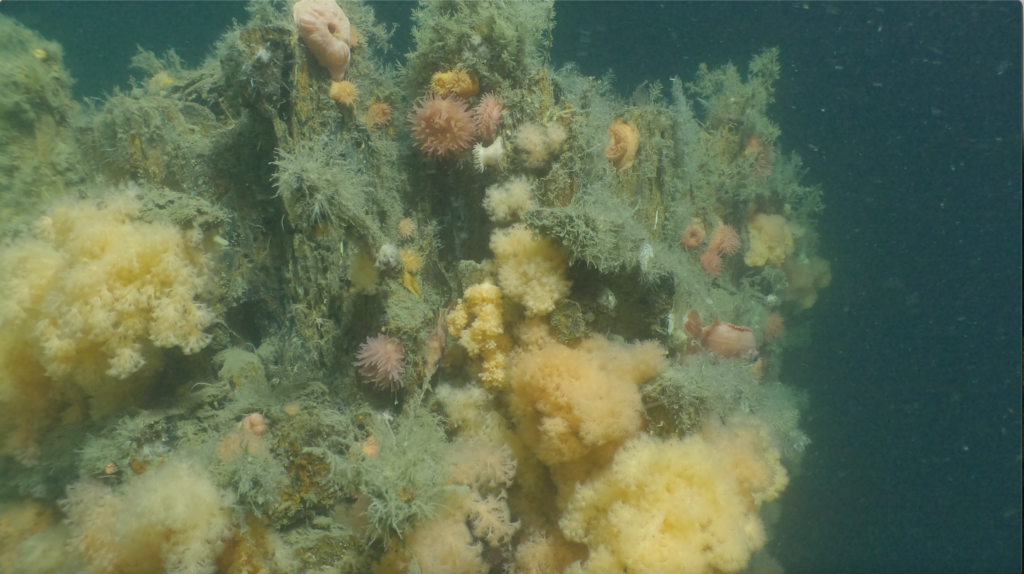
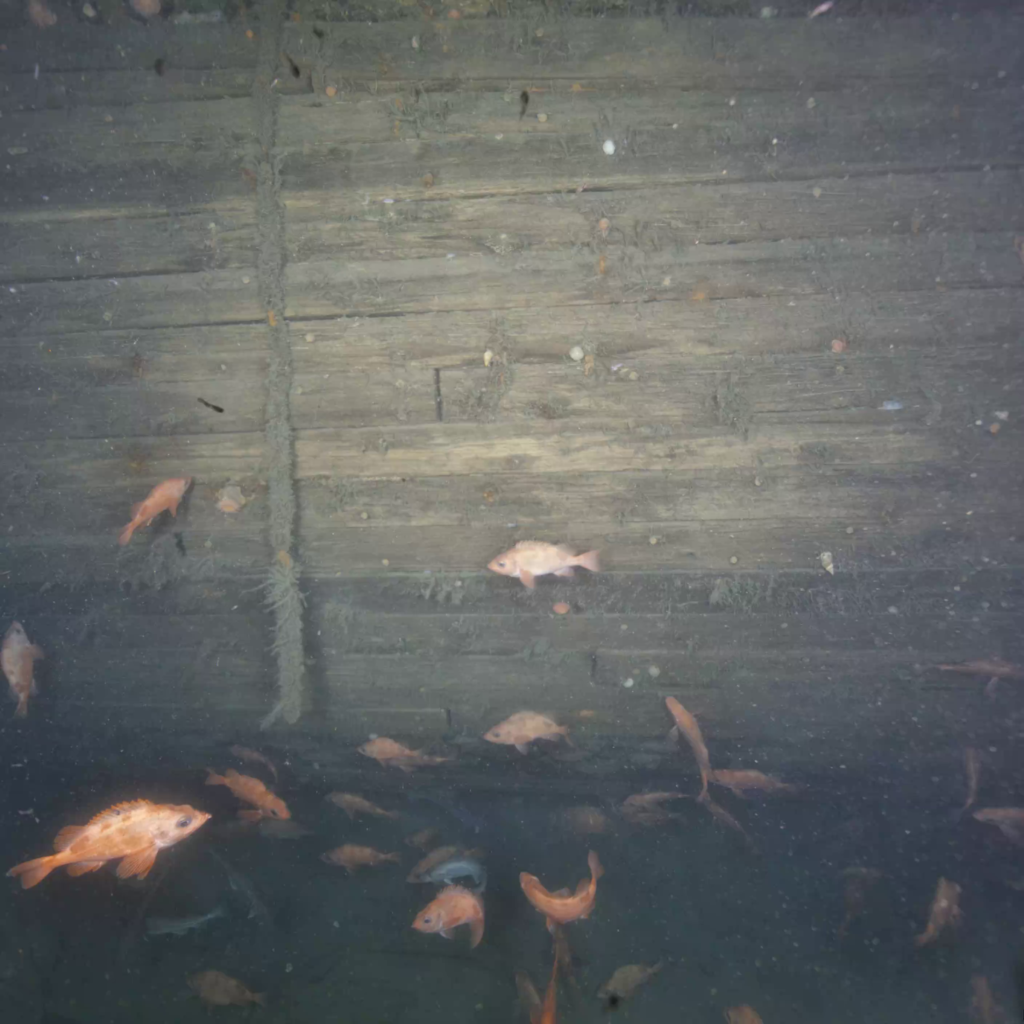
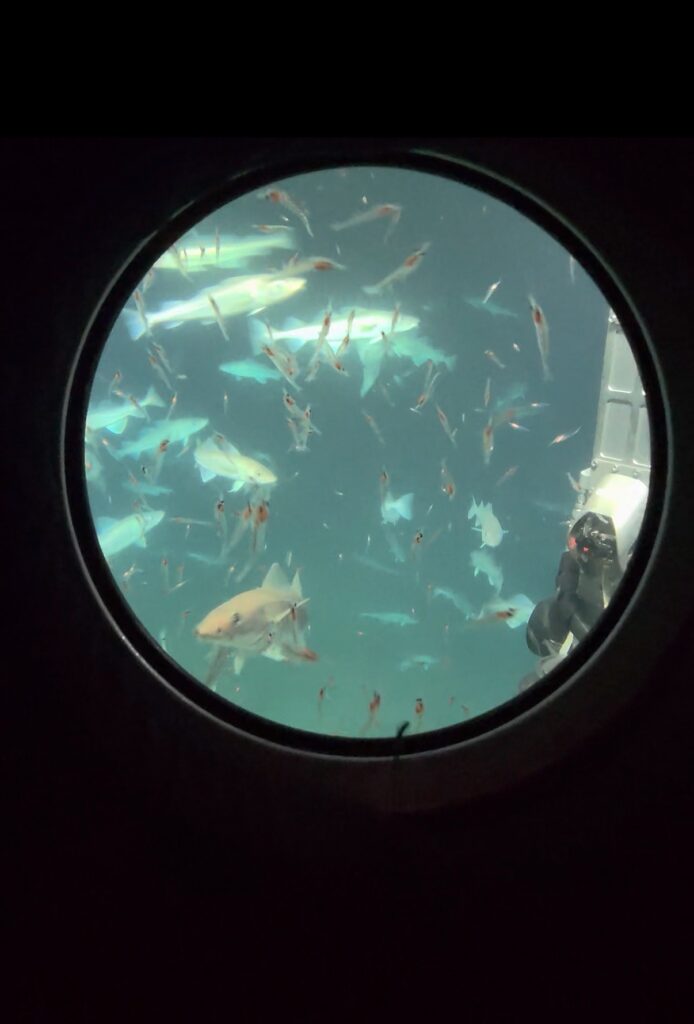
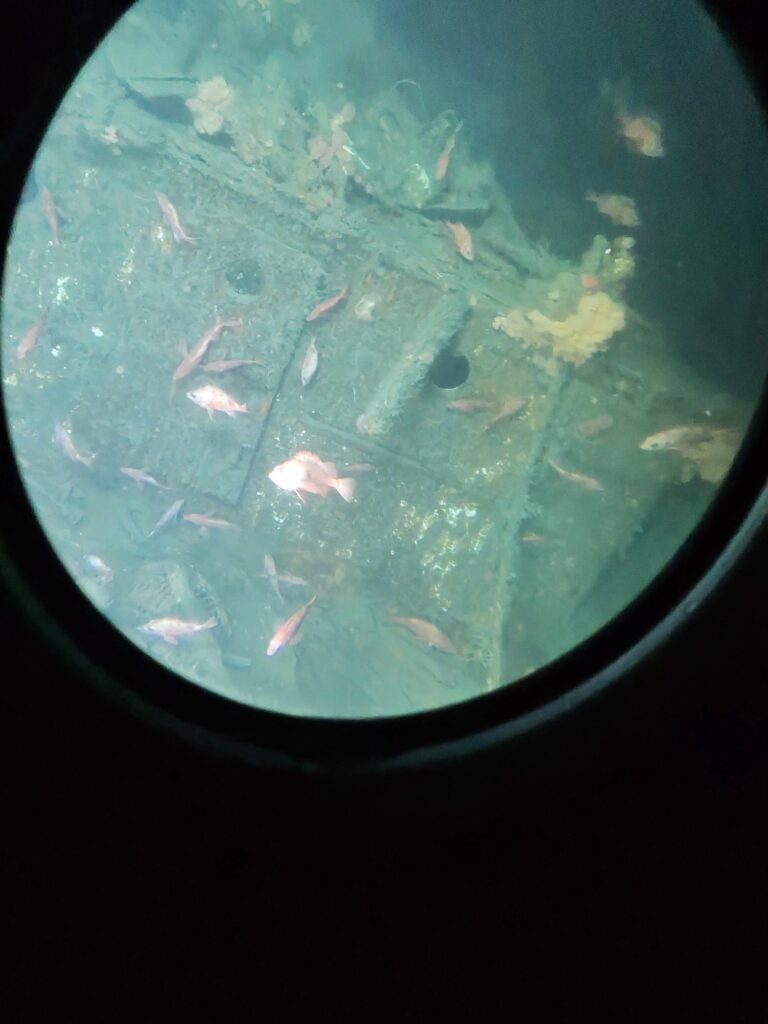
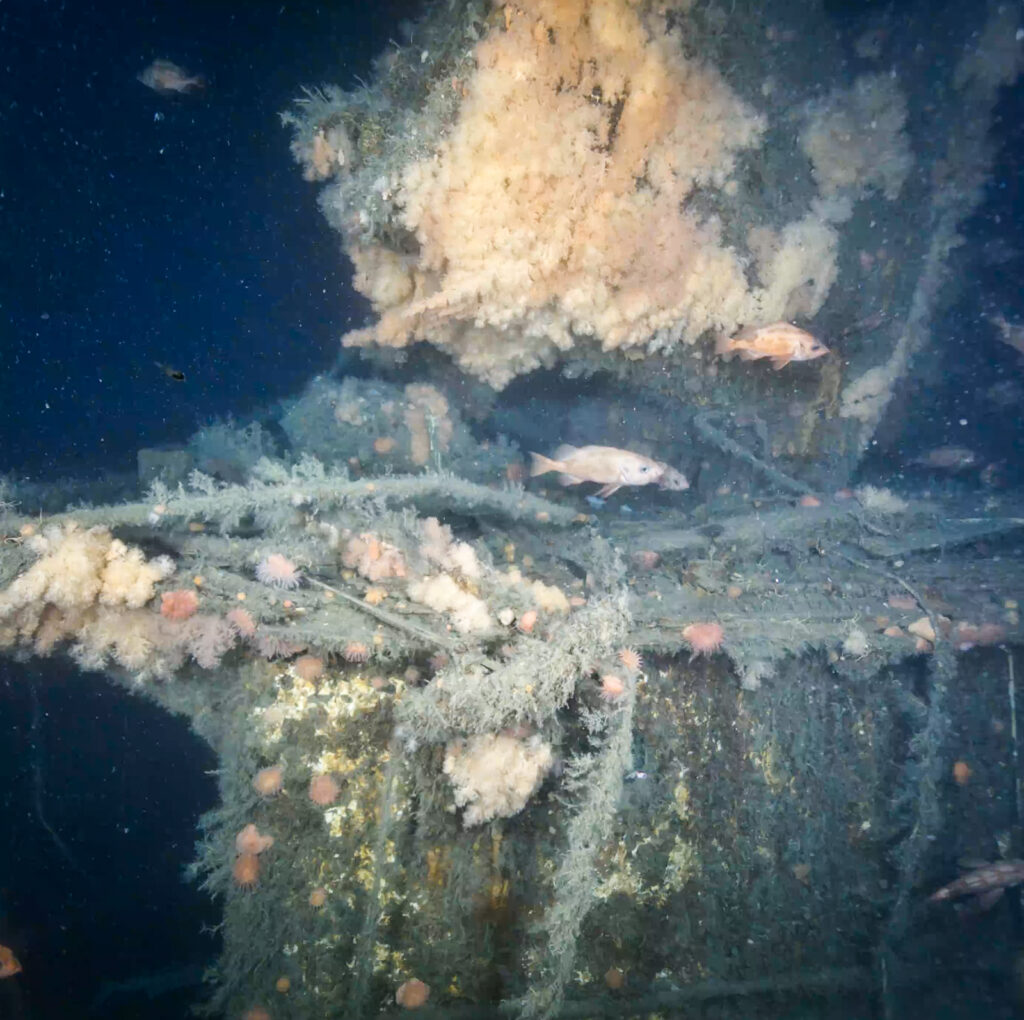
That feeds into objective number three, which is to survey the marine life that has colonized the wrecks. Every ship that hits the seafloor instantly becomes a new habitat, explains Kirstin Meyer-Kaiser, a benthic ecologist with Woods Hole Oceanographic Institution. Meyer-Kaiser will be reviewing all the footage captured on the wrecks to identify what animals are using the wrecks and how. 

Finally, preservation of the wrecks is at the heart of this work. The creation of a three-dimensional digital twin of each ship represents “the next frontier in wreck preservation,” says Normandin. 

“It’s building a digital model that we can then share with researchers and essentially bring everyone to the wreck,” he explains. “Very few of us will be able to dive to the wreck of Quest physically, but I think a multitude of us would want to dive there on our computers, on our VR [headsets], and that’s an incredible experience that we’ll be able to provide to the world.” 

— Alexandra Pope

Advertisement

Help us tell Canada’s story

You can support Canadian Geographic in 3 ways:

Related Content

Exploration

RCGS-led expedition to survey two historic shipwrecks: Quest and Terra Nova

An international team led by the Royal Canadian Geographical Society in partnership with Woods Hole Oceanographic Institution is heading to the North Atlantic to examine iconic ships of the Heroic Age of Antarctic Exploration

  • 1738 words
  • 7 minutes

Exploration

Finding Quest

Inside the expedition that found famed explorer Sir Ernest Shackleton’s famed last ship

  • 3600 words
  • 15 minutes

Exploration

Expedition leaders who discovered Endurance and Quest enthrall crowd at Festival of Shackleton

RCGS find of Quest featured at major Shackleton gathering in Dundee, Scotland

  • 815 words
  • 4 minutes

Exploration

Wreck of Quest, famed Antarctic explorer Sir Ernest Shackleton’s last ship, found in Labrador Sea

An expedition led by the Royal Canadian Geographical Society found the vessel intact and upright at a depth of 390 metres

  • 2228 words
  • 9 minutes
Advertisement
Advertisement