Exploration
Updates from the 2026 Heroic Age Expedition
Follow along as an international team led by the Royal Canadian Geographical Society surveys the wrecks of Quest and Terra Nova in the Labrador Sea
- 5021 words
- 21 minutes
Exploration
An international team led by the Royal Canadian Geographical Society in partnership with Woods Hole Oceanographic Institution is heading to the North Atlantic to examine iconic ships of the Heroic Age of Antarctic Exploration
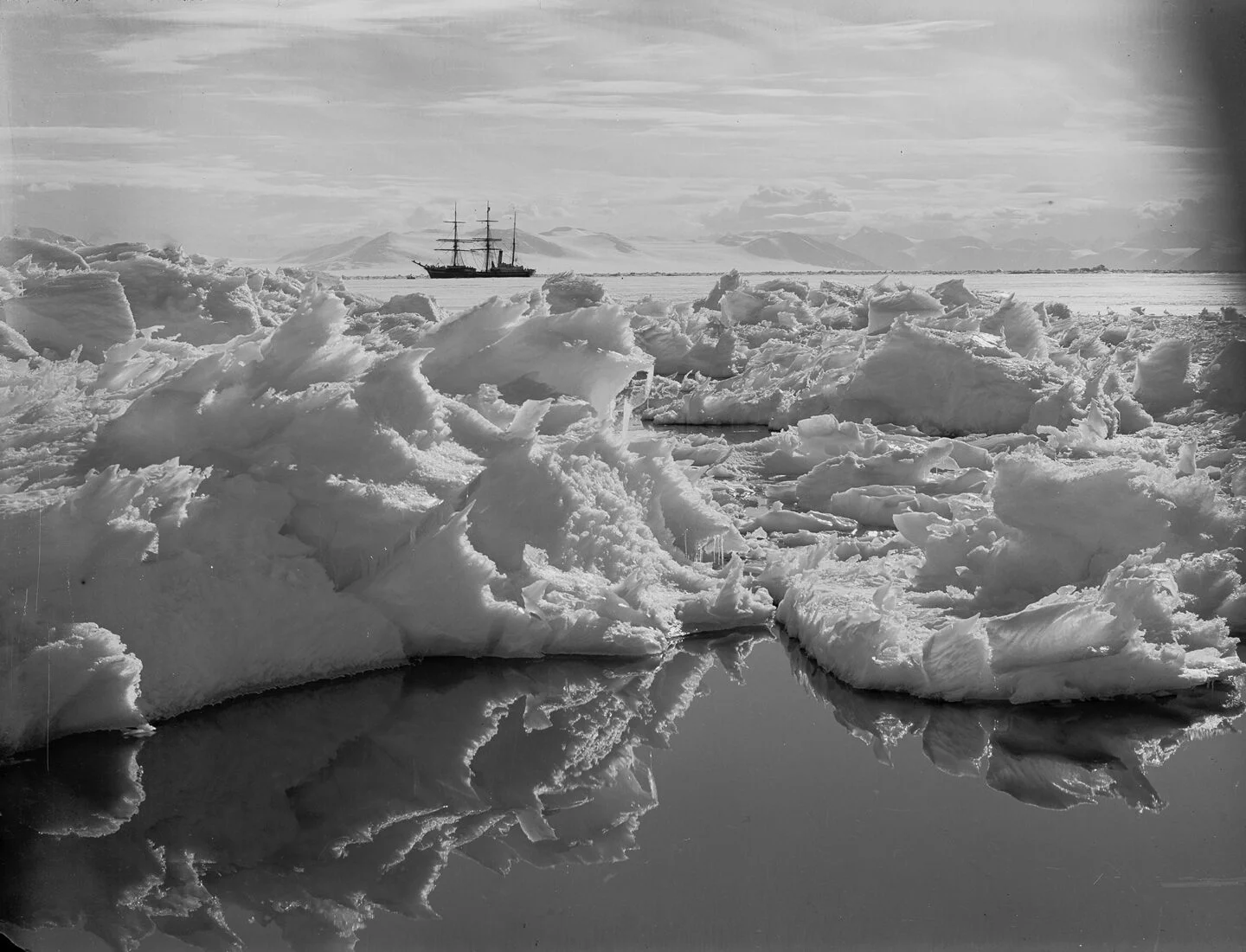
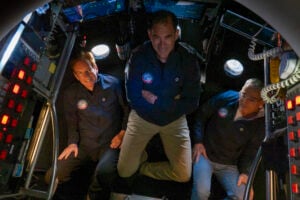
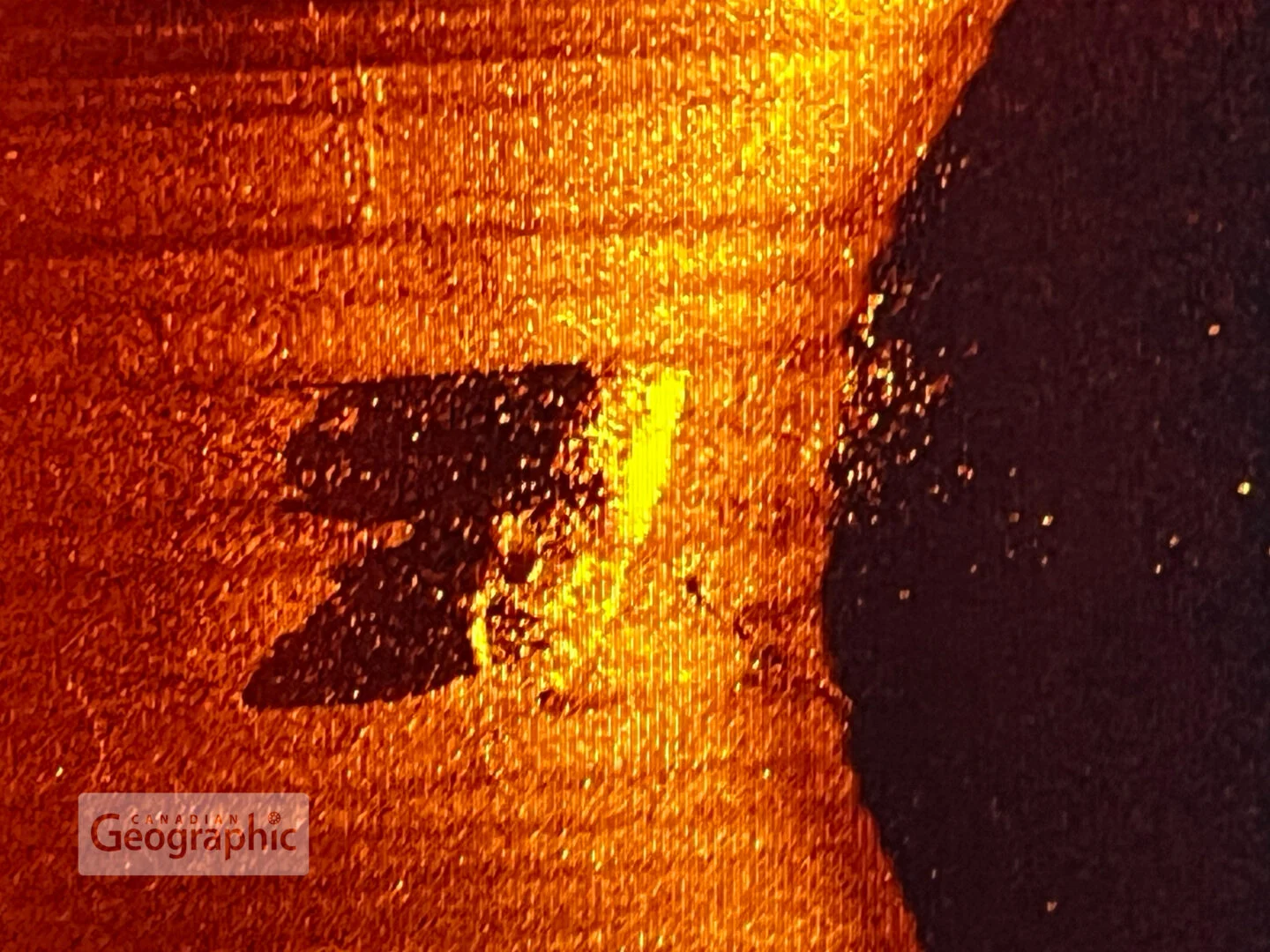
On June 9, 2024, an expedition led by the Royal Canadian Geographical Society discovered the wreck of Quest, the last ship of great Antarctic explorer Ernest Shackleton, in the Labrador Sea after a high-pressure search. The discovery brought a bygone age of Antarctic exploration to the forefront of the public imagination — a story that continues this summer with the launch of the Society’s Heroic Age Expedition.
Beginning July 2, an international team led by the RCGS in partnership with Woods Hole Oceanographic Institution (WHOI) will return to Quest, using a combination of ultra-high-resolution video and made-in-Canada Voyis photogrammetric technology to verify what was only hinted at by the side-scan sonar images captured on the 2024 expedition. The team will also undertake the first comprehensive visual survey of Terra Nova, another icon of early 20th century polar exploration and the last ship of Shackleton’s rival, Capt. Robert Falcon Scott.
“Quest is a great story,” says expedition leader and RCGS CEO John Geiger. “But together, [the two ships] tell an even greater story — a story about two remarkable exploration vessels, two remarkable heroes, and two very different types of leaders.”
Travelling on the research vessel Atlantis, a U.S. Navy ship operated by WHOI on behalf of the ocean science community, the team will spend three days exploring each wreck site. A remote operated vehicle will map the wrecks and their debris fields to produce exceptionally detailed digital twins — virtual replicas that can be used for further study. Team members will also have the opportunity to descend to the wrecks in the human-occupied vehicle Alvin, famously the first submersible to visit the wreck of Titanic.
“Being in Alvin and looking at these wrecks that carried explorers during the Heroic Age, it’s a wonderful sort of juxtaposition,” says Geiger. “It shows how quickly we have advanced from sailing ships to this remarkable piece of technology in a relatively short time frame.”
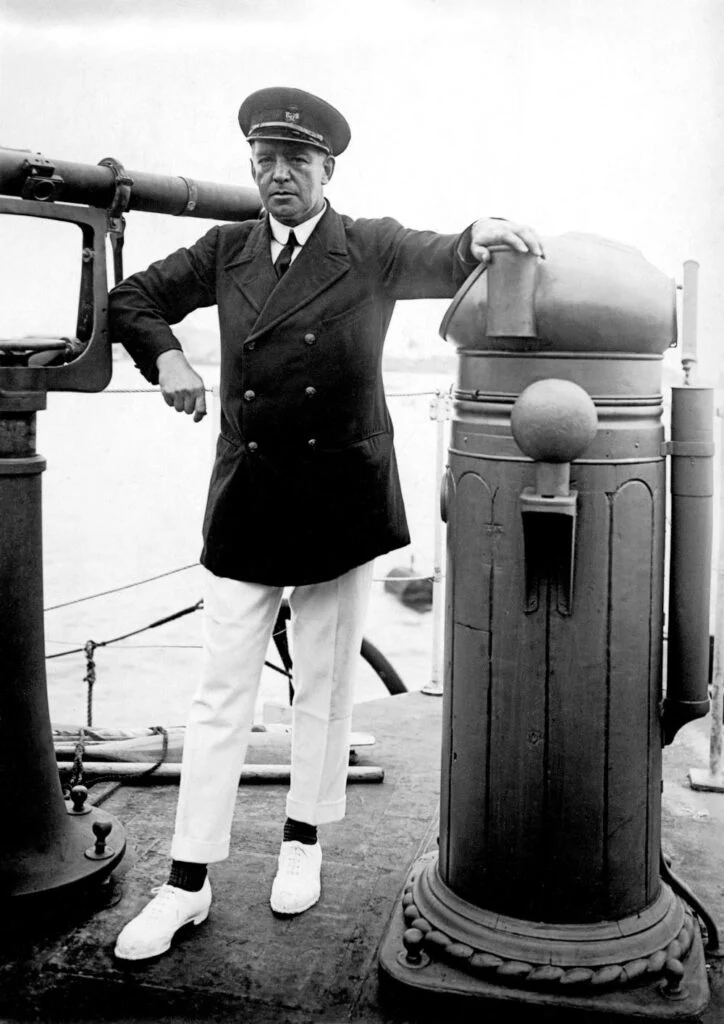
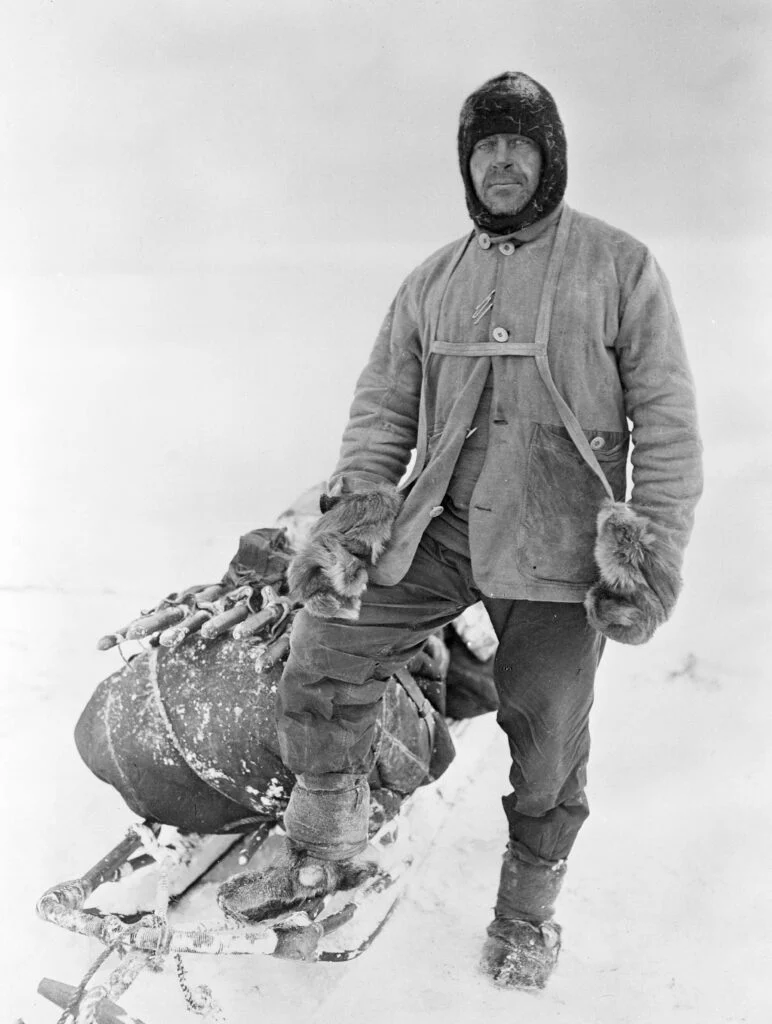
The wrecks of Quest and Terra Nova lie off the coasts of Labrador and southern Greenland, respectively. Their final resting places are a testament to their primary purpose as sealing vessels, built to withstand the crushing ice floes of the Labrador Sea in pursuit of the pelts and blubber that were in high demand through the 19th and early 20th century. But between sealing seasons, it was common for ice-capable vessels to be hired or purchased for polar expeditions, and both Quest and Terra Nova had many adventures in both the Arctic and Antarctic.
As the 20th century dawned, reaching the poles became an obsession among Western explorers. The so-called Heroic Age of Antarctic Exploration was marked by a series of ambitious expeditions to explore and collect scientific data about the virtually unknown southern continent. Expedition parties travelled by steam, sail and sledge, risking their lives for the chance to make new discoveries.
Shackleton and Scott were two of the most towering figures of the age, initially united as colleagues on Scott’s Discovery expedition of 1901-1904, but thereafter to become bitter rivals.
“Shackleton was a very determined and charismatic guy, and he was able to get himself in a position to be not only a member of the expedition, but part of the South Polar party,” says Geiger. The three-man party, consisting of Scott, Shackleton and zoologist and expedition artist Edward Wilson, set a new “farthest south” record on their march to the pole, but were ultimately forced to turn back when Shackleton became seriously ill with symptoms of scurvy. Although Shackleton recovered upon their return to Discovery, Scott invalided him home early — a humiliation Shackleton never forgave.
The race to the pole was on. Shackleton attempted it again on his Nimrod expedition of 1907-1909, this time coming within 180 kilometres of the pole. With the party’s food running out, Shackleton made the difficult decision to turn back rather than risk the lives of any of his men, already demonstrating the leadership qualities for which he is celebrated today.
“Shackleton probably could have made the pole,” says Geiger, “but I doubt very much that all of them would have returned safely. So, he made the decision to put human life over glory.”
“Quest is a great story, but together, the two ships tell an even greater story — a story about two remarkable exploration vessels, two remarkable heroes, and two very different types of leaders.”
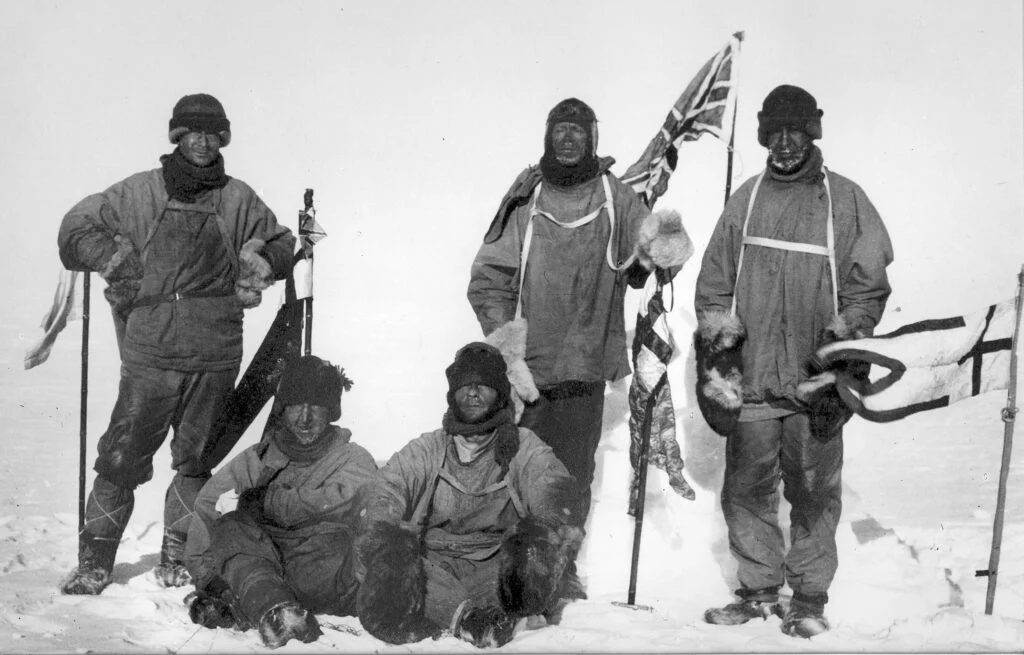
In January 1911, Scott arrived at Ross Island in Terra Nova on the expedition that would ultimately claim his life. While en route to Antarctica, Scott learned a new challenger had entered the race: Norwegian explorer Roald Amundsen, who by then had already successfully transited the Northwest Passage and was armed with valuable knowledge and skills gleaned from two winters with the Inuit on King William Island. Scott’s party reached the pole on Jan. 17, 1912 — five weeks behind Amundsen, who marked the spot with the Norwegian flag and a small tent containing a letter for the king of Norway, with a request for Scott to deliver it.
“Imagine the blow that would be,” says Geiger. “You might think that being number two would not be a great indignity for a feat of that kind. But their morale would have been completely destroyed.”
Beset by near-constant blizzard conditions on the march back to Cape Evans at Ross Island, Scott and his companions ultimately succumbed to hunger and exhaustion just 20 kilometres from their next supply depot. Terra Nova brought the news of Scott’s death to the world.
Shackleton, too, would meet his end having almost reached the place that had long held his heart and ultimately defined his life. In 1922, while en route to Antarctica on what was planned to be his final expedition, Shackleton suffered a massive heart attack and died in his cabin aboard Quest. His death ended the Heroic Age of Antarctic Exploration. The subsequent decades were marked by rapid improvements in technology that made exploration easier, more affordable and considerably less dangerous for participants.
Recent feats of exploration, such as James Cameron’s 2012 descent to the deepest point in the ocean in DEEPSEA CHALLENGER, this year’s Artemis II lunar flyby, or even Bob Ballard’s 1986 visit to Titanic’s wreck in Alvin would be virtually inconceivable to explorers like Scott and Shackleton, says Geiger. But were they alive today, “they would be pushing boundaries; there’s no question of that.”
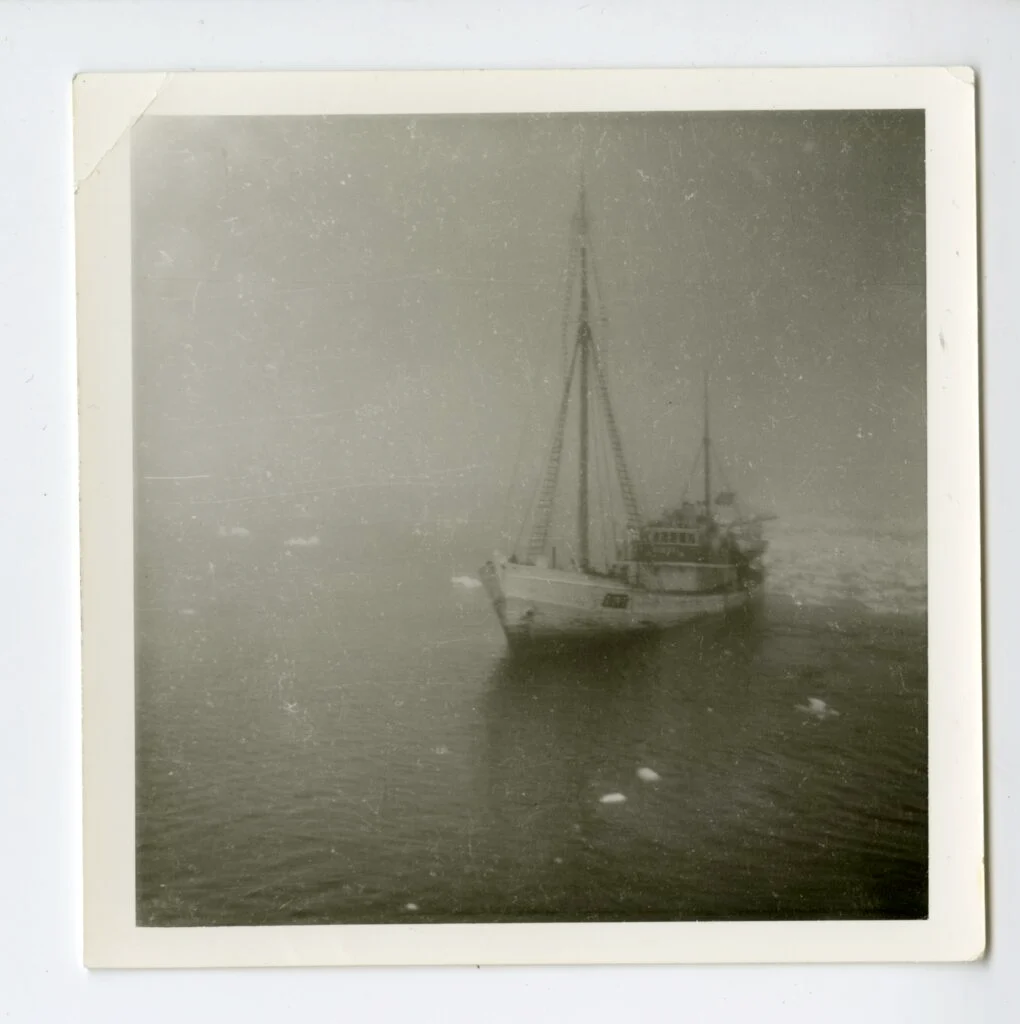
Both Quest and Terra Nova went on to have long careers following their Antarctic exploits. Terra Nova was purchased by her former owners and went back to work in the Newfoundland seal fishery. During the Second World War, she was contracted to ferry supplies between St. John’s and U.S. naval bases in Greenland. While sailing for St. John’s in September 1943, her crew sent an SOS reporting water over the boilers and bilge pumps after encountering pack ice. The U.S. Coast Guard cutter Atak responded and rescued the crew, after which Terra Nova was set alight and sunk by gunfire to prevent her from becoming a navigational hazard.
Quest’s fate was similarly decided by the ice in which she had spent much of her life. In the spring of 1962, while sealing on “the Front,” as the Labrador ice floes were then known, she was wrenched between floes and began taking on water. Her crew evacuated to nearby sealing ships, and on May 5, she slipped beneath the waves.
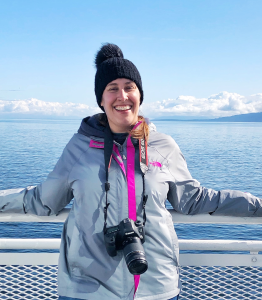
Terra Nova’s wreck was first discovered in 2012 by the Schmidt Ocean Institute, which is supporting the Society’s plans for a more detailed survey. Renowned shipwreck hunter David Mearns, who was instrumental in the finding of Quest, will serve as co-chief scientist on the Heroic Age Expedition alongside Dwight Coleman, director of ocean imaging at WHOI. Team members include historian Geir Kløver, director of the Fram Museum in Oslo, Norway; underwater archaeologist Cora Annamaiya Norling of Denmark; WHOI marine biologist Kirstin Meyer-Kaiser, who studies the ecology of shipwrecks; author Jan Chojecki, whose grandfather John Quiller Rowett financed Shackleton’s final expedition; and Antoine Normandin, whose detailed research and probability analysis contributed to the discovery of Quest.
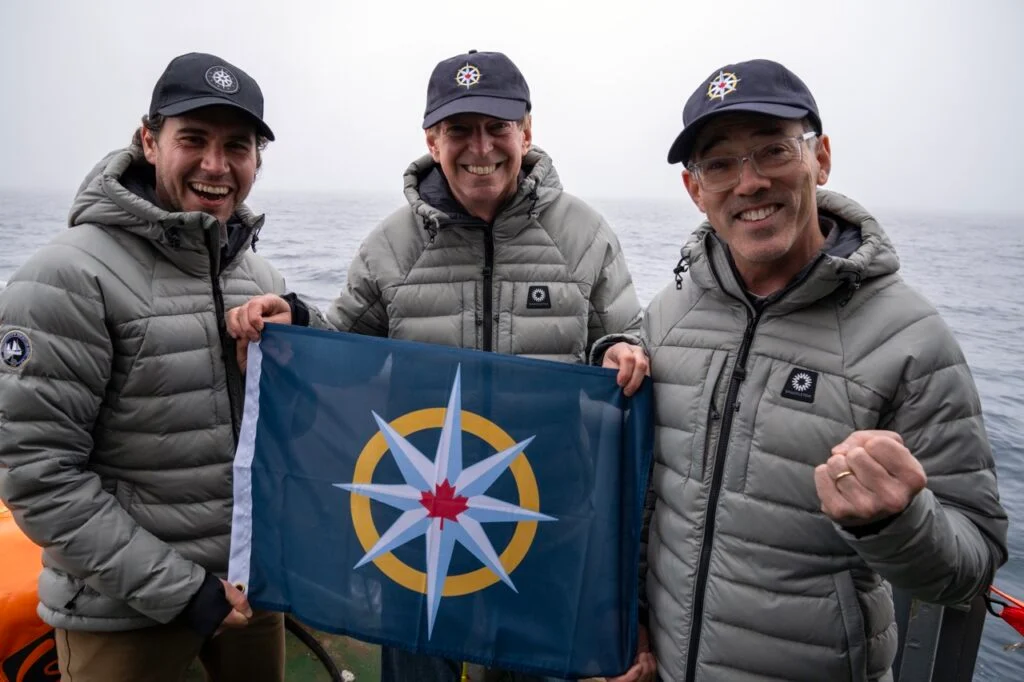
For Coleman, the opportunity to survey shipwrecks is an exciting way to foster interest in ocean science.
“Sometimes there’s a disconnect between people [and] the ocean because they don’t understand the deep sea and why it matters,” he says. “But put a shipwreck in that environment, and … it has that immediate connection to people and you can use that to tell the story about the ocean.”
Over time, wrecks become artificial reefs, hosting a variety of organisms and interacting with the ocean environment in unique ways, Coleman adds. Images captured by a private expedition to Terra Nova in 2025 show the wreck teeming with a colourful array of anemones and cold-water corals, but the variety and density of life on Quest remains to be seen. “We haven’t put eyes on the Quest yet, so [I’m] super excited to see it for the first time and look at the biology that’s populating it,” Coleman says.
Although the wrecks bear no personal effects left behind by their most famous occupants, Geiger says it will be moving to see Quest’s name still proudly displayed on her wheelhouse and Terra Nova’s wheel — features that would be instantly recognizable to Shackleton and Scott. “This is an opportunity for us to celebrate these last unexplored artifacts of a remarkable period in human history,” he says.
Geiger also hopes the expedition will get young people thinking about the possibilities that exist for future exploration of Earth — and beyond. “It’s the next generation that is going to be exploring the universe and the vast tracts of ocean that are still unexplored,” he says. “This expedition will give [the RCGS] just that much more impact and excite interest in our mission.”
Canadian Geographic will be sharing daily updates and exclusive insider insights from the Heroic Age Expedition. Be sure to follow us on Instagram @cangeo and @heroicageexpedition_ and check cangeo.ca for the latest.
Exploration
Follow along as an international team led by the Royal Canadian Geographical Society surveys the wrecks of Quest and Terra Nova in the Labrador Sea

Exploration
Inside the expedition that found famed explorer Sir Ernest Shackleton’s last ship
Exploration
Digital twins of Terra Nova, Quest will keep explorers’ stories alive
Exploration
An expedition led by the Royal Canadian Geographical Society found the vessel intact and upright at a depth of 390 metres