Places

Monitoring migration through the Nisutlin River Delta National Wildlife Area

Tales from the Teslin Lake Bird Observatory, whose members enthusiastically observe, log and band the birds that pass through this massive freshwater delta

[ Disponible en français ]
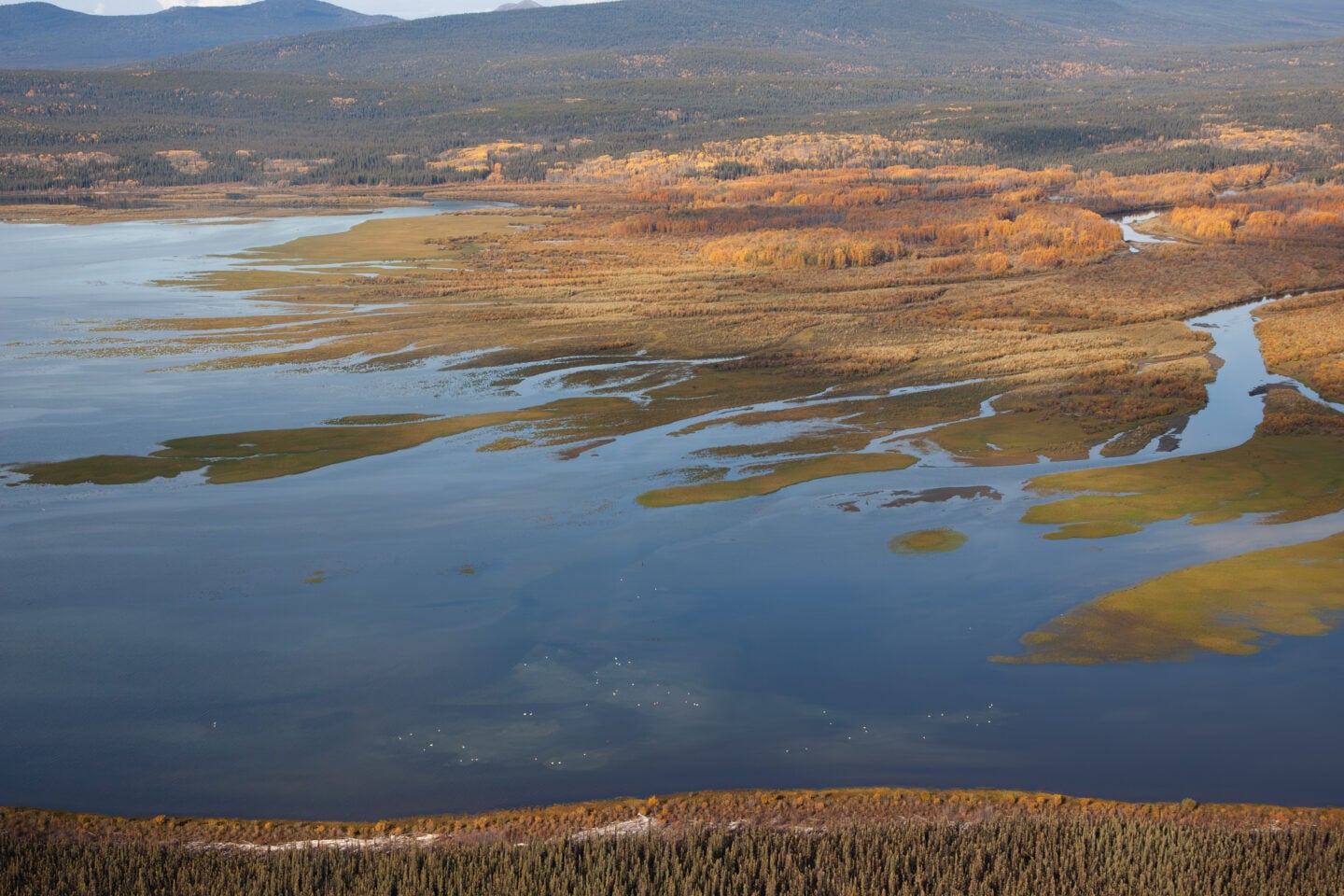
An aerial photo of the Nisutlin River Delta National Wildlife Area — note the small group of swans in the water in the foreground. Water levels in the lake fluctuate dramatically based on rainfall and snowpack during the previous winter.
Expand Image
Advertisement
Advertisement
Live Net Zero Email Service
Advertisement

Come July in the Nisutlin River Delta National Wildlife Area — the largest inland freshwater delta in south-central Yukon — moose lead their gangly-legged calves into the mudflats to browse on willows. Swans, geese and ducks bob on the shallow water, tipping bottom-side up to “grub,” feeding on aquatic vegetation. The freshwater delta pulses with life. At dusk, little brown myotis (bats) flit through the sky, feasting on mosquitoes, while warblers forage restlessly in the willows, searching for caterpillars. Eight species of freshwater fish, including whitefish and northern pike, can be pulled from the depths of Nisutlin Bay.

For thousands of years, this abundance — finned, feathered and furred — has sustained the Teslin Tlingit First Nation. Teslin Lake derives its name from tás ten, which means “long sewing sinew” in the Tlingit language — a phrase that accurately describes the extended, narrow lake that threads for 148 kilometres. Indeed, the Teslin Tlingit Council has always understood the Nisutlin River delta’s ecological and cultural importance and pushed to protect 5,480 hectares while maintaining traditional hunting and subsistence rights under their land claim.

Established in 1995, the Nisutlin River Delta National Wildlife Area is today co-managed by the Teslin Renewable Resources Council and Environment and Climate Change Canada’s Canadian Wildlife Service. It is the first national wildlife area of its kind in Yukon. No roads lead to this remote national wildlife area in Nisutlin Bay on the east side of Teslin Lake — the delta is accessible only by canoe or boat.

The national wildlife area and the surrounding region are considered one of southern Yukon’s most critical fall staging sites for migratory waterfowl, attracting trumpeter and tundra swans, geese and ducks as they migrate south on the Pacific flyway. Each summer and fall, a small team of researchers gathers along the shore of Teslin Lake to monitor this movement.

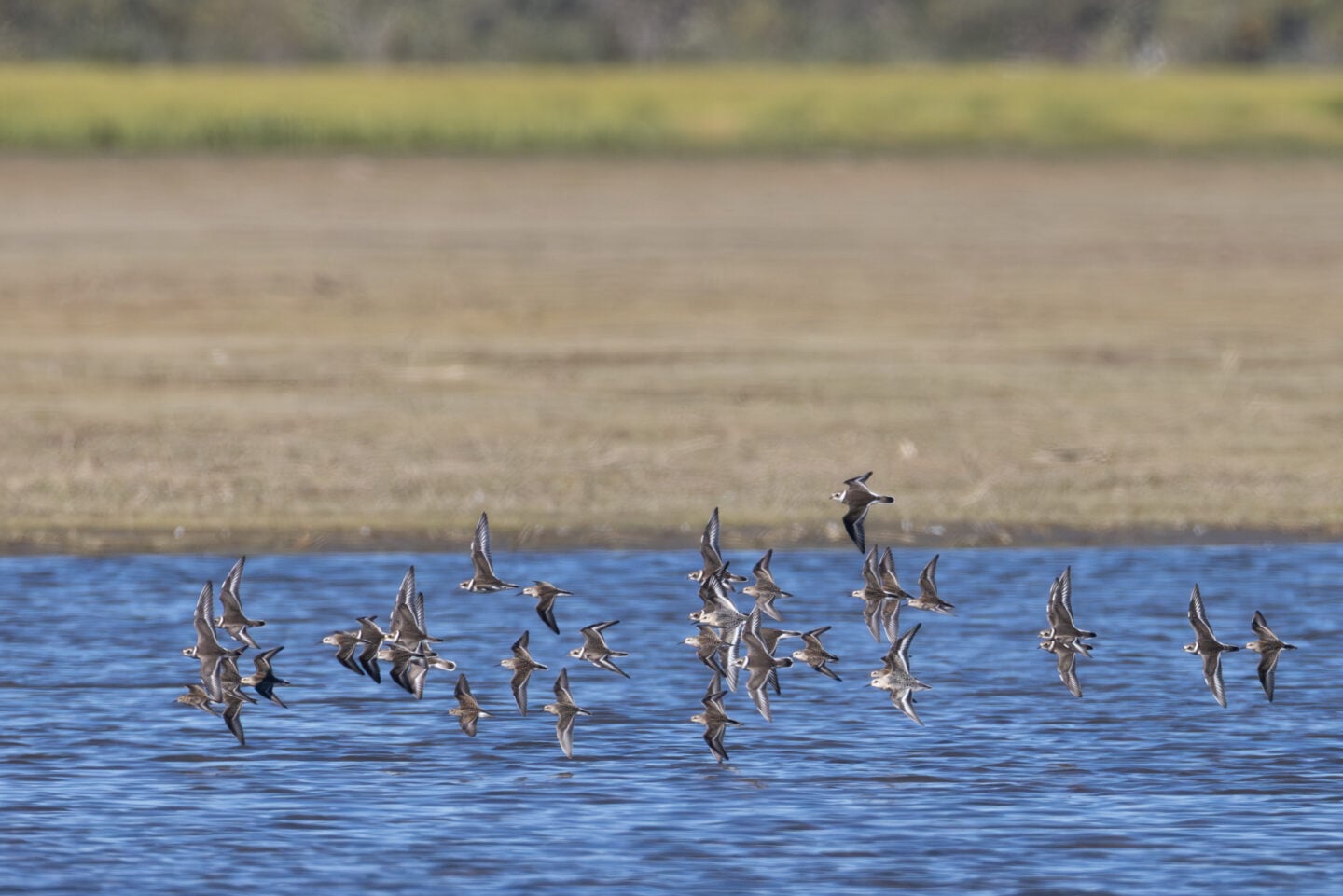
A mixed species flock of shorebirds — semipalmated plovers, as well as sandpipers and sanderlings — passes over the mudflats.
Expand Image
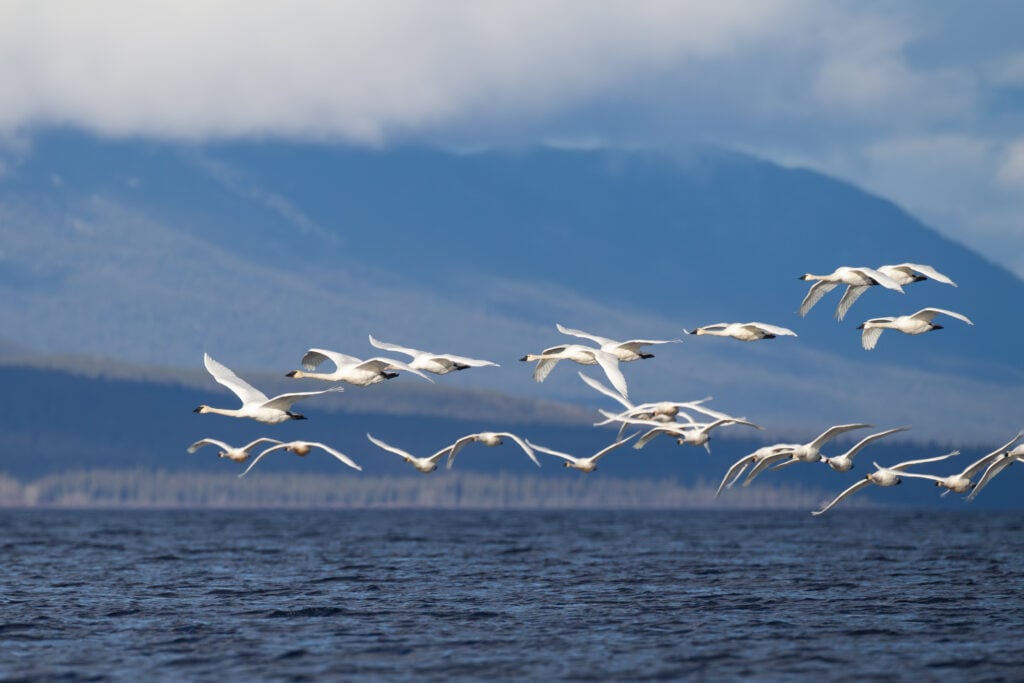
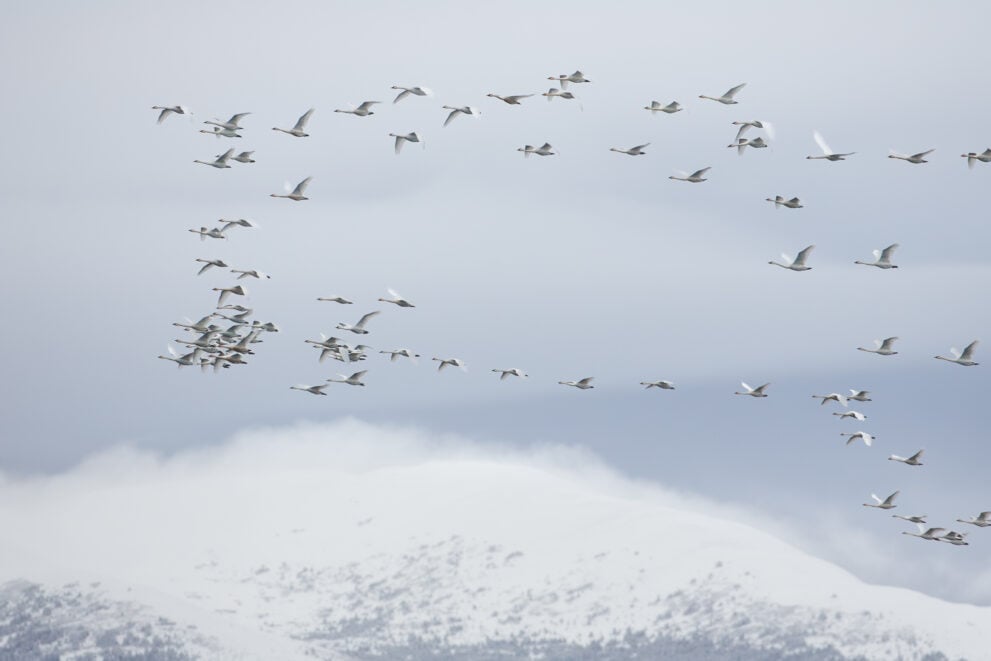
A migrating flock of trumpeter and tundra swans passes through in October during the fall migration.
Expand Image
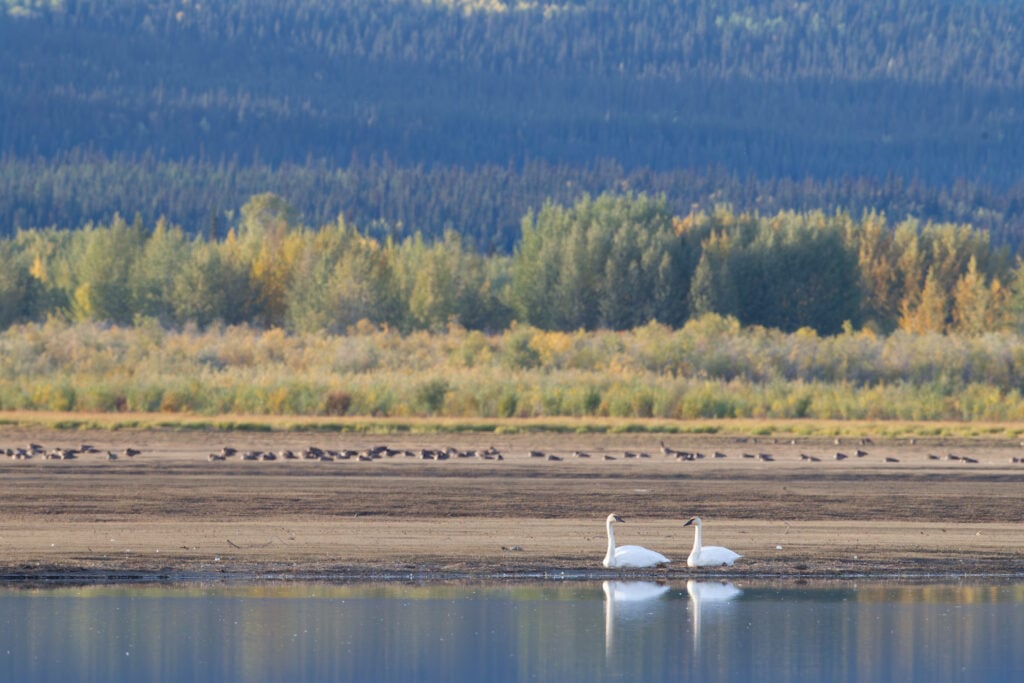
A pair of trumpeter swans rest at the edge of mudflats at Teslin Lake.
Expand Image

Their observations, along with the banding work they do on smaller species, provide vital data that helps scientists at Environment and Climate Change Canada and beyond to better understand the birds’ movements, contributing to conservation efforts and the understanding of the importance of national wildlife areas. 

The wider habitat serves as a migratory stopover site for hundreds of varieties of songbirds and shorebirds, along with birds of prey, says Ben Schonewille, a Whitehorse-based biologist who co-manages the Teslin Lake Bird Observatory, which operates every summer from mid-July to mid-October on the shore of Teslin Lake, about 25 kilometres west of the wildlife area.

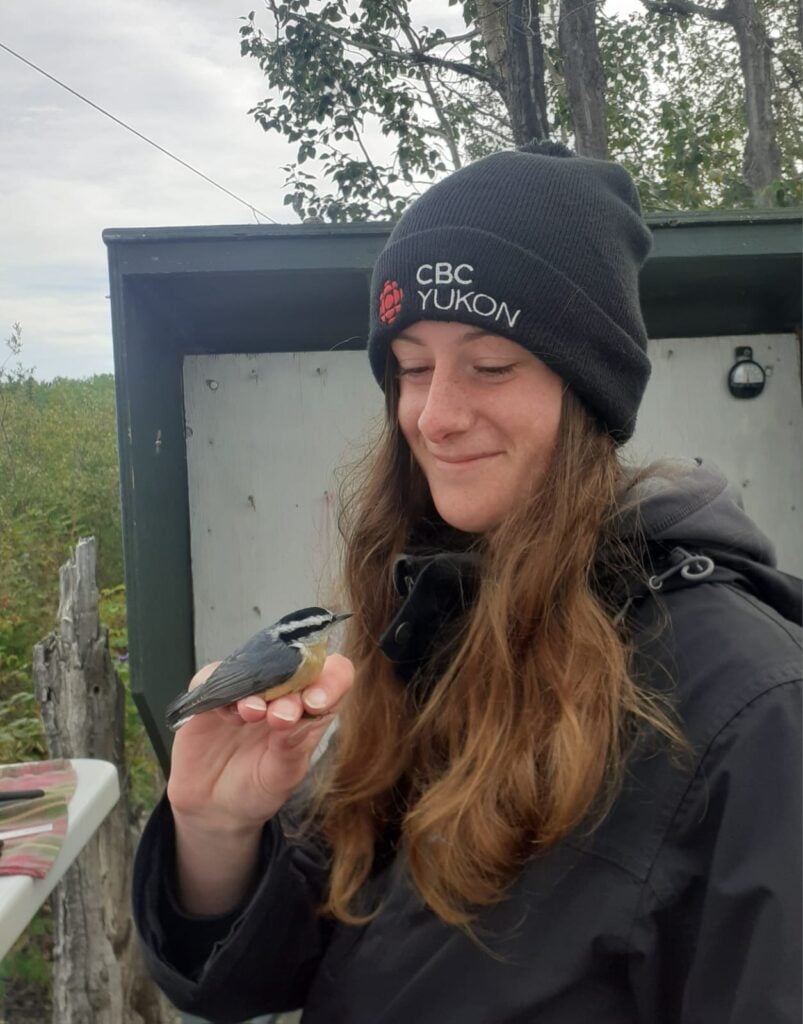
Alissa Kazi admires a red-breasted nuthatch during banding at Teslin Lake. For 18 years, the Teslin Lake Bird Observatory has banded, counted and collected data from thousands of birds, contributing to long-term monitoring of 185 documented species.
Expand Image

Schonewille, along with fellow bird-banding enthusiast Ted Murphy-Kelly, co-founded this observatory in 2005, as part of their work with the Yukon Bird Observatories; since 2008, they’ve been collaborating with like-minded birders and researchers to monitor and collect data on the fall migration of birds passing through the biodiverse region. For 18 years, the Teslin Lake Bird Observatory has banded, counted and collected data from thousands of birds, contributing to long-term monitoring of 185 documented species. In 2015, they joined the Canadian Migration Monitoring Network, becoming the northernmost station in the country and one of the only sites operating in the western boreal forest.

 The shores of Teslin Lake are an ideal site to capture birds, says Schonewille, as the lake runs northwest to southeast, the same flight path most of the birds travel. Because the birds are hesitant to fly over the big water, they funnel along the shoreline, he says.

The Teslin Lake Bird Observatory team — made up of one paid contractor and a network of volunteers — installs “mist nets,” fine nylon mesh resembling volleyball nets suspended between poles, to temporarily capture birds for research. Each morning the team follows a strict schedule, says Murphy-Kelly, capturing birds from 6 a.m. until noon. They band the birds’ legs with small metal identification tags and quickly document their age, sex, weight and other data.

The team also does visual migration and lake counts, recording birds flying overhead or swimming past on the lake — larger species such as swans, loons, other waterfowl and raptors including the northern harrier. The data they collect contributes to a national network of monitoring stations tracking whether bird populations are increasing or declining.

Murphy-Kelly has been banding birds for more than 30 years. He learned the practice in Toronto before moving to Whitehorse in 1999. Since then, he’s taken many birders under his wing, including Schonewille, who was born and raised in Teslin and first met Murphy-Kelly at a banding station near Watson Lake.

Advertisement
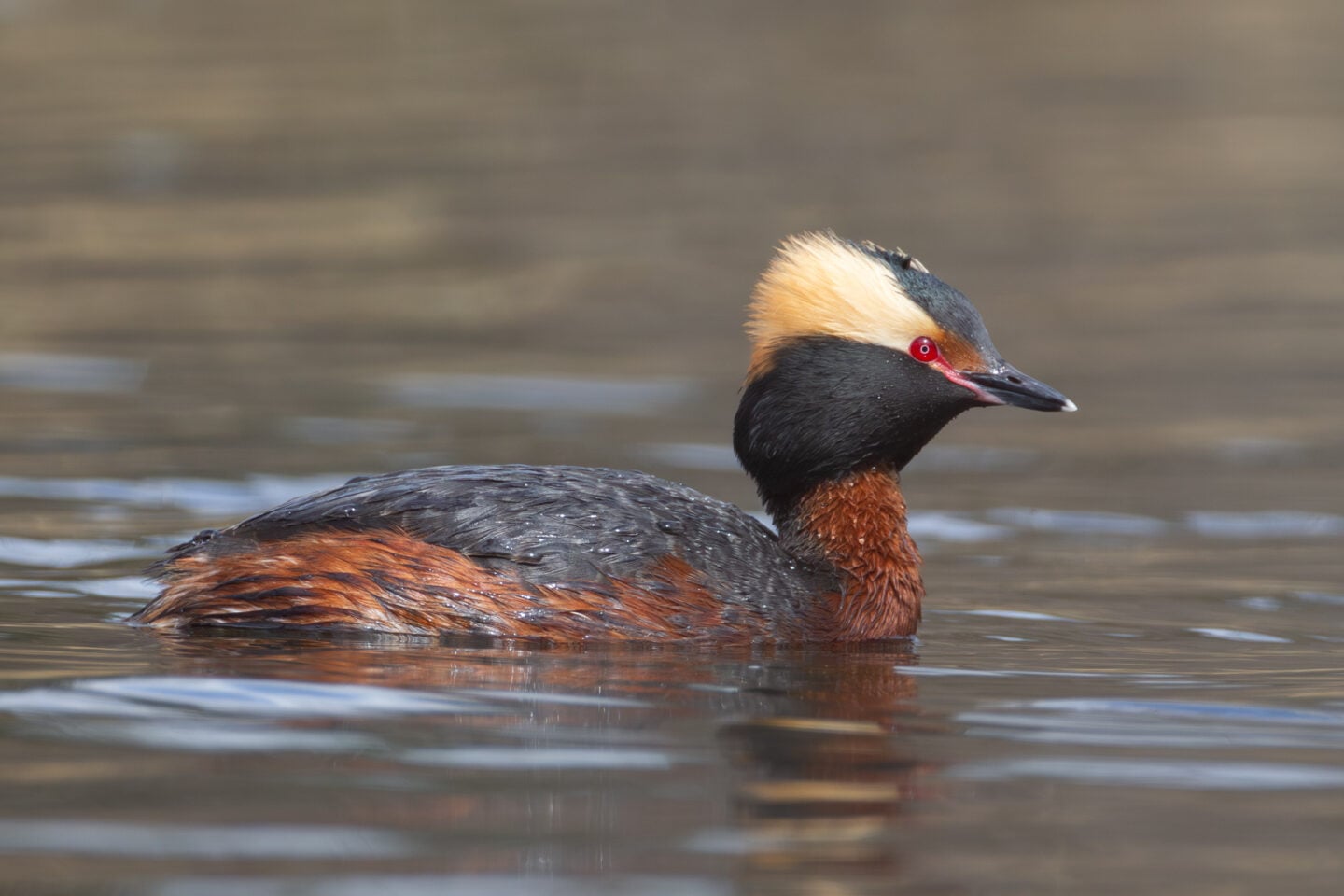
The horned grebe is a species that doesn’t nest in delta proper, but migrates through and nests in small lakes and ponds nearby.
Expand Image
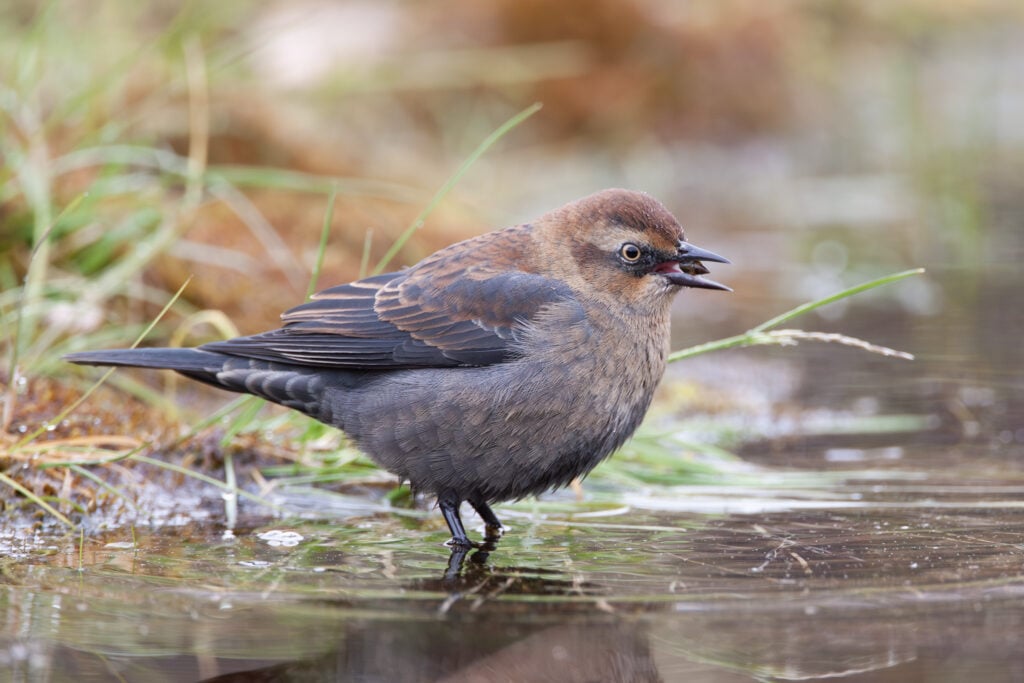
A juvenile female rusty blackbird eats a small snail. Rusty blackbirds are considered a species at risk — their population has plunged an estimated 85-99 per cent over the past 40 years.
Expand Image
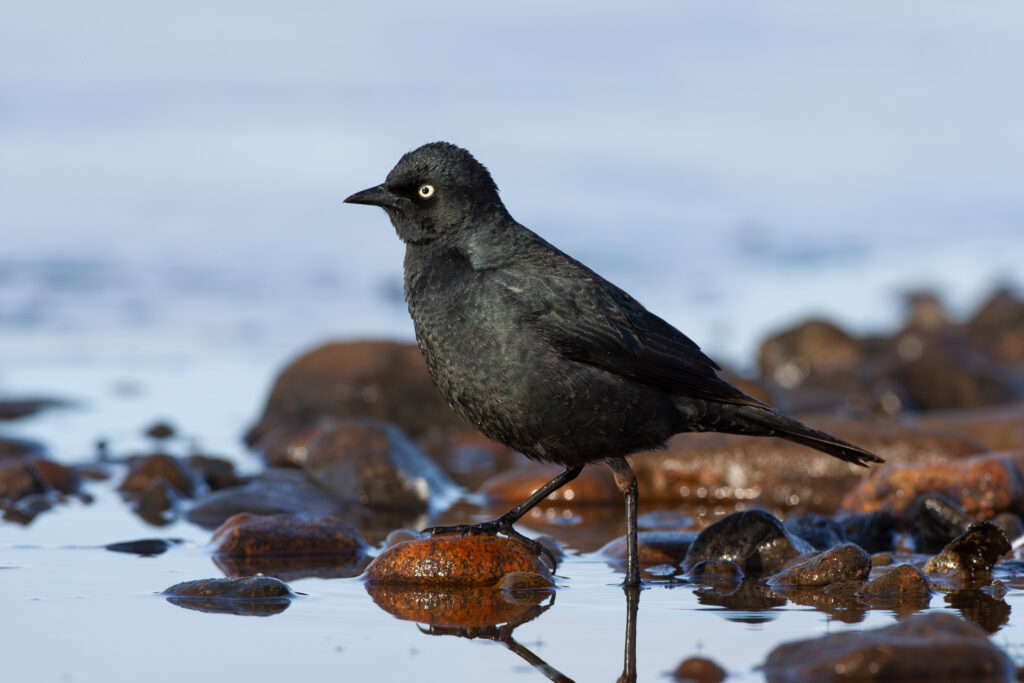
A male rusty blackbird on the lakeshore. Rusty Blackbirds nest at the edges of ponds and in wetlands in general.
Expand Image
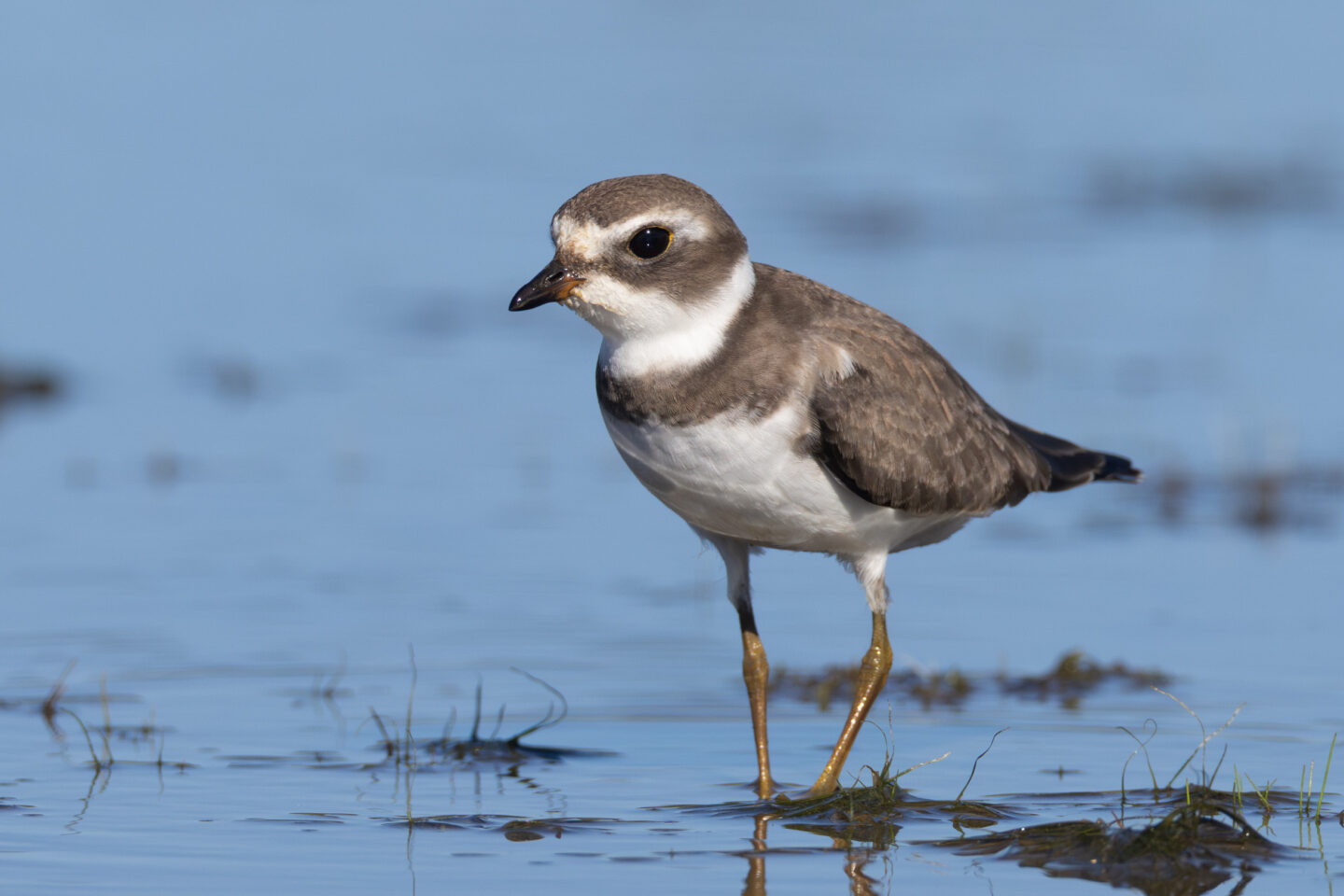
A semipalmated plover forages on the mudflats.
Expand Image

The Teslin Lake Bird Observatory station is far more “rustic” than other sites in Canada, Murphy-Kelly says with a laugh. With permission and support from the Teslin Renewable Resources Council (one of 10 councils set up through agreements between First Nations, the federal government of the Yukon government), the station borders the Teslin Lake Campground and, without any permanent infrastructure, leaves barely a footprint. From mid-summer to late fall, the researchers camp in large canvas tents.

 One advantage to this site is that the mist nets are erected in the riparian zone of Teslin Lake, which floods every year, creating a successional patchwork of willows and shrubs. From a mist-netting perspective, says Schonewille, it is ideal: the trees never grow taller than the nets, allowing researchers to consistently capture birds year after year.

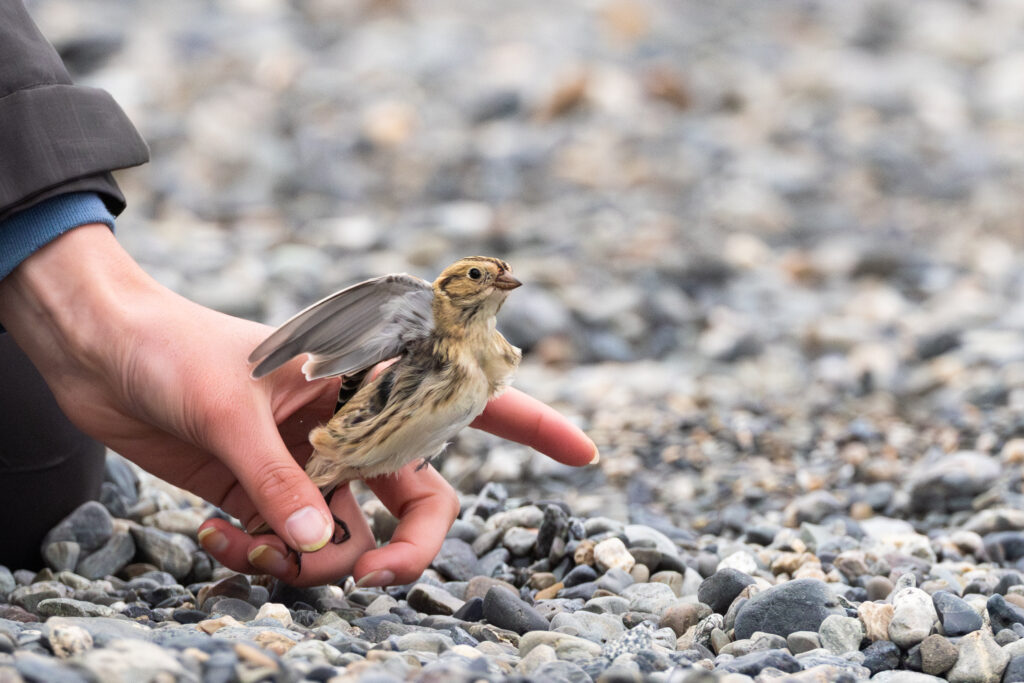
A newly banded Lapland longspur is released. Lapland longspurs breed in tundra habitats across the Arctic.
Expand Image

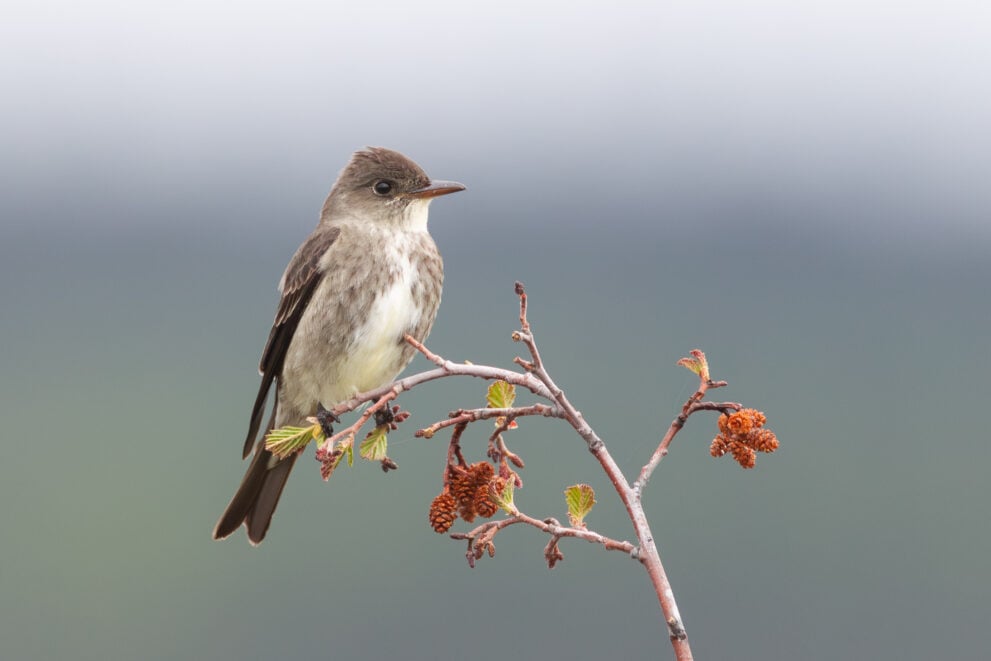
In 2024, the bird observatory team banded 1,643 birds and logged 40 species. The most common species banded — alder flycatcher, slate-coloured junco, yellow warbler, ruby-crowned kinglet and myrtle warbler — made up over 60 per cent of the birds they caught. While the alder flycatcher may be an understated songbird (its plumage is a muted green-brown), the number that travel to Teslin Lake and the Nisutlin River Delta National Wildlife Area can only be described as “phenomenal,” says Schonewille. Bird banders at other stations joke that Teslin Lake Bird Observatory is “like an alder flycatcher factory,” he says with a laugh.

Weighing in at just 12 grams, alder flycatchers are long-distance migratory birds, nesting throughout the boreal forest as far north as the treeline, while wintering as far south as the interior of Brazil. Several years ago, one of the alder flycatchers the team had banded in Teslin was, miraculously, captured and documented at a bird-banding station in Colombia.

“It’s kind of like winning the lottery to have one of your birds recaptured in South America,” gushes Schonewille. For him, it was a career highlight as a birder. “It’s once in a lifetime.”

The bird banders keep a list of “one-offs” they’ve captured over the years, he says, birds they wouldn’t ever have expected to find in their nets, including the Pacific swift — a large swift with a deeply forked tail that breeds from Siberia to Japan to eastern China, and migrates south to Australia and New Guinea. The Teslin Lake Bird Observatory has one of the few documented records of a Pacific swift in Canada, says Schonewille.

For Murphy-Kelly, it’s the diversity of warblers in the region around the Nisutlin River Delta National Wildlife Area that stands out: yellow-rumped warbler, yellow warbler, blackpoll warbler. The Arctic warbler is another rare find along the shores of Teslin Lake, he says. The brownish-olive warbler with a distinct cream-coloured eyebrow migrates across the Bering Strait to winter in Southeast Asia. While it can be found in Alaska over the summer, its capture at the Teslin Lake Bird Observatory was a Yukon first.

“The one that I’ll always remember is the Blackburnian warbler,” Murphy-Kelly says. “It’s actually my favourite warbler species. I even have a tattoo of it on my arm!” The colourful Blackburnian warbler breeds almost exclusively in Eastern Canada and the United States, migrating south to forests and coffee plantations in South America. Murphy-Kelly was at the Teslin Lake Bird Observatory on the day the Blackburnian warbler flew into their mist-net, stunning researchers with its striking flame-coloured face and throat. Murphy-Kelly did what his team calls “a happy dance,” he says. “It was also the first Yukon record, so that made it significant, too.”

That Blackburnian warbler — fascinating, mysterious and unexpected — could serve as a symbol for the Nisutlin River Delta National Wildlife Area writ large. Every day, the freshwater delta sustains and surprises the birders, Indigenous guardians and federal stewards inspired by this sanctuary.  

This story was created in partnership with Environment and Climate Change Canada.
Advertisement

Help us tell Canada’s story

You can support Canadian Geographic in 3 ways:

Live Net Zero Email Service

Related Content

Places

Suivi des migrations dans la réserve nationale de faune du Delta-de-la-Rivière-Nisutlin

Récits de l’observatoire ornithologique du lac Teslin, dont les membres s’adonnent avec enthousiasme à l’observation, au recensement et au baguage des oiseaux qui traversent cet immense delta d’eau douce

  • 1754 words
  • 8 minutes

Mapping

For the birds! Mapping Canada’s 92 migratory bird sanctuaries

These federally protected areas are located along avian superhighways — also known as flyways — traversed by millions of birds on their annual migrations. They provide vital stopover sites and breeding grounds.

  • 1962 words
  • 8 minutes

Mapping

Mapping water flow in the Peace-Athabasca Delta 

While most of the delta lies within the federally protected Wood Buffalo National Park, activity outside the park could threaten its future

  • 734 words
  • 3 minutes

Places

Plan a visit to one of these nine national wildlife areas near cities in Canada

Hiking trails, paddling, birdwatching, educational activities and more — all within easy reach of urban areas

  • 1837 words
  • 8 minutes
Advertisement
Advertisement