Keeping invasive species in check means all stakeholders working from the same playbook, which includes strict rules on what fill farmers can use and educating them on making sure machinery is cleaned to minimize the chances of introducing invasive species when farmers enter the national wildlife area. But some sources of invasive plants aren’t so easily controlled through communication — the overwhelming number of birds passing through the area carry seeds along for the ride on their long-haul trips.
In an increasingly warmer world, the animal species that dominate the maritime area are evolving, too, which can affect the landscapes. The country’s emblematic Canada goose now includes a sizeable population that stays in Canada year-round rather than migrating south for the winter. It’s hard to believe that the resident Canada goose population nearly went extinct in the 1950s due to unregulated hunting. Conservation efforts, paired with milder winters, have led to a massive boom in numbers. The goose still isn’t dominant in the Bas-Saint-Laurent, but it’s starting to show its beak, attracted by the hay fields. In the surrounding farmlands that grow mainly soy and corn, snow geese are the bigger issue, often feasting on these crops.
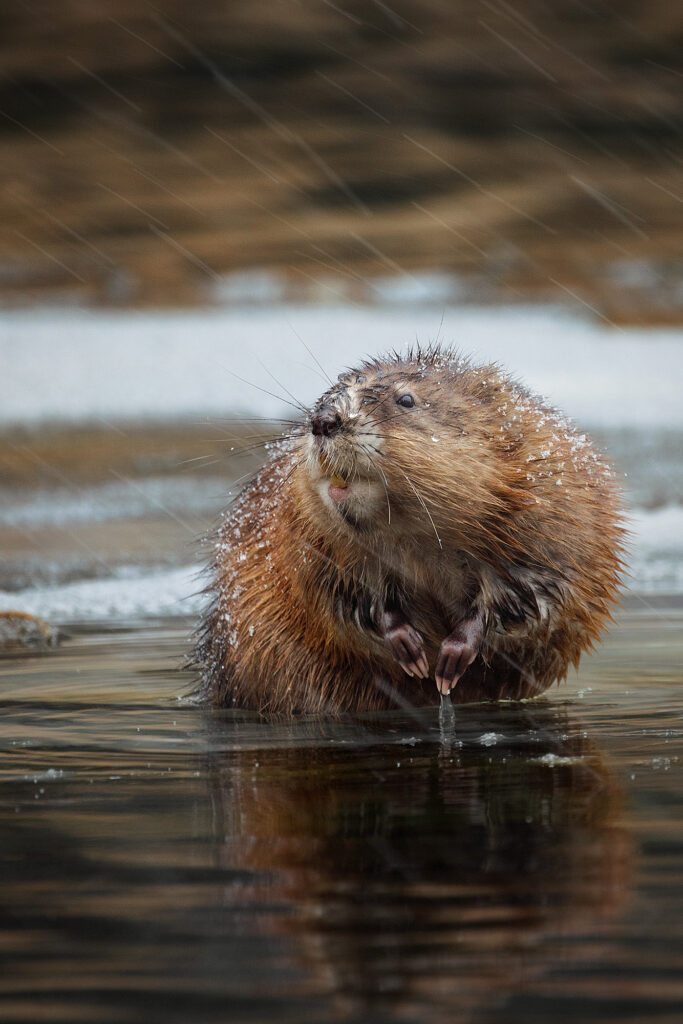
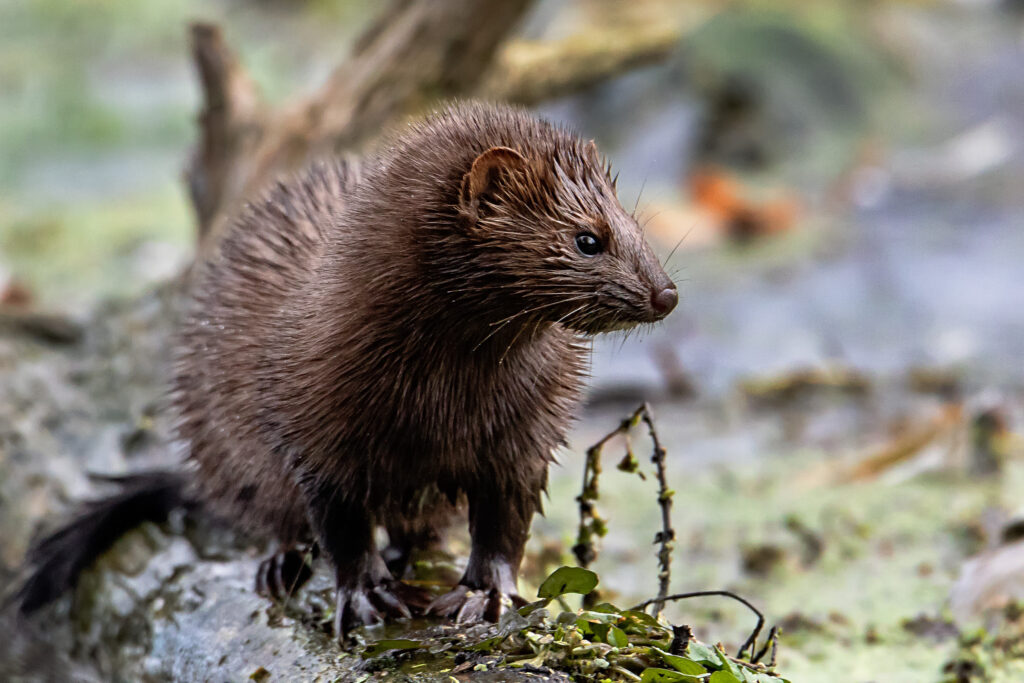
Though birds are this area’s claim to fame, many mammals are regularly sighted — muskrat, American mink, hare, fox, porcupine, bat, marmot and moose, along with the occasional lynx. Back on Gros Cacouna Mountain, in 2024, the Putep ’t-awt observatory was installed by the Wolastoqiyik Wahsipekuk First Nation, which manages part of this formation alongside the federal government. A trail leads to the modern lookout with its breathtaking views over the St. Lawrence Estuary. Putep ’t-awt means beluga trail in the Wolastoqey language, and whale spotting is a popular past-time here.
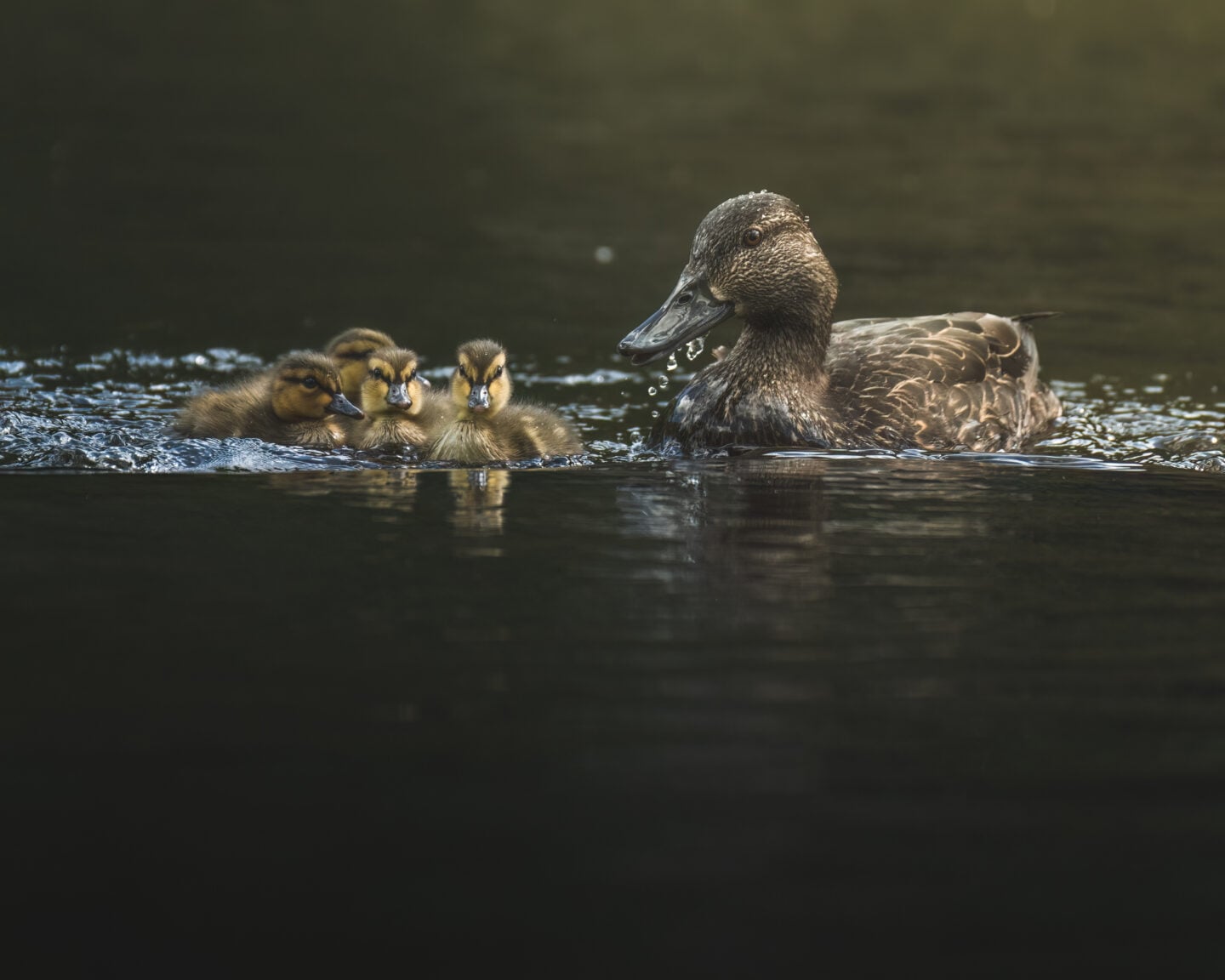
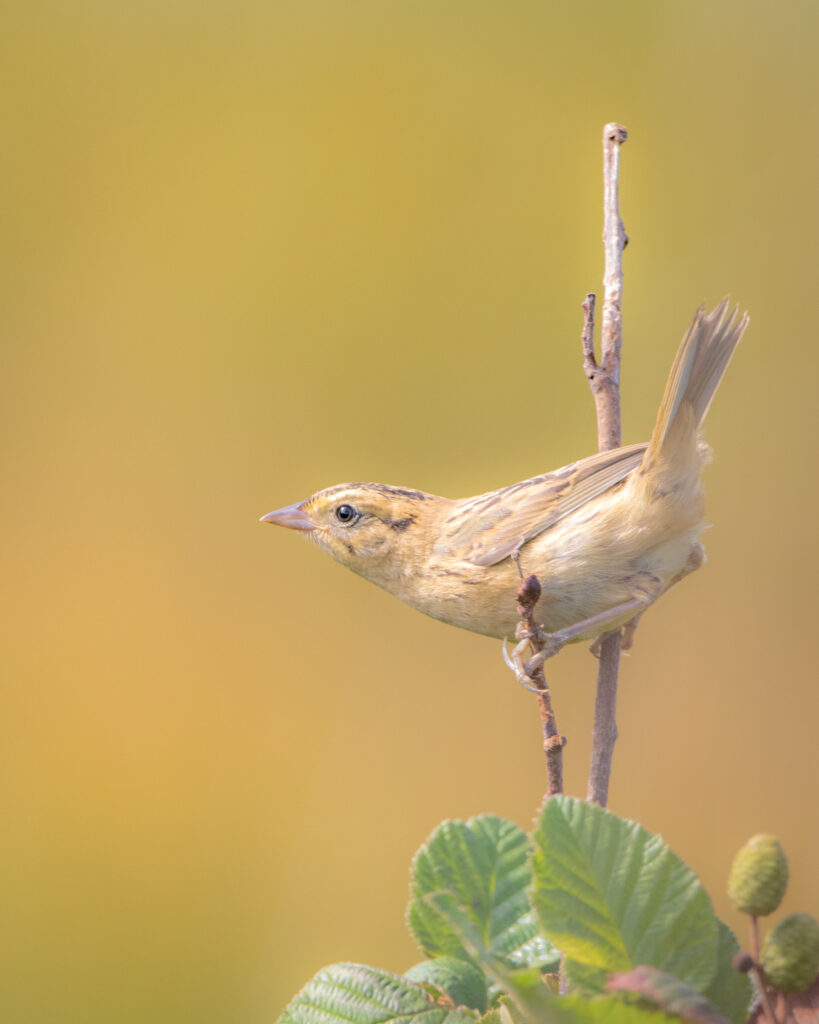
If the national wildlife area were launching today, the American black duck might not be its mascot. As the land here has changed, other rare species have arrived and become emblems for its conservation. The Nelson’s sparrow, rare in many locales though abundant in the area, might fly under the radar with discreet brown and grey plumage, but this secretive bird is beloved by birders who search it out in the tall grasses that are its preferred habitat. The NWA has become one of its favourite spring destinations in Quebec, its healthy numbers directly tied to the health of the marshlands that sustain it. The Nelson’s sparrow is a symbol of what is possible when humans try to understand a place and guide it accordingly. It shows us that wild spaces are worth protecting and, occasionally, transforming, decades or centuries after they were first bent to our will. It is a reminder that stewardship is an always-morphing process that needs to be built upon. The Nelson’s sparrow’s flittering tweets remind us that gains can’t be taken for granted, lest they go to seed or, like the earth eroding along a coast, get washed away by the powerful tides.
This story was created in partnership with Environment and Climate Change Canada.