People & Culture
In search of promised lands
Uprooted repeatedly by development projects, the Oujé-Bougoumou Cree wandered boreal Quebec for 70 years before finding a permanent home. For some, the journey continues.
- 7148 words
- 29 minutes
History
In 2001, Rosemary Thompson covered the attacks live from the White House. Now, she reflects on loss, hope and rebuilding trust.

This story has been fact checked
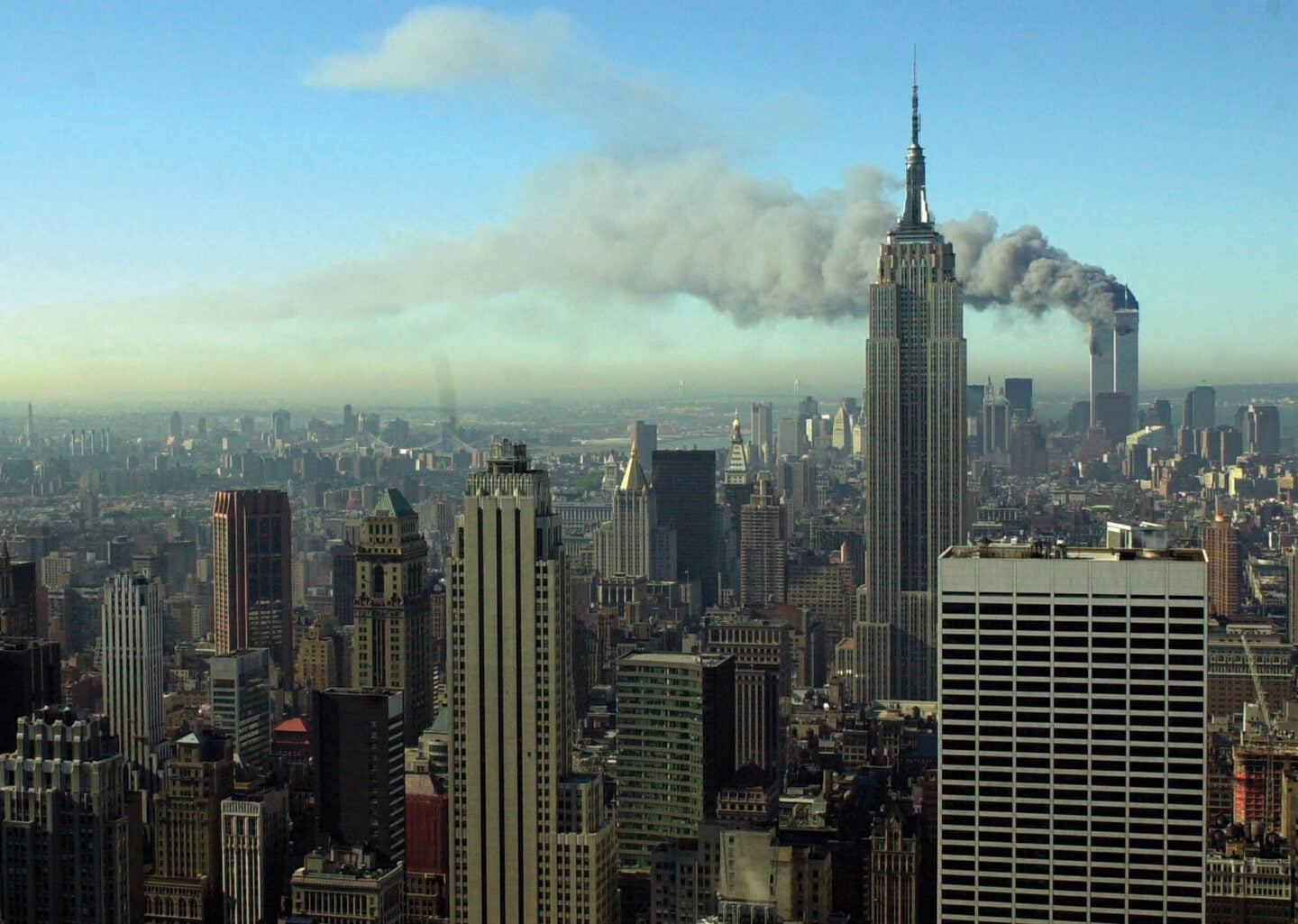
ON THE MORNING of Sept. 11, 2001, my husband, Pierre, drove me to the Metro station in Bethesda, Md., where I would catch the train into downtown Washington, D.C., for another day reporting as the Washington correspondent for CTV.
It was a bright, sunny morning, with not a cloud in the sky. We chatted about our two little boys, Louis and Max, about the day ahead of us and about how much we were enjoying our life in Washington. I gave Pierre a kiss as I got out of the car. As I descended the escalator to the subway platform, my phone rang. It was Konstantin Shuknov, the early assignment editor on CTV’s editorial desk in Toronto.
“Hi Konny, what’s up?” I asked. It was only a few minutes after the first attack in New York City at 8:46 a.m.
“Rosemary, a plane has struck the World Trade Center. We don’t really know what is going on. I need you to rush to the office,” he said.
As I crossed the threshold of CTV’s office on M Street near Dupont Circle, with its maple leaf etched into the carpet, I learned a second plane had hit the Twin Towers. I could feel the fear rising in America’s capital.
At first, I did live reports from the telephone at my desk. Then, when the TV crew arrived, we went live from our small studio. When the report came in that a plane had hit the Pentagon, bureau chief Alan Fryer and I decided that he would stay at the office and monitor the news feeds, while I would head to the White House with cameraman Jim MacDonald.
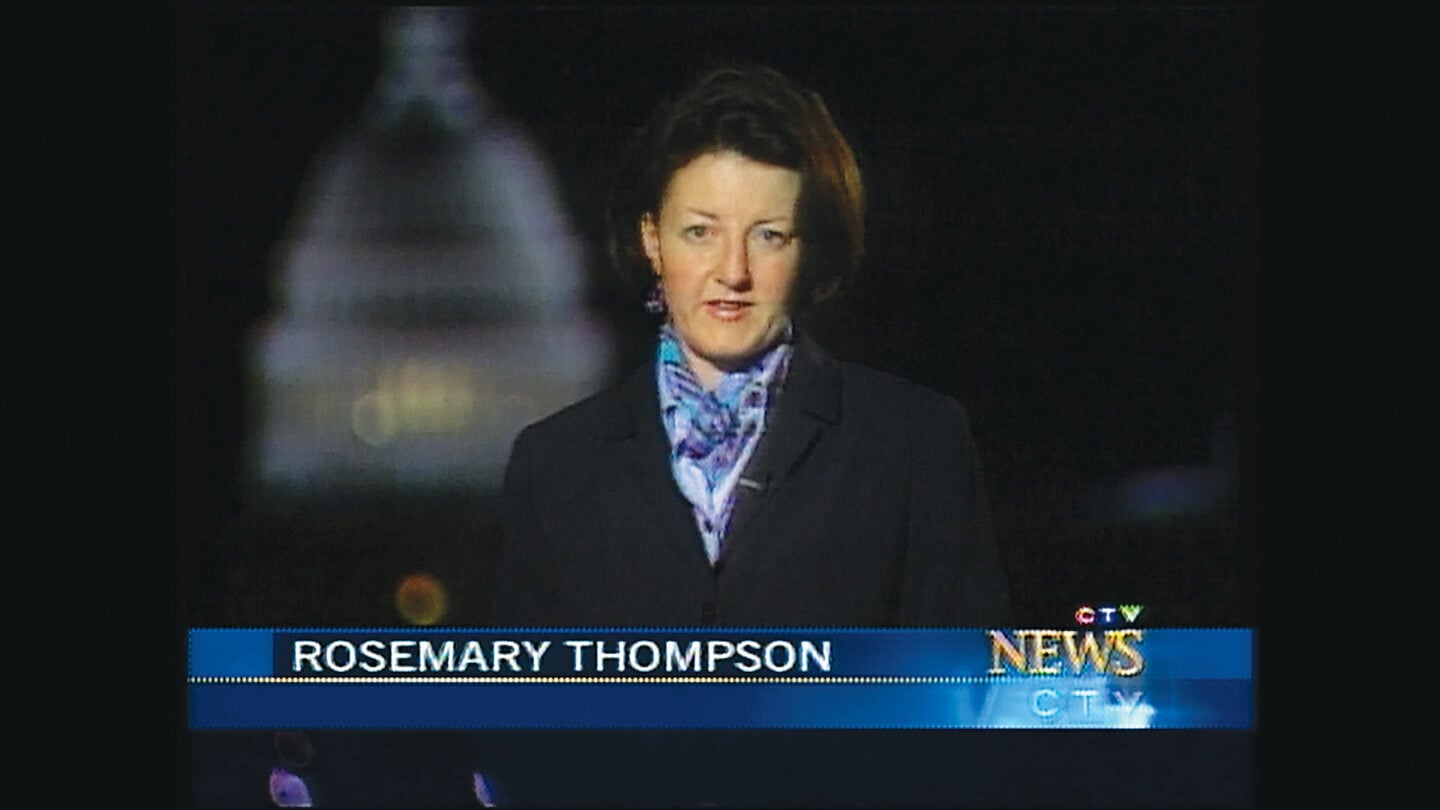
We walked towards the White House, in the opposite direction to the thousands streaming out of the downtown core. Office buildings were being evacuated. People didn’t want to get caught in traffic or on the subways, so they fled on foot, away from the plumes of black smoke that were billowing up from the site of the attack on the Pentagon across the Potomac River.
Secret Service agents tried to warn us away from the White House, saying another plane was incoming. We learned later about how the passengers of United Airlines Flight 93 fought back against the hijackers and crashed the plane into a Pennsylvania field.
We happened upon Helen Thomas, the legendary United Press International correspondent who, at 80 years old, was still filing daily stories from the White House briefings. She was crouched down, speaking into her cellphone, reading from her notebook to a copy editor. When she finished, she looked up and said, “It reminds me of Pearl Harbor.”
Misinformation abounded so we stuck to the basics of journalism: go to the scene, interview people who are there, describe exactly what you are seeing, and report the known facts without embellishment.
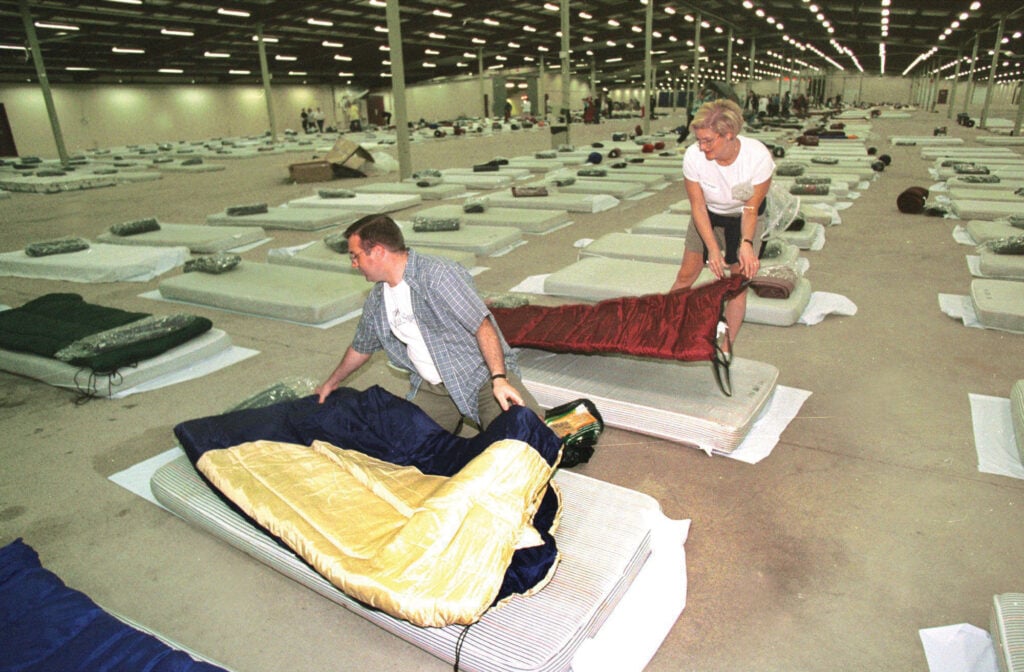
The attacks claimed the lives of 2,977 people, 24 of them Canadian. The response from Canada was immediate and compassionate. More than 220 U.S.-bound flights were diverted to Canadian airports, and some 34,000 stranded passengers received shelter in schools, community centres and private homes.
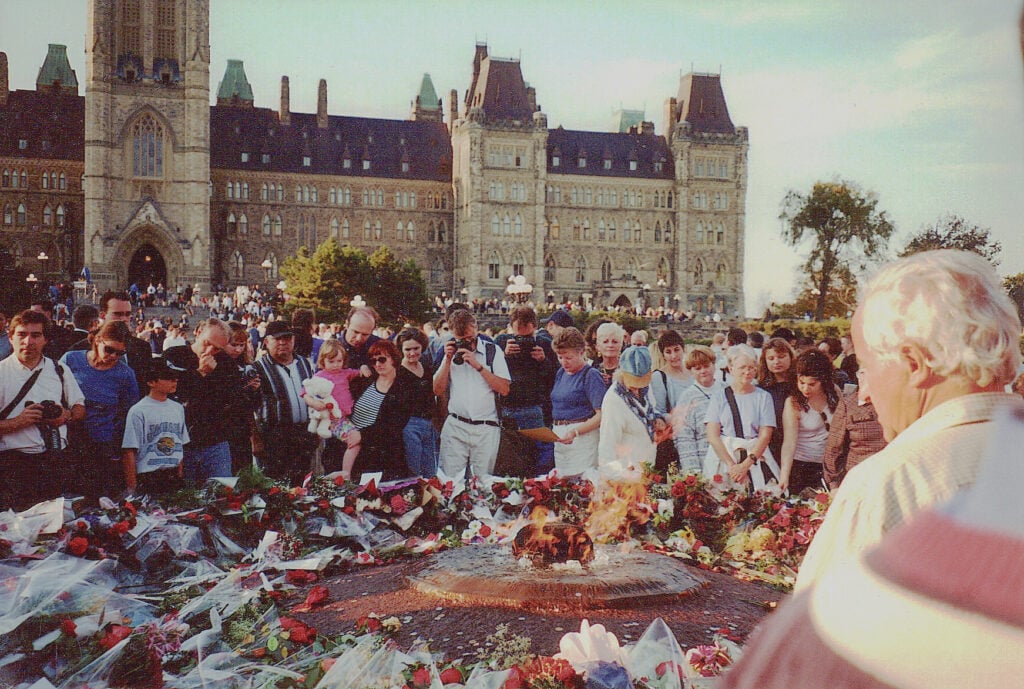
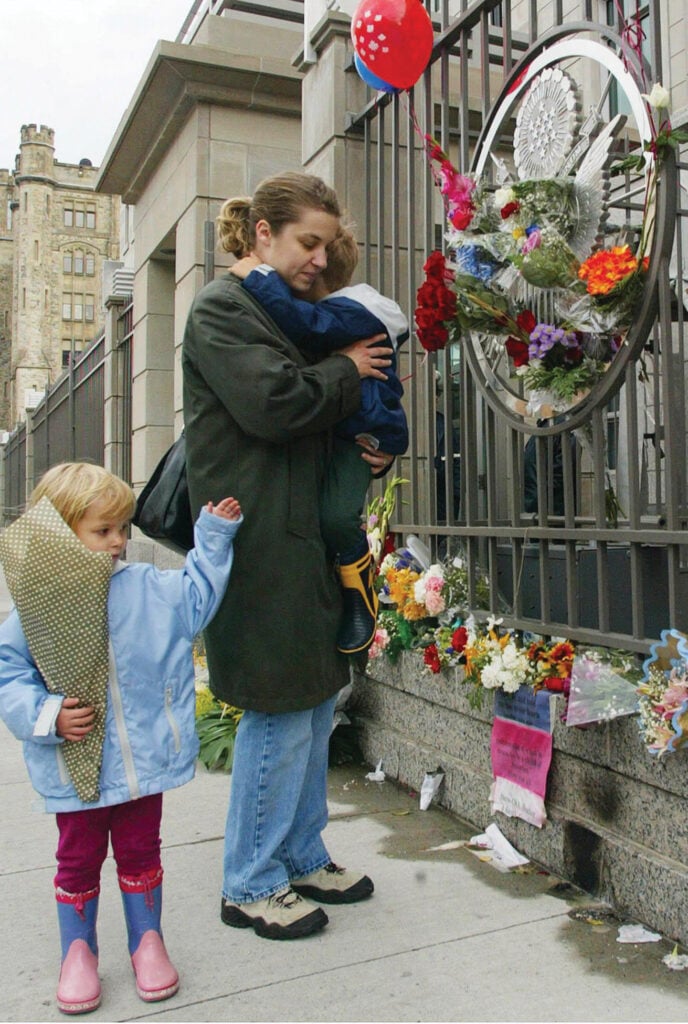
When the U.S. declared war on Afghanistan a month later in response to the attacks by al-Qaeda, Canada immediately joined the coalition and sent 40,000 soldiers to serve. By the time the operation ended in 2014, 158 Canadian soldiers had lost their lives in what proved to be the longest conflict in Canadian military history.
A year after 9/11, tragedy struck our own family. Our younger son, Max, was killed in a traffic accident while we were on vacation in British Columbia. Suddenly, we were moving through the intense grief of losing a child, trying to hold ourselves together. What gave me hope during those difficult years was the love and compassion I received from my colleagues in politics and journalism — both Canadian and American. They would embrace me, walk with me, take me out for lunch, give me little objects of strength. Some shared how they too had faced painful losses and had learned how to endure. They put us on the path of adopting our daughter, Jasmine, from China.
Today, Canada’s relationship with the U.S. is strained. As I look back on 9/11 and Canada’s response, I wonder: will individual Canadians continue to reach across the border and build friendships with their colleagues in the U.S., the way they did back then, the way my colleagues did for me?
For me personally, remembering our shared history with the U.S. is critical in forging a path forward even in these times of strained relations. It’s my hope that we will deepen our ties with our southern neighbours and restore the trust that saw us through those dark days of September 2001.
This story is from the September/October 2026 Issue
People & Culture
Uprooted repeatedly by development projects, the Oujé-Bougoumou Cree wandered boreal Quebec for 70 years before finding a permanent home. For some, the journey continues.
History
In the Yukon and NWT, unexpected arrivals and a major hijacking scare brought the terror attacks closer to home
People & Culture
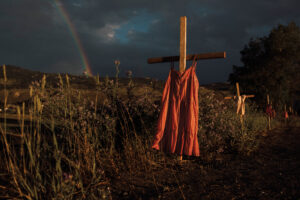
Indigenous journalists are creating spaces to investigate the crimes committed at Indian residential schools, grappling with unresolved histories and a reckoning that still has a long way to go

Travel
Already skated the Roc, enjoyed a carriage ride around Central Park and fought the crowds at Macy’s Herald Square? Here are more ways to celebrate the festive season in the Big Apple.