
Travel
Wild safaris and epic sunsets in Botswana
A legendary bucket list experience in one of Africa’s most diverse and nature-friendly countries
- 2296 words
- 10 minutes
Travel
Through its Women in Tourism Program and other training opportunities, African Bush Camps is supporting women as they gain the necessary skills and independence to shape their own futures
Somalisa Malva Pudding, the menu in front of me reads — no further details. It’s the final item on a three-course lunch for the 58 guests who have gathered at The Cellars-Hohenort in Cape Town to mark World Elephant Day (August 12) and celebrate two decades of impact by the African Bush Camps Foundation.
“Malva pudding is a staff favourite!” I overhear one guest exclaim.
We have just taken our seats following a series of presentations by African Bush Camps leaders, conservation experts and storytellers highlighting elephant research and the role tourism can play in supporting both wildlife and rural communities.
“Twenty years ago, it wasn’t about chasing 20 years; it was about one year,” said Beks Ndlovu, founder and CEO of African Bush Camps. “My challenge today is: how do we survive the next 20 years?”
Ndlovu, a Zimbabwean safari guide, founded African Bush Camps safari company and its affiliated foundation in 2006 to ensure a tourism model that would benefit the communities and landscapes that make tourism in Botswana, Zambia and Zimbabwe so exceptional. While the safari company brings travellers into some of Africa’s wildest places, the foundation invests in local priorities, including education, healthcare, conservation and sustainable livelihoods.
For Ndlovu, safeguarding these landscapes also means challenging long-held assumptions about who gets to interpret them. By 2030, he wants women to account for half of African Bush Camps’ guides. “We believe in equality and diversity,” he says. “That’s where we’re going.”
But reaching this point has taken decades.
Ndlovu was 21 when he earned his guiding license in Zimbabwe. He would spend the next six years learning how to manage camps and navigate the safari industry before working in Botswana, Zambia and Namibia as a private guide. During this period, he cemented his reputation for curating journeys across Africa, while also coming face to face with what he describes as “injustices to the land, the people and the wildlife.” Realizing that, as a self-described “briefcase businessman” and “one-man band,” he could not address these wrongs alone, Ndlovu began imagining a tourism model suited to creating broader change across the safari tourism sector.
If you want to go fast, go alone. If you want to go far, go together. The African proverb became a driving force behind the founding of African Bush Camps. “I’d gone fast,” he says. “But I felt it was time to take others with me and go far.”
Today, the company operates 17 camps across Zimbabwe, Botswana and Zambia, while supporting more than a dozen communities and running more than 25 different initiatives and programs. Among them is the Women in Tourism Program.
When it’s time for dessert, a golden dome dusted with icing sugar and set in a pool of custard is placed in front of me. Accompanied by an elegant oval of ice cream, the malva pudding manages to be at once both elevated and homey.
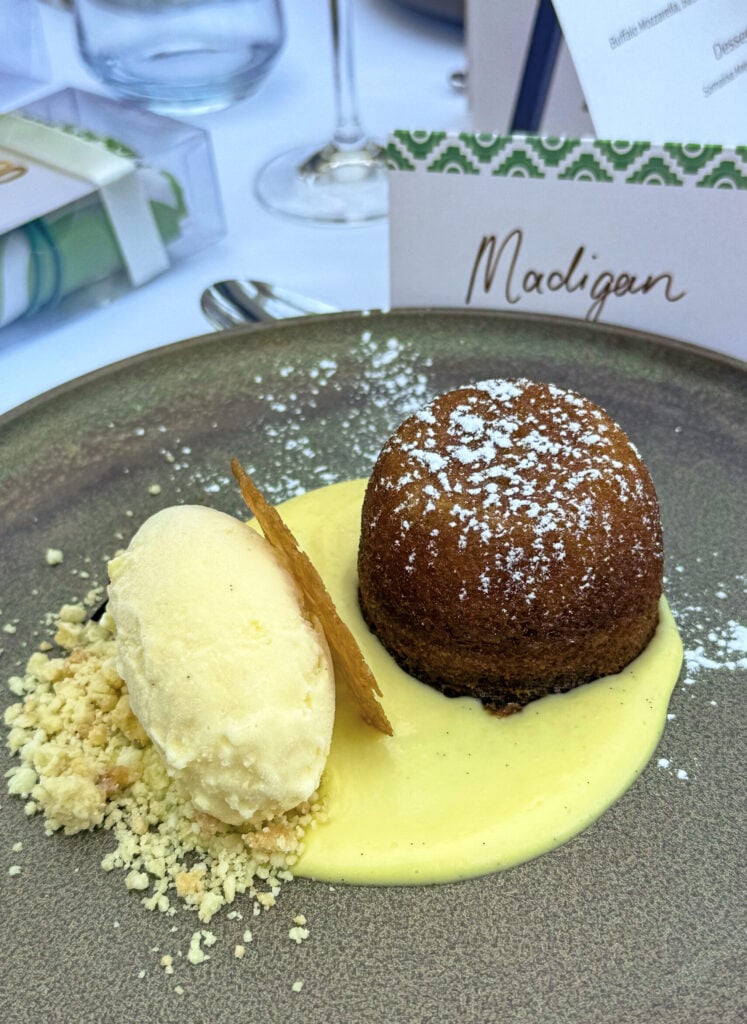
Before the crowd digs into the classic South African dessert, however, the woman who created it steps out of the kitchen. Chef Sheron began working at African Bush Camps’ Somalisa Camp in Zimbabwe as a trainee waitress a decade ago. Supported by the Women in Tourism Program, she attained her credentials as a professional chef in 2023, a role that now allows her to support her family while helping pave the way for other women to strive for leadership roles within the hospitality industry. Malva pudding holds a special place in her heart, she tells us, because it was one of the first desserts she learned to make while training to become a chef.
“I worked hard because I always wanted to wear the ABC [African Bush Camps] jacket,” she tells the guests, now eagerly waiting to dive into dessert.
Launched in Zimbabwe in 2023, the Women in Tourism Program supports women as they strive to navigate and conquer barriers that have made it difficult to thrive in this sector — from gender stereotypes to a lack of mentorship and the high cost of training.
Over nine months, participants complete accredited classroom training before gaining paid, hands-on experience at safari camps, rotating through departments to learn how each part of the operation works and what sectors suit their interests. Mentors are on hand as they build the skills and confidence needed to enter and succeed in the highly competitive tourism industry.
So far, 45 women have completed the training and another 25 women are expected to join the program in 2026.
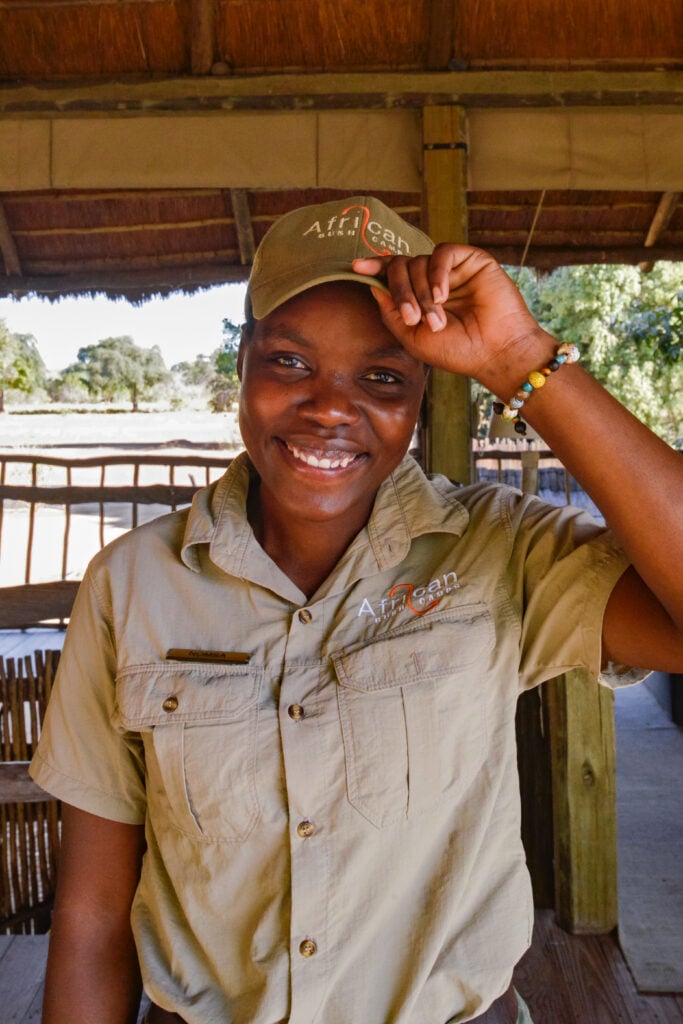
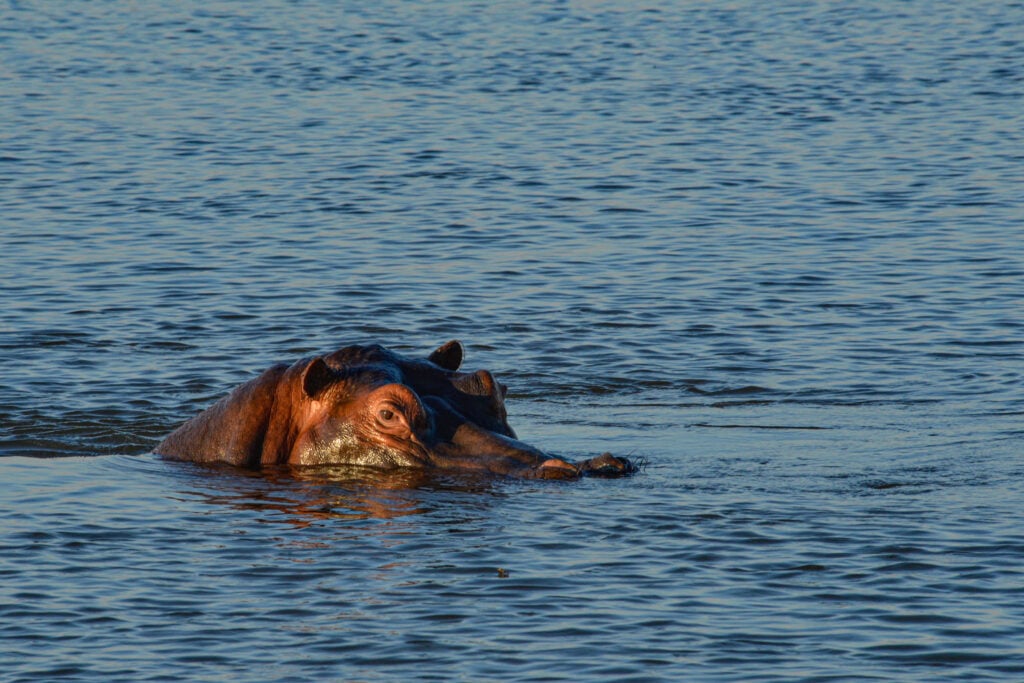
“A hippo can stay underwater for six minutes,” says Nomsa Nemukuyu, a trainee safari guide at African Bush Camps’ Nyamatusi Camp in Zimbabwe’s Mana Pools National Park. She points to the pond in front of us just as three hippos come up for air.
Nemukuyu grew up in Marondera, an agricultural hub east of the capital Harare. The region lacked the larger game typically seen in the bush, so most of what Nemukuyu knew about Zimbabwe’s famed wildlife came from watching nature documentaries on television with her father. “My dad was very supportive,” she says. “We watched videos of animals together as a family, and then we would discuss.”
After high school, Nemukuyu planned to attend college. But when the COVID-19 pandemic delayed those plans, she had time to look into the pathway to attaining the designation “learner professional guide”. Trainees begin with theory — classroom learning about various animals and their behaviour — before gaining experience in the field.
The progression from learner to fully licensed professional guide is long and arduous. Overseen by the Zimbabwe Parks and Wildlife Management Authority, the typical route involves years of supervised fieldwork, extensive theoretical knowledge, costly equipment and examinations, and demonstrating the skills needed to protect guests from potentially dangerous wildlife. After earning her learner’s license, Nemukuyu volunteered at a small wilderness reserve in the mountains. In exchange for her labour, she was able to gain access to an area home to elephants, leopards and buffalo. She was lucky to now be able to study these animals, but without an experienced guide to teach her, she lacked the necessary mentorship required to advance her guiding career.
In September 2024, Nemukuyu heard that African Bush Camps was looking for a trainee guide it could coach from scratch. “I knew this was my shot, and I took it,” she says. She applied and was thrilled to receive a positive response on March 1, 2025. “[African Bush Camps] told me I could come if I was keen to learn.”
Nemukuyu began her training the following month. Two professional guides in camp ensured she could finally learn from mentors, gain experience in the bush and work towards attaining a professional certification.
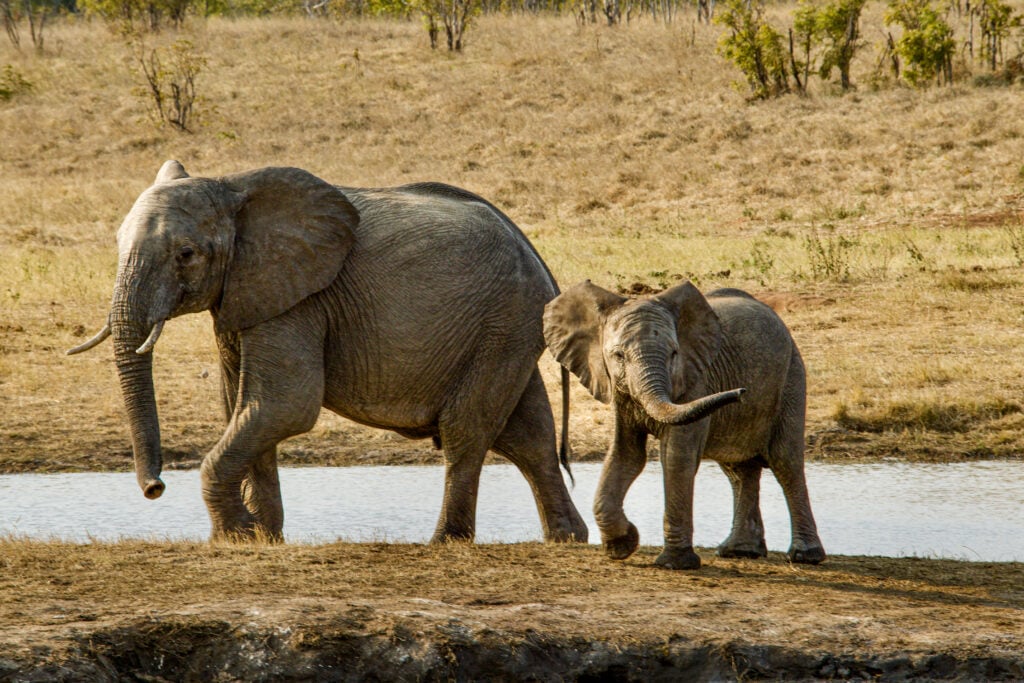
At Nyamatusi Camp two elephants, a mother and a calf, walk by us just as Nemukuyu explains how these mentors, guides who have spent their lives in the bush, have shared their knowledge to help her move forward.
Although she’s not yet a professional guide, Nemukuyu is already looking ahead to when she receives her license and can pay it forward. “I want to be a professional guide who can help other young women to have better opportunities. I want to help them navigate the journey of becoming a female guide in a previously male-dominated industry. That’s my aim; that’s my goal.”
Guiding, however, is only one pathway into safari tourism. According to the Foundation’s 2025 Impact Report, seven graduates of the Women in Tourism Program are now employed across African Bush Camps in roles that range from guest services to lodge operations and housekeeping. One of these women is Damalesi Phiri.
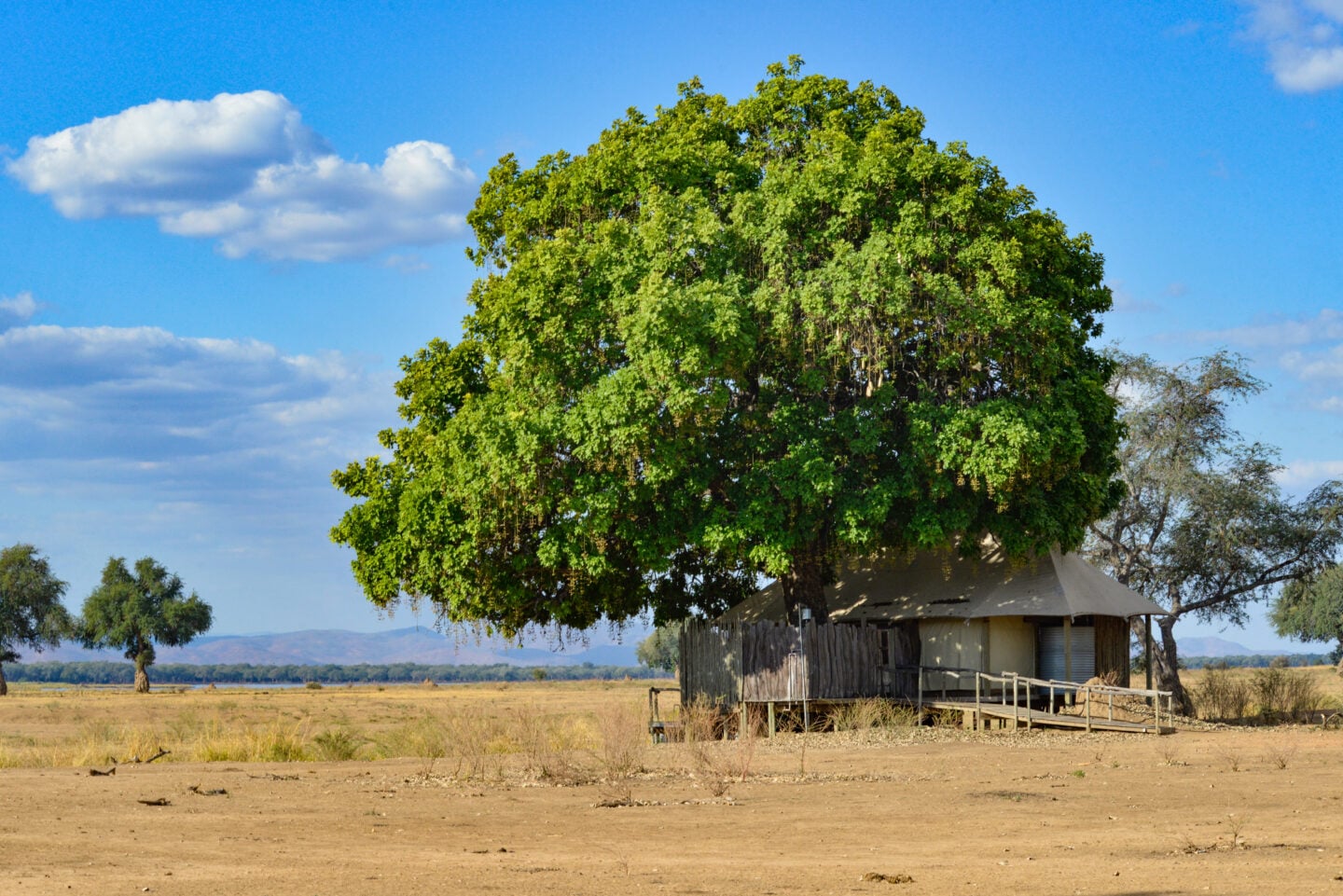
Overlooking the breathtaking Lake Kariba, one of the largest reservoirs in the world, Bumi Hills Safari Lodge showcases a lesser-visited corner of Zimbabwe in Mashonaland West Province. With its earthy colour scheme, wood finishes, a library filled with wildlife books and a myriad of relics from the land, the luxury resort has the vibe of an upscale museum.
It’s here that I meet another graduate of the Women in Tourism Program. Damalesi Phiri, Bumi Hills’ gift shop manager and acting administrator at the time of my visit. “I love working with [African Bush Camps],” says Phiri as she stands in front of a wall of handmade souvenirs for sale. “But it’s a long story. Let me take you back.”
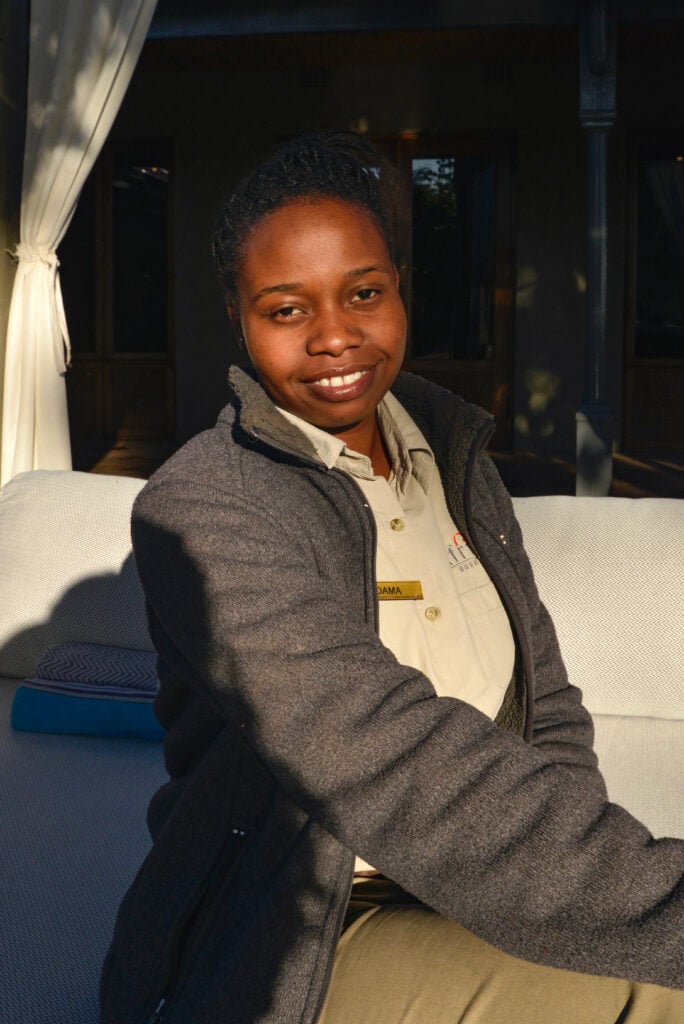
After finishing school, she spent four years living at home, unable to continue her education or find work. Members of her village encouraged her to apply to the Women in Tourism Program. “ABC was my starting point,” she says now.
The nine-month program began with theory classes in Bulawayo (a prominent educational hub in Zimbabwe) before she and her classmates rotated through departments that saw them gain insight into housekeeping and laundry, the kitchen and administration. She was then placed at Bumi Hills, where she has remained since graduating. Her face lights up as she talks about what the program has meant to her. “They transformed my life.”
In the villages Phiri knows, girls are often expected to marry soon after finishing school. “But with ABC, girls can become independent. They can make their own money and also help other young women in the villages.”
While working at African Bush Camps, Phiri is funding her way through school — completing her first year of a Bachelor of Science Honours degree in tourism and hospitality. Her goal: to become a manager with African Bush Camps and inspire other girls to follow in her footsteps.
“When you are working as a lady, you don’t have to depend on men,” she says proudly. “That’s my personal view.”
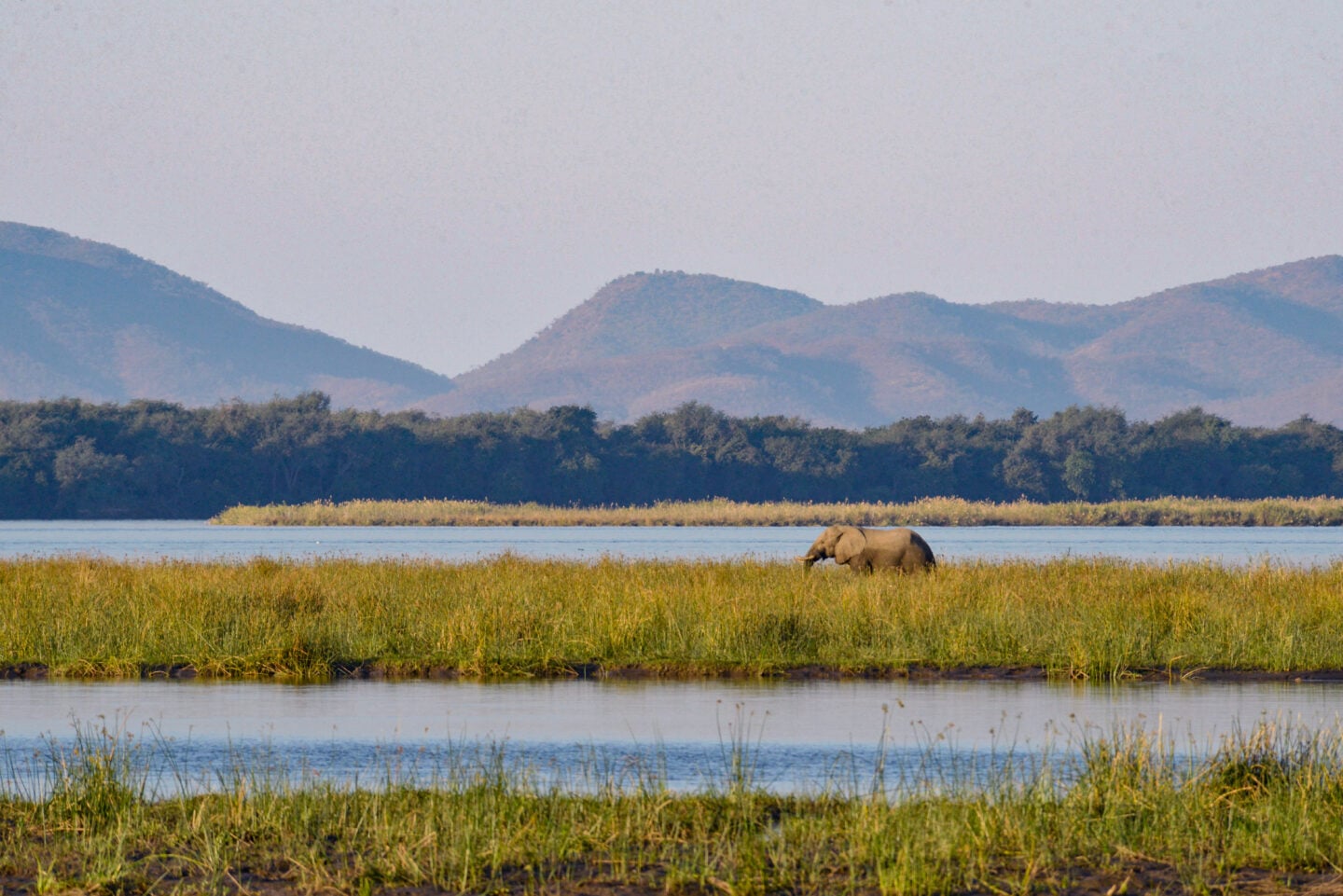
Back at Nyamatusi Camp, the African sun reflects off the Zambezi River, its waters stirred up by the heavy footfalls of half a dozen elephants wading by. Nemukuyu and I watch them casually while chatting more about her experience as a trainee guide.
“If women have a passion to learn, and if they have an opportunity like the one I did with ABC, they should go for it,” she says enthusiastically. “There might be stereotypes and all of that, but my hope is to make a platform for the younger girls.”
It’s a hope that echoes Phiri’s. Both want to use their experience to make it easier for the next cohort of women to build careers in an industry where women still deal with scepticism about whether they are cut out for the industry. “It’s not going to be all rosy, all bloomy, all nice,” Nemukuyu says. “You have to work extra hard as a female guide to prove that you can do it.”
When I ask Nemukuyu if there is a moment in the bush that stands out for her, she doesn’t hesitate.
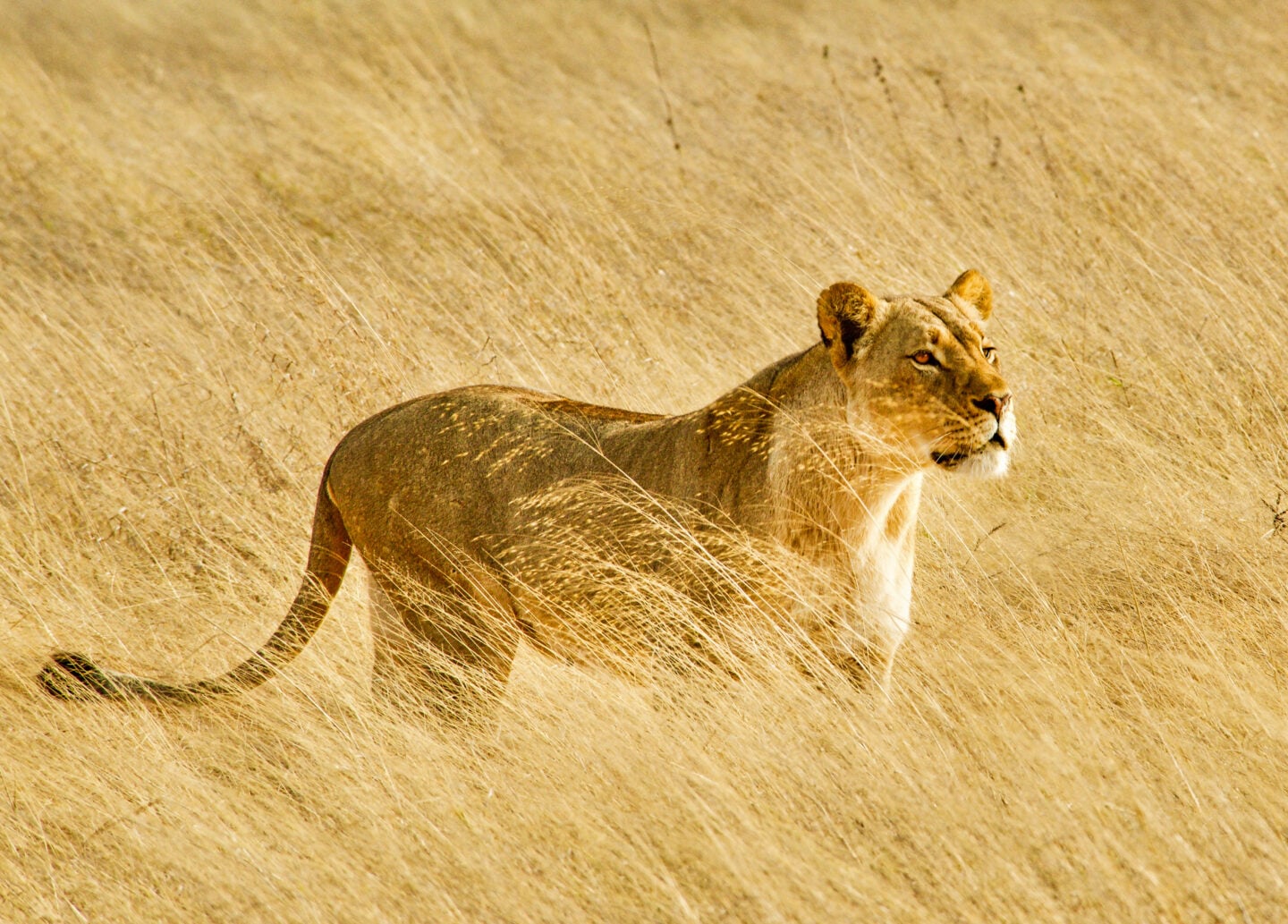
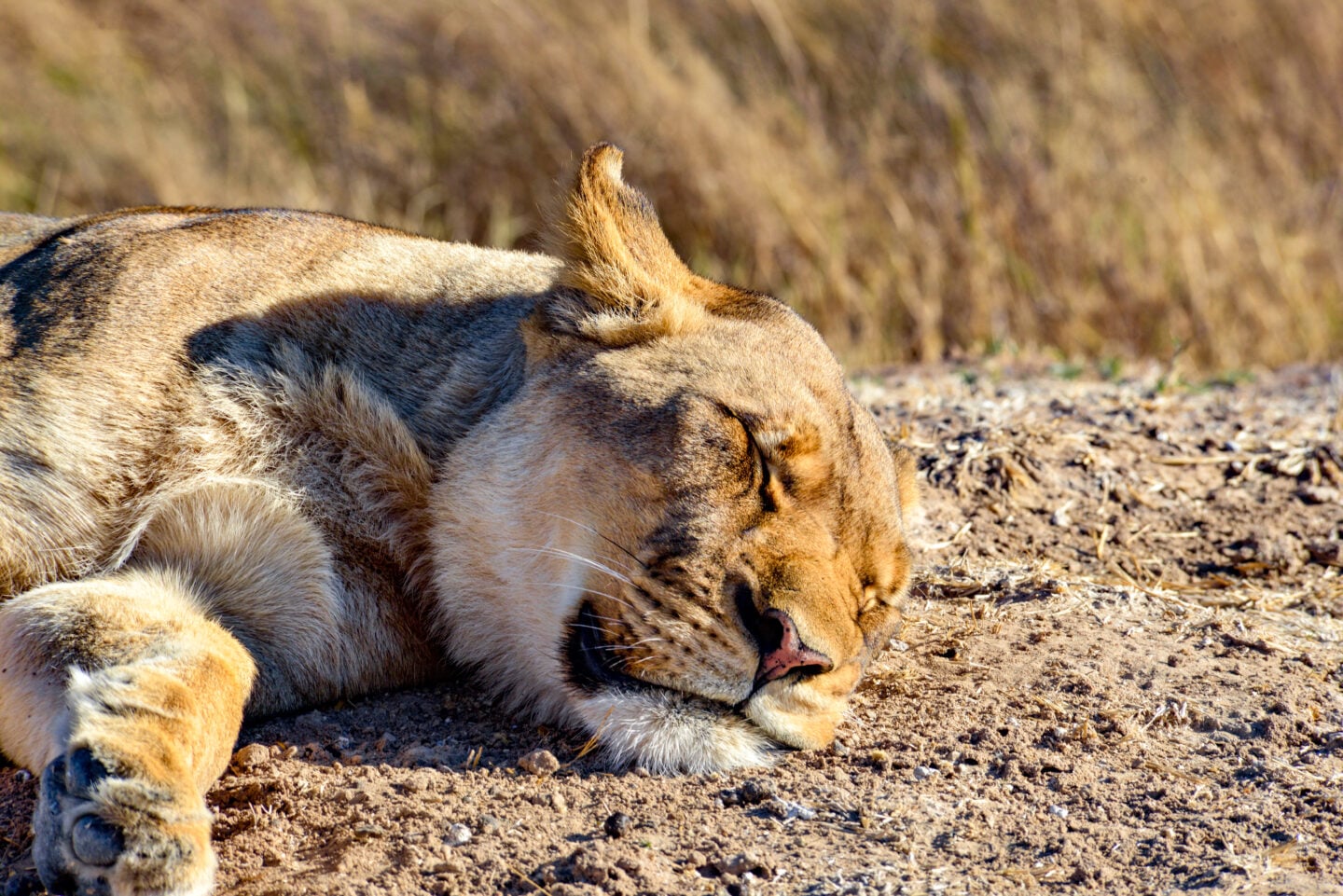
“The first time I got to see a honey badger,” she says with a smirk. “A honey badger is small, and this one was trying to escape a lion.” Surrounded by iconic mammals such as elephants, rhinos, lions and hippos, she is most awed by a honey badger? I need to know more!
She explains that this animal is famous for being courageous, smart and resourceful.
“It’s kind of like you,” I say.
“I guess so!” She responds, laughing.
The comparison makes us both laugh, but it also feels fitting. Like the honey badger, women entering the guiding industry have to fight harder to prove themselves. For Nemukuyu, however, those challenges have also helped her to build the resilience required to become a better guide.
“It’s hard work, but having support from ABC and working extra hard, both will make you a better guide,” she says as noisy troop of baboons seems to cheer in the distance. “There are challenges that you will face, but they actually make you build resilience.”
For Chef Sheron, Nemukuyu and Phiri, their association with African Bush Camps has allowed them to develop their skills and launch successful careers. The program has also instilled in them the desire to show the next generation of Zimbabwean women what is possible — and how to get there.
Travel
A legendary bucket list experience in one of Africa’s most diverse and nature-friendly countries
Travel
The new movement building flourishing tourism hubs across Canada – one sustainable example at a time

Environment
Lord Ashcroft’s new book Unfair Game: An Exposé of South Africa’s Captive-Bred Lion Industry describes shocking revelations from a year-long investigation into captive-bred lion farming in South Africa
Travel
What tourism’s shift to sustainability, reconciliation and regeneration means for the rest of us