
Live Net Zero 101

Live Net Zero Email Service

Like you, most Canadians want to lower their carbon footprint and live more sustainably. But do you know what that really means? And how do you know what makes the biggest difference?

You can learn the basics of sustainable living here – and about how the Live Net Zero Household and Classroom Challenges help individuals, families and classrooms take action in practical, high-impact ways. You can also see how your actions influence others, add up and lead to bigger system changes.
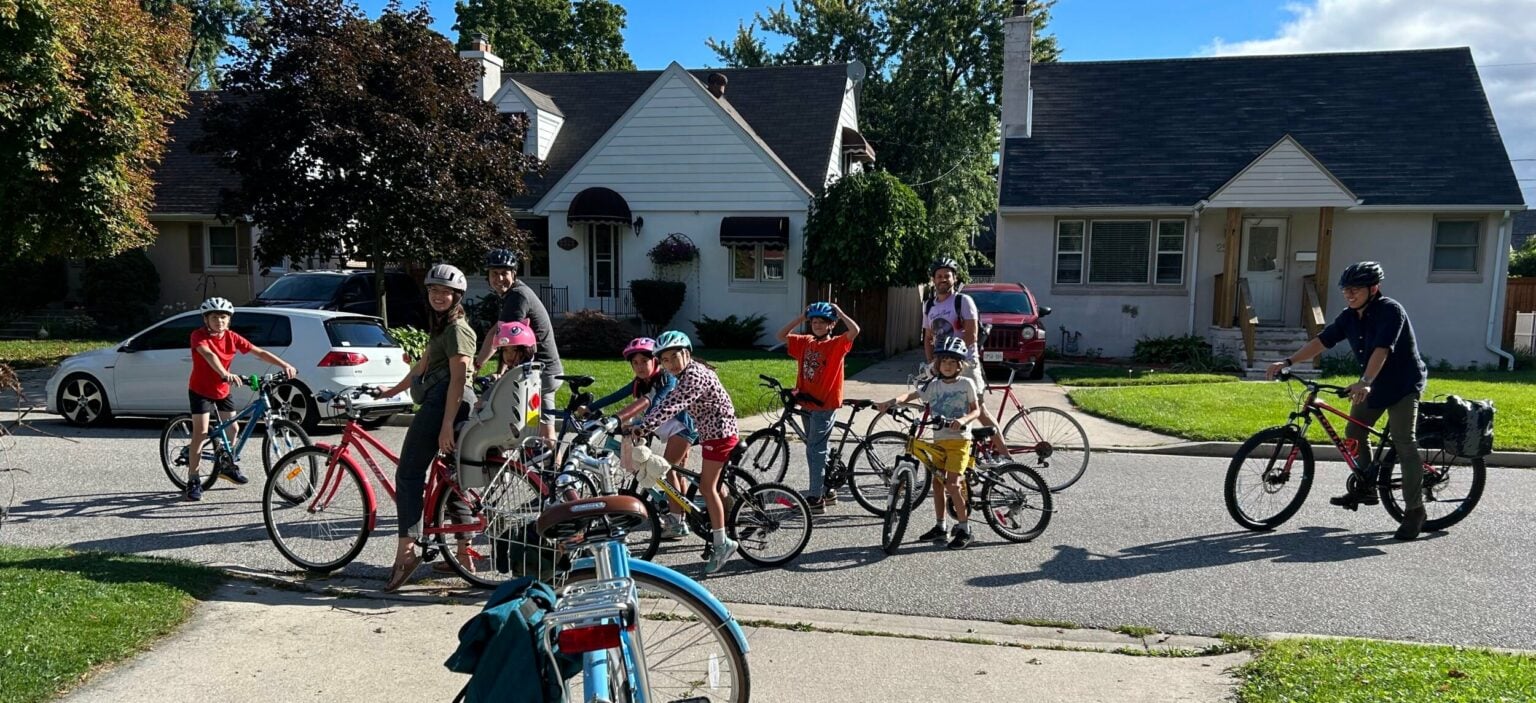
What is sustainable living?

Sustainable living means meeting our needs in ways that minimise our impact on the environment and support fairness, while improving our quality of life.

We need both individual and system changes – and they’re connected!

Each of us is a key player. We inspire each other. When enough people make changes in our everyday lives in high-impact areas, our actions add up!

But it has to be a society-wide effort. We need support from our governments, businesses and communities to live sustainably. We can’t place the burden only on individuals. Many of our choices are shaped by where we live and what’s available.

Your choices matter, and they are possible when backed by supportive systems. Big policy shifts often start with public pressure. When everyday actions and government and business leadership align, that’s when real transformation happens.

When we see real examples of people living low-carbon lives, it helps shift social norms and encourages others to do the same. These visible changes create momentum and can unlock the system-wide shifts we need. 

Lifestyle change isn’t only about how we eat, live, consume or travel. It includes talking about climate with others, volunteering, voting, investing and supporting change in our communities. 

As more people take part, our actions become mainstream. We place pressure on governments and businesses to step up and give them permission to be bold and ambitious. Lifestyle change creates the social mandate that makes system change possible.

Sustainable living means meeting our needs in ways that minimise our impact on the environment and support fairness, while improving our quality of life.

We need both individual and system changes – and they’re connected!

Each of us is a key player. We inspire each other. When enough people make changes in our everyday lives in high-impact areas, our actions add up!

But it has to be a society-wide effort. We need support from our governments, businesses and communities to live sustainably. We can’t place the burden only on individuals. Many of our choices are shaped by where we live and what’s available.

Your choices matter, and they are possible when backed by supportive systems. Big policy shifts often start with public pressure. When everyday actions and government and business leadership align, that’s when real transformation happens.

When we see real examples of people living low-carbon lives, it helps shift social norms and encourages others to do the same. These visible changes create momentum and can unlock the system-wide shifts we need. 

Lifestyle change isn’t only about how we eat, live, consume or travel. It includes talking about climate with others, volunteering, voting, investing and supporting change in our communities. 

As more people take part, our actions become mainstream. We place pressure on governments and businesses to step up and give them permission to be bold and ambitious. Lifestyle change creates the social mandate that makes system change possible.

Four sustainable living principles

1.    Live within ecological limits: sustainable living means using resources wisely and staying within planetary boundaries   

Living sustainably means focusing on the areas that matter most. Some everyday actions – like turning off lights or recycling – are helpful but are low impact. 

To really shift our environmental footprint, we need big-impact actions such as:

  • Insulating our homes, reducing energy waste and switching to an electric heat pump
  • Driving and flying less, and choosing cleaner transport
  • Eating more plant-based foods and wasting less food
  • Buying less, repairing, sharing and reusing more of our stuff

Small actions are good. High-impact actions are even better. With the Live Net Zero Household Challenge, we help you identify which is which.

2. Ensure fairness: sustainable living must be fair – between people, generations and communities 

While some people already live within one-planet means – often by necessity – others consume far more than their share. A just approach recognizes both sides.

  • The wealthiest 10% of the global population are responsible for nearly half of lifestyle-related emissions.
  • Higher-income Canadian households tend to have the largest footprints – and the most capacity and responsibility to reduce them.
  • Meanwhile, many Canadians face barriers to accessing affordable, sustainable options.

That’s why the Live Net Zero Household Challenge is open to all Canadians, and why we welcome a wide range of stories – across income levels, household types and regions. 

You are encouraged to share not only what you’re doing, but also the real-life barriers you face and the creative ways you’re working to overcome them and asking for societal support.

Sustainable living isn’t one-size-fits-all. Understanding and valuing different lived experiences helps us build solutions that work for everyone.

3. Focus on well-being: sustainable living is about building good, healthy, connected lives, not just cutting emissions

We don’t need to live high-emitting lifestyles to be happy. Happiness and wellbeing are linked to health, social connection, a sense of belonging and trust, education, security and purpose. It doesn’t always feel easy. Some changes take time and effort.

But participants in the Live Net Zero Household Challenge say it’s worth it – the journey helps them feel more connected, less stressed and more in control of their future. 

This is a jump to a joyous, prosperous, vibrant future. Taking the jump doesn’t mean giving everything up. It’s about getting a balance. Consuming makes us happy for a moment, but what about all the other things that make life good?

4.  Take advantage of big life changes: sustainable living is about recognizing that your life isn’t static – it changes, and your footprint does too. 

You can harness timely moments – such as becoming a parent, moving, retiring or starting a new job – to accelerate low-impact ways of living. 

As you go through life changes, your habits and context are in flux. It’s a key opportunity to choose differently and to get support to live sustainably! 

You can rethink your aspirations, look to your peers for inspiration and assistance, tap into support from governments, businesses, and your community – and set yourself up to Live Net Zero.

Back to top