Multimodal by Choice: A Car-Free Family Life in Vancouver

Live Net Zero Email Service

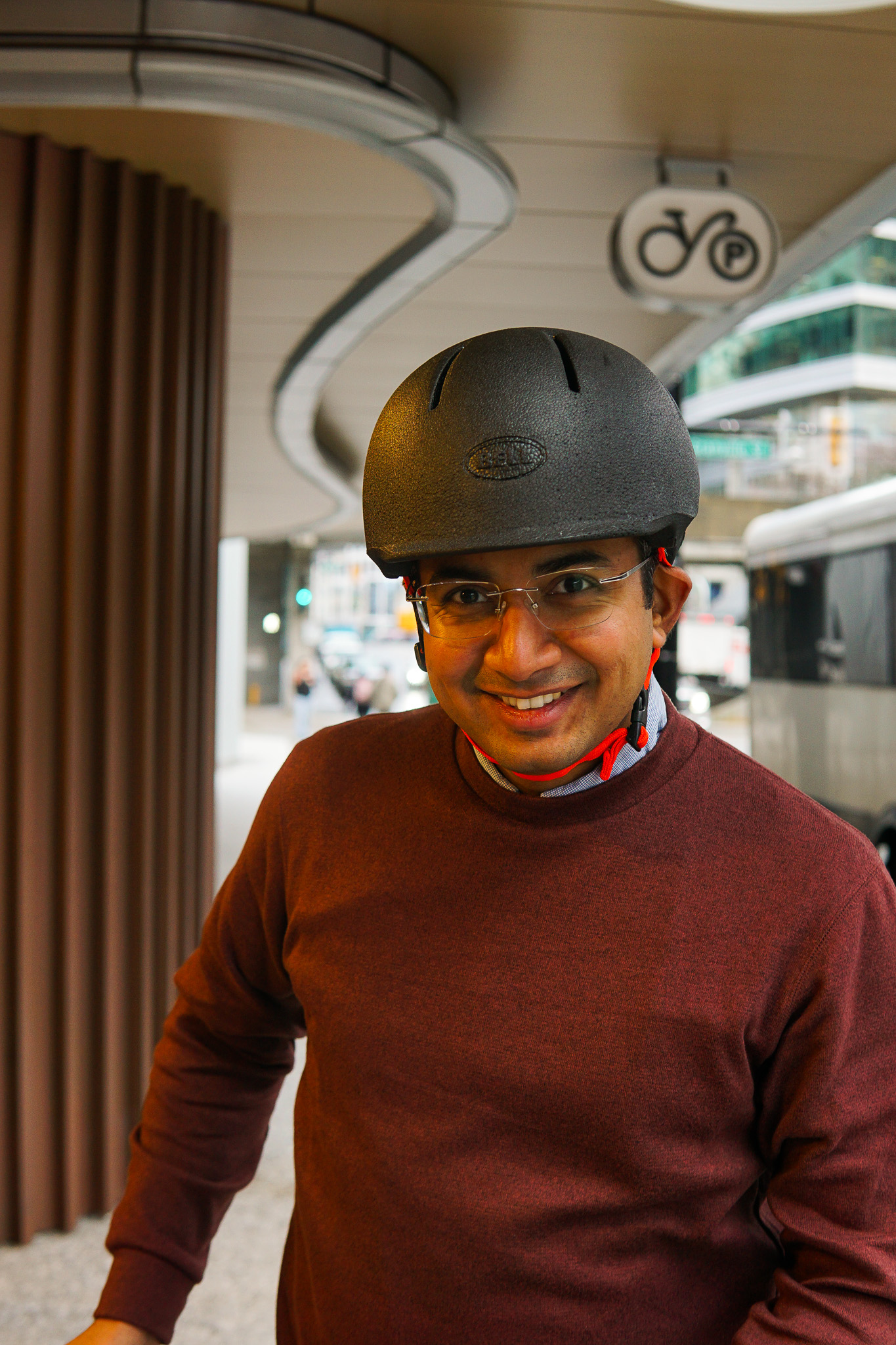
Venkatesh Gopal, Vancouver, British Columbia (2nd Prize Winner: How We Get Around)

When Venkatesh Gopal moved to Canada in 2019 as a new immigrant, he didn’t immediately convert his driver’s licence. Instead, he opted to forgo driving as a way to save money – and the decision became a lasting lifestyle shift.

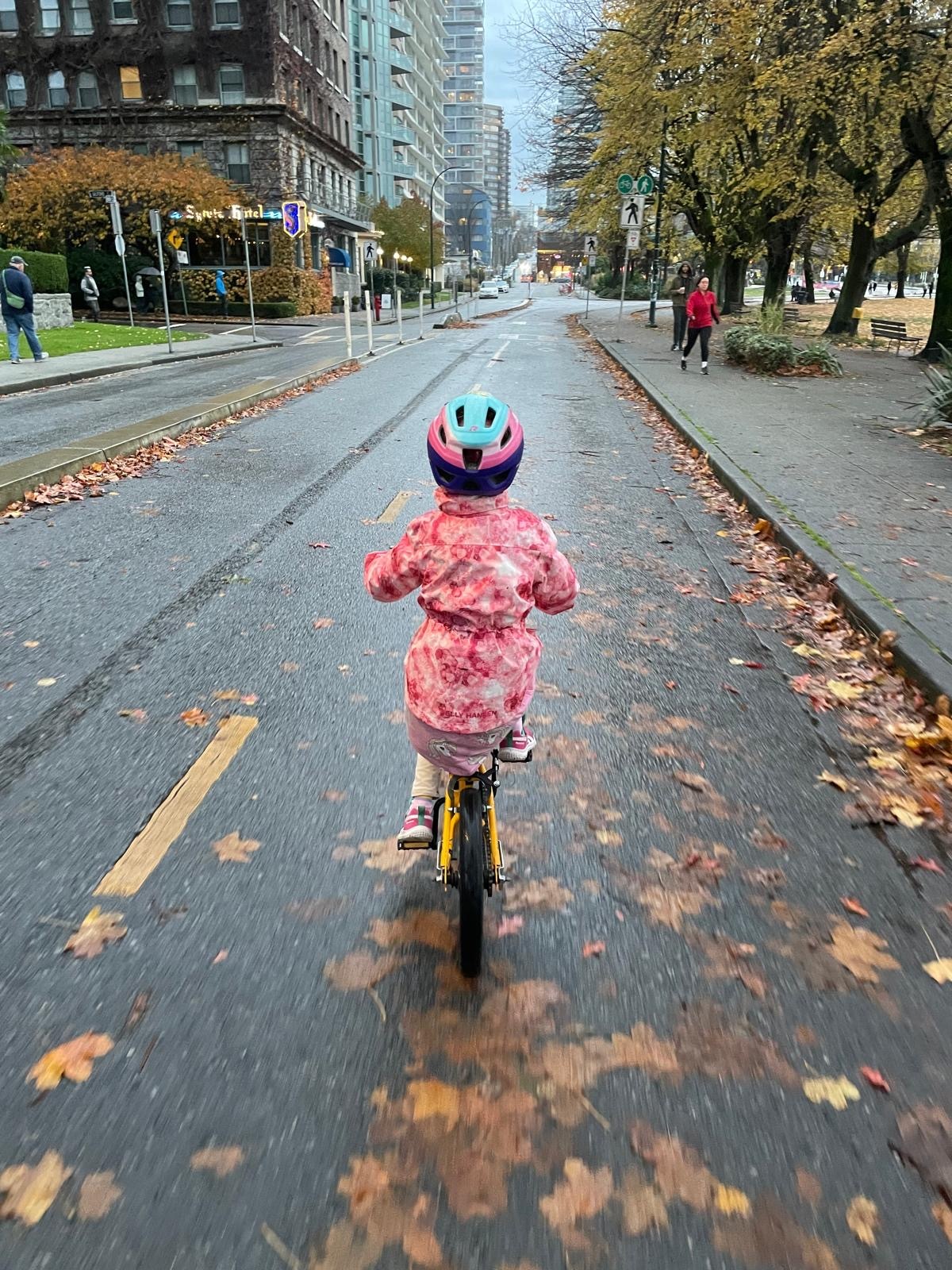
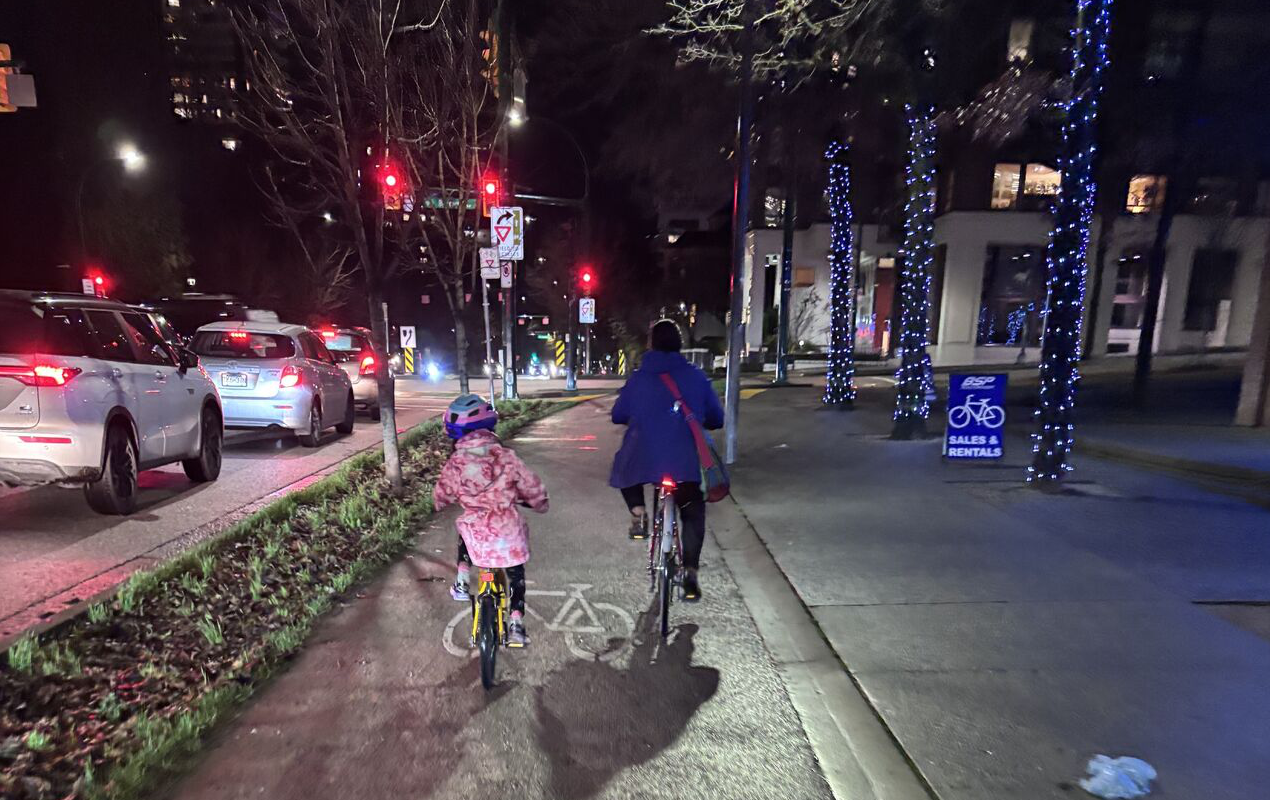
Ventakesh lives in Vancouver’s downtown core with his wife and two children and has been car-free for six years and counting. Their default mode of transportation is cycling, supported by carsharing, transit and a dense, well-connected urban environment. By choosing to live close to work, school and services, and by relying on Modo, Evo and TransLink when needed, his family shows how a car-free lifestyle can work even with young children.

Venkatesh won 2nd Prize in the “How We Get Around” category of the 2025 Live Net Zero Household Challenge for demonstrating how multimodal living can become not just possible, but normal. His story highlights the powerful influence of urban design, social networks and shared mobility systems.

When first arriving in Vancouver, Ventakesh remembers seeing the extensive public transit networks and the common use of carsharing and bikesharing, which suggested to him that taking public transportation and using active transport were the local norm. Equally important was community. Many of the friends and colleagues he met through sustainable transportation networks were avid cyclists, so he figured he should go for it as well.

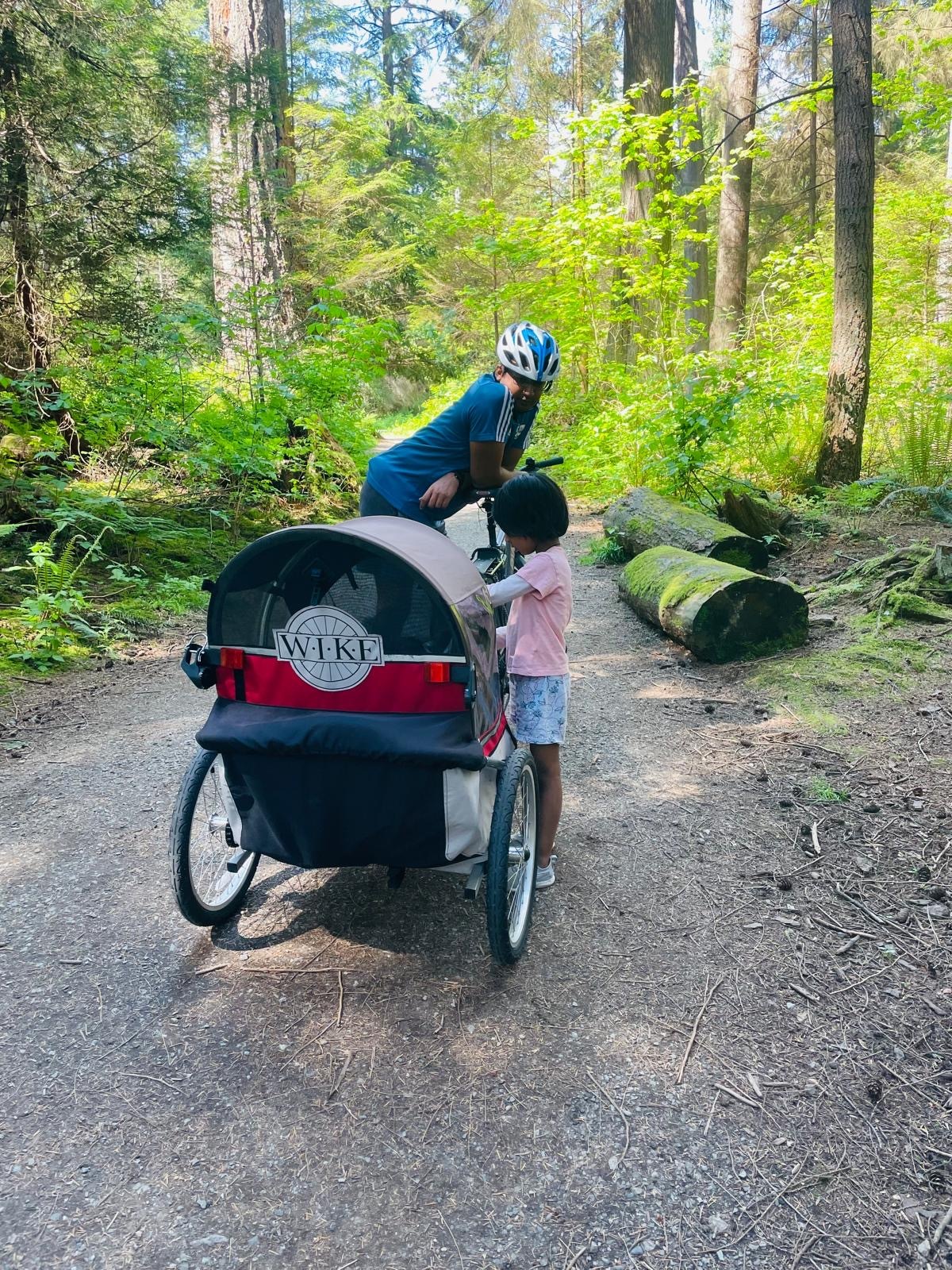
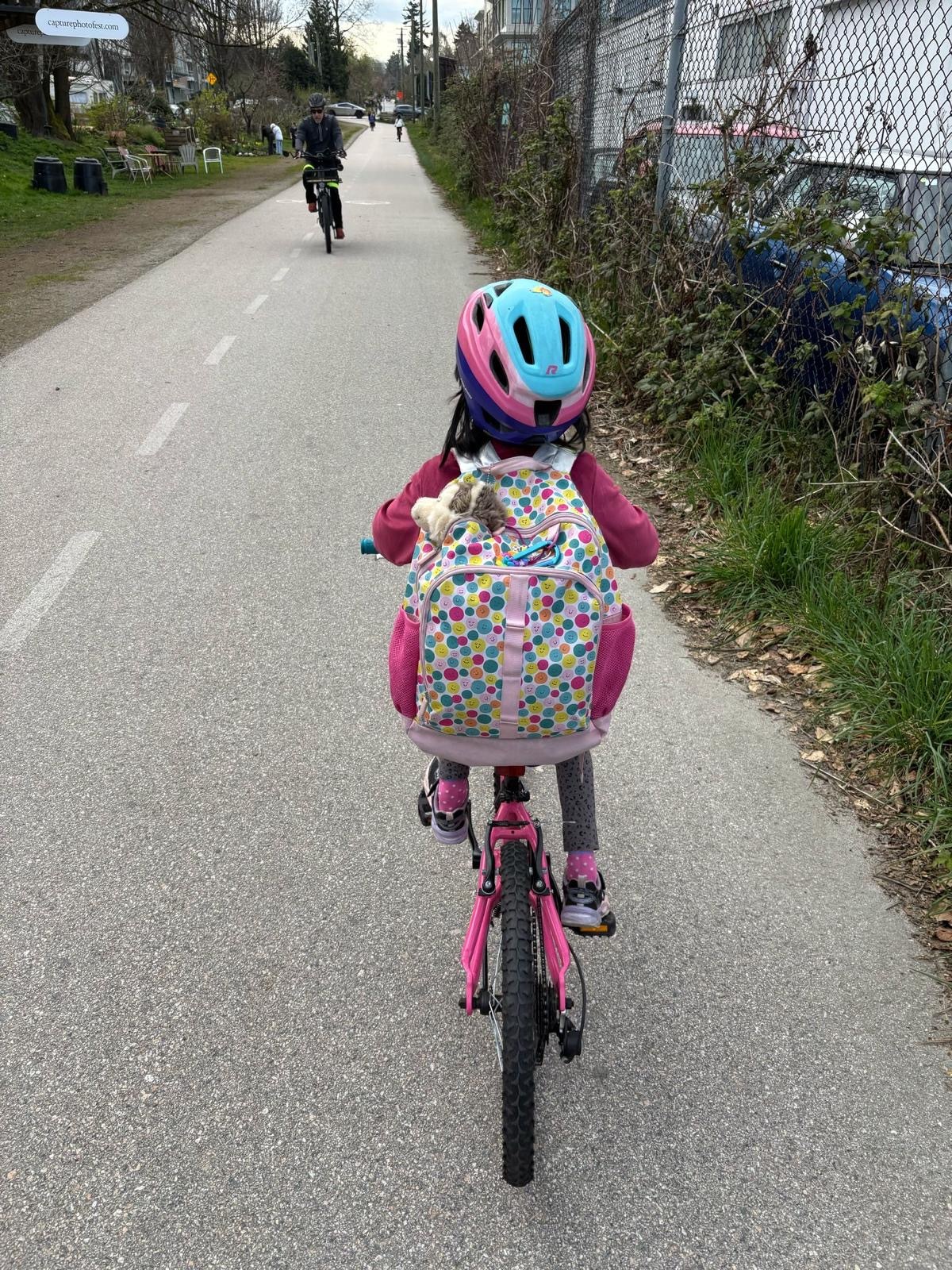
Cycling is now the Gopal family’s default mode. They rely on bikes, including a trailer arrangement for their child, for everything from preschool runs to medical appointments and family outings to Stanley Park, North Vancouver and Burnaby. Thousands of miles later, cycling is deeply ingrained in their routines.

For Venkatesh, participation is about contributing to a positive feedback loop. When sustainable choices are visible, they begin to feel achievable. But having good cycling infrastructure and positive social norms also matters. And sometimes, the most powerful step in “getting around sustainably” is simply deciding not to buy the car in the first place.

Venkatesh’s story illustrates how economic considerations, supportive policy environments and inspiring peer networks can align to create durable change. In a city designed for multimodal living, his family shows that independence from the private car is not only possible, it can become second nature.


Venkatesh’s entry:

Reflections from Venkatesh

Below, Ventakesh shares why he entered, what motivated his decision and how sustainable living shows up in his daily life.

Why did you enter the Live Net Zero Household Challenge?

I’m a strong believer in behaviour change influences, especially the power of social norms and peer examples. Seeing what others do has played a big role in helping me adopt more sustainable choices in my own life. I wanted to share our story… to contribute to that same kind of positive influence, hopefully encouraging even a small shift for people in my network and across the Challenge community.

By participating [in the Challenge], I get to stay connected, learn from others, and discover ideas that may help me continue improving my family’s sustainability journey and contribute more meaningfully to our wider community.

What led your family to live car-free?

The first reason was moving to Canada. When we moved to Canada, my family’s default transportation mode drastically changed from single occupancy vehicle to multimodal, including public transport, shared bikes and shared cars.

Second, an inviting mobility ecosystem. Being visibly bombarded with a practical and convenient transit network, and the sheer common sight and popularity of carsharing and bikesharing within the city gave us the feeling that “’this must be how things are done here as a norm” and the motivation to use sustainable modes.

Thirdly, an inspirational social group. Almost everyone we grew close to (friends and work team) and got in touch with were avid cyclists. They passionately care about the planet and choose sustainable modes over driving or owning a personal vehicle. So we just went, “if they can do it, we should at least try!”

What other sustainable actions are part of your life?

I’m most active in the ‘How We Get Around’ area, as this directly relates to my line of work. But I am keen to learn more about ‘stuff’ – and enabling ways to repair, repurpose, etc.

Has sharing your story made a difference?

Yes, it has helped. Some local friends have reached out, asked about what we do, and even started adopting small changes themselves, like biking to school. It’s also made us more aware of our everyday choices at home and has led to a continuous, positive sharing of ideas within our community. Overall, participating in the Challenge helped reinforce some choices we’re already making and gave us a few new ideas to try.

Back to top