A Family’s Blueprint for Lower-Impact Holidays and Play

Live Net Zero Email Service

Natalie Foreman, Hanwell, New Brunswick (1st Prize Winner: How We Celebrate & Play)

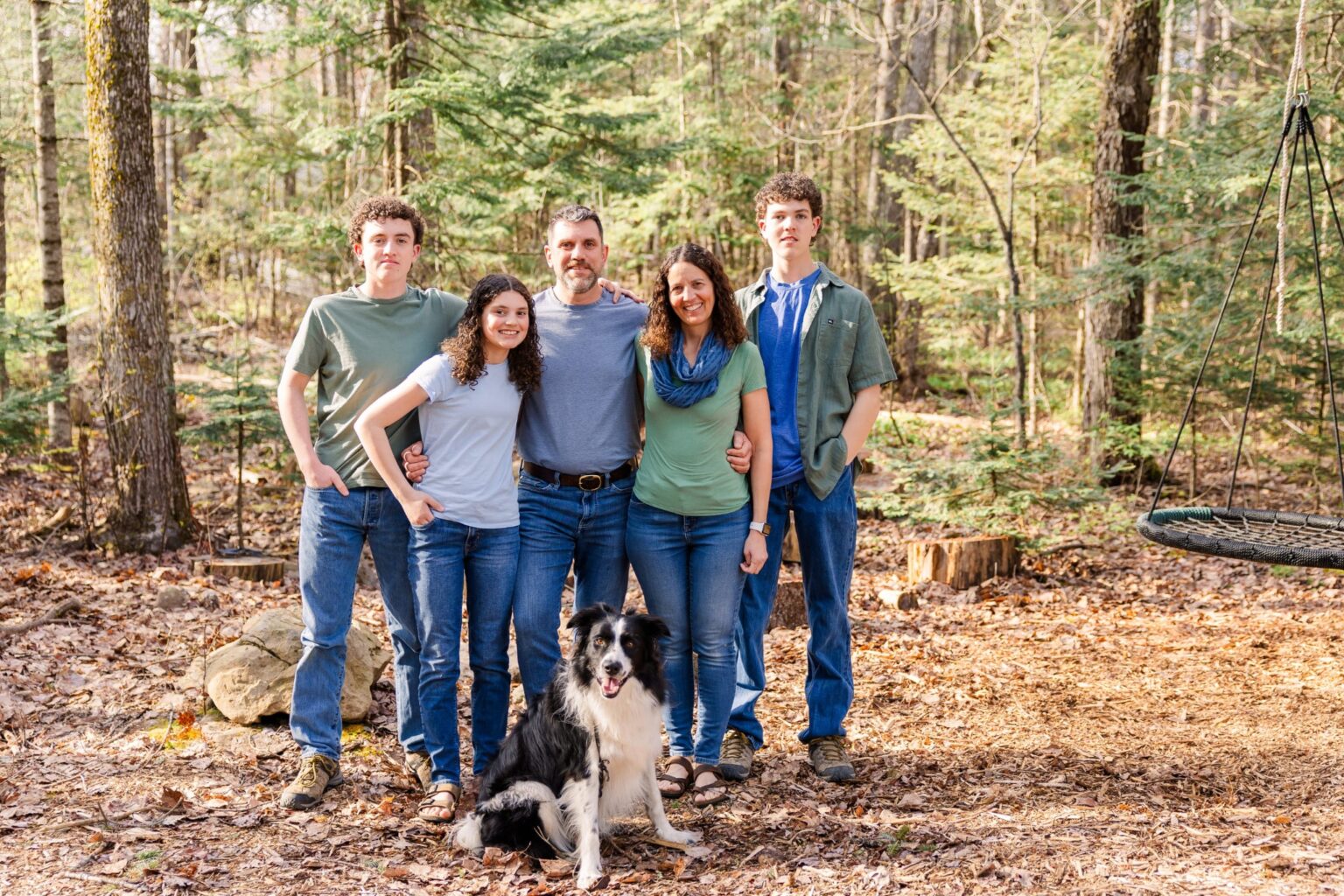
Natalie Foreman lives with her husband, three children, dog and 20 quails on a one-acre lot just outside Fredericton. She and her family approach sustainability as a whole-life practice, seeking to leave a lighter footprint in everything from their transportation and food practices to the ways they celebrate and recreate. 

Natalie won 1st Prize in the “How We Celebrate & Play” category of the 2025 Live Net Zero Household Challenge for her joyful reimagining of holidays and celebrations. The Foremans also submitted entries under the other three Challenge themes: Our Homes, How We Get Around, and Our Daily Lives: Food and Stuff. 

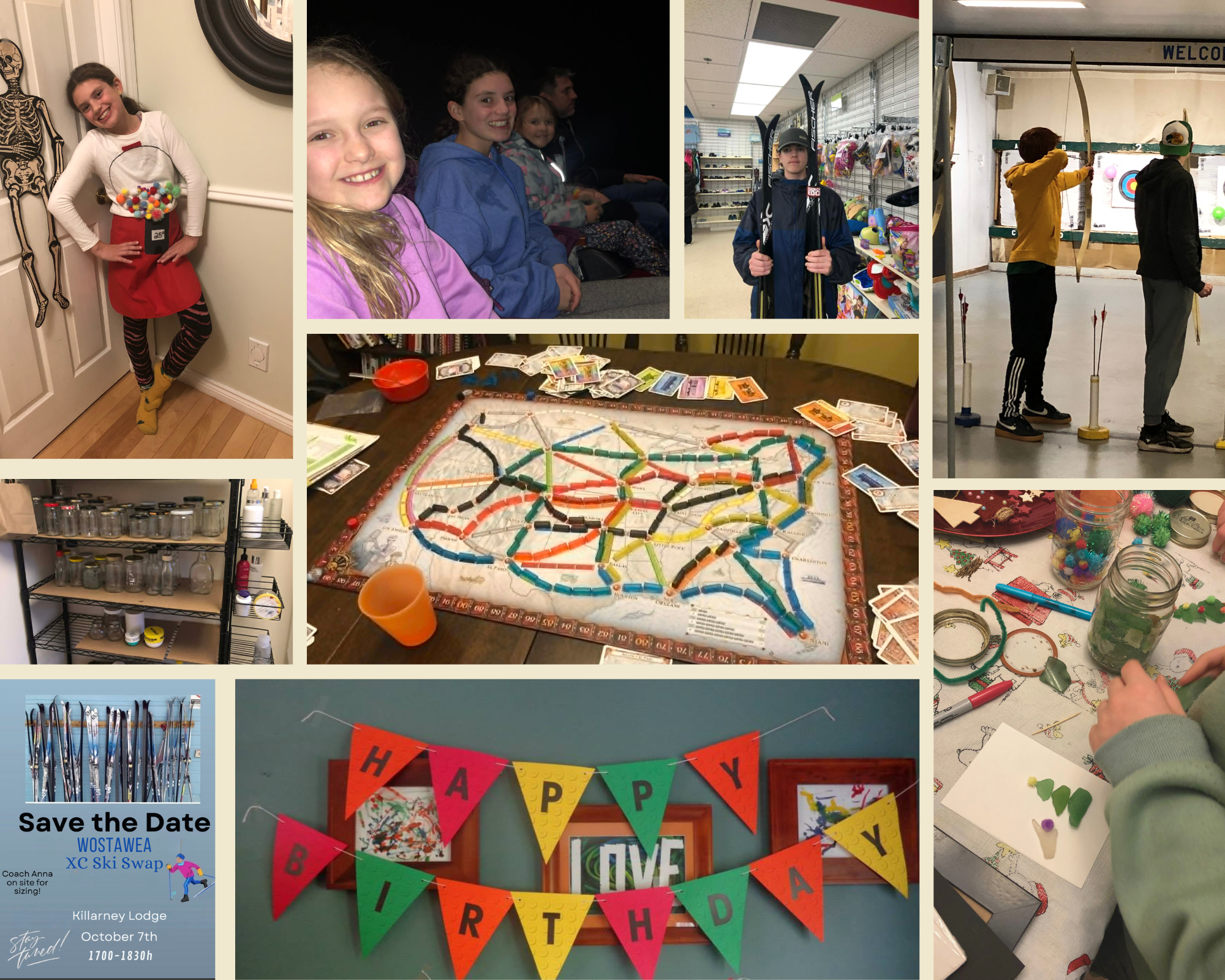
By embracing upcycled costumes for Halloween and “ornament infirmaries” at Christmas – and prioritizing thrifted ski gear and community ski swaps – Natalie’s family shows that celebration and play don’t require excess. They require creativity, planning and a willingness to rethink tradition.

In their home, the Foremans use the same decorations year after year, repair ornaments instead of replacing them, make homemade costumes from leftover fabric and repurposed materials, give “gifts in a jar,” use LED holiday lights and prioritize experience-based gifts over physical ones. They lean heavily on buy nothing groups, clothing swaps and thrift stores to reduce both cost and waste. Their celebrations are not smaller, but simply lighter.

Natalie emphasizes intergenerational learning. As part of the family fun, the kids help tap maple trees, build bee houses, edit family videos and plan future sustainable homes of their own. “Climate and sustainability action matters to us as a family, because the actions we take can help create positive change for our family, our community, our climate, and for the climate for generations to come.” 

Living in a region where warmer winters are already affecting cross-country skiing, the urgency feels personal. “We love to ski, and within the last few years have noticed a significant change in our climate. These changes have impacted our children’s generation, and have heightened all of our views of the need for immediate climate action.”

The Foremans’ entries across the other Household Challenge themes reveal the depth of their commitment to living more sustainably: 

  • In “Our Homes,” they undertook major retrofits, cutting their home energy use from 86 to 40 gigajoules and installing solar panels. 
  • In “How We Get Around,” they reduced commuting by carpooling, bundling trips and advocating for better transit and bike infrastructure in the semi-rural community they moved to from Toronto.
  • In “Our Daily Lives: Food and Stuff,” they garden, tap maple trees, dehydrate produce, save seeds, host clothing swaps and even built a quail coop using reclaimed materials. 

Natalie is motivated by the desire to inspire others and create wider change. She explains: “The first level of climate action (Energy Efficiency Pyramid) is reducing the demand for energy! By many [people] taking easy (and free!) sustainable actions (grabbing an extra blanket or sweater, turning the lights off, and shortening the length of showers), we can collectively shift our energy usage.”

For her, storytelling is part of climate action, and sharing ideas sparks replication. “When we shift our behaviours, this then leads to further action. Simplifying the steps to HOW to live more sustainably may encourage more people to participate,” she says.

Natalie has participated in Community Energy Plan workshops and continues to advocate for net zero policies locally. “I have enjoyed talking at the municipal level to advocate for further climate action, right here in our community!” She believes behaviour change, when multiplied, drives systems change. “Regular people making simple, easy changes… for their own benefit… that ultimately help mitigate climate change.”

Natalie’s story shows that celebration, among other action areas, can be a powerful entry point into sustainability. By choosing reuse over excess, experience over objects, and community over convenience, her family demonstrates that joy and climate action can go hand in hand, while also spurring collective action.

See Natalie’s How We Celebrate & Play posts on Facebook: Post 1 and Post 2.


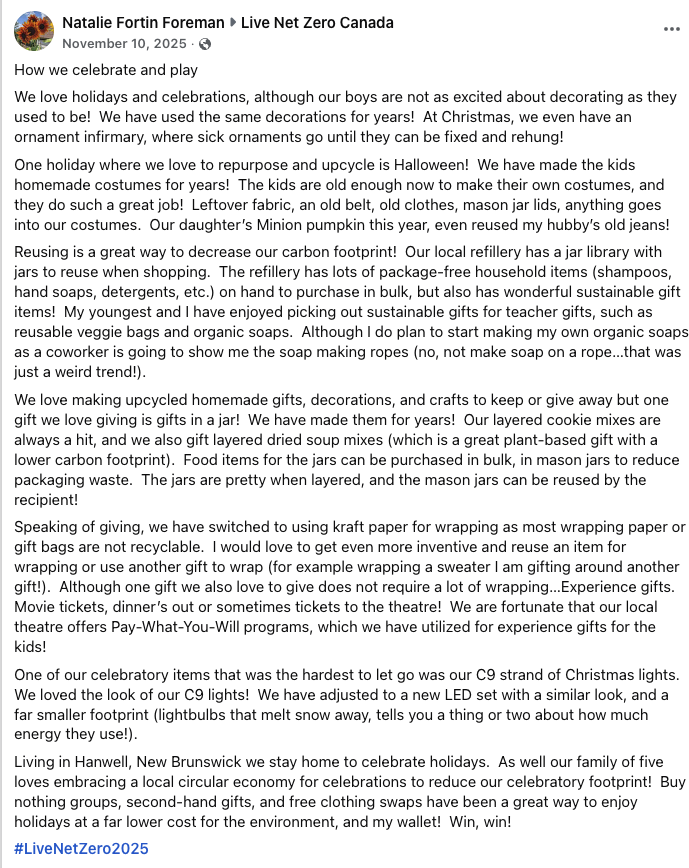
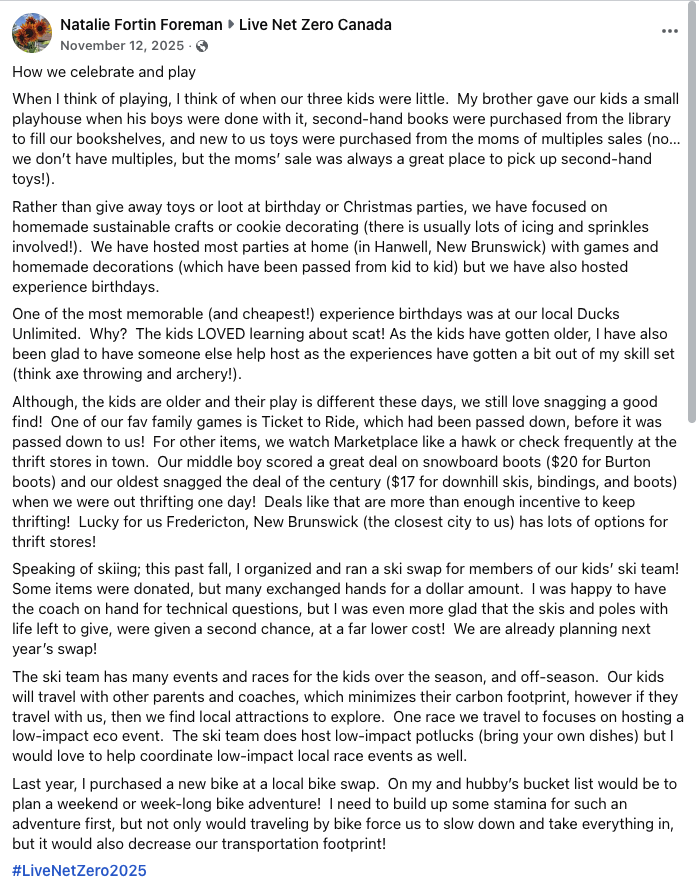
Natalie’s entry:

Reflections from Natalie:

Below, Natalie shares why she entered, what motivated her decision and how sustainable living shows up in her daily life.

Why did you enter the Live Net Zero Household Challenge?

I enjoyed that the Household Challenge was broken into challenge themes, which offered the flexibility of entering one or all of the themes. The ease of entry (a social media post or email entry) also encouraged us to enter! Sharing about our sustainable actions was another incentive to enter, as we hope to inspire others to take climate action as well. 

What motivates your approach to celebrating differently?

Concern for the environment, long-term financial planning (i.e., cost savings in the long run), setting an example for our kids, as well as showing others that living more sustainably is achievable.

What other sustainable actions are part of your life?

As a semi-rural family, we face transportation barriers (lack of transit in our community, lack of connecting transit or trail access) but do take action – by planning travel, carpooling, taking transit part of the way (for example, our middle boy has started taking the bus to my work, where I can then drive him to his ski practice which is nearby). 

We would love an electric vehicle (EV); however, as a family of five, we need an EV that meets our needs and fits our budget! Recent loss of federal AND provincial incentives for purchasing an EV have hindered our ability to afford an EV at this time, but we are still planning for the future. 

Prior to the Challenge, we had undertaken significant retrofits to our home, which drastically reduced our energy usage. The lack of federal grants/incentives and current loan payments have hindered our ability to take on more major retrofits for the time being (although they are on the docket!).

How has sharing your story made a difference?

Creating our four entries (in each category) sparked new ideas (I would love to host a repair cafe), as well as solidified sustainable habits that we continue to build on (I hosted my first ski swap this fall!). Creating the entries offered us the opportunity to learn about further climate actions we could take and was a great reminder for us that we are on the right track. As well, entering [the Challenge] opened further conversations and actions with our kids, friends and coworkers. Taking the Footprint Quiz was great to have some additional tips on areas of opportunity and actions to prioritize.  
Back to top