People & Culture
The biggest year in Canadian birds
A tale of joy and persistence: Logging Bruce Di Labio’s birding “big years” almost 50 years apart
- 4123 words
- 17 minutes
Travel
Travelling through prairie wetlands and boreal forests, RCGS Ambassador Myrna Pearman encounters endangered whooping cranes, flocks of sandhill cranes and an astonishing diversity of birdlife
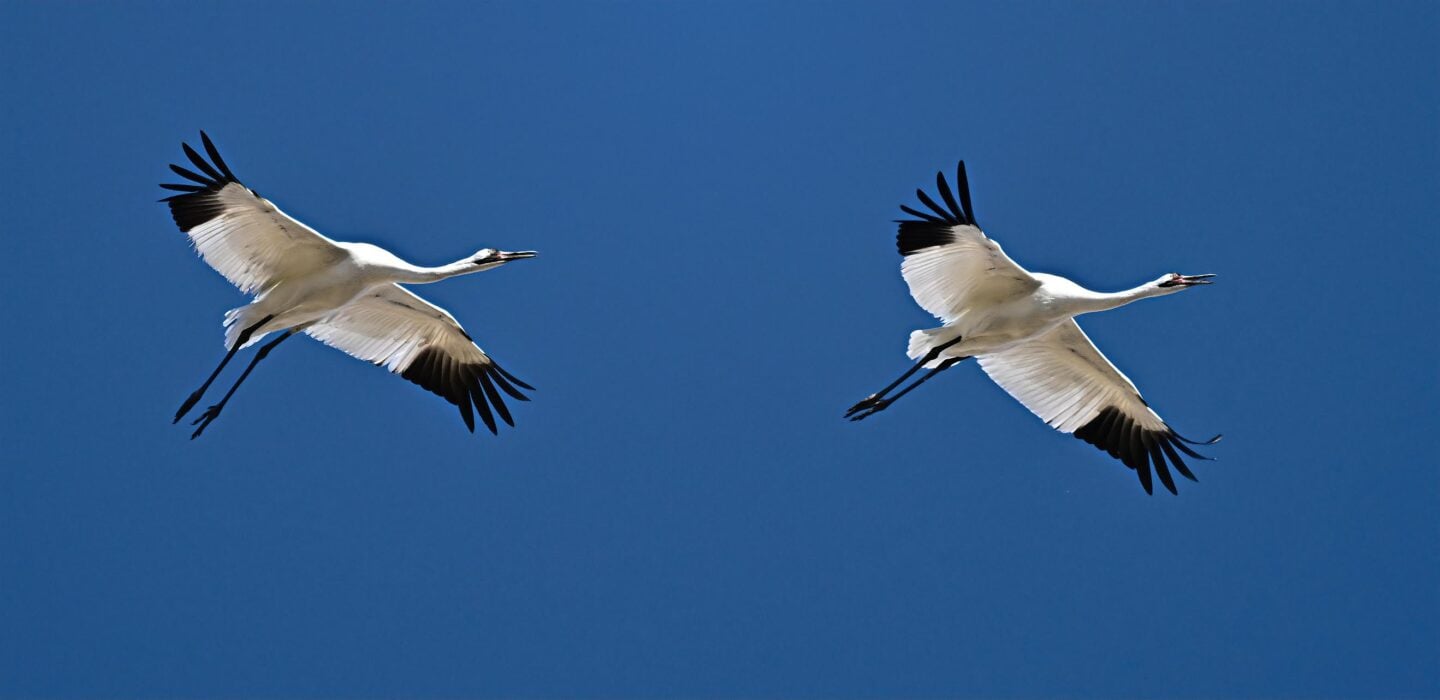
As a long-time nature writer and photographer, I have always found the story of the whooping crane to be a heartening one. Standing nearly five feet tall (1.5 metres) with a seven-foot (2.1 metre) wingspan, the species’ striking appearance and conservation comeback story have garnered them a reputation as one of North America’s most iconic birds.
By the 1940s, overhunting and habitat loss had reduced whooping crane numbers to about 20 individuals. Intensive conservation efforts, which began in the 1950s, have brought them back from the brink of extinction. Today, the world population numbers between 600 and 800.
One of the best opportunities to witness this conservation success story firsthand can be found in Saskatchewan during fall migration. North of Saskatoon, particularly around Blaine Lake and Marcelin, whooping cranes, along with huge numbers of ducks, geese, and cranes, descend upon the landscape to take advantage of freshly harvested crops, numerous wetlands, and a sparse human population to rest and refuel before continuing their journey south.
Along with Alberta and Manitoba, Saskatchewan lies along the Central Flyway, one of the largest bird migration routes on Earth. It is one of four broad North American corridors — the others being the Pacific, Mississippi, and Atlantic — that birds follow annually between their breeding and wintering grounds.
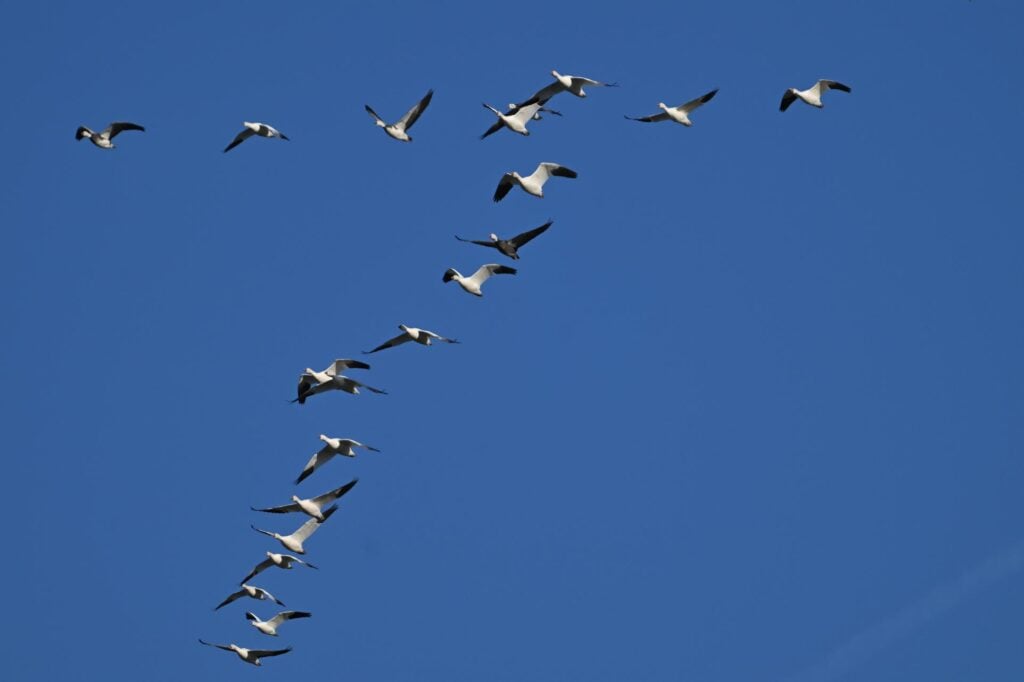
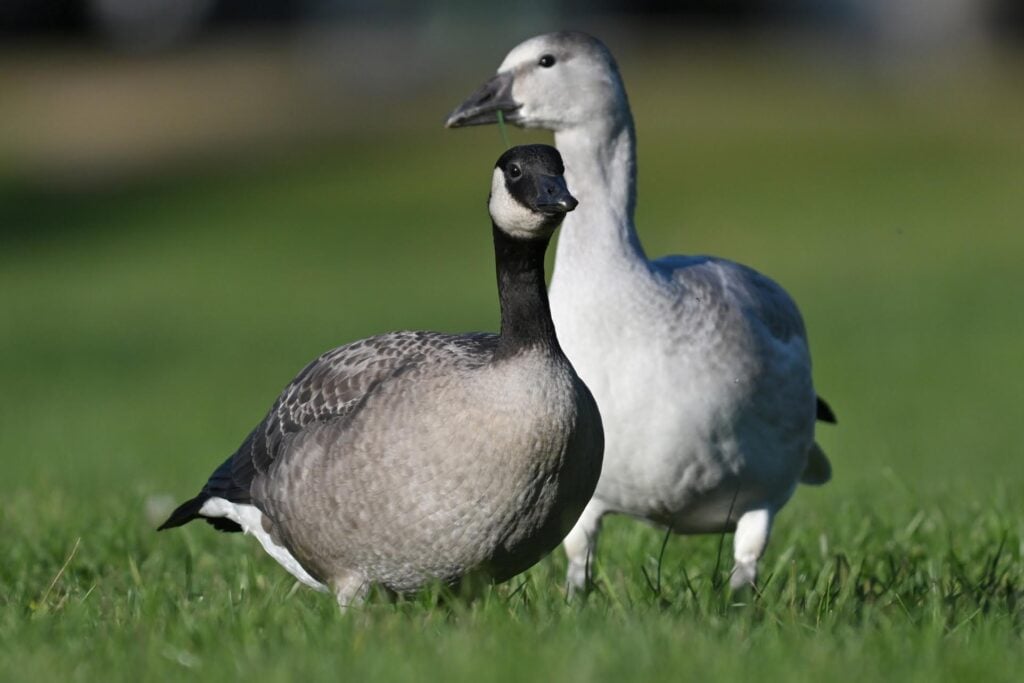
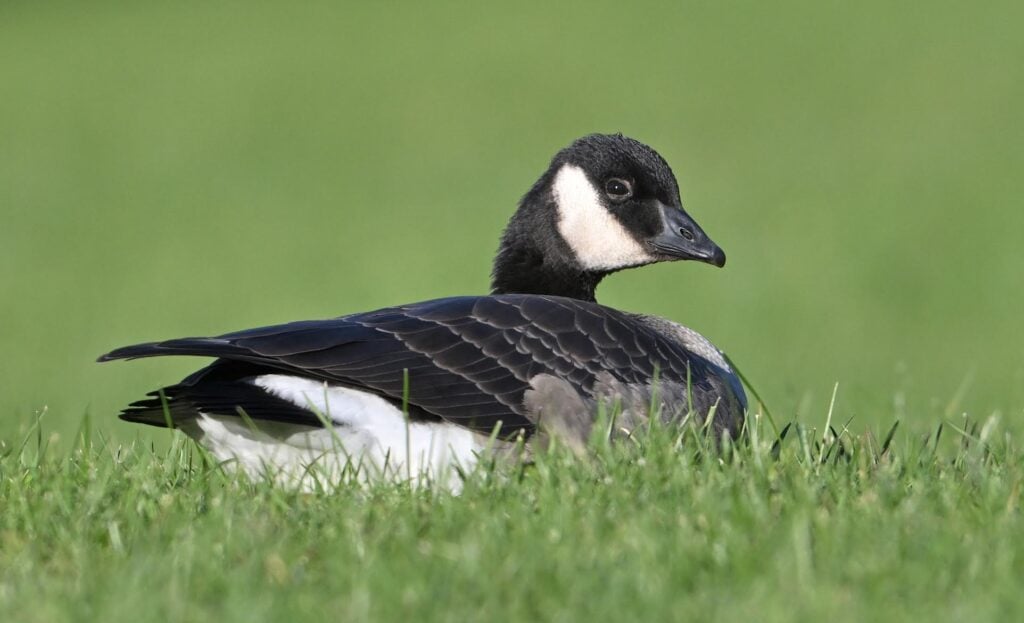
While it is almost surreal to see thousands of sandhill cranes and various species of ducks mingling with hundreds of thousands of Canada geese, cackling geese, snow geese, Ross’s geese and greater white-fronted geese, the rare whooping cranes are the main attraction. Each fall, birdwatchers from around the world, including those travelling with Eagle-Eye Tours, explore the backroads crisscrossing this ancestral stopover area, hoping to catch a glimpse of North America’s tallest bird.
Having made several previous pilgrimages to observe these whooping cranes, I was eager to return. This past October, I had the privilege of joining Eagle-Eye Tours’ Saskatchewan Whooping Cranes tour with Canadian Geographic Adventures as a Royal Canadian Geographical Society Ambassador. During the trip, I gave a short presentation about the Royal Canadian Geographical Society and shared highlights from my career as a bird biologist as well as some of my nature photography and stories. I also shared information about forest and bog ecology with the group.
All but two participants on this adventure — a couple from North Carolina — were Canadian, and everyone signed up hoping to see whooping cranes. Saskatchewan delivered!
Some of our most rewarding sightings were adult whoopers accompanied by one or two cinnamon-coloured colts. Staying close to their parents, these young birds were preparing for their first migration: an epic journey of approximately 4,000 kilometres (2,500 miles) from Wood Buffalo National Park to the Texas coast. Exactly how long individual cranes linger in this part of Saskatchewan remains uncertain, although they are thought to spend up to six weeks resting before continuing southward.
While the whooping crane’s skittish nature and the ever-present heat waves made photography challenging, seeing these iconic birds was amazing. One evening, we observed a group of more than 150. On another occasion, on a sunny afternoon, a group of five vocal individuals kettled overhead. Their iconic bugling call and shimmering white bodies set against a bright blue sky made for a memorable encounter.
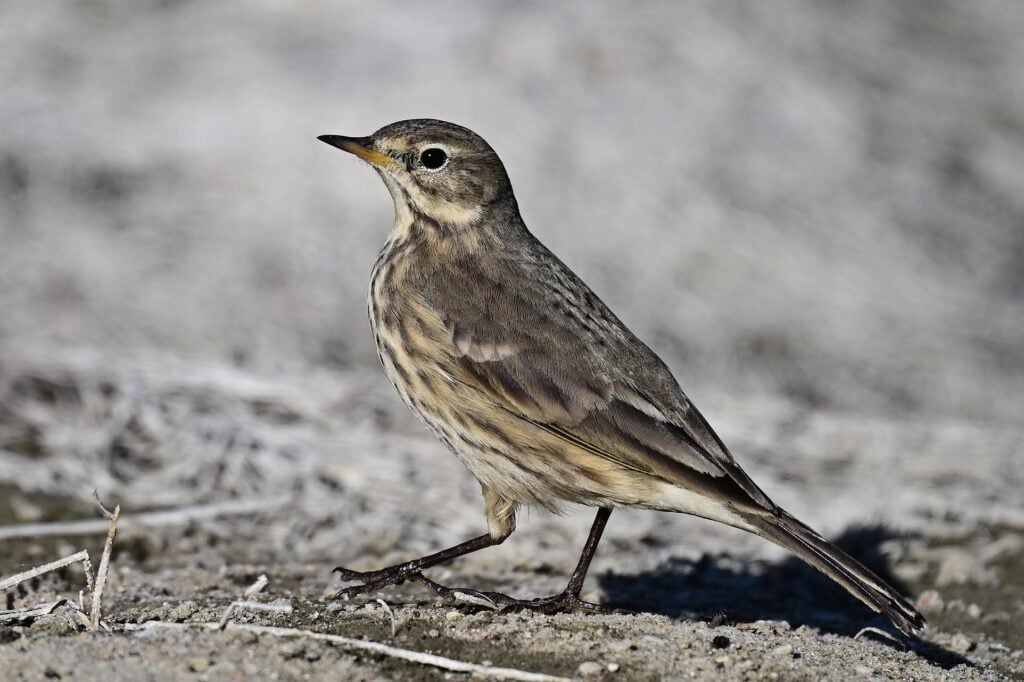
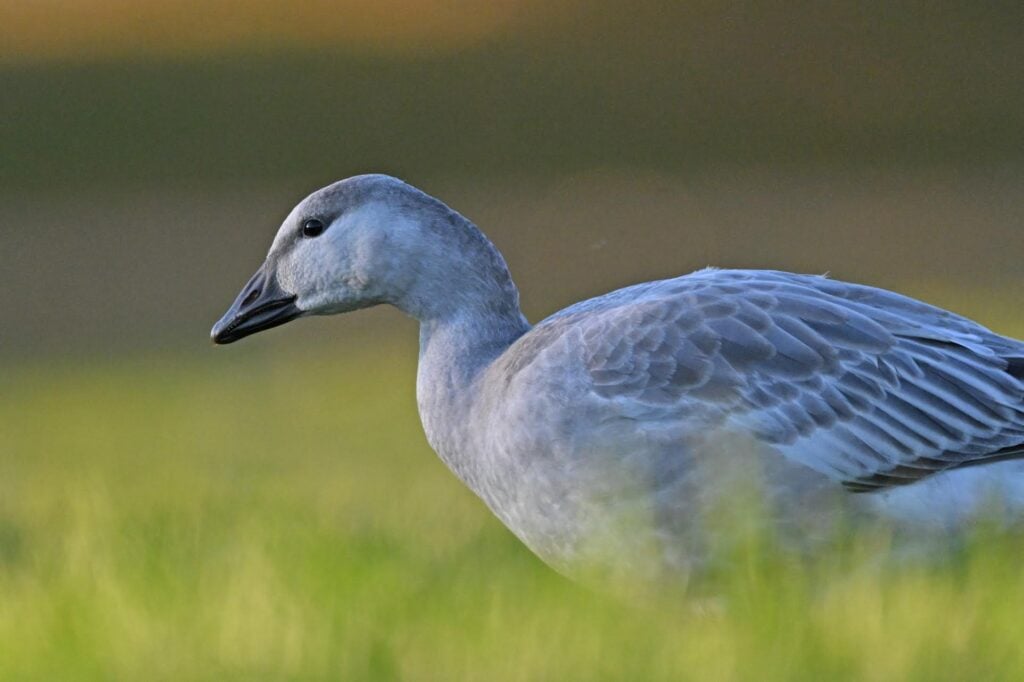
While the whooping cranes were the highlight of the trip, and the migrating cranes and geese tied for second spot, there was much more to see along the prairie backroads. Recent rains had replenished the wetlands, where tundra swans gathered among numerous duck species. In the ditches and fields, migrating Lapland longspurs, American pipits and several species of sparrows added smaller discoveries to the grand spectacle.
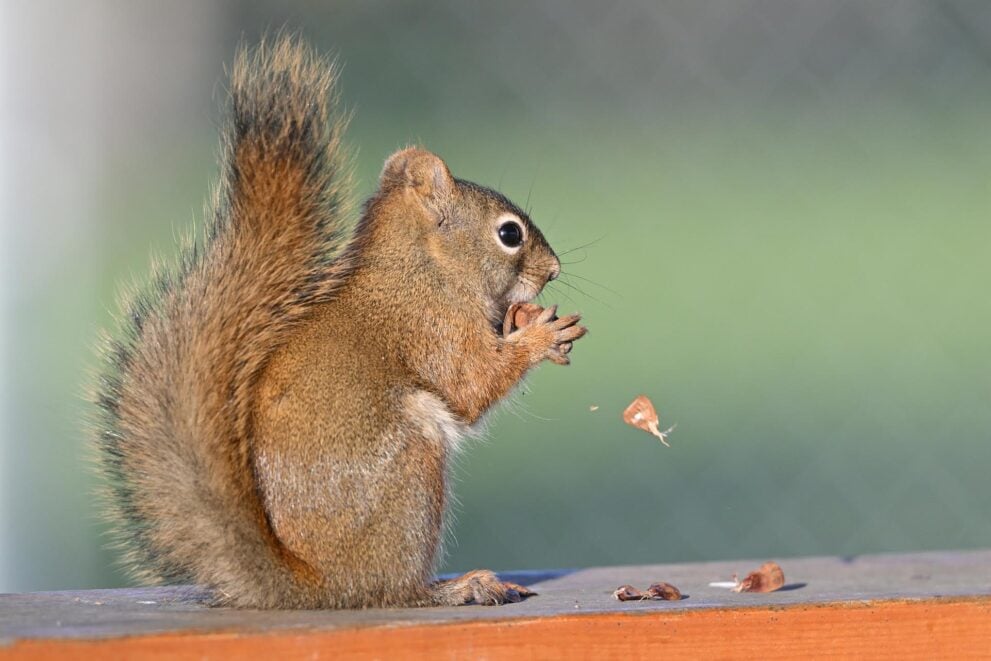
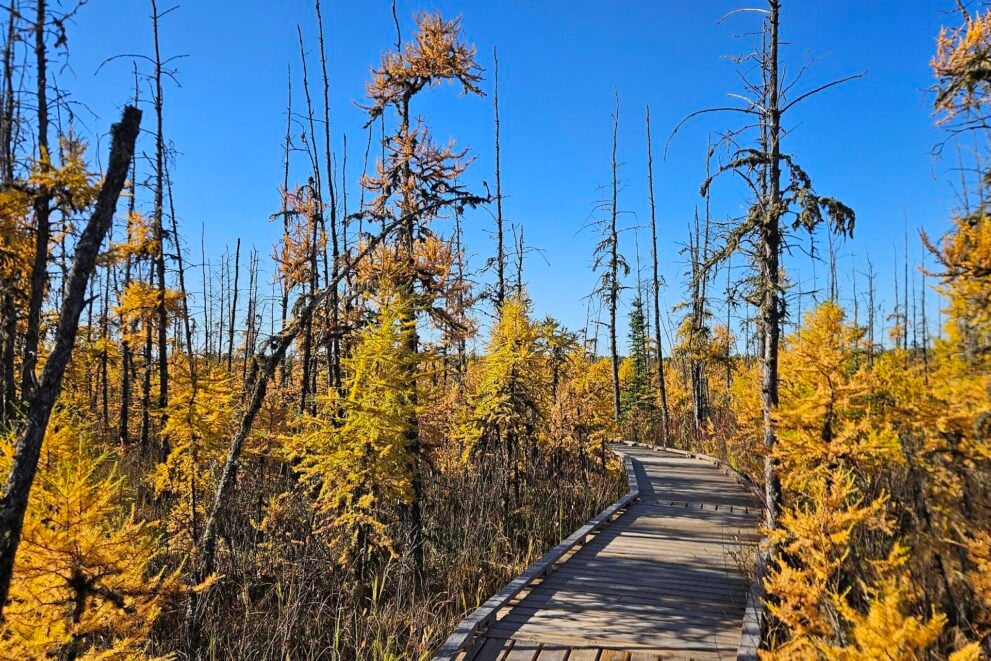
After exploring the prairie wetlands, the second part of our trip took us north to the edge of the boreal forest in Prince Albert National Park. The aspen poplars and larches were at peak colour — the brilliant yellows contrasting with clear blue skies and crystal-clear lakes. Among the mammals we encountered were elk, red foxes and the ever-abundant red squirrels.
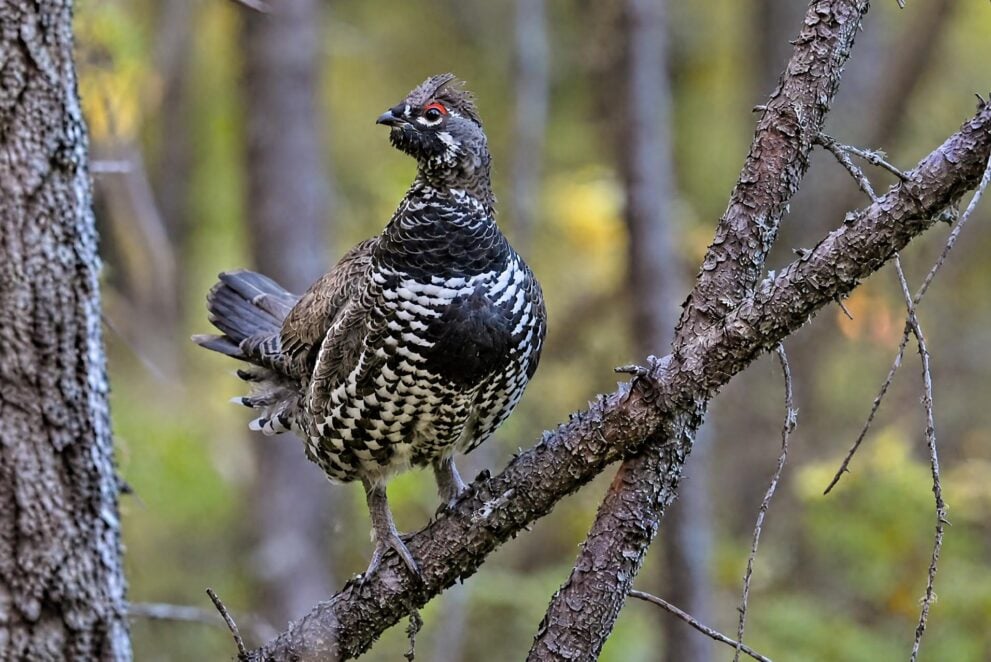
The change in landscape also brought new birdwatching opportunities. Despite the late-fall season, the boreal forest rewarded us with several bird species, including many lifers for fellow participants. Roadside stops and a hike on the newly opened Boundary Bog Trail yielded boreal classics such as American three-toed woodpeckers, Canada jays, boreal chickadees, and ruffed grouse. The most unexpected and memorable encounter came when four spruce grouse padded softly through the forest, pausing long enough and close enough for us to fully appreciate their subdued beauty and to capture some outstanding images and video.
After our time in the boreal forest, our final day brought us back to the wetlands around Saskatoon. Alongside ducks, geese and sandhill cranes, we spotted more shorebirds and songbirds, and a rare Sabine’s gull. That evening, tired but happy, we gathered for one last meal and traded favourite moments from the trip. We departed with new friendships and lasting memories.
People & Culture
A tale of joy and persistence: Logging Bruce Di Labio’s birding “big years” almost 50 years apart

Wildlife
No one knew golden eagles in the Yukon and Alaska migrated along the Rockies’ front ranges, until an avid birder noticed something strange
Travel
Spread your wings with birdwatching’s elite guard in south Texas

Wildlife
The ecologist, photographer, activist and birding guide discusses her fascination with birds, bringing people together and how birdwatching can help people deal with grief