History
Hogan’s Alley remembered
Hogan’s Alley, once the lively focal point for Vancouver’s black community, is long gone, but not forgotten
- 393 words
- 2 minutes
People & Culture
Hogan’s Alley, once the centre of Vancouver’s Black community, was erased due to urban renewal — now, Black Vancouverites are working to remember its past, and restore it for future generations

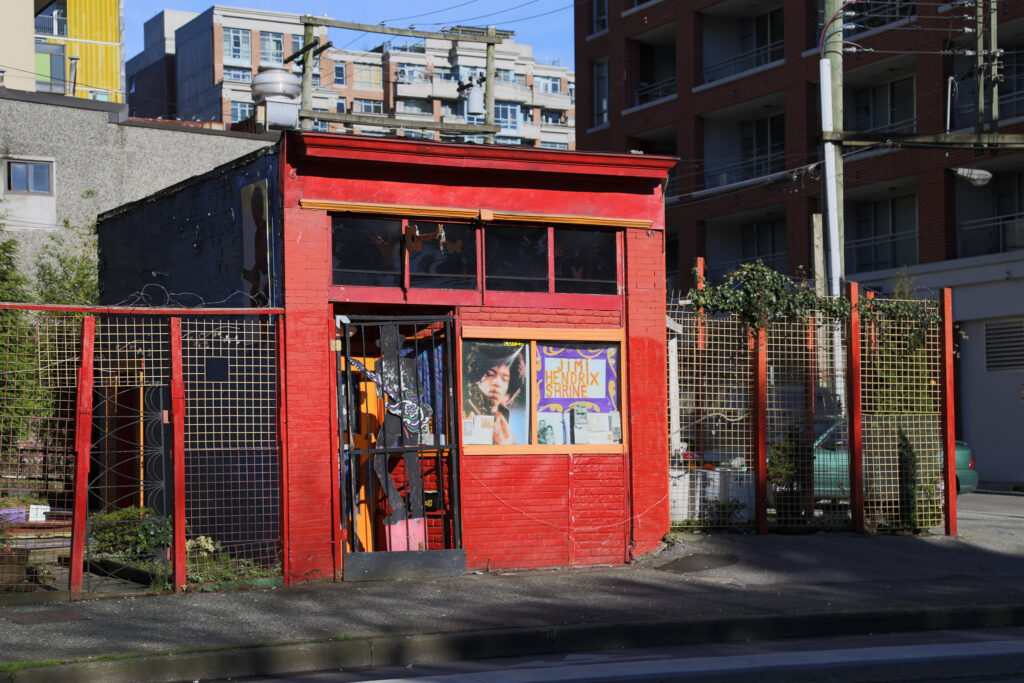
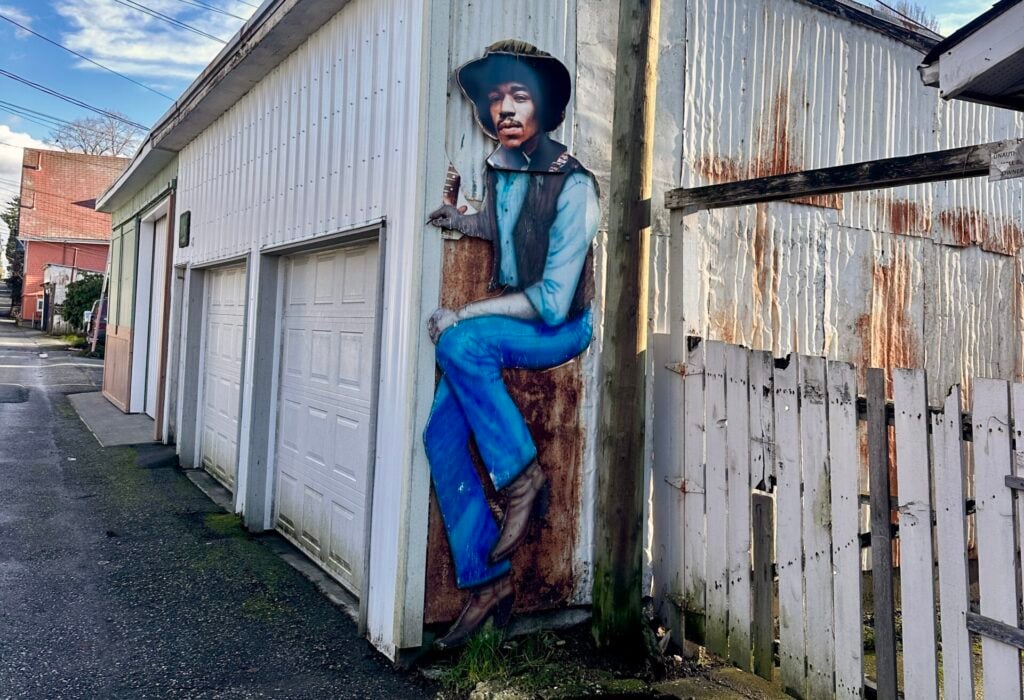
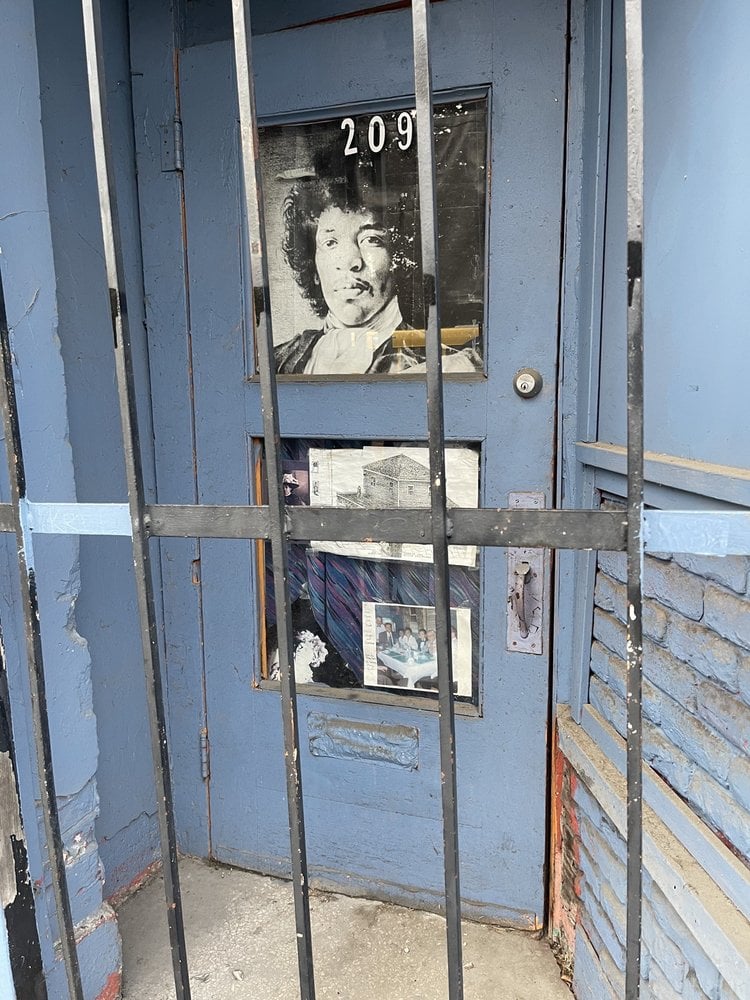
As a teenager in the 1990s, I remember eyeing a quirky red shack at the edge of Vancouver’s Chinatown, its walls plastered with cutouts of Jimi Hendrix, as I drove under the Georgia Viaduct into downtown. It was a shrine to the legendary guitarist, crammed with photos, memorabilia, records, and letters celebrating his life. At the time, I thought it was just a kitschy tribute created by a superfan. What I didn’t realize was that it carried a deeper meaning — a testament to Hendrix’s connection to Vancouver and to a neighbourhood that once thrived.
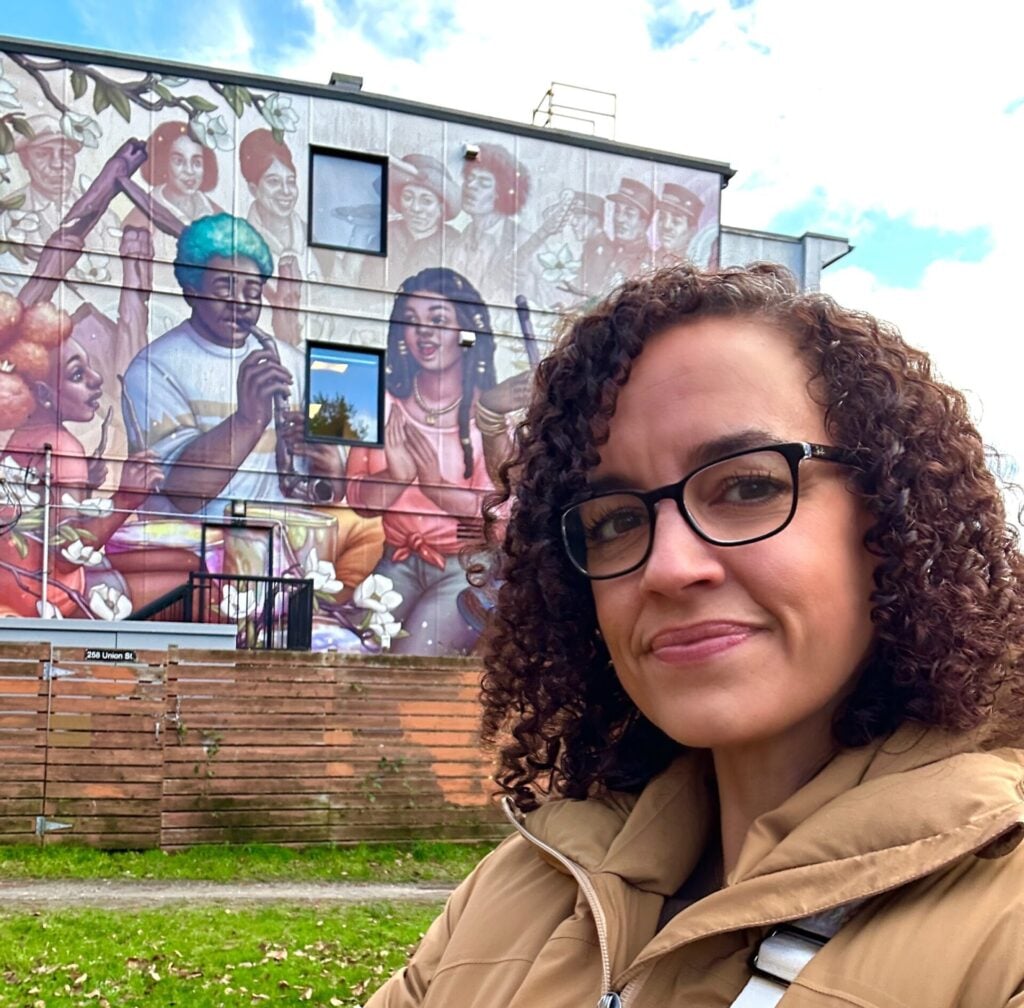
Born and raised in a predominantly white Vancouver neighbourhood as a mixed-race woman, I rarely saw people who looked like me and didn’t learn about my city’s Black history in school. Like many others, I assumed it simply didn’t exist. That changed when I joined a walking tour led by Aisha Ismail, Executive and Development Coordinator of Hogan’s Alley Society, where I discovered Vancouver’s Black roots — including the city’s connection to Hendrix, and why this history remains culturally significant today.
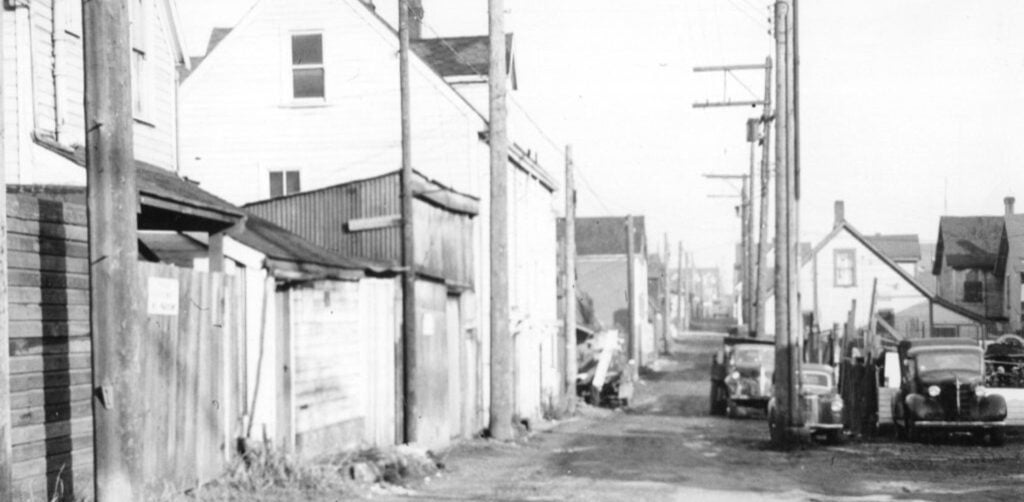
“There’s a notion that the Black community in Vancouver never existed, but that absence was designed,” Ismail tells me as we stroll down an unmarked street in Vancouver’s Strathcona neighbourhood, known as Hogan’s Alley. I had walked through this area before, but until now, I hadn’t known what once stood here: a bustling Black community with deep ties to the city’s beginnings–one that was forcibly uprooted by urban renewal.
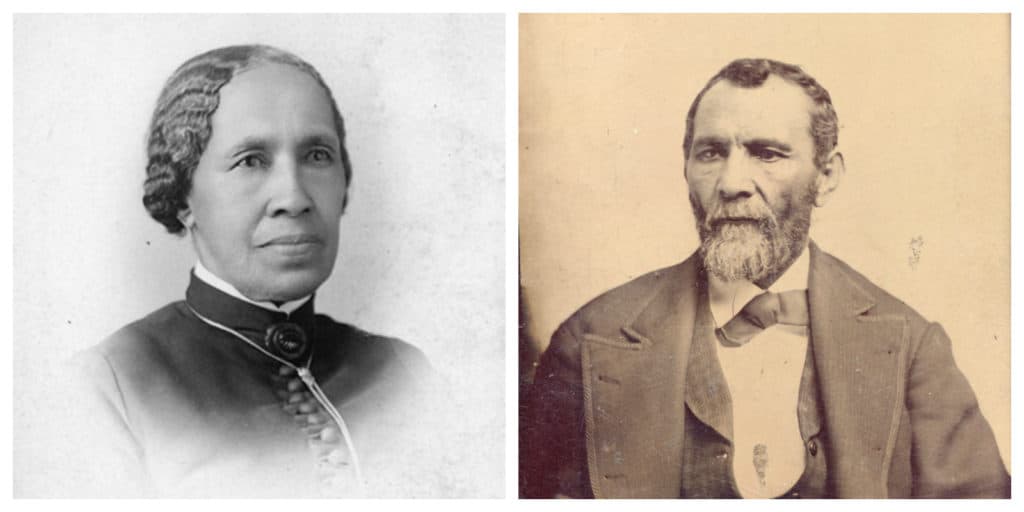
In 1858, James Douglas became B.C.’s first governor and is widely recognized as the founder of Fort Victoria, a fur trade post established by the Hudson’s Bay Company. Though I had learned about him in school through a colonial lens, I didn’t know he was of African-European descent (like me) or that he invited Black migrants in 1858 before Vancouver became a city in 1886.
According to the BC Black History Awareness Society, more than 800 Black migrants were encouraged by Douglas’s invitation to move from California to Vancouver Island in 1858. They were later known as the “Black pioneers.” Among them were Josephine and Philip Sullivan, who arrived from San Francisco and eventually settled in Granville (now Vancouver).
The Sullivan family helped lay the foundation for Hogan’s Alley by hosting church gatherings in their home and supporting the neighbourhood through a combined restaurant and general store at a time when opportunities for Black entrepreneurs were scarce.
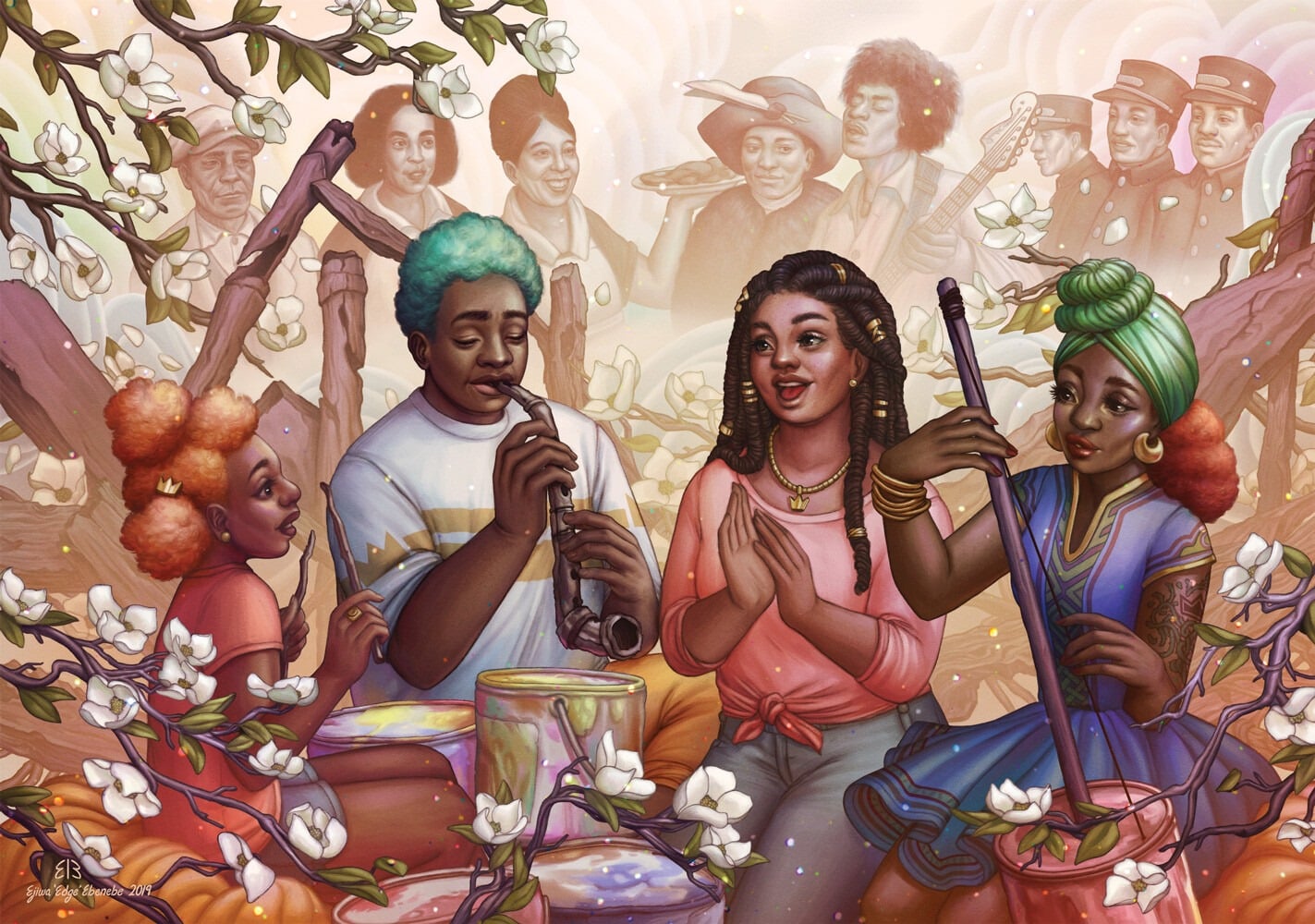
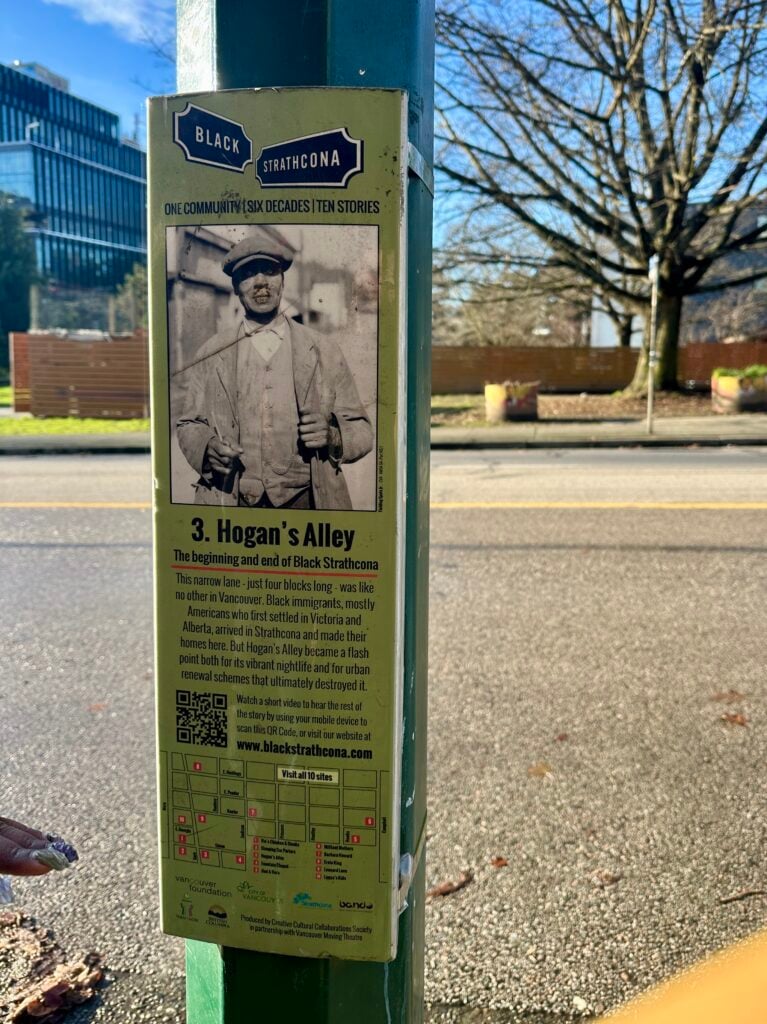
Standing at the entrance to the historic district, I take in a colourful mural titled Remember Hogan’s Alley, created by Nigerian-Canadian artist Ejiwa “Edge” Ebenebe in 2019. My gaze lingers on faces like Fielding William Spotts Jr., whose parents were among the Black pioneers. A cooper and business owner in Hogan’s Alley, he was active in church and community initiatives. In 2014, Hogan’s Alley was featured on a Canada Post stamp, which spotlighted Spotts Jr. alongside Nora Hendrix.
The mural also depicts a trio of sleeping car porters, a profession central to Vancouver’s early Black community. Strathcona, a neighbourhood in Vancouver’s east side, was sandwiched between two train stations: the Canadian National Railway Station and the Great Northern Railway Station. These rail lines were pivotal to the city’s growth. From the late 1800s to the mid-1960s, Black men were hired almost exclusively as train porters, working in gruelling conditions with little rest and no early union protection.
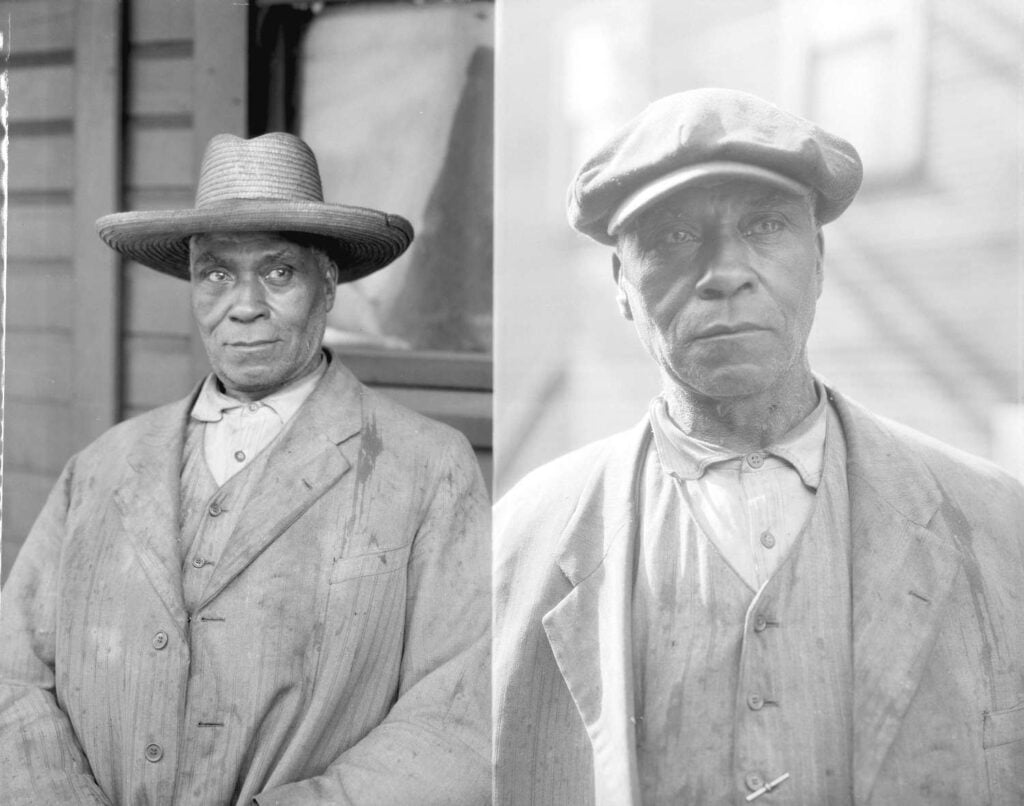
Stable wages helped make porter work a cornerstone of Hogan’s Alley. The Porters’ Club was one of the key gathering places, frequented by regulars like the Collins brothers — four siblings who worked together as car porters. The eldest, Frank, later led the Vancouver branch of the Brotherhood of Sleeping Car Porters, which challenged discriminatory labour practices under his authority.
As I listen to the meaning behind the mural and learn about the individuals who built the city’s Black community, the myth that Black Vancouver never existed feels impossible to believe. Through the stories shared, and putting faces to the names, makes the history feel real, and impossible to deny. In that moment, it becomes clear to me that Vancouver’s Black history isn’t just a footnote — it’s an important part of the city’s foundation.
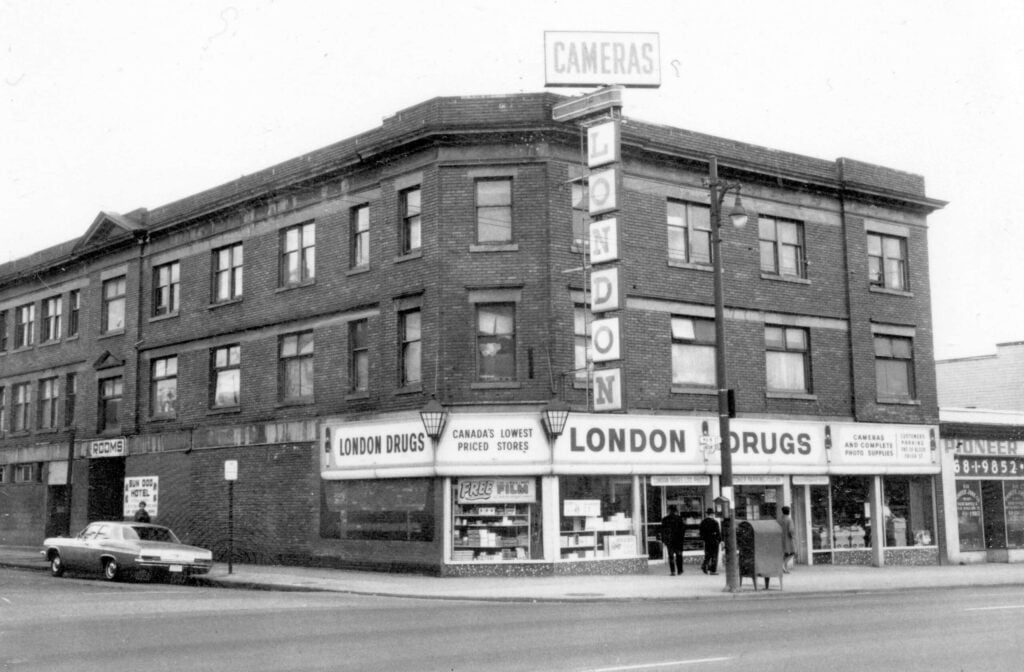
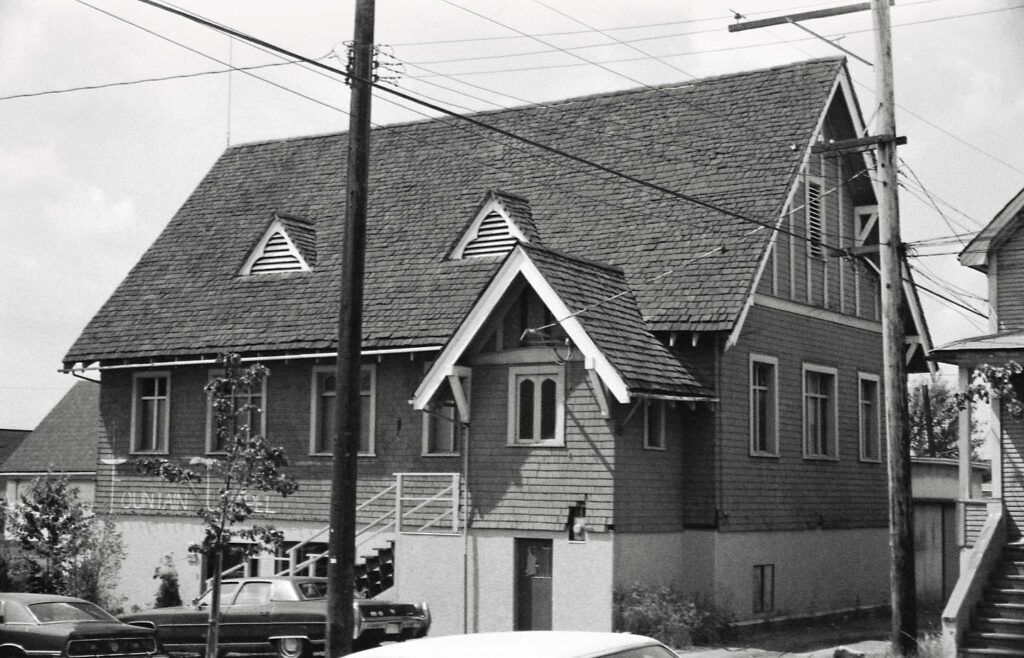
“We’re now standing on a street that was once pulsing with life: restaurants, music, laughter, and the aroma of southern-style cooking,” shares Ismail as we stand on Union Street, now physically overshadowed by the viaduct. Hogan’s Alley was the vibrant hub of Vancouver’s Black culture, commerce, and community.
As the neighbourhood grew, it drew musicians and performers passing through the city, including jazz legends Ella Fitzgerald, Duke Ellington, Louis Armstrong, and Sammy Davis Jr. It also welcomed a young Jimi Hendrix, who frequently visited his grandmother, Zenora “Nora” Rose Hendrix.
Hogan’s Alley was one of the few places where Black travellers could stay, perform, and feel safe at a time when most public spaces were not welcoming. Local businesses played a central role in that welcome. Vie’s Chicken & Steak House, a Black-owned, southern-style joint that often stayed open until 5 a.m., became a gathering place for musicians after late shows. Among those who worked there was Nora Hendrix.
Hogan’s Alley was also home to Fountain Chapel, the heart of the Black community for nearly 70 years — one of the places to meet anyone in Vancouver’s Black community. Nora Hendrix was a driving force behind the church’s creation, moving to Vancouver in 1911 and helping organize the much-needed church for Black residents. By 1918, the building was purchased for $1,000 down, half raised locally and matched with $500 from the African Methodist Episcopal Church, a U.S.-based anti-racism denomination. It remained active until 1985, when it was sold and later converted into a private residence.
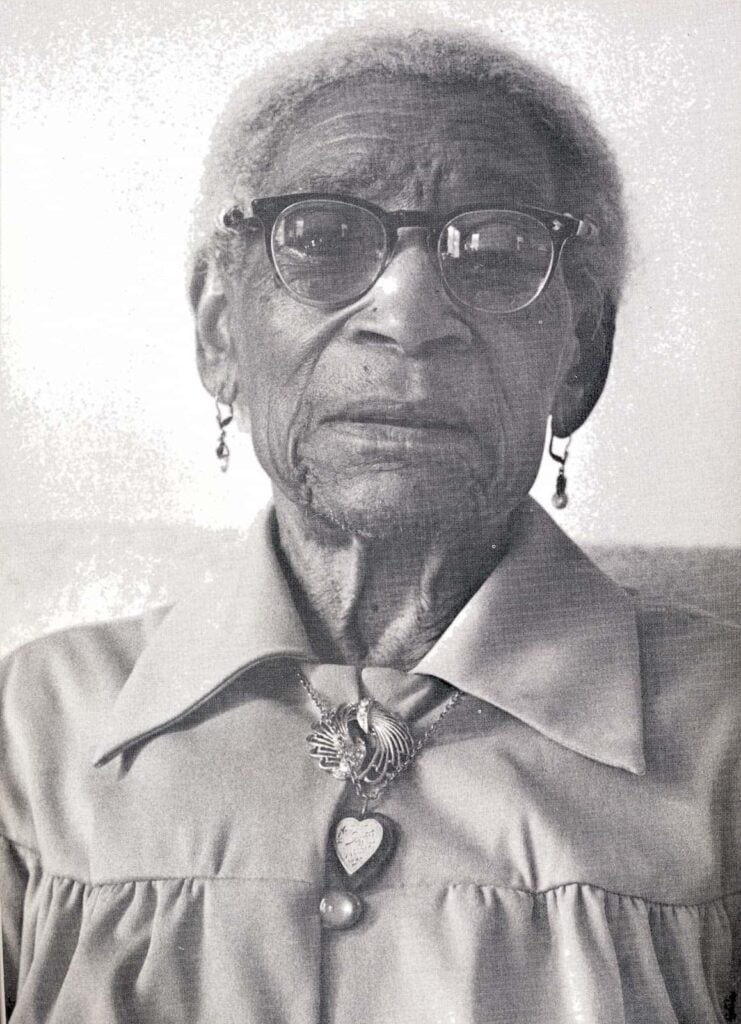
After the tour, I speak with Tracey McDougall, granddaughter of Viva “Vie” Moore of Vie’s Chicken & Steak House. Though she didn’t grow up in her grandmother’s neighbourhood, she remembers visiting Vie’s with a mix of excitement and calm. “I would check off the landmarks to know we were getting close…being there gave me a quiet sense that everything was alright,” she recalls.
On famous visitors, including Jimi Hendrix, McDougall adds, “Every patron was notable; she knew them all by name.” Vie’s lasted well into the 1970s, outliving most surrounding homes and businesses that were demolished during the city’s urban renewal.
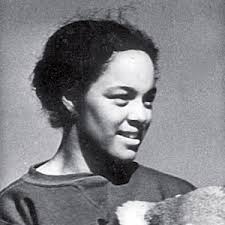
Hogan’s Alley was also frequented by other remarkable Black women like Barbara Howard, one of the fastest women in the British Empire. In 1938, at the age of 17, she beat the British Empire Games record, becoming a media sensation. She went on to become the first person of colour to be hired as a teacher by the Vancouver School Board and the first Black female athlete to represent Canada internationally, later inducted into the BC Sports Hall of Fame in 2012 at the age of 91.
According to the BC Black History Awareness Society, the Vancouver City Council approved its proposed urban renewal plan in the late 1950s. Framed as “slum clearance,” the redevelopment targeted most of the Hogan’s Alley neighbourhood, along with parts of neighbouring Chinatown, to make way for a major highway (which was never built) and viaduct intended to connect the rest of the city to downtown. As part of this effort, the City of Vancouver deliberately neglected garbage collection and road maintenance, and purchased residential properties that were then left vacant and allowed to fall into disrepair, later declaring the area “blighted” to justify its demolition.
As the neighbourhood was pushed into a state of deliberate decline, residents of Strathcona organized a resistance, challenging both the freeway plans and media portrayals that positioned their community as beyond saving. They formed the Strathcona Property Owners and Tenants Association and were eventually successful in stopping the city’s broader freeway project. Unfortunately, by that time, most of Hogan’s Alley had already been cleared.
As Ismail shares a detailed description of the downfall of what was once a thriving Black community, my heart hurts for the people who were forcibly displaced in favour of a freeway build, and the hardships they had to endure.
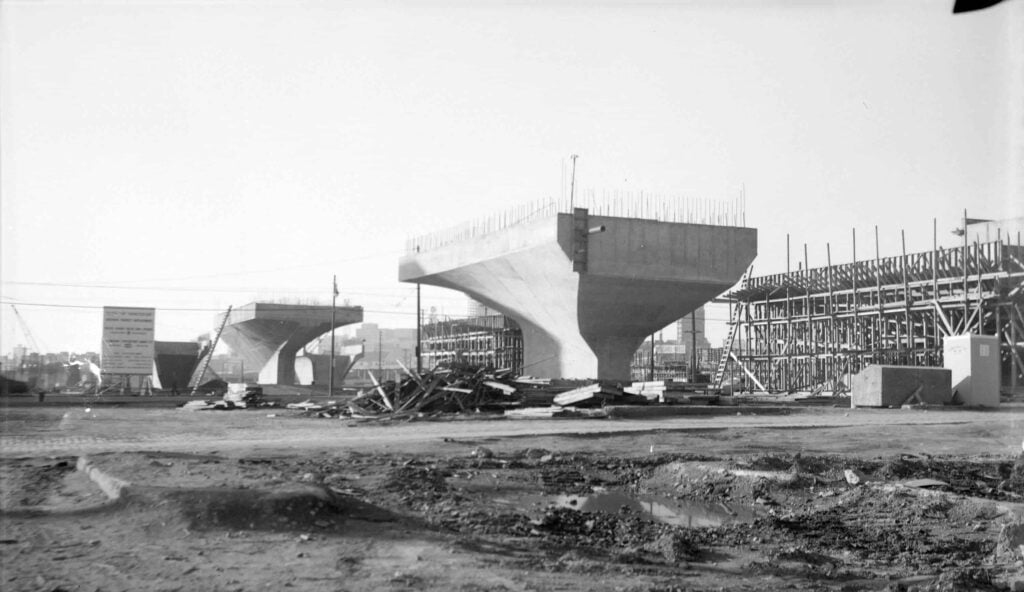
In my conversation with McDougall, I ask how the redevelopment plans affected her family. “My Auntie Ellen had her house expropriated,” responds McDougall. “She had to move to a home on Cassiar Street, which was also expropriated for highway expansion.” Anticipating the changes to come, McDougall’s parents had moved their three young children out of Hogan’s Alley, ultimately ending up in Burnaby in the early 1950s, though the impact of displacement was still deeply felt. While Vie’s remained standing, the surrounding homes and businesses were demolished.
Viaduct construction lasted several years and opened in 1972, eventually casting a shadow over a street that had once been full of life, located directly across from Vie’s. The neighbourhood was never the same. The people who built it were scattered, removed from a place they had long called home. “Urban renewal ignored social and cultural significance, using neglect as justification for destruction,” says Ismail, reflecting on the dismantling of Hogan’s Alley.
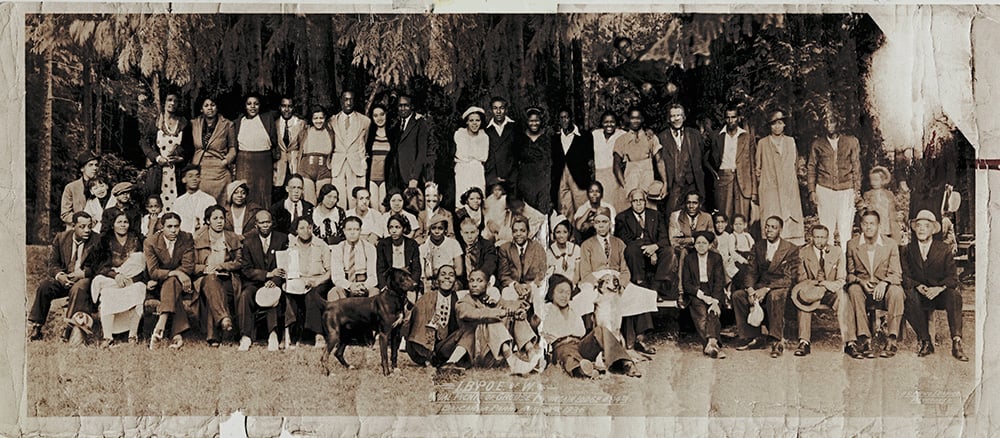
While the community was displaced, Vancouver’s Black history was never forgotten.“[Hogan’s Alley Society] was established in 2017 to ensure that Black voices were meaningfully included in Vancouver’s redevelopment process,” says Djaka Blais, the executive director of Hogan’s Alley Society, “and to advocate for cultural redress following the historic displacement of Vancouver’s Black community from Hogan’s Alley.”
The organization’s efforts focus on creating nonprofit housing developments and implementing cultural restoration plans. “How can there be a Black cultural centre with no space for Black people to live?” emphasizes Ismail on the housing-first approach.
Blais supports this statement by sharing the organization’s focus on building “Housing that goes beyond shelter to create belonging, healing, and empowerment.” Hogan’s Alley was originally a comforting gathering space for Vancouver’s Black residents, and the goal is to restore that sense of community. “This history is not about assigning blame, it’s about understanding how trust is broken and how it can be rebuilt,” Ismail explains. To do so, the Society is working from the ground up: providing housing, preserving history, and building community.
Central to this rebuilding process was the implementation of a community land trust, set to ensure the land serves community needs rather than developer profits. By prioritizing long-term affordability and community control, the land trust offers a framework for restoring what was lost while preventing future displacement and restoring decision-making power to the community. Blais shares, “For Black communities, a community land trust represents something that has historically been denied: permanence.” The proposed community land trust includes social housing, below-market rental units, childcare facilities, spaces for small businesses, and a Black cultural centre.
A design planning session with Zena Howard, the architect of the National Museum of African American History and Culture, marked a significant moment when the City Council actively listened to community ideas. In September 2022, the Society and the City of Vancouver signed a Memorandum of Understanding that set the framework for a long-term lease at the Hogan’s Alley Block. According to the Hogan’s Alley Society 2024 Annual Report, this partnership will establish a community land trust for the area.
“Whatever goes up must also honour those who possessed the land before we arrived. We are settlers,” reminds McDougall. The work of the Hogan’s Alley Society is rooted in this acknowledgement. Ismail affirms this by saying, “We are all still here, and our stories are worth remembering.”
Today, the Vancouver area has more than 40,000 Black residents, and while many no longer live in Strathcona, memories, photographs, art, and literature keep Hogan’s Alley alive. Preserving the past while paving a path forward means turning those memories into living, community-led spaces that meet both historical and present-day needs. Nora Hendrix Place, named for Jimi Hendrix’s grandmother and her impact on the early community, does just that.
Opened in 2019, the 52-unit housing development provides affordable, accessible living for people facing homelessness. In 2024, the Hogan’s Alley Society took over, with plans to reopen a community kitchen that will prepare culturally relevant food, reflecting the tastes and traditions of the African diaspora. Life skills programs like cooking and employment skills training are also being developed, along with an on-site garden that will feed the kitchen and provide work for residents. Safety and dignity are prioritized, too, with features like “brave buttons” in rooms for drug-use check-ins, reinforcing community well-being.
With Vancouver in the global spotlight in the lead-up to the 2026 FIFA World Cup, now is the time to share the city’s cultural stories. Black history must be included — not as an aside, but as a vital part of Vancouver’s past and present.
Looking ahead, the Society’s work is focusing on a new social housing tower. “[Hogan’s Alley Society] is advancing its first major Black-led development at the corner of Main and Union Street,” says Blais, “a 12-storey mixed-use building with 109 rental homes at mixed income levels, lock-off suites designed for multi-generational living, 7,000 square feet of commercial space for Black-led businesses and organizations, and Afrocentric design features with a rooftop community space.”
For McDougall, whose family has close ties to the area, the work is personal. “I want future generations to know the struggle of growing up in Vancouver during the 50s and 60s… There were parts of Vancouver where, even if you had the means, you could not buy a house.” She hopes younger generations will “be able to comprehend the vast strength and resilience of the shoulders they stand on.”
For me, the work is personal too. Growing up as a mixed African woman in Vancouver, Black history often felt absent. Now, I look forward to seeing a thriving Black community return to the city, one where I can find belonging, reconnect with my African heritage, and share the history that helped shape Vancouver with my children and future generations.
History
Hogan’s Alley, once the lively focal point for Vancouver’s black community, is long gone, but not forgotten
History
Rediscovering the Slocan Valley, B.C., on the new trail that honours the memories and legacies of interned Japanese Canadians

People & Culture
Exploring the streets of Vancouver with bestselling author Bill Arnott in anticipation of his new book, A Perfect Day for a Walk
People & Culture
As wildfire seasons worsen, residents of British Columbia’s southern interior have been repeatedly evacuated. They may be climate evacuees, but this hasn’t stopped them finding solutions, Canadian Geographic writer David Geselbracht reports in his new book Climate Hope.