Travel
Trans Canada Trail celebrates 30 years of connecting Canadians
The trail started with a vision to link Canada coast to coast to coast. Now fully connected, it’s charting an ambitious course for the future.
- 1730 words
- 7 minutes
History
Rediscovering the Slocan Valley, B.C., on the new trail that honours the memories and legacies of interned Japanese Canadians

Standing on the porch of a rustic building in Sandon, B.C., I eavesdrop on a young family studying the Sandon Historical Society Museum’s new window display about the Japanese Canadians who were interned here during the Second World War.
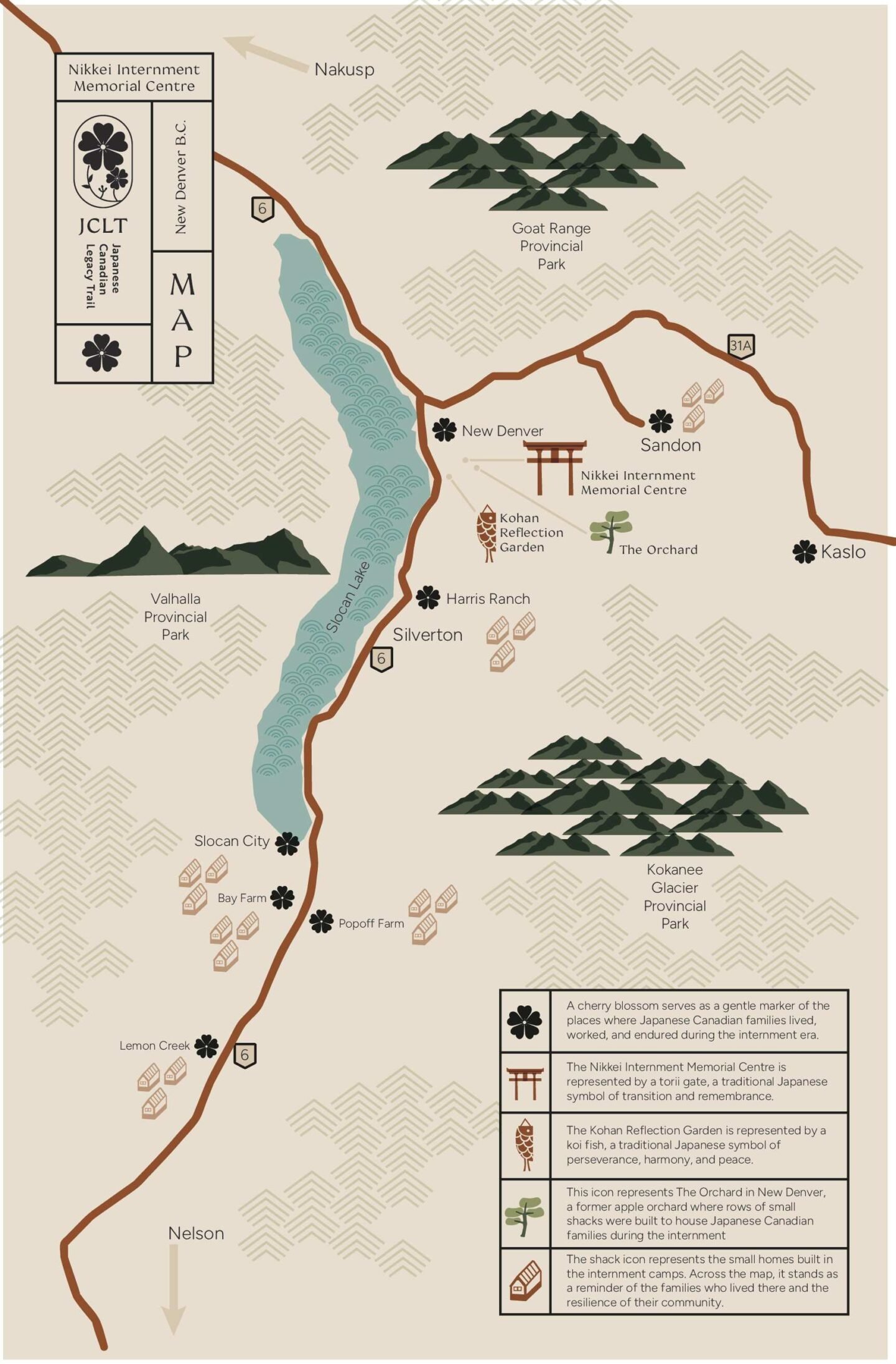
I’ve been following the new Japanese Canadian Legacy Trail — a self-guided route linking former internment sites across roughly 60 kilometres of the Slocan Valley — and I’m curious how it’s being received.
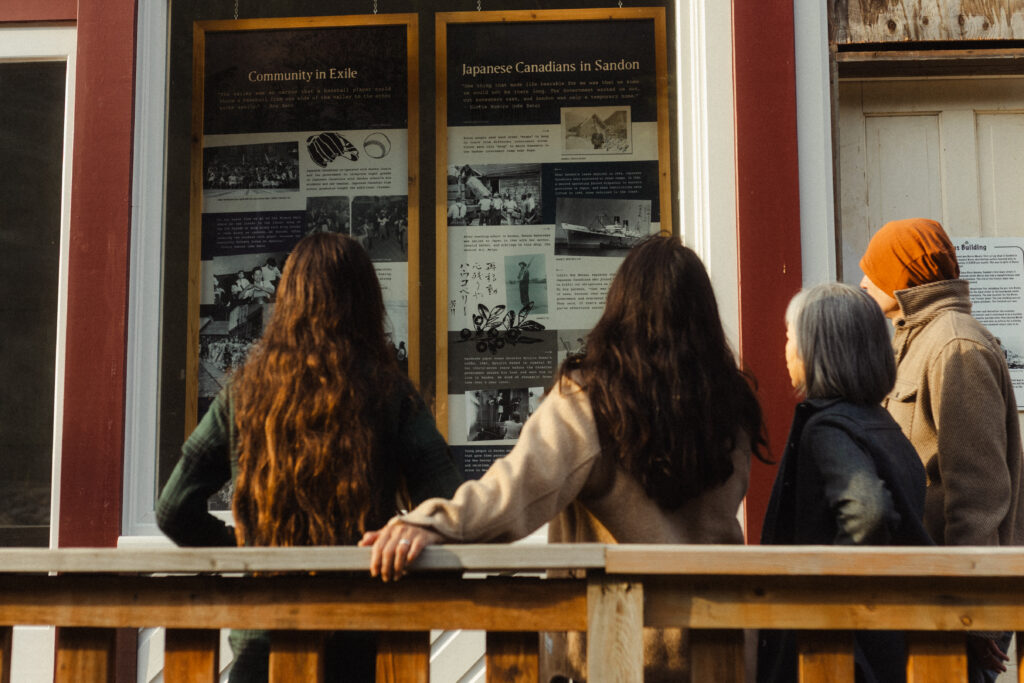
The children ask what the Japanese Canadians had done to be sent here. “Nothing,” their parents answer. “People were afraid, and the government made a terrible mistake.”
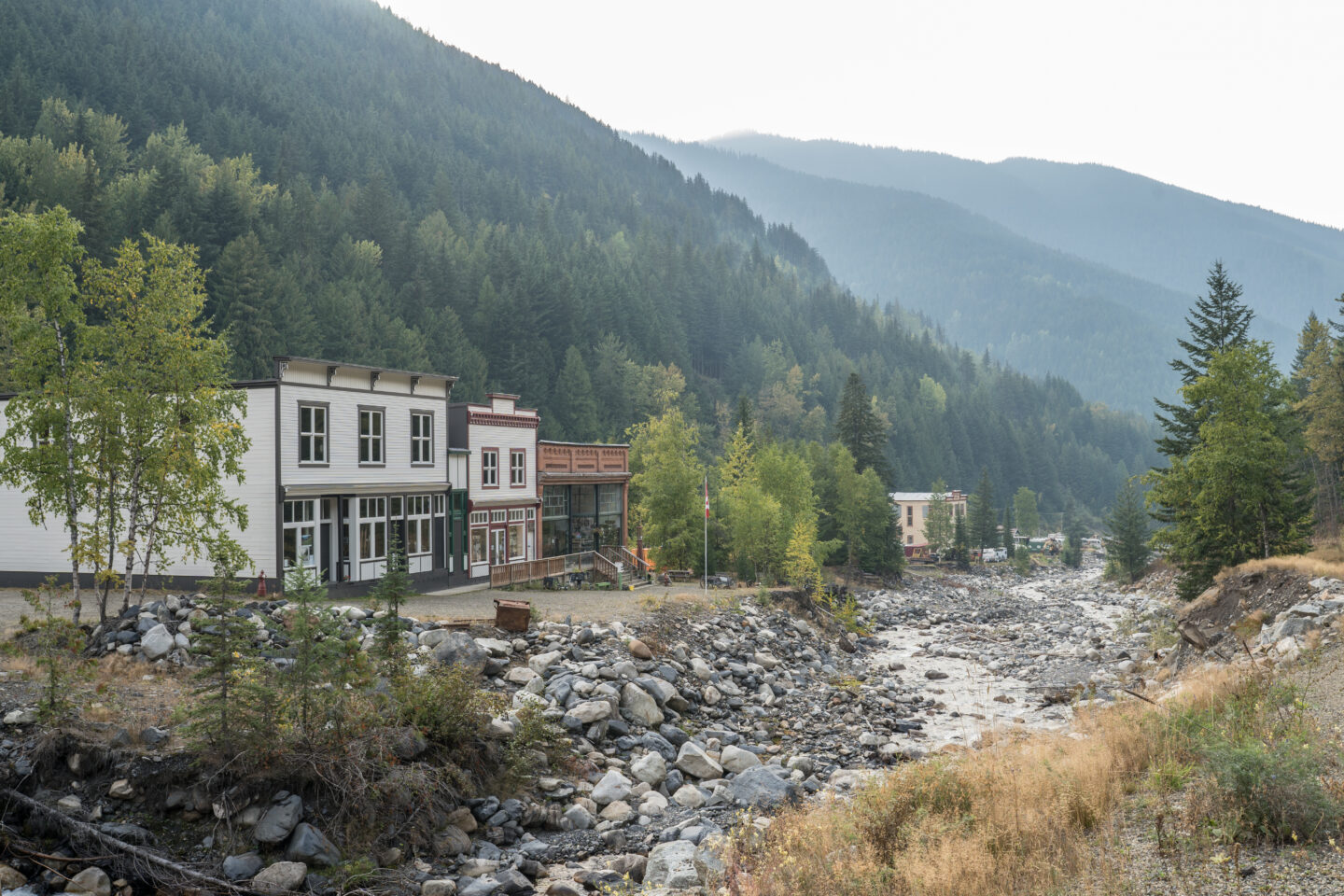
It’s easy to imagine the old town doubling as a prison. Founded in the 1890s, when galena (lead sulphide) ore drew thousands of miners, Sandon flashed to life with a boom that lasted about 20 years. Back then, the mountain-flanked gorge, with its short hours of sunlight and harsh winters, didn’t faze the rough-and-tumble miners — they had the hope of striking it rich and the town’s saloons and opera houses to keep them occupied.
But by 1942, when the Canadian government decided to detain 950 Japanese Canadians in the mostly abandoned ghost town, Sandon’s heyday was long over. Crumbling clapboard buildings, rough miners’ shacks of log and mud, and hastily built uninsulated huts became homes. There was no heat or indoor plumbing, and gardening conditions were too poor to supplement the meagre rations. In winter, deep snow cut the town off from the rest of the Slocan Valley for weeks at a time.
“How can we be sure it won’t happen to us?” one child asks. I step away as the answer comes gently: “We’ll learn — and we’ll remember.”
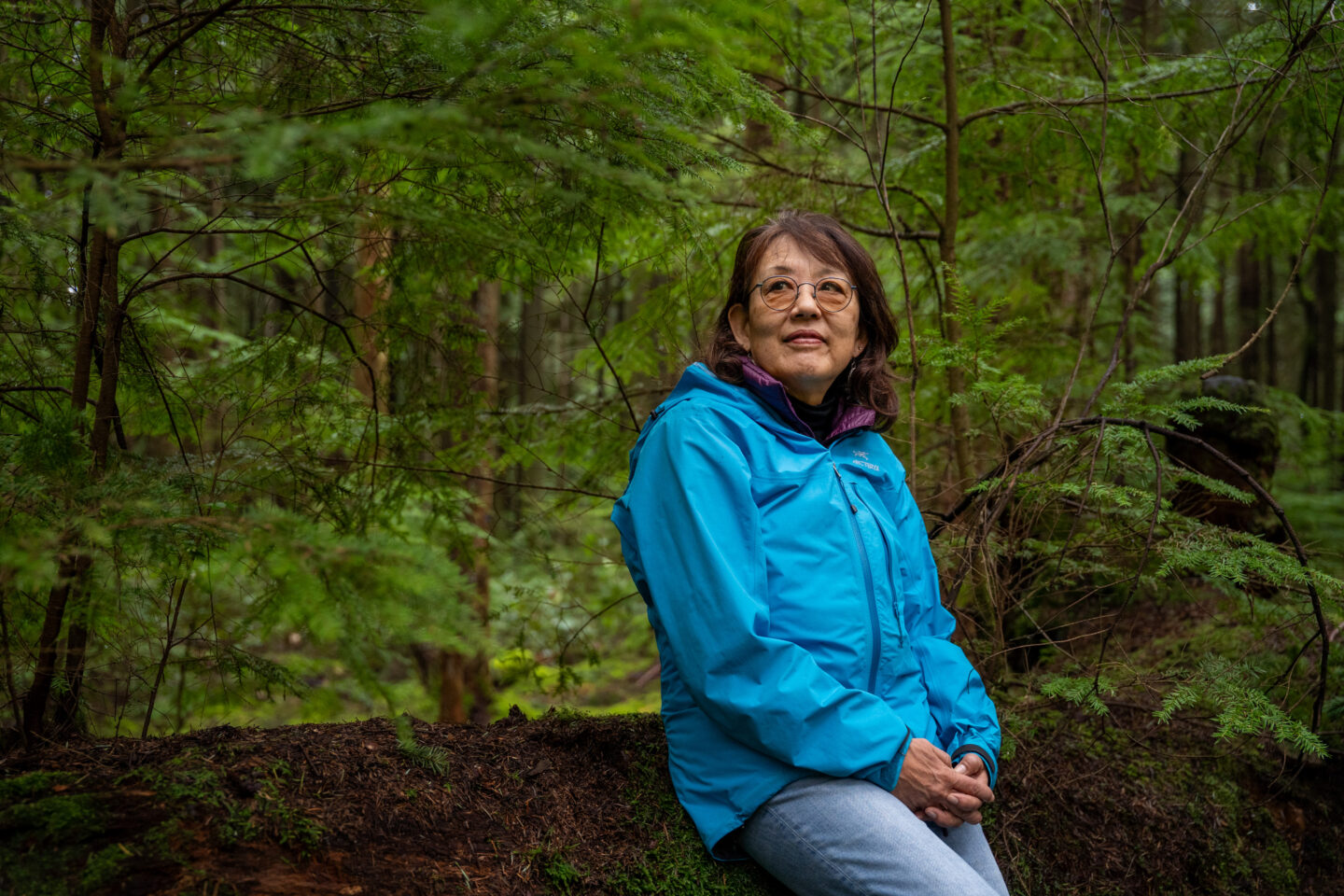
Tamiko Suzuki isn’t sure when she began asking questions about what happened to her parents, grandparents and great-grandparents during the Second World War. The fourth-generation Vancouverite knew her Japanese Canadian family had been sent inland, but the story always stopped short of the details.
“There was this deep silence and shame around it,” she recalls. “When I asked my mom what happened — I knew something had happened — she’d say she had fond memories of being in the camps, that she got to play outside and spend time with her grandparents.”
Growing up in Vancouver’s Point Grey in the 1960s and ’70s, Suzuki began to understand that this reticence to open up also came with expectations: quiet instructions about who she could be in the world. “We were taught to blend in as much as possible,” she says. “To make people comfortable. I was Tami, not Tamiko. We never used Japanese words or brought food to school that had sushi vinegar, soy sauce or fish.”
The message was subtle but unmistakable: being different carried risk.
“It wasn’t possible to have pride in our Japanese heritage,” she continues. “Because — even if you tried to be the best Canadian possible — there was always the sense that the government could throw you in jail and take away everything you owned.”
For her family, that fear wasn’t abstract. In 1942, her parents, Setsuko Sunahara and David Suzuki, were children when their lives were abruptly upended by the War Measures Act. Their parents and grandparents were among more than 22,000 Japanese Canadians uprooted, stripped of their homes and livelihoods, separated from their communities and sent to hastily built internment camps in British Columbia’s interior.
“After something like that,” Suzuki asks quietly, “why would you want to be proud of where your ancestors came from?”
For decades, that shame lingered, unspoken — not just in her family, but across a community shaped by loss, dispossession and the belief that keeping your head down meant safety.
It was Suzuki’s own children who began to break through the silence. “They were starting to read about it, to piece things together,” she says. “And they were like, ‘Oh my God, this is huge. We’ve got to talk about this.’”
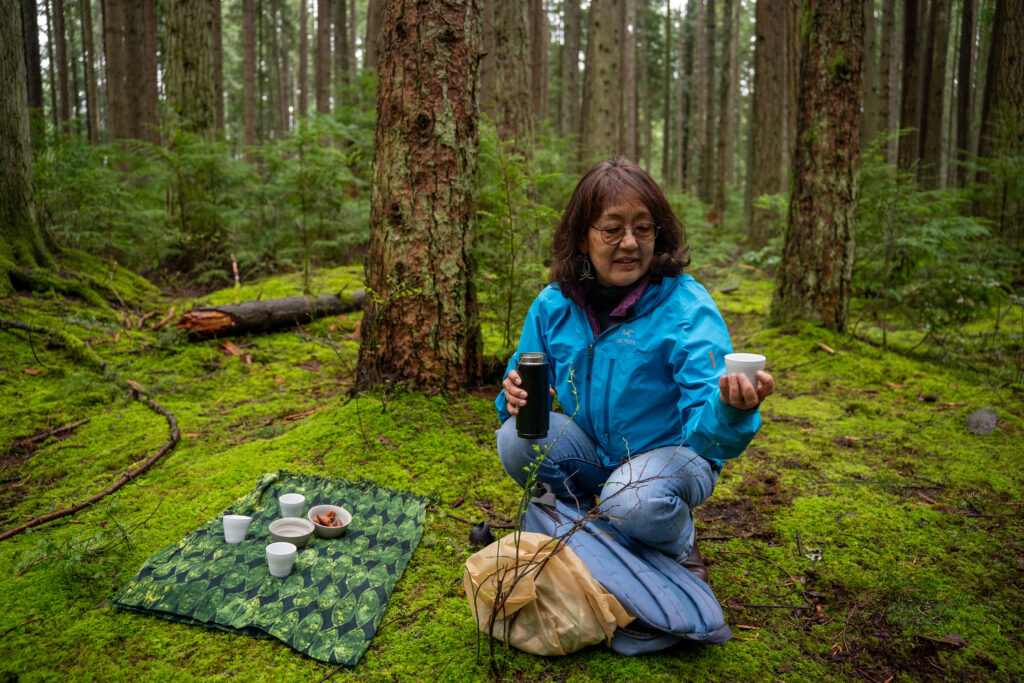
Determined to understand more, Suzuki stopped in the Slocan Valley during a family ski trip, hoping the mountains, lakes and forests might unlock answers words never could. But “there was nothing there,” she remembers. “One of the local farmers had some pictures in a room, but that was about it.”
The absence was jarring. From her reading, she knew that entire communities had existed here — homes, gardens, schools and stores — yet the land held few visible signs. Forests had grown back. Buildings had collapsed or been dismantled. Without names or markers, the sites themselves were quietly slipping from memory. So, by the time she and her children began asking questions, the physical proof of internment had largely disappeared.
Susanne Tabata, CEO of the Japanese Canadian Legacies Society, says by the late 1980s this tension — between one generation’s silence and another’s yearning for answers — was playing out across parts of the Japanese Canadian community.
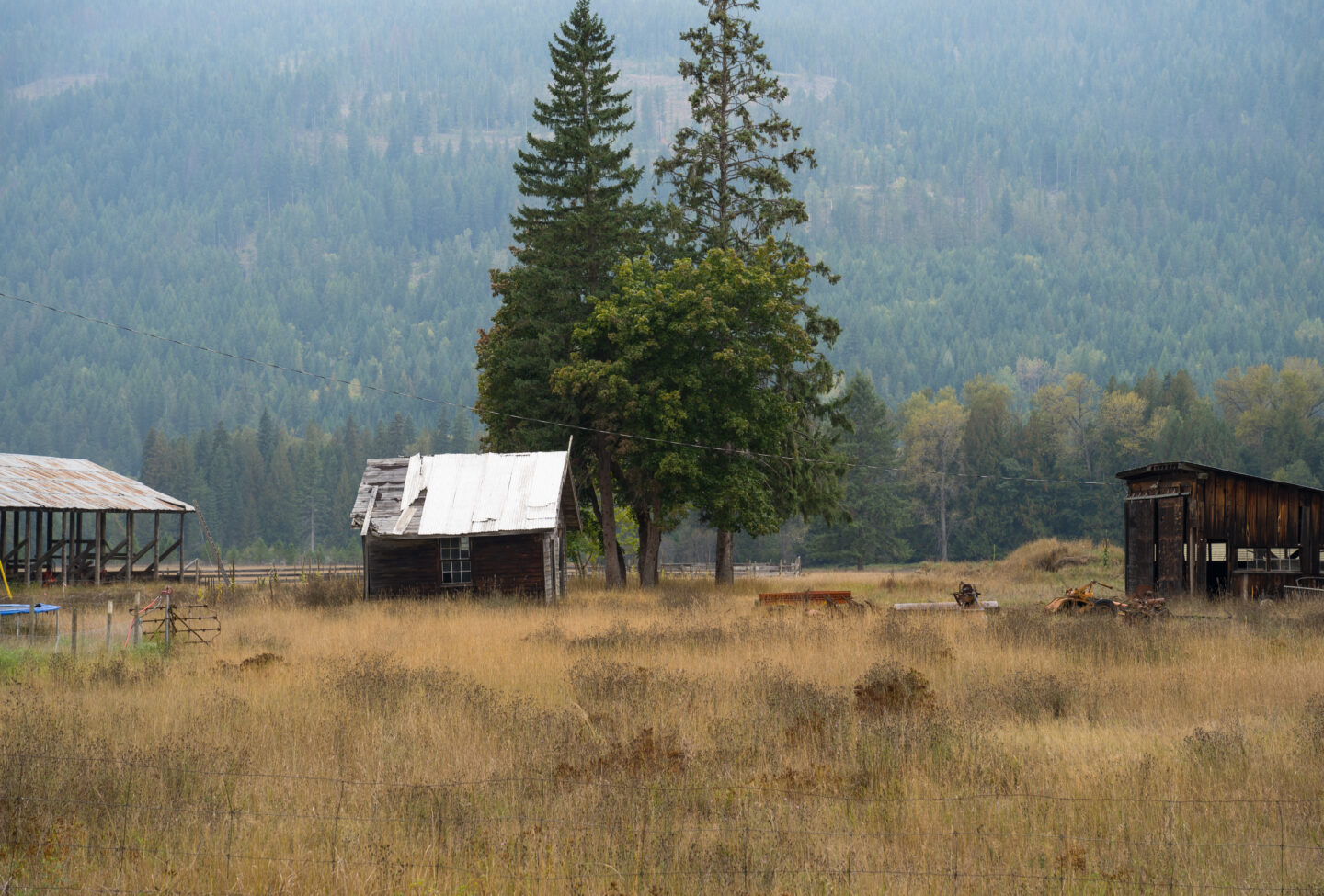
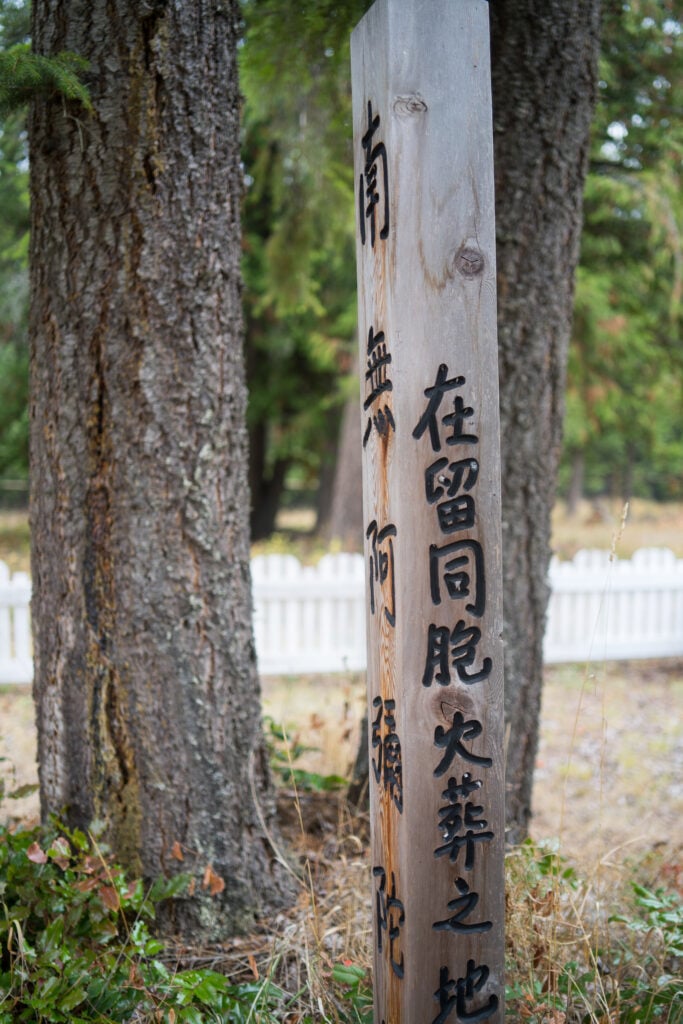
The first to push back against the erasure of the past were the Issei and Nisei — first- and second-generation Japanese Canadians — and, in some cases, their children. In the early 1990s, Japanese Canadian Leslie Komori organized a bus pilgrimage through the Slocan Valley, retracing forested roads and lakeshore routes that survivors hadn’t seen in decades.
“Some of them couldn’t even get off the bus,” says Tabata. “It was so traumatizing.”
But the journeys continued. More survivors returned in the mid-1990s — Suzuki’s mother, Setsuko Sunahara, made the trip in the early 2000s. Standing on the land unlocked long-held memories. People remembered being given just 24 hours’ notice to pack up their lives, choosing what to bring within strict weight limits, and being confined in the Pacific National Exhibition’s livestock barns, photographed and fingerprinted before being loaded onto trains and sent east.
Over weeks, nine West Kootenay communities were transformed into internment camps. Some, located in rented farmers’ fields, consisted of rows of tiny shacks roughly built from green wood and lined with a single layer of tar paper. Other camps occupied abandoned mining settlements like Sandon — rugged ghost towns with tumble-down buildings and minimal infrastructure.
They recalled how the men were taken first, and how the government soon realized interning more than 22,000 people would be costly, so the Japanese Canadians were forced to build and finance their own prisons. Their homes, farms, boats and businesses were sold to fund the camps. Their labour — clearing land, felling trees, constructing shacks — created them.
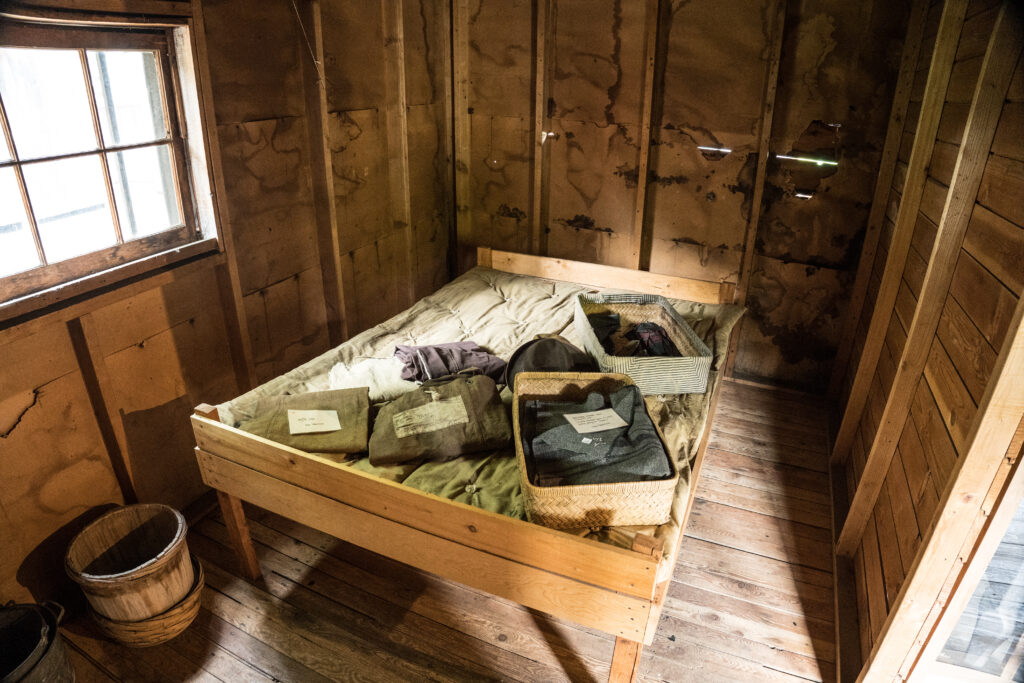
The camps were never meant to be comfortable. The shacks were small, drafty and crowded, with no heat beyond a potbelly stove. Plumbing was nonexistent, food was scarce, and winters were harsh. With many of the men away working, women tried to make the homes cosy and preserve some semblance of routine while grieving the loss of everything they knew.
During those early tours, local historian Dave Fredrickson, who began to research the internment camps and help guide the trips, recalls how making sense of these half-forgotten memories was like assembling a puzzle. There wasn’t any signage to mark the way, and the scattered information had to be pieced together. He helped former internees match memories and old photographs to the landscape: a path to school along a riverbank, the curve of a snowy peak behind a family shack, the rail bridge over an icy creek. Gardens, schoolhouses, a tofu factory, graveyards — even homes were reclaimed because people stood on the land and said: This was here.
“There were lots of tears,” Fredrickson tells me, “but also some good memories.”
Tabata agrees that “terrible things happened, but greatness also happened in small ways.”
Families foraged, gardened and walked the forests. Children skated and tobogganed in winter. Baseball diamonds were cleared. Classrooms were set up in barns and halls. Doukhobor (Russian Christian dissenters) neighbours provided quiet support, helping families prepare for harsh winters. These acts didn’t erase the injustice, but they did help restore dignity. In tending land, teaching children and gathering for games, internees asserted something essential: culture and community could still take root here. As Tabata says, “we can celebrate how they got through it and rebuilt their lives the best they could.”
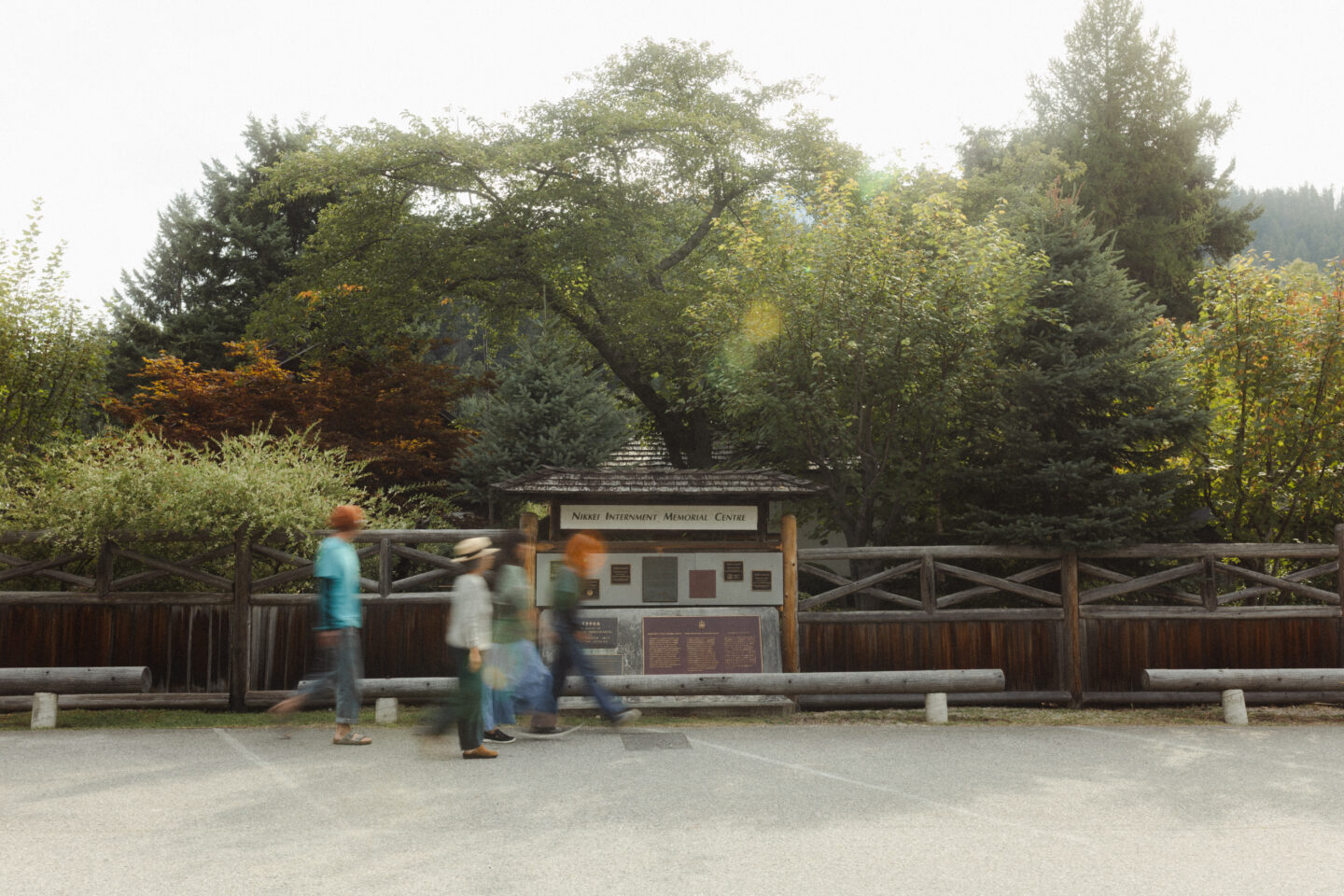
Back in the 1990s, as survivors worked to piece together their personal memories, valley communities also began to reflect on their civic role in this past. In 1994, the Nikkei Internment Memorial Centre opened in New Denver, on the eastern shore of Slocan Lake, featuring artifacts, interpretive panels and three of Orchard Camp’s original wood-frame shacks. Nearby, the volunteer-run Kohan Reflection Garden was planted with Japanese and native species, another way to tell this story through living landscapes.
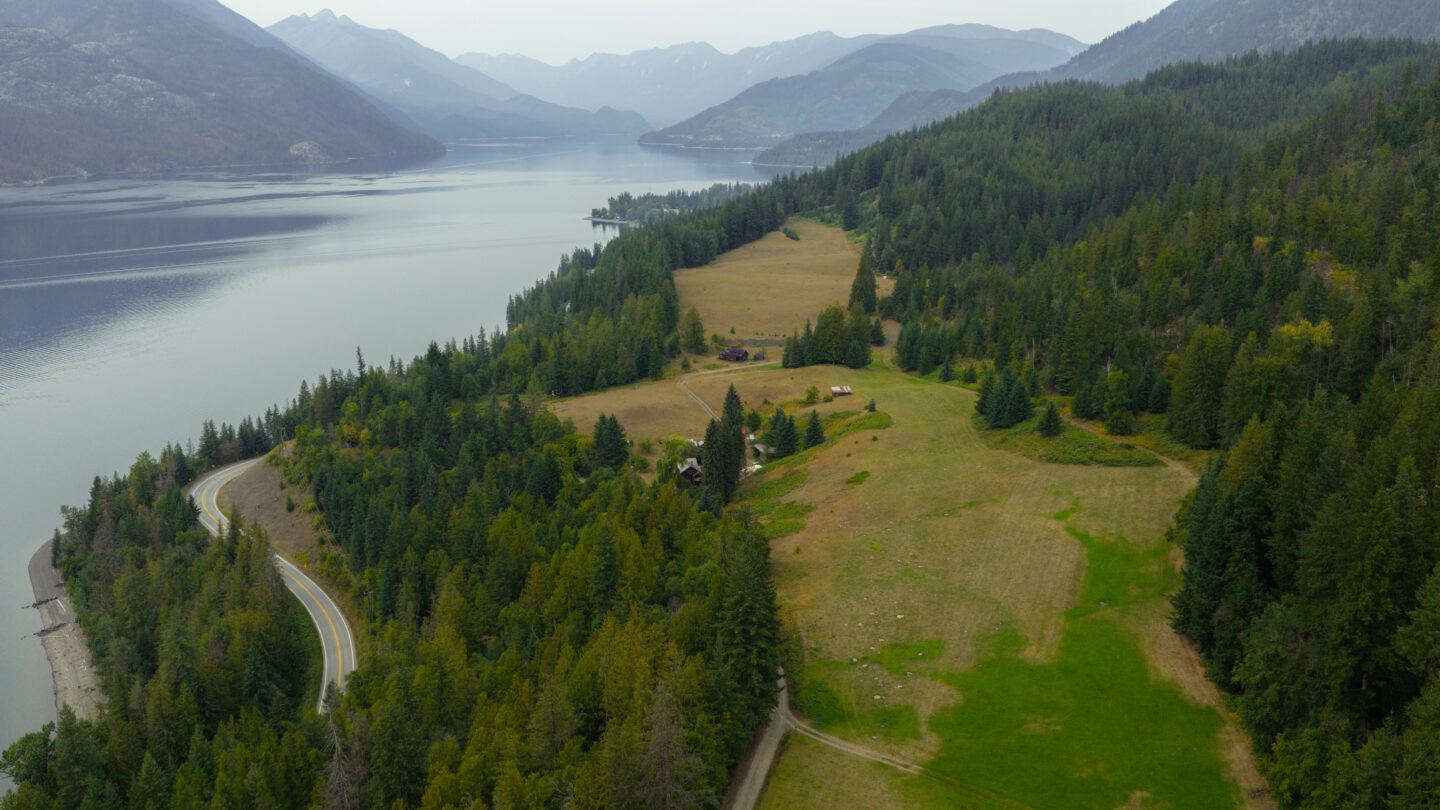
In 2024, when Suzuki returned to the valley on the current version of the bus tour, Tomoshibi —“Lighting the Way Through” — she found the story was no longer hidden. Tracing the path her parents and grandparents had taken, she could finally fill in the old silence. “They all started in Popoff — that’s where they were divided.”
Her mother’s family was sent to pastoral Lemon Creek, while her father’s were interned in Slocan City. Initially, David Suzuki wasn’t enrolled in school, so he spent a year roaming the hills and forests — it was here he fell in love with nature, leading to his career as an environmental activist and host of the long-running show The Nature of Things.
“The darkness of the story — it’s such a contrast to how beautiful the countryside is,” Tamiko Suzuki says. “Being able to walk there, breathe the air, see the forests growing back… things are healing.”
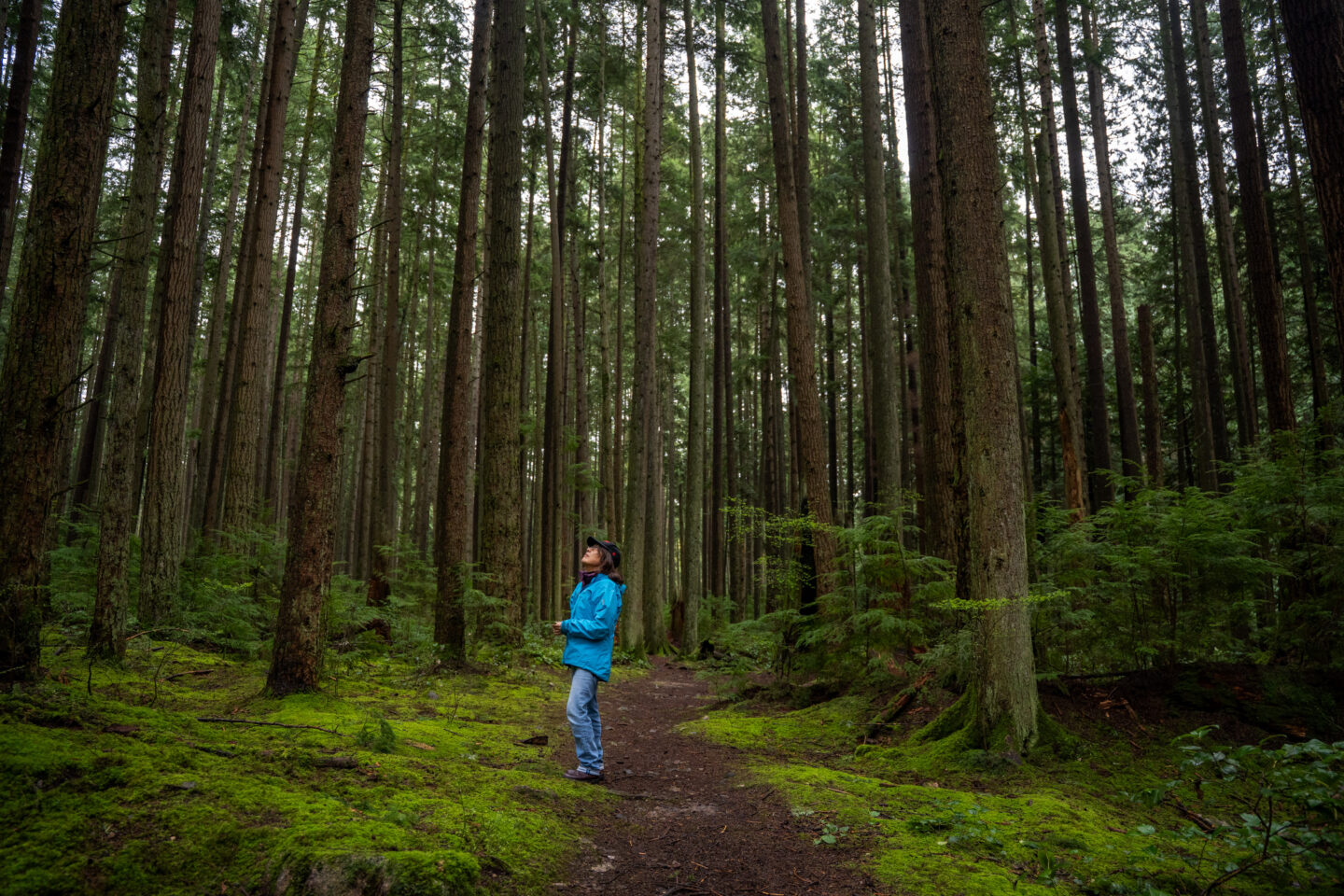
Back in the Slocan Valley, I make another stop on the Japanese Canadian Legacy Trail. I’m walking along a section of the Slocan Valley Rail Trail, where new signage tells me this was once the Nakusp & Slocan Railway branch line — the track that carried thousands of internees into the valley and far away from their coastal lives.
As the wind rustles through fir, hemlock, cottonwood and alder, I try to imagine what it must have felt like to be uprooted so completely, to leave behind everything familiar and face a landscape that was both magnificent and unforgiving. I marvel at how they found the courage to remain hopeful in those circumstances. To keep the flame of culture alive when the wider world sought to extinguish it.
Tabata tells me she was surprised when she heard the proposal for the Japanese Canadian Legacy Trail. Arrow Slocan Tourism’s Lynn Shortt and New Denver mayor Leonard Casley felt the history of the valley should be better known. So they proposed linking existing commemorative sites into a trail system, as well as including different aspects of the story to reach a wider audience. “Knowing how tight funds are” within these small communities, Tabata says, “it means so much that this is the history they’ve chosen to share.”
She adds that the Japanese Canadian community had been in Canada for more than six decades by the time they were interned. “They were born here, their children were born here — and yet they were uprooted, interned, permanently dispossessed and then left to carry the weight of all the remembering.”
The history is undeniably heavy — a warning of how fragile democracy can be and how quickly fear can erase belonging. But as the stories have been traced back to the landscapes where they unfolded — over tumbling creeks, through grassy fields, across glacier-ringed vistas — another narrative is emerging: resilience.
By linking sites, restoring names and sharing stories widely, the trail traces the arc from silence to remembrance, from private grief to collective understanding. It doesn’t soften the history, but it ensures it can be carried forward, no longer hidden.
Travel
The trail started with a vision to link Canada coast to coast to coast. Now fully connected, it’s charting an ambitious course for the future.
People & Culture
Eighty years after looting destroyed a storied Japanese tea house, a community is committed to redress the historical injustice
Mapping
As Canada's most famous trail celebrates its near completion, Esri Canada president Alex Miller discusses the ambitious trail map that is helping Canadians get outdoors
Travel
Inspired by age-old travelways, a new canoe route knits together the Trans Canada Trail