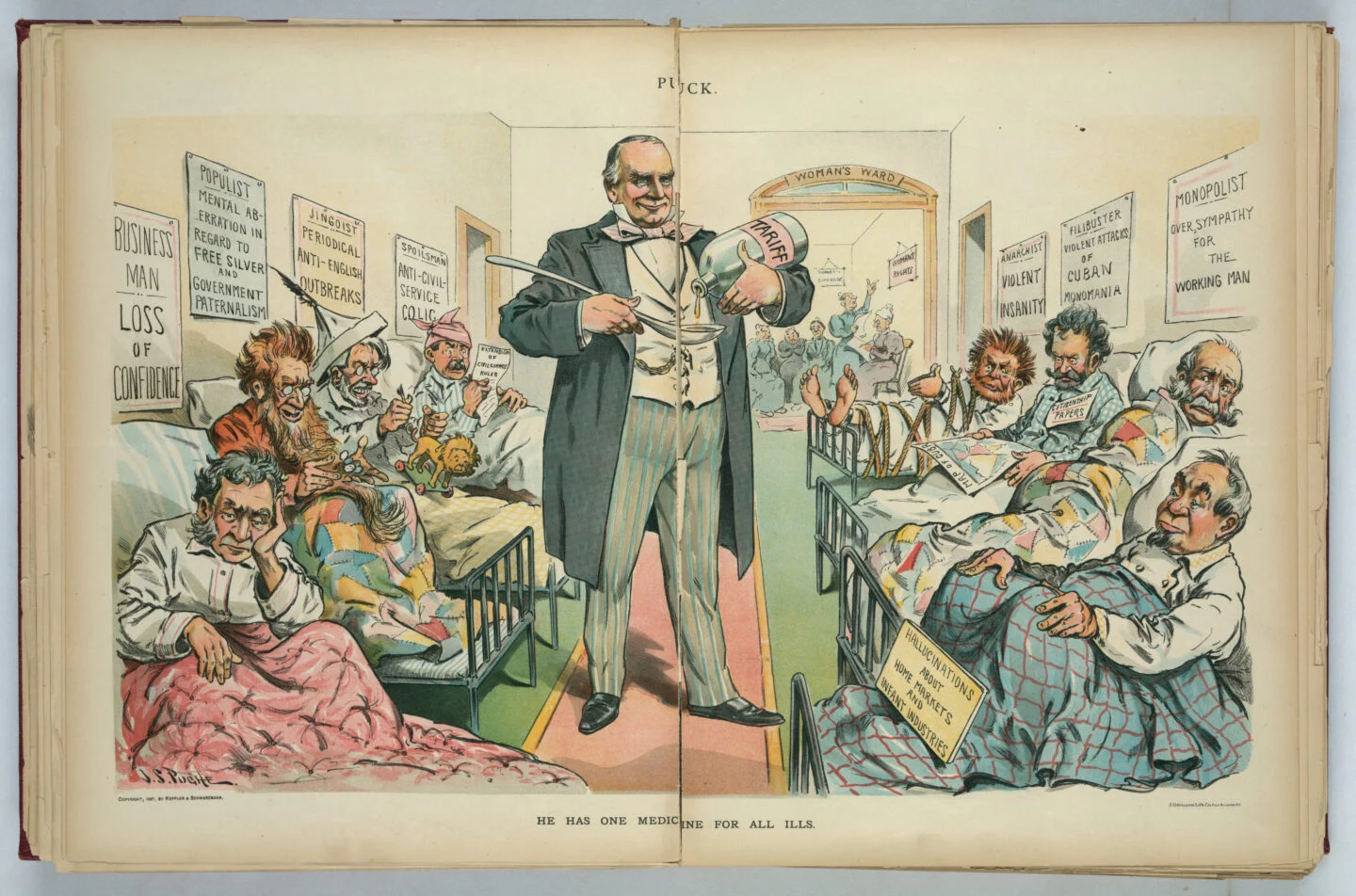
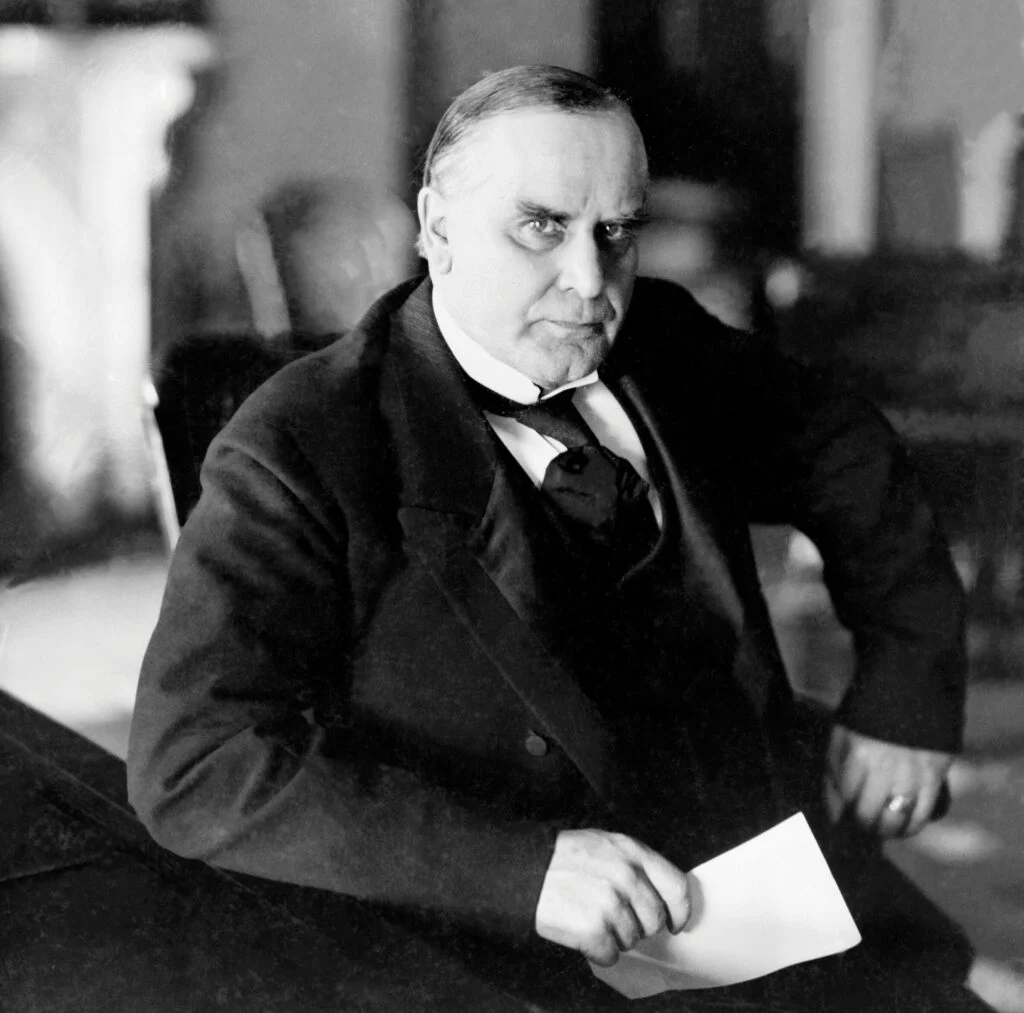
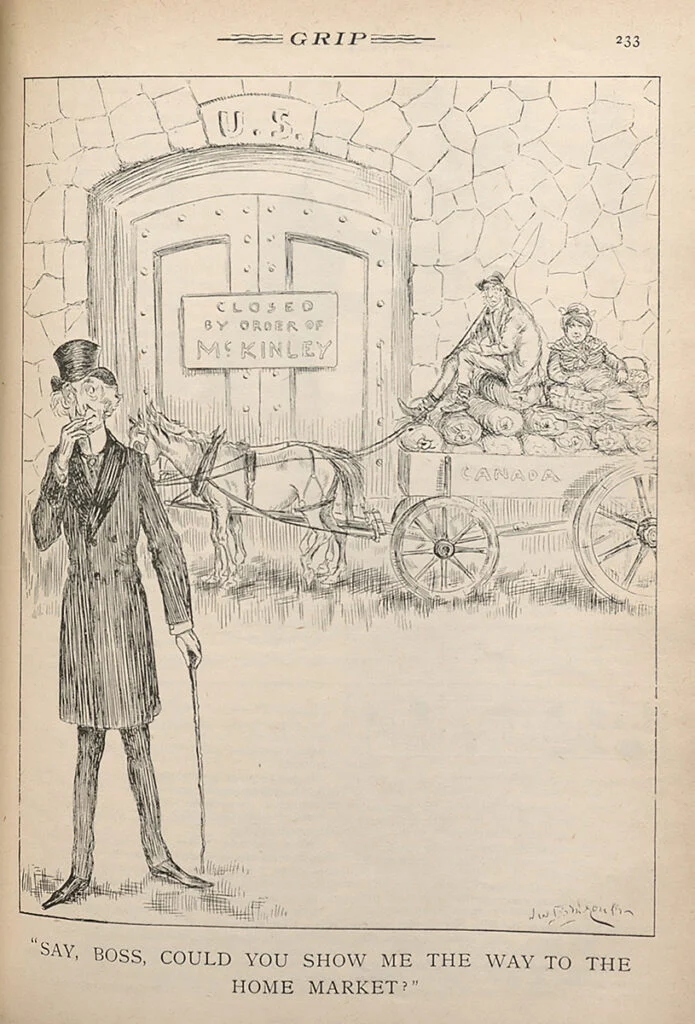
In truth, there was another reason for the tariffs that mirrors our current trade war: the annexation of Canada. At the time, the United States and Canada were at odds over fishery and timber rights along our borders.
Some, like Secretary of State and bill co-author James G. Blaine, believed the issue could be resolved through annexation. “Our great want is an expansion of trade. We are not seeking annexation of territory, certainly we do not desire it, unless it should come by the volition of the people who might ask the priceless boon of a place under the flag of the Union,” he said on Aug. 30, 1890, in Maine.
Some publications, like the Washington Post, said it was “absurd” and “erroneous” to think the tariffs were put in place to annex Canada, and this publicly held belief was a “preposterous delusion.” The Hamilton Spectator hit back at the Post with its own evidence of the annexation threat.
“Public speakers in the United States boldly advocate annexation. Senators and congressmen in their places in their respective legislative halls right under the nose of the Washington Post, have time and time again spoke of the desirability of annexing Canada. Every American visitor who comes to Canada, and looks upon this fair land, says to us, ‘What a dandy state this would make.’”
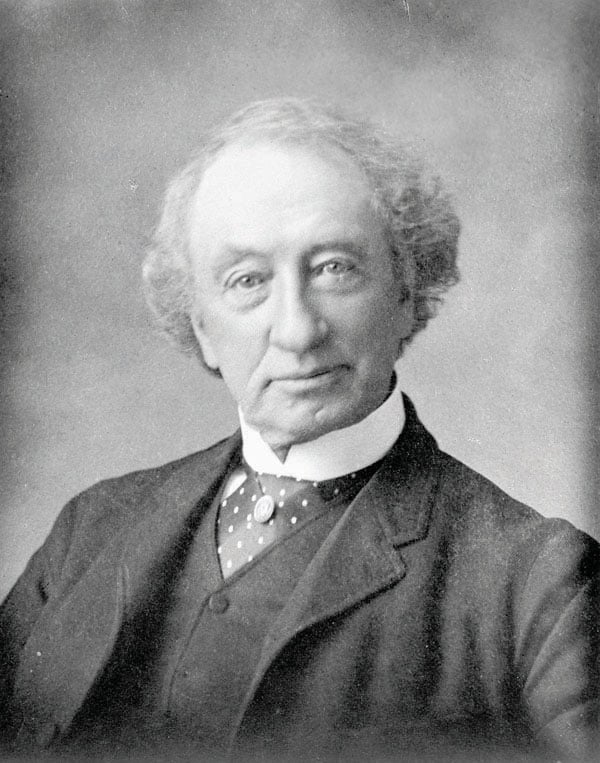
Canadians were not fooled, and not giving in. Shortly after the McKinley Tariff passed, John A. Macdonald delivered a speech on the tariffs, stating that giving in to the United States would be traitorous to our British heritage. “The American lion and the Canadian lamb might be down together, but the lamb would be inside the lion.”