Sponsored

Environment

The fight to repopulate B.C.’s caribou

An ambitious restoration effort, led by the Wet’suwet’en First Nation in partnership with Tree Canada and with crucial financial support from Nespresso Canada, aims to rebuild critical caribou habitat lost to fragmentation and fire

  • Nov 23, 2026
  • 657 words
  • 3 minutes
Expand Image
Advertisement
Advertisement
Advertisement

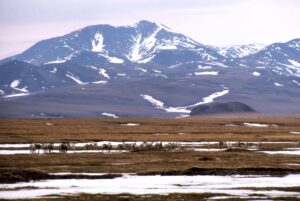
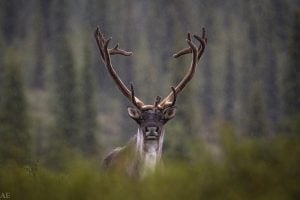
In the mountains of northwestern British Columbia, long-abandoned roads and fireguards carve through the forest. Decades of industrial activity, wildfire and deforestation have left lasting scars on the landscape, disrupting the ecological processes that sustain it and endangering Canadian wildlife. For Southern Mountain caribou, this fragmentation has eroded the ranges they depend on to survive. The species is now one of Canada’s most threatened.

Now, the Wet’suwet’en First Nation-owned organization, Yinka Dene Economic Development (YLP), is leading an ambitious Biodiversity Restoration Initiative in partnership with Tree Canada, and with crucial financial support from inaugural donor Nespresso Canada, to rebuild critical caribou habitats across the Telkwa and Tweedsmuir-Entiako herd ranges.

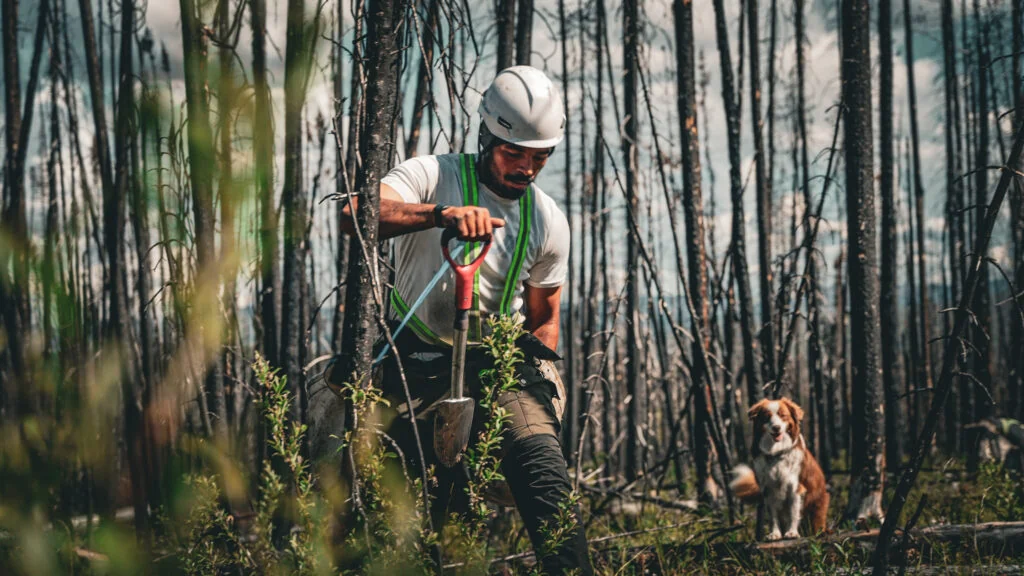
The initiative will aim to revitalize more than 400 hectares of land and plant over one million native trees and shrubs over the next four years to repair gravely damaged ecosystems in British Columbia.

The project spans across the traditional territories of the Wet’suwet’en, Ulkatcho, Lhoosk’uz Dene, Cheslatta Carrier, Saik’uz, Nee Tahi Buhn and Skin Tyee First Nations.

Expand Image

A landscape in crisis

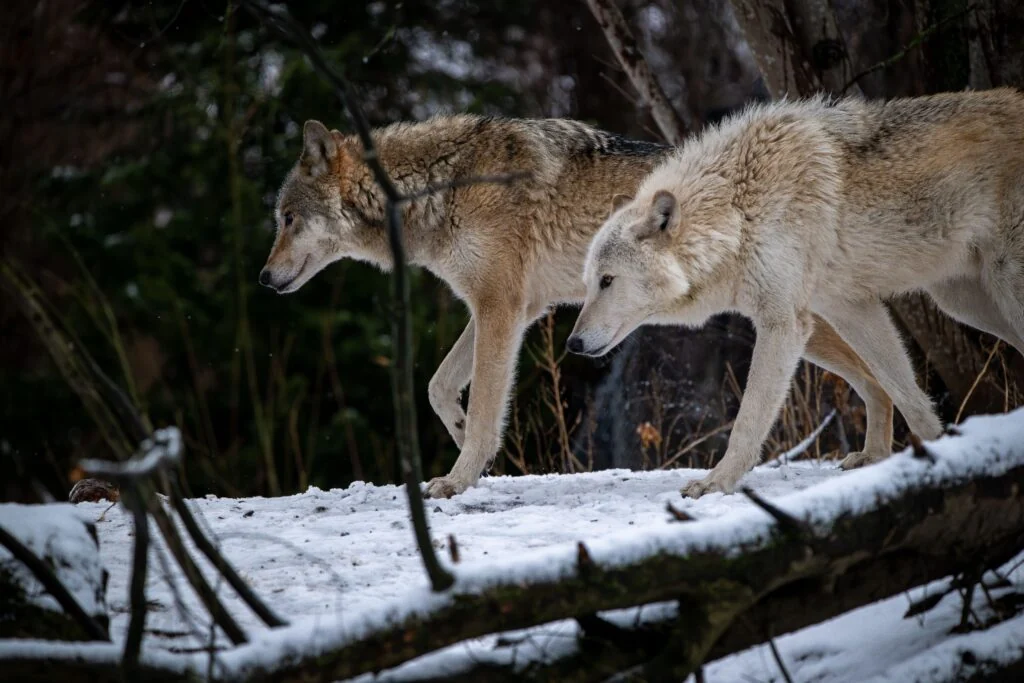
Compounding threats are making survival more uncertain for caribou with every passing year. The openings left by roads and fireguards do more than fragment the forest; they expose caribou to predators such as wolves by giving them line of sight for hunting and allowing them to access deeper parts of core caribou habitat. At the same time, forest fires and logging have drastically reduced the old-growth, lichen-bearing forest the animals rely on in winter.

The consequences are stark; only about 30 Southern Mountain caribou remain in the Telkwa herd. The Tweedsmuir-Entiako herd population, though larger at an estimated 150 to 200, remains precarious.

Expand Image

Rebuilding from the ground up

Ecological recovery is a generational challenge. Without intervention, disturbed areas could take more than 40 years to recover naturally. This project’s objective is to achieve it in less than half that time.

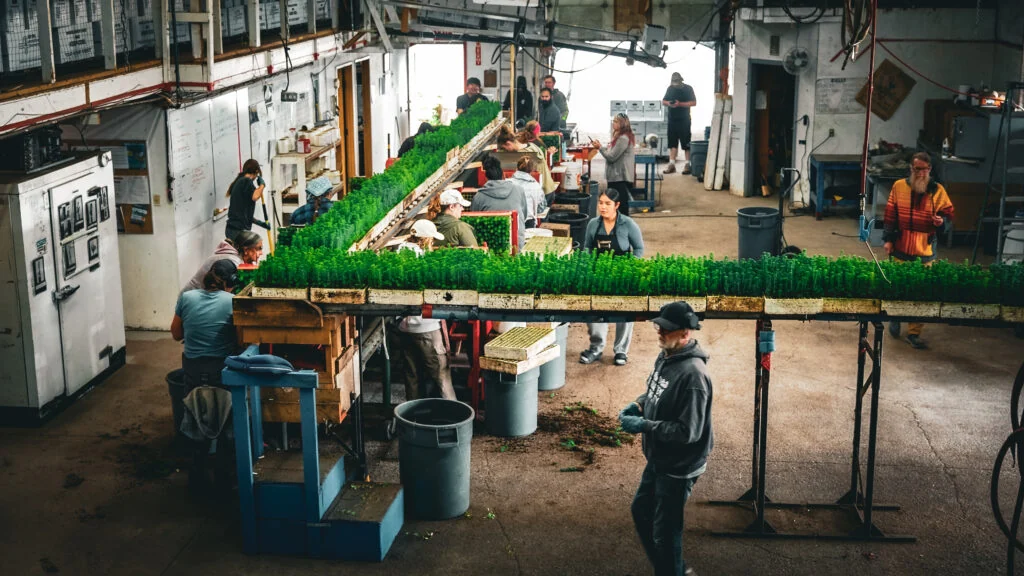
Indigenous peoples have sustainably stewarded their lands and forests for generations, developing a deep knowledge of these ecosystems and their biodiversity. Grounded in Indigenous Traditional Ecological Knowledge (TEK), the project combines habitat restoration and reforestation to accelerate recovery across the landscape.

Debris placement and mounding provide an immediate barrier to access, while newly planted trees help return the corridor to a more natural condition over time. In wildfire-affected landscapes, where growth is sparse, spot mounding and mixed-conifer planting will help the next forest take hold, with a goal of mid-forest structure in about 15 years. Each planted seedling becomes a small piece of a larger effort to reconnect a fragmented landscape and create conditions for long-term ecosystem resilience.

Expand Image

The positive ripple effect

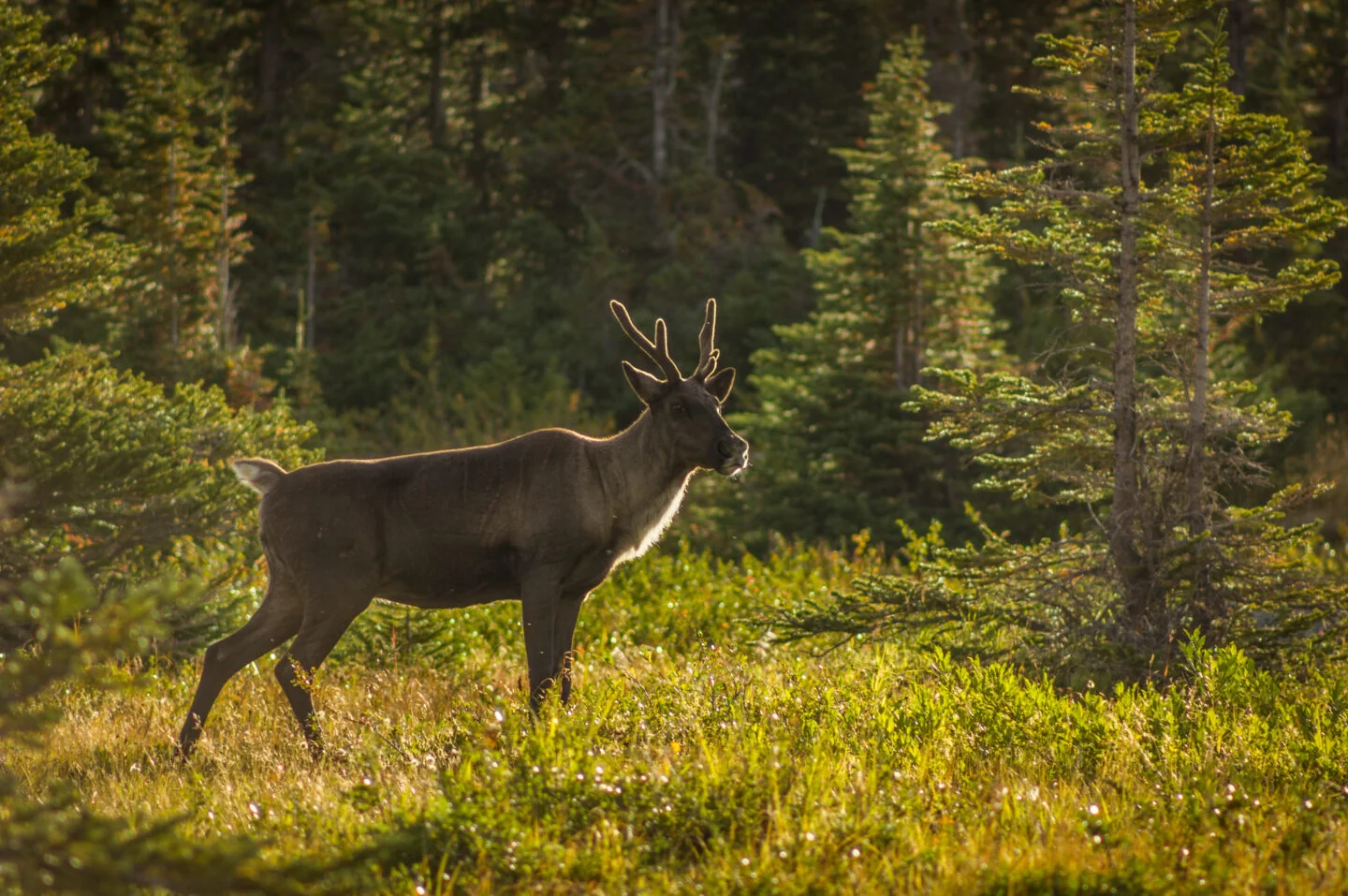
A seedling planted today will not become a forest overnight, and the herds will not rebound in a season. But every hectare restored and every road closed is a step toward a landscape where caribou can move more freely in search of food, mates, and suitable habitat. By restoring native vegetation and improving habitat connectivity, the project supports healthier ecosystems for a broad range of species that depend on them.

That’s why monitoring is a core component of Tree Canada’s Biodiversity Restoration Initiative. Tree survival surveys are conducted in years one, two and five to track progress and assess whether remedial action, including replanting, is needed. Continued funding, alongside the support of inaugural donor Nespresso Canada, is essential to ensure long-term monitoring can continue as forests recover.

In the Skeena region, the story of the Southern Mountain caribou is still unfolding. They have long been a thread in the ecological and cultural fabric of the Wet’suwet’en community, and their wellbeing reflects the health of the land and the ways of life it sustains. As each season passes, these efforts move the landscape one step closer to a more resilient future. One that will help ensure caribou herds reproduce, survive and have a home for generations to come.
Advertisement

Help us tell Canada’s story

You can support Canadian Geographic in 3 ways:

Related Content

Wildlife

Caribou people: The story of conserving the Porcupine caribou herd is a story about working together

Amid oil and gas threats to the ancient calving grounds of the Porcupine caribou herd and startling population declines, people on both sides of the border are coming together to protect them

  • 3940 words
  • 16 minutes
Two caribou silhouetted against a dark, rainy landscape

Wildlife

Caribou are vanishing at an alarming rate. Is it too late to save them?

After more than a million years on Earth, the caribou is under threat of global extinction. The precipitous decline of the once mighty herds is a tragedy that is hard to watch — and even harder to reverse.

  • 4559 words
  • 19 minutes

Wildlife

The (re)naming of caribou

The failure to recognize distinct species and subspecies of caribou is hampering efforts to conserve them. So, I revised their taxonomy.

  • 1540 words
  • 7 minutes
Caribou, like this one in the Northwest Territories, are increasingly threatened across the country. (Photo: Alex Elliott/Can Geo Photo Club)

Wildlife

At risk of extinction

Caribou numbers in Canada are dropping drastically — and quickly — leaving the iconic land mammal on the brink of extinction

  • 1578 words
  • 7 minutes
Advertisement
Advertisement