People & Culture
‘Buying countries is Stone Age mentality:’ Inuit speak up on Greenland
Indigenous Greenlanders, who endured centuries of colonialism from Denmark, now face a new threat from Donald Trump’s United States
- 1497 words
- 6 minutes
Mapping
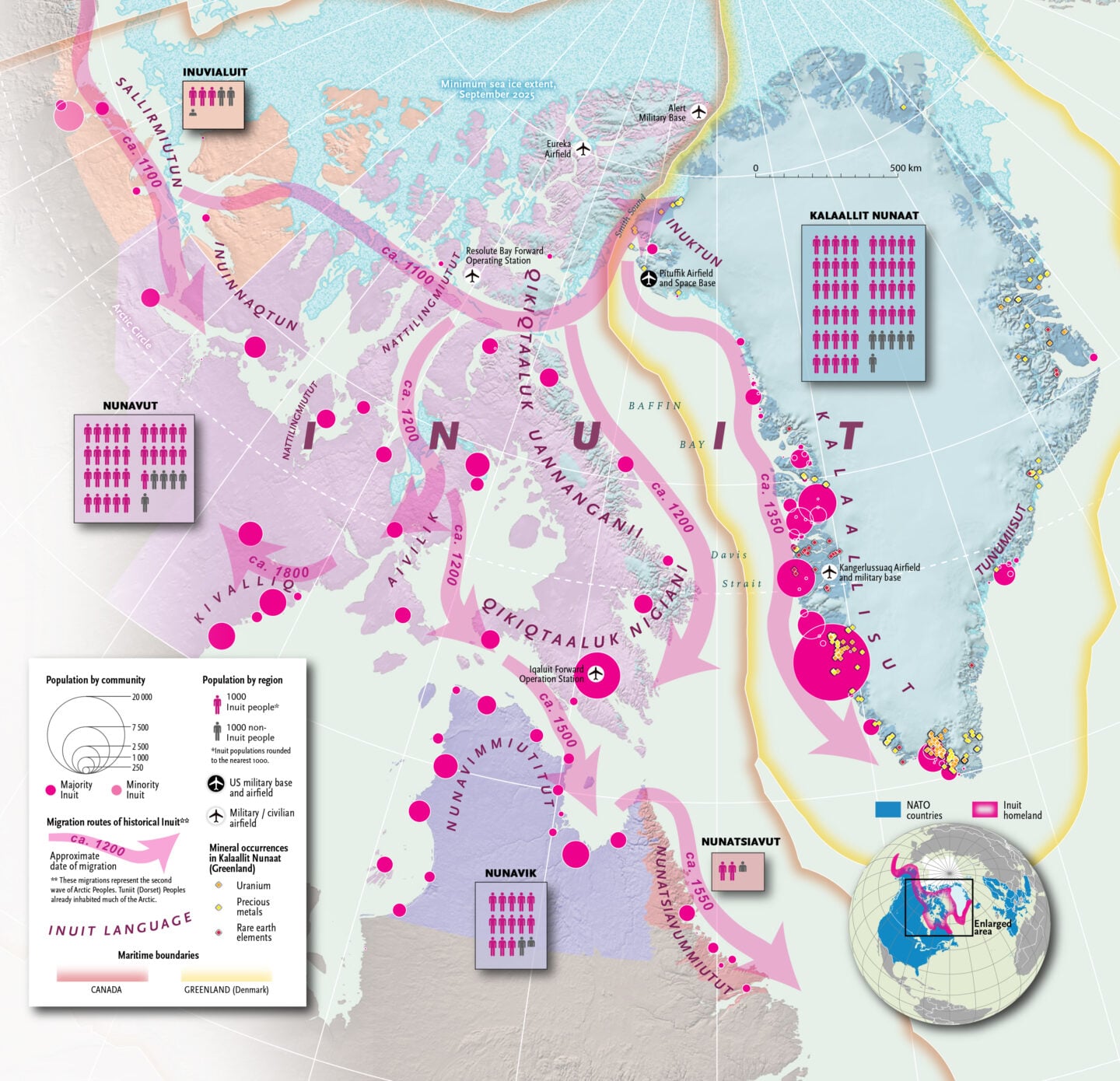
Though Inuit in both countries experienced colonization in different ways, connections across the Arctic remain deeply rooted in shared language, history and identity
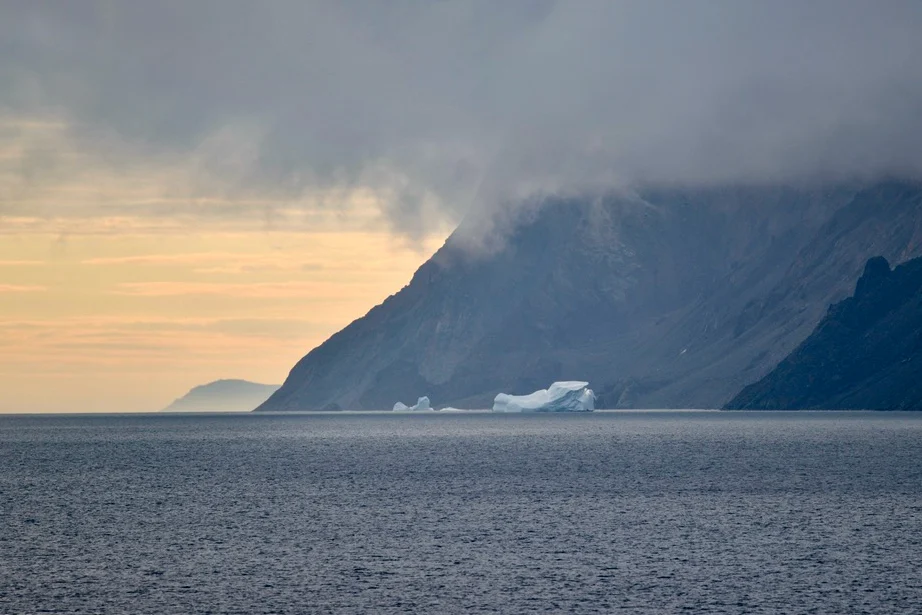
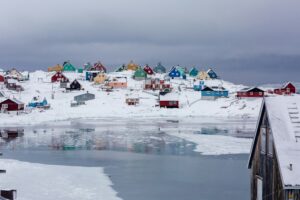
There might be an international border separating Canada and Greenland, but the relationships on either side, even across an ocean, run deep.
Many differences that exist between Inuit in Nunavut and Greenland are largely because of how colonization unfolded in each region, according to Aursaarsuq Siksik Sammurtok-Lavallee. The Nunavut-based advocate for Inuit rights and Inuktut languages has worked internationally with UNESCO as an Inuit representative for the Arctic Region for the Decade of Indigenous Languages. Her insights come as U.S. President Donald Trump continues to express his desire to annex Greenland and claim its mineral resources.
“We have a connection that predates modern borders,” says Sammurtok-Lavallee, who grew up in Kangiqtiniq (Rankin Inlet).
When it comes to links between Canadian Inuit and the Kalaallit of Greenland, Sammurtok-Lavallee thinks of Baffin Bay and Smith Sound, the waterways between Nunavut and Greenland. Smith Sound is a narrow channel between northwest Greenland and Ellesmere Island, long home to the Inughuit of northwest Greenland and Inuit of the Canadian High Arctic.
“Those were, once upon a time, routes of connection,” says Sammurtok-Lavallee. “Now they kind of act as lines of separation.”
These connections span land, ice, language and Inuit Nunaat itself,” despite these borders that have been placed on us for centuries,” and despite forced assimilation.
“Despite centuries of separation from one another as Inuit, the language that we have, Kalaallisut and Canadian Inuktut dialects, they all belong in the same Inuit language family,” says Sammurtok-Lavallee. “In northern Greenland, where the Inughuit are from, they speak Inuktun, which is often closer to Canadian Inuktitut than to, say, West Greenlandic.”
Where she sees most of the divergences is in language policy, her expertise. In Greenland, Kalaallisut is the official language, though Danish is widely spoken. Canada has Inuktitut dialects that exist within fragmented regions, but it’s not recognized to the same extent.
“This results in different levels of linguistic confidence and visibility,” says Sammurtok-Lavallee. “It certainly shapes how sovereignty is experienced and expressed.”
But the solidarity Inuit in Canada have shown with Greenland reflects the ongoing relationship between Inuit. “It’s not just symbolic politics,” she says.
This story is from the May/June 2026 Issue
People & Culture
Indigenous Greenlanders, who endured centuries of colonialism from Denmark, now face a new threat from Donald Trump’s United States
People & Culture
For generations, hunting, and the deep connection to the land it creates, has been a mainstay of Inuit culture. As the coastline changes rapidly—reshaping the marine landscape and jeopardizing the hunt—Inuit youth are charting ways to preserve the hunt, and their identity.

Mapping
Maps have long played a critical role in video games, whether as the main user interface, a reference guide, or both. As games become more sophisticated, so too does the cartography that underpins them.
Wildlife
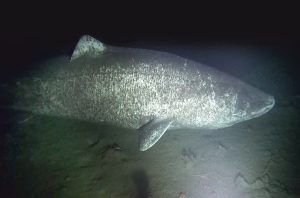
Using cameras baited with squid, researchers were able to gather information about these ancient Arctic fish without taking any out of the water