People & Culture
Kahkiihtwaam ee-pee-kiiweehtataahk: Bringing it back home again
The story of how a critically endangered Indigenous language can be saved
- 6318 words
- 26 minutes
People & Culture
Indigenous Greenlanders, who endured centuries of colonialism from Denmark, now face a new threat from Donald Trump’s United States

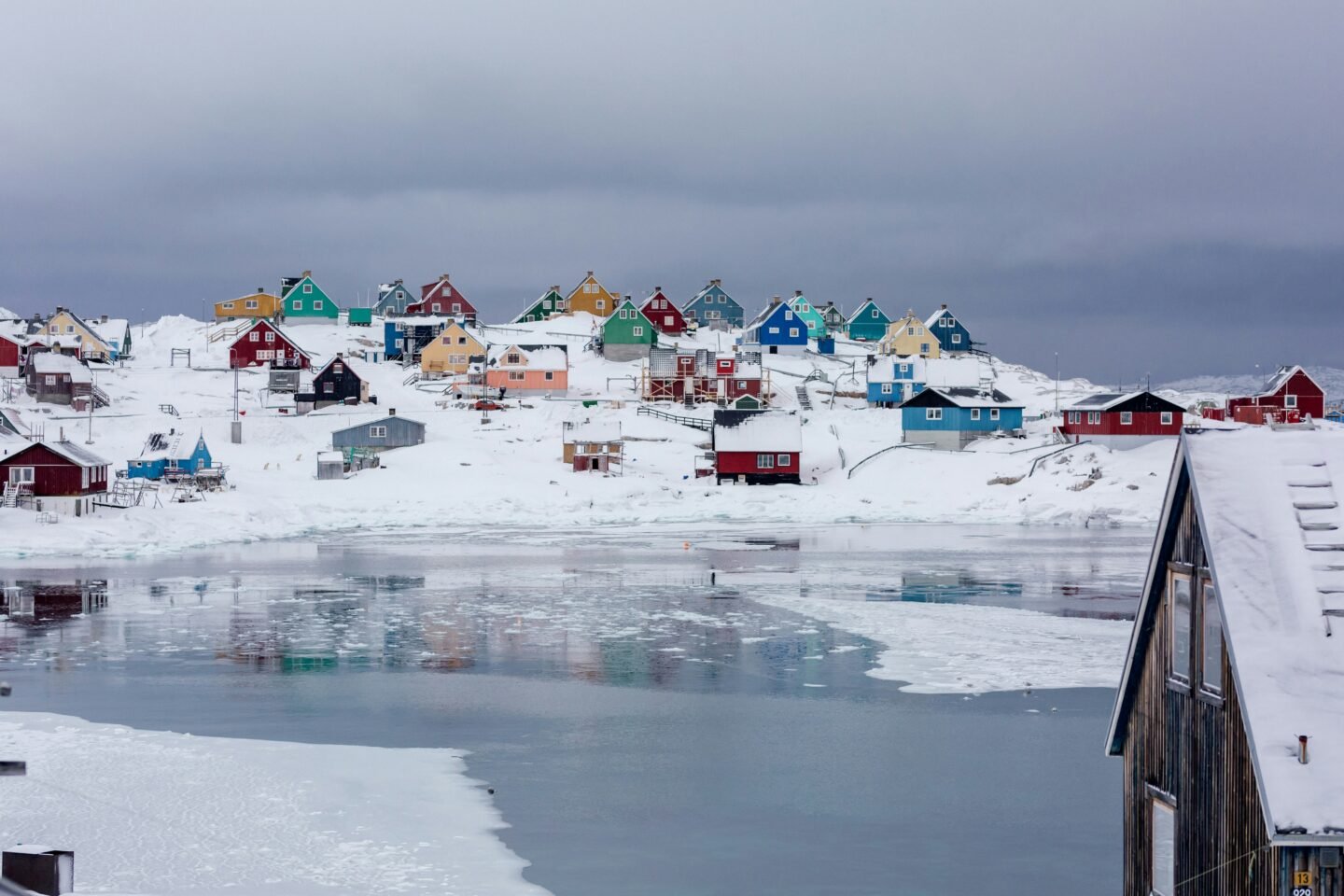
With U.S. President Donald Trump apparently bent on reshaping the world order in 2026, the threat of a United States takeover of Greenland seems ever more real. Stephen Miller, a top Trump aide, ignited discussions early in the new year when he told CNN the formal position of the White House is that Greenland should be part of the United States. He added that if the U.S. decided to annex Greenland, no one would put up a military defence.
Whether it’s a genuine threat or just political posturing, the threat of an American takeover of Greenland has raised hackles in northern Canada, too. For Canadian Inuit, Greenland is part of a kinship that extends through northern Canada and Alaska to Greenland, northern Europe and Russia. Ways of life, cultures and family ties extend throughout, dating back to well before colonization by Europeans. That identity transcends modern political borders.
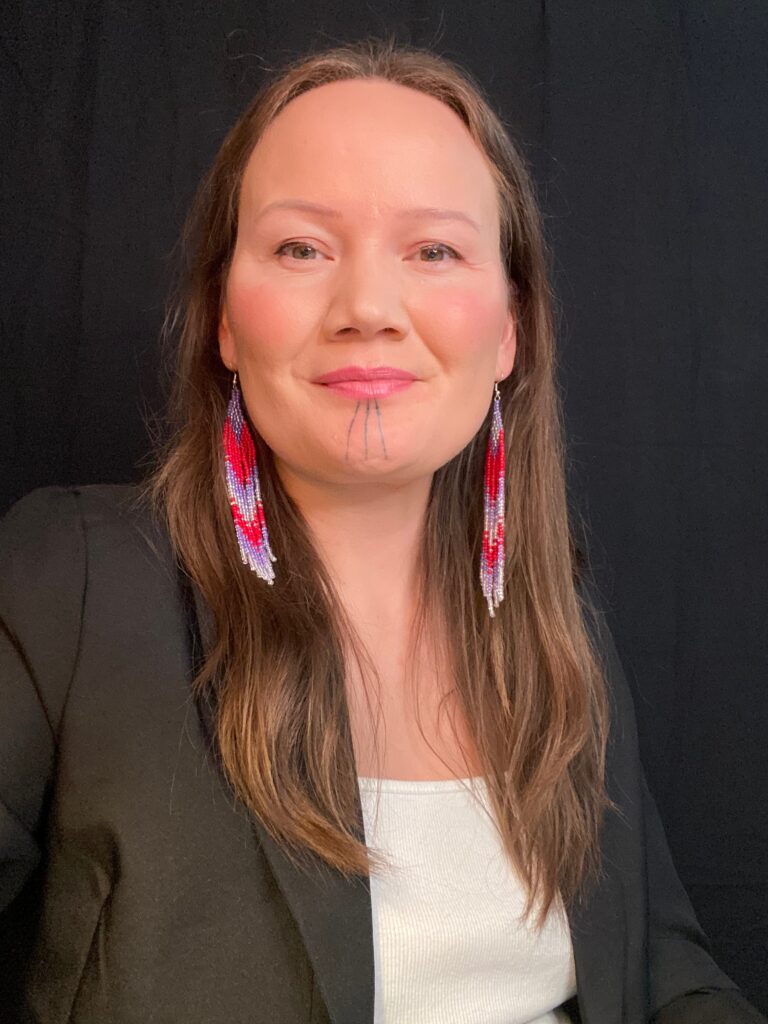
Tupaarnaq Kopeck is an Inuk woman originally from Greenland now living in Alberta. When Trump began musing about annexing Greenland after winning a second term in 2024 — even going so far as to send his son to the capital, Nuuk, to drum up MAGA enthusiasm before his inauguration — Kopeck was alarmed.
“For me, it was extra scary because we don’t have a military,” she says. “I know that we are part of Denmark, which is part of NATO, but … to be having a threat from someone that we considered an ally is really scary, and especially someone with such a huge military. We really won’t have a chance.”
Being so far away from her close friends and family in Greenland is difficult, Kopeck says. They’re scared, having never expected their country and way of life to be threatened in this way.
“They’re like, ‘Is that threatened?’” she says. And it’s going backward in terms of reconciliation too. “We are also in the process of healing from 300 years of colonization from Denmark,” says Kopeck. “Right now, we probably need Denmark more than ever.” She says she just hopes other political powers in America can hold Trump’s ambitions at bay.
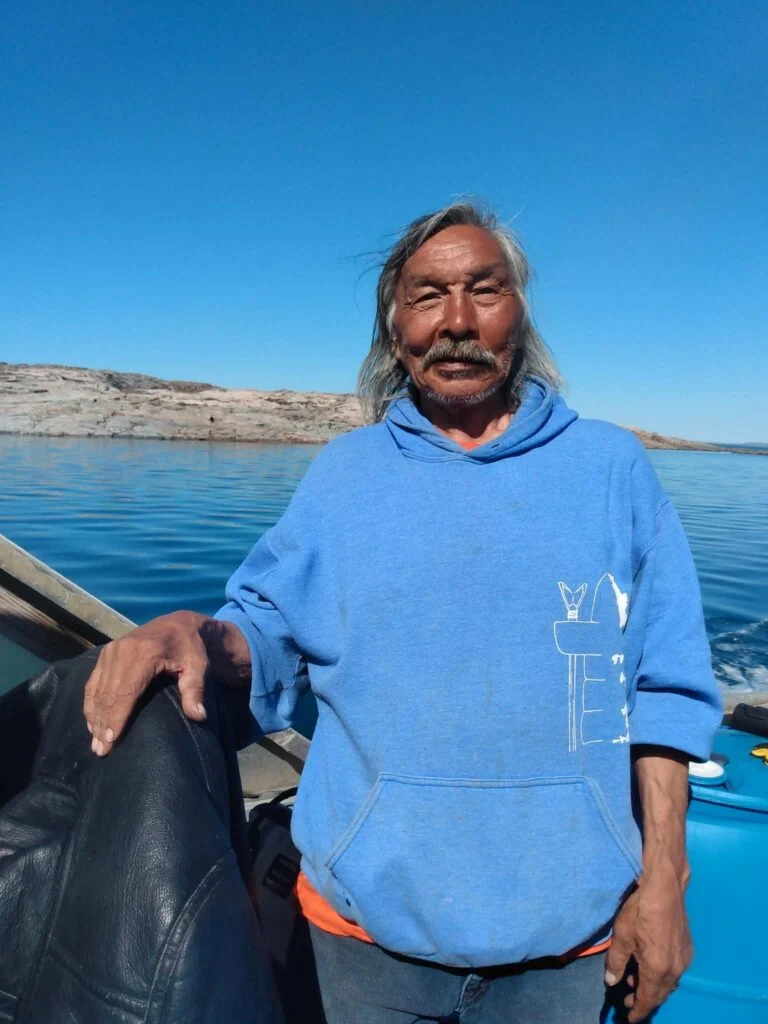
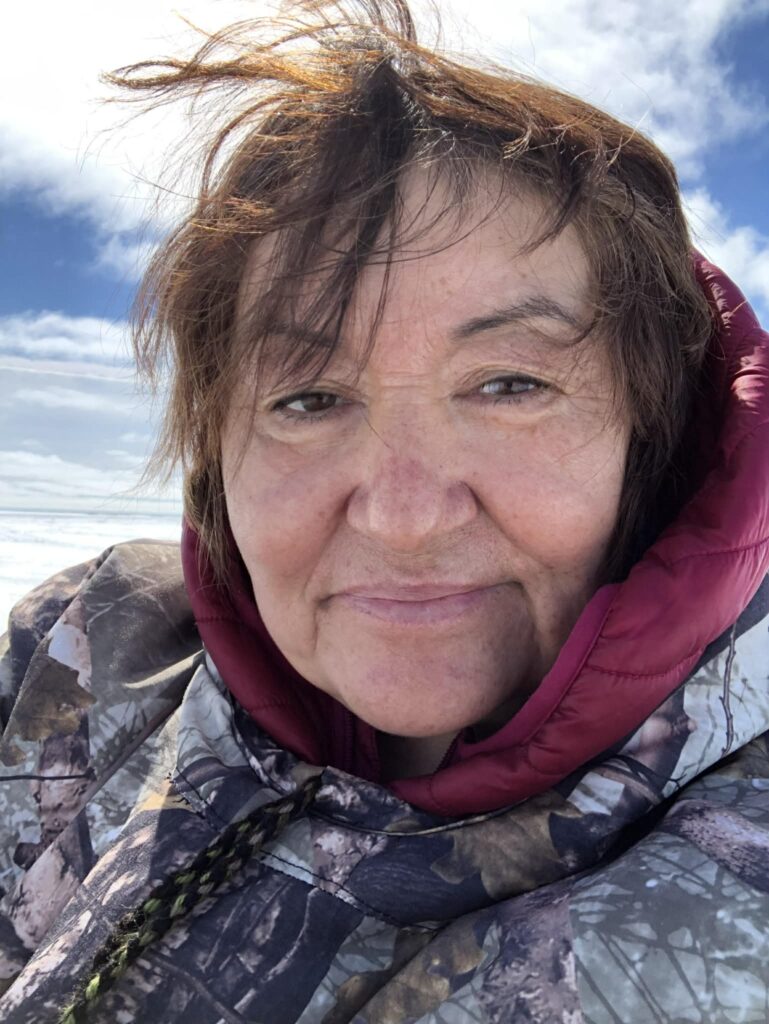
Jack Anawak, a former member of Parliament from Nunavut, believes the annexation talk is a political game.
“I think it’s more of a distraction effort because of the Epstein files,” says Anawak, adding the prospect of losing political power in the 2026 midterm elections increases the need for cover. Besides, he says, how would China and Russia — which also have a keen and vested interest in the Arctic — respond to a U.S. acquisition of Greenland? “They’re not going to just say, ‘Yeah, take over,’” he quips. Ultimately, Anawak thinks global pressure will force the U.S. to back off making any such plans a reality.
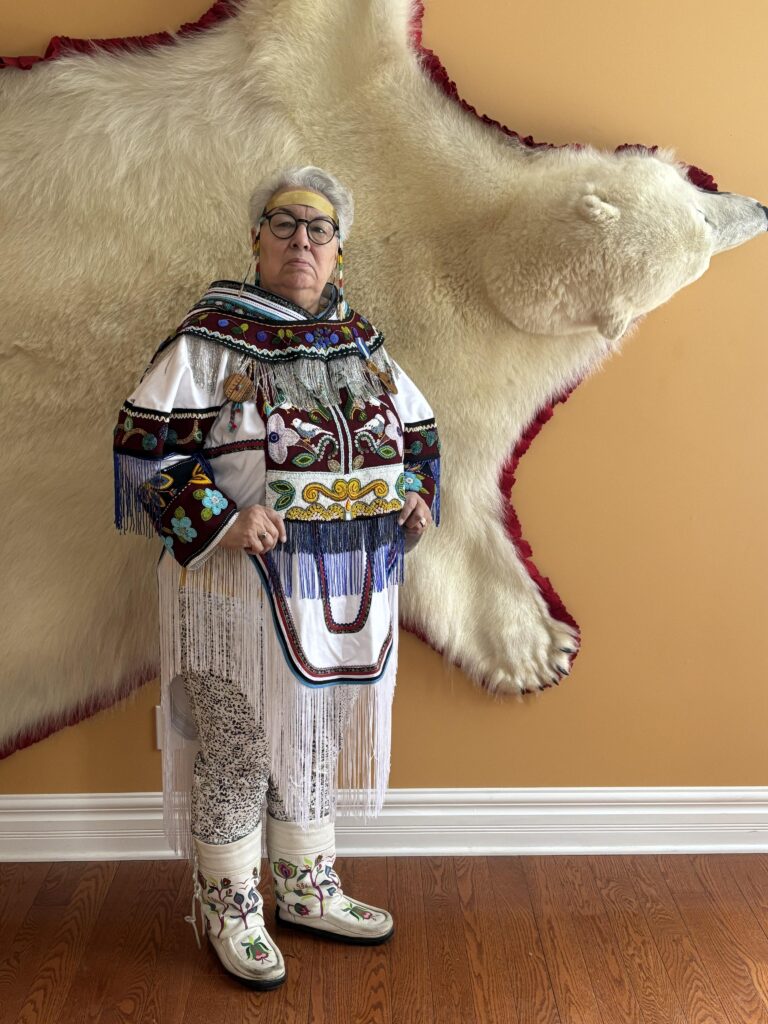
Cathy Towtongie from Rankin Inlet, who served two terms as president of Nunavut Tunngavik Inc. and one in the Nunavut legislative assembly, says Trump has no regard for the sovereignty of nations, but Inuit have always been resilient.
“Inuit have family in Canada, they have family in Greenland,” says Towtongie. “From our forefathers, we’ve always been advised to be united as Inuit. That was true before there were boundaries or nations made by colonial powers.”
Towtongie says she’s behind the Kalaallit Inuit of Greenland; under the United Nations Declaration on the Rights of Indigenous Peoples, they have the right to free, prior and informed consent when it comes to anything that happens on their land. “Without that consent, it’s very arrogant that the United States presumes that land can be for sale.”
Manitok Thompson, Nunavut’s first female cabinet minister, agrees. “What are we … to be bought by anyone like slaves in (the) 1800s? We are so upset with that idea. It’s a paternalistic attitude.”
Inuit in Canada are standing with Greenland, she says. “Buying countries is Stone Age mentality.”
For Nivi Rosing, who studied in Ottawa before becoming Greenland’s current youngest member of parliament, the idea that colonial powers are still trying to gain control over her country is unfathomable.
“We are in 2026,” she says. “We’re so past colonial times. We’re a recognized people. We have our own government, we have our own prime minister, and we are getting ready for our independence.”
Since 2018, during Trump’s first term, Greenland has been vocal about rejecting American influence, she says. “We’re open for cooperation, but on respectful terms. But they don’t seem to respect that.”
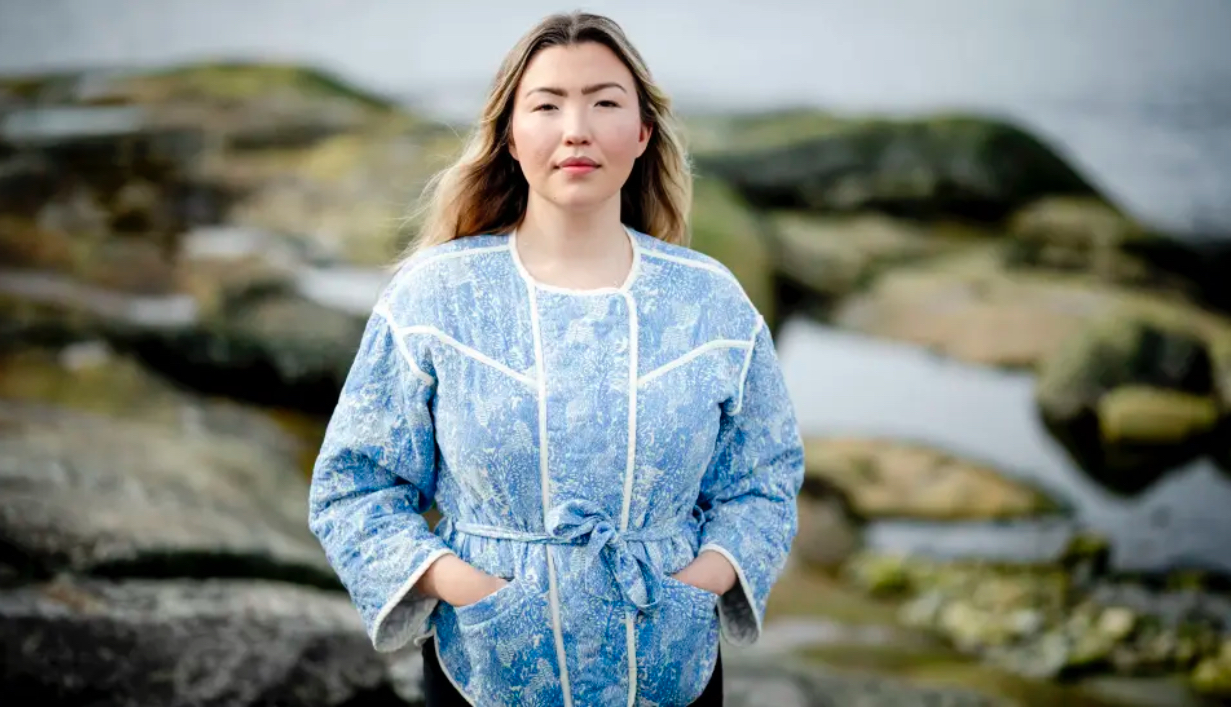
And in light of Trump kidnapping the president of Venezuela and his wife, all one can do in her eyes is prepare for the worst and hope for the best. If the Venezuelan operation was justified by claims of drug trafficking, Rosing theorizes, she fears claims of Russian and Chinese ships on Greenland’s waters could make for a similar excuse.
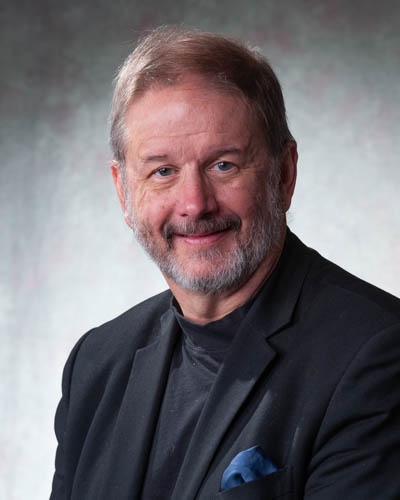
“I’m afraid that he’s just really trying to find a reason to gain control over our country.” If there were foreign ships on the waters, hunters would report it, and people would talk about it, she said. But they wouldn’t be equipped to ward off the invaders.
Asked if any Greenlanders would support American rule, Rosing acknowledges some would. Denmark has not lived up to the promise of equality, she says, and people are tired of that relationship. In her view, Greenland is still oppressed.
“(The Danish government) always threaten us that they will pull the funding, that we’re better off without Denmark if we’re complaining,” says Rosing. “I think there are definitely some people here who would think that the U.S. will come with a better offer, because people are just so tired of not being equal to Denmark in our kingdom.”
For now, Rosing hopes the Canadian government will help protect Greenland’s sovereignty, noting Prime Minister Mark Carney has spoken in defence of it. The prime minister recently announced Canada will open a standalone consulate in Nuuk in early February.
“We need all our allies to vocally support our sovereignty, our sovereign rights as a people, especially as Inuit,” says Rosing. “Colonial times are over, and we are a recognized, sovereign people. I just hope that our ally countries will support us more than ever.”
People & Culture
The story of how a critically endangered Indigenous language can be saved
People & Culture
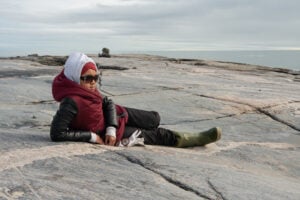
For generations, hunting, and the deep connection to the land it creates, has been a mainstay of Inuit culture. As the coastline changes rapidly—reshaping the marine landscape and jeopardizing the hunt—Inuit youth are charting ways to preserve the hunt, and their identity.
Mapping
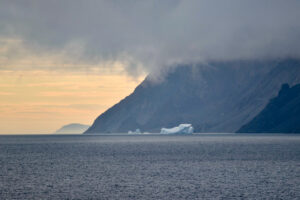
Though Inuit in both countries experienced colonization in different ways, connections across the Arctic remain deeply rooted in shared language, history and identity
Wildlife
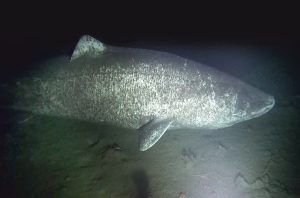
Using cameras baited with squid, researchers were able to gather information about these ancient Arctic fish without taking any out of the water