History
La naissance de Bytown: Entre réflexion, mémoire et réconciliation, Ottawa célèbre son bicentenaire
« Cela faisait passer le Far West pour une terre paisible » : Retour sur la naissance de la capitale du Canada
- 916 words
- 4 minutes
History
Balancing reflection, remembrance and reconciliation as Ottawa commemorates its bicentennial

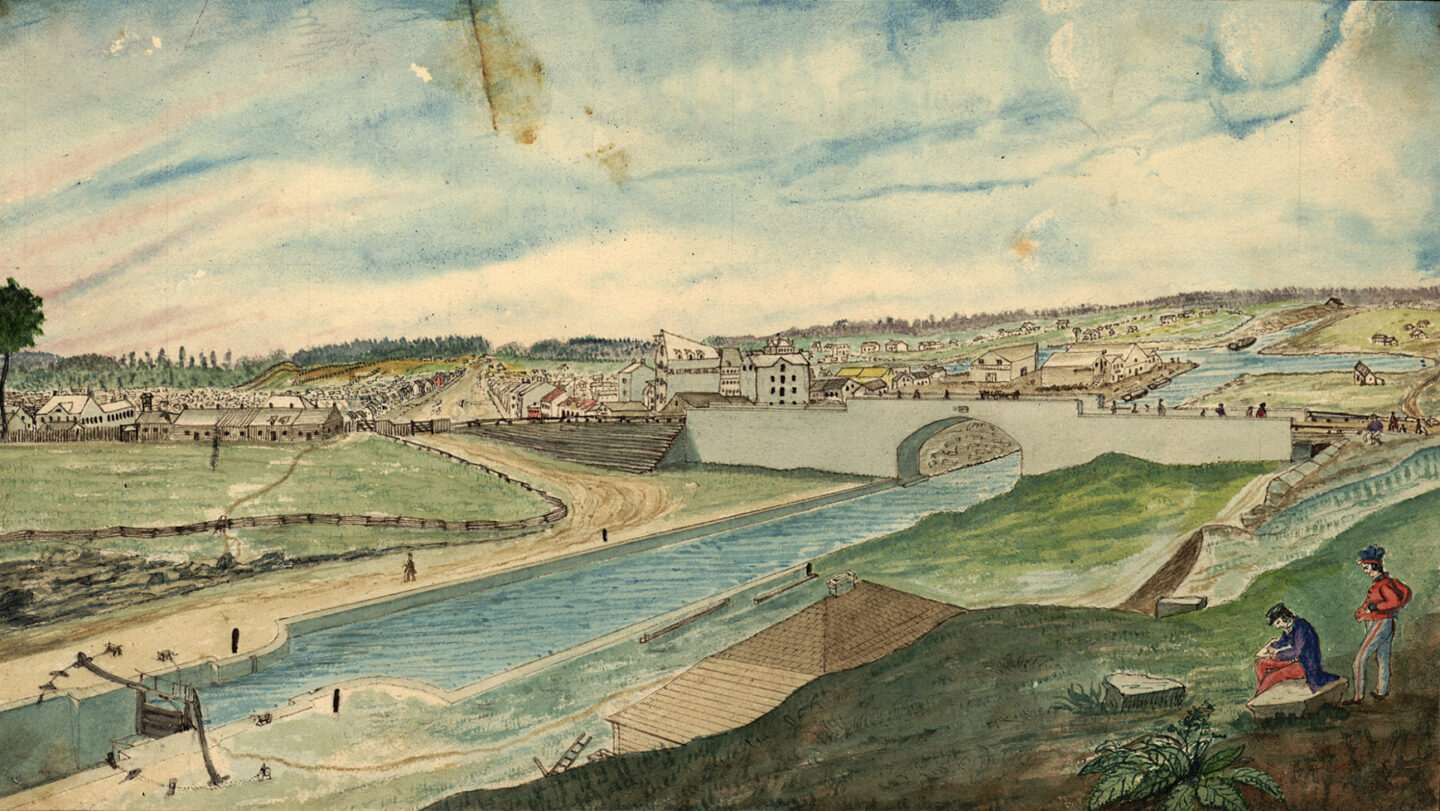
The year was 1826 and the birth of Bytown was a young colony’s OG expression of “elbows up.” The War of 1812 had ended in 1815, but the British military were leery of this fragile peace with the United States. During the hostilities, moving troops and supplies along the St. Lawrence River was costly, difficult and dangerous. All that stood between the two sides was a shaky network of outposts along the Niagara, Detroit and St. Lawrence rivers. So British military leaders lobbied hard for a safe alternate water route between Kingston and Montreal.
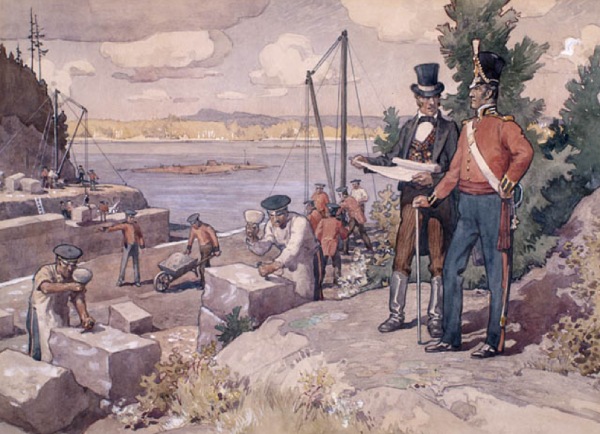
Enter Lt.- Col. John By of the Royal Engineers, who was put in charge of what would become the 202-kilometre Rideau Canal. By established his headquarters at the confluence of the Ottawa and Rideau rivers so he could oversee every aspect of this important — and technically difficult — section of the canal. Bytown was born.
The ramshackle new settlement was originally known as Colonel By’s Town, a name “probably first used in jest” according to a Historical Society of Ottawa pamphlet. In those first few years, By headed his hand-written letters “Rideau Canal Office,” but records show, by 1829, even he was labelling his correspondence as originating from By-town. The canal-side village was decidedly rough and tumble — “it made the Wild West look tame,” quips the Ottawa Historical Society’s Ben Weiss — but the muddy, mosquito-plagued settlement would blossom into a bustling lumber town and, eventually, be named the nation’s capital, two years after being incorporated as Ottawa in 1855.
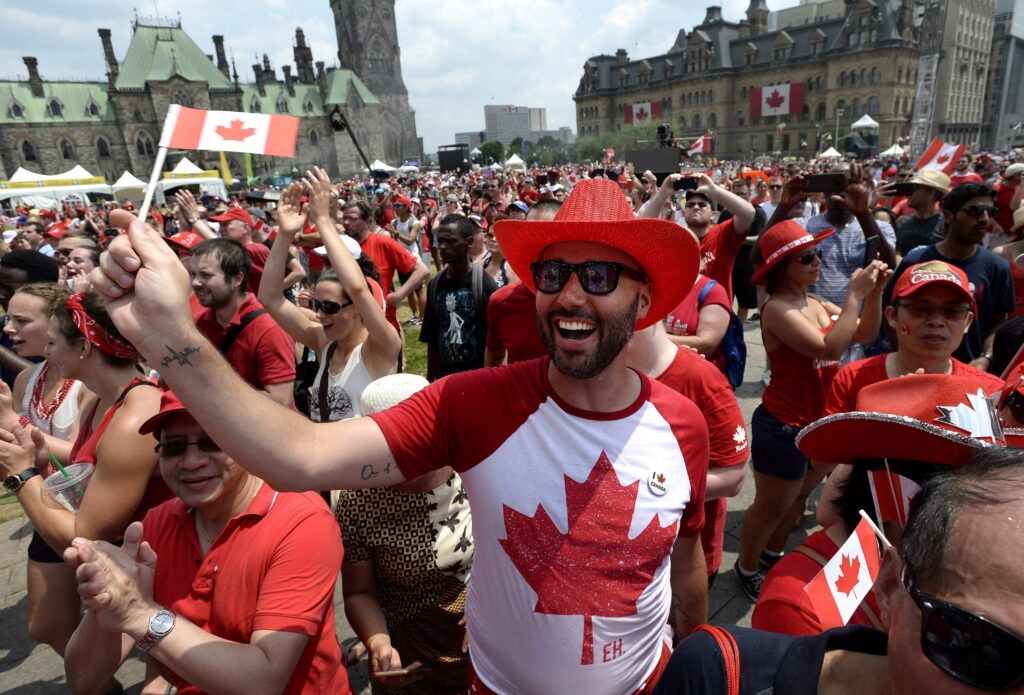
In 1899, the federal government created the Ottawa Improvement Commission, the precursor to today’s National Capital Commission, to introduce urban planning to the capital. That decision paid dividends, resulting in a city whose stately parliamentary district and wide-open parade spaces reflect Ottawa’s place as a national symbol. Both were on full display when Bytown marked its 100th birthday with a weeklong celebration in August 1926.
National pride ran high in the aftermath of World War I and pomp and pageantry was the order of the day. There was a military parade, a 1918 battle re-enactment, a regatta and even a multi-day rodeo. The Ottawa Citizen reported that large crowds gathered for a street dance that continued into the wee hours. The century-old clashes that gave rise to Bytown were forgotten; Canada and the United States were firm allies after the Great War.
Also forgotten in the hype, notes Anishinaabe scholar, artist and activist Lynn Gehl, was the hard truth that Akikpautik (Chaudière Falls) and the lands and waters around Bytown had been a sacred place for the Anishinaabe and other First Nations for thousands of years. The route chosen for the Rideau Canal traced well-travelled Indigenous routes, yet there was no acknowledgement that the canal’s construction and subsequent lumber industry had destroyed much that was held sacred by the Anishinaabe-Algonquin. Few residents knew Bytown occupied unceded Algonquin territory. We can’t change history, but in the 100 years since those last heady celebrations, many Canadians have embarked on a path toward reconciliation, recognizing history must be viewed through multiple lenses. As Ottawa gears up for a summer filled with Ottawa 200 celebrations, both the city and the National Capital Commission are focused on pairing sober reflection on the past with a positive vision for the future.
“The national capital is part of our patriotism. It is everyone’s second hometown. No matter which government is in power and does what, the national capital is everyone’s capital,” says Alain Miguelez, the NCC’s vice-president of capital planning. “Everyone can — and should — find themselves at home in the national capital.”
Still, Gehl needs people to understand that an essential part of Ottawa’s history “is who has been harmed and how do they feel.” She says bicentennial organizers must be open to diving into the real history of that landscape, one that highlights the importance of the natural waterscape and the people who predated the British and French.
The current state of Canada-U.S. relations also invites somber reckoning amid the festivities. With U.S. President Donald Trump’s aggression against Venezuela and Greenland, and quips about the 51st state still ringing in our ears, Canadians once again have their elbows up, cautious of our potentially dangerous neighbour to the south. It is no mistake that The Guess Who has been announced by Bluesfest as the headliner for a special Ottawa 200 show in July. Ottawans are undoubtedly looking forward to belting out the lyrics to “American Woman.”
This story is from the March/April 2026 Issue
History
« Cela faisait passer le Far West pour une terre paisible » : Retour sur la naissance de la capitale du Canada
Travel
You don’t have to be an expert skier to make the most of a winter getaway in the Kootenay Rockies

People & Culture
In the April issue of Canadian Geographic I wrote about Stratford, Ont.'s three decade struggle to repurpose the giant, neglected railway…
History
Traffic boxes in Canada’s capital tell forgotten stories about the city’s past