Travel

In Patagonia, volunteers are restoring more than just a trail 

This international volunteer program in Chile’s Torres del Paine National Park is rebuilding the famed Base Torres route to protect a fragile landscape from erosion and overuse 

  • Apr 27, 2026
  • 1,453 words
  • 6 minutes
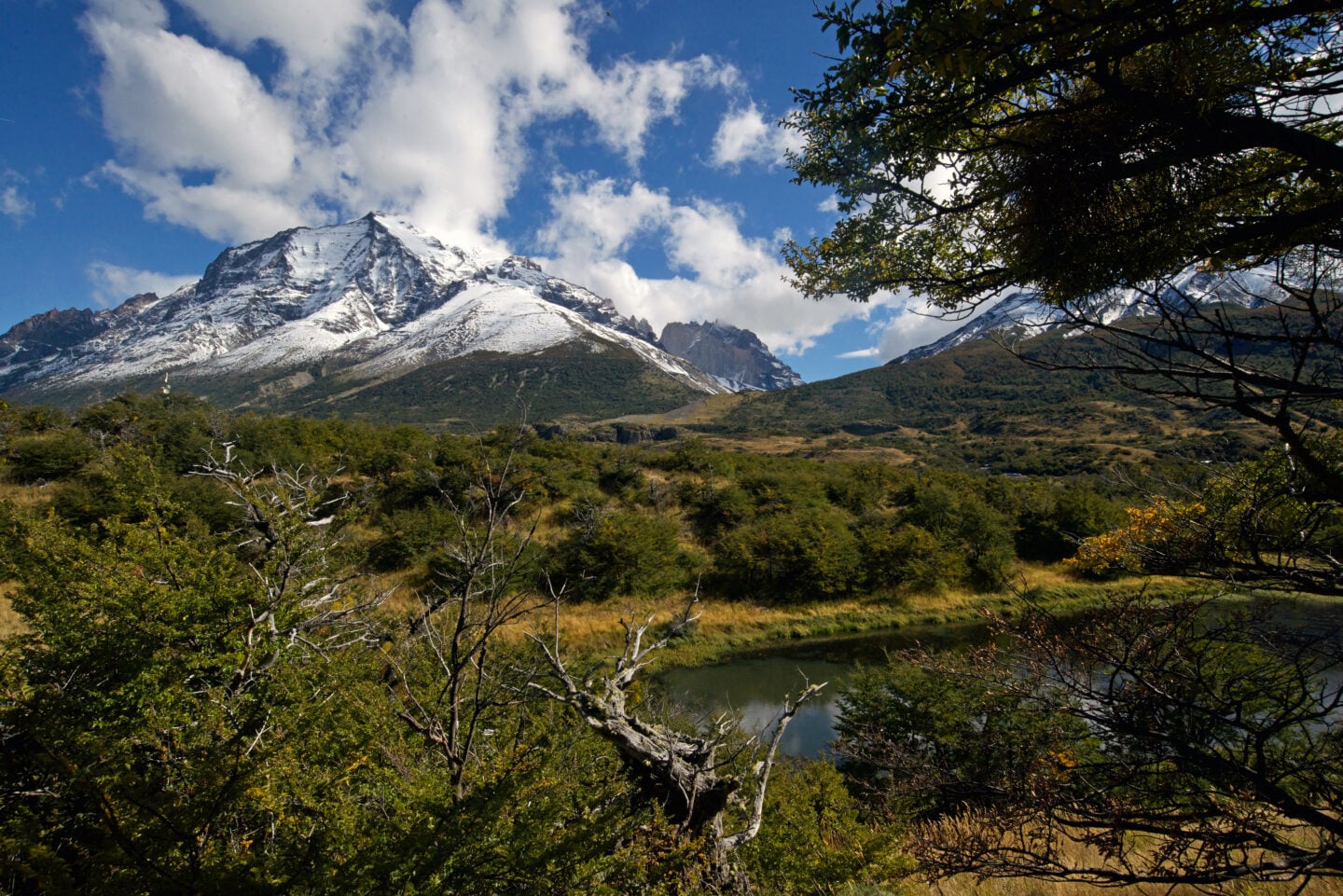
In 1978, Torres del Paine National Park was designated a UNESCO Biosphere Reserve and is renowned for its diverse ecosystems, peaks and turquoise lakes.
Expand Image
Advertisement
Advertisement

A selfie with a great white shark, glowing lava on an active volcano, a baby orangutan swinging between trees — these are just a few of the clips Cindy Burgess included in her 45-second video explaining why she should be selected as one of 10 volunteers to travel to Chile on an all-expenses-paid trip to help restore a hiking trail in Torres del Paine National Park.

Back for its third edition, Las Torres Patagonia’s 10 Volunteers for 10 Days program is an international voluntourism initiative rooted in conservation and sustainable travel. Created to connect travellers more meaningfully with the landscapes they move through, the program invites participants not just to witness Patagonia’s beauty but to take part in its preservation.

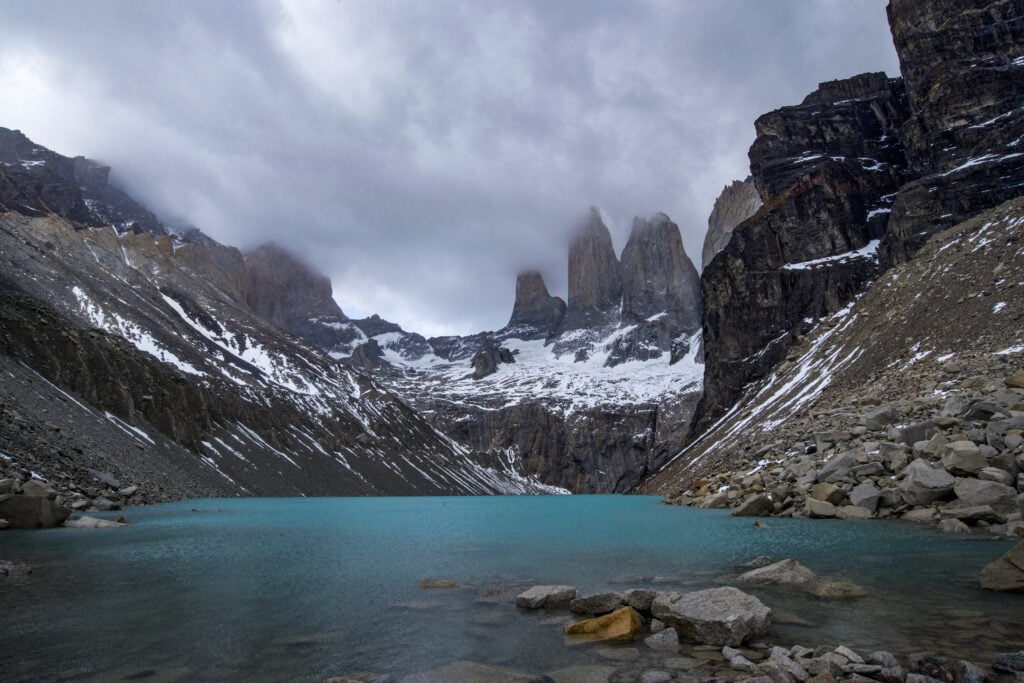
Rising 2,500 metres above sea level, Torres del Paine National Park's three granite towers (Torre Sur, Torre Central, and Torre Monzino), which can be seen from the Base Las Torres viewpoint, are arguably the most photographed peaks in Patagonia.
Expand Image

To enter, participants from Canada, the U.S., the UK, Chile and Brazil were invited to upload a short video to Instagram reflecting on what sustainability and ecotourism mean to them, tagging @lastorres.patagonia and using the hashtag #PatagoniaVoluntourism2026.

More than a thousand eager volunteers entered the contest. Cindy Burgess was one of the lucky 10 who was selected to help repair and rebuild sections of the heavily trafficked Basse Torres Trail, one of Patagonia’s most iconic hikes. It’s just one part of a coordinated long-term effort to protect the park’s fragile ecosystem while making the trail more accessible.

“It’s always been a dream of mine to come to Patagonia,” says Burgess, peering out her bedroom window at Las Torres Patagonia, a reserve located in the heart of Torres del Paine. “I’m a lifelong traveller, and I love nature, wildlife and extreme weather, so this is just my kind of place. And I do a lot of volunteering as it is, so I love the idea of being able to help out.”

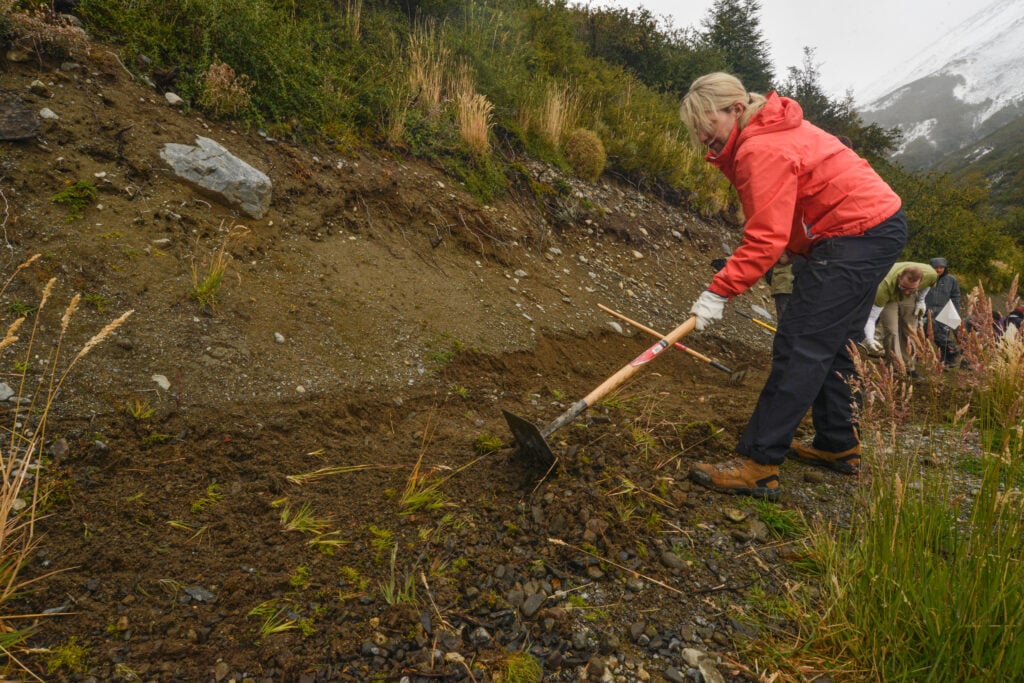
Cindy Burgess, one of the 10 volunteers selected for Las Torres Patagonia’s 10 Volunteers for 10 Days program, works on a section of the trail.
Expand Image
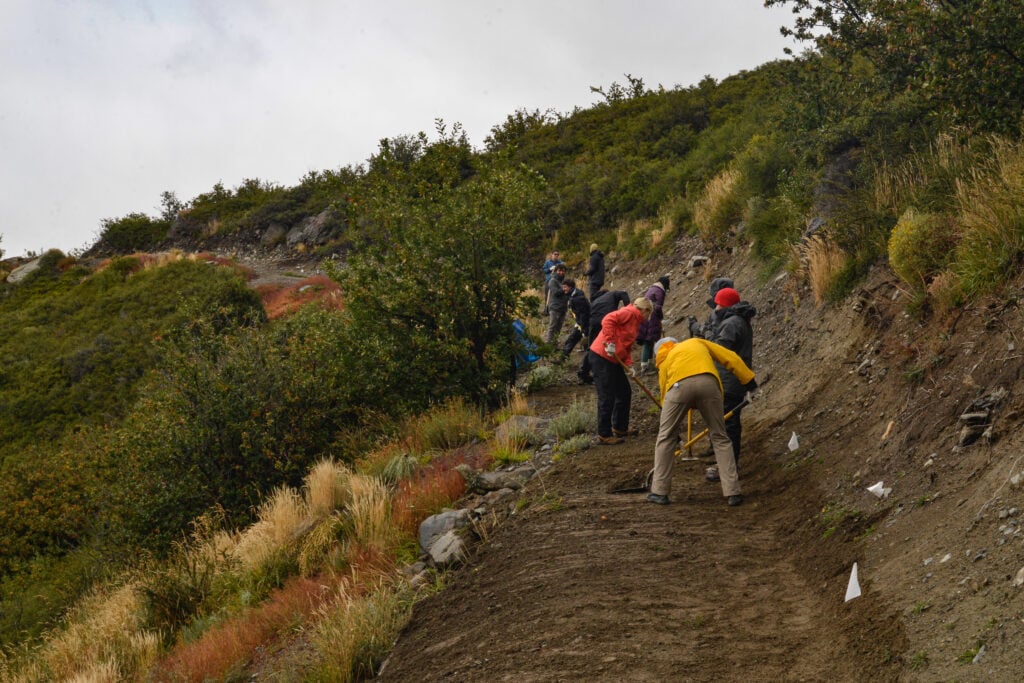
Five of the 10 volunteers work to remove large stones, redistribute soil and reshape sections of the path to control water flow and reduce erosion.
Expand Image

Originally from Toronto but now based in Oakville, Burgess spent 20 years as a broadcast journalist before launching her own video production company. She had just returned from Borneo when she came across the program’s call for submissions in February 2026.

“I put together a fast-paced video. I tried to make it fun and engaging,” she says, as Las Torres Patagonia’s horses gallop past the window. “I wanted to show a lot of photos of me out there in the environment, with wild animals — some of the experiences that I’ve had.”

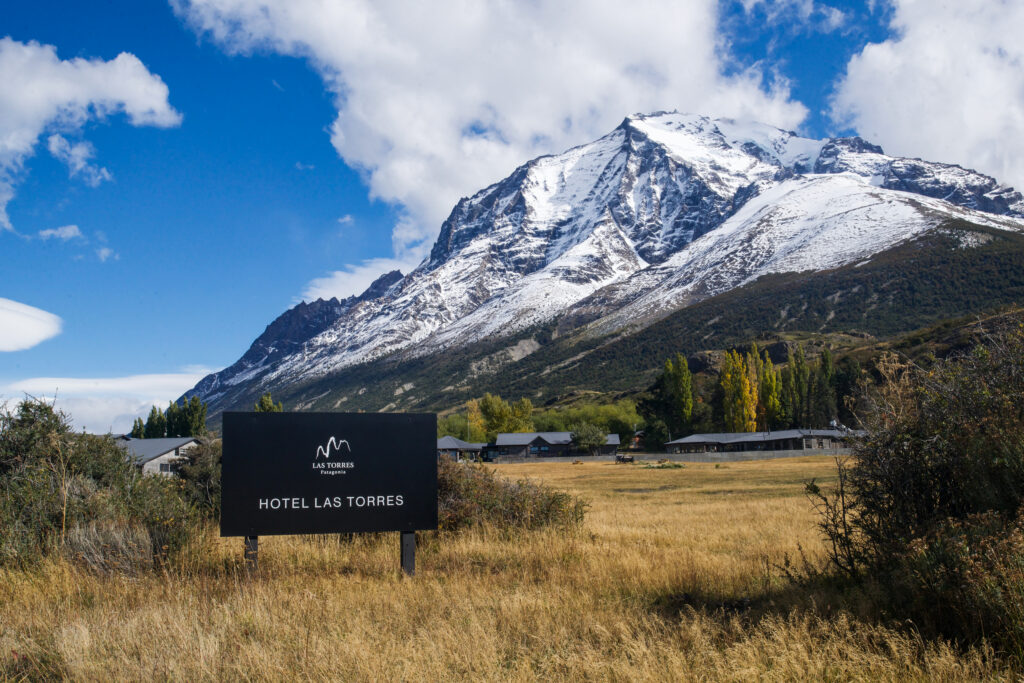
Located in the heart of Torres del Paine National Park, Las Torres Patagonia is a family-owned hotel that has been operating in the region for more than three decades.
Expand Image

The program forms part of a broader conservation strategy led by Las Torres Patagonia — a family-owned company that has operated in the region for more than three decades. In recent years, the organization has taken an increasingly active role in trail design, habitat protection and visitor education. It’s an acknowledgement that, while tourism can be a positive force, it is placing increasing pressure on one of South America’s most-visited protected areas.

The program now partners with SKY Airline, expanding both its reach and impact. The airline, which was founded in Chile and operates flights throughout Latin America, is eager to collaborate on green initiatives in its backyard. “By supporting this kind of project, we’re fulfilling this purpose [of operating more sustainably], and we’re bringing volunteers here from different parts of the world,” says Marco Larson, the airline’s head of sustainability.

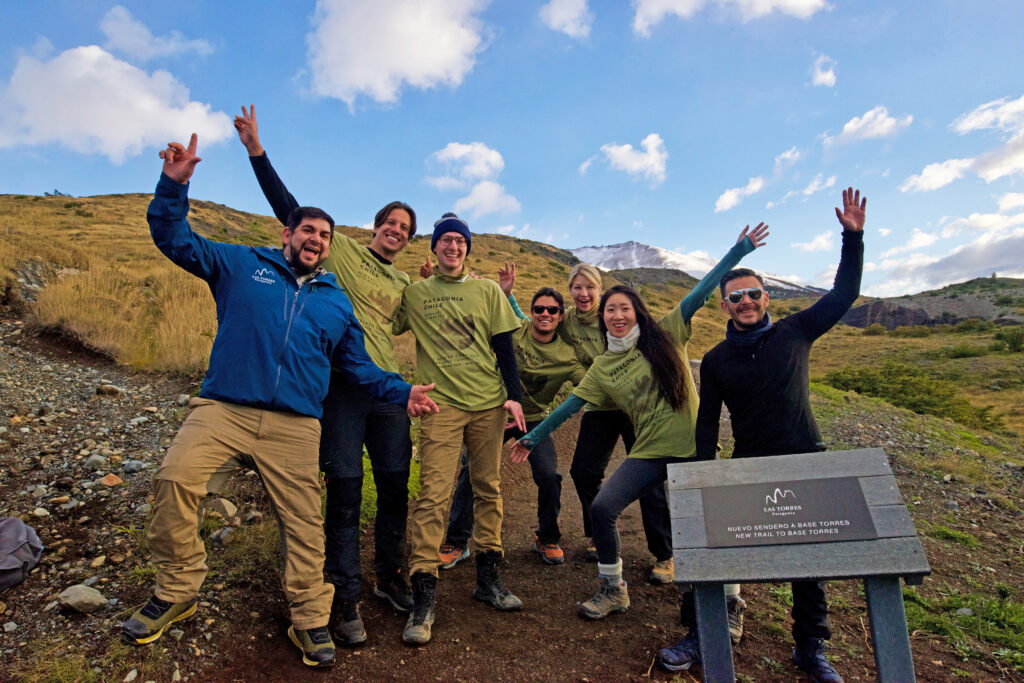
Burgess, the only Canadian in the group, was joined by fellow volunteers from the U.S., Brazil and Chile. When the program first launched in 2024, it was limited to Canadian and U.S. citizens only, a reflection on the fact that North American travellers are the primary visitor market for Las Torres Patagonia. It has already expanded to welcome volunteers from the UK, Chile and Brazil.

John Alejandro Ojeda (far left), five of the 10 volunteers and Marco Larson (far right) celebrate the opening of a new 3.3 kilometre section of the trail to Base Torres Viewpoint.
Expand Image

“Our goal is to raise awareness about how fragile this place is,” says Javiera Villarino, marketing deputy manager at Las Torres Patagonia. “Nothing here can be taken for granted. People see the beauty, but they don’t always see the impact.”

Many of the trails that wind through Torres del Paine were never formally designed. Instead, they have been shaped over time — by cattle during the region’s ranching era, then carved deeper by rainwater and runoff. Hikers have simply followed what already exists, including paths that are often steep, poorly drained and highly susceptible to erosion. With hundreds of thousands of feet trekking on this world-renowned network each year, the trails are increasingly vulnerable to degradation.

The Base Torres Trail, which is the final ascent to the park’s iconic three granite towers, is a bucket list trek that culminates with unforgettable views across the turquoise waters of Lake Torre to the peaks. In response to the growing number of tourists, Las Torres Patagonia launched a multi-year, three-phase restoration plan focused on redesigning the trail using sustainable infrastructure: gentler switchbacks, reinforced surfaces and improved drainage systems that can withstand both heavy rainfall and foot traffic.

This is where the volunteers come in.

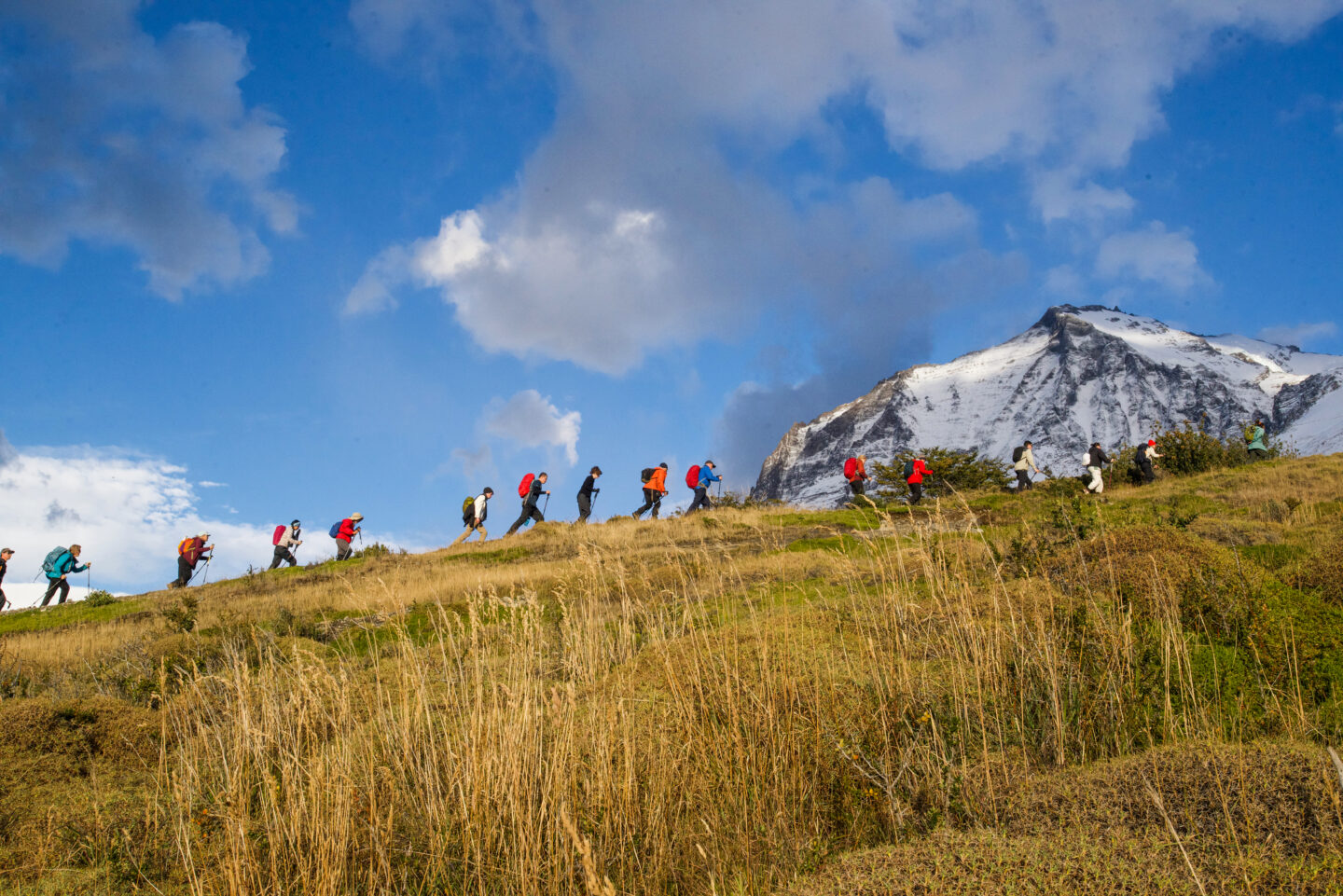
Hikers follow a trail through Torres del Paine National Park.
Expand Image

“It’s just like being a kid again,” shouts Burgess, tossing a rock off the side of the trail. Other volunteers quickly join in, and the task turns into an impromptu shotput practice, laughter echoing across the valley. The days are long and the conditions can be harsh, yet the time spent repairing the trails is as playful as it is deliberate and physically demanding.

Under the guidance of a team of trail construction workers, volunteers remove large stones, redistribute soil and reshape sections of the path to control water flow and reduce erosion. The goal is not just to repair what’s been damaged, but to reimagine the trail in a way that aligns with the natural terrain rather than fighting it.

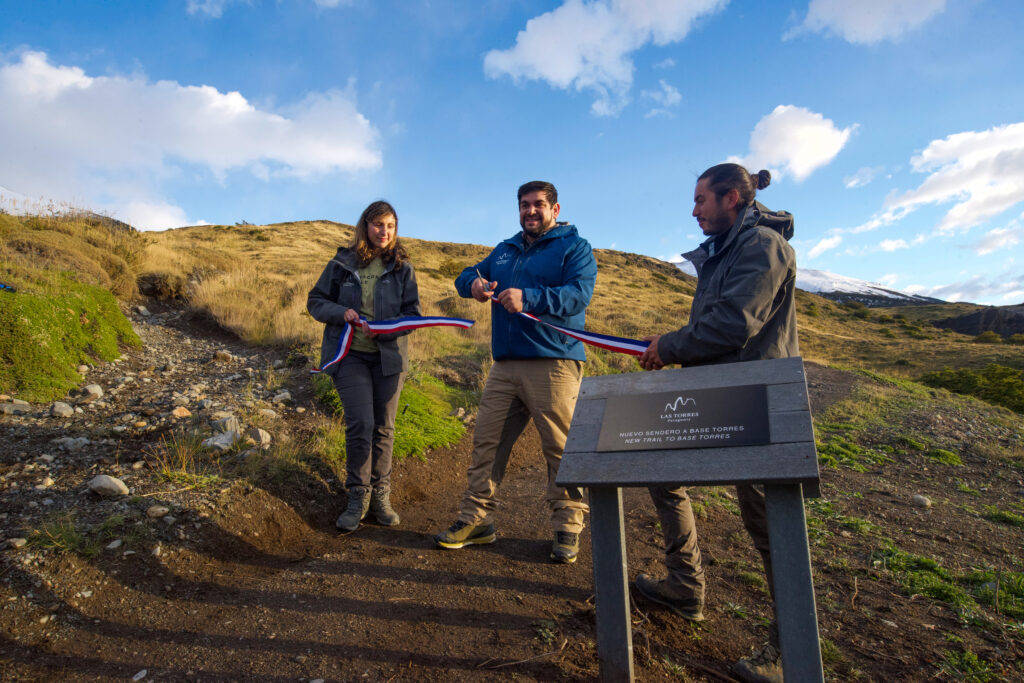
Javiera Villarino (left), marketing deputy manager at Las Torres Patagonia, John Alejandro Ojeda (centre), conservation, sustainability, and safety manager and Paulo, a trail construction builder with Las Torres Patagonia cut the ribbon for the new section of the trail.
Expand Image

“It’s really important to me that we protect what we have for years to come,” says Burgess. “Any chance I get to give back, like I am doing here.” For Las Torres Patagonia, this mindset is central.

The company has positioned itself not only as a gateway to the park but also as a steward of the land, investing in conservation projects, limiting environmental impact and encouraging travellers to engage more responsibly with the region. And this year, that work reached a milestone.

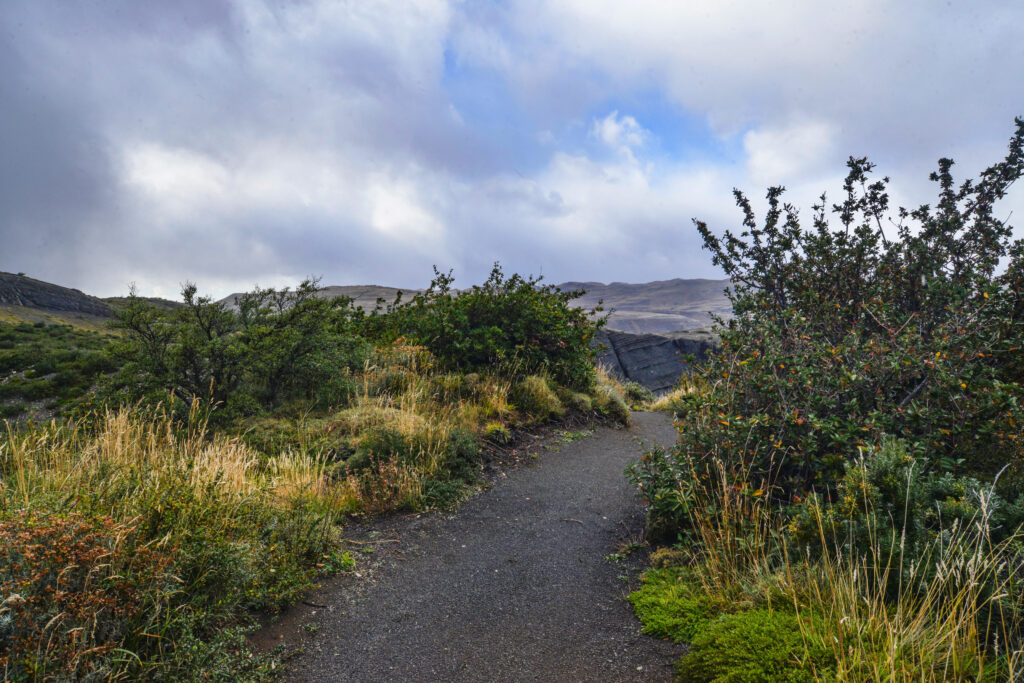
On the morning of March 26, 2026, volunteers, trail workers, staff and media gathered to inaugurate the first rebuilt stretch of the Base Torres Trail — approximately 3.3 kilometres of sustainably designed pathway. The new section is wider, more stable and contoured to follow the landscape.

“We are here, from different parts of the world and fulfilling our purpose, which is to put the sky within everyone’s reach,” says Larson as he takes in an inauguration set against a picture-perfect Patagonia panorama of mountains, rolling hills and open sky. “We had this beautiful morning today with this beautiful backdrop, this beautiful place in Patagonia — I could not be any happier that we are here today.”

Hundreds of thousands of hikers embark on treks across Patagonia every year, making the trails increasingly vulnerable to degradation.
Expand Image

John Ojeda, the conservation, sustainability and safety manager at Las Torres Patagonia, says a few words before cutting a ribbon to mark the official opening of the new trail.

“The whole ethos of the company is to be sustainable,” says Villarino. “This new trail is so different from the current one because the water is going to fall better, it’s easier to walk on, it’s less steep, it’s a totally different experience that is going to make it accessible to all kinds of people.”

Across the world, famous destination treks like Everest Base Camp, Kilimanjaro and the Inca Trail have made the must-hike lists of an ever-growing cadre of travellers. And for good reason. They offer access to some of the most extraordinary landscapes on Earth.

But popularity comes at a cost. And in some places, this cost is visible through worn paths, litter scattered along routes and ecosystems strained under the weight of constant foot traffic. It is thanks to the efforts of Las Torres Patagonia and a number of passionate individuals that the landscapes of Torres del Paine feel remarkably intact despite hundreds of visitors moving through the park each day.

Every aspect of life at Las Torres Patagonia is guided by a philosophy rooted in responsible tourism and care for the surrounding ecosystem. From preserving local heritage through its Baqueano experiences to reducing plastic use, planting native trees and growing many of the ingredients served on-site, the reserve integrates conservation into every aspect of the guest experience.

“I love seeing the efforts they’re making,” says Burgess. “Seeing a company like this doing everything they can to protect this beautiful place for future generations is really inspiring.”

To learn more about the 10 Volunteers for 10 Days program, visit Las Torres 10 Volunteers for 10 Days, and keep an eye out for the announcement of the fourth edition of the program.

Advertisement

Help us tell Canada’s story

You can support Canadian Geographic in 3 ways:

Related Content

Travel

Six places to (ethically) volunteer with animals around the world

From South African penguins and Canadian bears to Australian wombats and Bolivian pumas, Robin Esrock introduces inspiring wildlife sanctuaries where volunteers make all the difference

  • 1378 words
  • 6 minutes

Travel

Trans Canada Trail celebrates 30 years of connecting Canadians

The trail started with a vision to link Canada coast to coast to coast. Now fully connected, it’s charting an ambitious course for the future.

  • 1730 words
  • 7 minutes

Mapping

How the Great Trail interactive map is linking communities and changing exploration

As Canada's most famous trail celebrates its near completion, Esri Canada president Alex Miller discusses the ambitious trail map that is helping Canadians get outdoors

  • 1298 words
  • 6 minutes

Wildlife

Pronghorns are stymied by prairie fences. Meet the volunteers trying to help them run free

Pronghorns used to race across the prairies — until people put up fences. Now, a group of volunteers is working to reconnect this divided landscape.

  • 2578 words
  • 11 minutes
Advertisement
Advertisement