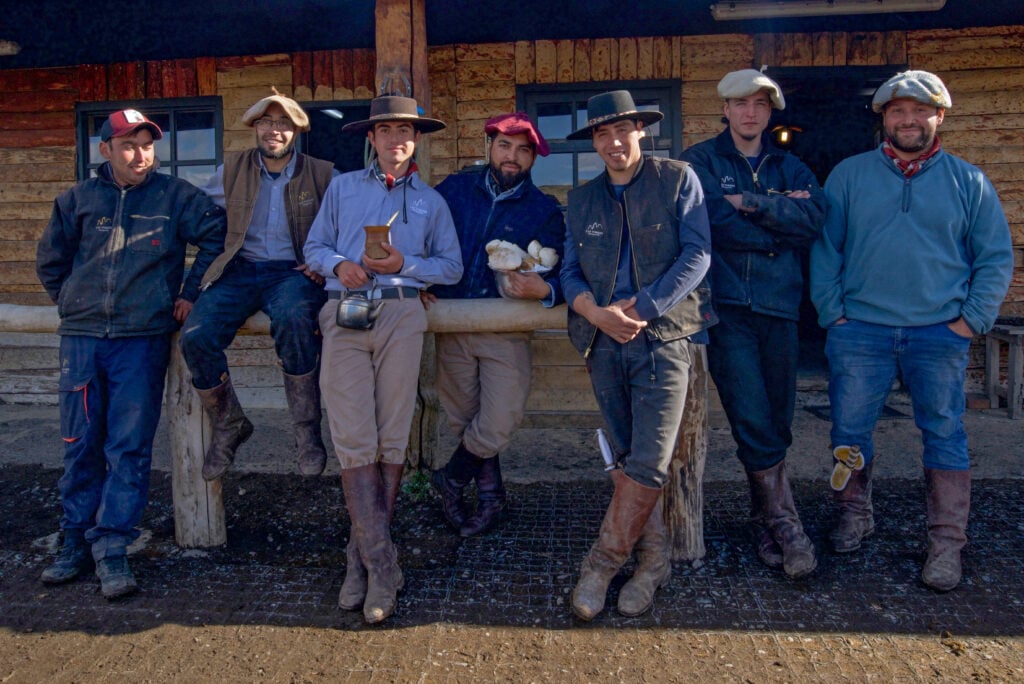
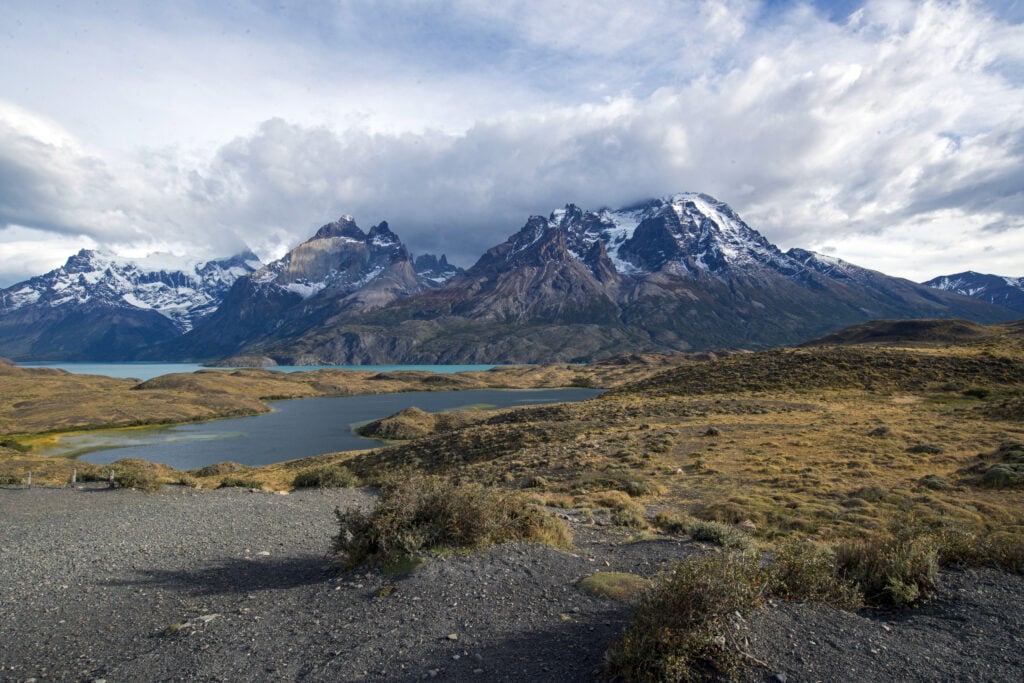
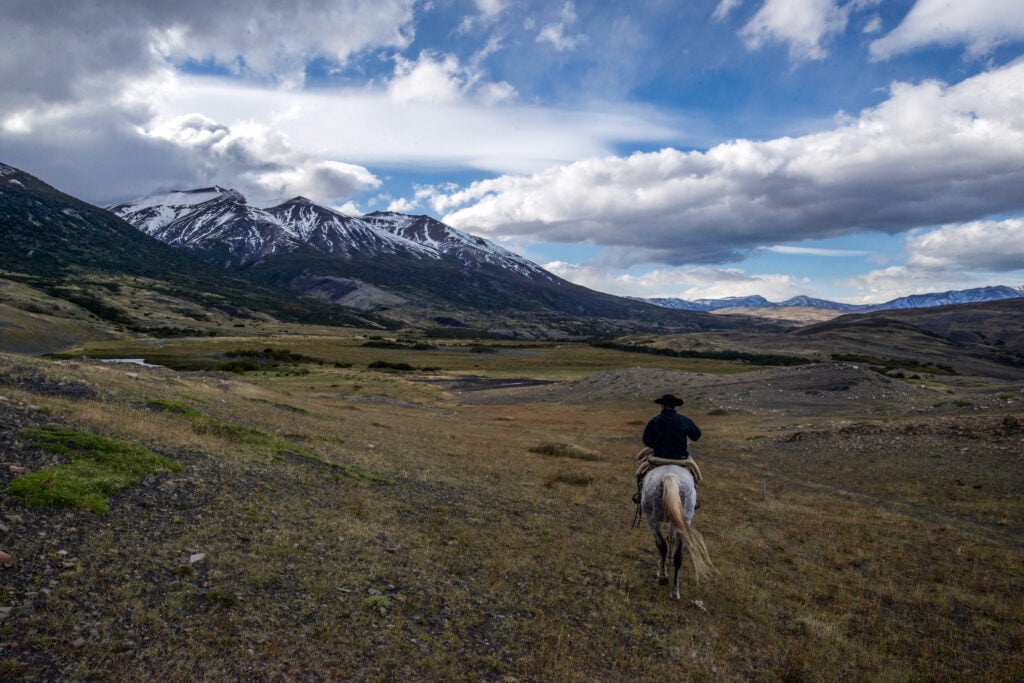
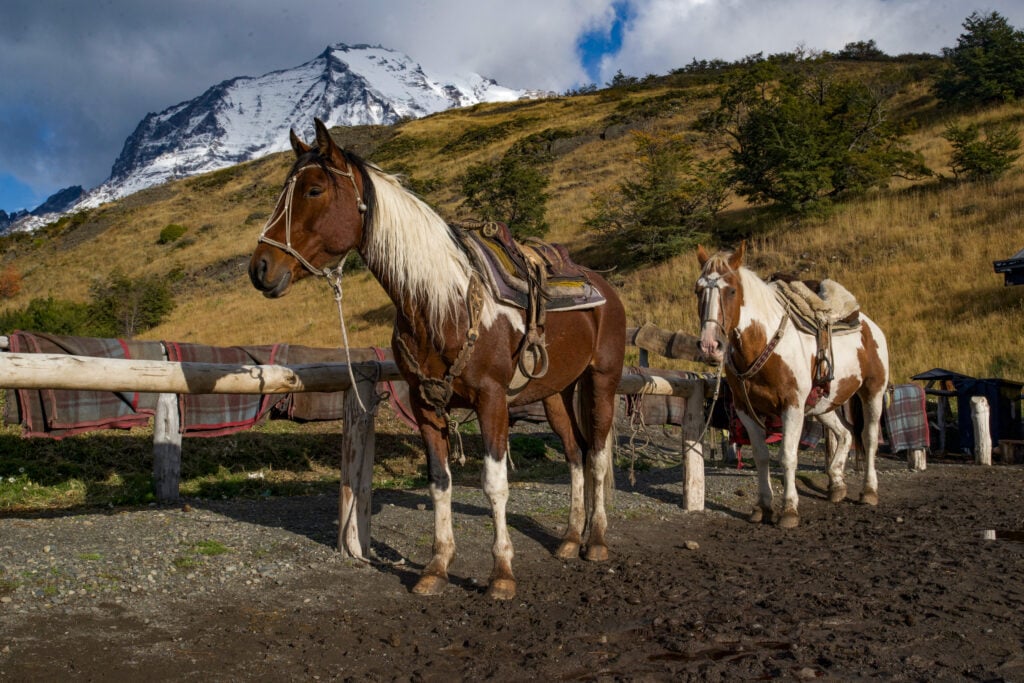
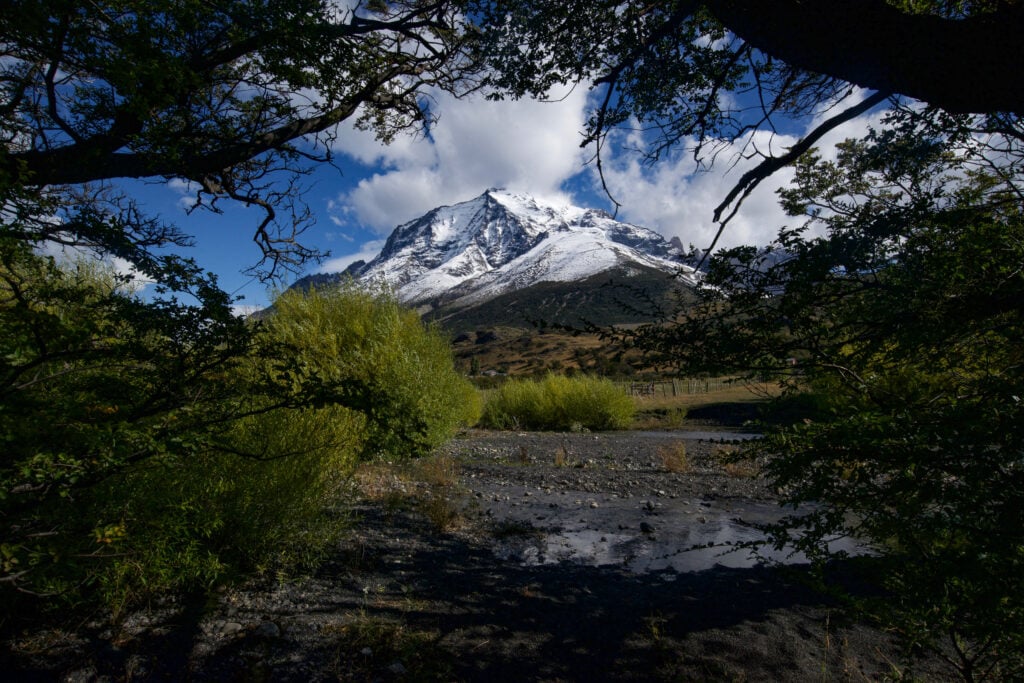
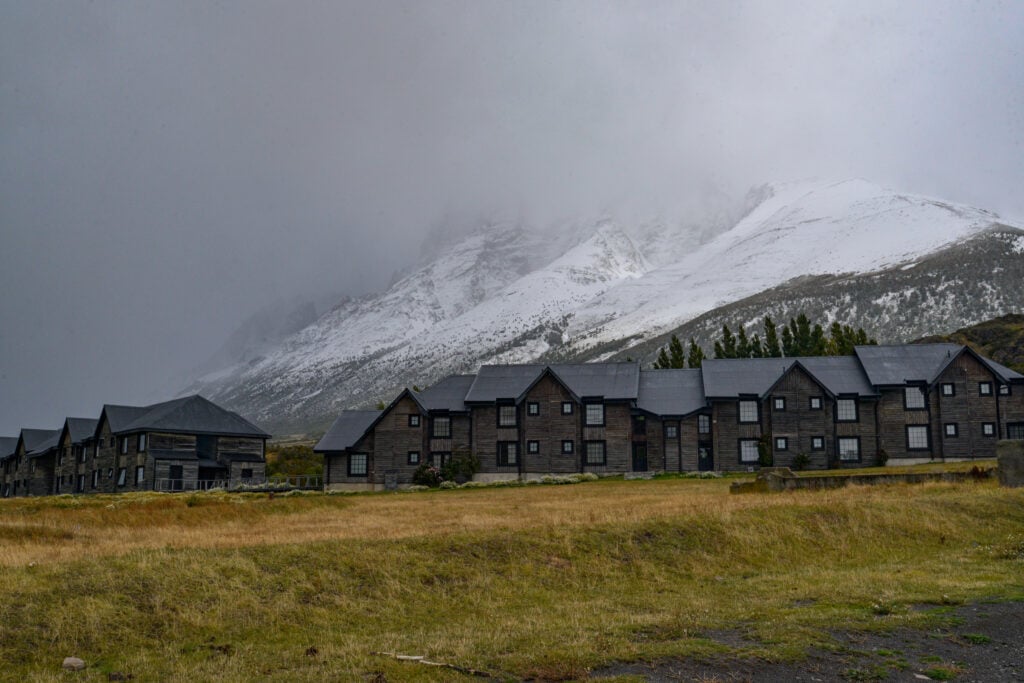
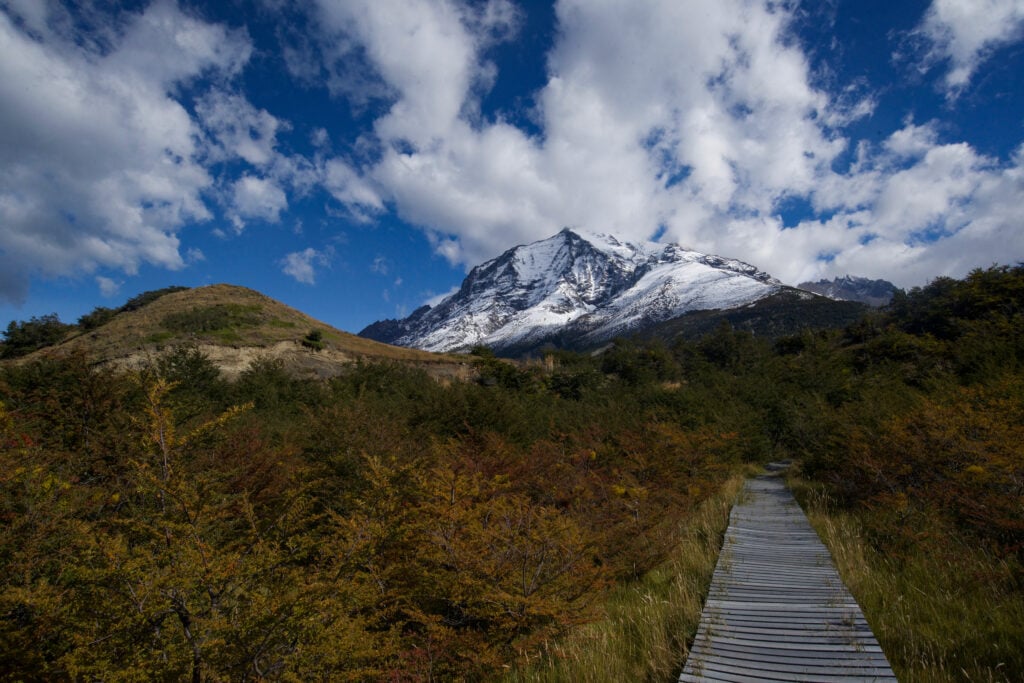
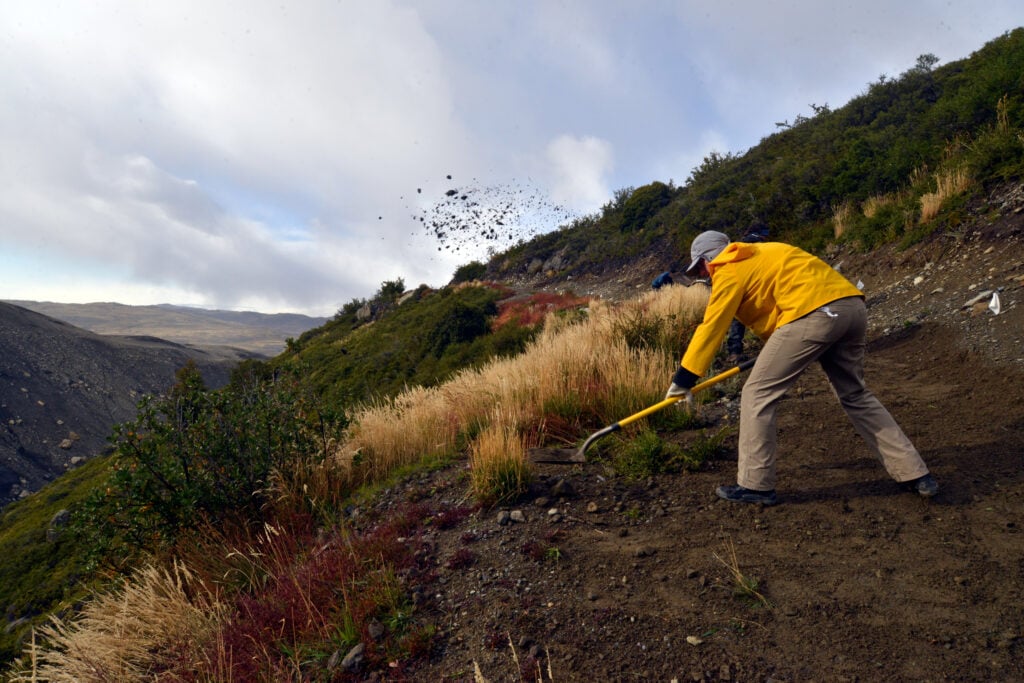
The baqueanos implement a grazing system in which the horses are on the move rather than remaining in a single pasture. At night, the animals roam freely through the meadows surrounding the hotel, a method that helps to prevent overgrazing, which, in turn, reduces soil erosion and gives vegetation time to regenerate.
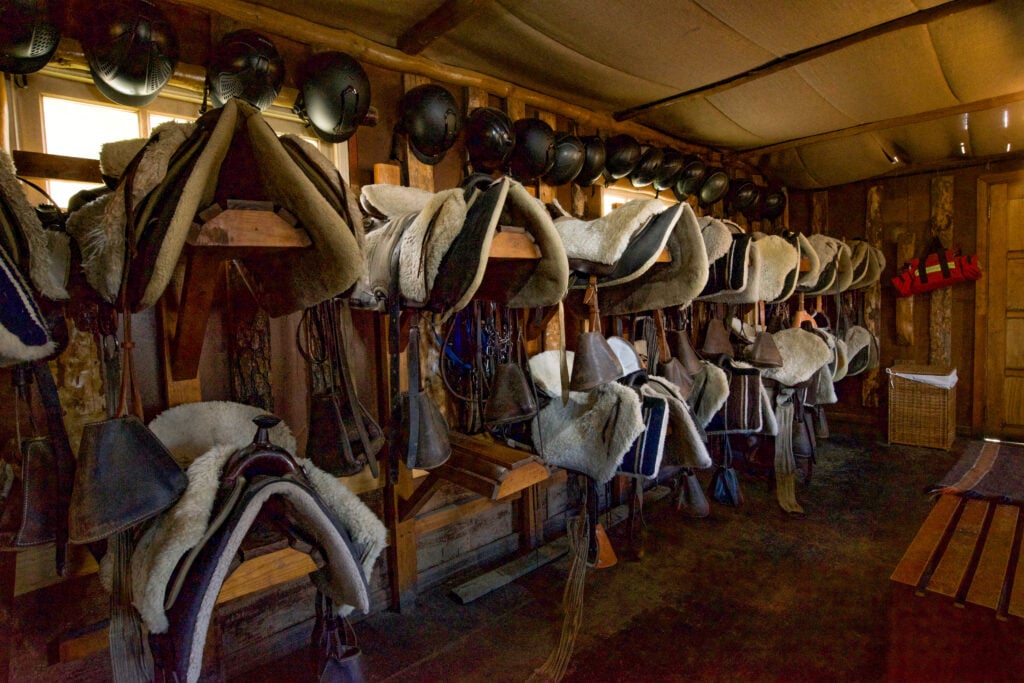
Back at the stables, Carrera explains that during the off-season (April to September) when they are not needed to transport goods, the horses’ shoes are removed and they are released to wander at will. “The hotel wants to keep the horses wild and free,” he explains, adding that every horse-related item, from the saddles and reins to horseshoes, is made on-site.
To ensure the horses are not overworked, only half of the herd works at any given time. A two- or three-week work stint is followed by a rest period in which the horses graze freely, moving between different areas of the reserve. Rotating the herd also helps to reduce the buildup of dry bush, which can increase wildfire risk.
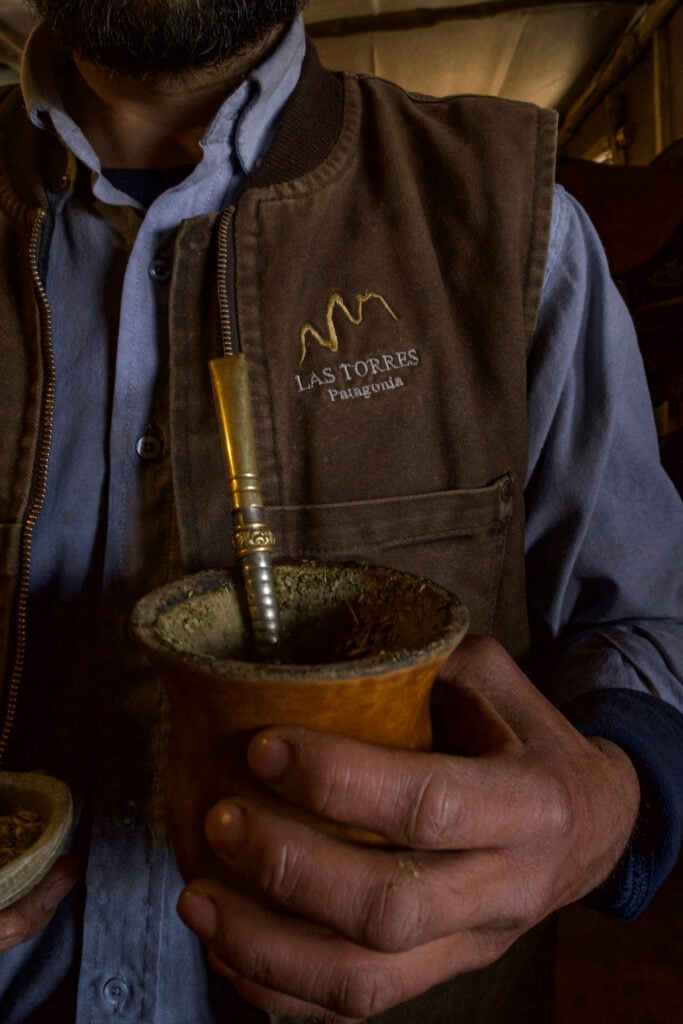
The reserve’s work has been certified by the Savory Institute (a global non-profit dedicated to regenerating the world’s grasslands through holistic management) and their commitment to the wellbeing of the horses, to soil health and to grassland regeneration is now being replicated in other areas of Patagonia, according to Javiera Villarino, marketing deputy manager at Las Torres Patagonia. “The entire ethos of the company is to be sustainable,” he adds.
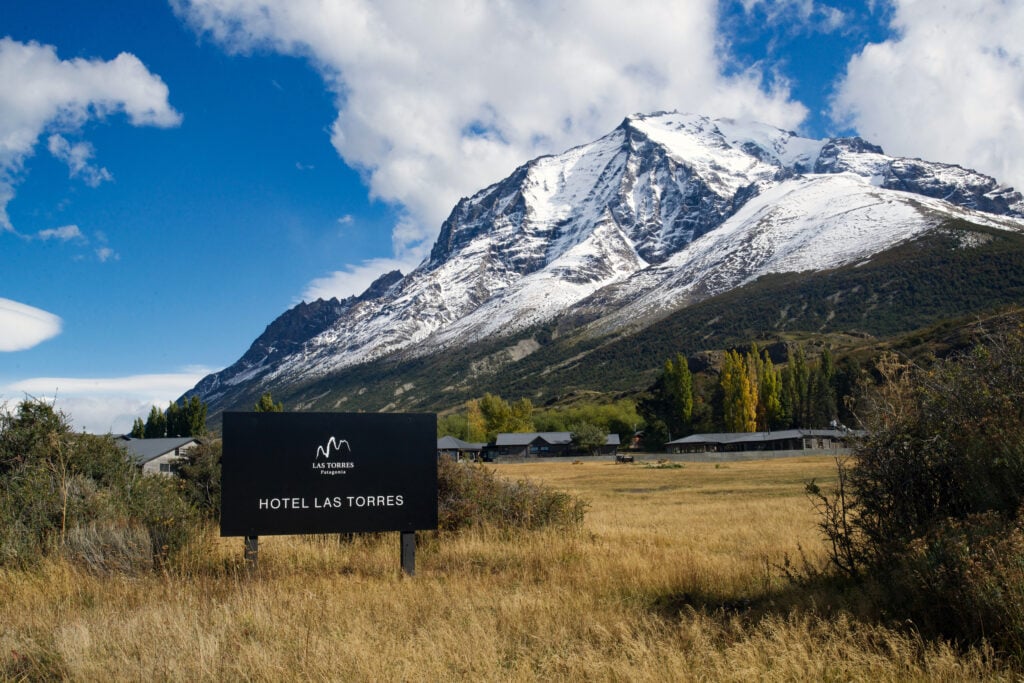
Indeed, Las Torres is a leading light in the region, from hiring locally to supporting community initiatives to emphasizing renewable energy systems. In 2025, Hotel Las Torres Patagonia was rewarded for its commitment when it was named South America’s Leading Green Hotel at the 2025 World Travel Awards.