People & Culture

Behind the scenes with Maxime Légaré-Vézina, Canadian Geographic’s inaugural Audain emerging photographer-in-residence

The Quebec City-based wildlife photographer will have the opportunity to shoot on assignment for Canadian Geographic in B.C., among other adventures behind the lens

  • Sep 10, 2025
  • 1,467 words
  • 6 minutes
[ Disponible en français ]
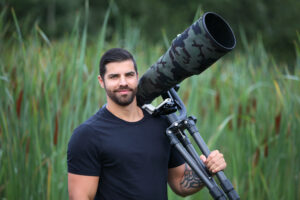
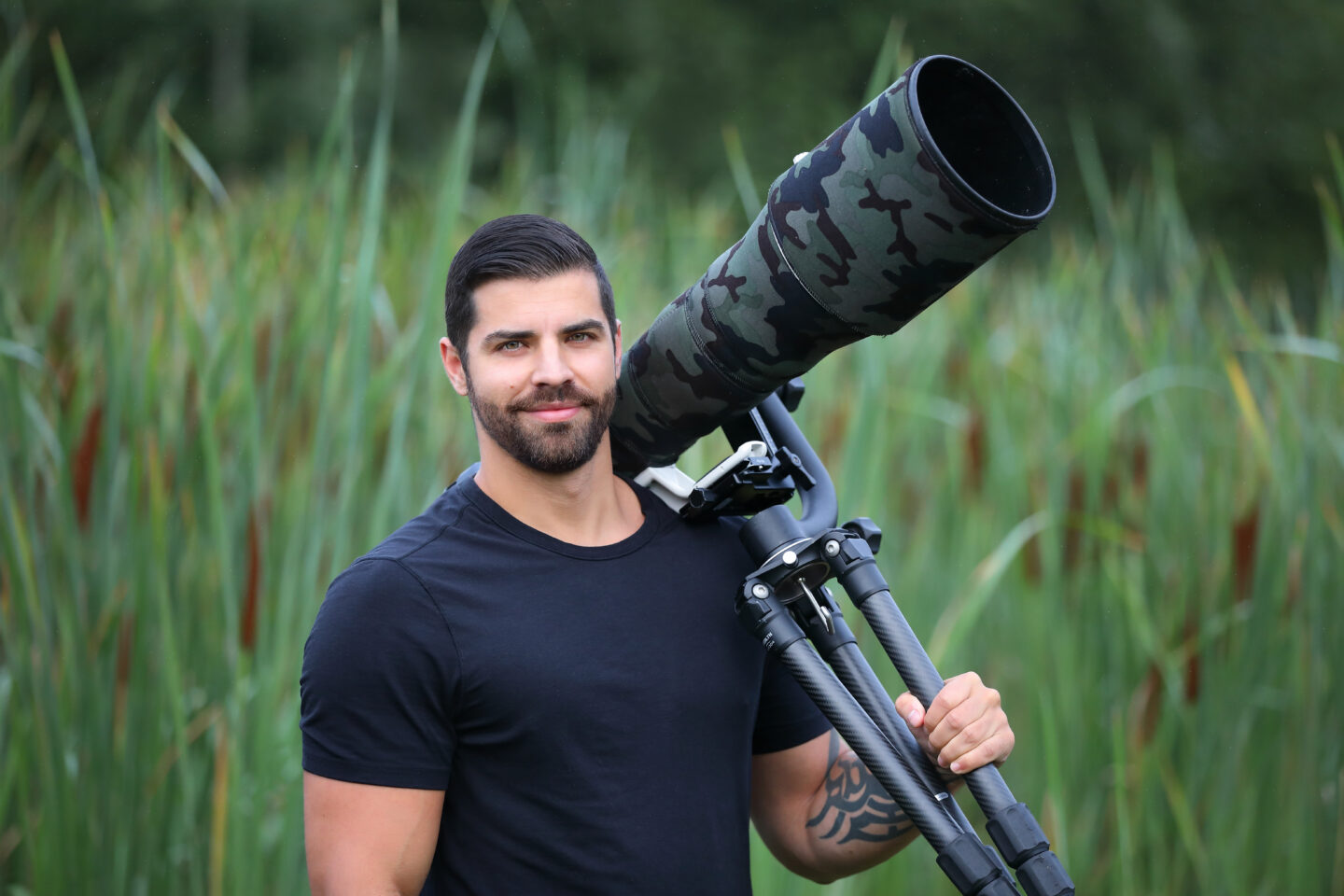
Maxime Légaré-Vézina. (Photo: Sandra Bourgeois-Arseneault)
Expand Image
Advertisement
Advertisement

Three years ago, Maxime Légaré-Vézina made a decision most could only dream of: he closed the door on a stable banking job and stepped into the wild (pun intended). Trading fluorescent office lights for the golden glow of dawn and the click of a keyboard for the sound of a camera shutter, Légaré-Vézina made the leap to pursue wildlife photography full-time. He has never looked back.

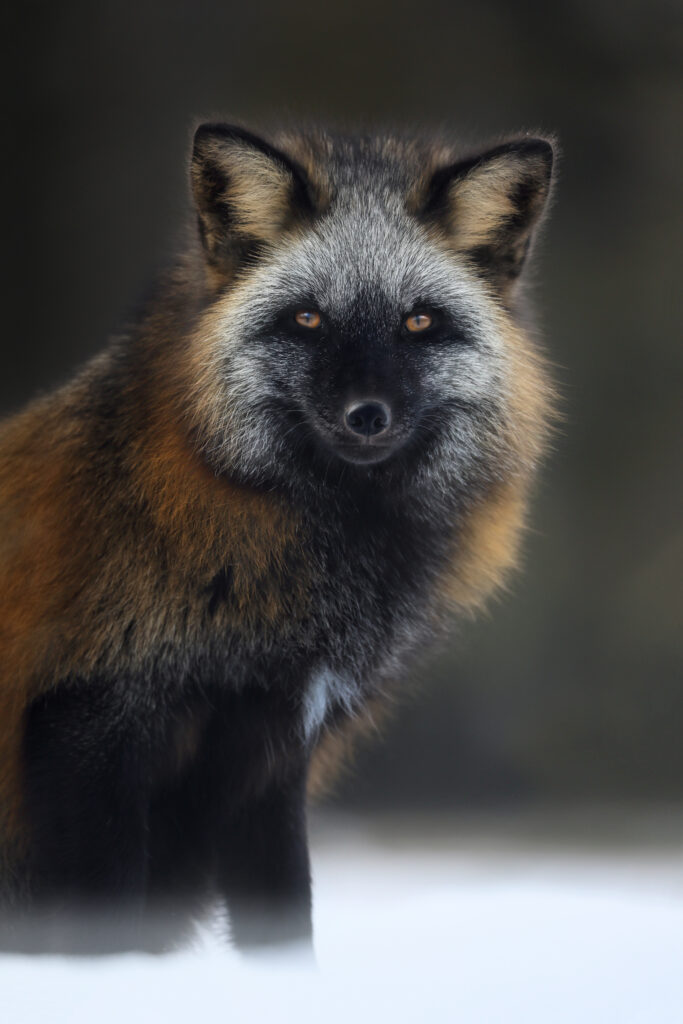
A close encounter with a cross fox sporting a particularly stunning coat on Anticosti Island. (Photo: Maxime Légaré-Vézina)
Expand Image

Those around him worried that pursuing his hobby full-time might result in him losing his passion for photography, but Légaré-Vézina was committed. Today, he is more dedicated to the craft of wildlife photography than ever and has just been named Canadian Geographic’s 2025 Wildlife Photographer of the Year. 

“I can tell you that all these years later, I still have the same passion,” he says. “I want to make sure I keep it.” 

Légaré-Vézina’s photography journey began more than a decade ago, when he bought his first camera ahead of an international trip. What began as a casual hobby quickly morphed into a passion as he spent more and more time observing wildlife, learning about animal behaviour and honing the patience needed to capture unique portraits of his subjects in their natural habitats.

In this year’s Canadian Wildlife Photography of the Year competition, Légaré-Vézina’s work stood out among more than 10,000 submissions, notable for its technical mastery and Légaré-Vézina’s rare ability to capture the raw emotion of his subjects.

As part of his prize, he will begin a two-year term with Canadian Geographic as the inaugural Audain emerging photographer-in-residence, a role that will see him shoot on assignment for the magazine. “There are so many places in Canada I want to photograph,” he says. “My passion is … to travel, discover new places, new species and live this life of adventure.”

To learn more about his journey and creative process, Canadian Geographic caught up with the newly awarded Canadian Wildlife Photographer of the Year to discuss his inspirations, goals and what it truly takes to capture the wild.

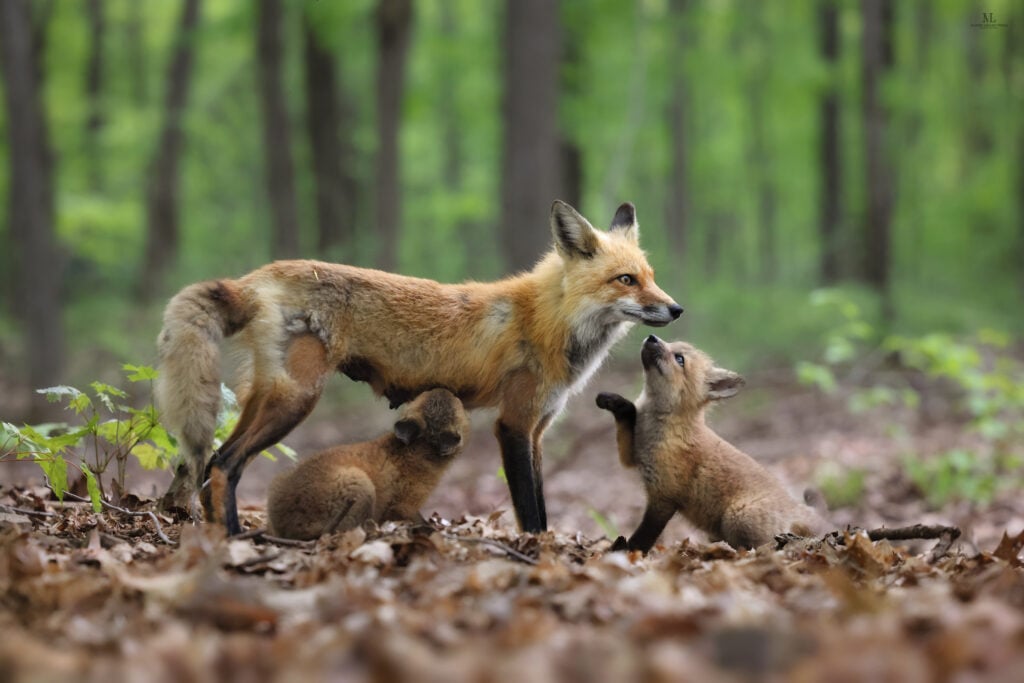
A female fox with her offspring photographed in Montreal, QC. (Photo: Maxime Légaré-Vézina)
Expand Image
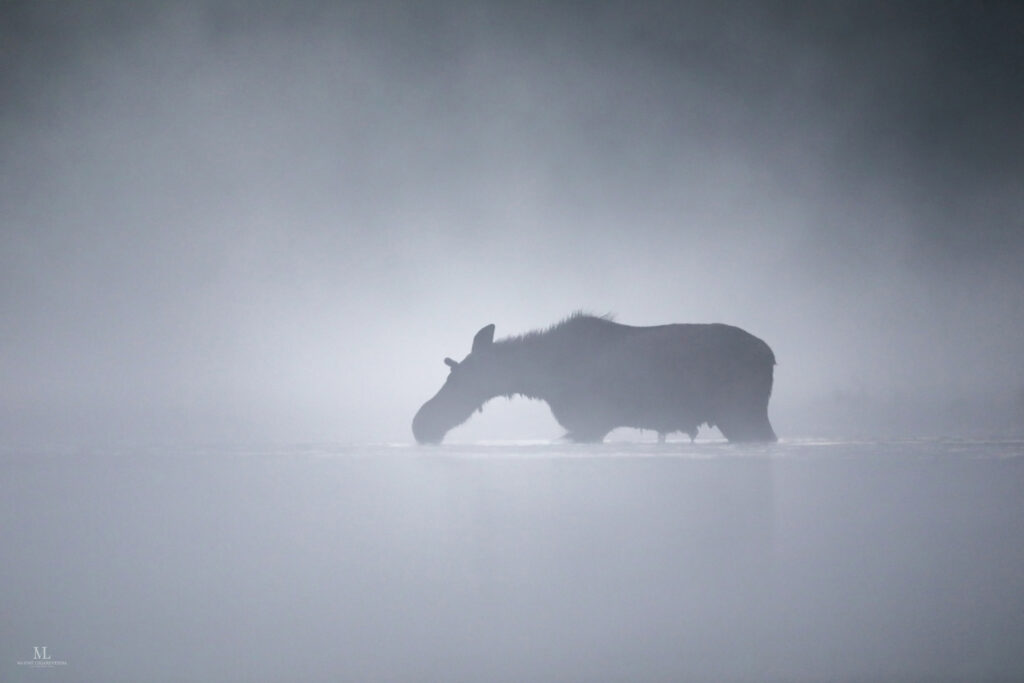
The silhouette of a moose fades into the morning mist in Mauricie National Park, QC. (Photo: Maxime Légaré-Vézina)
Expand Image

On how he got into photography

I started in 2014. I was going on a trip to Australia and New Zealand, and I wanted to get some good photos. Back then, the iPhone was not great at photographing like it is today, so I got my first camera [a Pentax K-r] and started playing around with it. That’s where the real passion began.

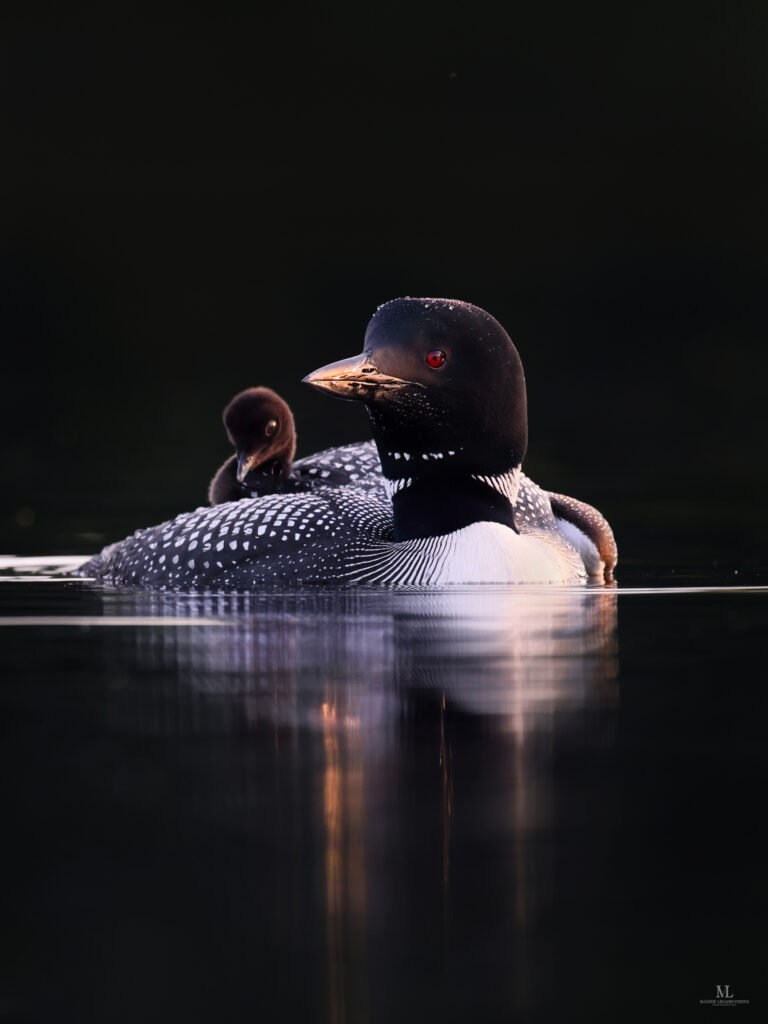
A common loon with its chick, which is just a few hours old, photographed in Stoneham, QC. (Photo: Maxime Légaré-Vézina)
Expand Image

I was going out in the field once in a while, noticing the animals and trying to get different angles. It took a couple of weeks, but I got very committed to it; I wanted to get better. I learned the basics, and then I went on this trip and photographed all day long. 

Since then, it has been a big passion of mine. I’ve been a full-time photographer for three years now. I was working in a bank before, which was not ideal, not what I hoped for, anyway. So, I decided to do the big jump. I quit my job to photograph full-time, and so far, so good. I’m not bankrupt yet.

On learning to photograph wildlife 

When I started, I was mostly doing landscapes. But as the year went on, I started switching more into wildlife. Obviously, now, it’s like 90 per cent wildlife, 10 per cent landscape. It’s hard to do both. I love a good landscape photograph, but you need to decide what you want to spend your time on. I chose wildlife, but I still have a huge interest in landscapes. 

On capturing emotions in the wild 

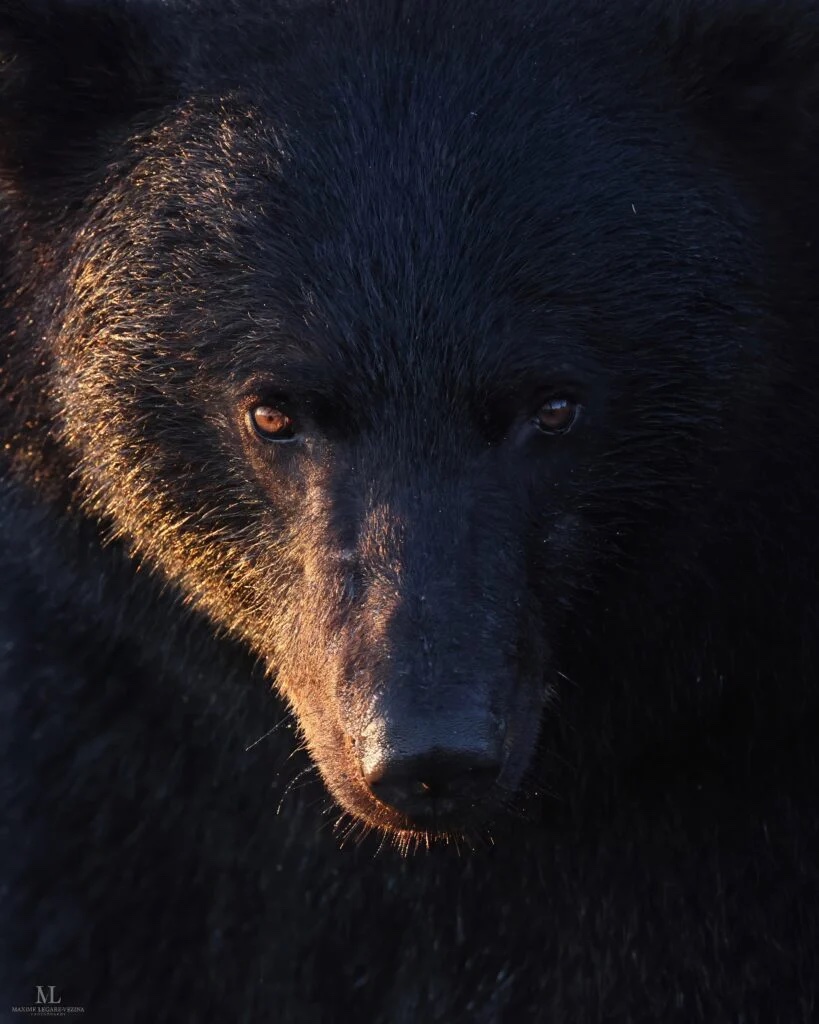
I shoot a lot. I’m pretty much in the field every day. I try to be selective about what I share, especially when I enter a contest. I wait for rare and special moments when the animal looks at me. For example, with the brown bear shot that I submitted to the contest, it was this magical light. I was respectful of keeping my distance. He didn’t mind me being there. He just gave me this look, and it was a perfect moment. When I got the shot, I was super excited. I couldn’t wait to see it on a big screen. 

Being devoted 100 per cent to wildlife photography has definitely helped me. Some people I go out in the field with are only there once a month. They wonder why they never achieve these images. You need to put a lot of work into this. You need to learn about animal behaviour and all that. At the end, maybe, if you’re lucky, you can achieve what you’re looking for.
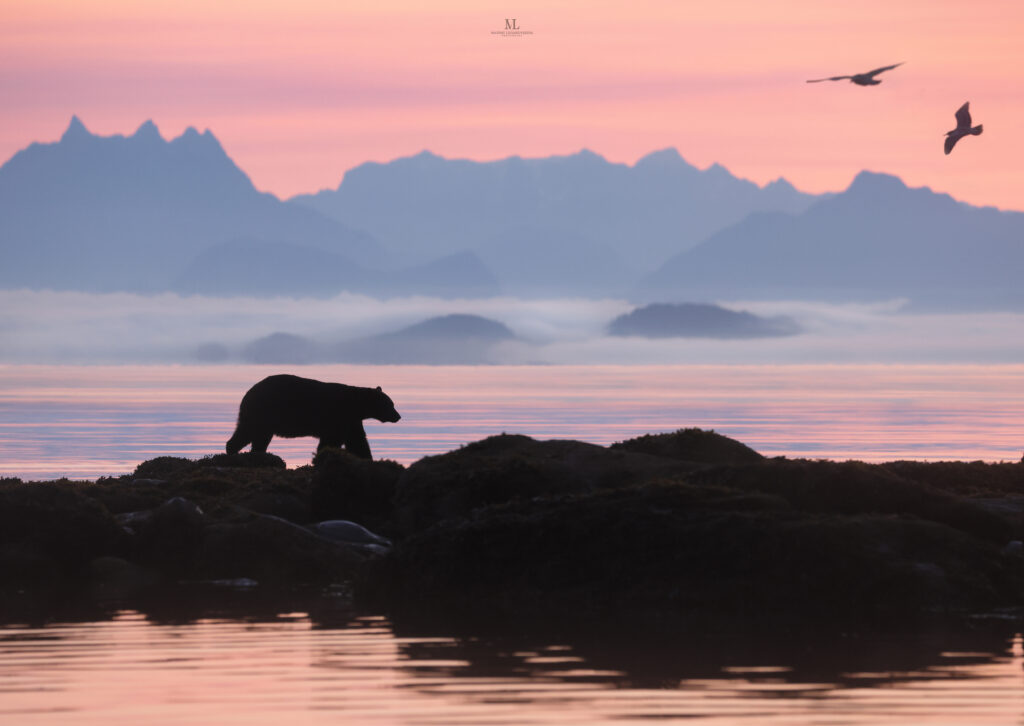
Seabirds fly overhead as a black bear walks along a rocky shoreline on Vancouver Island, B.C. (Photo: Maxime Légaré-Vézina)
Expand Image

On his favourite shot 

Of the images I submitted to the contest, all are my favourites! I try to send my 20 favourites each year, but the photo I like the most this year is the bear. Half of the space is without golden light, and the other half is in the light. It’s probably one of my favourites of all time. It’s in my top 10, for sure. 

I was on Vancouver Island in B.C., and I had been walking for about 45 minutes. It wasn’t a nice sand beach; it was hard to walk on. I was there for a week because I wanted to photograph bears. We don’t see them much in the East or in Quebec, so I decided to go to B.C., where I knew I would have some good chances to see bears.

I remember when I got there, the daylight wasn’t the best. It was super sunny and there was backlight, which is not the best when you want to photograph a black subject. I wasn’t sure what to do in these conditions, but I was obviously there for the bears, so I kept walking. You never know what you are going to find. Then I saw this bear walking into the sunrise — this incredible silhouette. The bear got closer and closer. It looked up at me, and I got the shot. There was a little river, and in August, the salmon would be there; he was just waiting for them. The river was between me and him, so I was still comfortable. I was already there, and he came to me; I was just waiting.

Photographed using a 600mm lens with a 1.4x teleconverter, this image of a black bear on Vancouver Island, B.C., is both captivating and emotive.
Expand Image

I had to switch lenses. I put the biggest zoom I have [600mm lens with a 1.4x teleconverter] because I wanted this close-up of its head. In the image, we don’t even see the entire head. No ears or anything. I wanted to capture this look. This was one of the few times per year that everything lined up exactly as I wanted. 

About 30 minutes before that shot, I captured an incredible wide-angle photo of a pink sunrise against a mountain backdrop. It was amazing. It was probably my second favourite photo. But I wanted to get something totally different, and then I switched the lens.

On his dream assignment in B.C. and ultimate shot

There are quite a few interesting places in B.C. I would like to go. Haida Gwaii is pretty cool. Bella Coola would be great to photograph. I know some people get some nice bears there. Honestly, I am open to almost anything. 

I don’t know if I have a specific shot in mind, but I do have dream species that I would like to have in front of me. After that, I would then think about the shot I want to get. 

It depends on what the animal would want to offer me. I know it’s not original, but snow leopards are a species I would love to photograph. And penguins. I am a huge fan of birds; you can see that in the work I am doing. Antarctica and all of the penguins are a huge dream of mine.

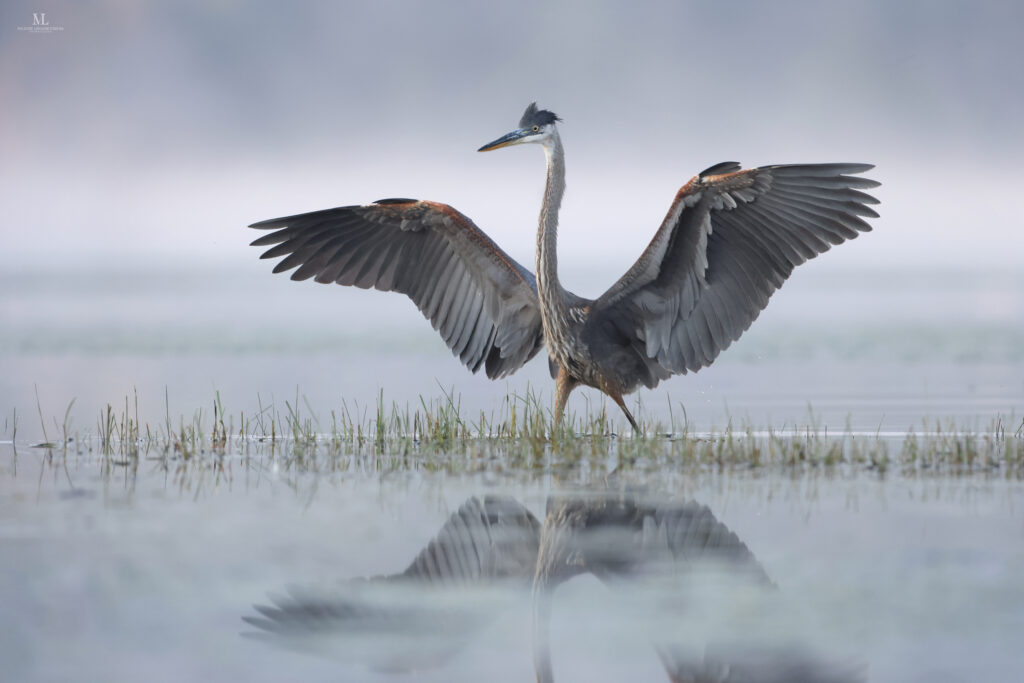
A heron hunts in the marsh on a beautiful, misty morning in Stoneham, QC. (Photo: Maxime Légaré-Vézina)
Expand Image

On why he thinks it’s important to mentor others

I do a lot of guided tours and some photo workshops. People ask a lot of questions, and providing them with guidance is important. I like to guide them in a certain direction, help them to find their way. For example, I might suggest that maybe they shouldn’t choose to go to a busy urban park where all the other photographers go — it’s important to try to find a subject on your own.

On his goals 

I want to keep doing what I’m doing and keep this passion. I love what I do, obviously, I like to travel, discover new wild places, new species, and have fun with the people I travel with. Just to live a life of adventure — this is what I want. Continuing to do what I am doing now is great.

Advertisement

Help us tell Canada’s story

You can support Canadian Geographic in 3 ways:

Related Content

People & Culture

Dans la coulisses avec Maxime Légaré-Vézina, premier photographe émergent en résidence Audain de Canadian Geographic

Le photographe animalier basé à Québec aura l’occasion de réaliser des photos en mission pour Canadian Geographic en Colombie-Britannique, entre autres aventures derrière l’objectif.

  • 1451 words
  • 6 minutes

Wildlife

Announcing the winners of the 2025 Canadian Wildlife Photography of the Year competition

Canadian Geographic is pleased to honour 17 photographers for their outstanding images of Canadian wildlife

  • 1026 words
  • 5 minutes

Wildlife

La Société royale de géographie du Canada annonce les lauréats du concours de photographie de nature 2025

La Société canadienne de géographie a le plaisir d’honorer 17 photographes pour leurs images exceptionnelles de la faune et de la flore canadiennes.

  • 1241 words
  • 5 minutes

Wildlife

Do not disturb: Practicing ethical wildlife photography

Wildlife photographers on the thrill of the chase  — and the importance of setting ethical guidelines 

  • 2849 words
  • 12 minutes
Advertisement
Advertisement