Travel
Eyes of the islands: Inside the vital role of Galápagos guides
In the Galápagos, rules matter. But it’s the people who live by them that truly protect the volcanic archipelago, one bottle cap at a time.
- 2332 words
- 10 minutes
People & Culture
The Royal Canadian Geographical Society’s 96th annual Geographica Gala was a celebration of Canada, exploration, storytelling and the year’s achievements
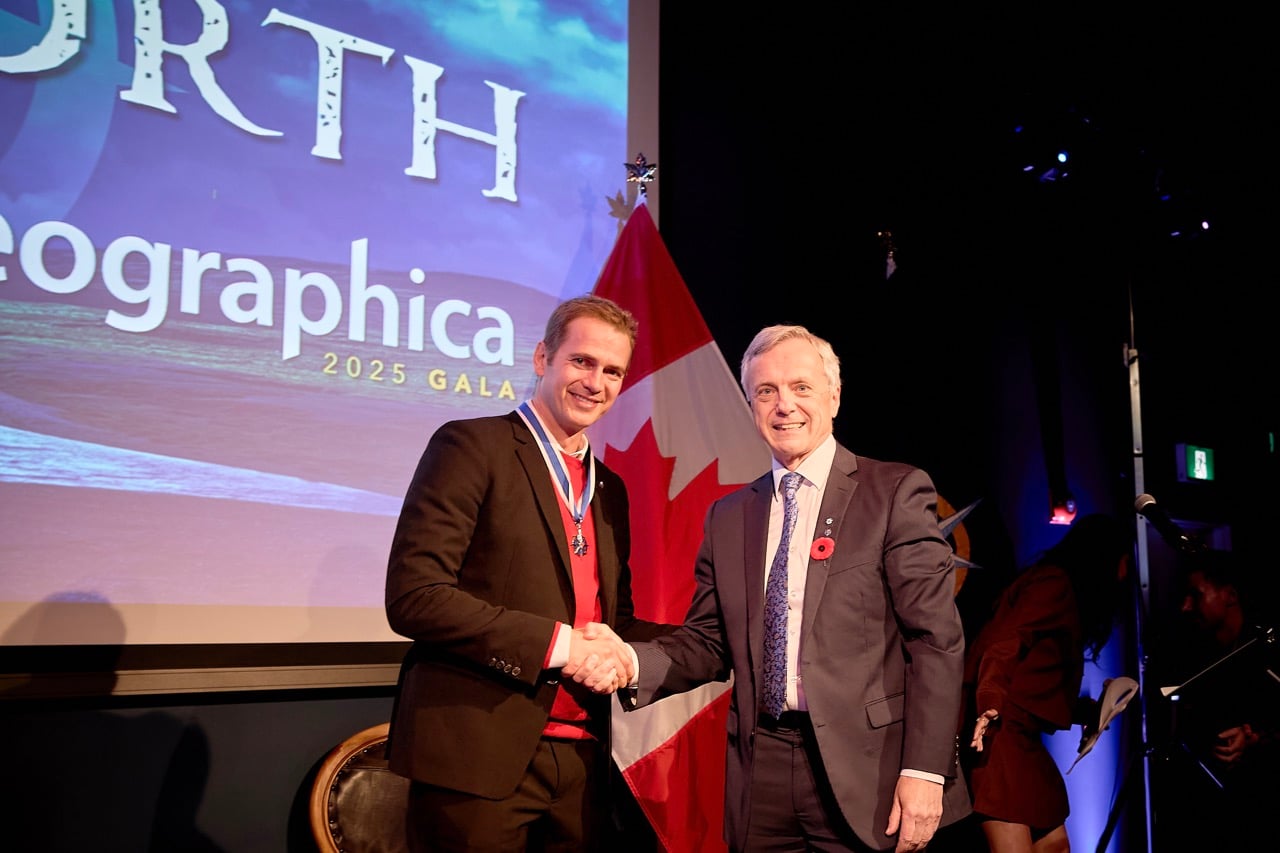
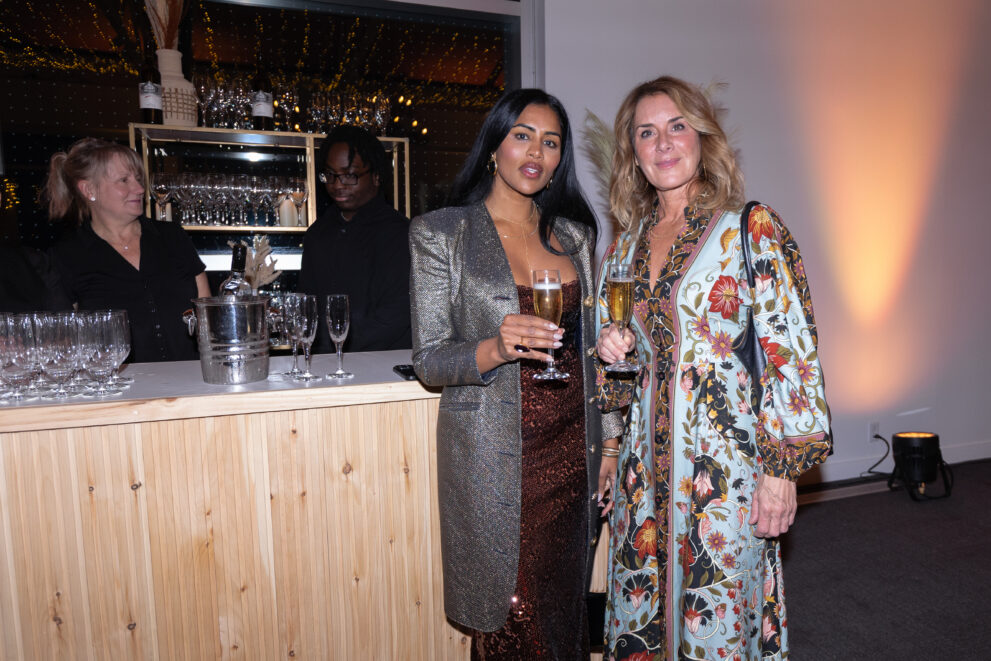
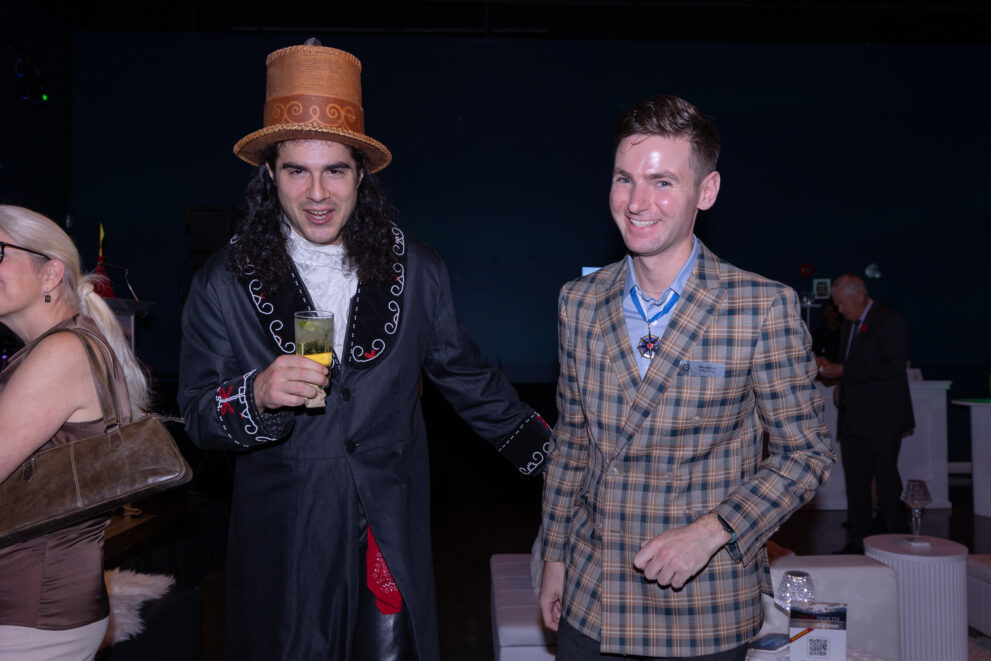
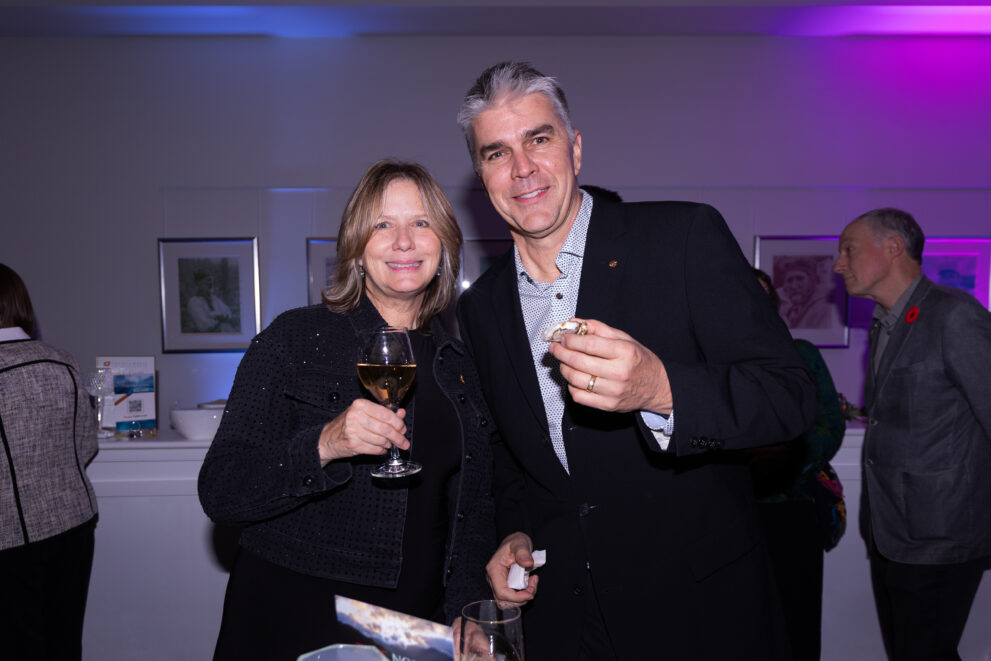
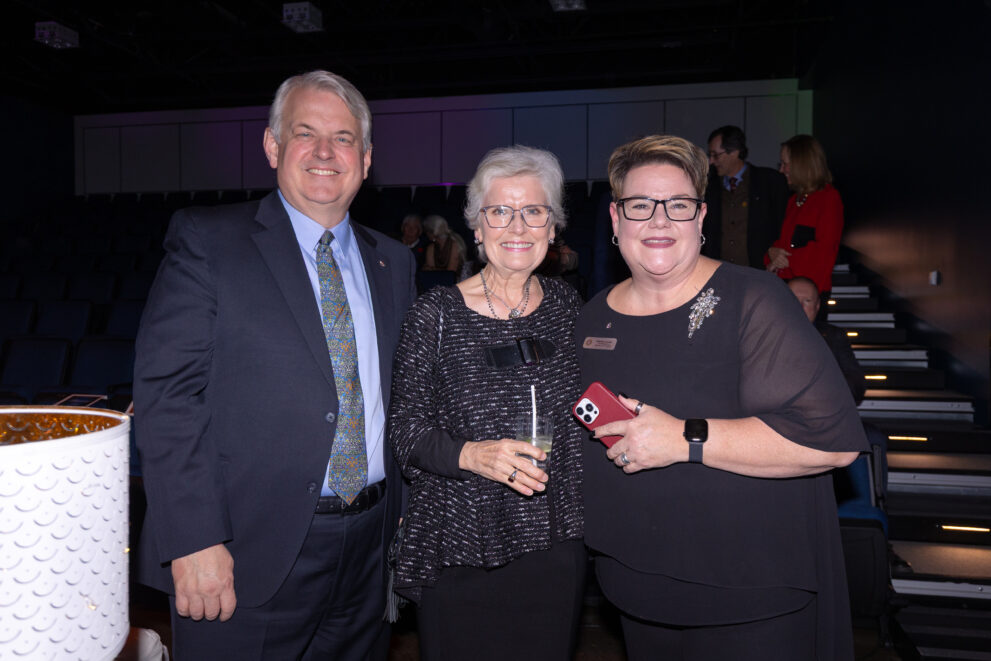
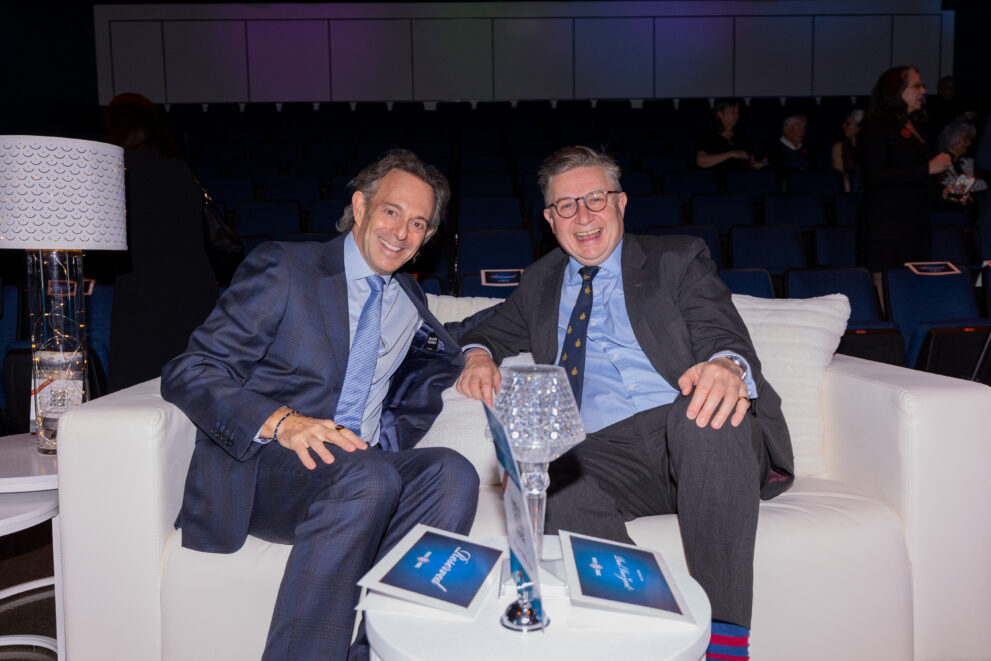
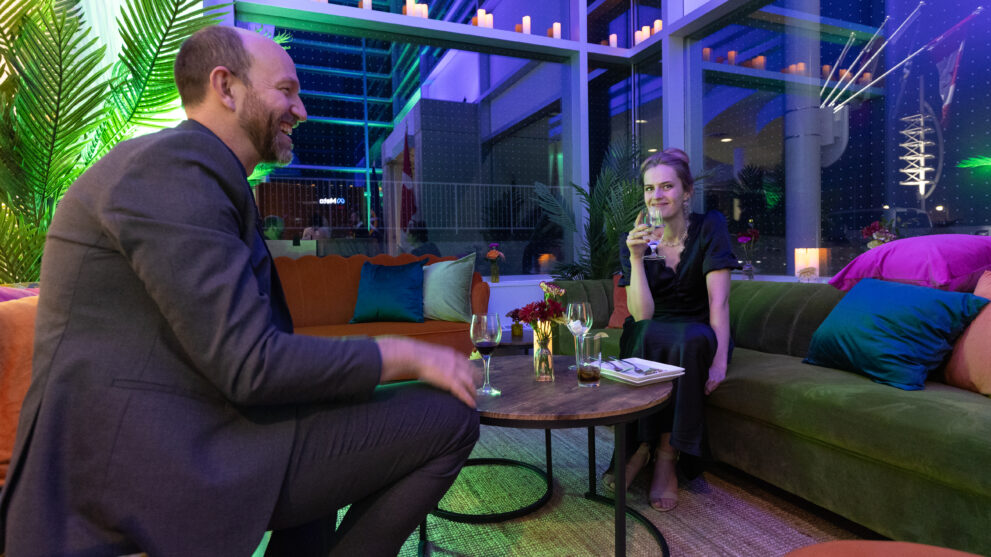
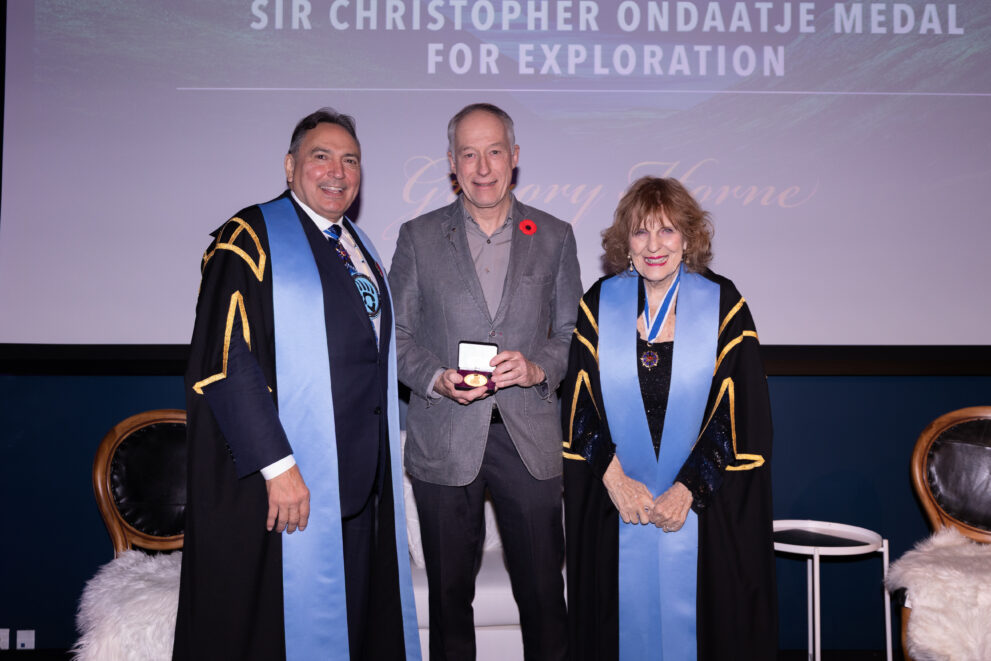
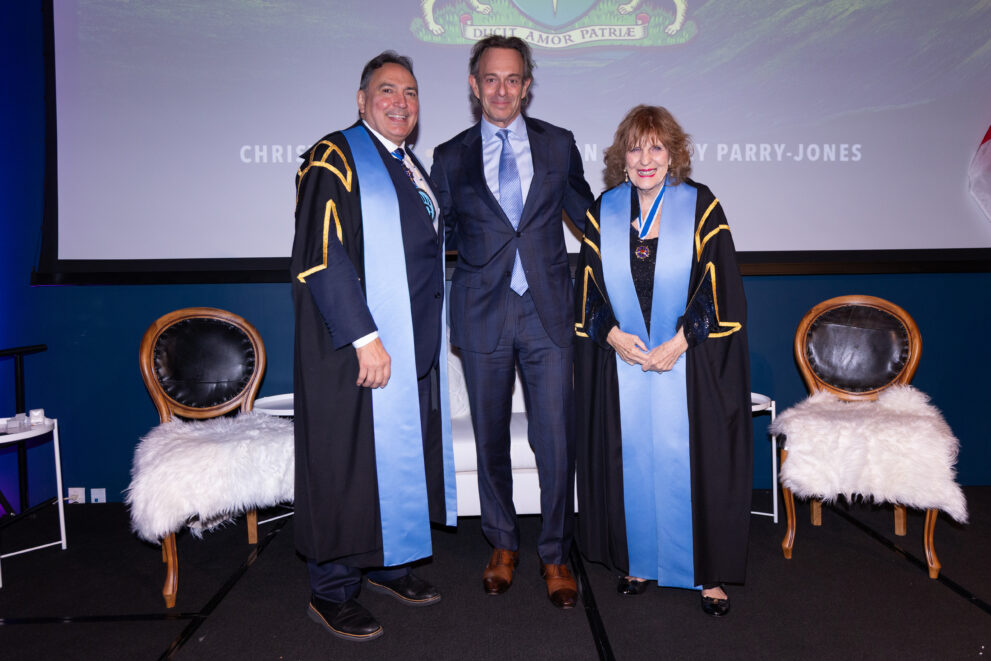
For the first time in its 96-year history, the Royal Canadian Geographical Society brought its annual fundraising gala home. Canada’s Centre for Geography and Exploration, located at 50 Sussex Drive, Ottawa, played host to the marquee event, with Fellows, explorers, storytellers and supporters from across the country experiencing an unforgettable celebration of the True North.
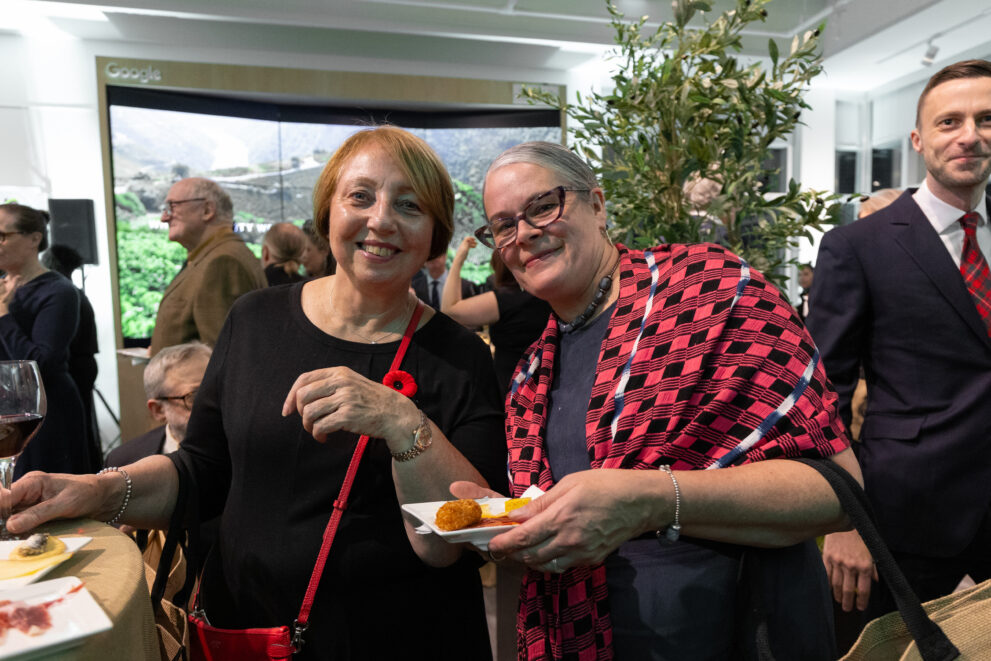
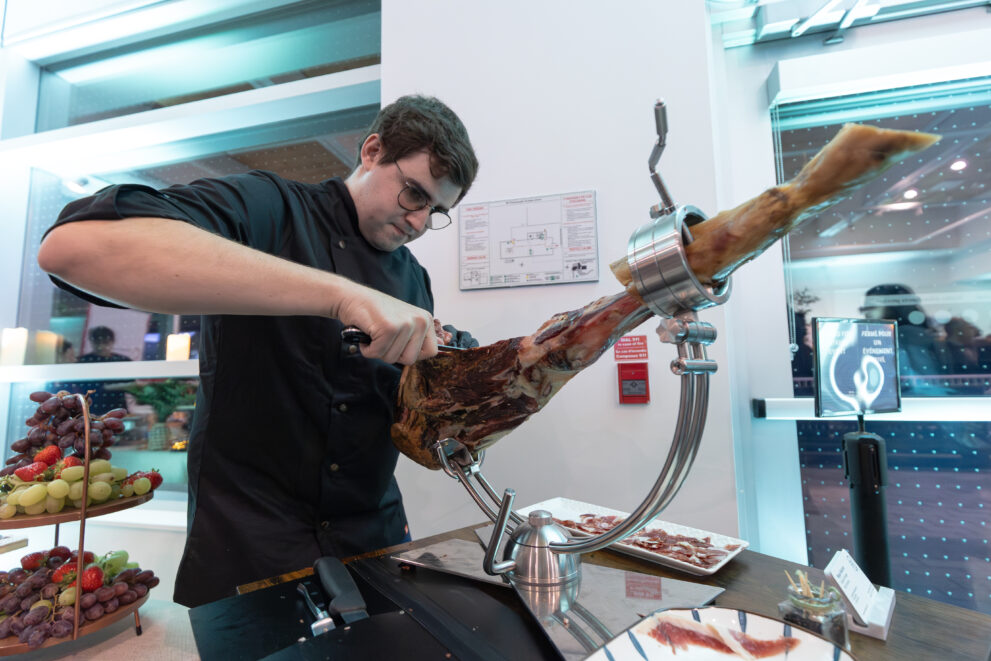
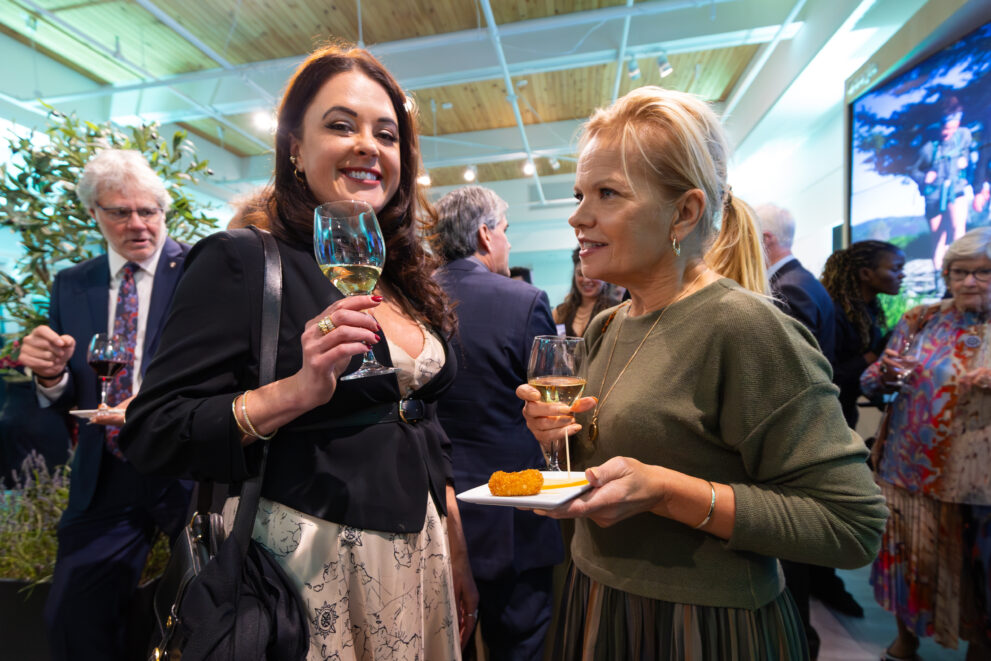
Local vendors served up a variety of Canadian foods (including poutine!), the bars were stocked with made-in-Canada spirits, wine and beer, and the Alex Trebek Theatre shimmered with the magic of the northern lights during a series of special presentations. In celebration of international friendship, the Spanish Embassy transformed the building’s main-floor gallery into a microcosm of the Camino de Santiago, with Spanish charcuterie, cheese and tapas to fuel the journey.
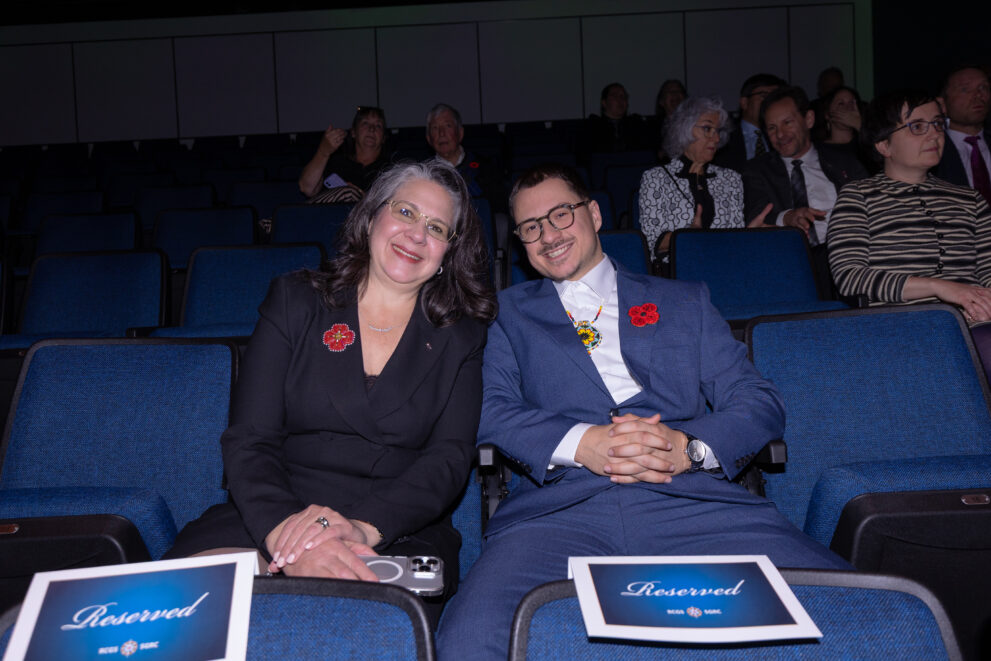
Notable guests included their Excellencies Alfredo Martínez Serrano and Michel Miraillet, Ambassadors of Spain and France respectively; Canadian Senator Karen Sorensen; Members of Parliament Mona Fortier, Leslie Church and Ziad Aboultaif; award-winning Indigenous musicians Susan Aglukark and Jeremy Dutcher; former Premier of P.E.I. Robert Ghiz; Chief Perry Bellegarde, the Society’s Honorary President; mental health advocate Sophie Grégoire Trudeau; and Canadian actor Hayden Christensen.
Here are 10 highlights from geography’s biggest night.
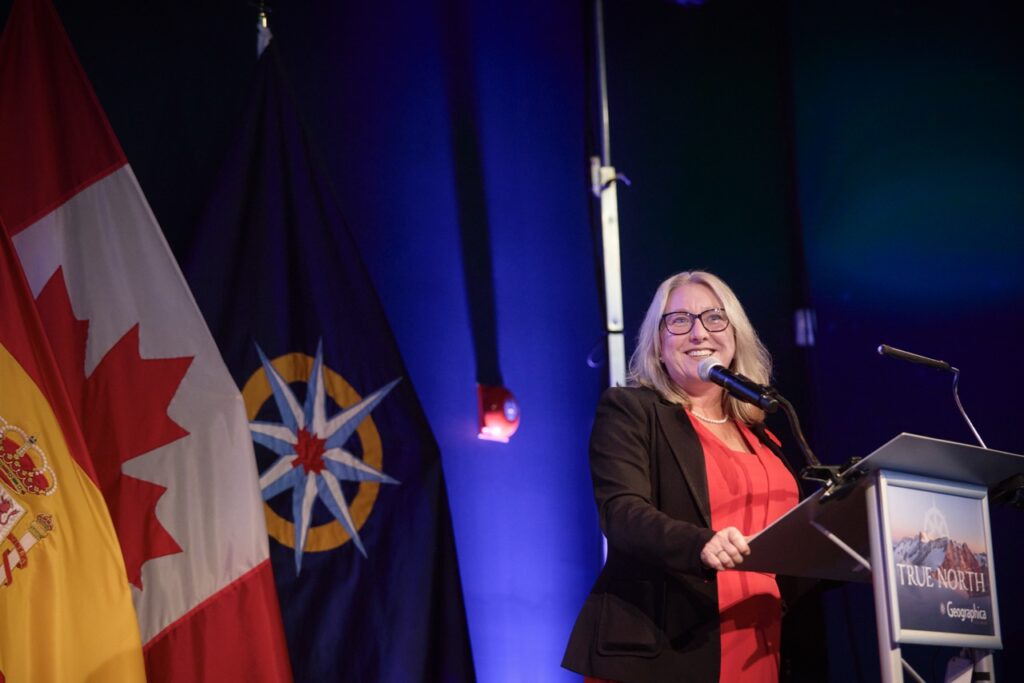
The night took on an extra celebratory tone thanks to a significant new investment in the Society’s future that was announced in Prime Minister Mark Carney’s first budget, delivered by Finance Minister François-Philippe Champagne on November 4. The budget commits to providing $4 million over four years, and then $1 million ongoing “to promote knowledge of Canada and national unity.”
For nearly a century, the RCGS has advanced that mission, currently reaching some 4.4 million readers through Canadian Geographic and more than 28,000 educators and an estimated 750,000 students annually through Canadian Geographic Education.
“This investment is a powerful recognition of the role that geography plays in strengthening Canada’s identity, sovereignty, and sense of belonging,” said RCGS CEO John Geiger. “We applaud Prime Minister Carney and his Liberal government for their vision to ensure that Canadians, especially young people, gain a richer understanding of our land, our history, and our place in the world. This is proof our elbows are up.”
Mona Fortier, MP for Ottawa-Vanier, took the Geographica stage to emphasize the government’s strong support of the Society’s mission and programs. “In the face of uncertainty, our sovereignty depends on protecting our natural heritage, our culture and our capacity to tell our own stories.”
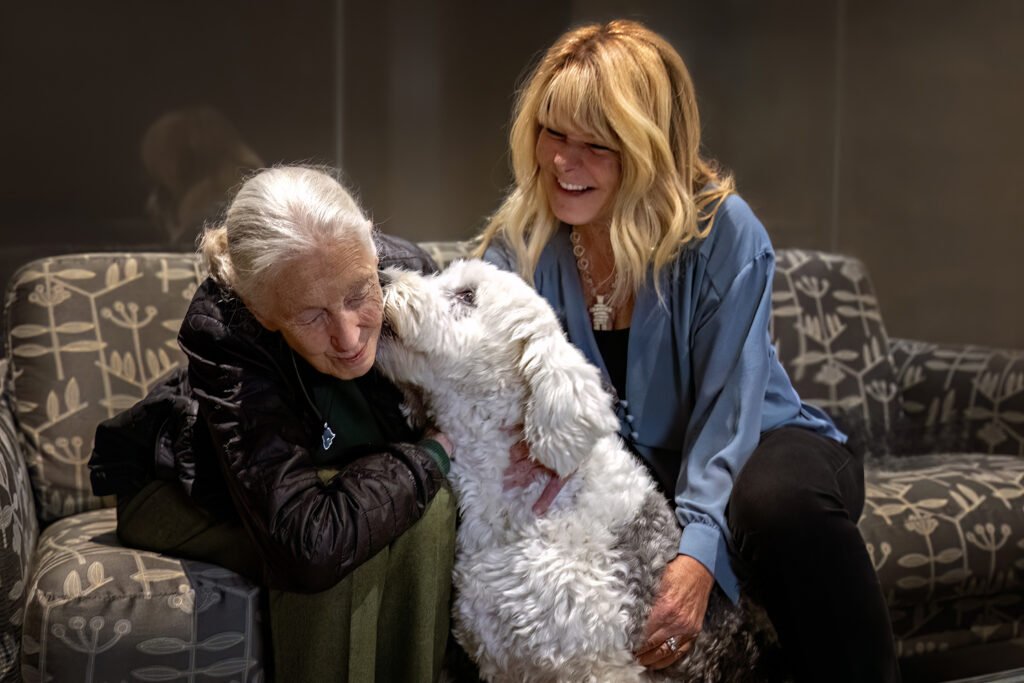
Renowned for her groundbreaking work with wild chimpanzees and her lifelong dedication to environmental advocacy, Jane Goodall, a beloved Fellow of the RCGS, died on Oct. 1. Goodall shared a special bond with Canada and was the 2019 recipient of the Society’s Gold Medal, which she accepted by making the noise a chimpanzee would.
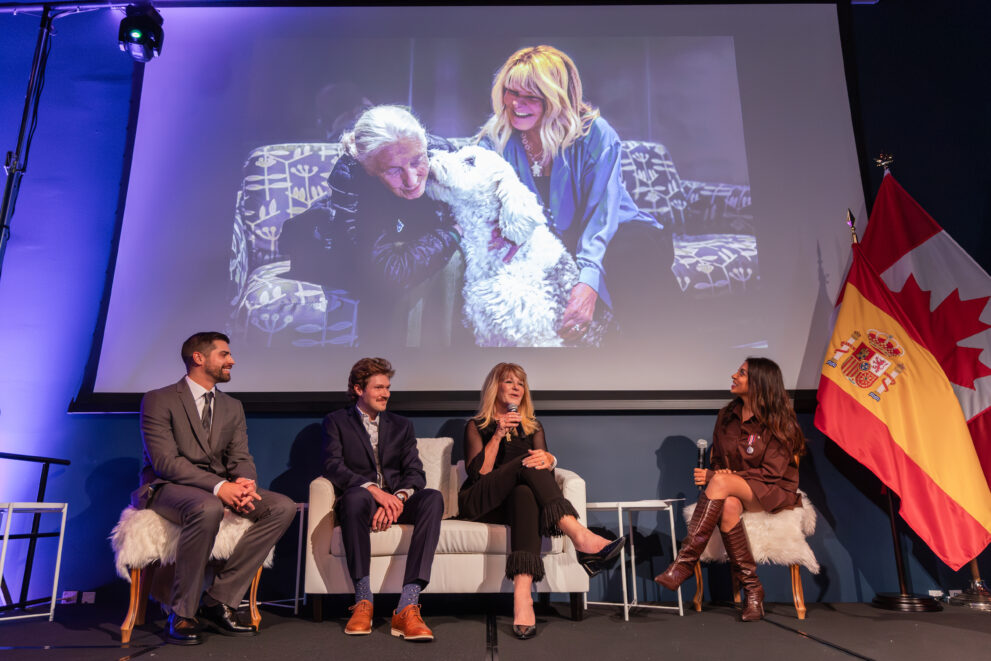
In a touching tribute video originally recorded during Goodall’s 2019 visit to Ottawa, the pioneering primatologist reflected on her mission to give younger generations hope, encouraging them to learn, hold on to their values, and make small choices to create a better world each day.
About a month before her passing, Goodall again visited Ottawa, where she was hosted by Canadian Geographic Photographer-in-Residence Michelle Valberg. Valberg shared how taken her dog Ginni was with Goodall — and that the feeling was mutual. “[Ginni] just went nuts over her and kissed her all over the place,” said Valberg. “And I said, ‘You know Jane, we don’t let our dog kiss just anyone,’ but how could you tell her not to when she was just loving it? What a privilege and an honour that was.”
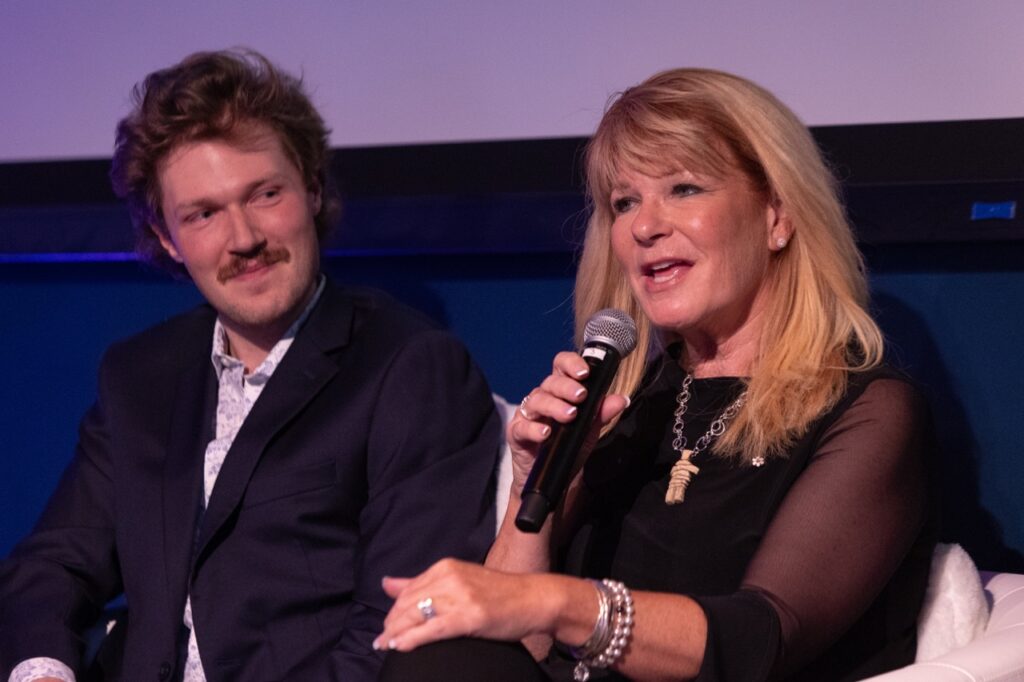
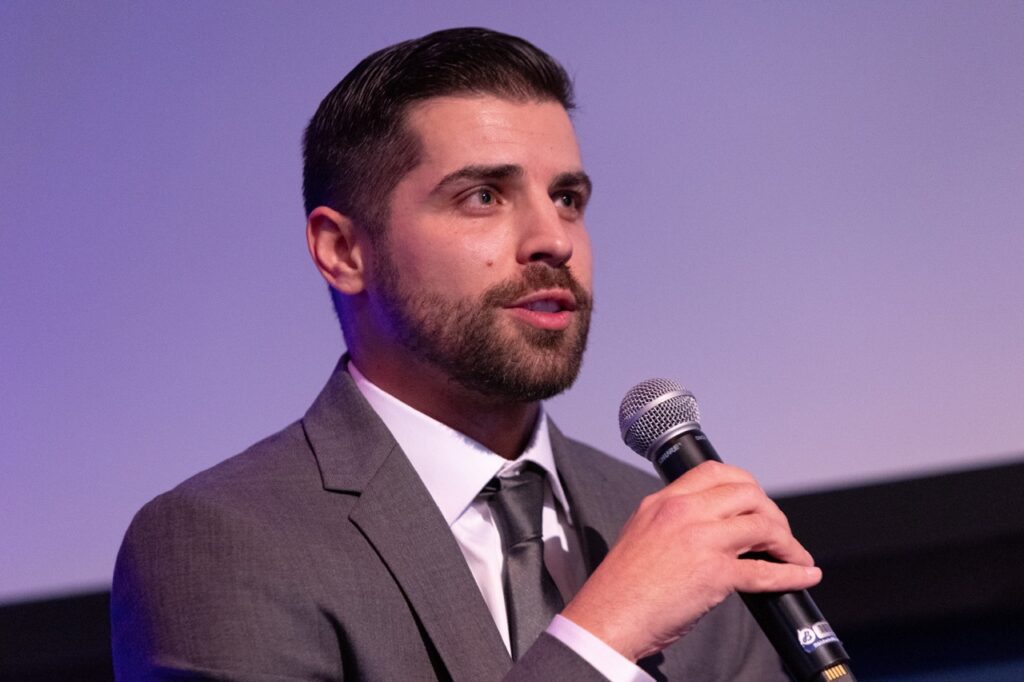
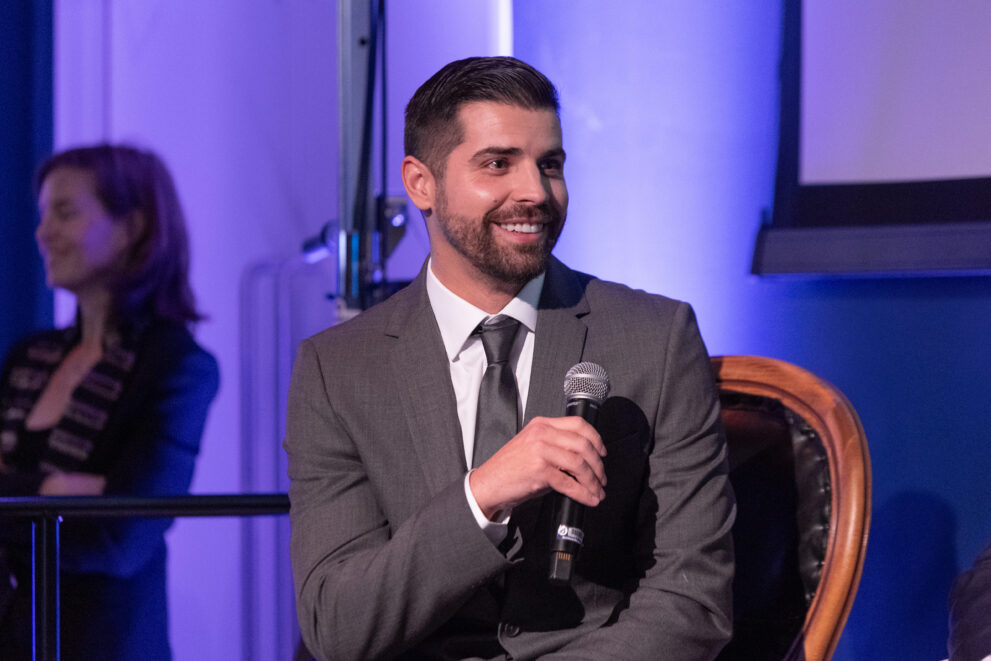
Many photographers share a goal to capture images that make an impact. In a conversation with the evening’s emcee, environmental journalist and broadcaster Aliya Jasmine, Valberg, Audain Wildlife Conservation Fellow Ryan Tidman and Audain Emerging Photographer-in-Residence Maxime Légaré-Vézina explored the power of visual storytelling and its ability to ignite change.
Each photographer shared a favourite image and the story behind it. Valberg chose a photograph of a polar bear with her two cubs in honour of Polar Bear Week and to raise awareness of the iconic Arctic mammal, which is facing rapid changes to its sensitive ecosystem. “It’s important that we have this conversation — and, of course, who doesn’t love polar bears?” she said.
Légaré-Vézina presented a haunting shot of a raven captured just two days after the Jasper, Alta. townsite reopened following the 2024 wildfires, the raven’s breath visible against the charred landscape. “It felt like a privilege to even find an animal there,” he said.
Tidman’s contribution, a black bear resting on the stump of an old-growth tree, took two years to capture. Part of a broader project on B.C.’s disappearing old growth forests, the image speaks to the toll of human disruption. “With less than one per cent of old growth left on Vancouver Island, these bears are unable to hibernate,” said Tidman.
For nearly 15 years, Canadian Geographic has invited notable Canadians to share their favourite places across our vast country. This long-standing tradition evolved this year into a new national unity initiative: Our Country – Notre Pays, funded in part by BMO, which celebrates the diverse voices and stories that make Canada home.
Joining other notable Canadians, actor William Shatner reflected on his own connection to the country in a new video testimonial unveiled at the gala. For Shatner, it’s the familiarity, the beauty and the people that make Canada unlike anywhere else. “When I say, ‘What do I love about Canada?’ it’s like saying, ‘What do you love about home?’” he shares in the video, reminding us of the sense of belonging that ties us all to this remarkable place.
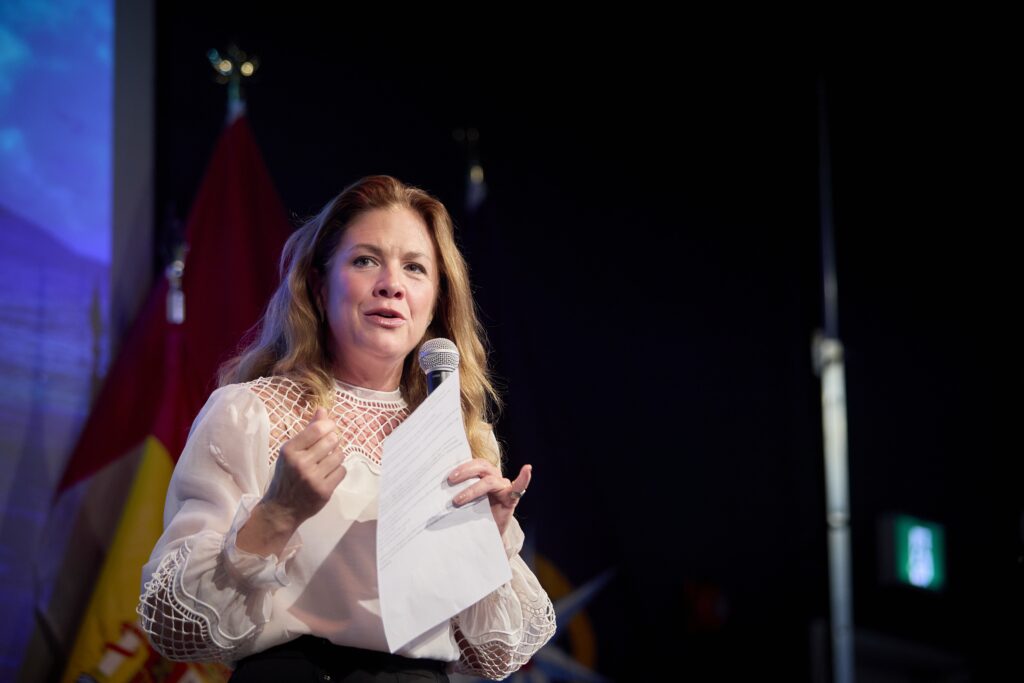
Growing up in the small town of Saint-Adèle, Que., Sophie Grégoire Trudeau spent her childhood in nature, “Just being free,” she said. Now a Youth Leadership Global Ambassador for Plan Canada and mental health advocate, Grégoire Trudeau shared how her father taught her to listen to the sounds of silence and trust nature from a young age, “because she was speaking to me at all times.”
Drawing on science and personal experience, Grégoire Trudeau explained that children need to test themselves against Mother Nature, push their physical and psychological limits, and experiment with low-risk, low-cost decisions from an early age. This, she said, helps ensure that as adults, individuals are equipped to make informed choices about high-risk, high-cost decisions. “When we engage with nature, not only are we getting lessons of wisdom, but we’re testing our true nature and who we are as Canadians, as citizens, as humans.”
To close her time on stage, Grégoire Trudeau reflected on the universal desire for humans to feel a sense of belonging, regardless of who they are or where they come from. “We just want to belong. We just want to be seen. We just want to feel part of the community.”
Grégoire Trudeau was made an Honorary Fellow of the RCGS.
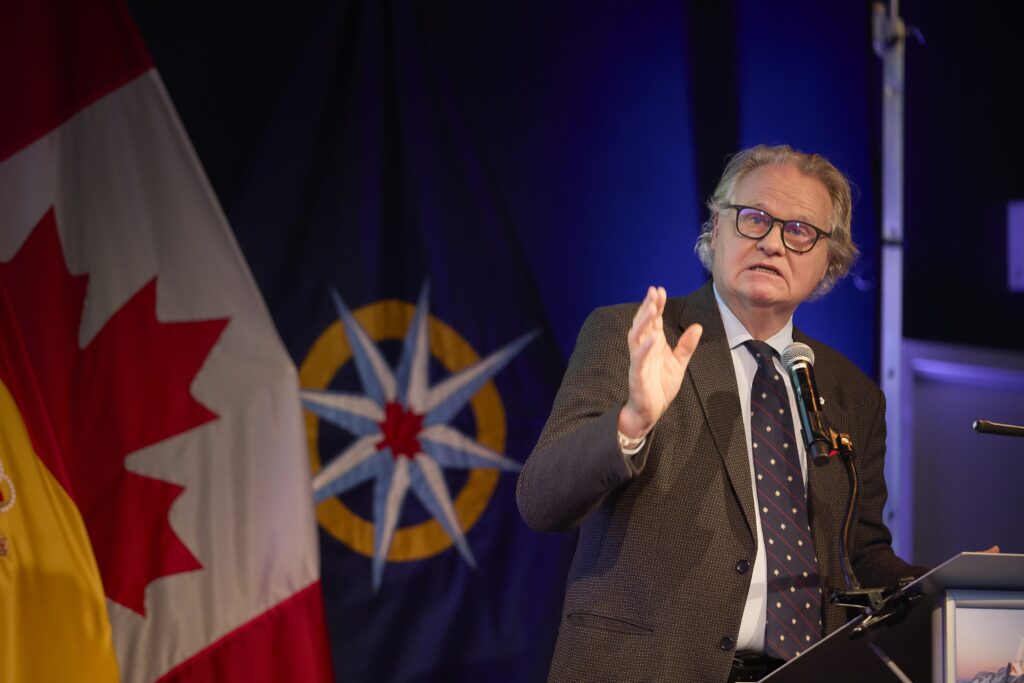
Riffing off the inspiring essay he contributed to Canadian Geographic’s special Canada Day issue earlier this year, renowned anthropologist and RCGS Honorary Vice-President Wade Davis reflected on the characteristics and values that define this country. “Space, land, winter: these are the overwhelming realities of Canada,” he said.
Davis reiterated the well-known fact that 90 per cent of Canadians reside within 200 kilometres of the American border, but added if you turn the map on its side, “you can see the real story.”
“You can take the continental United States … put it vertically in Canada and still have 1,500 kilometres running away to the tip of Ellesmere Island.” That’s why, while Americans look west for heroes, “we look north,” said Davis.
Wade Davis“While Americans look west for heroes, we look north.“
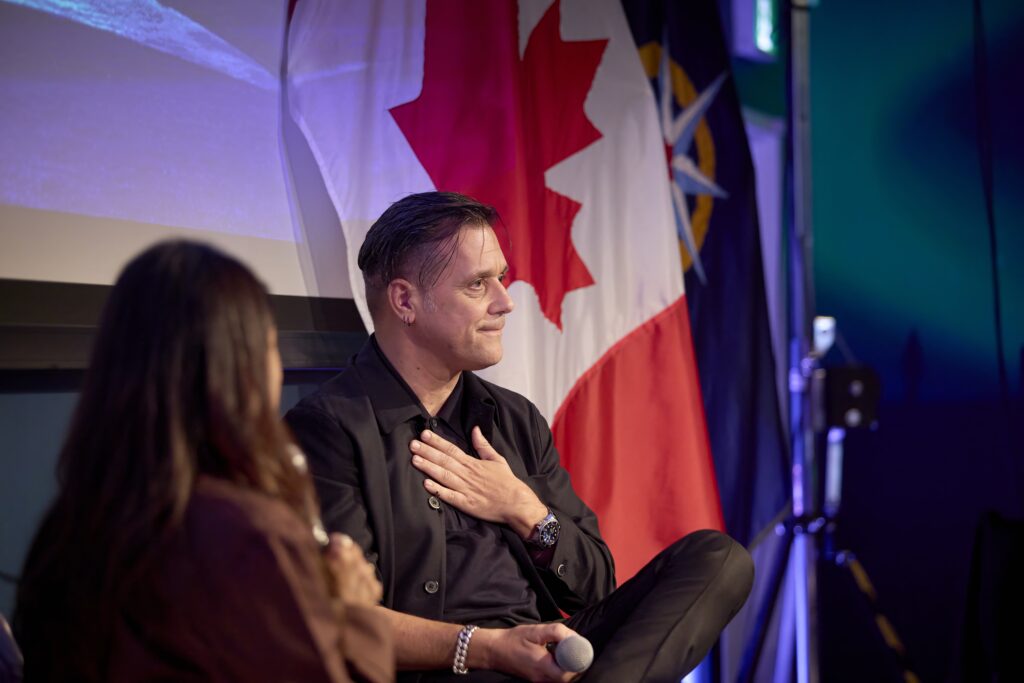
Known for his distinctive, conversational interview style, George Stroumboulopoulos has had a celebrated 35-year career in Canadian broadcasting — a fact he still can’t quite believe, he shared on the Geographica stage. “I’m anti-social,” he said. “I spend a lot of time alone and I spend an enormous amount of time wanting to be alone. I had to learn, almost like a second language, how to be around people and be in public.”
In conversation with Aliya Jasmine, Strombo reflected on how to be Canadian: “I don’t think we are just one country. We are obviously not just one [group of] people and we can’t just all get along because never in human history have we all just gotten along, and that’s not the point. The point is to get along enough.”
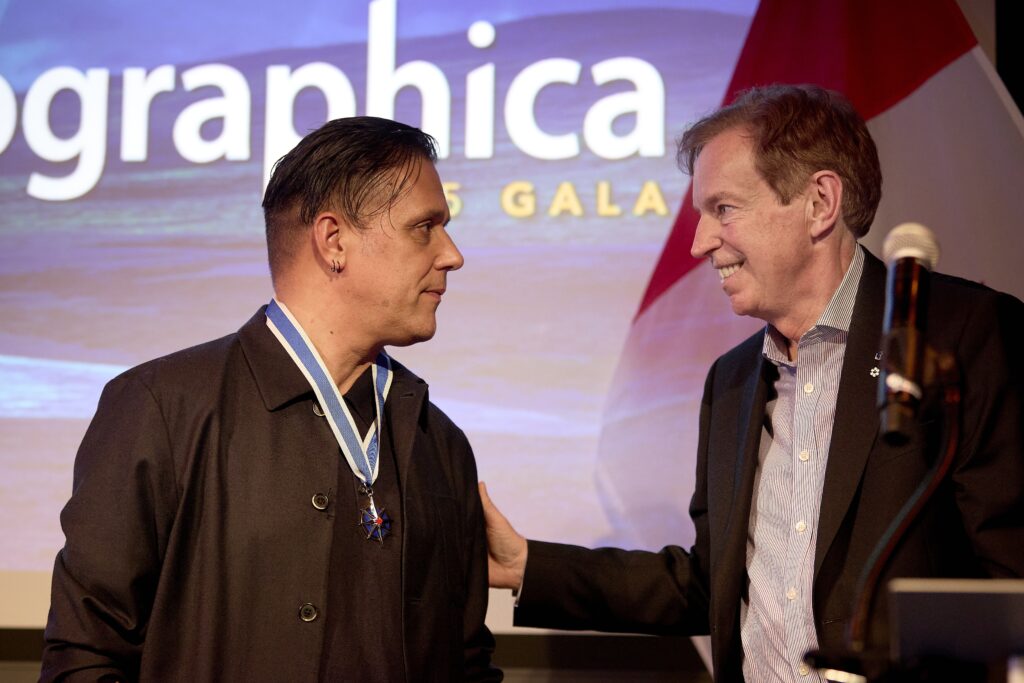
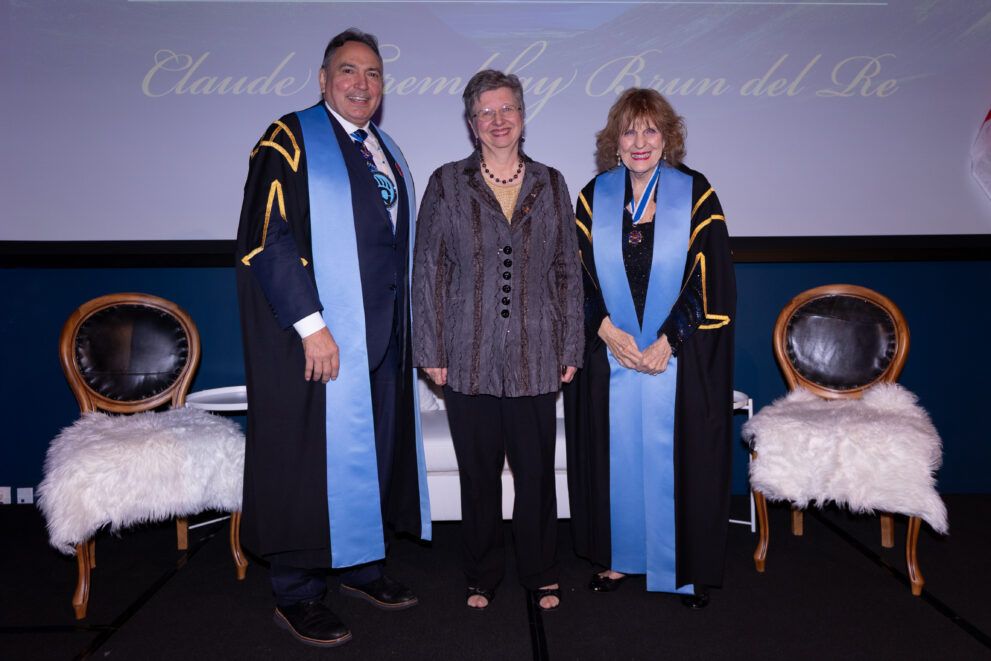
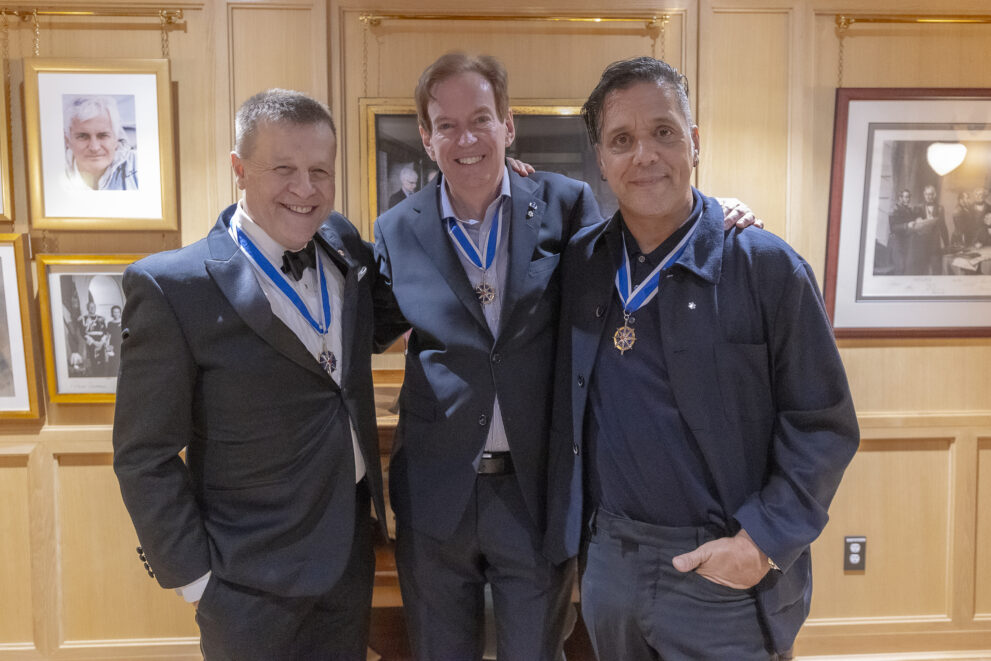
Stroumboulopoulos, who was previously made an Honorary Fellow of the Society, received a RCGS Compass Rose neck badge from Society CEO — and “punk legend” — John Geiger to make it official.
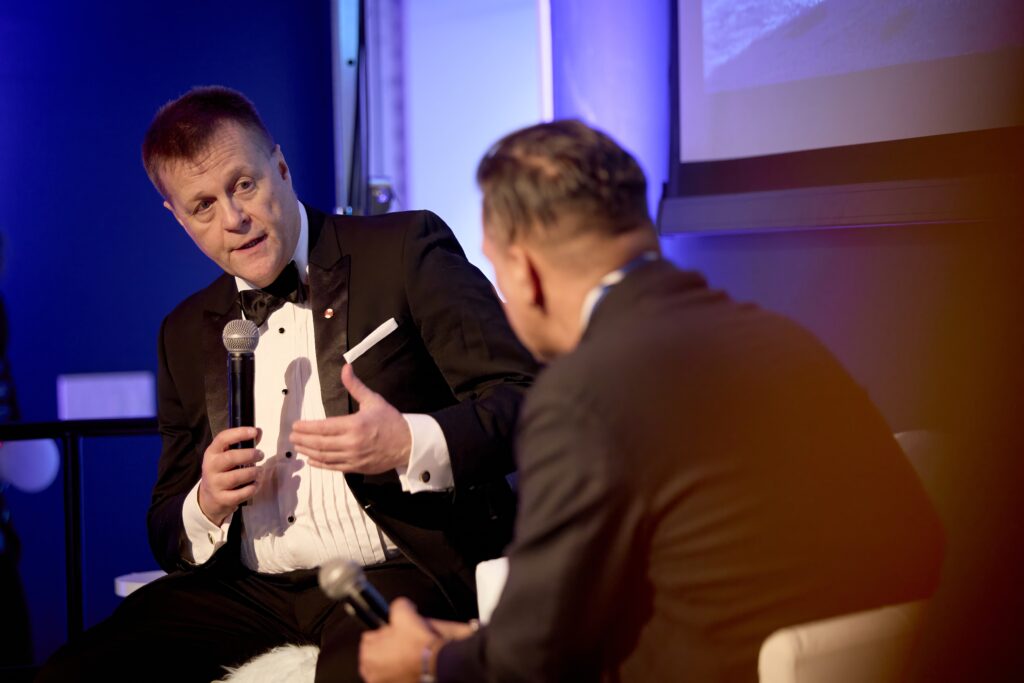
Stroumboulopoulos then demonstrated his legendary interviewing skills in a short but deep conversation with experimental poet Christian Bök. About 25 years ago, Bök conceived the idea of translating a short poem through a sequence of genetic nucleotides, ultimately allowing it to be implanted into the genome of a bacterium. “It’s a crazy idea,” Bök admitted, but one he has successfully realized with The Xenotext.
Designed to last forever, this work explores whether language itself can create life, blurring the boundaries between art, science and immortality. “I’m a poet who does crazy things. I’m a poet famous for doing the impossible,” said Bök. Geiger read a short extract of Bök’s ‘The Extremeophile,’ published this summer in Harper’s Magazine. The poet was also made an Honorary Fellow of the Society.
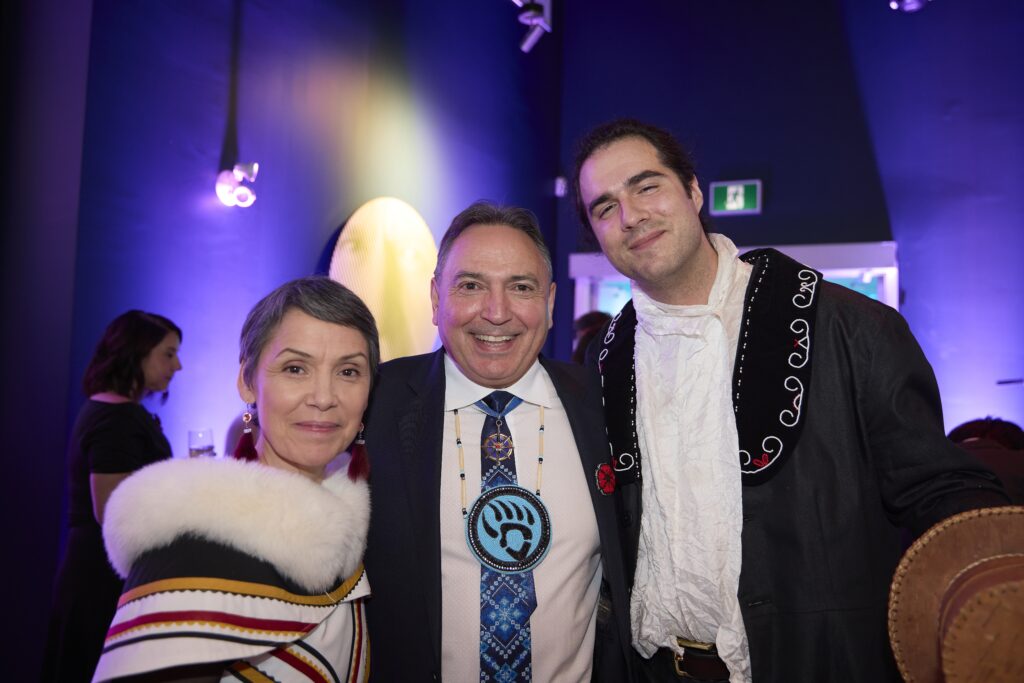
The lights dimmed and the Trebek Theatre was filled with song from videos showcasing Indigenous musicians Jeremy Dutcher and Susan Aglukark, both of whom incorporate Indigenous languages and teachings into their music.
Chief Perry Bellegarde, Honorary President of the Society, said non-Indigenous people likely don’t know that there are 640 First Nations across Canada and that 70 different Indigenous languages are spoken here. Song, dance and ceremony are critical to keeping these languages alive, Bellegarde said, “Not only for our self-determination as Indigenous Peoples, but for the very survival of the world and human beings.”
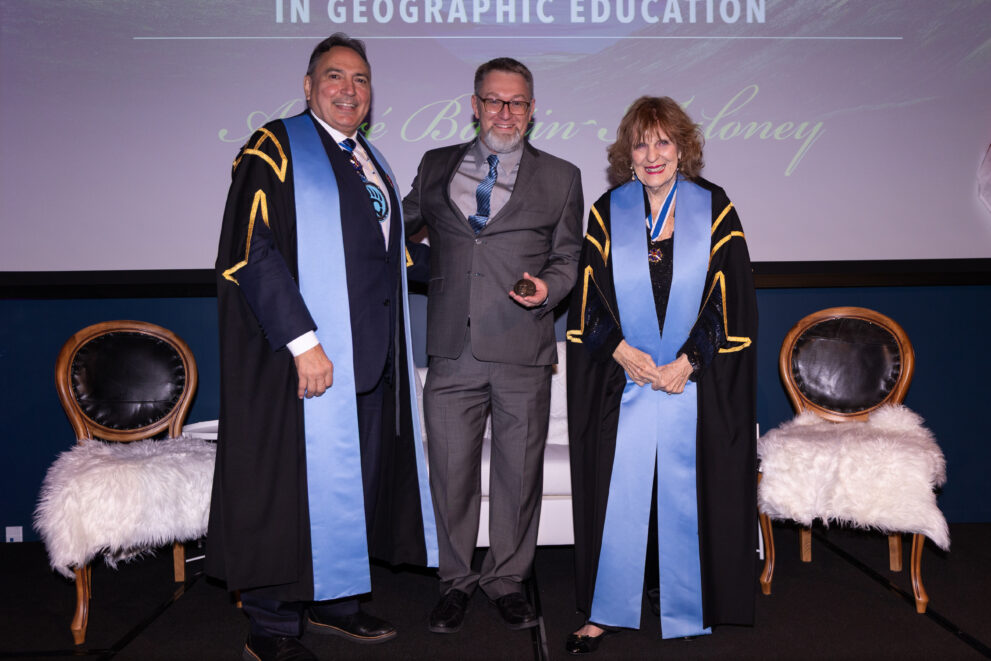
For their work preserving and uplifting Indigenous languages and inspiring Indigenous youth, Dutcher and Aglukark were each awarded the Society’s Louie Kamookak Medal, named after a renowned Inuit historian.
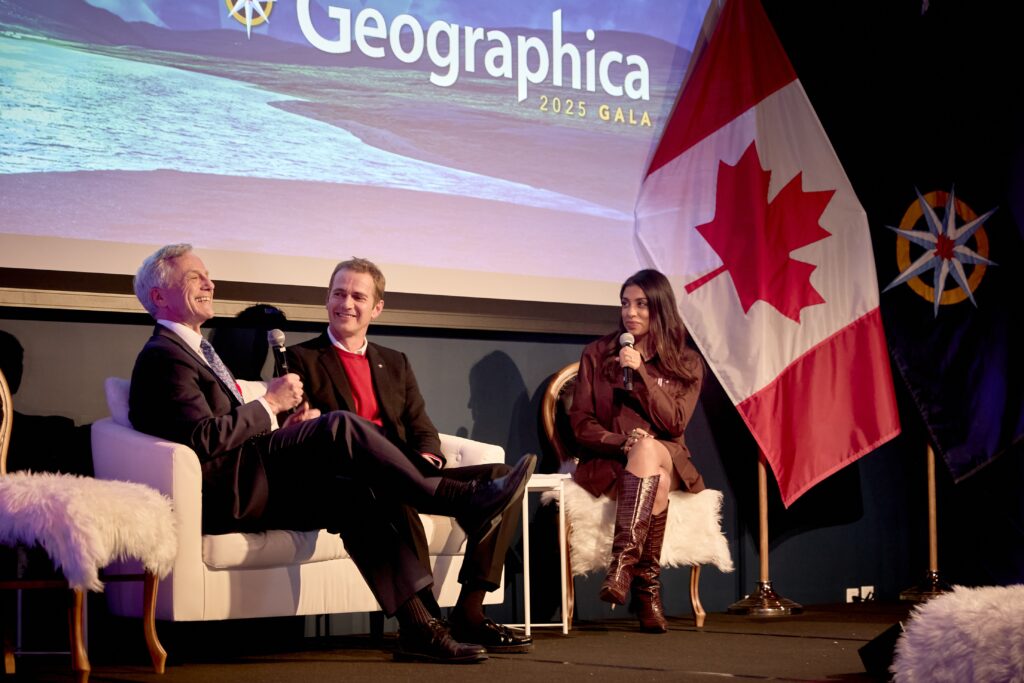
Best known for playing Anakin Skywalker (the young Darth Vader) in the Star Wars prequel trilogy, Hayden Christensen has enjoyed a hugely successful career in Hollywood, while maintaining his roots in Canada. The star shared that he drove to Ottawa from his farm in Uxbridge, Ont.: “It was a grey and rainy day, but it was still a beautiful drive,” he said. Christensen expressed his gratitude at having grown up in Canada and shared that his identity as a Canadian is important to him. “I’ve been very fortunate to get to live and work all over the world, but for me, the best part is coming home to Canada.”
Christensen was joined on stage by former Canadian Space Agency astronaut Robert Thirsk, who holds the Canadian record for most time spent in space: 204 days, 18 hours and 29 minutes. The two compared notes about their experiences with space — one acting in front of a blue screen, the other looking down on Canada from the International Space Station. Thirsk thanked Christensen and other sci-fi writers, actors and filmmakers for inspiring younger generations to dream of space exploration, and shared that the best thing about being an astronaut is working with his crewmates. “They make me a better astronaut, a better human being.”
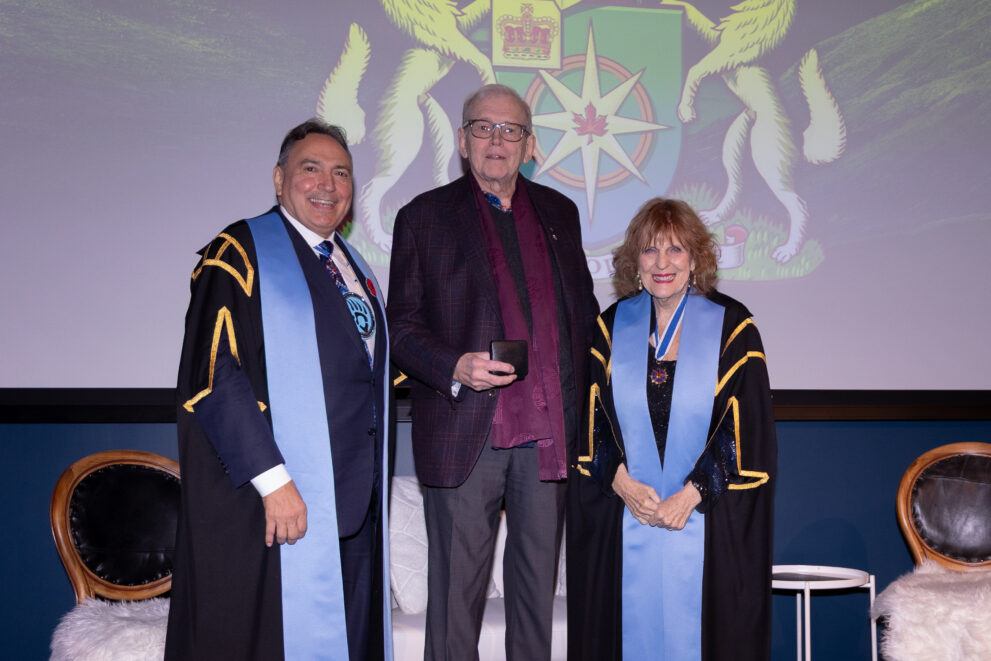
Presenting the final Compass Rose neck badge of the evening, Thirsk officially welcomed Christensen into the Society as an Honorary Fellow.
The RCGS extends its sincere thanks to our event supporters: Meta, Canadian Telecommunications Association, Embassy of Spain, Osisko Metals, Nancy Love, Inuit Heritage Trust, Rio Tinto, Air Canada, Parks Canada, BMO, TD, Canadian Ocean Literacy Coalition, Explorers Club, Spirits Canada, Collective Arts, Molson-Coors, Cave Spring Vineyard, Benjamin Bridge, Tulips and Maple and many others.
Travel
In the Galápagos, rules matter. But it’s the people who live by them that truly protect the volcanic archipelago, one bottle cap at a time.
Wildlife
In the Galápagos Islands, giant tortoises roam freely after becoming one of the most decimated species in the volcanic archipelago

People & Culture
The Royal Canadian Geographical Society’s 95th annual Geographica dinner celebrated the impact of geography and exploration and the achievements of the past year
People & Culture
Celebrating iconic collaborations, exciting partnerships, a new RCGS president and many more memorable moments from the 93rd College of Fellows Annual Dinner