Wildlife
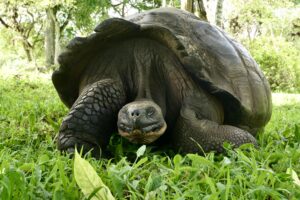
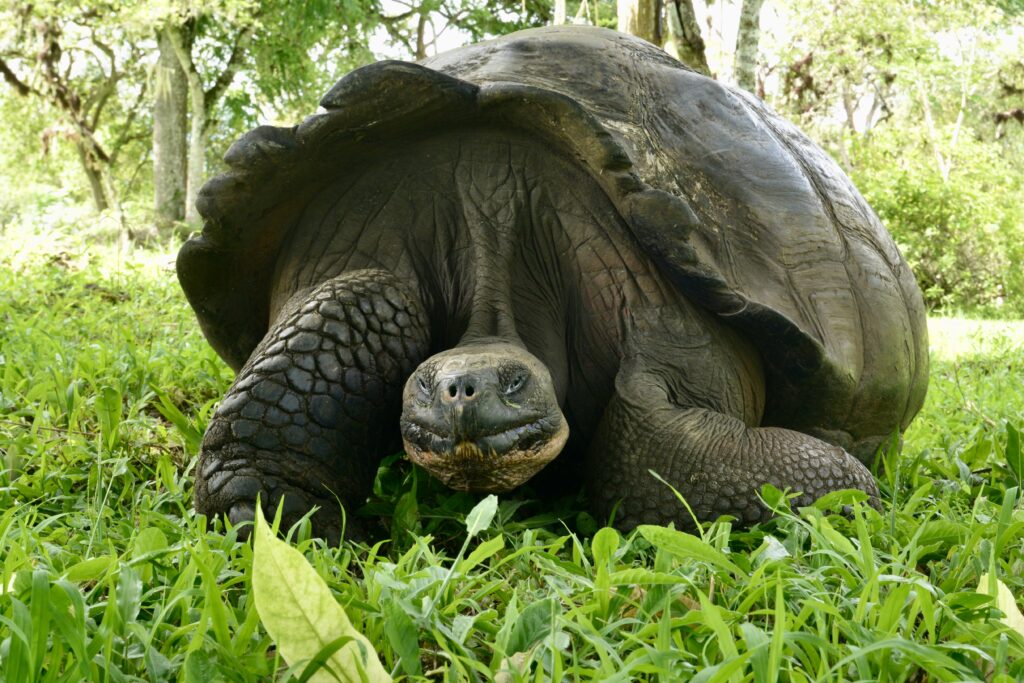
Face to face with a century-old giant
In the Galápagos Islands, giant tortoises roam freely after becoming one of the most decimated species in the volcanic archipelago
- 1289 words
- 6 minutes
Travel
In the Galápagos, rules matter. But it’s the people who live by them that truly protect the volcanic archipelago, one bottle cap at a time.

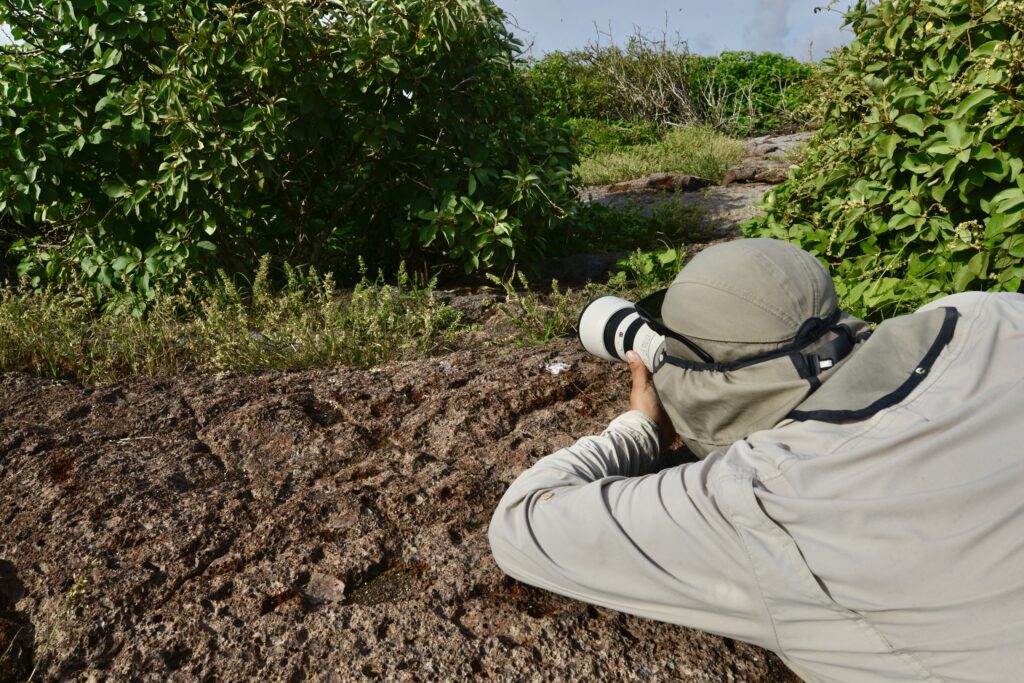
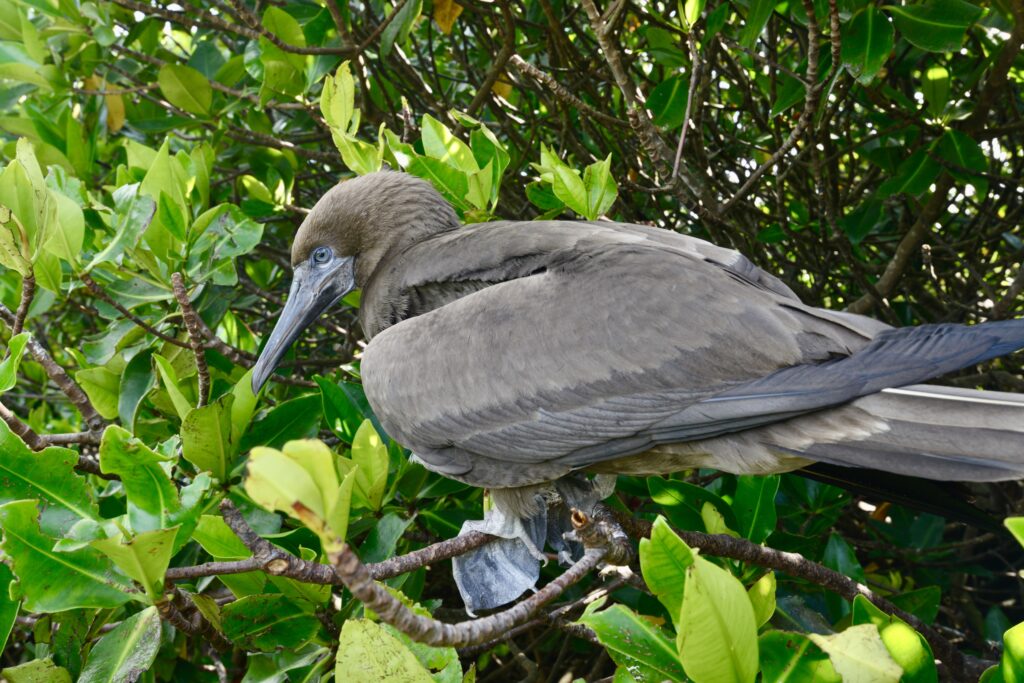
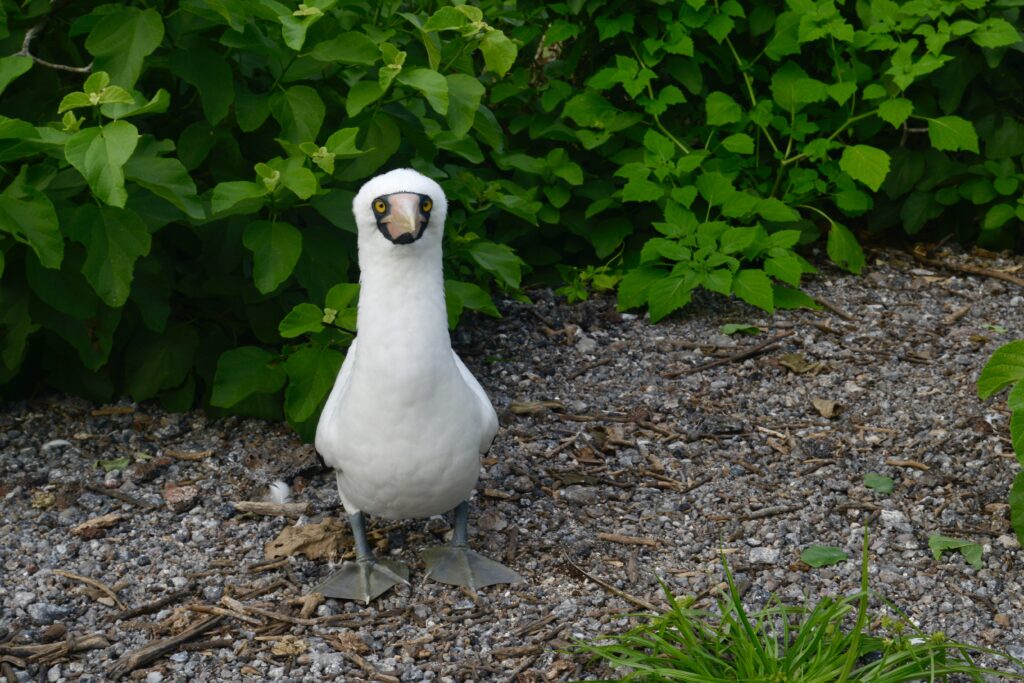
At least two metres, I remind myself, eyeing the distance between me and a nazca booby – a chick beside her, still cloaked in fluffy down. I must be at least two metres away. Crouched low with my camera, I shuffle back a few inches, suddenly aware I’ve drifted too close to the unusually calm pair.
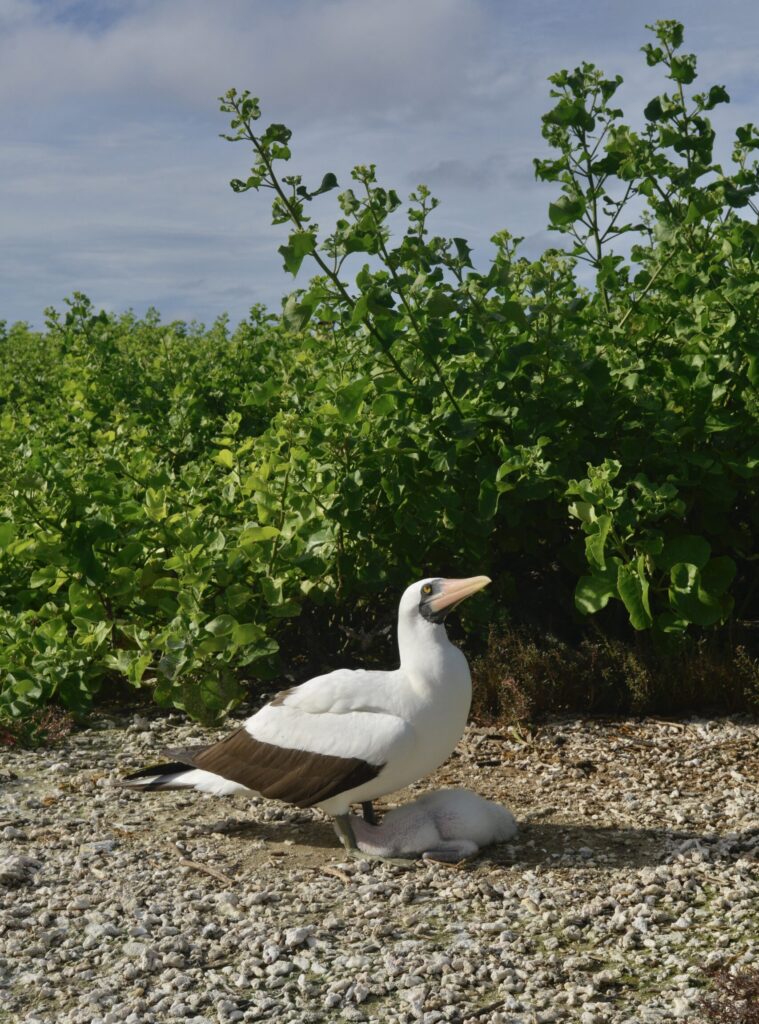
The Galápagos sun beats down as a symphony of squawks surrounds me, an avian uproar that makes the landscape feel straight out of the set of Hitchcock’s The Birds. I snap a few photos of the chick, likely only a few weeks old, and slowly stand up.
A flash of red in the bushes to my left pulls my attention. About three metres away, a male frigatebird inflates his brilliant throat pouch to impress one of the hundreds of females circling above. I pivot my lens to capture the display, only to spot another frigatebird, even closer than the first. Once again, I am probably too close to the wildlife.
I shuffle back again. At least two metres, I repeat. I glance around, checking where the rest of my group is looking. No one appears to be watching me, but I know the Galápagos guides are always aware.
I’m standing in the centre of Genovesa Island, located in the northeastern region of the Galapagos Archipelago. Renowned for its wealth of flora and fauna, this island is unlike any other place I have ever visited. But it’s not just Genovesa — every Galapágos location I have encountered during my first four days with Metropolitan Touring has been remarkable. Spotting blue-footed boobies, snorkelling with sea lions and observing giant tortoises in their natural habitat — each is an overwhelming experience in its own right. The islands are full of wonders, but I am quickly learning that the people who guide us through them, with their knowledge and commitment, are an essential ingredient that makes this corner of the world so magical.
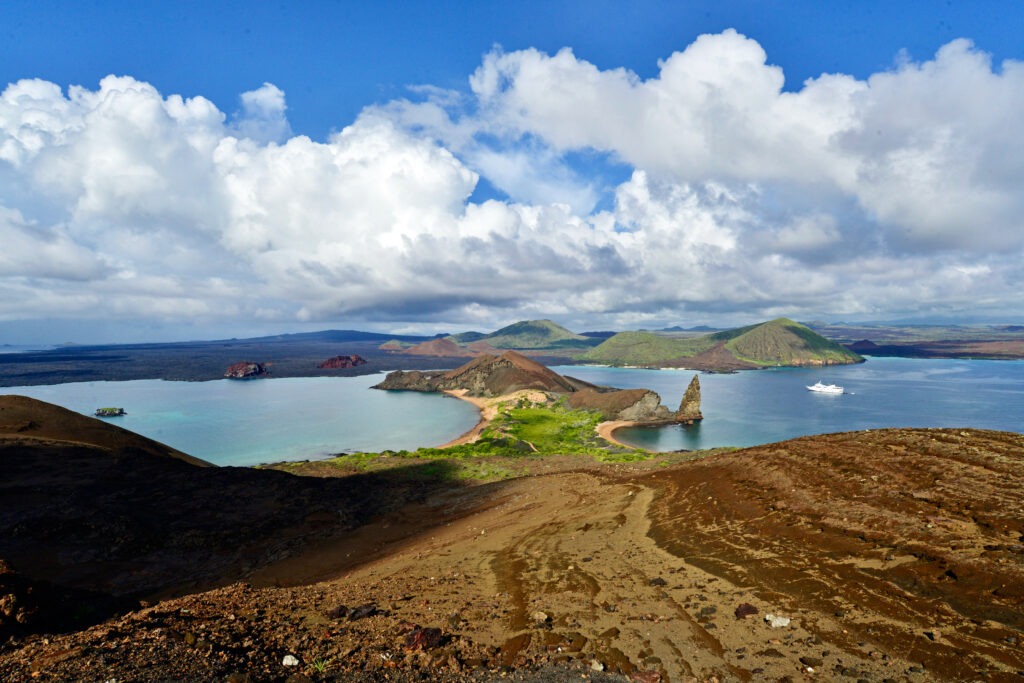
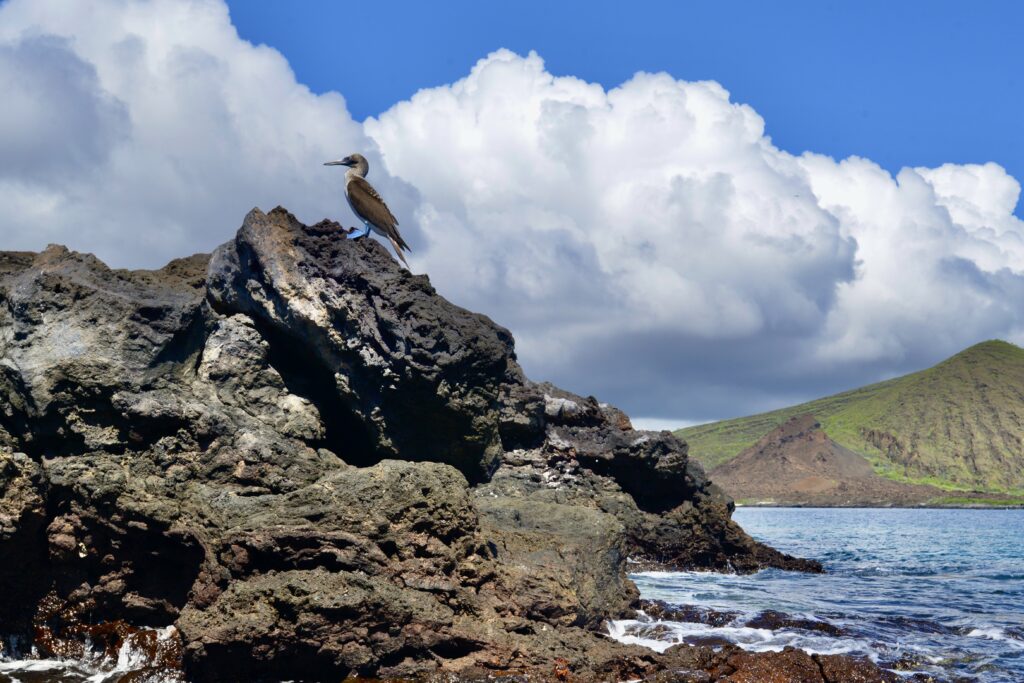
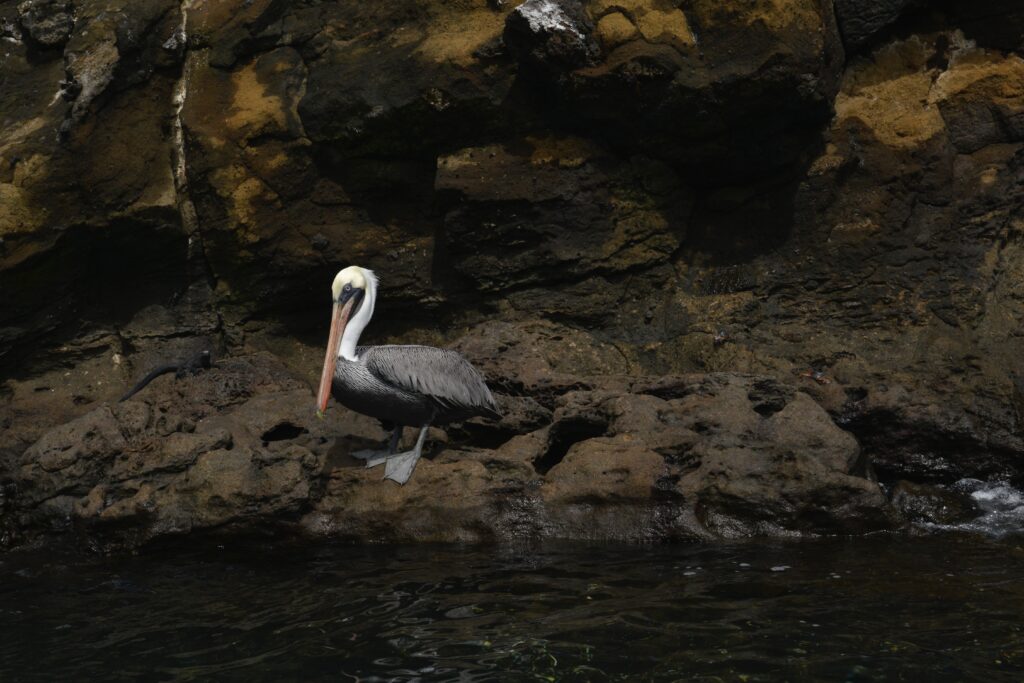
Born from shifting tectonic plates and shaped by dramatic topography, the Galápagos Islands are a remote volcanic archipelago located about 1,000 kilometres off the coast of Ecuador. From lush highlands to black lava fields, this wildlife paradise and subtropical haven hosts some of Earth’s most unique and delicate ecosystems, where species (many of them endemic) have evolved in isolation. Iconic for its role in shaping Darwin’s theory of evolution, the Galápagos now face mounting environmental threats, including habitat loss, overfishing, plastic pollution and the rising temperatures of El Niño events. Combined with booming tourism and the introduction of invasive species like cats and rats, these pressures have triggered urgent conservation efforts to protect native wildlife and restore ecological balance. But in this fragile environment, it is the guides who are the islands’ modern-day saviours.
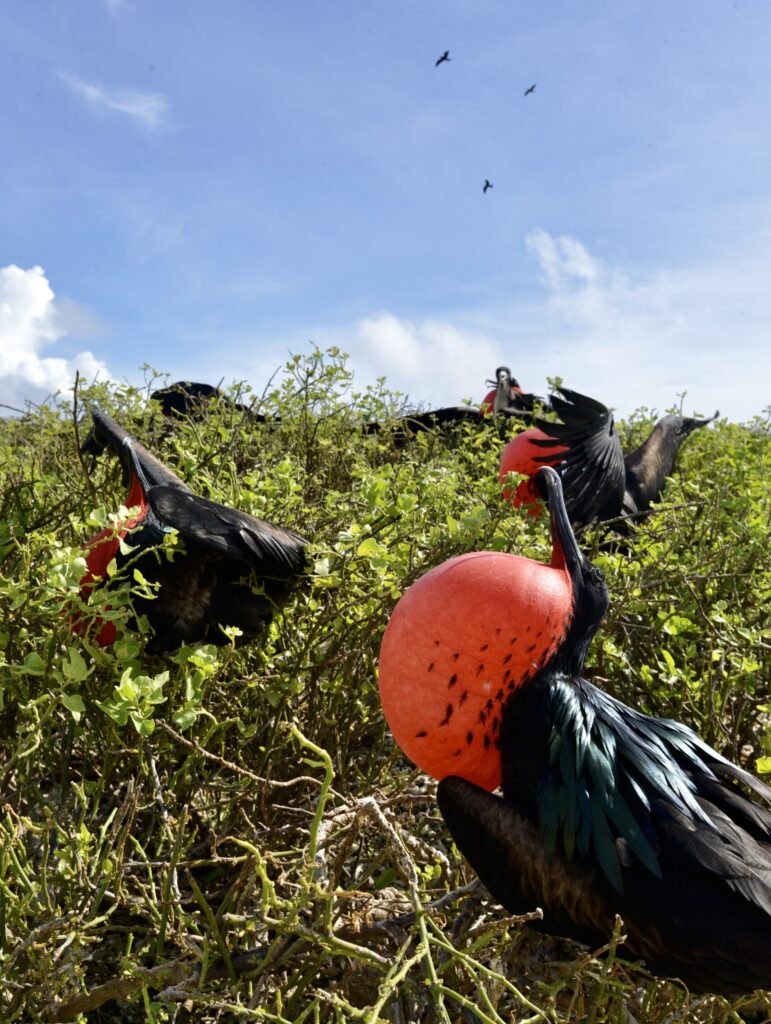
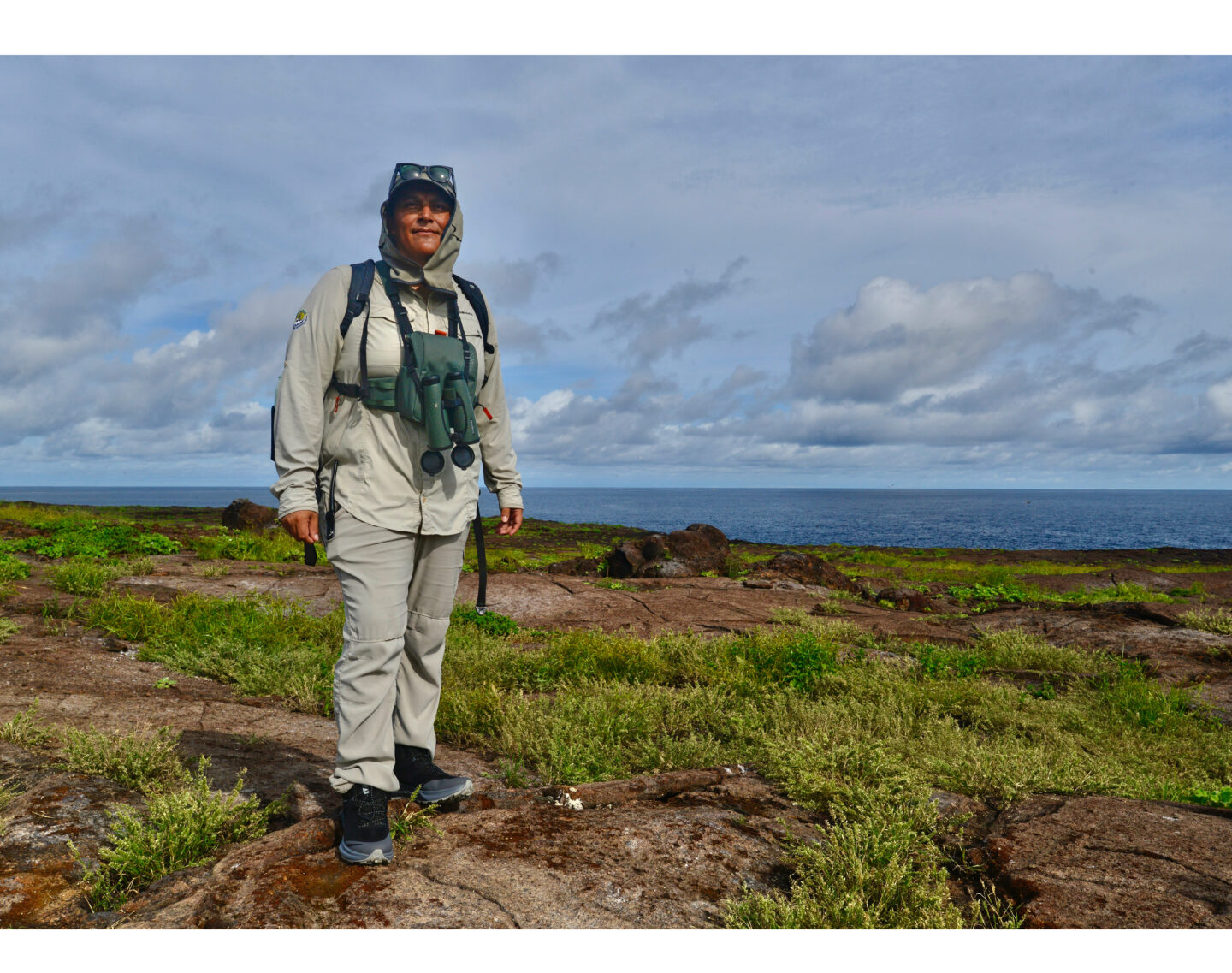
“The sounds we hear on these islands are not because wildlife is afraid of us,” says Dennis Ballesteros. “You can hear them expressing how happy they are and celebrating life.” I am travelling with a group of media, and Ballesteros is our designated naturalist guide. On Genovesa, birds fly around us from every direction, but pay us no attention. We might as well be another Palo Santo tree or saltbush. Almost on cue, a frigatebird swoops in, squawking as it glides past us. I instinctively duck, but Ballesteros doesn’t flinch.
“That sound you just heard is the bird telling us that he is landing in this location,” says Ballesteros. And sure enough, the bird lands in a bush, mouth full of twigs to build a nest.
More than just naturalists, Galápagos guides are stewards of the archipelago. Like Ballesteros, every guide is deeply knowledgeable and committed to conservation. On every shore landing, panga ride and snorkel excursion, they scan the horizon for species of interest and subtle signs of distress, all while gently reminding guests to keep a respectful distance. In the Galápagos, protection begins with awareness, and these local experts are the bridge between curious travellers and the delicate ecosystems they’ve come to witness.
“I heard long ago that society is growing up not knowing anything about nature. How will you take care of something you don’t know about?” says Ballesteros. “To understand something, you need to know it. But just as importantly, the more you can understand about nature, the more you can understand about yourself.”
Ballesteros began guiding 16 years ago after studying biology and economics in college. Born and raised in the Galápagos, he’s witnessed the islands evolve over the decades, for better and worse. But compared to his childhood, he says he can see tangible improvements in how the environment is cared for. Much of that, he believes, is thanks to companies like Metropolitan Touring, which has been instrumental in promoting conservation and environmental responsibility across the archipelago. From supporting local education programs and scientific research to implementing strict waste management protocols and pioneering carbon neutrality initiatives aboard its vessels, the company has worked to ensure that tourism in the Galapagos is regenerative rather than extractive. As with many places around the world, the goal here is to protect the fragile ecosystems that make the Galápagos so extraordinary, and to empower communities to be active stewards of their home.
“All Galapagians have a better comprehension of conservation,” says Ballesteros. “Conservation is a big thing, and it’s not that it wasn’t important that long ago, but now it’s much better handled. Even the recycling part.”
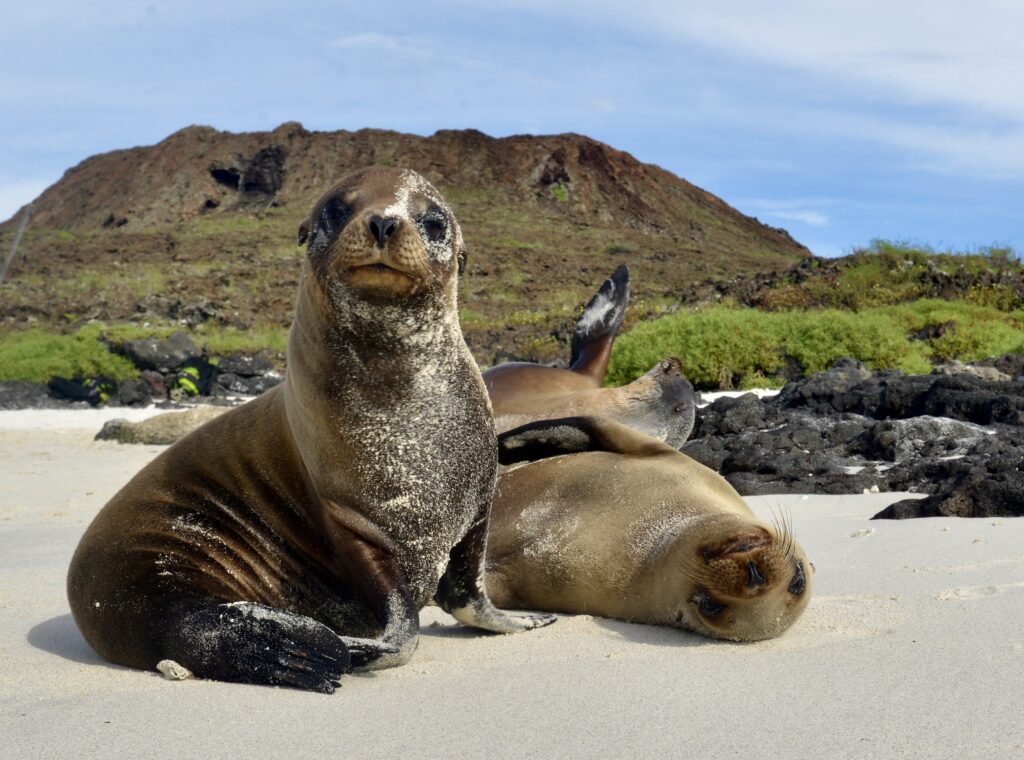
The rumours are true: in the Galápagos, wildlife is everywhere.
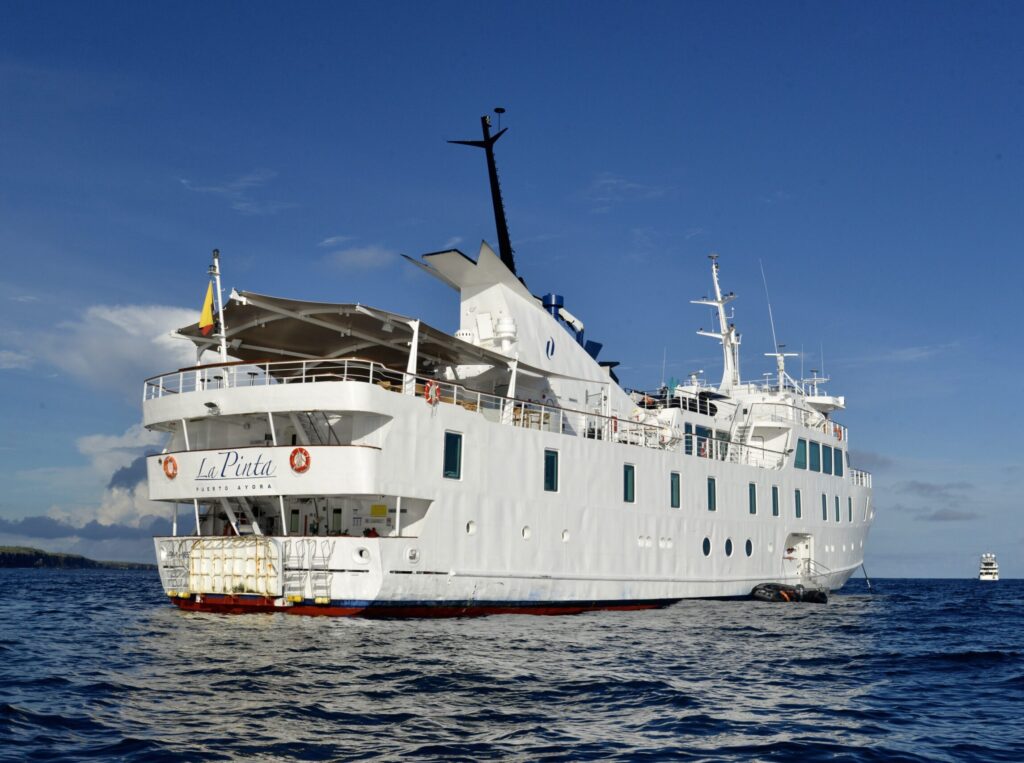
By the end of our first day aboard La Pinta, a carbon-neutral, 48-passenger expedition yacht, we’ve already spotted giant tortoises, iguanas, sea lions and even juvenile reef sharks. In each of the yacht’s 24 cabins, a copy of Metropolitan Touring’s Galápagos Big 15 rests on the neatly made bed, next to tall windows framing the cobalt-blue Pacific Ocean.
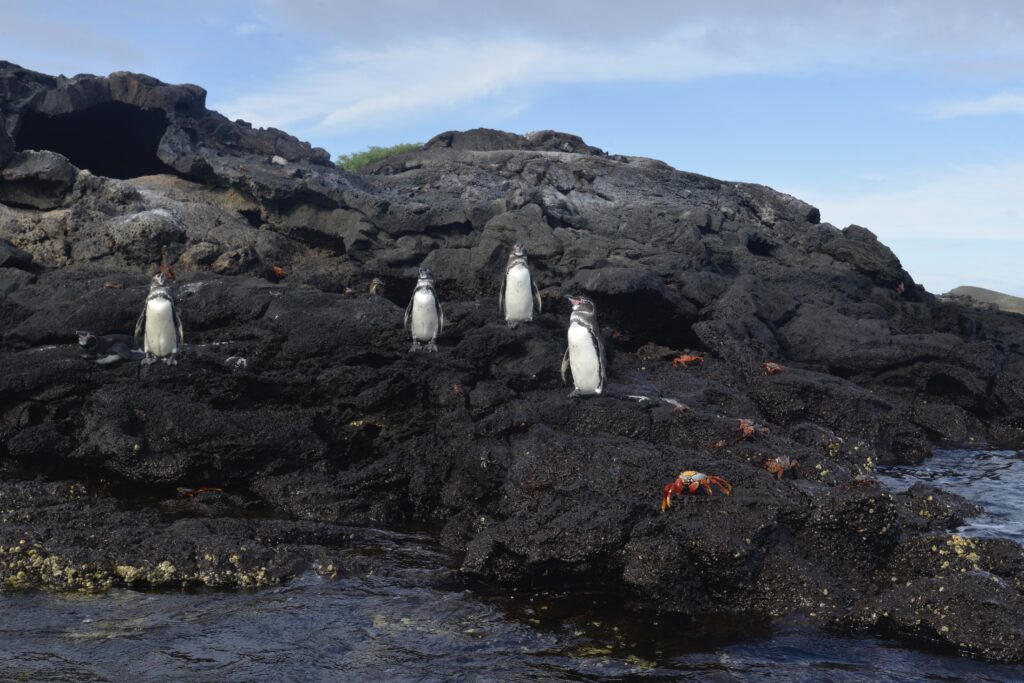
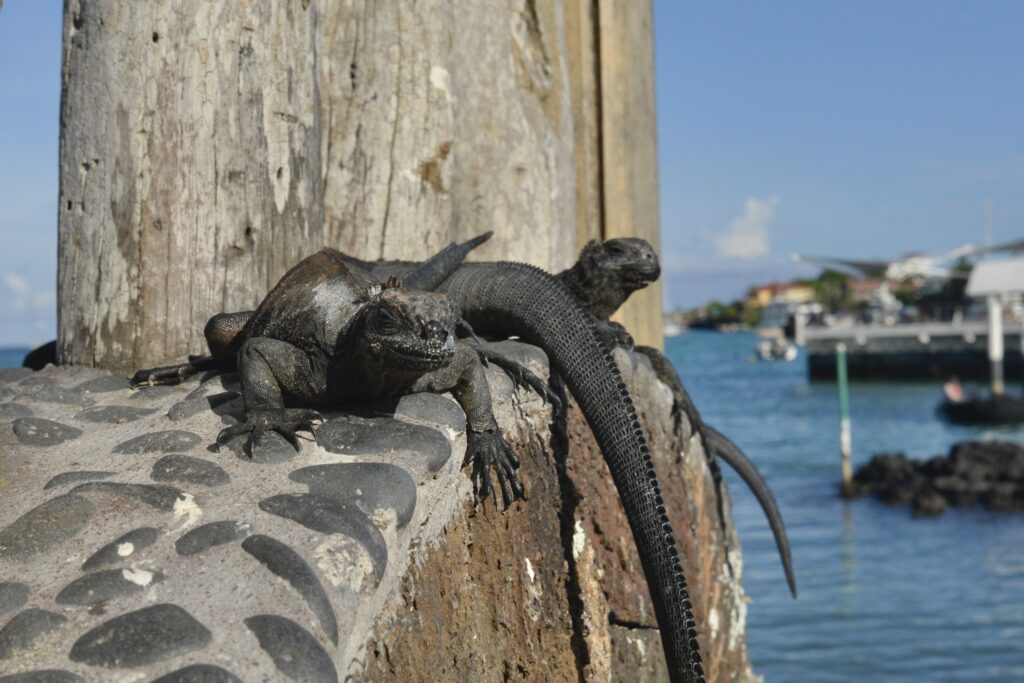
I flip through its pages, admiring images of Galapagos penguins, fur seals, marine iguanas, a myriad of birds, and wondering how many I’ll see before the trip ends. What I quickly learn is that nowhere on Earth rivals the Galápagos for wildlife. With more than 138,000 square kilometres of protected land and sea, the possibilities feel limitless.
When Ballesteros asks what animal I hope to see most, I half-jokingly say “hammerheads,” assuming our chances are slim to none. He grins. “I think I can make that happen,” he says. “I might know a spot.”
Sure enough, just three days later, Ballesteros brings us to Darwin Bay, and the wish I thought was impossible comes true. Within minutes of slipping into the water, I sense five shadows appearing from the blue. I angle my GoPro toward the silhouettes, and there they are: hammerheads. I lose track of how many we see over the hour, each one as surreal as the last. This place is truly magical, I think to myself. And it’s not just because of the wildlife.
Earlier that morning, on our way to the snorkel site, Ballesteros asked the panga driver to turn around. He’d spotted a piece of plastic, no bigger than a bottle cap, floating in the water. It’s a small gesture, but one that speaks volumes. Conservation isn’t just a concept here; it’s practiced with intention. Plastic bags are banned, shoes must be cleaned before boarding the boat, no food is allowed on the islands, and no visitor is allowed to explore without a licensed guide. These rules might seem strict, but they’re what keep this ecosystem intact. And to see them upheld so seriously by the people who live and work here feels like witnessing a rare kind of devotion.
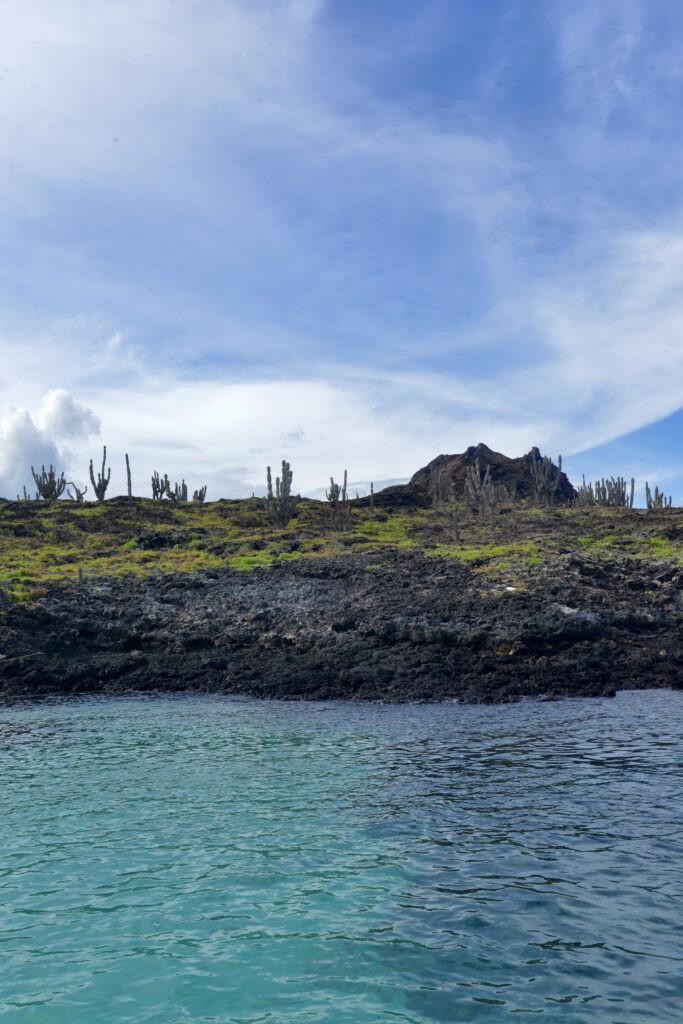
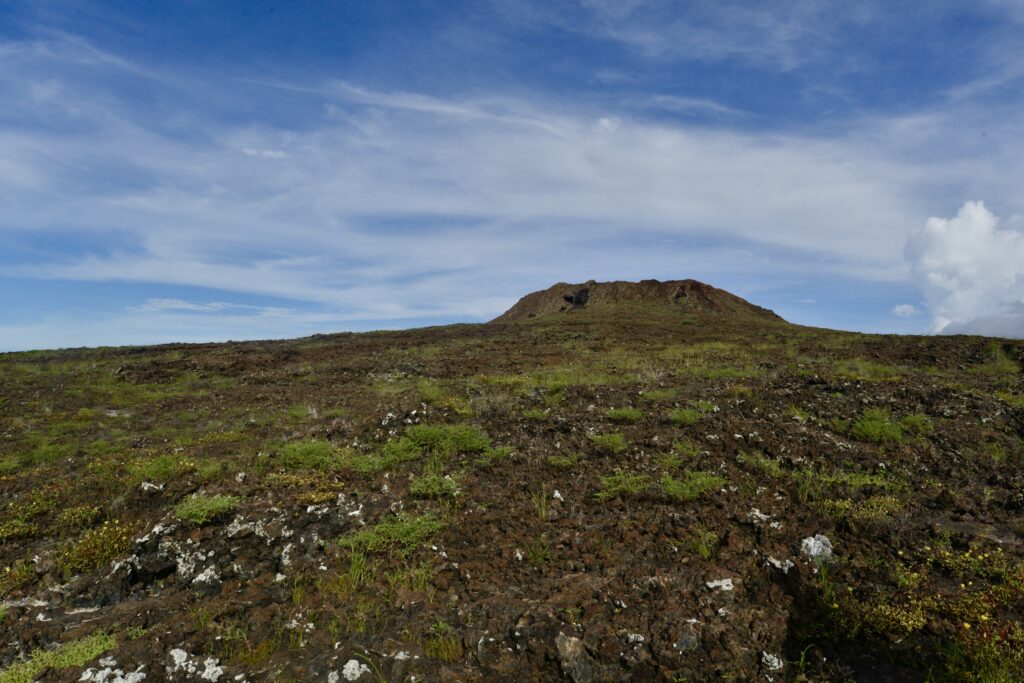
Stepping onto the stark, otherworldly terrain of Bartolomé Island feels like landing on another planet. Sculpted by ash, wind and time, this barren inlet is renowned for its jagged, frozen lava flows that streak across its rust-coloured slopes. The most visited and photographed island in the Galapagos, Bartolomé, is not to be missed.
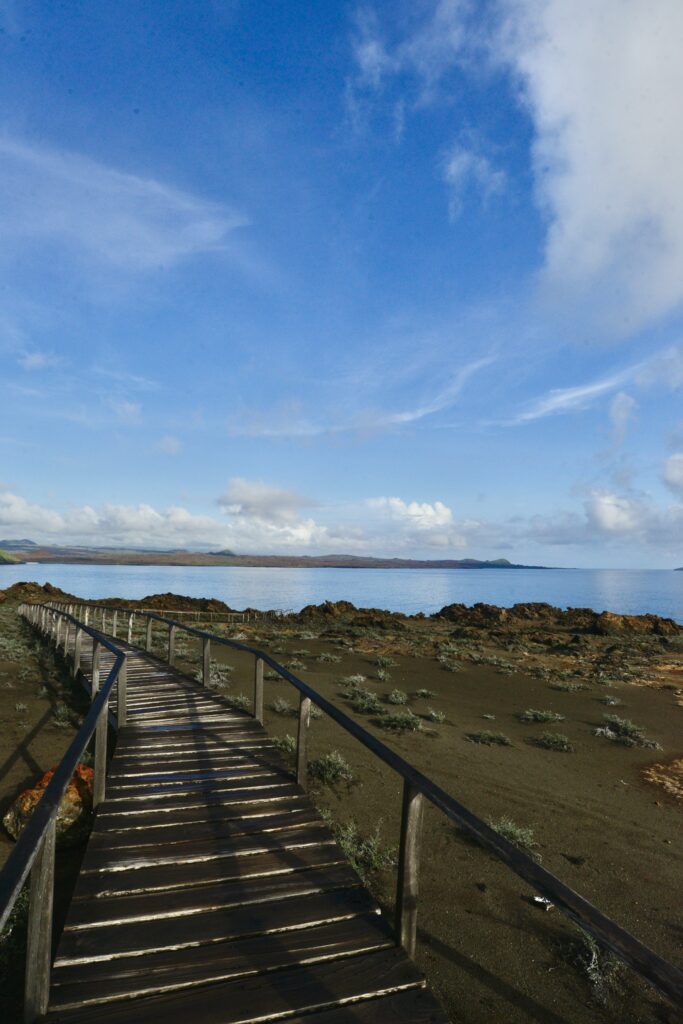
Millions of years ago, a series of volcanic eruptions spewed from beneath the ocean, creating the unique landscape with a view of the island’s iconic Pinnacle Rock. However, to reach the summit, visitors must first climb a wooden staircase made from Cuban cedar trees.
We’re all covered in sweat, despite our plan to leave earlier in the morning to avoid the blazing sun. The staircase to the peak is only 600 metres long, but with little shade to shield us, it’s no walk in the park. Built by the Galápagos National Park Service to prevent erosion on the fragile volcanic terrain, the boardwalk is a physical challenge and a symbolic line: one that guides like Ballesteros will not cross.
Halfway up the trail, he spots a piece of plastic a few feet off the path. Most guides in other parts of the world might instinctively pick it up, but Ballesteros doesn’t move. Instead, he pulls out his phone, snaps a picture, and calmly informs us that he’ll alert the rangers later.
“The guide and rangers, we are all one team,” he explains. “We look for everything that is fine with nature. We talk about what we need to fight for.” In the Galápagos, even the smallest gesture, like stepping off-trail, has meaning. “We need to be careful with our actions in front of guests.”
Standing on a lookout platform, watching lava lizards skitter across the wood, Ballesteros tells us a cautionary tale: a guide once stepped in to help a sea lion in distress. “He had good intentions, but was bitten.” The incident was caught on camera, uploaded to the internet, and distorted by online audiences.
Now, guides do not intervene, even with the best of intentions. Rangers are called in for everything, from removing debris to wildlife emergencies. “In the Galápagos, we are not doing any intervention. We are just making sure that external things, like marine currents transporting plastic, are not affecting these islands and their natural way,” says Ballesteros. “What we are doing as Galapagians, as rangers, is to ensure that nothing that is from outside, that is not natural, will change something here.”
His commitment isn’t performative; it’s deeply ingrained. A cultural code that exists among guides who treat these islands as sacred. It’s a level of restraint and respect rarely seen in other parts of the world, where well-meaning tourists or guides often overstep in the name of helping nature, only to end up harming it.
Every year, interest in becoming a guide in the Galapagos grows, explains María Auxiliadora Farías, director of the Galapagos National Park. Standing beneath a sprawling tree at the Charles Darwin Research Station, she tells us about the close collaboration between guides and rangers, a relationship essential to protecting the integrity of the islands.
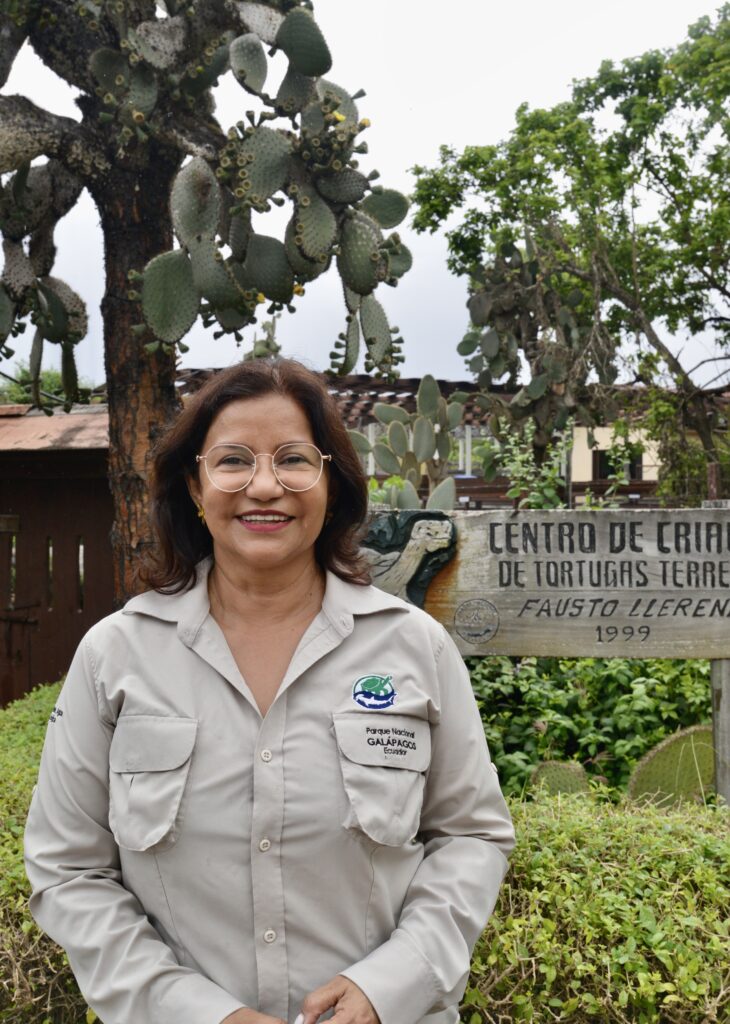
The Galapagos welcome around 270,000 visitors annually, and that tourism sustains the local community. It only makes sense that those who call the archipelago home work tirelessly to safeguard it as a world-class destination. Guides are considered ambassadors; their training is rooted in science and biology. They follow strict routes and rules to ensure that the flora and fauna remain undisturbed.
Founded in 1959, the Charles Darwin Research Station is operated by the Charles Darwin Foundation, an international non-profit committed to preserving the Galapagos through science and conservation. Located on Santa Cruz Island, the station invites visitors to learn about the archipelago’s fragile ecosystem, ongoing research, breeding programs, and, of course, the island’s iconic giant tortoises. Farías notes that beyond the abundance of wildlife and otherworldly landscapes of the Galapagos, the station itself has become a draw for tourists.
As we wander past corrals of baby tortoises small enough to fit in a human hand, we pause to read about the work being done to protect each subspecies. In the Exhibit Hall, turtle and tortoise shells are displayed alongside the skeletons of whales, porpoises, birds and mammals, each a quiet reminder of the balance that conservation seeks to maintain.
It’s during my visit to the station that I realize how deeply conservation is woven into every corner of the Galapagos. The beauty of the islands is undeniable, but it’s the collective passion and dedication of the people that have shaped and safeguarded this place.
The Galápagos sun has softened by late afternoon, creating a slight calm. On Genovesa Island, my group and I have lucked out three times, spotting the elusive Galapagos short-eared owl, an endemic subspecies found only in this archipelago. The first we spot is almost camouflaged, the owl nestled beneath a shrub, its piercing yellow eyes tracking us through the leaves. We move slowly and silently, pausing for a few respectful photos before each of us continues along the path. Moments later, we spot another. This time out in the open, talons sunk into a fresh catch: a small finch.
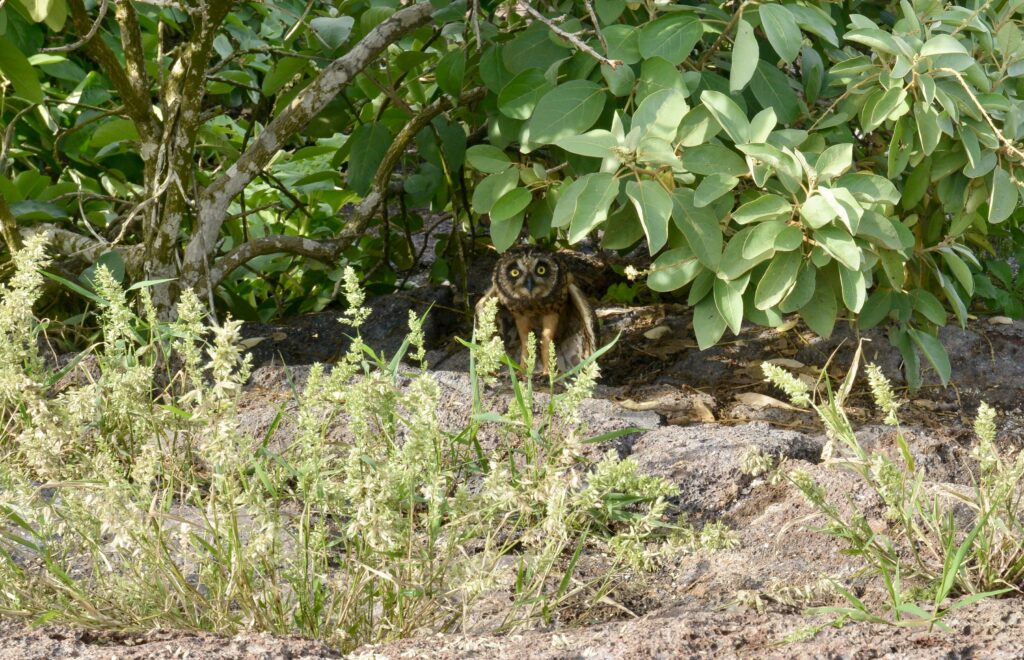
“Owls are the top predators here,” whispers Ballesteros. “But this one trusts us.”
Ballesteros tells us that in the early 2000s, he was in this exact location with a BBC film crew in search of the owl. “It took us a week to spot one.”
Maybe we’d been lucky, or maybe it is a reflection of something more profound: that these islands, fiercely protected and respectfully visited, are thriving. Sitting in stillness while admiring such a rare species, so seemingly undisturbed by our presence, feels symbolic. This trip has been about more than wildlife watching. It is about witnessing what becomes possible when humans approach nature with humility, guided by those who dedicate their lives to its care and protection. Without guides, rangers and people like Ballesteros, the Galápagos might be like anywhere else. But because of them, this place remains extraordinary.
Wildlife
In the Galápagos Islands, giant tortoises roam freely after becoming one of the most decimated species in the volcanic archipelago
Travel
A Bahamian archipelago of 365 sun-drenched cays offers iconic wildlife and bucket-list beaches
Travel
*Okay, just six — but it’s a start toward exploring this expansive border-straddling region of rocky islands, sparkling coves and hidden history
Travel
Adventure and indulgence collide in the Caribbean’s best-kept secret — a sun-soaked haven calling to Canadian explorers