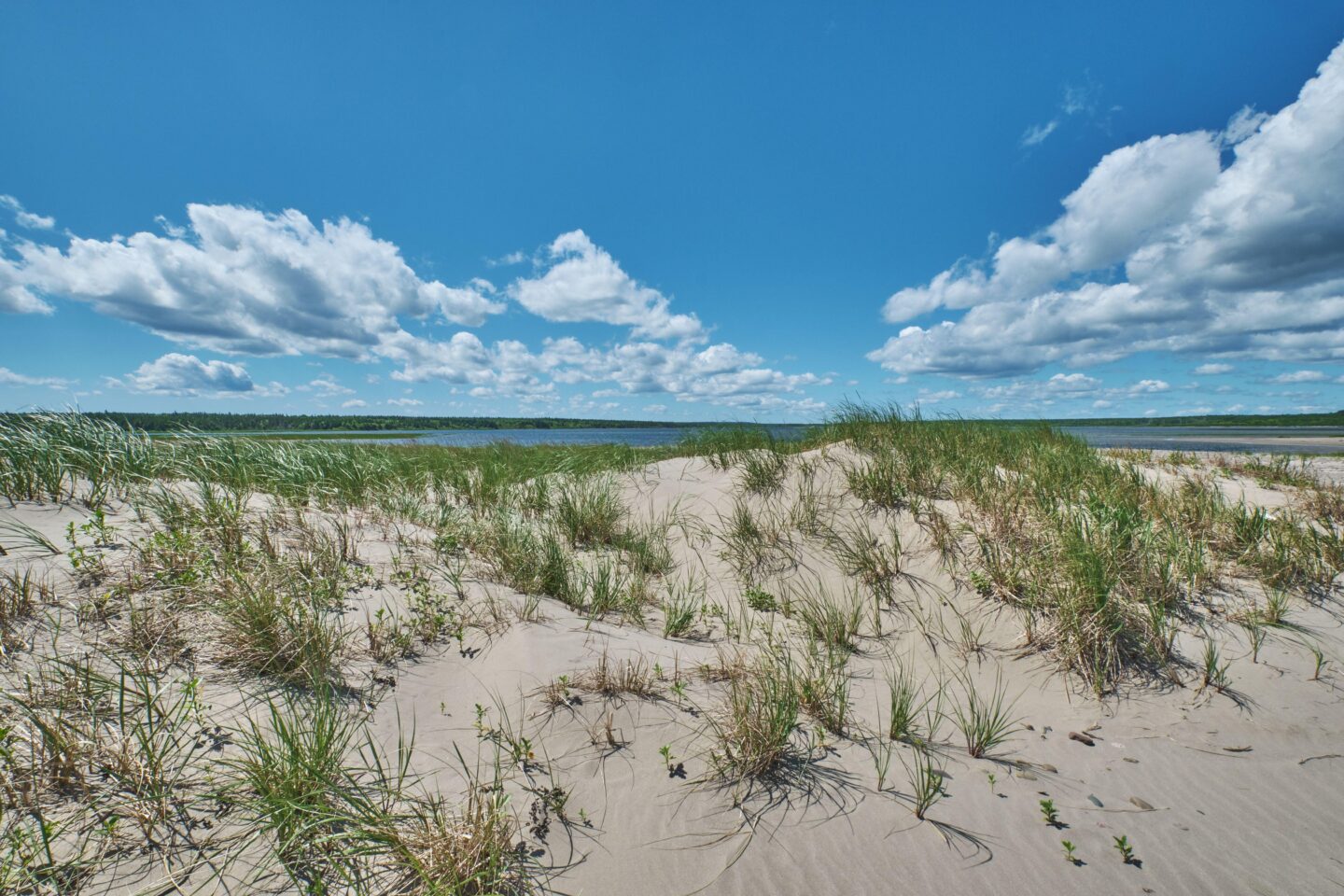
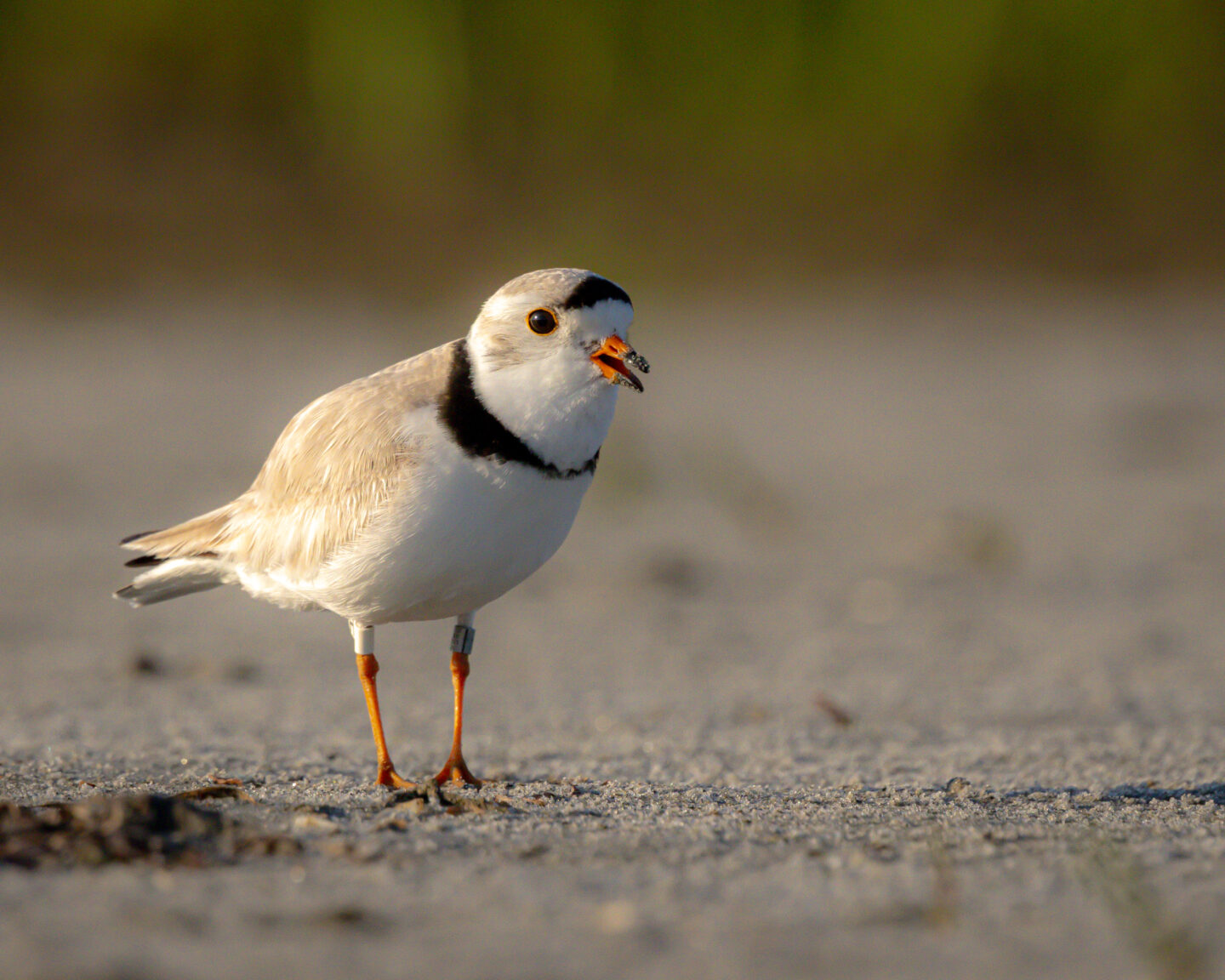
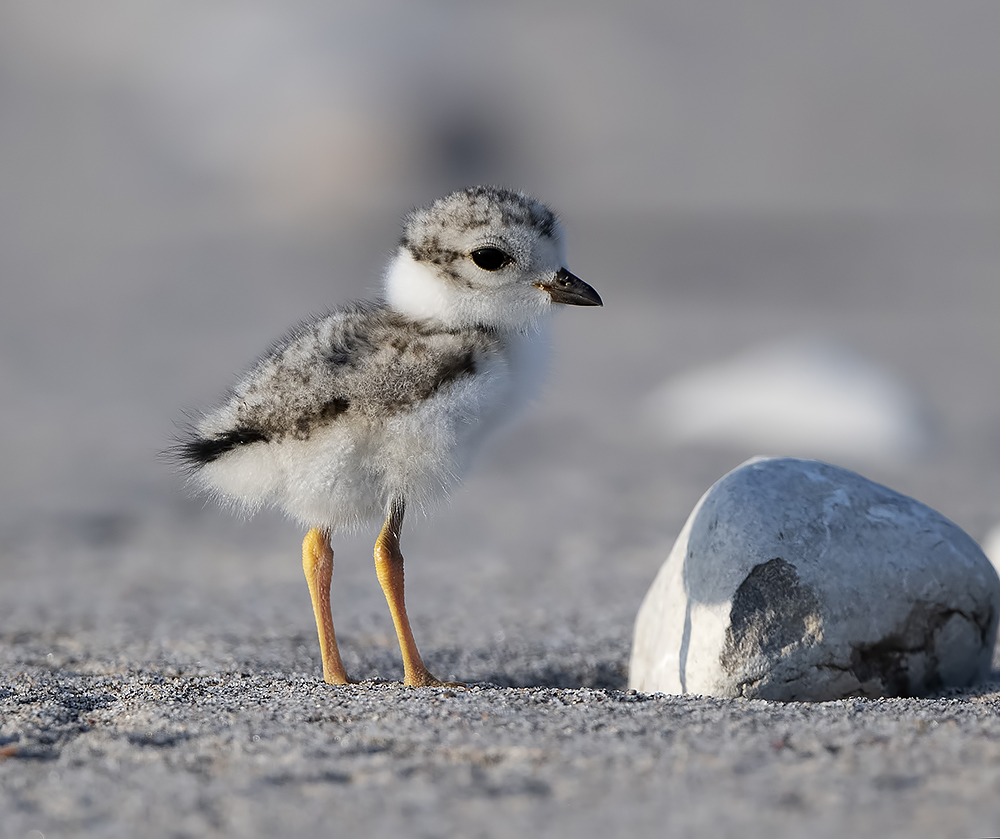
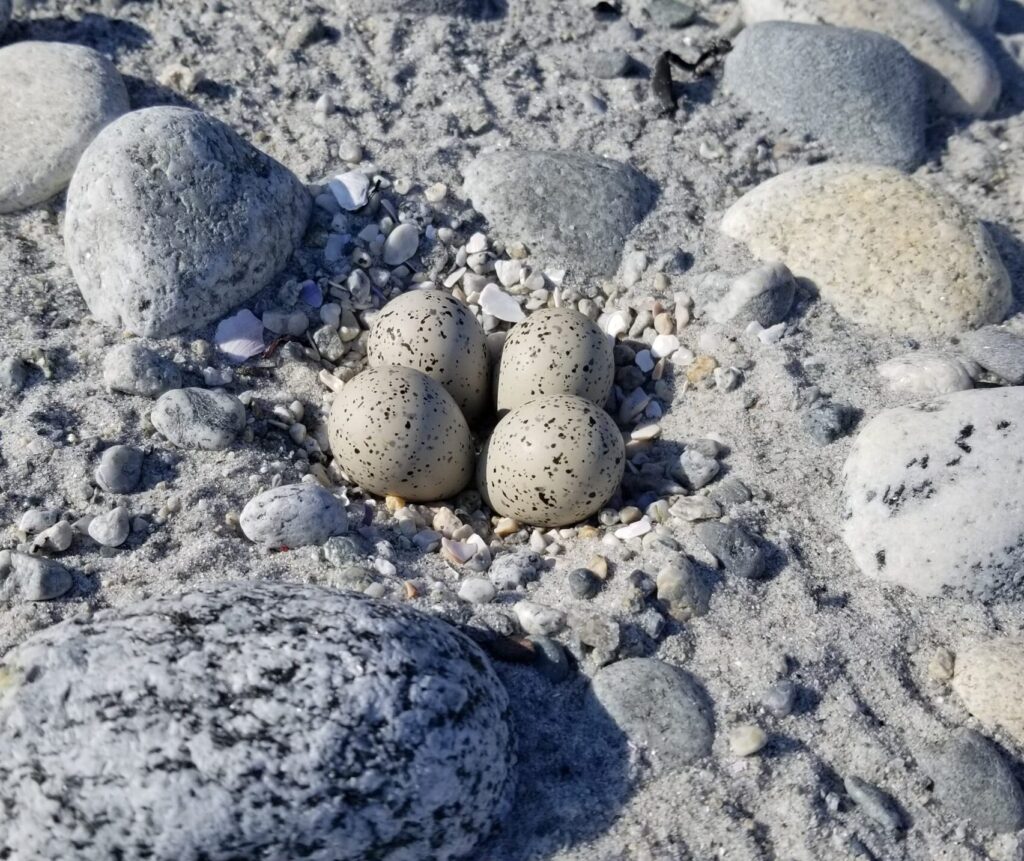
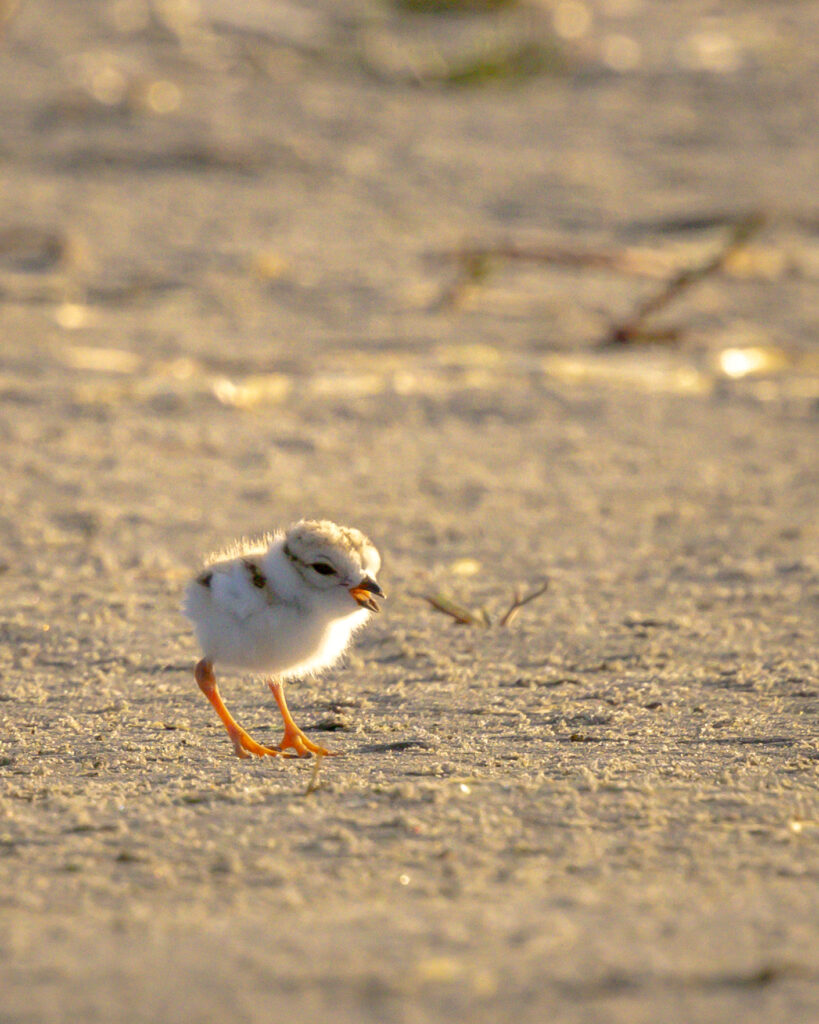
Sue Abbott, associate director of Atlantic programs for Birds Canada, says plovers thrive on vegetation-free beaches with a consistent supply of new sand and cobble to camouflage nests and chicks. “We want to see natural processes to keep these beach ecosystems constantly changing. Sometimes there’s going to be a lot of great habitat for plovers, and sometimes there might not be, but the fact is, beaches need to change over time in order for them to be healthy over the long term.”
Abbott says Nova Scotia’s population of piping plovers has been doing well in recent years, exceeding the provincial goal of 60 breeding pairs, though the Atlantic region as a whole is falling below the long-term recovery goal of 310 breeding pairs.
Historically, piping plovers have consistently nested at Big Glace Bay Lake, where the constantly shifting beach offers just the right kind of dynamic habitat. “Becoming a federally protected area is incredibly important and needed for piping plovers and for other species,” Abbott says, adding that federally protected beaches and dunes are rare in Canada.
Abbott is heartened that, after years of outreach, local residents and visitors are now much more aware of the impact their behaviour has on plover habitat and the importance of stewardship.
The work of the Port Morien Wildlife Association has helped to grow that awareness. Over the years, members have installed nest boxes, done bird counts and monitored detrimental human activities such as the setting of beach fires, letting dogs run loose and driving onto the beach. All these activities disturb at-risk species like piping plovers.
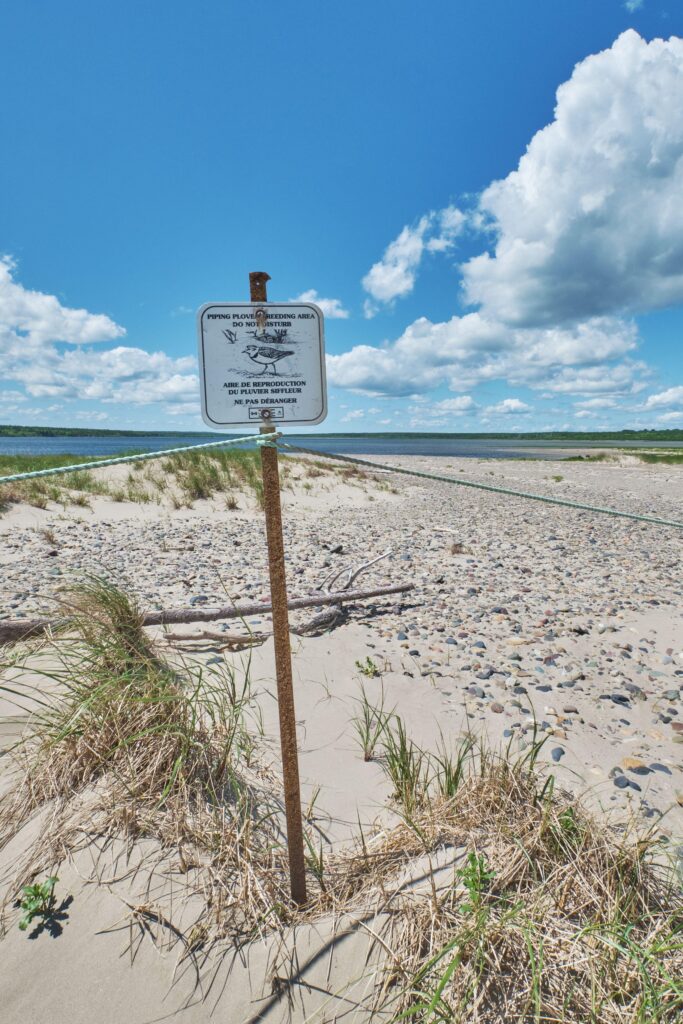
Acting on the concerns of their scientists and local groups, the federal government recently installed barriers to prevent vehicles from accessing the beach. It also put up signs to inform the public about nesting birds.
Each measure is one more in a series of important steps to protect this sensitive ecosystem. People who previously didn’t realize the effects of their actions are now much more aware, says McNeil. And while the new infrastructure has compelled people to change some of their habits, most have been willing to make room for nature. “The [people] that love the place and enjoy it make do with the provisions that are there.”
It’s a shift that continues the process of restoration that has been underway at Big Glace Bay Lake for decades — clearing some space and letting the rich and evolving ecosystem thrive and provide.
This story was created in partnership with Environment and Climate Change Canada.