
Wildlife
What’s in a name? Problematic names in the world of wildlife
Wildlife names that could use a rebrand
- 1615 words
- 7 minutes
Wildlife
Documentary film producer Aliza Sovani discusses her latest film Bird Names and the importance of changing bird names associated with harmful legacies
Townsend’s warbler is a small unassuming songbird flecked with streaks of yellow around its eyes and on its chest. But its name carries a troubling history. It was named after John Kirk Townsend, an American naturalist who documented and named many North American species. Townsend is also responsible for stealing human remains from Indigenous gravesites. A name rather undeserving of a humble warbler.
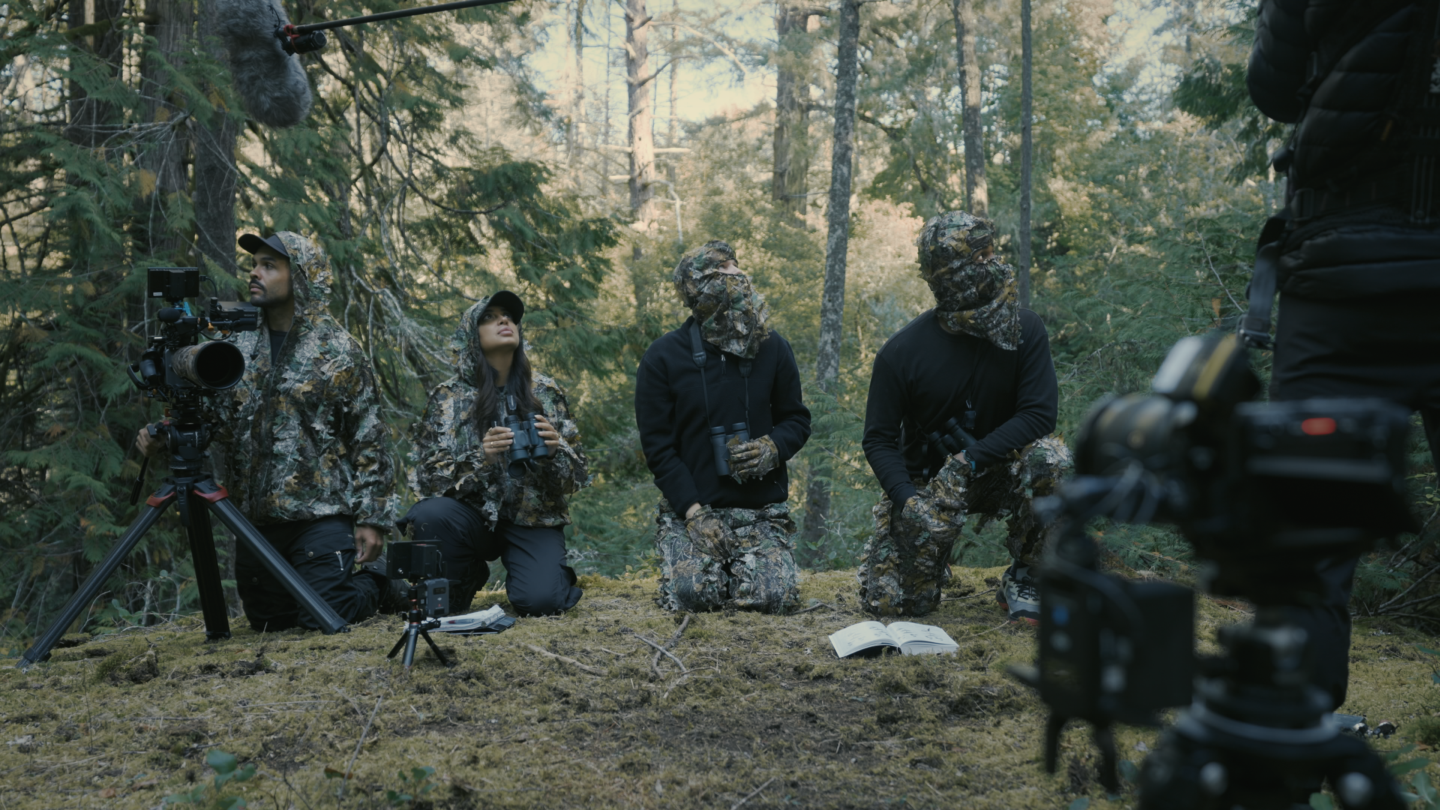
Stories like this are the focus of the new documentary film Bird Names, produced by Aliza Sovani, a professor, producer and RCGS Fellow. Together with her co-producer, environmental journalist Aliya Jasmine, and a team of dynamic birders, Sovani set out to explore why more than 150 North American bird names have not aged so well.
In November 2023, the American Ornithological Society officially announced that it was establishing a committee to rename certain bird species with an aim to “address past wrongs and engage far more people in the enjoyment, protection, and study of birds.” Using this as a spring board, the young, Canadian-led film crew explores why the names of birds matter — and how renaming birds whose names carry disturbing legacies has wide implications for both people and the natural world.
The 22 minute CBC documentary Bird Names is out today and you can watch it for free on CBC Gem or YouTube.
On where the idea to make a film about bird names came from
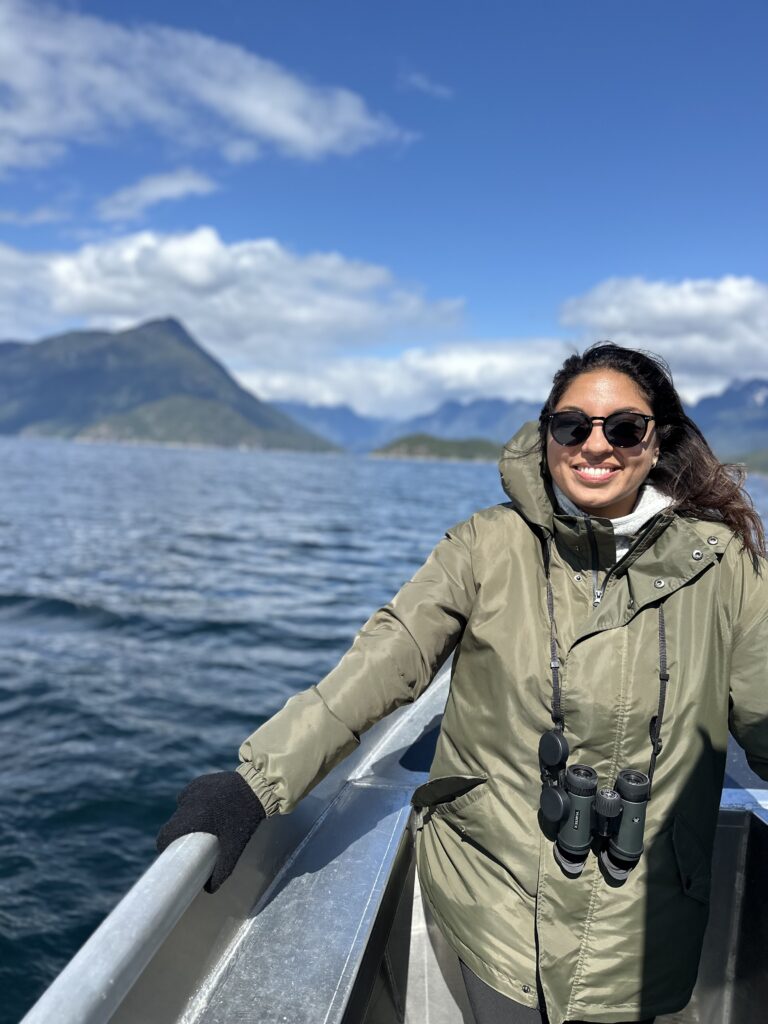
So Earth Tones, [which Aliya and I co-founded], is an environmentally-focused media production company. Part of our MO is: “how do we make environmental science accessible and entertaining for the mainstream?” One of the specialists in our network came to us with the initial idea. He’s a CBC producer who’s also a biologist by background. His name is Connel Bradwell. He’s the assistant director and one of the writers on this [film]. Being a bird expert from a scientific background, he knew about the American Ornithological Society name change [project]. We thought it was quite interesting that we didn’t know anyone who had done a film on this — and the fact that it has so much to do with equity, with marginalized perspectives [made it a great fit for] Earth Tones.
On the importance of bird names
We had a pre-production meeting with [Mike Webster,] the ex-president of the American Ornithological Society. And he told me something really interesting. He said that changing the names of birds is incredibly important because birds are known as “the gateway drug to caring about the environment.” Birds are colorful, they’re pretty, they are cute — I mean, we’re fascinated by them from when we’re little kids, right? And they’re accessible even in urban environments. If people start caring about birds, then they’ll start caring about pollution, then they start caring about access to green space, they’ll start caring about keystone species and conservation, they’ll start caring about the environment.
Having names of birds that are associated to racist, colonial legacies… it shuts off birding from an entire population that is gonna be highly uncomfortable with that reality. By changing these bird names, you’re making birding more inclusive. We hope that after everyone sees this film, they want to be birders and then they’re not stopping because they realize that they’re entering into a space that isn’t welcoming because these birds are named after slave owners or naturalists that tested their theories on Indigenous peoples.
On why the renaming is important for her
So Aliya Jasmine, [my] co-founder at Earth Tones, is the film director, one of the producers and writer — and she’s my sister. We both have young daughters. And so she speaks a lot in the film about the future generations. My daughter is nine months older than hers. As a mother, I’m surprised to be falling in love with the planet through my daughter’s discovery of how magnificent it is — her first time seeing a bird fly and her reaction. I share the same sentiment [as Aliya Jasmine]. Beyond inclusivity for birders in general, it hits home to both of us because we both have two-year-old daughters.
On the future of the renaming process
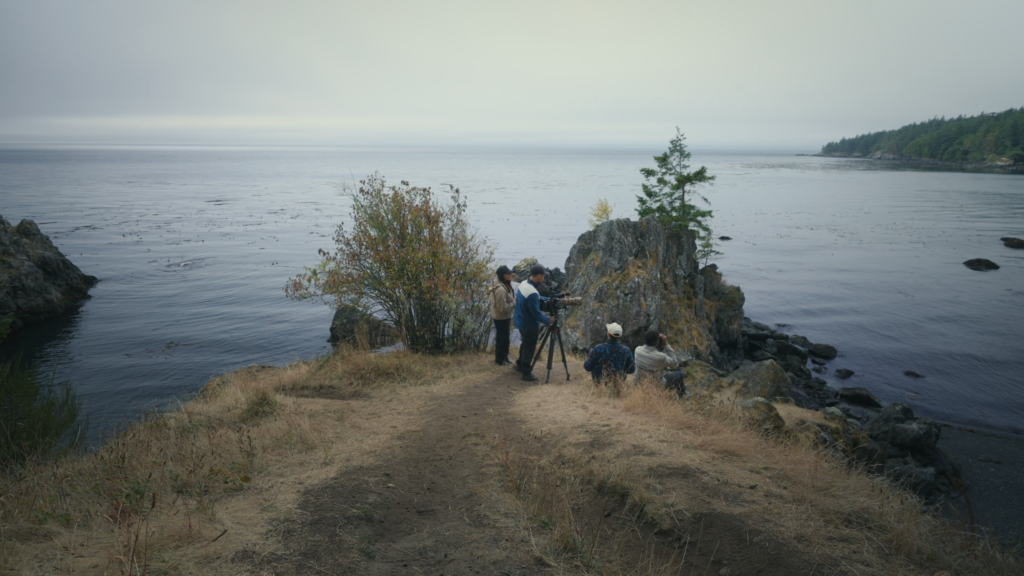
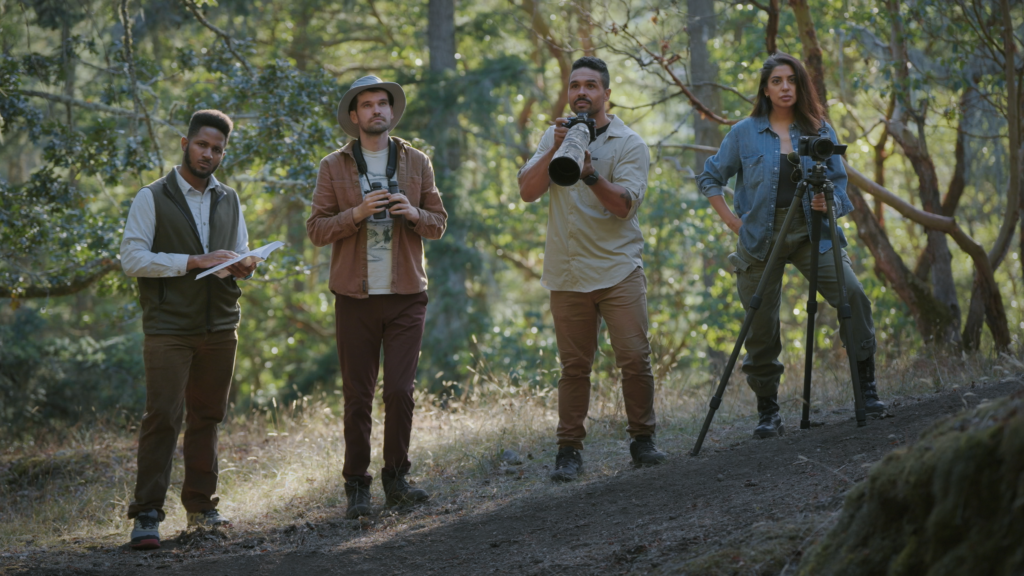
We’ve been in touch with the American Ornithological Society and the Canadian counterparts throughout this whole process, even as recently as last week because we said, is there anything we can announce at our premiere? No names have been changed yet. Our hope is that this documentary could put some pressure on the process as well.
On caring about the planet
We’re in the sixth mass extinction. This is the first time in planetary history that a mass extinction has been caused by humans. I think that it’s of utmost importance for people to care about the environment. Part of our mission at Earth Tones is like “enough with climate doom!” Let’s just help people fall in love with the planet with the hopes that by doing that, more people will care because the planet has survived extinctions, right? It’s survived all these histories. It’s just recalibrated. We don’t need to save the planet; we need to save us — the human species. We need more people to realize that we as humans are part of an interconnected, interdependent ecosystem.
On how the film is ultimately hopeful
[We hope the film encourages] more people to become birders, more people to care about birds, and that we need to care about non-human species as much as human species. We’ve come so far from this colonial past and these people who have named [birds]. I mean, we should be coming so far. We need to push back against [problematic names] because these names of these birds that don’t make much sense shouldn’t be barriers to falling in love with the planet through birding.
Wildlife
Wildlife names that could use a rebrand
People & Culture
A tale of joy and persistence: Logging Bruce Di Labio’s birding “big years” almost 50 years apart

Wildlife
Award-winning birder and acclaimed writer Pete Dunne explores how birds in North America have adapted to survive the challenges of the winter season
Mapping
These federally protected areas are located along avian superhighways — also known as flyways — traversed by millions of birds on their annual migrations. They provide vital stopover sites and breeding grounds.