
People & Culture
Mapping Team Canada’s athletes for the 2026 Olympic Winter Games
For the first time in Canadian Olympic history, more women will be competing than men — see where our athletes hail from
- 580 words
- 3 minutes
People & Culture
The former wildland firefighter- turned-mountain athlete shares her experience as a female in sports, the importance of representation and more
Editor's note
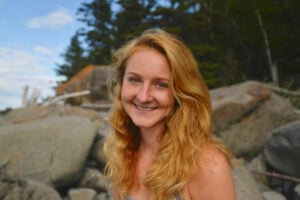
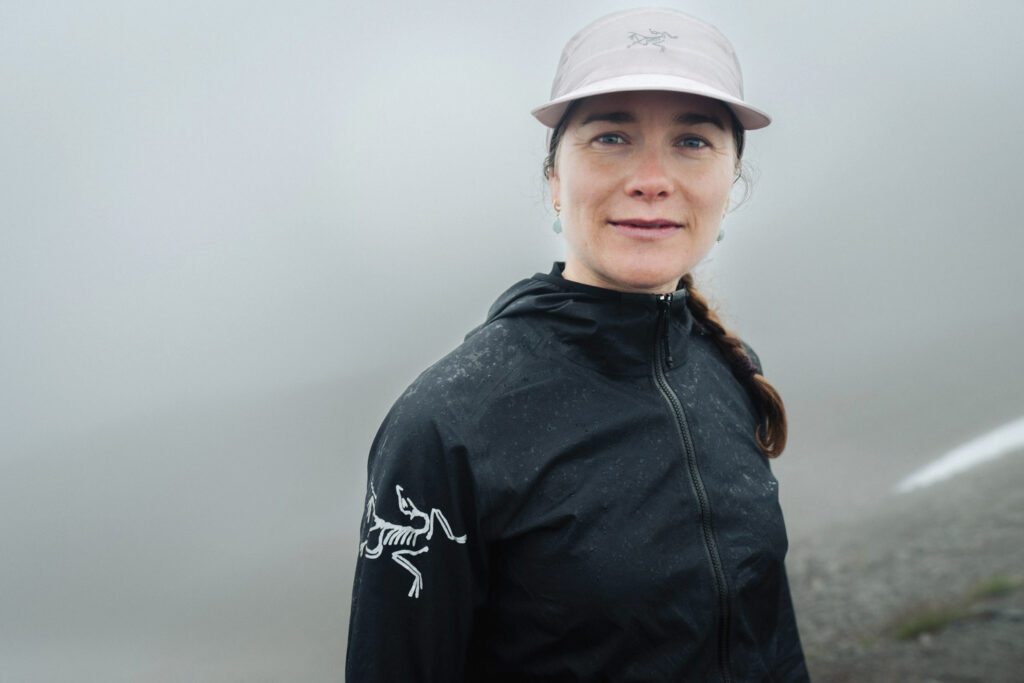
Emma Cook-Clarke’s life has always been shaped by the outdoors. Originally from Calgary but now living in Canmore, Alta., the former wildland firefighter has spent years navigating rugged terrain, first with a fire crew in Alberta’s Rocky Mountain foothills and now as a full-time mountain athlete. With a background in mountain running — known as skyrunning — and other competitive mountain sports, Cook-Clarke is now setting her sights on a new challenge: ski mountaineering, the only new event debuting at the 2026 Winter Olympics in Milano-Cortina, Italy. The sport demands grit, endurance and a deep understanding of alpine environments. Cook-Clarke speaks to Canadian Geographic about the challenges of the sport and why representation is about more than medals.
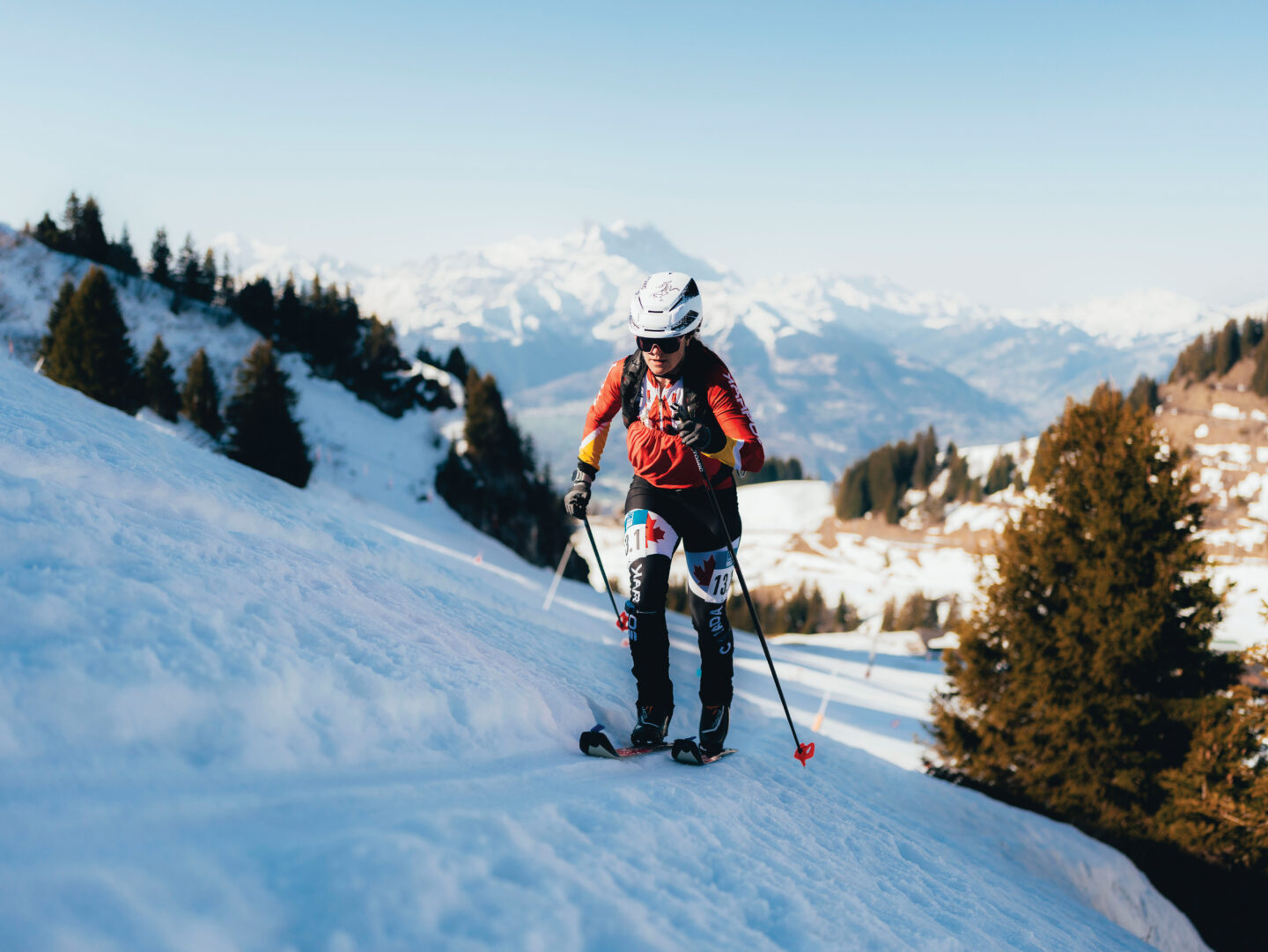
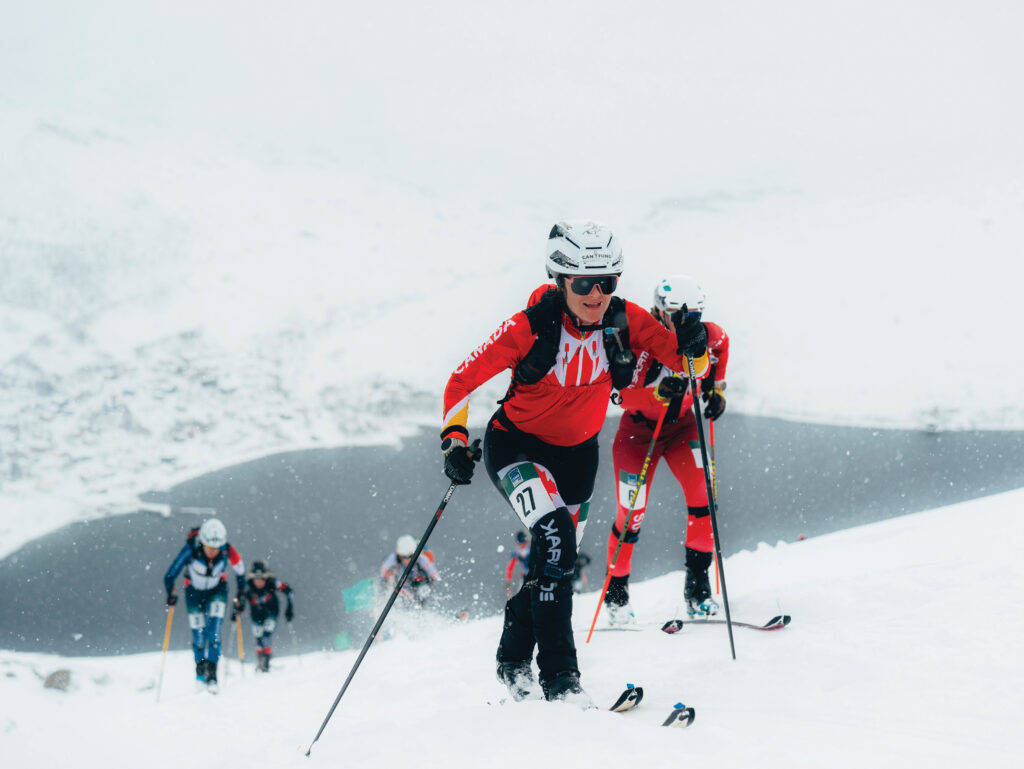
Ski mountaineering is an exciting and challenging sport that combines going up- and downhill. You ski up with specialized equipment: skins on your skis, bindings that release the heels, and flexible boots, which allow for more range of motion. You essentially run up the hill [on skis with skins], then you reach a portion where you switch to boot-packing: you put the skis on your backpack and continue running up the hill. Then you put your skis back on and go up a bit more. Then, quickly, you rip those skins off, flick your bindings, stomp your heels in and switch your boots into downhill stiff mode to ski down through gates and over jumps. That’s kind of like the shortest format, but there are different disciplines.
The environment in Canmore is partly why I am here. It’s so mountainous, and there are so many options year-round. Calgary is quite wild as well. We grew up close to the river, so that was always at the doorstep. I think my environment mostly got me curious and that was really my greatest teacher, maybe more so than my university degree, in terms of the environment. I’ve always gravitated towards outdoor spaces.
I started ski touring and backcountry skiing in high school. I loved how it combined physical fitness but also has this other element of needing to know a lot about the environment, the terrain and the conditions.The fact that it requires a lot of knowledge and constant reassessing is a special part of it. It’s also not really an individual activity. It’s better to go out with a group for safety. Then, with my running background, I had a lot of fitness and enjoyed the competition side of things. I was hesitant to compete year-round, and that’s why I didn’t start competing in ski mountaineering seriously until about 2023, which was when I had my first international competition.
It’s the first year of the sport being included in the Olympics, so there are very limited numbers of how many people can go. For the mixed relay discipline, which is the team where there’s one male and one female [each], only 12 teams can go. Essentially, if you’re ranked in the top, maybe 10, you can go. There are also continental spots [for the top-ranked relay team from each continent]. Right now, we’re essentially head-to-head with the Americans.
Being a female [in the Winter Olympics] would be a nice chance to tell a story of pushing something and going through adversity. Representing a new sport at the Olympics could be special, just to provide an opportunity to hopefully give back and get the next generation thinking about this sport. I see it as a cool opportunity for representation. I care less about results. I do think it’s human nature to enjoy when we can be good at something, but that’s not what drives me. I hope to create those good results, but less attached to my name and more attached to being a female, or even a Canadian female, or someone who is built smaller but can still do these big things. That’s my goal. Also, because it is a winter sport where we require snow, there’s also the larger talk about environmental changes. This is a good chance to share that story and concern — and explore what actions we can all take.
This story is from the January/February 2026 Issue
People & Culture
For the first time in Canadian Olympic history, more women will be competing than men — see where our athletes hail from
People & Culture
Arc’teryx leans into its deep ties to the Canadian Rockies, blending innovation, sustainability and mountain culture while championing conservation

People & Culture
Canada’s former Poet Laureate gives us a tour of the cultural geography of Black Nova Scotia

People & Culture
Captain Cook Rediscovered: Voyaging to the Icy Latitudes seeks to provide a fresh view on Cook's legacy from a North American perspective.