People & Culture
Kahkiihtwaam ee-pee-kiiweehtataahk: Bringing it back home again
The story of how a critically endangered Indigenous language can be saved
- 6318 words
- 26 minutes
People & Culture
nêhiyawak soldiers bent their language to help secure the Allied victory in the Second World War, but their service is often forgotten
When their language was useful, it was weaponized. Though their words helped win a war, their contributions remained classified for nearly two decades. And when that same history became politically inconvenient, their legacy disappeared behind a broken hyperlink. This is how colonial amnesia works. One day, Diné (Nava-jo) code talkers were present on U.S. military websites; the next, following an executive order by President Donald Trump to terminate all federal diversity, equity and inclusion initiatives, they were gone.
The pages were restored after public backlash, but this erasure, however brief, raises deeper questions about sovereignty, memory and whose stories are protected and uplifted.
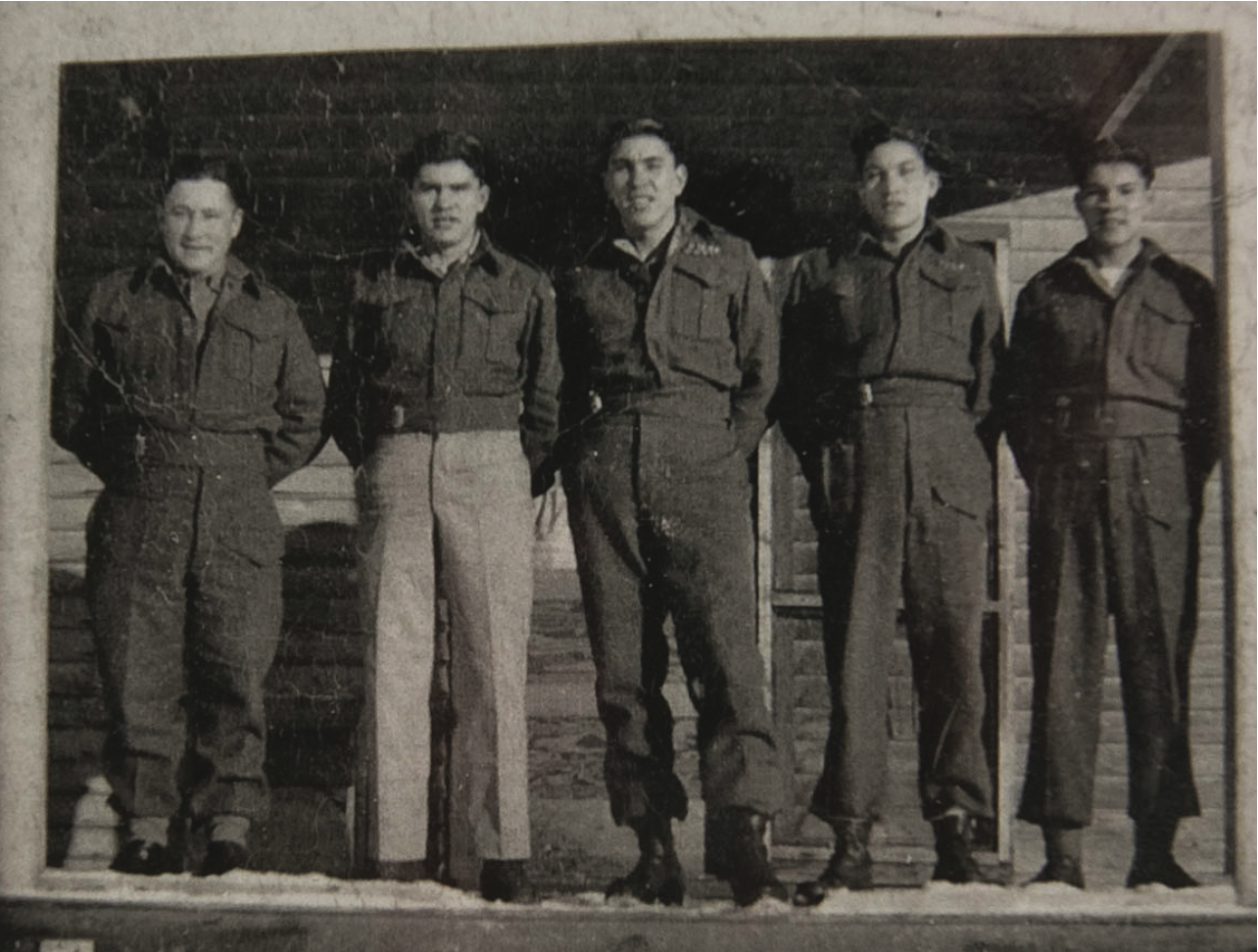
On this side of the colonial border, Canada had its own code talkers. The most well-known was Charles “Checker” Tomkins, a Métis man from Alberta — though his story also remained buried for decades. He and two of his brothers — Peter Tomkins and their half-brother John Smith — were among the nêhiyawak from Alberta and Saskatchewan who were asked to bend their language into a tactical tool the military could use. nêhiyawêwin, the Cree language, is a complex, verb-driven system structured around the concept of wâhkôhtowin, a foundational principle of nêhiyaw natural law that means “everything is related.”
Checker’s brother, Frank Tomkins, served as a private on the home front during World War II. In the field, the Tomkins brothers transmitted coded messages in nêhiyawêwin to relay sensitive information about aircraft and bombing runs. Although they served in the Canadian military, they were attached to the American Eighth Air Force and stationed at air bases across England.
“They were placed at different airports,” Frank Tomkins recalled of his brothers. “Then they’d send a message in nêhiyawêwin about how many aircraft, what kinda aircraft was going on this bombing run in England, and the party on the other end would translate it back into English.”
In an interview recorded by the Memory Project, a national archive of veterans’ testimonies, Frank shared a story about the teachings that shaped his family long before they found themselves on the battlefield. Their grandmother was a Plains Cree woman, widow of Chief Poundmaker and niece of Big Bear, a resistance leader during the 1885 North-West Rebellion. She believed in the old ways and passed that knowledge on to her grandsons. One of the things she taught them was a war song, something to sing when their lives were in danger. She didn’t explain it, Frank said. She just told them to remember it.
Later, in a trench under heavy fire, Checker looked up and saw an uncle who had passed away years earlier but now seemed to be “laughing and motioning him to come towards him,” Frank recalled. Checker stood up and walked toward his kin. Moments later, a shell hit the exact spot where he’d been sitting, killing two of his friends. “He believed his uncle saved him,” Frank said. “That’s the Indian way, you might say.”
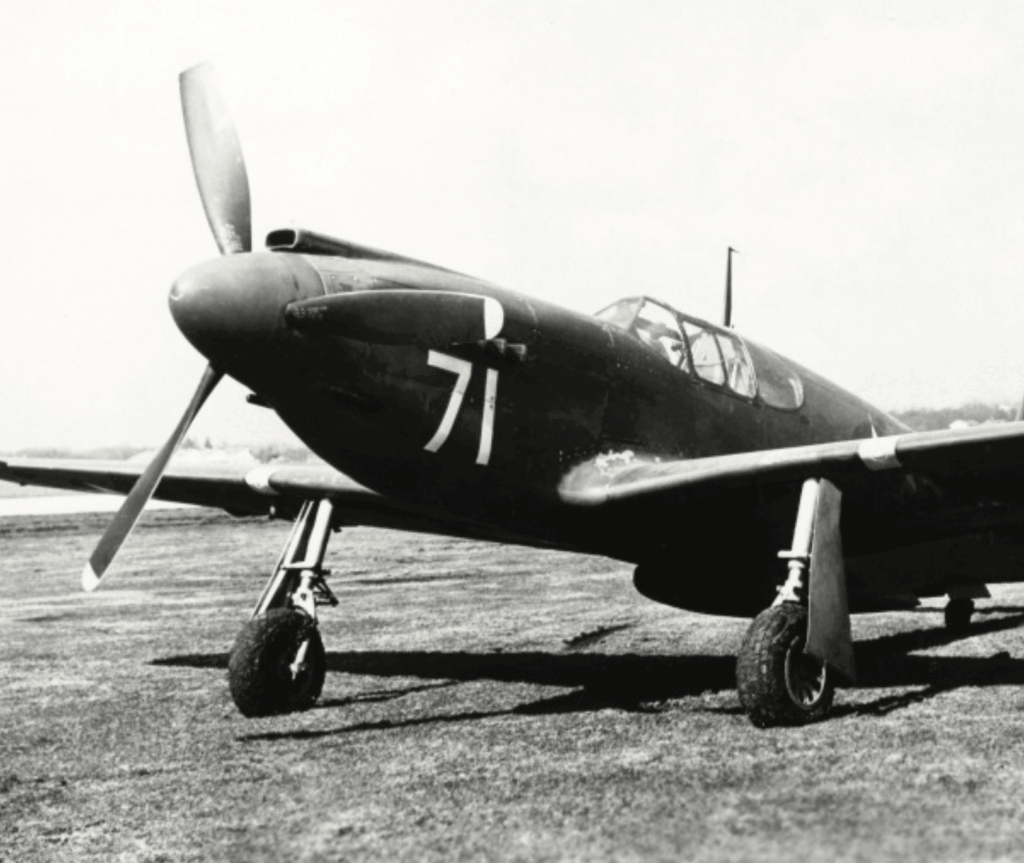
Because nêhiyawêwin reflects fluidity, relationship and ongoing motion, its logic runs counter to the rigid, hierarchical, object-oriented frameworks of war. With five major regional dialects, nêhiyawêwin isn’t uniform across territories, something that added another layer of complexity for communication and consistency during wartime coding. Since there were no direct translations for the words of modern warfare, the code talkers turned to what the language did hold: a deep relationship with the land. The Spit-fire aircraft became iskotêw (fire), the Mustang fighter was called pakwâtastim (wild horse), fighter bombers were called sakimês (mosquito), and a B-17 bomber was encoded as âmow têpakohposâp (bee and 17).
At a time when Indigenous children were punished for speaking their languages in residential schools, nêhiyawêwin lived and adapted.
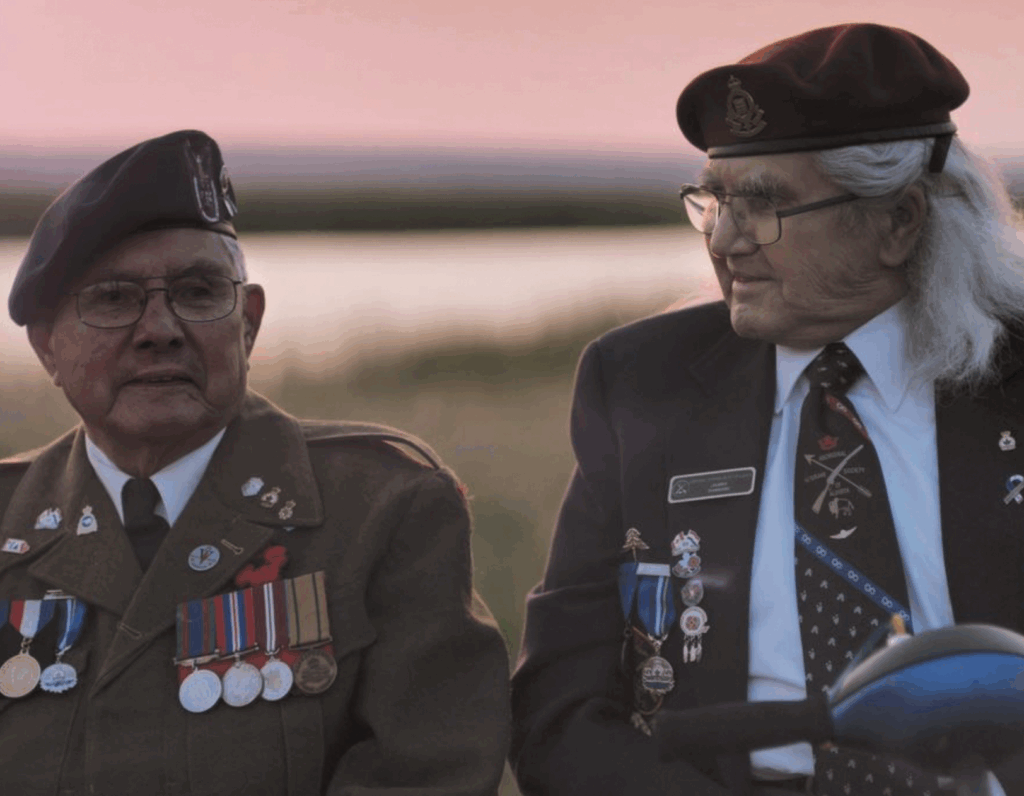
At a time when Indigenous children were being punished for speaking their languages in residential schools, nêhiyawêwin lived and adapted, becoming a shield and a lifeline for a country that pushed its speakers to the margins. While the nêhiyawak code talkers demonstrated immense courage and strength, the use of their language in the war also stripped that language of its full cultural context. It became the property of the military, a tactical asset rather than the sacred, relational way of being in the world. The people behind the language were often forgotten even though their words were spoken over the airwaves. Today, the Canadian federal government still has yet to formally recognize its own Indigenous code talkers.
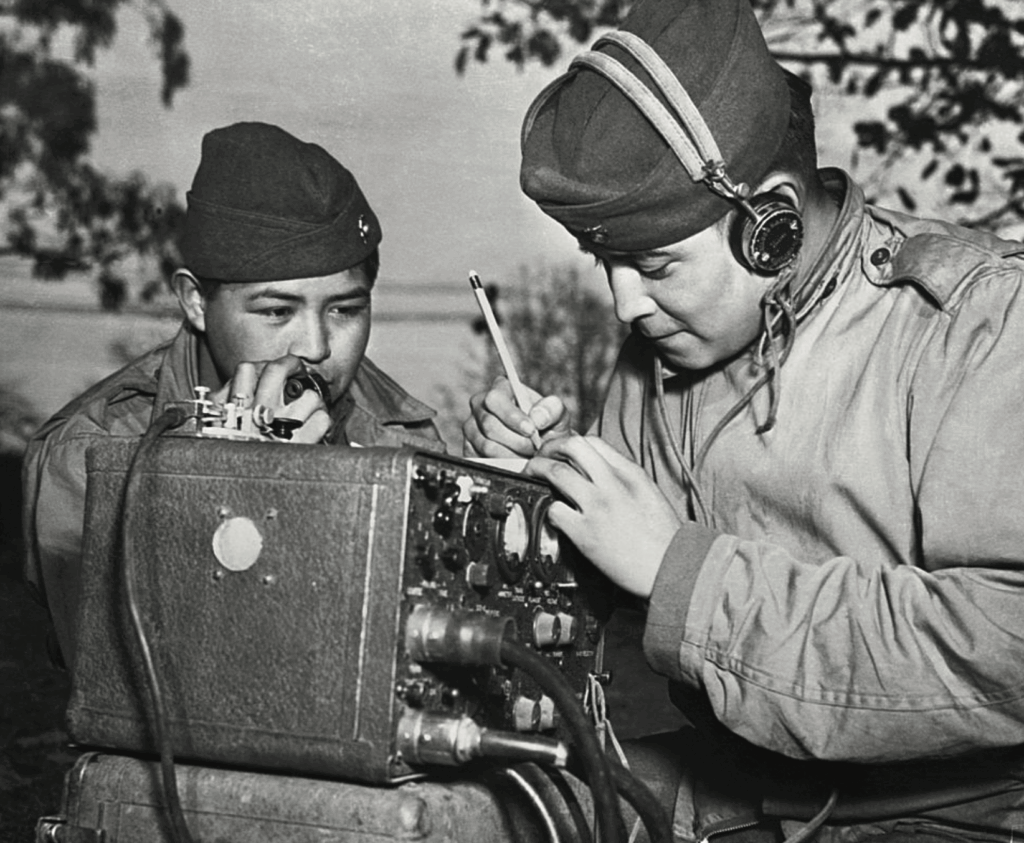
The recent removal of Diné code talkers from U.S. military websites was more than a clerical oversight. It’s a warning. When Indigenous histories are tucked under labels like “diversity and inclusion,” they become framed as peripheral stories rather than central chapters in the history of a nation younger than the peoples and languages it so readily forgets.
Stories like those of Checker Tomkins and his brothers and the many thousands of Indigenous veterans who have served in various conflicts deserve more than a temporary hyperlink that can be erased at any time in the name of historical revisionism. They deserve care, protection and a permanent place in the archive of this land.
Discovery Language is supported by the Office of the Commissioner of Indigenous Languages.
This story is from the July/August 2025 Issue
People & Culture
The story of how a critically endangered Indigenous language can be saved
People & Culture
Plains Indian Sign Language was used by generations of Indigenous Peoples to communicate across languages and landscapes. Now, it’s being reclaimed.
People & Culture
Uprooted repeatedly by development projects, the Oujé-Bougoumou Cree wandered boreal Quebec for 70 years before finding a permanent home. For some, the journey continues.

People & Culture
A new Canadian Geographic series in print and online will take readers on a linguistic journey across the lands and waters we now call Canada