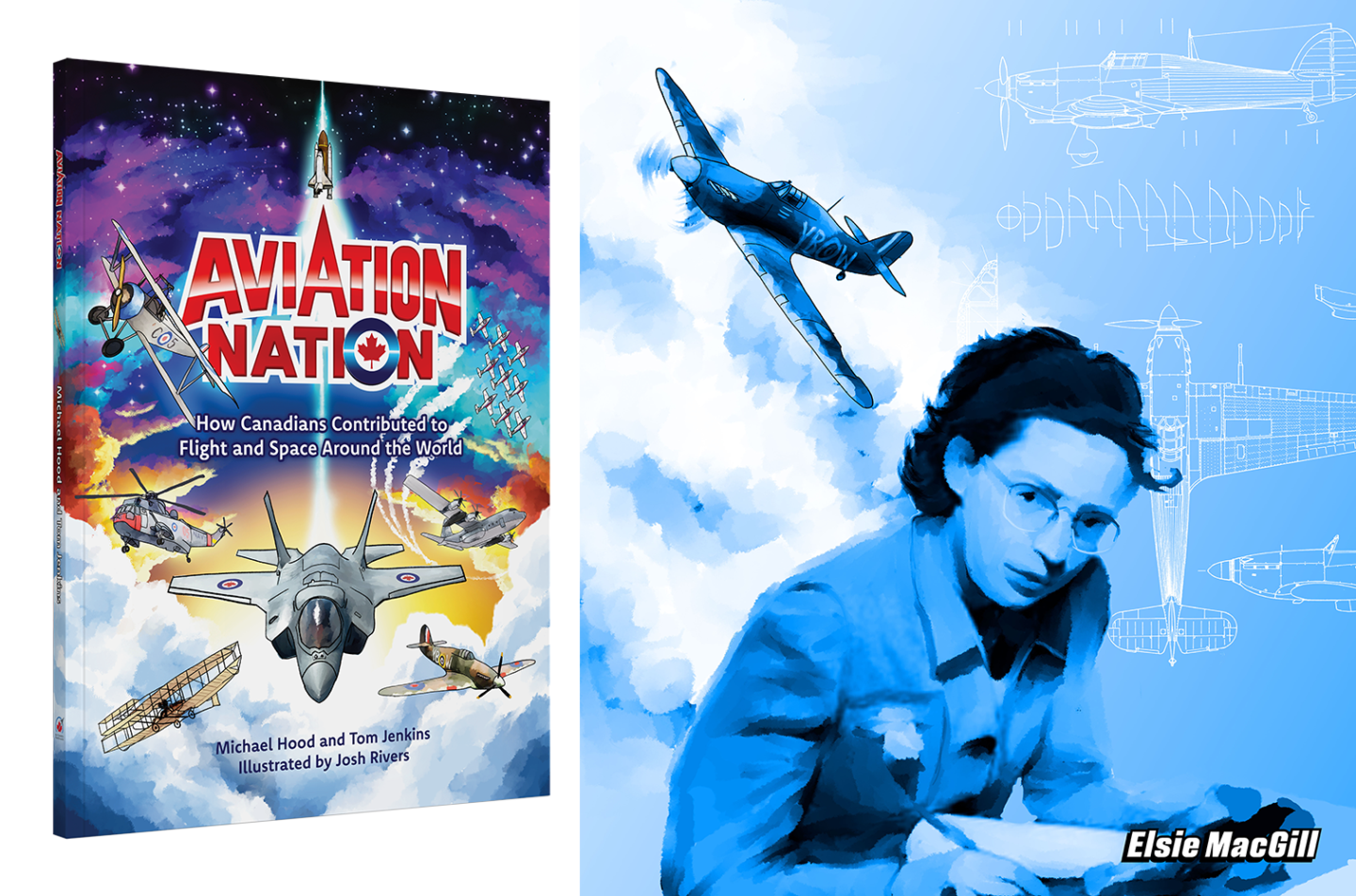
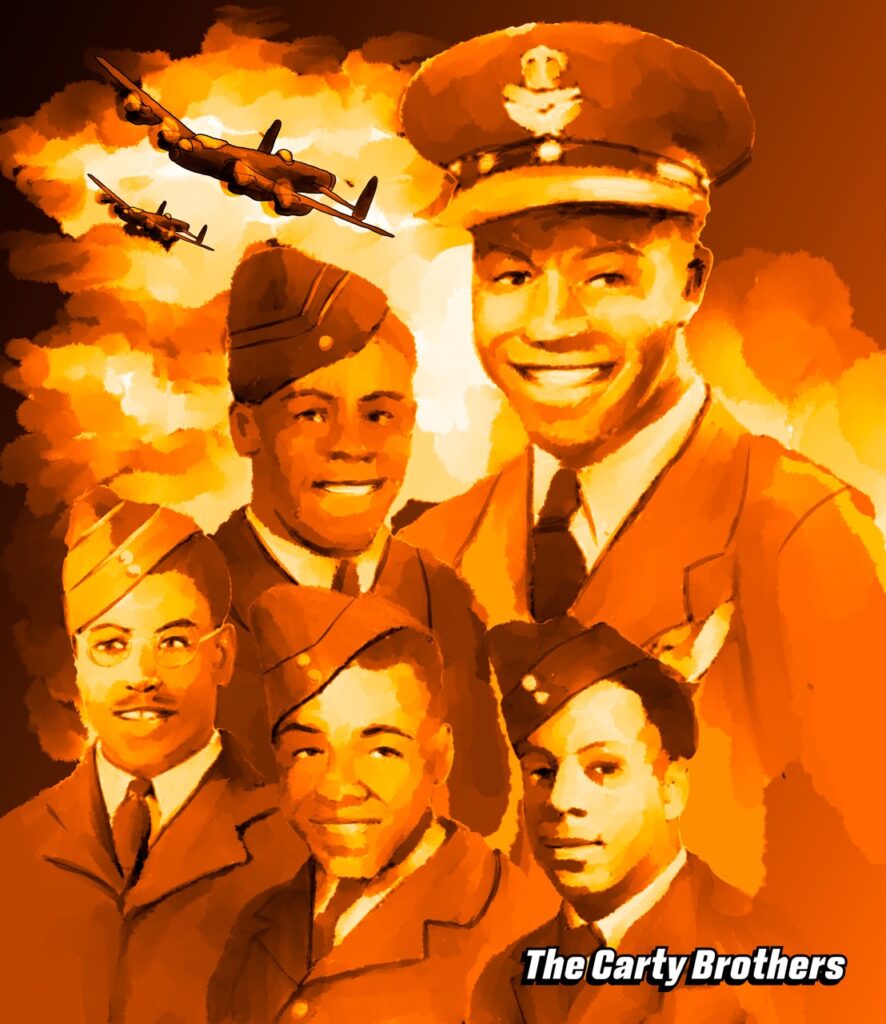
Among the stories are those of Elsie MacGill and the Carty brothers. In 1929 MacGill became the first woman in the world to receive a master’s degree in aeronautical engineering. During the Second World War, MacGill headed the Canadian production of Hawker Hurricane fighter planes, earning the nickname “Queen of the Hurricanes.” The Carty brothers were from a Black family; all five would become airmen in the RCAF during the Second World War, when regulations surrounding recruitment restricted the ability of Black people to serve in the Air Force. The RCAF Foundation hopes sharing these stories will allow kids to see they could have a place with the RCAF in the future, no matter who they are.
“It is also a way to really try and inspire young people that are thinking about what they want to do when they grow up,” says Diamond. The rest of the book covers different careers in aviation, such as avionic technicians and fighter pilots. The careers portion of the book showcases real people working these jobs as a way to show kids pathways they might follow in the future.
Robert “Scratch” Mitchell, 55, is a former fighter pilot with the RCAF. Mitchell says his career was extremely rich. “It really taught me to think critically and creatively,” says Mitchell. “It’s actually a misnomer when people think it must be so rigid. It’s actually the opposite. I found in the Air Force I had so much freedom of decision, to guide my own career and to influence the people around me.”
Aviation Nation is set to release on April 1, 2025, with all proceeds going to the RCAF Foundation. The Foundation educates students on aviation, offers scholarships for post-secondary students and works with teachers to implement aviation lessons into the curriculum.
Companion classroom resources for students in Grades 4-8 were developed in partnership with Wilfrid Laurier University.
“Working with teachers, working with young people and, of course, working with their parents indirectly is a way for kids to be thinking, ‘I never knew what I wanted to do when I grew up, but I met this person, or I read this story or I learned this in school, and now I think this is what I want to do,” says Diamond. “We’re hoping for a holistic approach to education — of publications and storytelling — but making sure that we highlight the history and the future of an incredible part of Canadian history.”