History
The hatchery crutch: How we got here
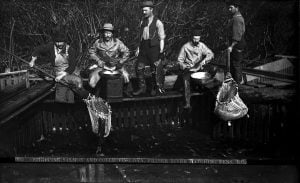
From their beginnings in the late 19th century, salmon hatcheries have gone from cure to band-aid to crutch. Now, we can’t live without manufactured fish.
- 4255 words
- 18 minutes
Environment
B.C. First Nations have long hoped to see salmon return to the upper Columbia River but face cross-border challenges in the age of Trump
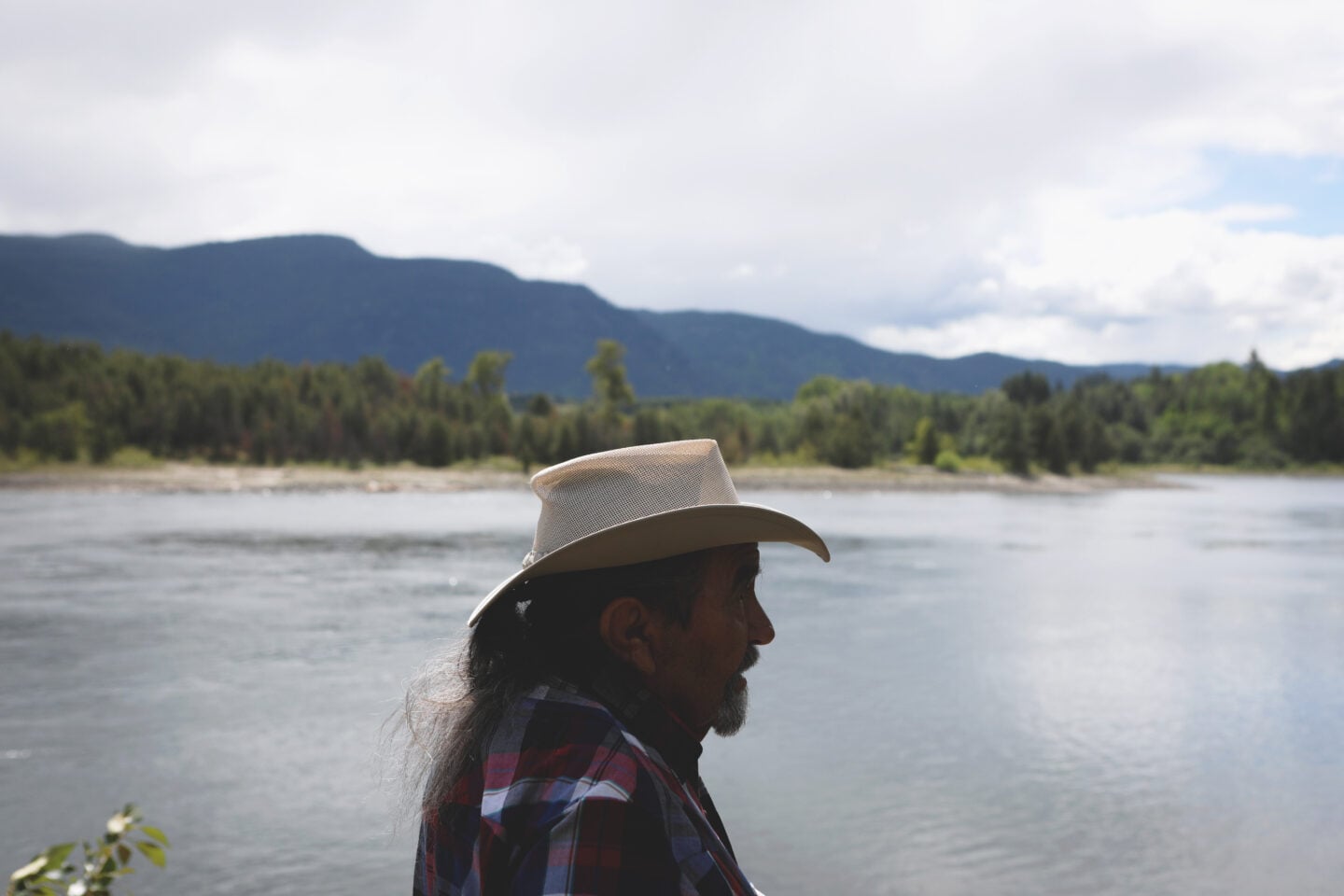
The air has that fresh, damp smell that comes after a rain. It’s an overcast day in May, and the Columbia River, a dark liquid green, flows down the valley and curves by a pebbled shore, its motion breaking through the morning calm. The light plays on the water like a rippled mirror, shifting green and silver at different angles. Richard Armstrong, a Syilx Nation Elder, has come to the water’s edge in Revelstoke, B.C., to pay homage to the tens of millions of salmon that packed the river over a century ago — fish that brought food and a way of life for millennia. As the water shimmers in the morning light, Armstrong speaks his hope: “We want the salmon to know we’re still here.”
Masses of fish once swam from the Pacific Ocean into what is now Oregon and Washington state, fought north into Canada and through the valley between the Monashee and Selkirk mountains, took a U-turn above Revelstoke and then, finally, battled the river south into the serene Columbia Valley. It was an epic and winding journey through one of the greatest salmon-producing rivers in the world. But when the Grand Coulee Dam was built in Washington state in the 1930s, it extinguished this ancient run to the Columbia’s upper reaches. Today, the impact of that severing is seared into the collective memory of First Nations — like the Syilx, Ktunaxa and Secwépemc — along the entire watershed.
Armstrong, whose sturdy, compact frame hides the fact that he is entering his ninth decade, heard stories about the fish as a child from his grandmother. She was alive when the Columbia watershed still teemed with salmon; she remembered seeing chinooks that were over a metre long. As a teenager, Armstrong, whose Syilx name is caylx, began holding salmon ceremonies on the banks of the Columbia to honour the fish that no longer come. Today, he performs these ceremonies with renewed determination. “We want them to come back,” he says. “And we’ll do everything we can to get them over the barriers that were put up.”
The barriers he’s referring to are not only the Grand Coulee but also multiple other dams along the river, including those built as part of the 1964 Columbia River Treaty between the U.S. and Canada. The treaty, and the building of its associated dams in the 1960s and ’70s, helped generate enormous loads of electricity for the growing Pacific Northwest, powering the schools, hospitals, factories, homes and appliances of tens of millions of people in the region — and generating revenue for provincial coffers. Incredibly, the river provides almost half of B.C.’s and 40 per cent of the U.S.’s hydroelectricity.
“There were so many salmon that you could almost walk across the water on their backs.”
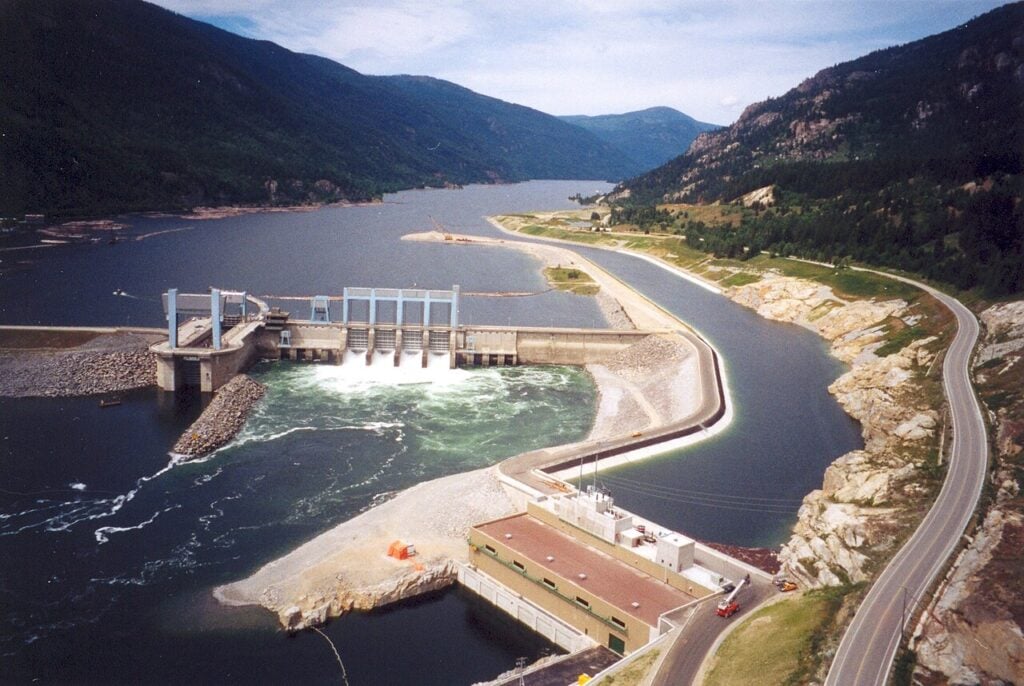
In 2024, after six years of talks, Canada and the Biden administration struck an agreement in principle for a renewed treaty. While impossible to rectify past wrongs, the agreement aimed to at least address them. For the first time, First Nations had been given a role in the negotiations, and issues long ignored — ecological damage, water-flow control and, critically, salmon reintroduction — were included.
But an agreement in principle is not written in stone, and a deal is always in doubt for those who believe they perfected the art. When Donald Trump was elected again in 2024, he began an all-out assault on the Canadian economy and made menacing remarks about our water. To ease California’s water issues, he said, the U.S. merely had to divert more from Canada: “They have millions of gallons of water pouring down from the north. They have essentially a very large faucet.” Trump also expressed a desire to tear up agreements that govern water sharing in the rivers and lakes that straddle the international border. Then, in March 2025, he paused negotiations to finalize the agreement in principle for the Columbia, casting doubt on years of talks and progress — including critical efforts to reintroduce salmon.
The Columbia River begins in the Rocky Mountains of southeastern British Columbia, then flows north before making a sharp turn south to the U.S. and finally west to the ocean. It is the fourth largest river in North America by discharge. Only the Mackenzie, the St. Lawrence and the mighty Mississippi are larger. Like rivers around the world that curve and snake across the straight lines of political borders, any industrial use of the Columbia had to be negotiated by the two countries it flowed through.
On a rainy day in September 1964, leaders, including Prime Minister Lester Pearson and President Lyndon Johnson, met at the Peace Arch between Surrey, B.C., and Blaine, Wash., to ratify the CRT. The two leaders extolled the treaty’s benefits — hydroelectricity, the revenue generated — and what it meant for bilateral relations. “It is another illustration of friendship … and the way two countries can and should work together,” said Pearson. Johnson described the success of the Canada-U.S. relationship as depending on four pillars — peace, freedom, respect and cooperation — that could serve as a model to other nations.
If hydropower is what we often hear about the Columbia River Treaty, it’s flood prevention that is usually cited as its initial justification. Before the treaty dams, flooding along the river was a seasonal problem and occasionally brought devastation to low-lying communities. One of the worst floods occurred on May 30, 1948, when the Columbia burst through a dike and decimated Vanport, Ore., the second largest city in the state. A reporter for the Portland Oregonian described waves of water surging into the city like ocean breakers, some six feet high. Residents used rafts and rowboats to rescue those trapped. In the end, 18,000 people were left homeless, at least 15 people lost their lives, and the damages were over $100 million. The destruction was felt not only in Oregon but also along the Columbia River in Washington state and B.C. It was the “Worst Disaster in 54 Years,” blared a New York Times headline at the time.
The Columbia River Treaty really contemplated two things — flood control and hydroelectricity. And in this respect, it accomplished a great deal, preventing billions of dollars in property damage, and creating billions more in B.C. revenue through hydroelectricity — both generated in B.C. and the share the province received from the United States. According to the authors Robert Sandford, Deborah Harford and Jon O’Riordan in their book, The Columbia River Treaty: A Primer, in terms of its narrowly stated goals the Columbia River Treaty was “an enormous success.”
But while its utilitarian aims benefited many, the treaty also left a trail of damage and pain that, under renewed negotiations, was being addressed, even though its past still largely remains unknown to many in B.C. and across the country.
South of Revelstoke, the Columbia calms and broadens into an expanse of water known as Upper Arrow Lake. It’s surrounded by green mountains with clearcut areas that look like patchy sheep in mid-shear, and on a warm summer day its sandy shore is a magnet for locals. Teenagers perch on logs, sipping drinks and listening to music; a group of young boys excavates sand with mini dump trucks; and a couple poses for a selfie at the tip of a rocky point. But beneath the lake’s wind-dappled surface lies evidence of a troubling history.
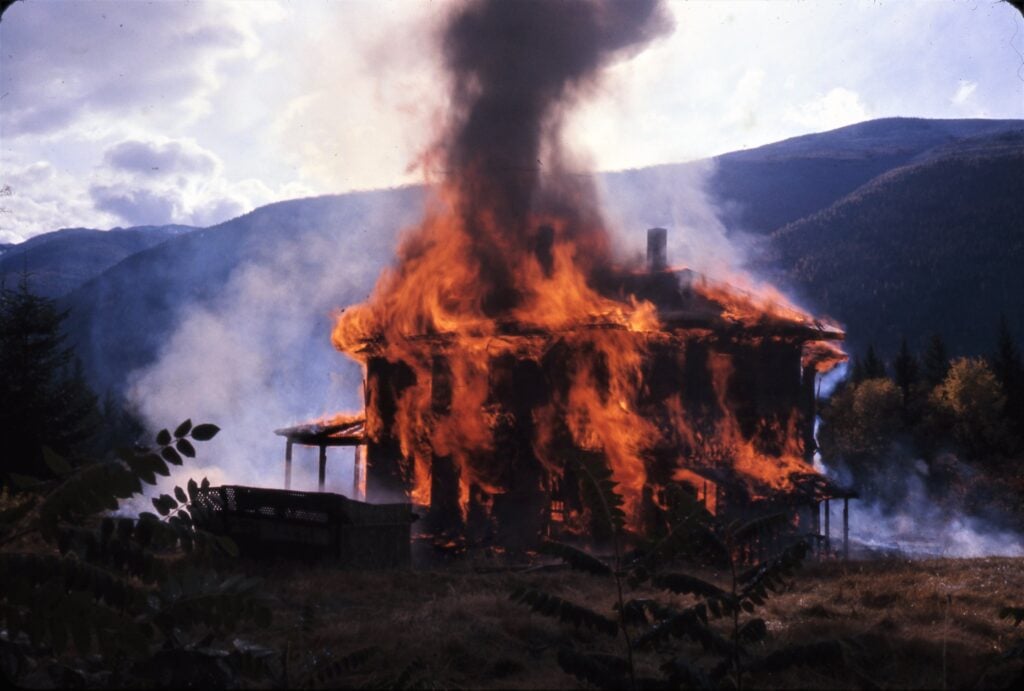
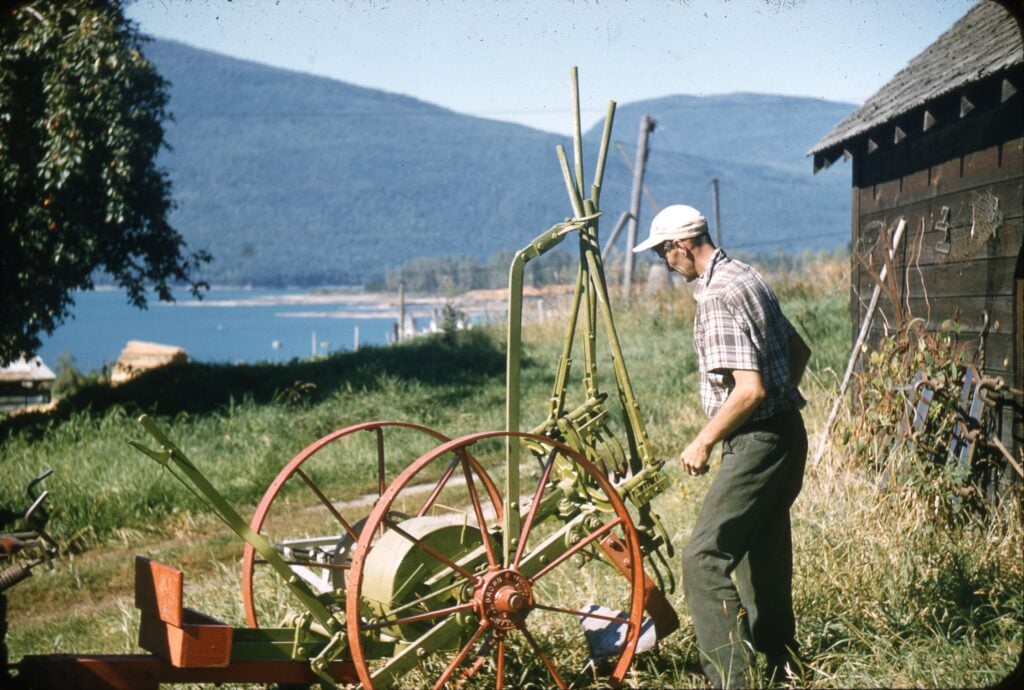
In 1968, when the Hugh Keenleyside Dam was built upstream from Castlegar, B.C., it raised water levels in the Upper and Lower Arrow lakes by 12 metres, submerging more than 10,000 hectares of arable land. Farming families surrendered their life’s work, and many watched as their houses were burnt to ashes by the public utility, BC Hydro, a practice required to clear the land before the flooding. Photos archived by the Arrow Lakes Historical Society show wooden houses wrapped in flames in the towns of Renata, Edgewood and Twelve Mile.
In all, 2,000 people were forced to leave their homes and land. Though time has softened the blow, locals still express some bitterness about what they see as the province’s underhanded treatment of them. Chris Spicer, a British Royal Air Force veteran whose produce fed the region from Nakusp to Nelson, was forced to give up almost all his farmland. As his daughter, Janet, told a local newspaper in 1998 after his passing, “He mourned for the valley and the death of the Columbia River for the rest of his life.”
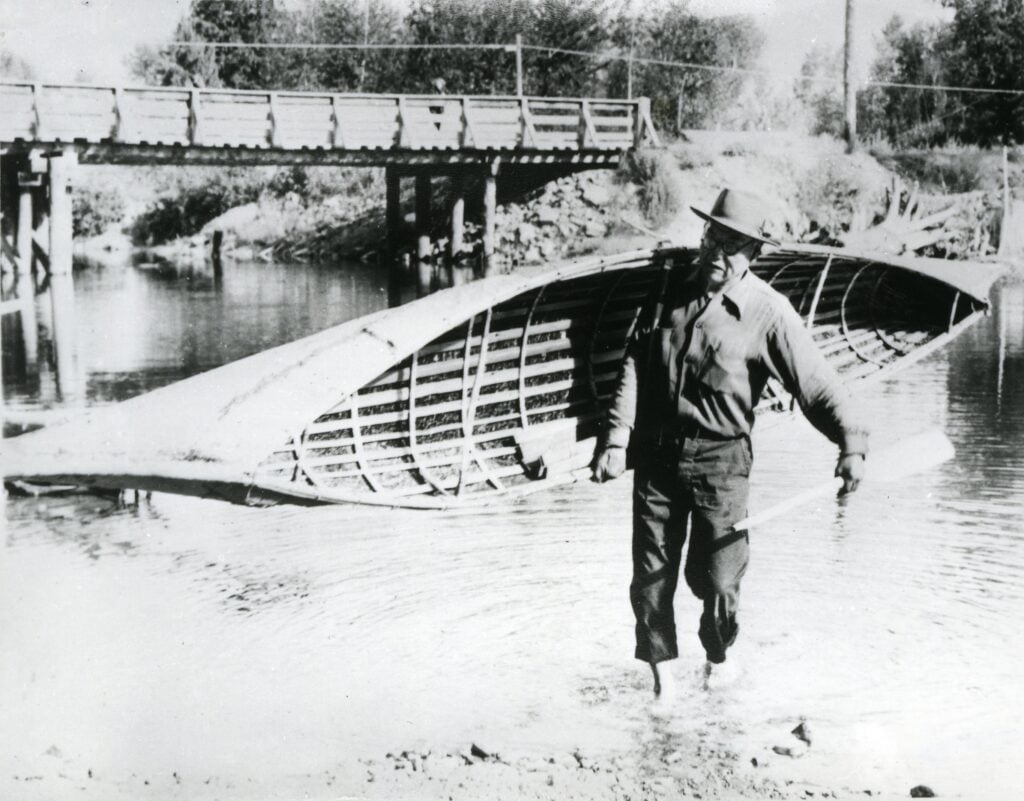
The flooding of the Arrow Lakes also destroyed archeological sites of an Indigenous group not officially recognized by the federal government at the time. The Sinixt lived around the Arrow Lakes for millennia and travelled freely between the region and what is today the U.S. — movement rendered more difficult in 1846, after the border was established at the 49th parallel. The Canadian government declared them “extinct” in 1956, despite the fact many remained in the region, had married into other nations or were living in the United States. Photos from the turn of the 20th century show tipis on the shores of the Arrow Lakes and Sinixt in their distinctive sturgeon-nosed canoes. The flooding destroyed 90 per cent of the known Sinixt archeological sites around the lakes. In 2021, the Supreme Court of Canada ruled that Sinixt living in the U.S. had rights to hunt in their traditional lands in the area.
Besides its legacy of submerged archeological sites and lives overturned, the Keenleyside dam continues to have an outsized effect on the local environment. Depending on American flood-control needs, the Arrow Lakes can rise and drop the height of a nine-storey building. In the fall and winter, when waters are drawn down to prepare for snowmelt, crusted mudflats are revealed and riparian areas are left high and dry, destroying habitat for wetland animals. Water stored for long periods over summer also begins to warm; if salmon were to fully return, they would require colder temperatures for successful spawning.
For the Indigenous nations who have lived along the river for thousands of years, salmon are at the heart of any discussions about the Columbia River Treaty and its future. “The salmon was our reverence.… It was the basis of who we were as people,” says Mark Thomas of the Secwépemc Nation. Thomas is the chair of the executive working group for Bringing the Salmon Home: The Columbia River Salmon Reintroduction Initiative. The organization, which helped plan the Revelstoke event that Richard Armstrong spoke at, does critical scientific and capacity-building work with partners along the river.
Kathryn Teneese, chair of the Ktunaxa Nation, recalls stories about Lake Windermere — near the headwaters of the Columbia — told to her by Ktunaxa Elders. “There were so many salmon that you could almost walk across the water on their backs,” she says, adding “that’s something that was told to all of us as Ktunaxa.”
Any collective plan to bring the salmon back must rectify past prejudices; for instance, when the Columbia River Treaty was negotiated in the 1960s, First Nations were not consulted. “We were given no consideration whatsoever,” Teneese explains, adding that “it was like we didn’t even exist.” In 2018, when the federal government began to renegotiate the treaty with the U.S., it left the Syilx, Ktunaxa and Secwépemc out of the talks. The sense of betrayal, especially given the historical context, was palpable. Grand Chief Stewart Phillip, then chair of the Syilx Okanagan Nation, described it as “shocking” and an “act of absolute treachery.” In the end, their anger was heard: they were included as observers to the treaty negotiations, a first in Canadian history. As Grand Chief Phillip put it, this was “courageous” and would help “ensure any new treaty addresses the mistakes of the past.”
The agreement in principle, reached after 19 rounds of negotiations, includes cash payments to B.C. of almost $38 million a year for storing water to prevent floods in the U.S. and an additional $17 million a year for other benefits the U.S. gets from controlled waters, like navigation, recreation and irrigation. The Canadian entitlement — the share of extra power B.C. gets from U.S. dams and then sells for a profit — would shrink, dropping by nearly 40 per cent of its former level in the first year, as the Americans are now less reliant on power from Canadian dams. B.C. makes a lot of money from the Canadian entitlement: between $100 million and 300 million a year. So the reduction would sting, but overall, B.C. would gain much more control over how it operates its section of the Columbia River.
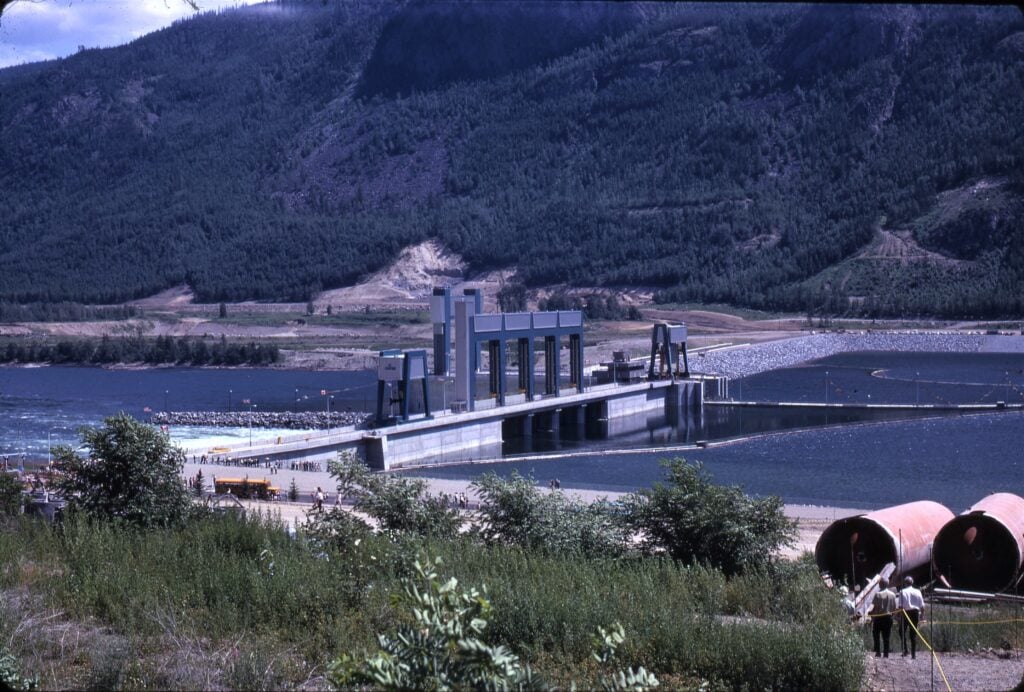
For example, B.C. could unilaterally decide to use up to four million acre-feet of extra flexibility each year (an “acre-foot” is an acre-sized area of water that’s a foot deep — so about up to your shins). Less water would be stored for American flood prevention and hydropower, and more would be used for local purposes: to improve shorelines and protect habitats, to increase water volume for spawning salmon or to regulate levels to stop erosion and recover wetlands — all especially needed in the face of greater climate impacts. As Nathan Matthew, the Secwépemc Nation lead to the Canadian delegation, explains in a B.C. government video, the new ecological provisions “can be seen as the third leg of the stool of the treaty,” along with hydropower and flood control.
Overall, the agreement in principle reflected a novel and long-overdue approach, especially by recognizing the value of reintroducing salmon. By promoting dialogue, increasing water-use flexibility and coordinating efforts with U.S. partners, the updated Columbia River Treaty would help support bringing the salmon back. As Mark Thomas, who also participates with the treaty negotiating advisory team, says, “The scale of this is enormous, it’s international, and we can’t do this without our southern neighbours.”
Indeed, to reintroduce millions of fish to the upper river that has not seen them in close to a century (outside the freshwater kokanee salmon, which don’t return to the ocean) is a profoundly complicated task, and in addition to cross-border cooperation, it also requires scientific study, trial and error, specialized engineering and a dollop of pure persistence.
All of this is well underway and has been successful in other areas like B.C.’s Okanagan River, where, in 2025, following the construction of a fish passage, salmon returned unfettered to Okanagan Lake for the first time in almost a century. There are also sections of the lower Columbia where salmon can bypass multiple dams. For salmon to again migrate upriver — and to evade the big dams on the Canadian side — more ways to bypass the dams will have to be built, like fish ladders (watery steps to swim up) or fish elevators (lifted tanks) or salmon cannons (pneumatic tubes that shoot them over dams). It’s possible to imagine that one day the upper Columbia will again teem with salmon fighting the river on a yearly odyssey and rejuvenating a flow of life along the green and rugged valleys of southeastern B.C. As Teneese puts it: “My dream would be to have a healthy, thriving river, and one that continues to do what it was set out to do and be a home for salmon.”
That dream would have been greatly helped by the agreement in principle. But then, a new Trump presidency dawned. On a 2025 call with former prime minister Justin Trudeau, Trump questioned the validity of a 1908 treaty that demarcated the international border. His commerce secretary, Howard Lutnick, followed up with a call to Dominic LeBlanc, Canada’s minister of international trade, in which Lutnick reportedly relayed that the U.S. wanted to blow up more agreements — such as those governing the Great Lakes and other water-sharing conventions. Trump is a dangerous and unpredictable figure, and his fluctuating tariffs bear this out, so his fusillade of threats can’t be taken as idle. Yet looking at the Columbia River Treaty and how it’s structured offers some perspective on how to approach this volatile neighbour.
“The scale of this is enormous, it’s international, and we can’t do this without our southern neighbours.”
In a virtual information session about the Columbia River Treaty hosted last year, B.C.’s energy minister, Adrian Dix, took the long view. First, he said, it’s not unusual for a new U.S. administration to review current international engagements. Second, the Columbia negotiations were not formally suspended but rather paused. What’s different about this administration, he acknowledged, are the president’s threats to Canada’s sovereignty and economy, which should be taken seriously. It’s possible that the U.S. (or even Canada) could unilaterally terminate the treaty, he said. But even then, under the binding terms of the treaty, this wouldn’t take effect for another 10 years, at which point the Americans would have held their 2028 and 2032 presidential elections. An unsaid implication: much can change in 10 years. “There is a lot of noise,” Dix said, adding that the long-term signal had both countries working together for mutual benefit.
At the time of writing, the negotiations are still paused; regardless, the work to bring the salmon home forges on.
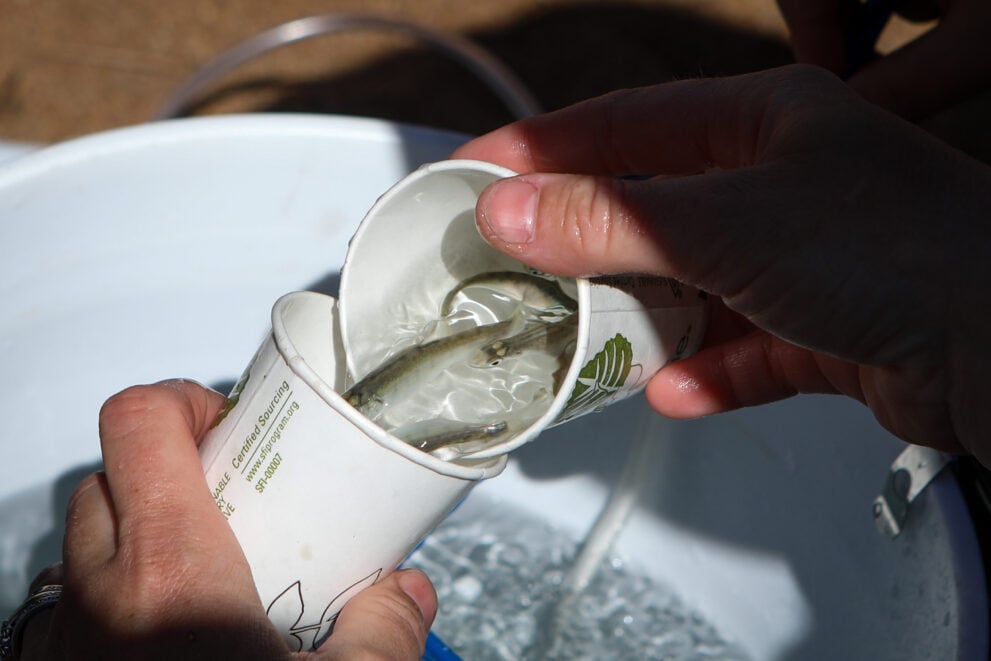
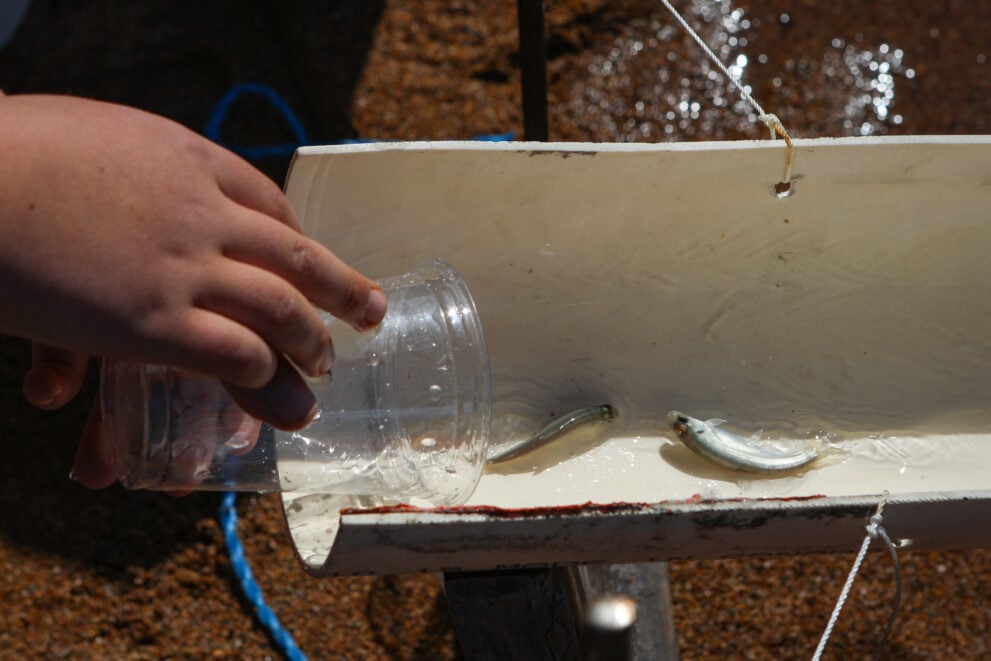
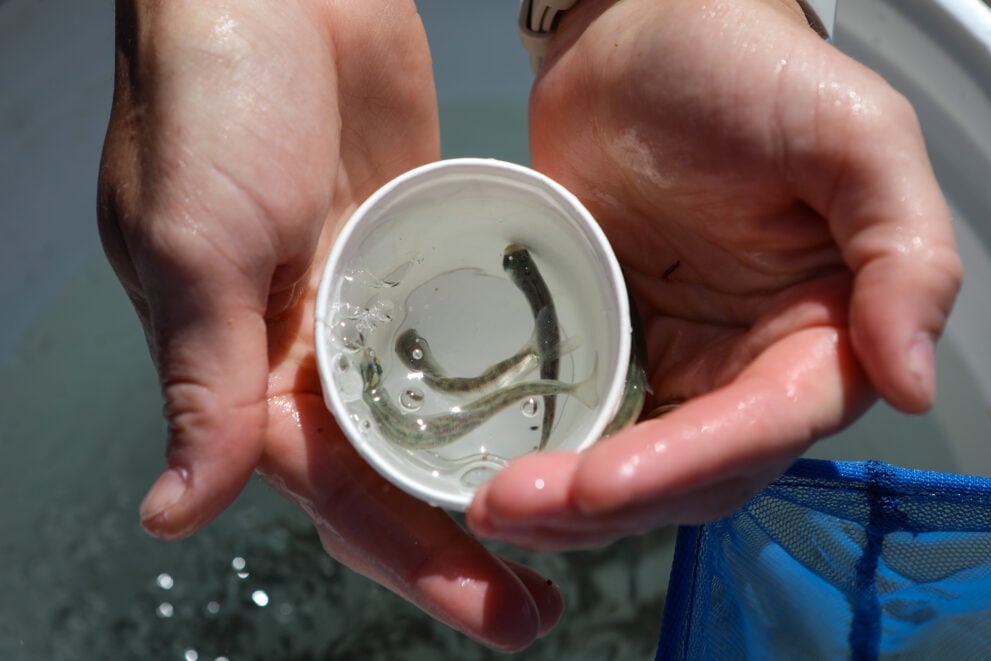
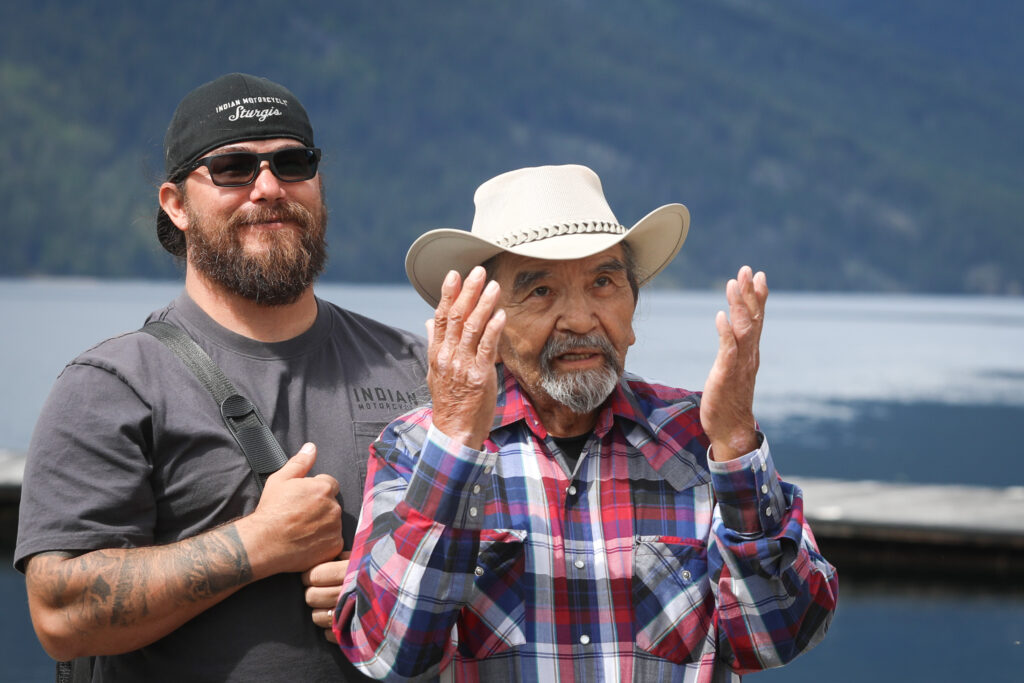
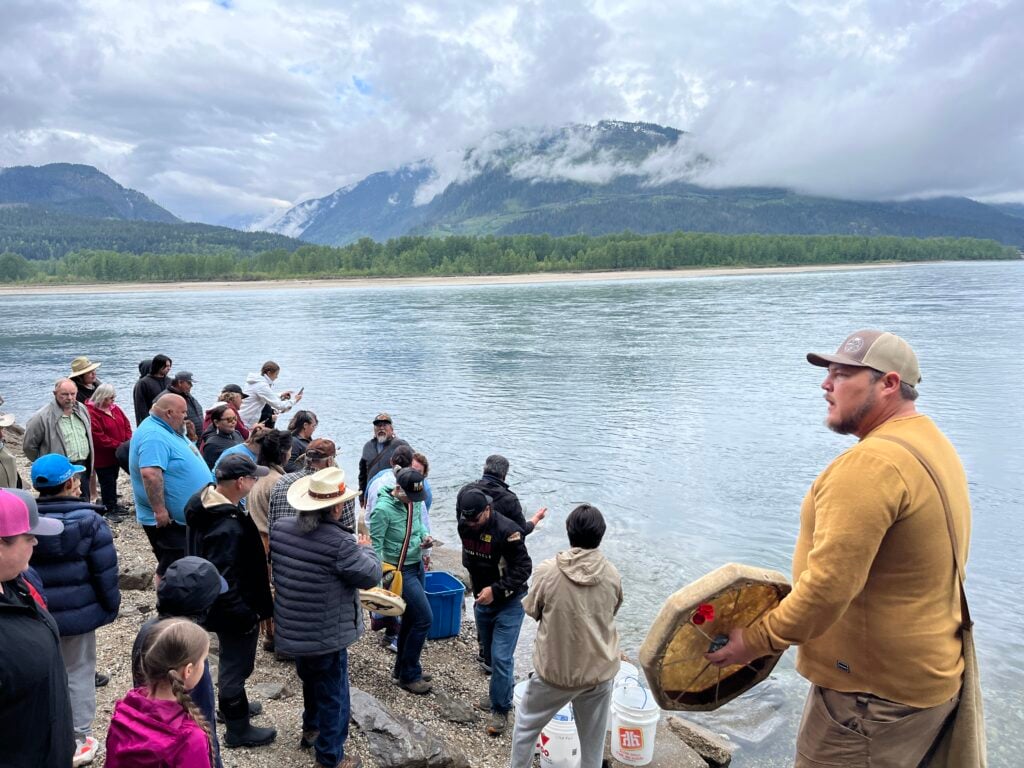
Back in Revelstoke, about 100 people have joined Armstrong on the bank of the Columbia, ready to release young salmon into the water. “I’m so glad to see you guys here, especially the young ones,” Armstrong tells the crowd. At the water’s edge are four white buckets filled with swirling heaps of sockeye fry. These and other tagged fry provide researchers with critical data as the fry swim downriver — mortality rates, movement patterns, predation, passage through dams — that all help inform reintroduction efforts.
For instance, two tagged juvenile sockeye, released into the upper Columbia in 2023, returned to the river as adults two years later. In what one can only assume was a Finding Nemo-like journey, they passed through a dozen major dams on their way to the ocean, grew into adults in the ocean and, following their deep primal longing, struggled back upriver into the Washington state interior. “The salmon know where they need to go,” Thomas said in a news release. “This moment is cause for celebration, reflection, and renewed commitment.”
Standing near the front of the crowd are four Indigenous drummers who sing in a low, fast and rhythmic pattern, their voices echoing across the flowing water. Armstrong is given a small cup with salmon fry scooped from one of the white buckets, which he then pours into the cool river. Soon, a line forms, with young and old holding their own cups of squirming salmon. One by one, they toss the salmon into the water, the clusters of fish darting in every direction before the current tugs them downriver. Armstrong acknowledges the importance of the youth presence. “They’re the ones that are going to see the fish when they come back.”
– David Geselbracht is a writer, lawyer and author of Climate Hope: Stories of Action in an Age of Global Crisis, published by Douglas & McIntyre
History
From their beginnings in the late 19th century, salmon hatcheries have gone from cure to band-aid to crutch. Now, we can’t live without manufactured fish.
Wildlife
Salmon runs are failing and grizzlies seem to be on the move in the islands between mainland B.C. and northern Vancouver Island. What’s going on in the Broughton Archipelago?
Wildlife
“We just knew no fish would get by. Not without our help.” Behind the scenes of the epic campaign to save a Fraser River salmon run.
Wildlife
As wild Atlantic salmon numbers plummet, Hawkins is using powerful imagery to bring attention to one of Canada’s most threatened fish