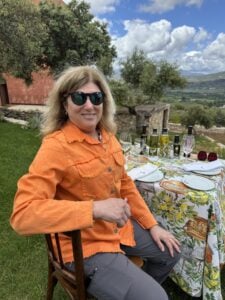
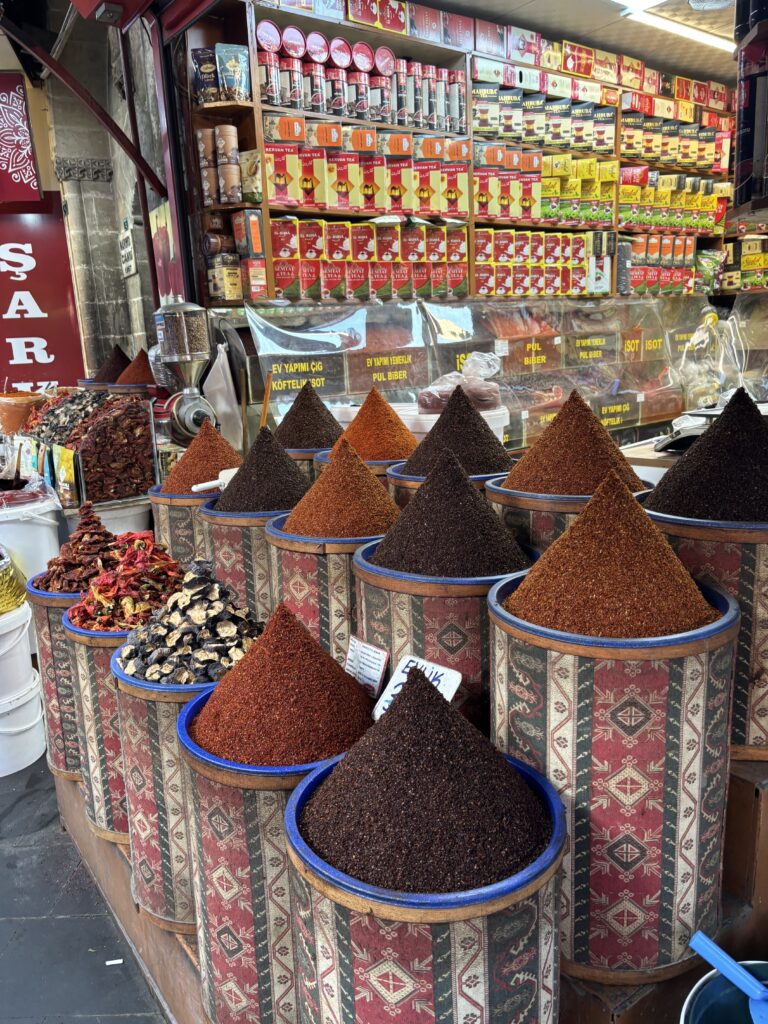
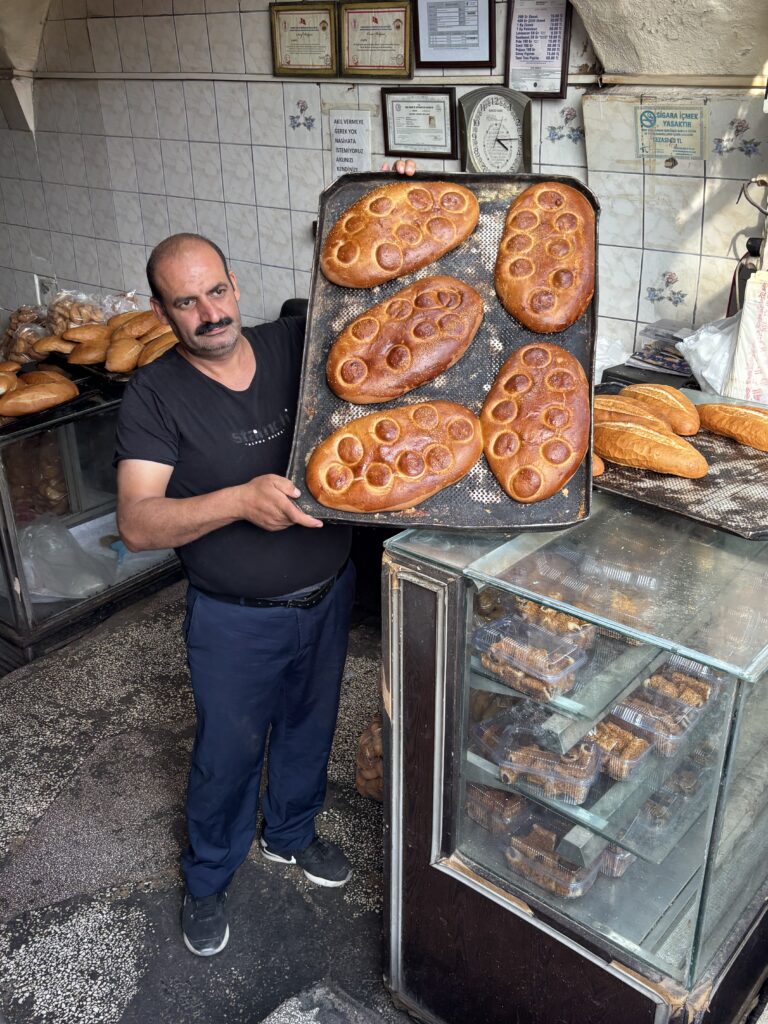
Throughout our week, Oznar makes plenty of time to linger over frothy pistachio coffee, sample different kinds of pide (a Turkish flatbread similar to pizza), wine from Cappadocia, and an assortment of mezze, including ezme (a spicy tomato and pepper salad), haydari (thick strained yogurt with herbs), tabbouleh, and cheese-filled börek.
“I am proud of Türkiye’s hospitality,” says Oznar. “With all the worry about the global economic challenges, artificial intelligence, and following the pandemic, it is all so negative. We need something positive.”
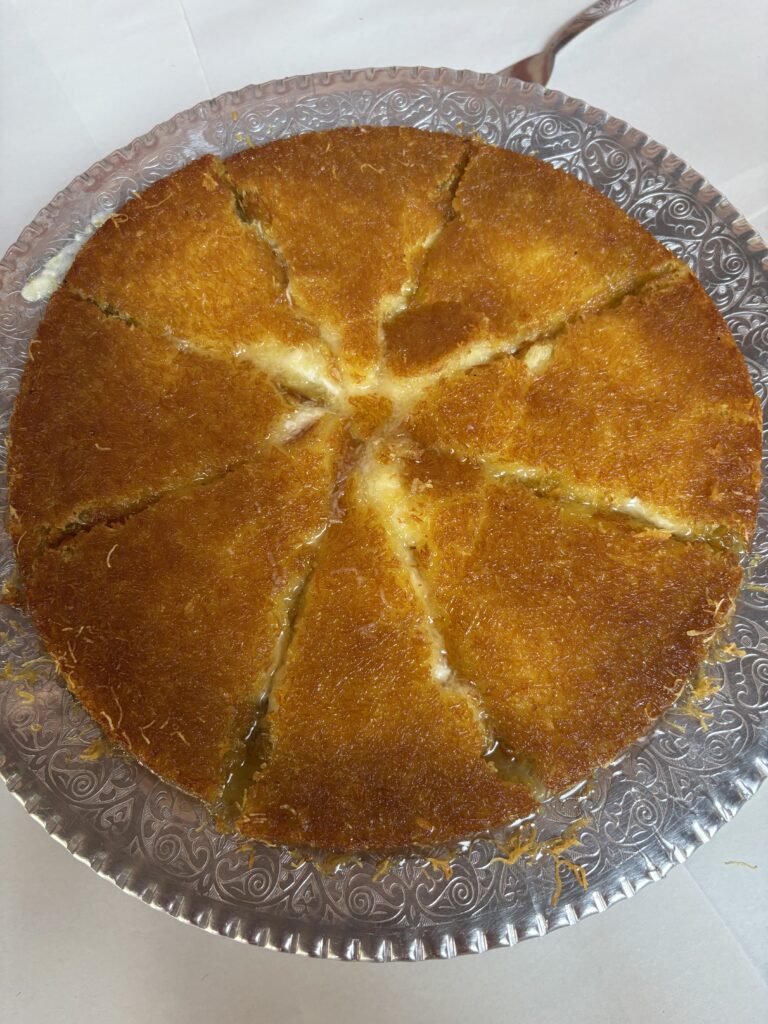
Meals are a communal affair in Türkiye, with conversation and shared dishes at the heart of the experience. In Şanlıurfa’s bazaar, Oznar leads us to the shop of Walid Kurt, who prepares künefe, a dessert made with thin, shredded pastry layered with cheese and soaked in a sweet syrup. It may be the most delectable dessert I have ever tasted. Oznar also tracks down another market favourite: a liver kebab which she prepares with onion, parsley, mint and pepper.
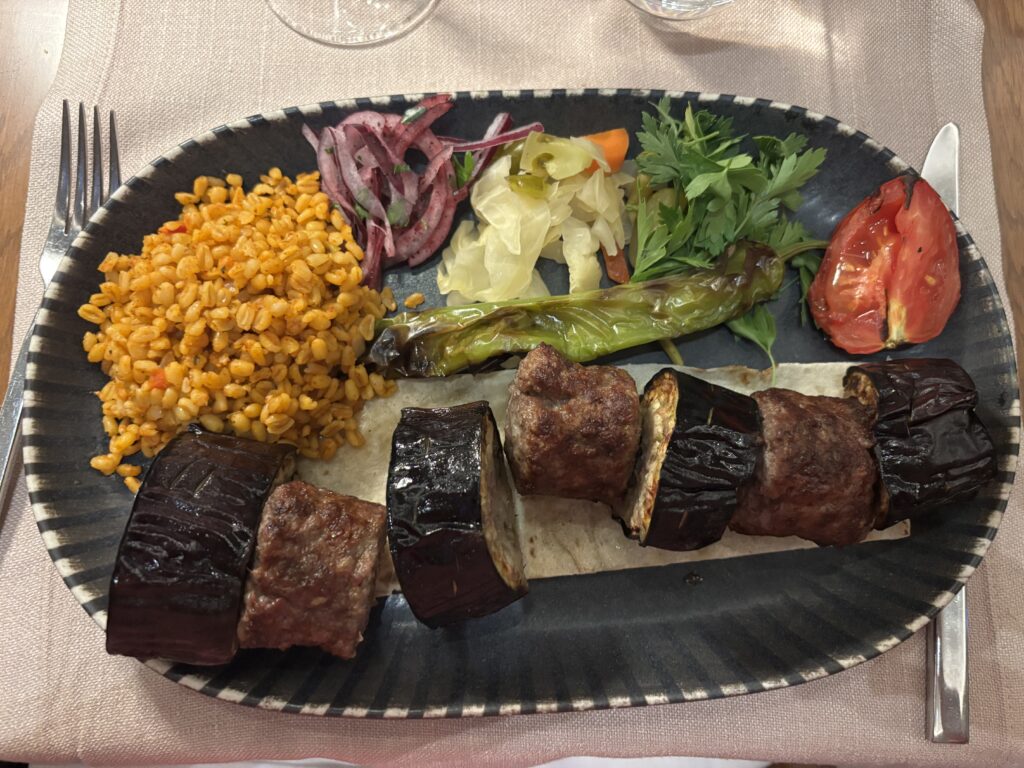
Other Turkish specialties worth trying include köfte, beef meatballs made with beef or lamb and seasoned with cumin, garlic, onion and parsley; ahbacun, a thin, crispy flatbread topped with minced meat, tomatoes, herbs and spices; and içli köfte, a crispy bulgur and semolina shell stuffed with spiced minced meat and onion and shaped into a pointed oval.
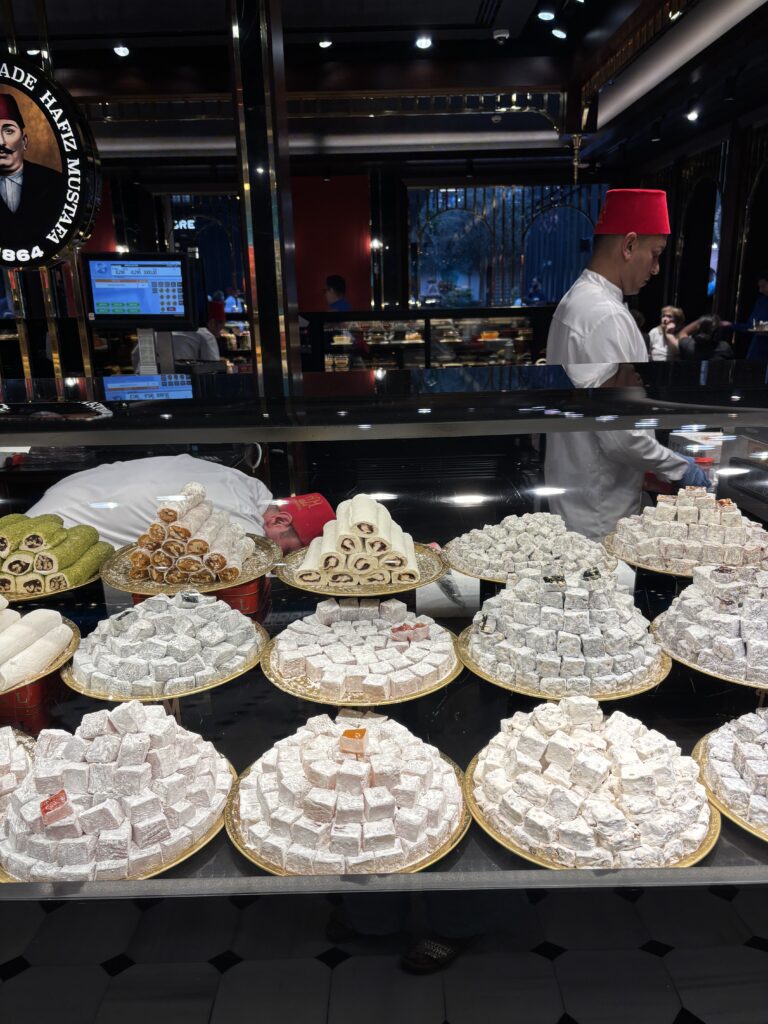
For something sweet, there’s Turkish delight, a gel-like confection made from starch and sugar, flavoured with rosewater and sometimes nuts, such as pistachios, and dusted with powdered sugar.
Travel and accommodation for this story were provided by the Turkish Tourism Board. The organization did not review or approve the article before publication.