People & Culture
Kahkiihtwaam ee-pee-kiiweehtataahk: Bringing it back home again
The story of how a critically endangered Indigenous language can be saved
- 6318 words
- 26 minutes
People & Culture
What British Columbia could have been
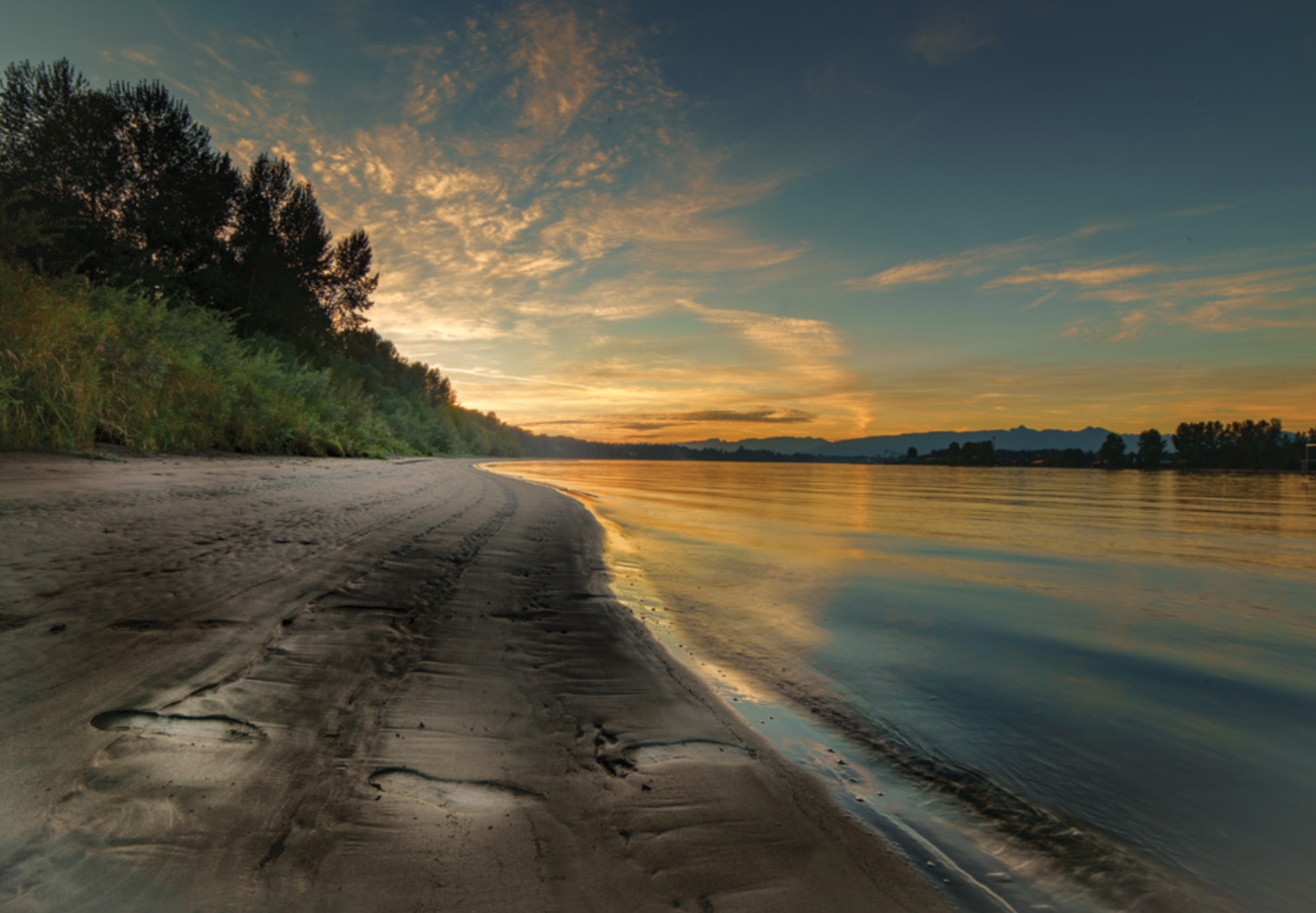
WHEN BRITISH COLUMBIA was christened as a colony, it was done at a place called Fort Langley to solidify Britain’s perceived ownership of the land. The fort was next to an Indigenous village called Kwantlen. In 1858, when the colony was proclaimed, the people of Kwantlen were invited into the fort for the ceremony; among them was a man named Gabriel, also known as Staqoset.
Staqoset was a leader among the Kwantlen people; his father made first contact with the Europeans. His name lives on today in Kwantlen’s current chief, Marilyn Gabriel.
By coincidence, Staqoset was my great-great-great-great-grandfather — and is an ancestor I share with Fern Gabriel, a school teacher in Langley, B.C., and a teacher of language and culture from Kwantlen First Nation. She agrees that Staqoset would have likely been the person to speak at the fort on Kwantlen’s behalf.
Inside the fort, the person given the job of reading the colonial proclamation was James Douglas, governor of the colony of Vancouver Island and newly appointed leader of British Columbia. Douglas was born in Guyana to a mixed-race Black mother and white British father. He married a Métis woman, and by all accounts, wasn’t what you might expect from a 19th-century colonial official.
More so than many of his contemporaries, he could work with First Nations Peoples. It is easy to imagine him meeting Staqoset at Fort Langley and, following the wishes of the British parliament, asking what the Native name of the land is.
The holders of the name Staqoset are strong believers in our traditional faith, and any answer on an issue of this importance would be grounded in “scripture.” The most appropriate for the occasion would come from our version of Genesis, telling the story of how the land that Douglas sought to rule came to be:
Long long ago,
Before anything was,
Save only the heavens,
From the seat of his golden throne
The Sun God looked out on the
Moon Goddess and
found her beautiful
Hour after hour
With hopeless love,
He watched the spot where,
at evening,
She would sometimes come
out to wander
Through her silver garden
In the cool of the dusk
Far he sent his gaze across
the heavens
Until the time came, one day
When she returned his look of love
And she too sat lonely
Turning eyes of wistful longing
Toward her distant lover
Then their thoughts of
love and longing
Seeking each other
Met halfway
Mingled
Hung suspended in space…
Thus: the beginning of the world.
I ask Fern Gabriel what word our shared ancestor would have used for “the world,” as described in that passage. Without hesitation, she replies in hən̓̓q̓̓əmin̓̓əm̓, Staqoset’s mother tongue: “S’ólh Téméxw.”
Pronounced “Soul Tow-mock,” S’ólh Téméxw means “our land,” or “our world,” a term still in use by the descendants of Staqoset to describe the Lower Mainland region of B.C. You could call S’ólh Téméxw B.C.’s “Indian name” — it’s a name that connects to a deeper history.
Indigenous names carry personality traits and stories that each holder of the name shares. They let a piece of our ancestors live on across the centuries. The name S’ólh Téméxw does the same — it shows that what we currently call B.C. isn’t a young land, devoid of history. The name acknowledges the lasting presence of the thousands of generations that have lived here.
The name British Columbia may have a history separate from Columbus, but the name a British newspaper called an “awkward and sinister appellation” that would “augur an existence of turmoil, trouble, and vicissitude” did just that for First Nations people as well as for people of colour. British Columbia is a name that marks a moment in time for this region, a moment we have moved on from and, yes, a moment that should be buried.
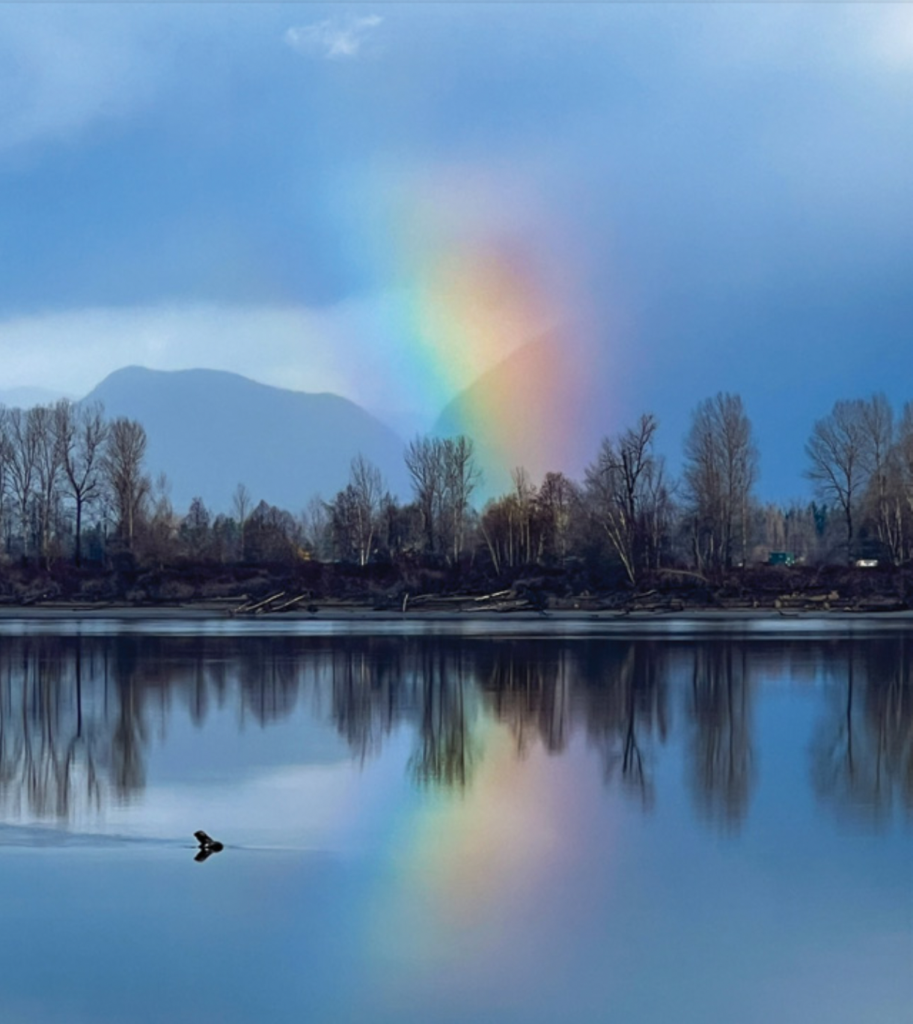
Imagine Douglas and Staqoset looking out from the fort at the end of their ceremony. They would look out to the village and all the lands beyond it. They’d look to the river we call the Stó:lō, now called the Fraser; the mountain we call T’lagunna, now called Golden Ears; the volcano we call Kulshan, now called Mount Baker — these features of the world and everything beyond were known to Staqoset. They were teeming with his people, their histories and their names — monuments to them that have since been torn down. But with the new name for the province, a piece of their world wouldn’t just endure but grow larger.
With a little extra time, S’ólh Téméxw might have been the name chosen for British Columbia. It’s a name that shows this isn’t the edge of the world, but its heart.
This story is from the May/June 2026 Issue
People & Culture
The story of how a critically endangered Indigenous language can be saved
People & Culture
The history behind the Dundas name change and how Canadians are reckoning with place name changes across the country — from streets to provinces
People & Culture
Plains Indian Sign Language was used by generations of Indigenous Peoples to communicate across languages and landscapes. Now, it’s being reclaimed.
People & Culture
A new Canadian Geographic series in print and online will take readers on a linguistic journey across the lands and waters we now call Canada