
People & Culture
Eight awesome things that happened at the 2018 RCGS Fellows Dinner
Remembering Louie Kamookak, a new Explorer-in-Residence and other highlights from the 89th Annual College of Fellows Dinner
- 1633 words
- 7 minutes
Exploration
Held in North America for the first time in partnership with the Royal Canadian Geographical Society, The Explorers Club’s Global Exploration Summit (GLEX) brought explorers and changemakers together for an inspiring weekend of talks and networking
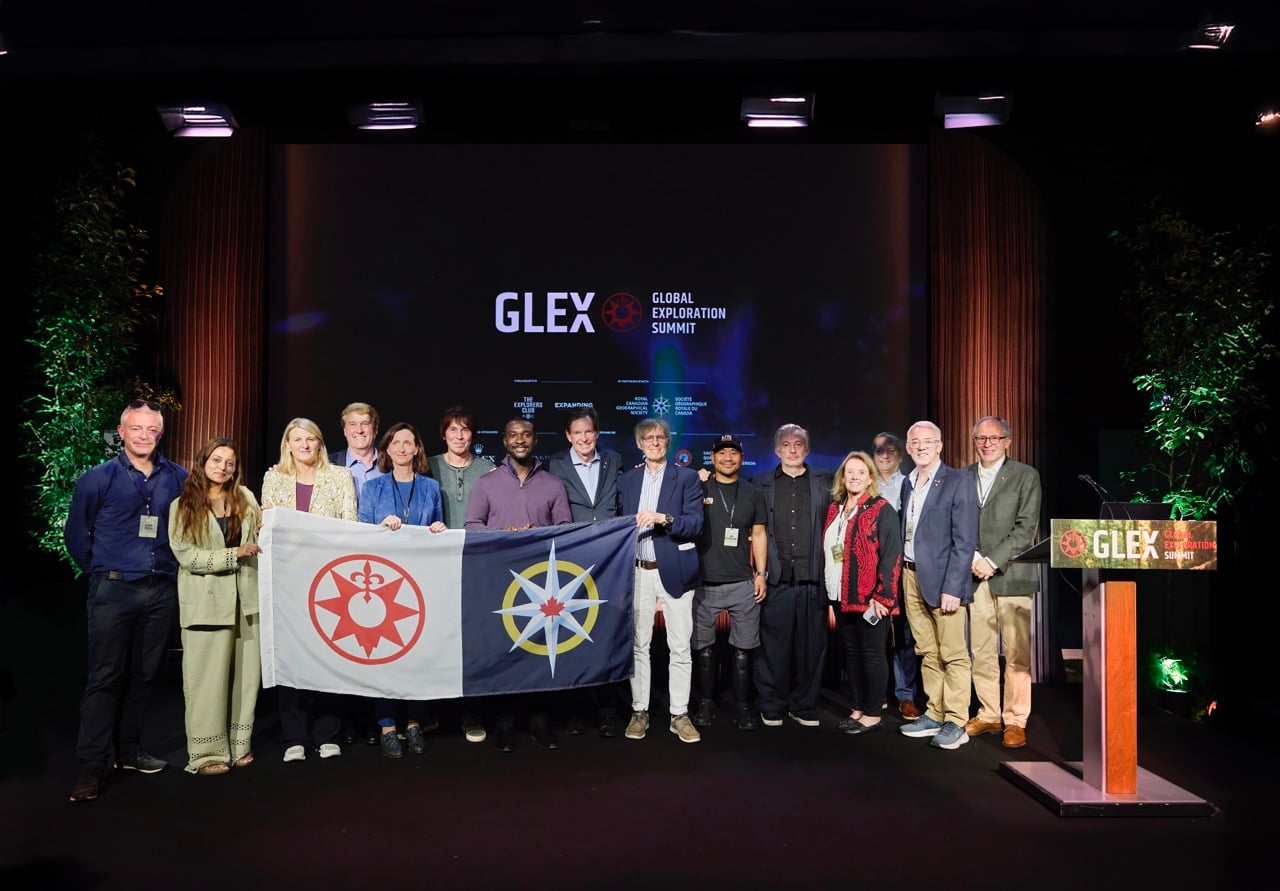
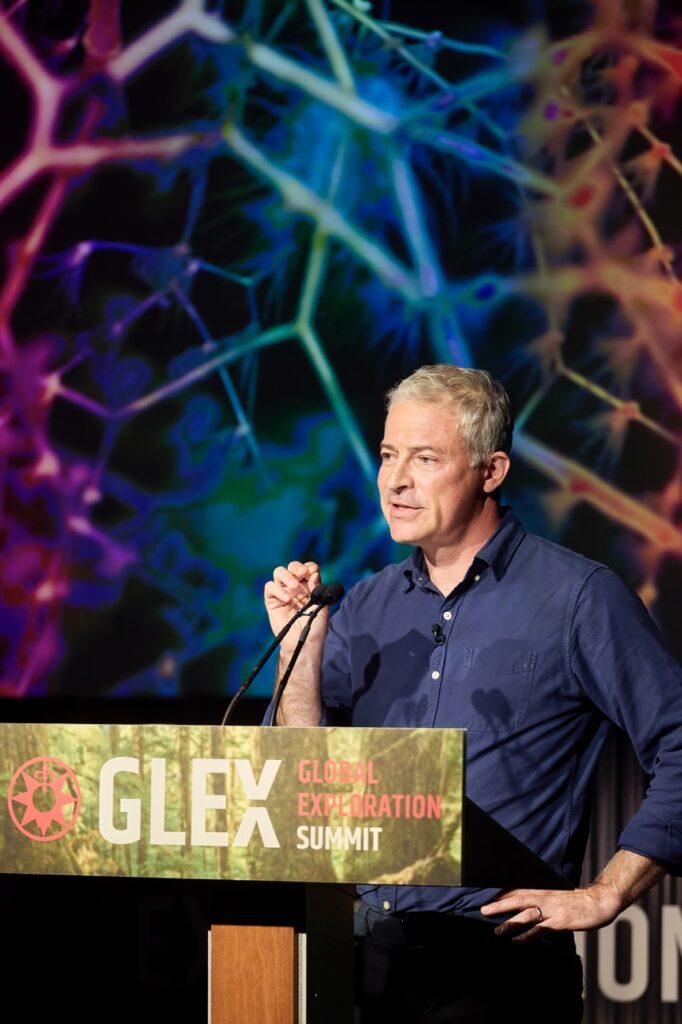
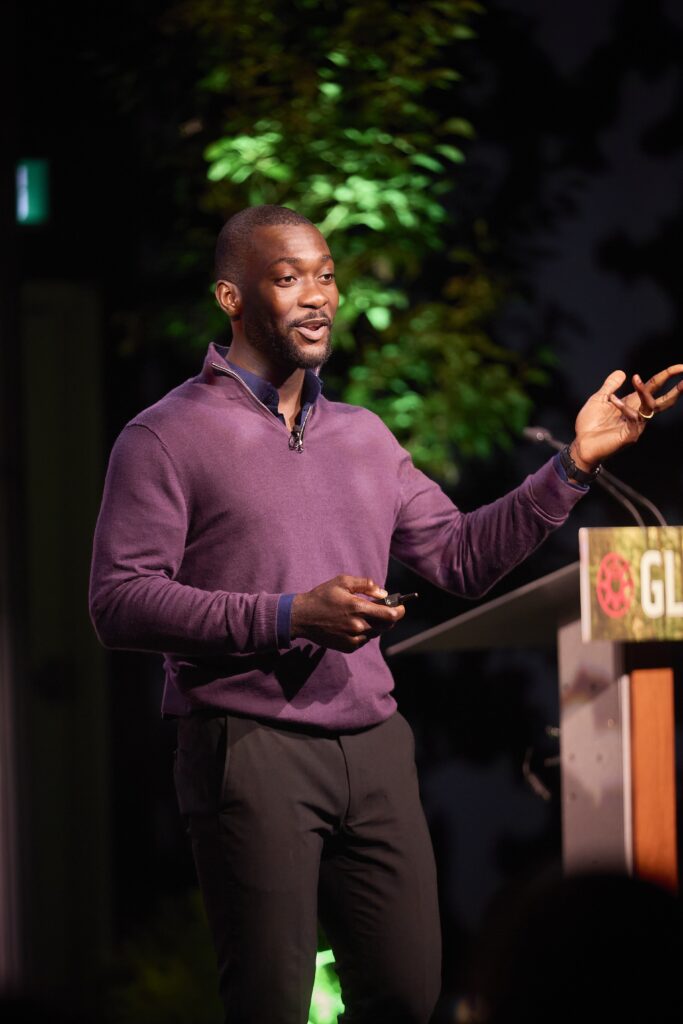
All exploration starts with curiosity, and curiosity is not unique to any one culture. That is the ethos behind The Explorers Club’s Global Exploration Summit (GLEX) and it was on full display Sept. 12-14 as the annual gathering of explorers and changemakers convened in Ottawa for a weekend of talks, networking and celebration.
For the first time in the event’s six-year history, the New York City-based Explorers Club partnered with the Royal Canadian Geographical Society (RCGS) to bring GLEX to Canada — a pointed show of cross-border cooperation and friendship at a time of heightened animosity between Canada and the United States. “With a dearth of enlightened leadership globally, it is more important than ever to build cross-border alliances with organizations dedicated to scientific inquiry and the health of the planet,” said RCGS CEO John Geiger, adding the Society was honoured that the Explorers Club would choose to host one of its most important events in Canada.
In remarks kicking off a full day of inspiring presentations at 50 Sussex, the Society’s headquarters, Explorers Club president Richard Wiese likened Canada to a neighbour who borrows your lawnmower and not only brings it back full of gas, but also hands you a fresh cup of coffee.
“Canada … could not have rolled out a warmer welcome for us,” he said. Read on for more highlights from the event, which drew more than 200 explorers from around the world.
The weekend kicked off with a welcome reception at the French embassy Sept. 12, hosted by Ambassador Michel Miraillet. France and Canada share a long history and an enduring spirit of exploration, Miraillet said, and though the means and ends of exploration have changed since explorer Samuel de Champlain’s time, “what hasn’t changed is the need to work together across borders, across disciplines, and with deep respect for different ways of knowing.”
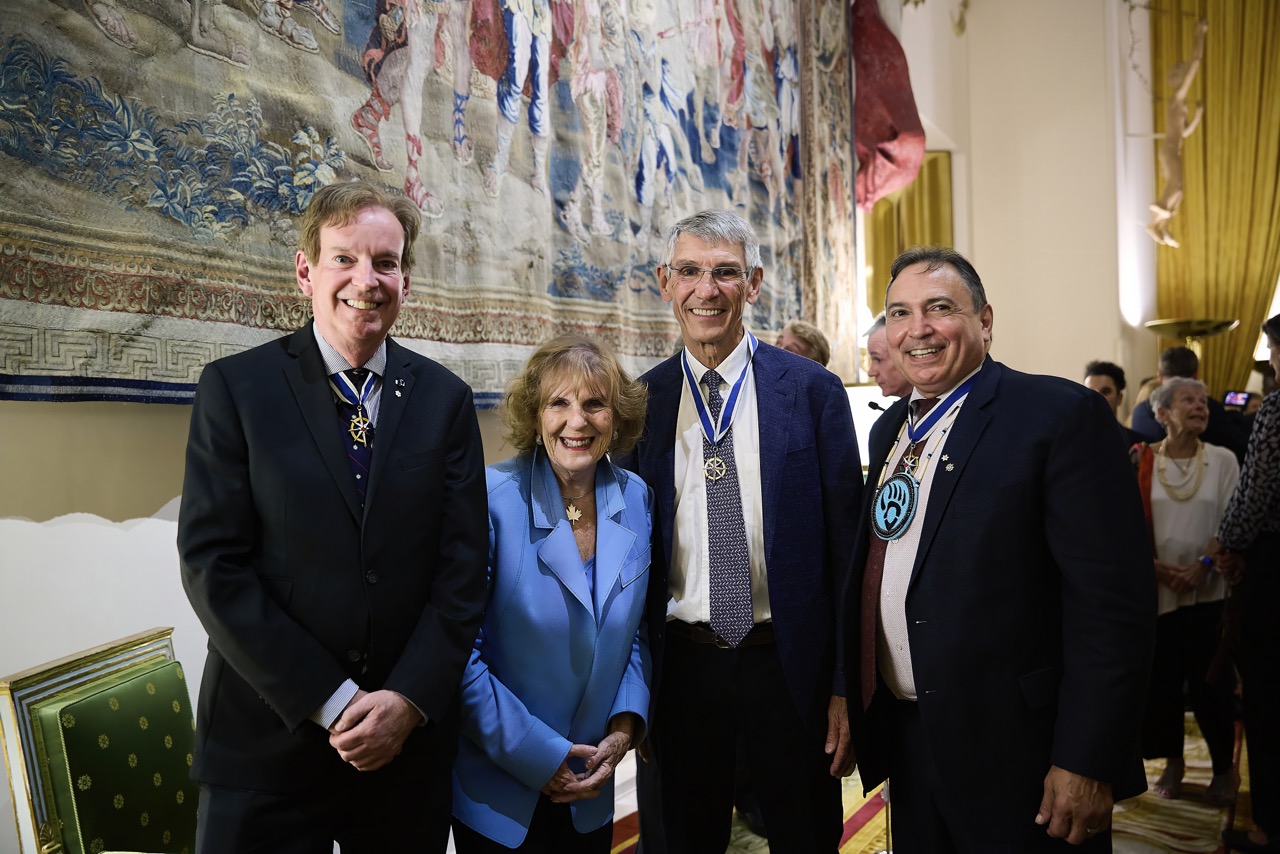
The occasion was also an opportunity for both the Club and the Society to honour Franco-Canadian businessman, explorer and author Hubert Sagnières, whose most recent adventure was a flight around the world in a single-engine plane and who, as vice-chairman of EssilorLuxottica, has made it his philanthropic mission to help people around the world access vision care. Sagnières was made an Honorary Fellow of the RCGS during the event.
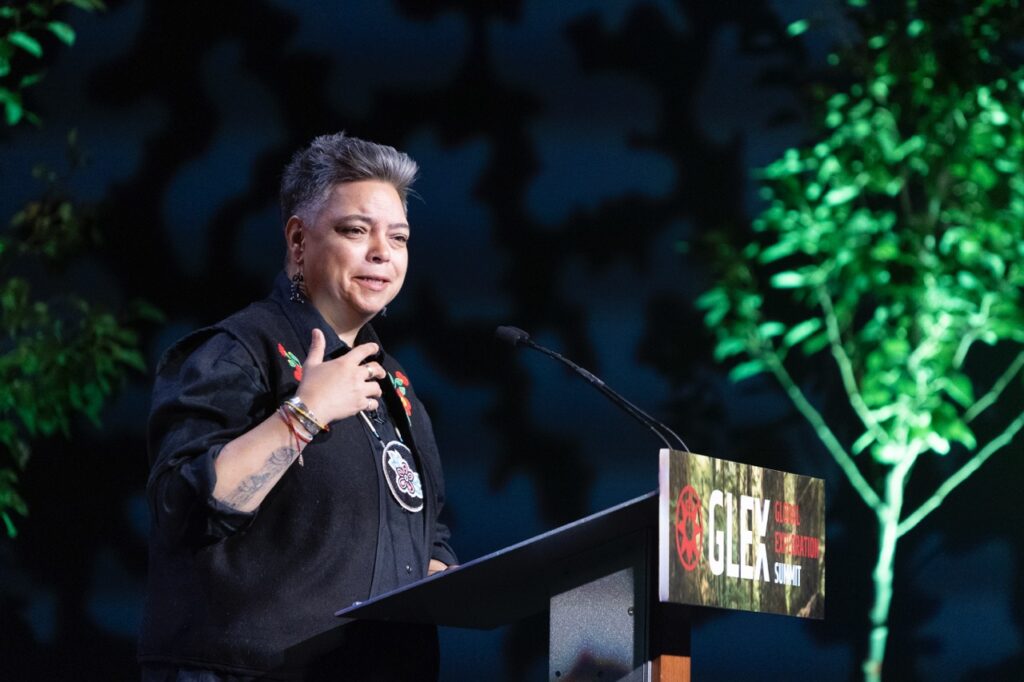
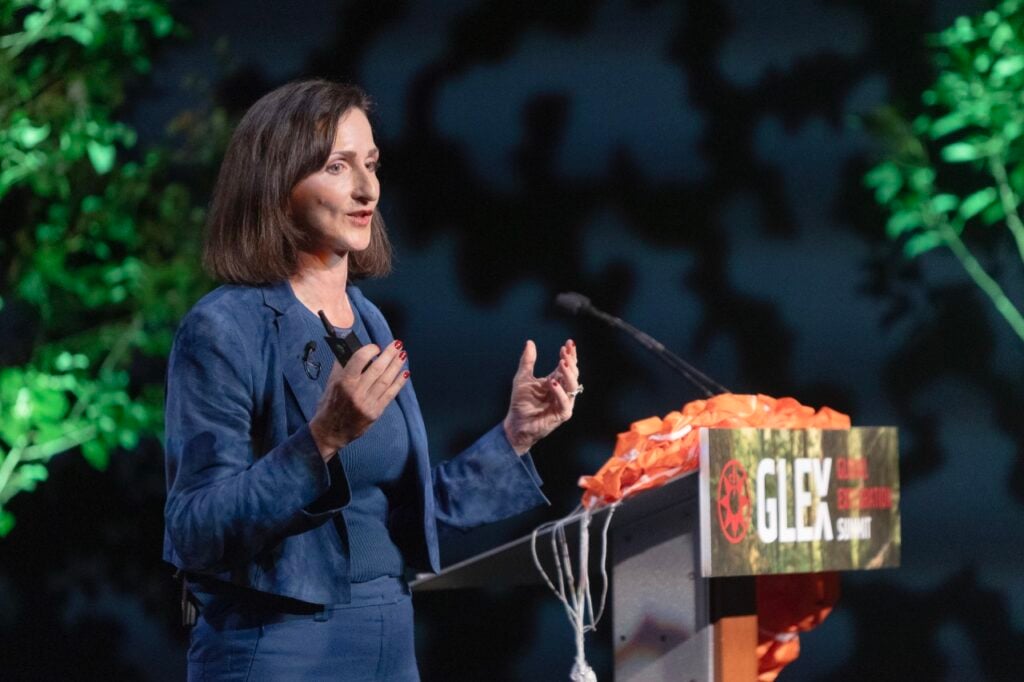
Valérie Courtois, director of the Indigenous Leadership Initiative, was first to take the GLEX stage Sept. 13. Courtois, who is Innu from Mashteuiatsh, told a story from her culture about a young boy who married a caribou. The story illustrates the interdependence between Indigenous people and the lands and wildlife they have stewarded for thousands of years, and shows that when it comes to Indigenous-led conservation, “this isn’t just about an activity,” Courtois said. “This is about who we are.”
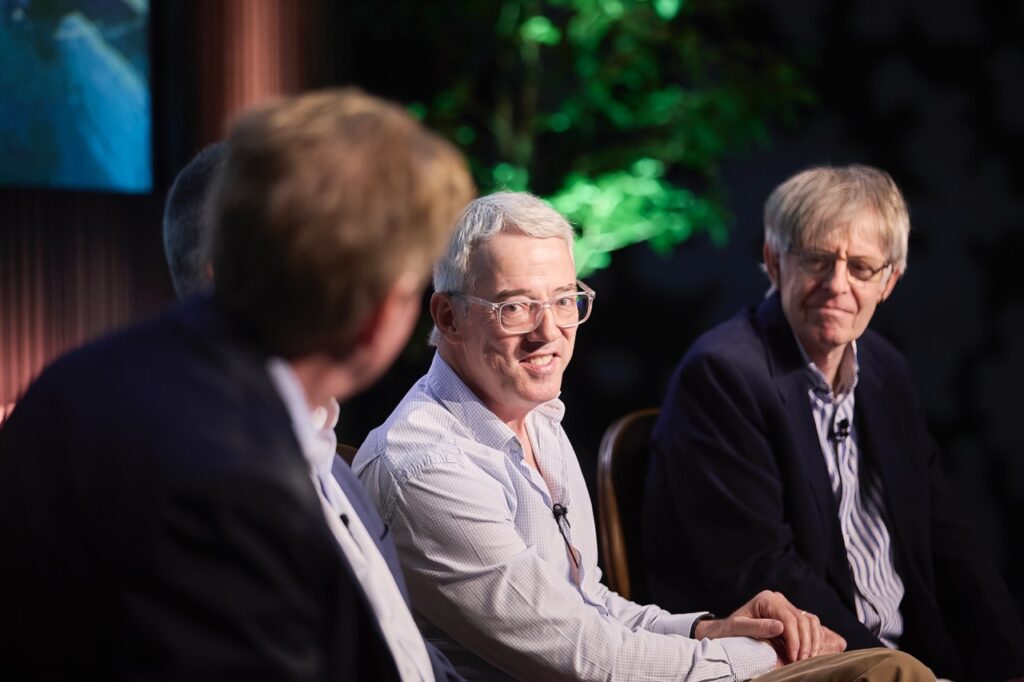
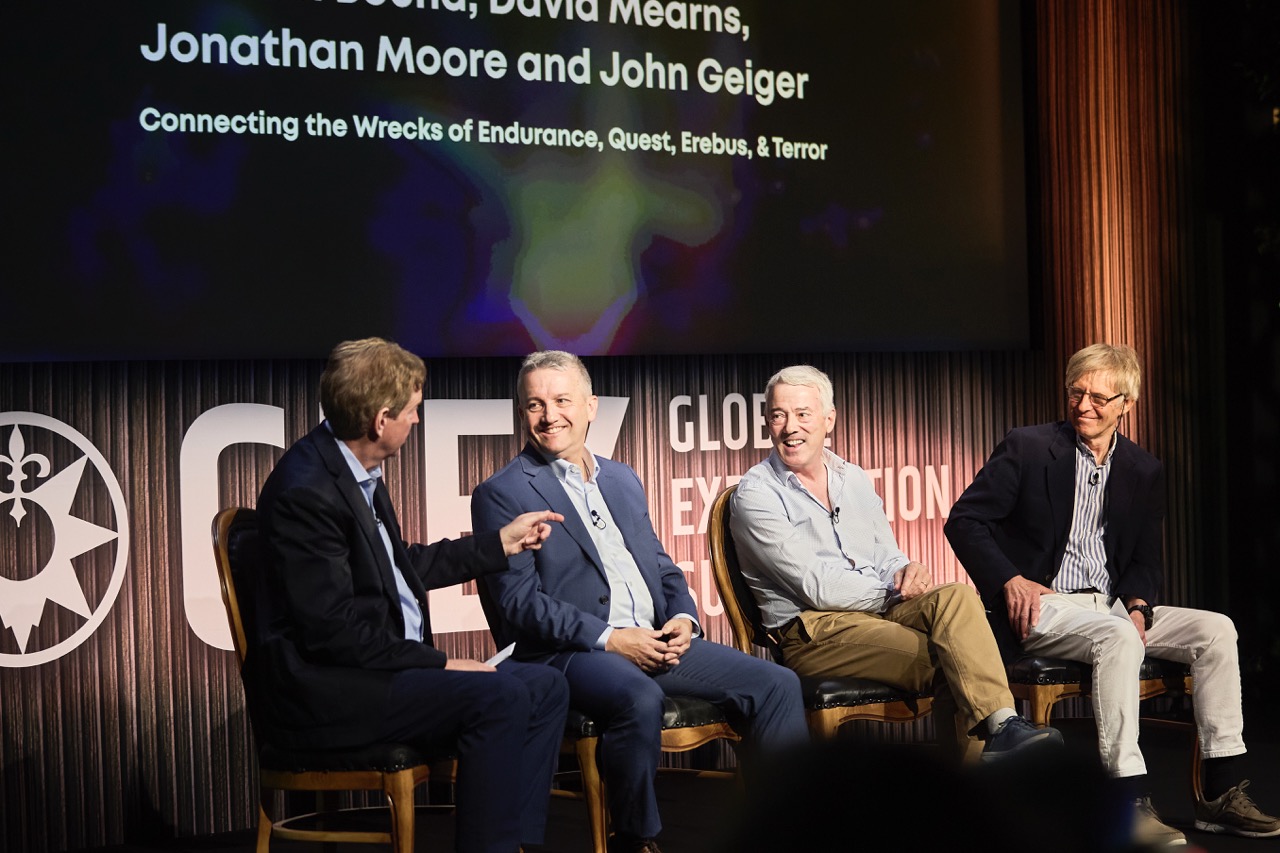
We are in a “golden age of shipwreck hunting,” said renowned wreck hunter David Mearns in a panel discussion that also included RCGS CEO and Shackleton Quest Expedition leader John Geiger, Endurance22 exploration director Mensun Bound, and senior Parks Canada archaeologist Jonathan Moore, who works on the wrecks of HMS Erebus and Terror. While most major historic wrecks have now been found, new technologies are making it easier than ever to visit, document and retrieve artifacts from these “archeological time capsules,” helping people connect with the stories of those who were on board.
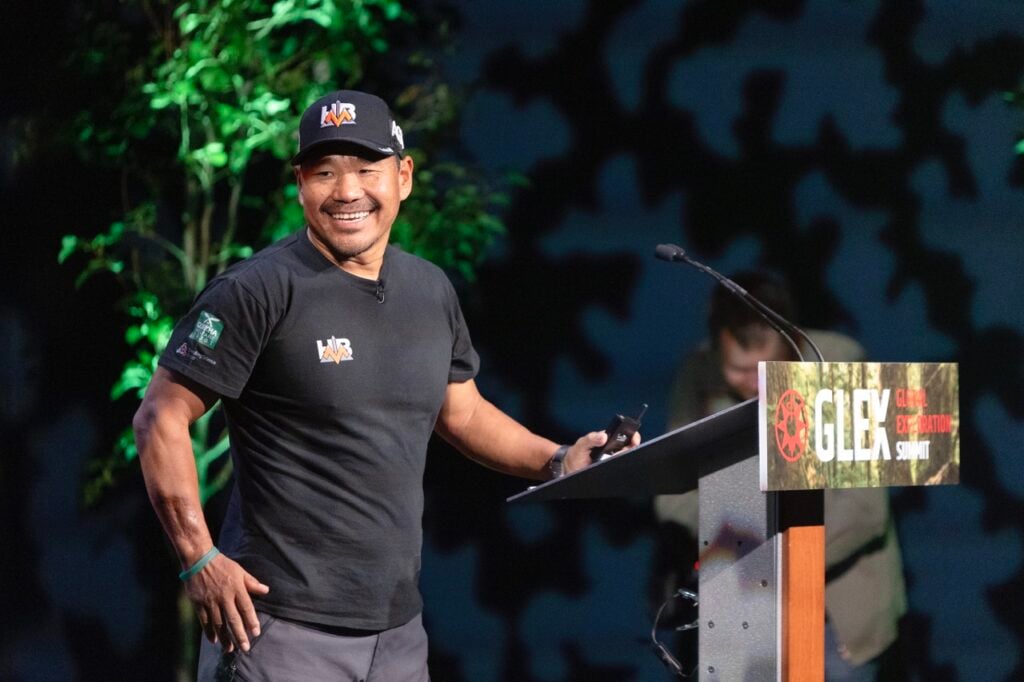
Hari Budha Magar was serving as a Gurkha with the British Army in Afghanistan in 2010 when he stepped on an improvised explosive device and lost both legs above the knee. Struggling with post-traumatic stress disorder but determined to live for his family, Magar threw himself into sport and on May 19, 2023, became the first double above-knee amputee to summit Mount Everest. He is now on his way to completing the Seven Summits — the highest peaks on each continent. An emotional Magar told the cheering audience that his goal is to inspire people to climb their own mountains, whether physical or metaphorical: “Because our purpose is higher than Mount Everest, and our dreams are bigger than the universe, and life is all about adaptation, and nothing is impossible.”
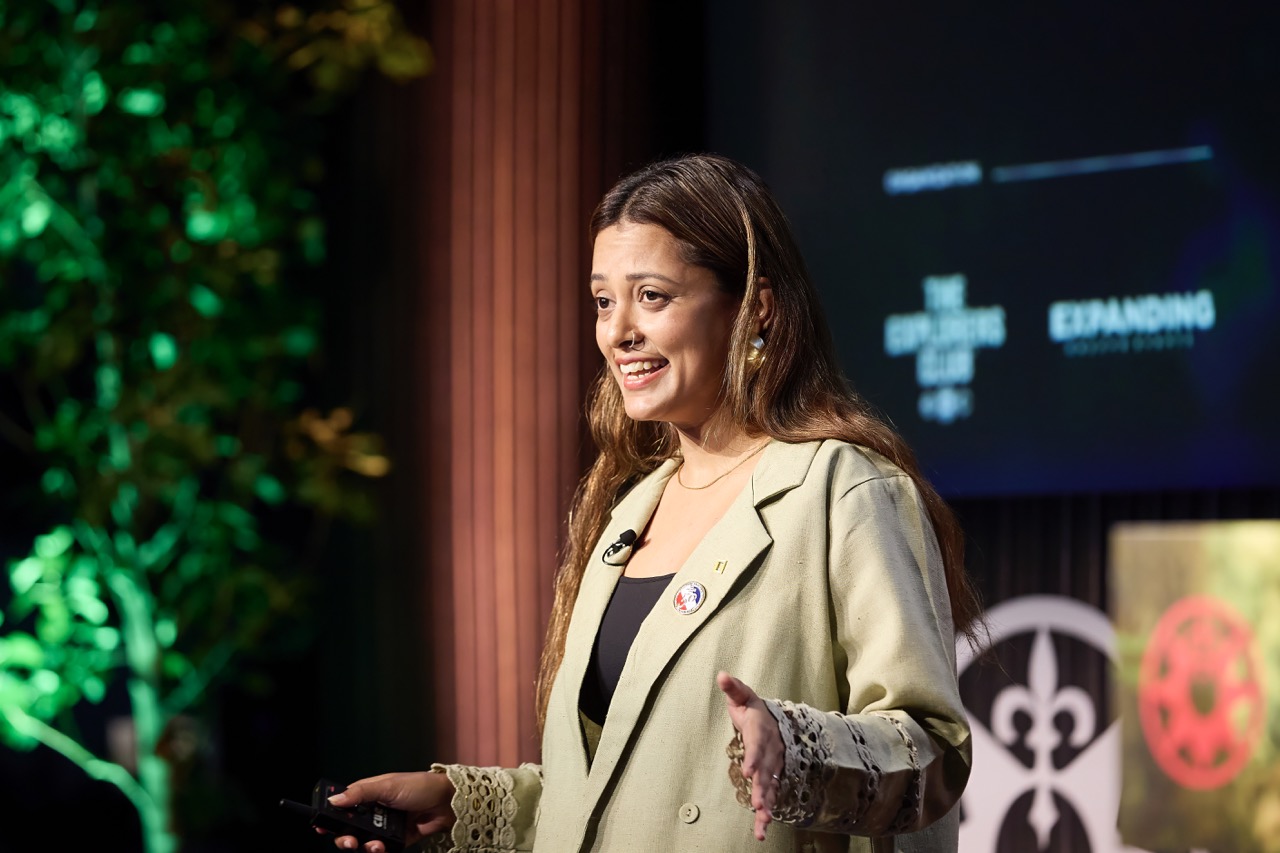
Growing up, Indian filmmaker Gunjan Menon struggled with anxiety and depression over climate change and environmental degradation, until she realized she could channel her empathy into impact-oriented films. Through projects like The Firefox Guardian and the forthcoming Dreaming in Blue, Menon spotlights community-led conservation efforts and uplifts marginalized voices in exploration. “I realized if empathy can make us feel paralyzed with pain, it can also fill us up with wonder, and when people fall in love with something, they’ll fight to protect it,” she said.
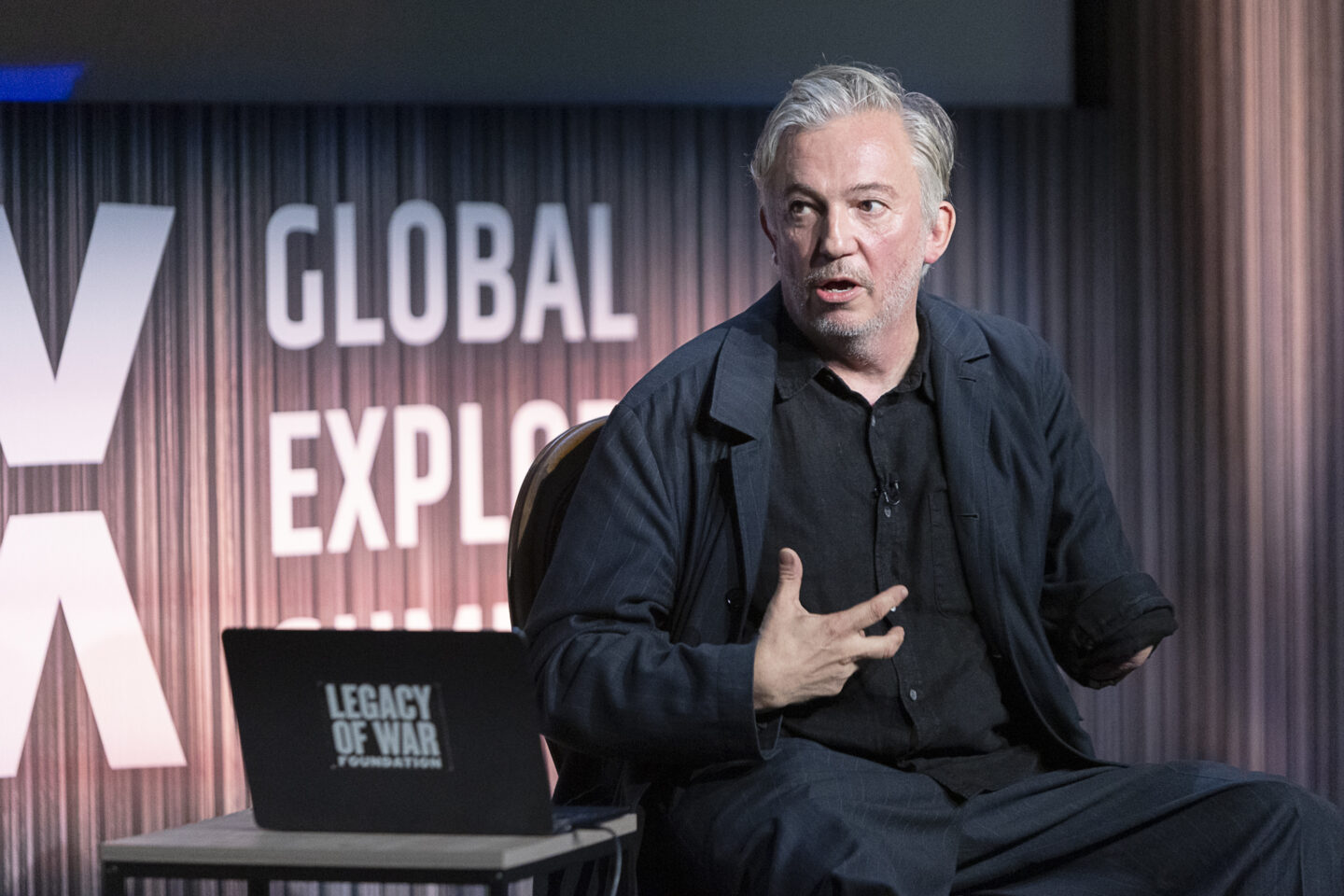
Giles Duley went from living a rock n’ roll lifestyle, photographing celebrities, to documenting the humanitarian impact of war. Losing both legs and an arm in Afghanistan only clarified his purpose, which is to capture the strength, resilience and enduring love of people caught in the crosshairs of conflict. It’s easy to get overwhelmed by the news of everything bad happening in the world, but the solution is to focus on what we can control, he said. “Whatever work you do — whatever exploration, whatever science — do it with stories, do it with empathy, and do it with love.”
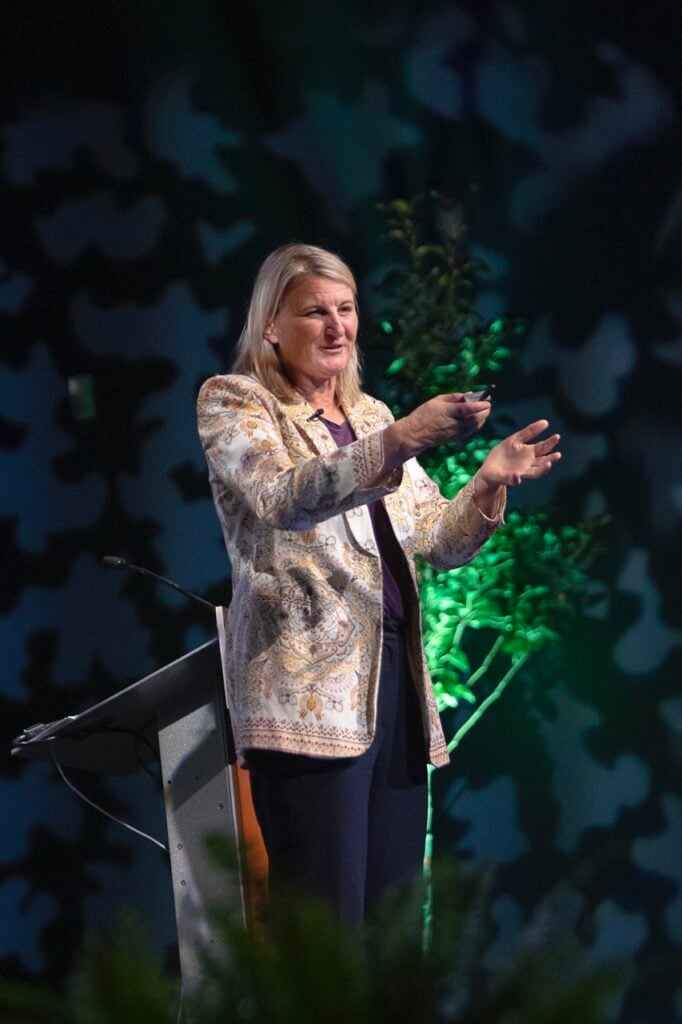
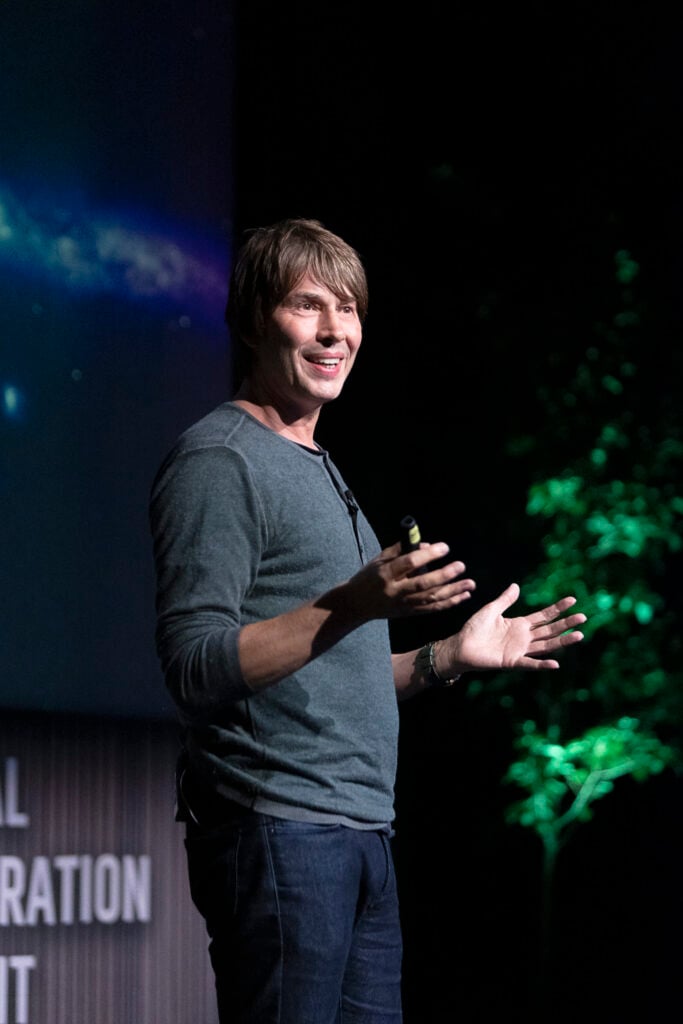
To close out the day of presentations, two speakers got us thinking about time. First, Kenyan paleontologist and archeologist Louise Leakey reflected on how much we’ve learned about human evolution since her grandfather Louis Leakey’s fossil discoveries proved that evolution was centred in Africa and not Asia as previously thought. Then, physicist Brian Cox explained how new technologies like the James Webb Space Telescope could upend our current understanding of the universe. Both Leakey and Cox were made Honorary Fellows of the Society at a gala dinner held at the National Gallery of Canada following the day’s presentations.
People & Culture
Remembering Louie Kamookak, a new Explorer-in-Residence and other highlights from the 89th Annual College of Fellows Dinner
People & Culture
Celebrating new partnerships, milestone anniversaries and a bird for Canadians on geography's biggest night

People & Culture
It was an evening of emotional tributes and reflection on what it means to be Canadian
People & Culture
The Royal Canadian Geographical Society’s 94th annual Geographica Dinner was a celebration of the power of geography, exploration and the accomplishments of the past year