
Science & Tech
Why the fossils in B.C.’s Burgess Shale are so well preserved
Burgess Shale is famous for the exquisite and uncommon detail in its fossilized soft-bodied organisms. Here's the science behind the phenomenon.
- 398 words
- 2 minutes
Wildlife
Much of what we know about life half a billion years ago comes from a world-renowned fossil site in Canada’s Yoho and Kootenay National Parks
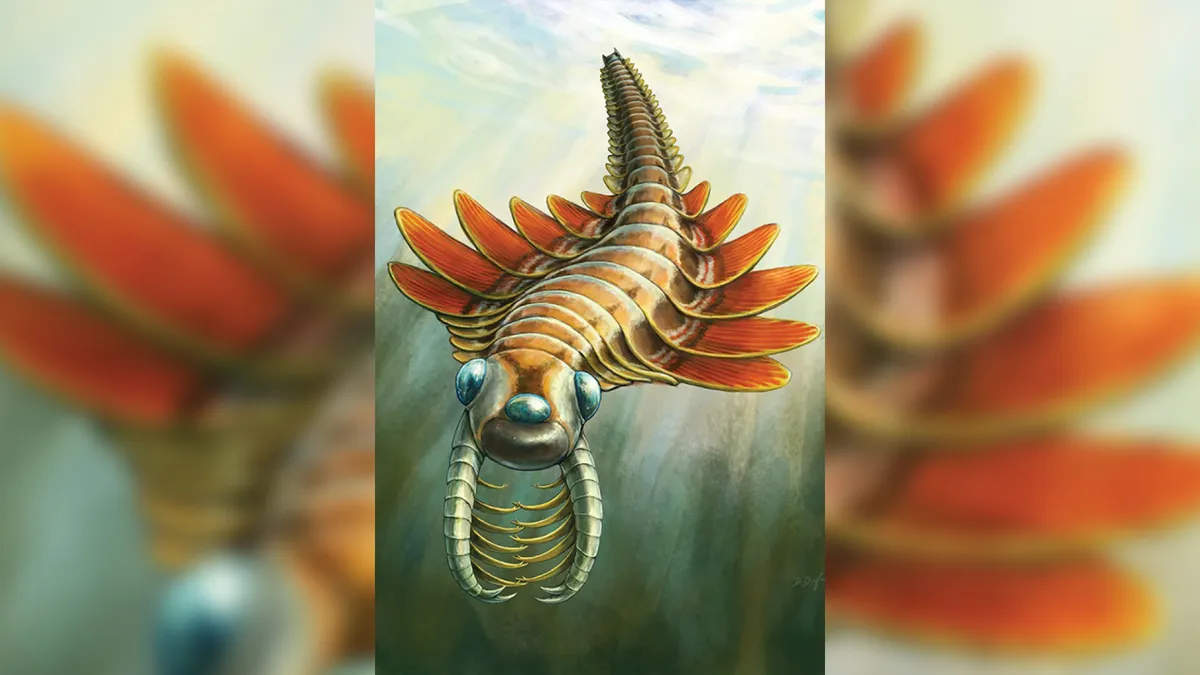
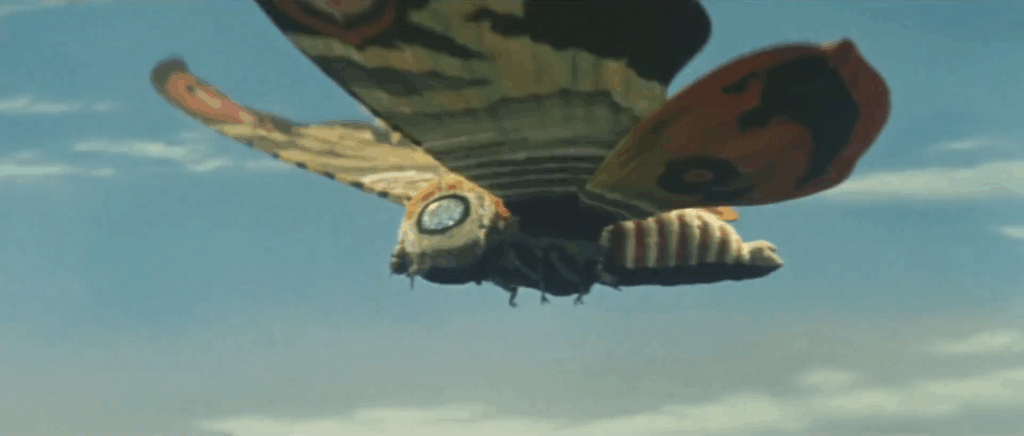
It’s got three eyes, gills on its butt and wing-like swimming flaps along its segmented body. No, it’s not the kaiju Mothra from the Godzilla-verse — but the moth monster did inspire this creature’s name. This is Mosura fentoni, a 506-million-year-old arthropod predator from Canada’s Burgess Shale, a fossil deposit in the B.C. Rockies. Its discovery this past spring by paleontologists at the Manitoba Museum and Royal Ontario Museum sheds light on the diversity of early arthropods, a group that includes modern insects, crabs and shrimps.
“Arthropods are super successful, evolutionarily speaking,” says the Royal Ontario Museum’s Jean-Bernard Caron, who co-authored the study chronicling Mosura’s discovery. “They’re basically like the Swiss army knife of animals. They have all the parts that can evolve in different ways and or different functions. It’s just completely crazy.”
Animals like Mosura may look bizarre to us today, Caron admits, but they have characteristics of modern animals that first appeared half a billion years ago. “If you go back to the Cambrian, all these animals were not weird. They were all the normal things. If I was in the body of Metaspriggina [the ancient ancestor of the fish], with its eyes, then everything around me looked pretty normal.”
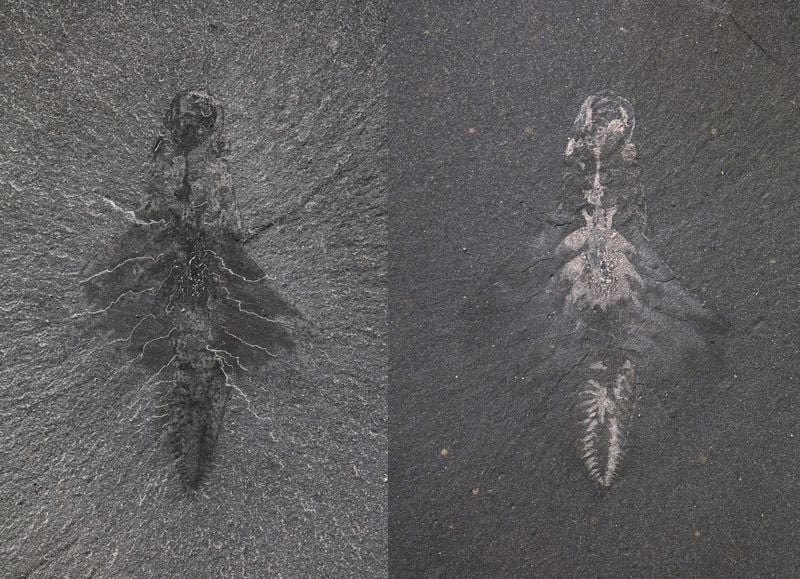
The Burgess Shale, which is about 505 million to 510 million years old, is a treasure trove for paleontologists like Caron because “it represents the roots of our modern diversity,” he says. There have been discoveries of Burgess Shale-type fossils elsewhere in the world, “but nothing really beats the quality of preservation and the diversity of the Burgess Shale,” says Caron. The preservation is so exceptional that paleontologists can see soft tissue like eyes, guts and brains.
Eyes and brains were characteristics that evolved during the Cambrian period, especially during the “Cambrian Explosion” — a mass radiation of complex life that saw the appearance of almost all major animal phyla. “After the Cambrian, you see all what we call animals, organisms which can move around, eat others, have complex feeding behaviours or ecologies. They can walk, they can swim with their appendages, they can see.”
This November marks 50 years of Burgess Shale research at the Royal Ontario Museum. “I always compare the Burgess Shale to a bottle of nice Bordeaux wine,” says Caron. “With age, it gets even better.”

This story is from the November/December 2025 Issue
Science & Tech
Burgess Shale is famous for the exquisite and uncommon detail in its fossilized soft-bodied organisms. Here's the science behind the phenomenon.

Science & Tech
Researchers at the Royal Ontario Museum offer first glimpse of a spineless, thumb-sized animal based on Cambrian fossils found in the Rocky Mountains

History
It’s not easy for 505 million years of biological and evolutionary history to sneak up on you.But that’s just what happened when scientists discovered a massive new…

People & Culture
Capinatator praetermissus was much larger than modern species and used its many spines to grab prey