Places
Snakes on a plain: Manitoba’s Narcisse Snake Dens
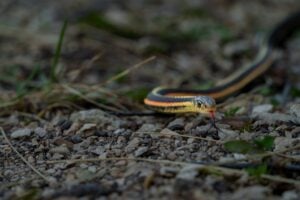
Each spring, a disquieting tangle of tens of thousands of gartersnakes emerges from their winter home, forming the world’s largest gathering of snakes
- 4126 words
- 17 minutes
Wildlife
See images of some of Canada’s lesser-loved wildlife and discover why they’re actually vital to maintaining healthy ecosystems

Beneath the earth, tucked inside trees, wedged between rocks and maybe even lurking in your basement: Canada’s spookiest species are alive, hiding in plain sight — and playing a crucial role in the health of our ecosystems.
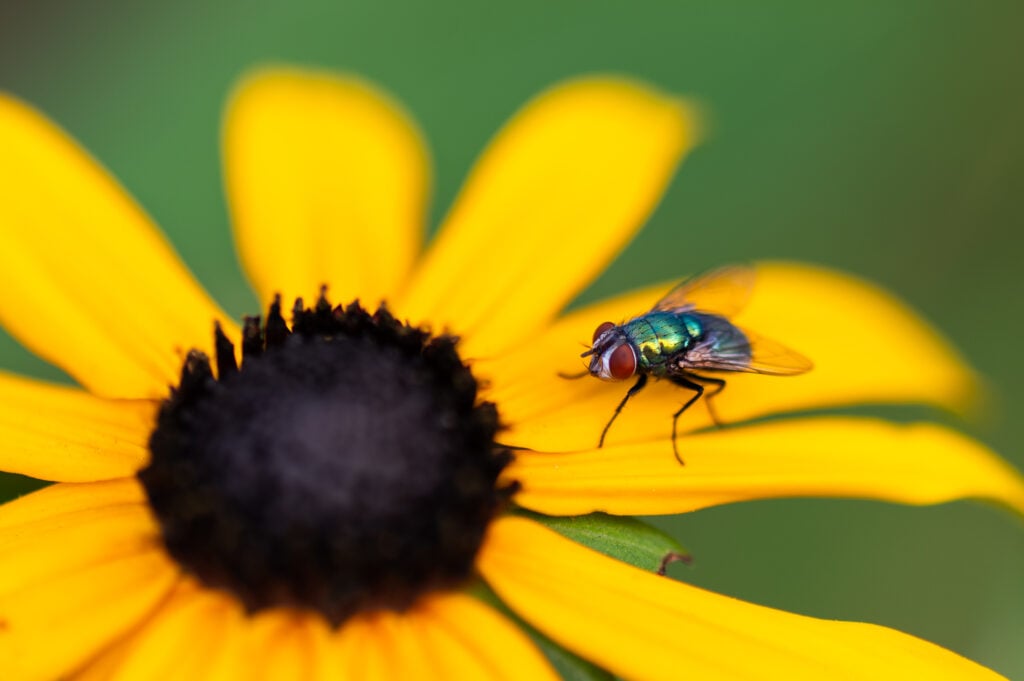
Overshadowed by charismatic animal icons like the polar bear, moose and beaver, the creepy crawlies — from slithering snakes to eerie insects — nevertheless play an outsized role in keeping the natural world in balance. Read on to see a few examples!
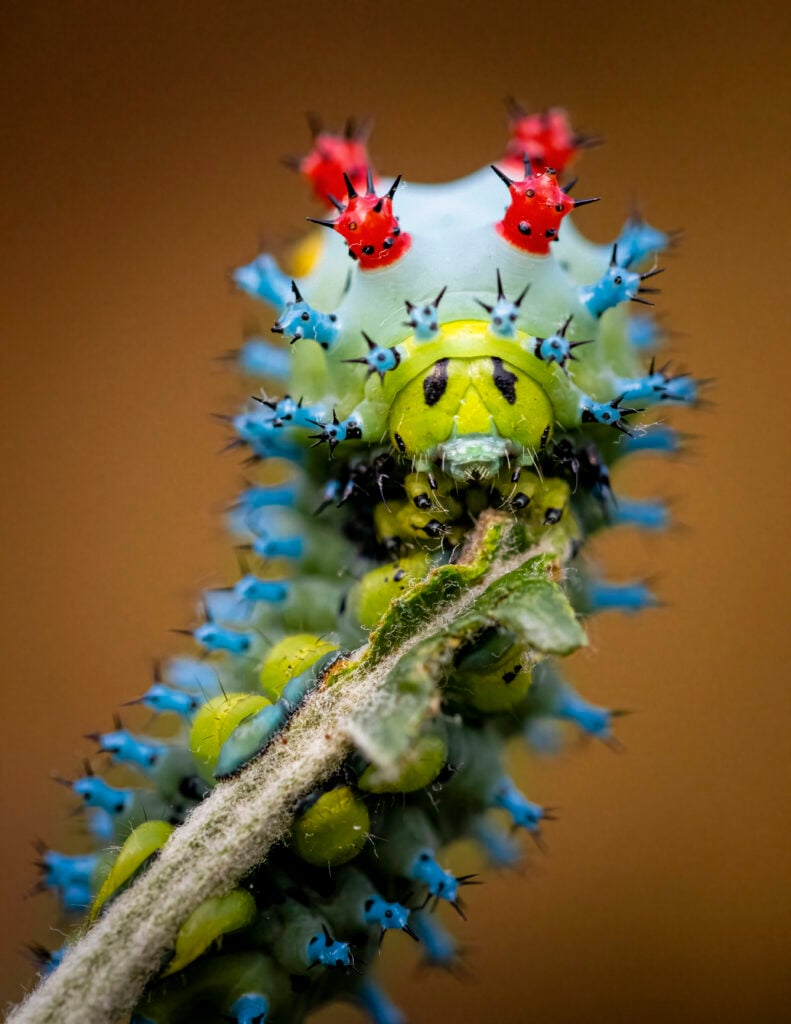
With spiny bumps (called tubercles) dotting its squishy, blue-green body, the cecropia moth caterpillar acts as a food source for dozens of predators, including squirrels, bats and birds. Like many other insects, this caterpillar plays a vital role in the food web, providing protein-rich food for other animals and spreading pollen once it matures into a moth.
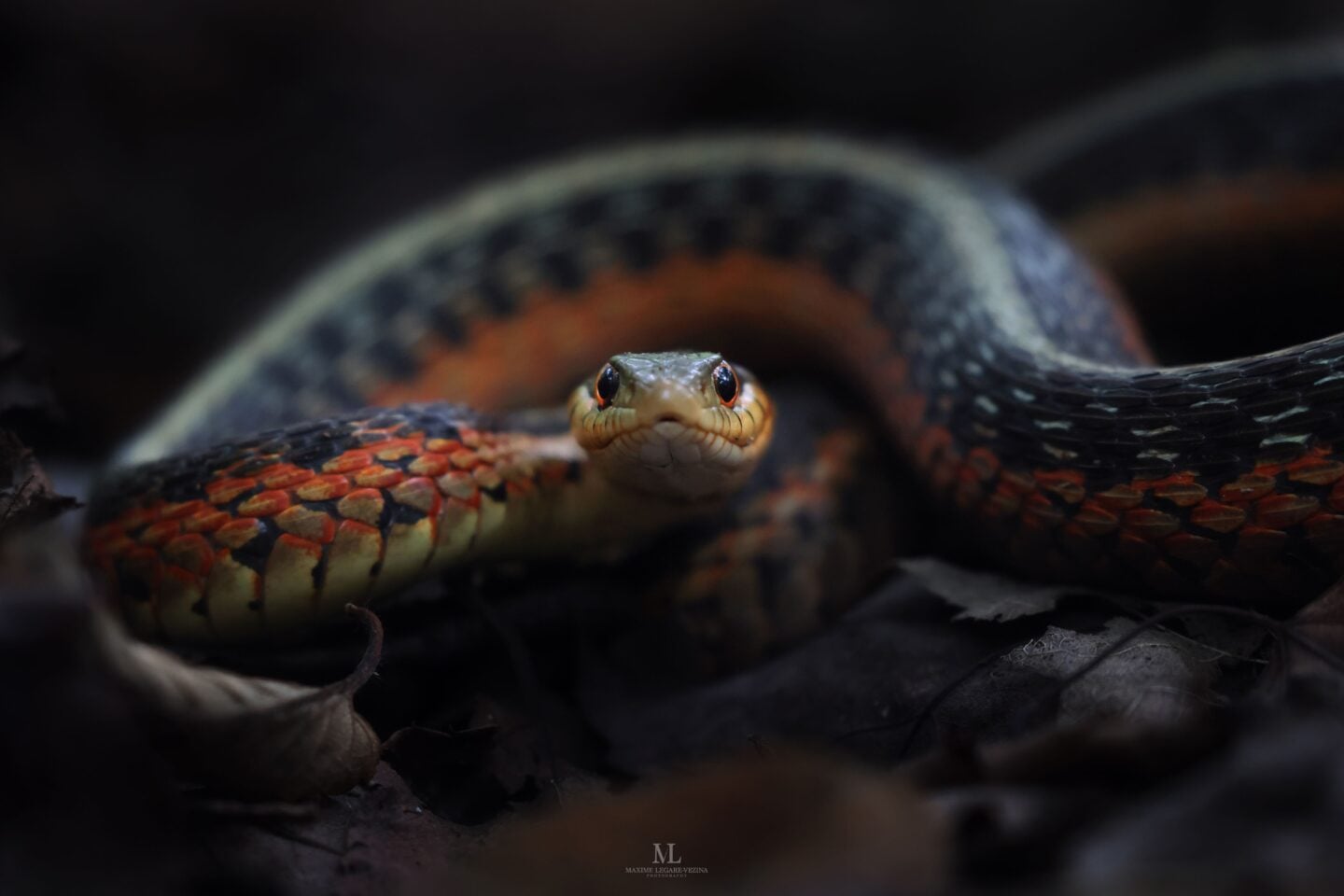
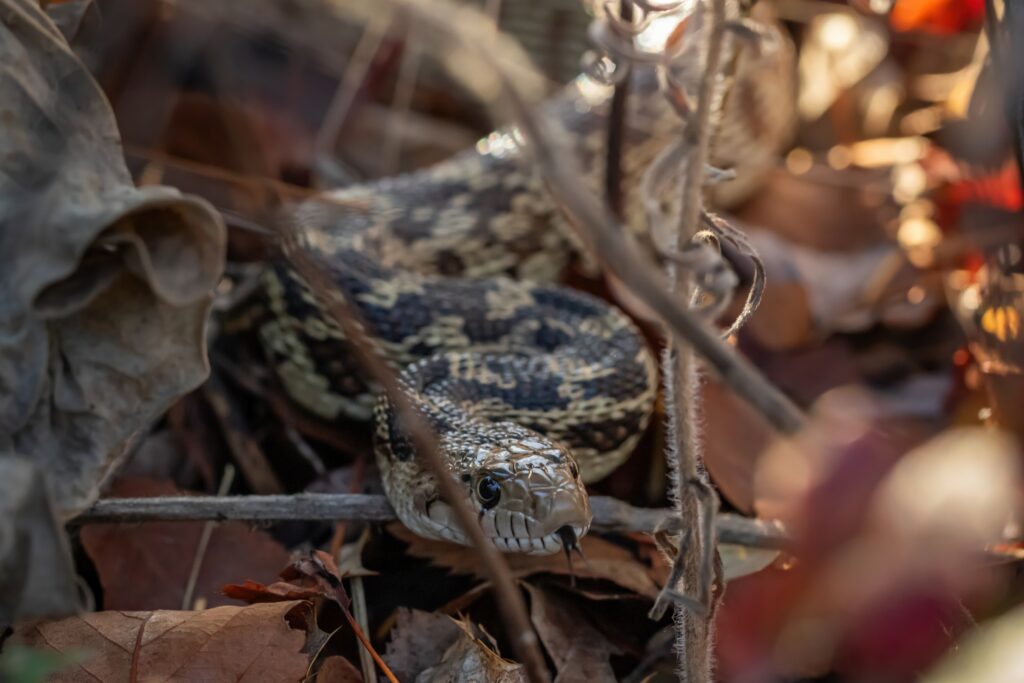
Feeding on small mammals and birds, the great basin gophersnake may raise goosebumps, but this subspecies of the nonvenomous colubrid snake is an essential natural form of rodent pest control. By controlling mice, rats and other small mammals, the great basin gophersnake helps maintain ecological balance and safeguards crops that these animals may damage.
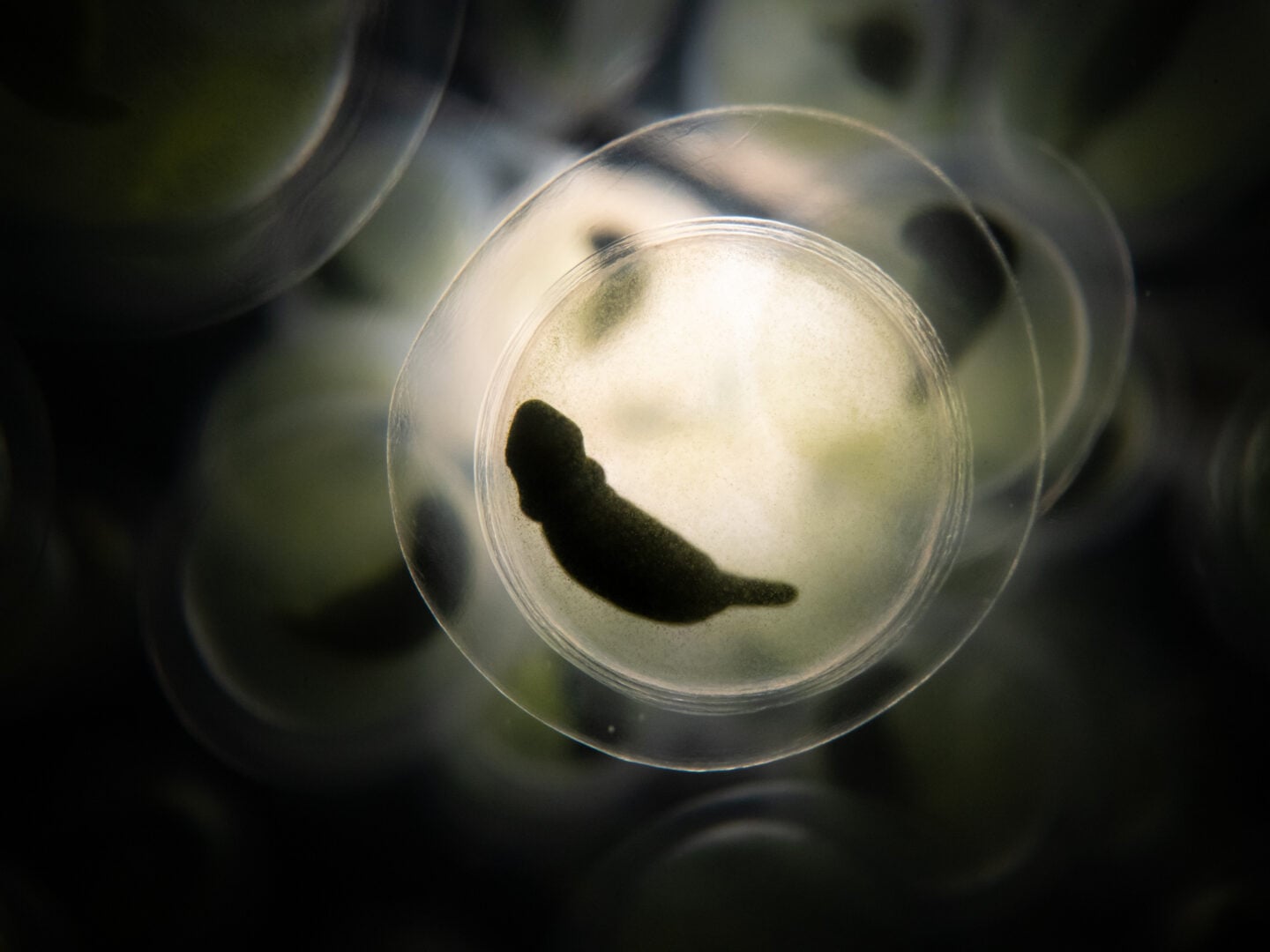
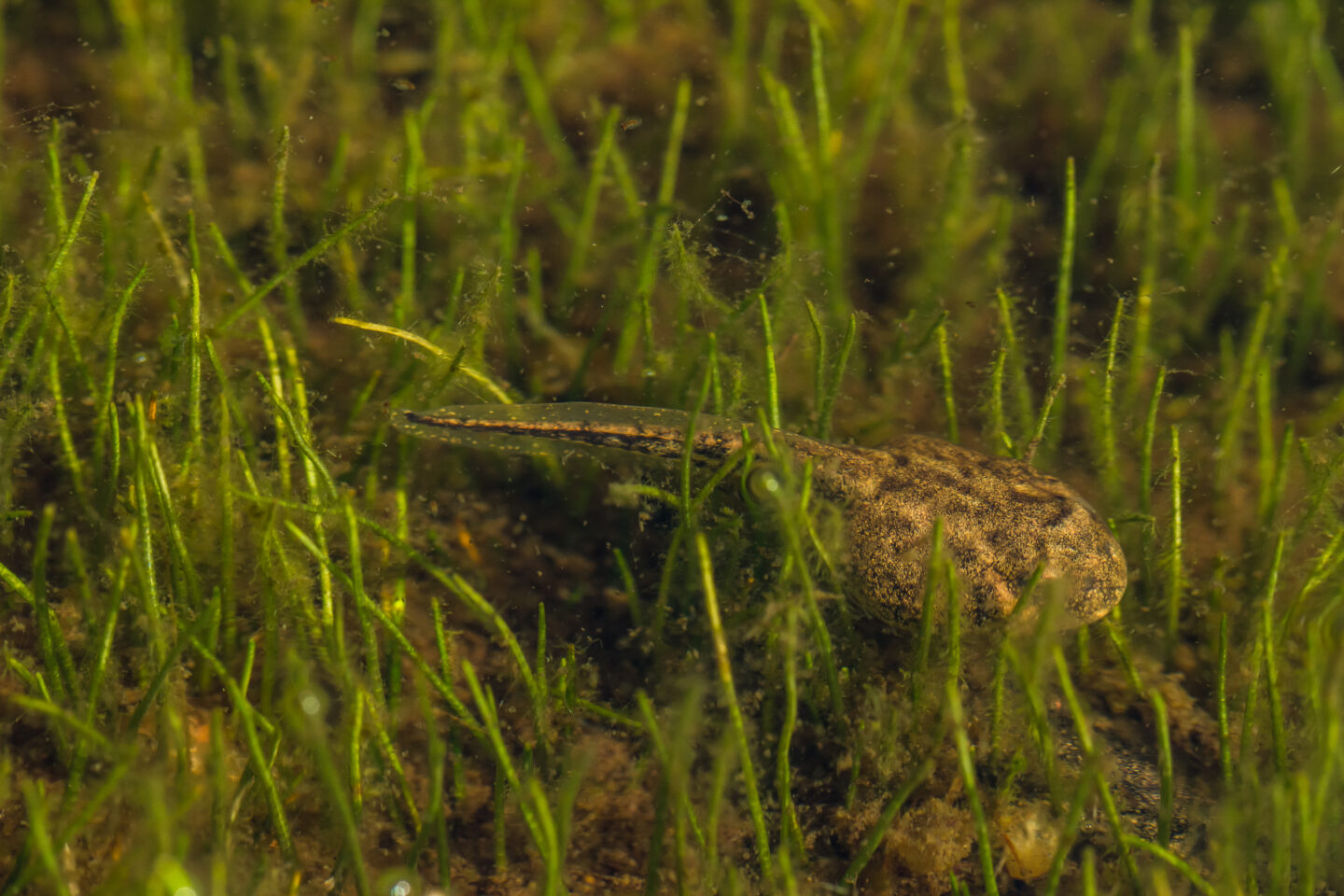
Arguably unsettling in large numbers, tadpoles can be off-putting, but without them, there would be a severe decline in insect-eating species. As the aquatic larval stage of frogs and toads, tadpoles undergo metamorphosis, developing hind legs, front legs and eventually lungs to breathe air, while their tails shrink and are absorbed. But even in their final stage of life as full-grown frogs and toads, these creatures can still make some stomachs churn. And while you might be tempted to kiss one, it’s unlikely to turn into a prince. What they do become, however, are nighttime predators of insects.
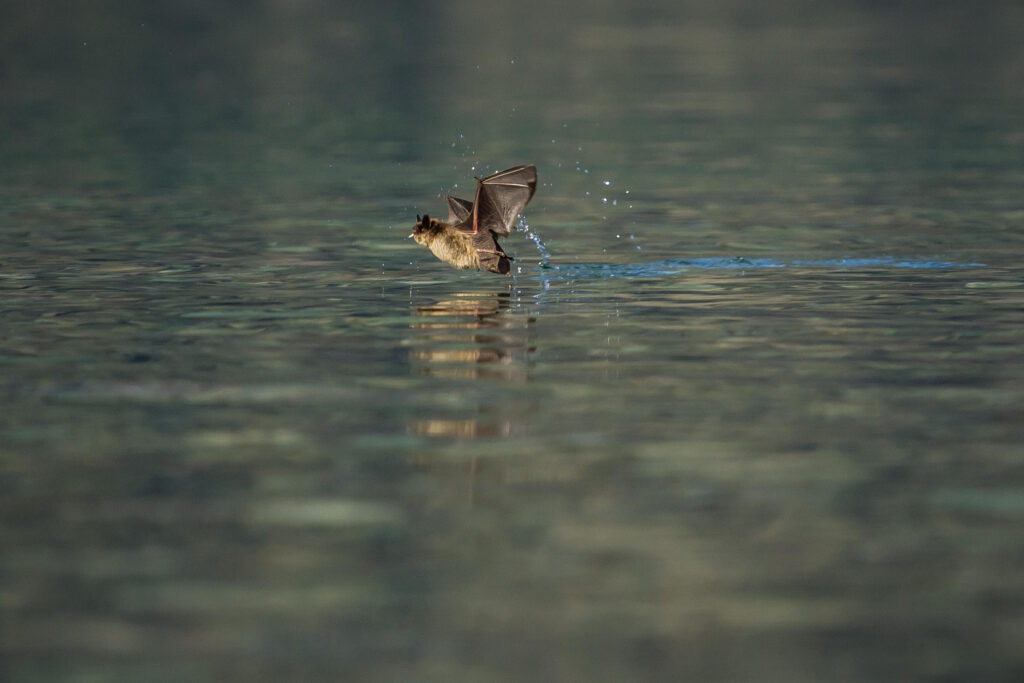
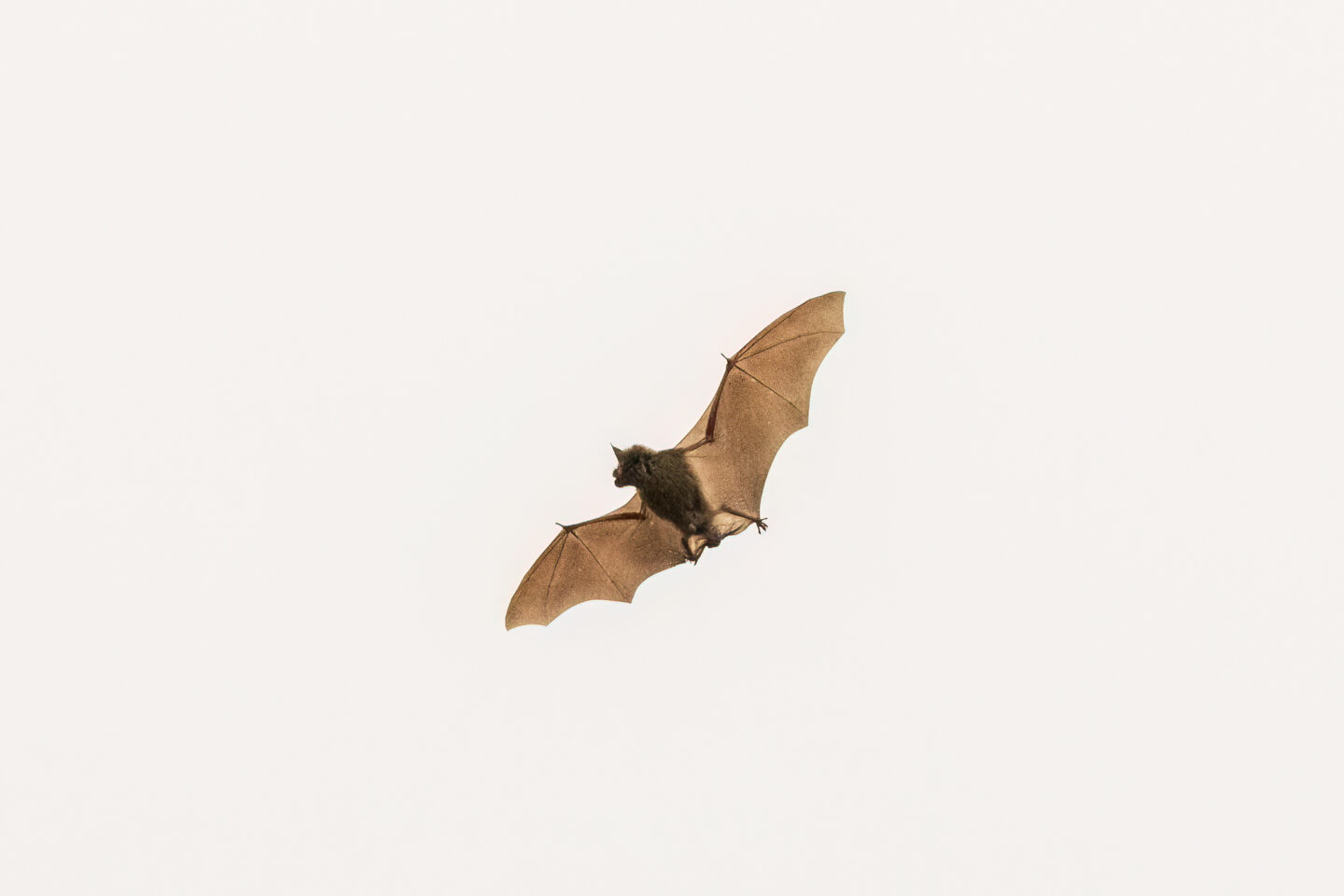
Along with black cats, bats are often seen as the ultimate Halloween icons, but they are far from villainous. As nocturnal hunters, bats are vital to maintaining balanced insect populations and preventing your tent from being inundated with mosquitoes. Common native Canadian bat species like the little brown bat, big brown bat and northern long-eared bat use echolocation to navigate and hunt at night. Their leathery wings are made of a thin, stretchy membrane called the patagium, which helps them glide through the dark. And yes, bats pollinate too! We may not always be able to see them, but it’s good to know these fanged flyers are out there doing their thing
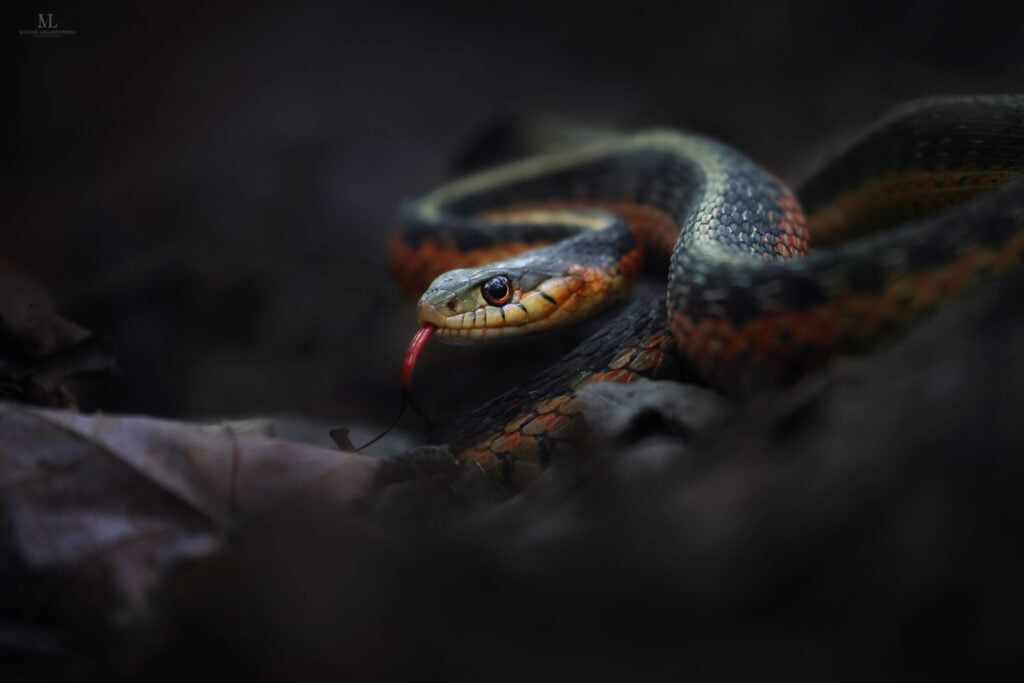
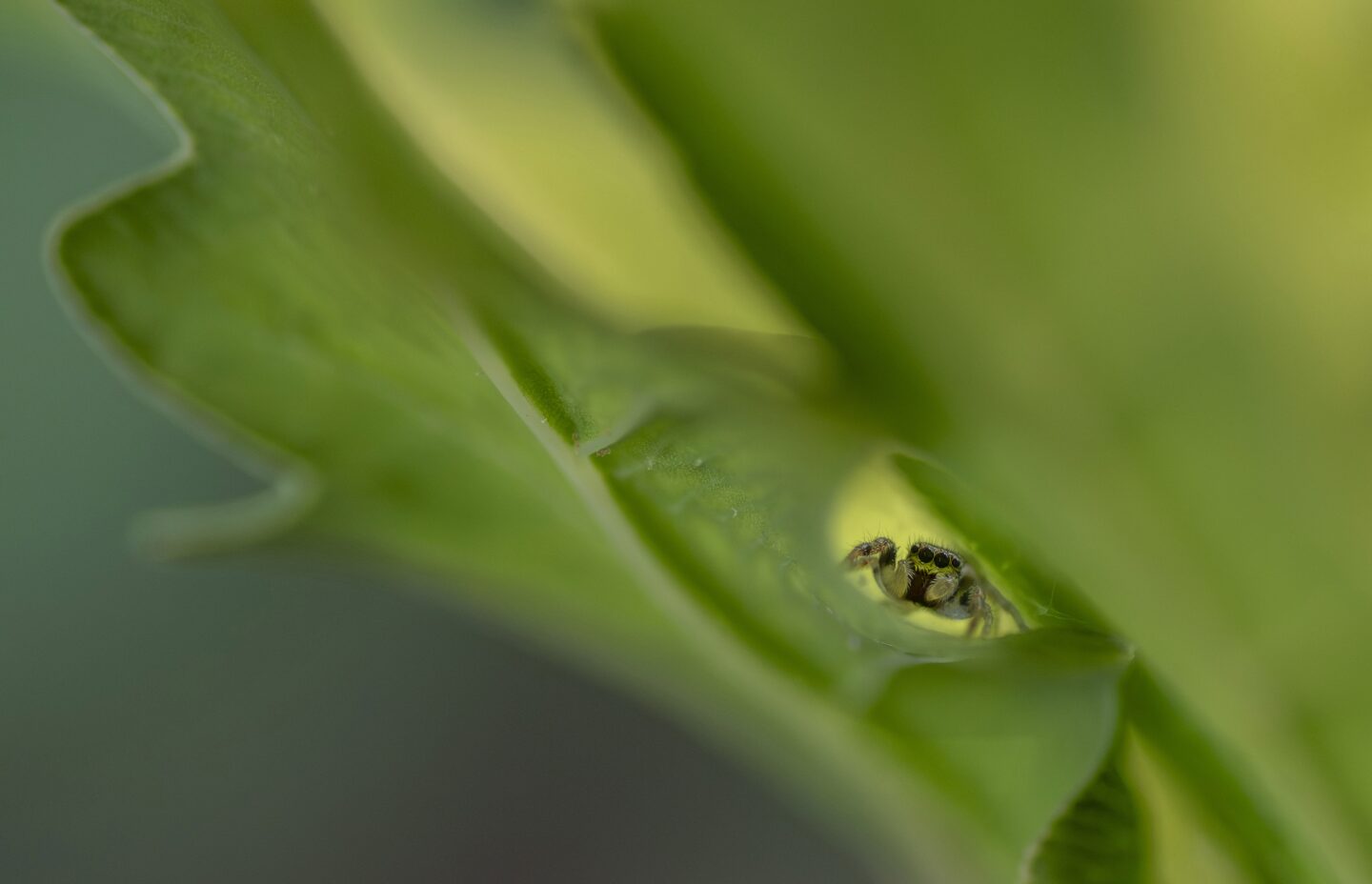
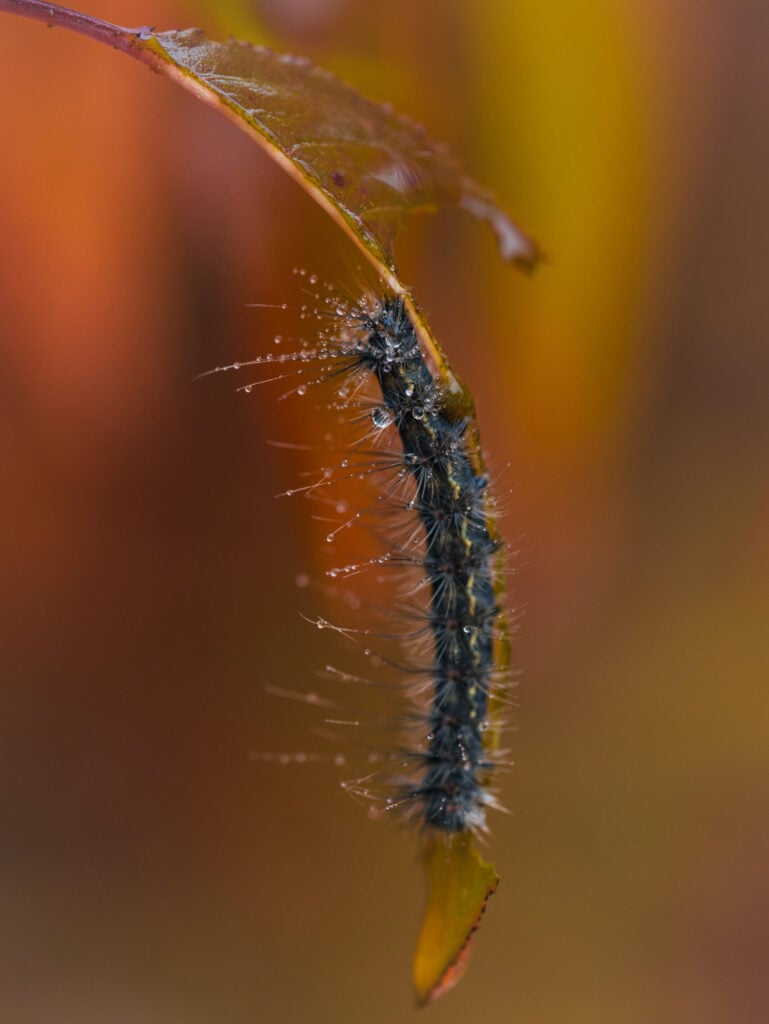
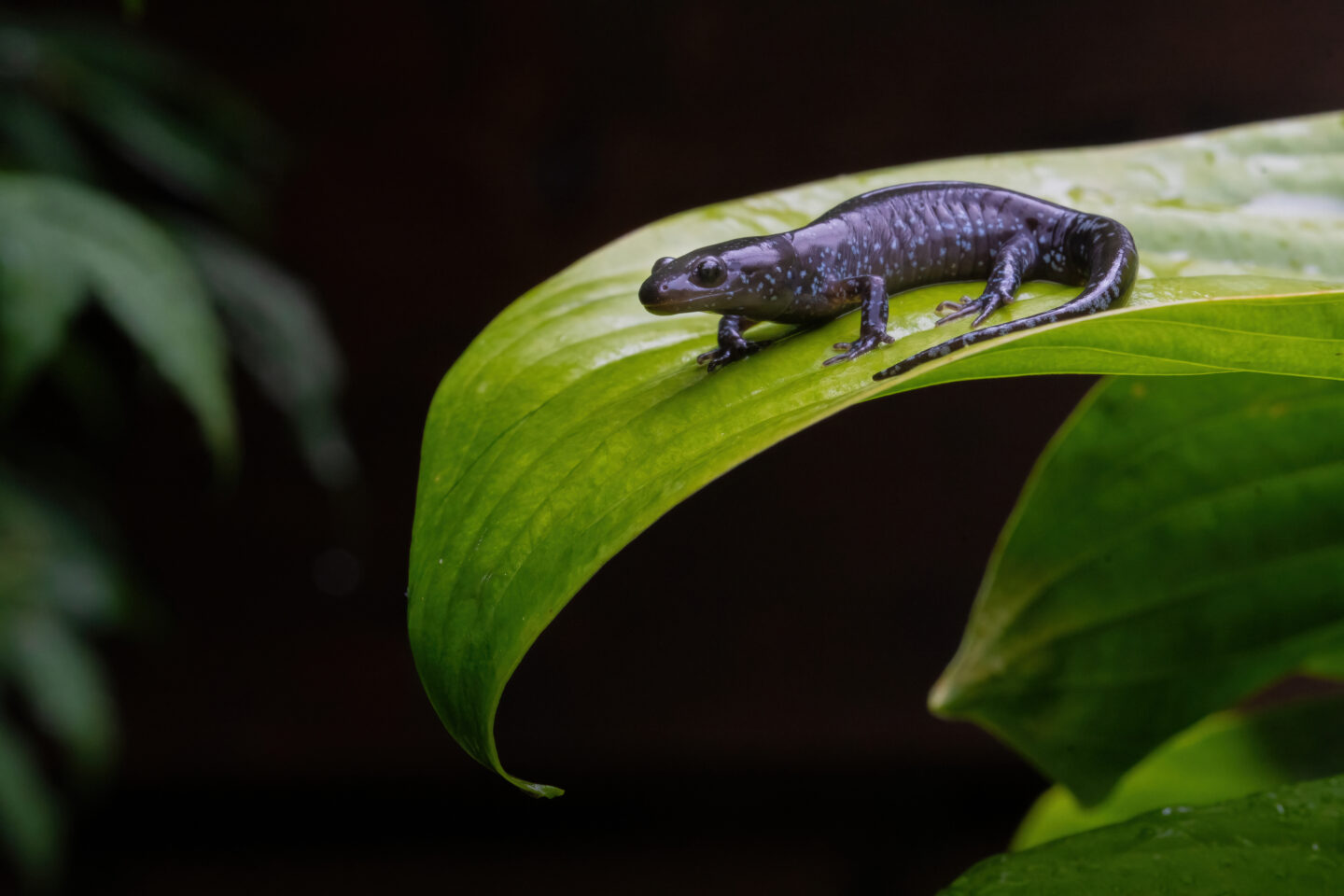
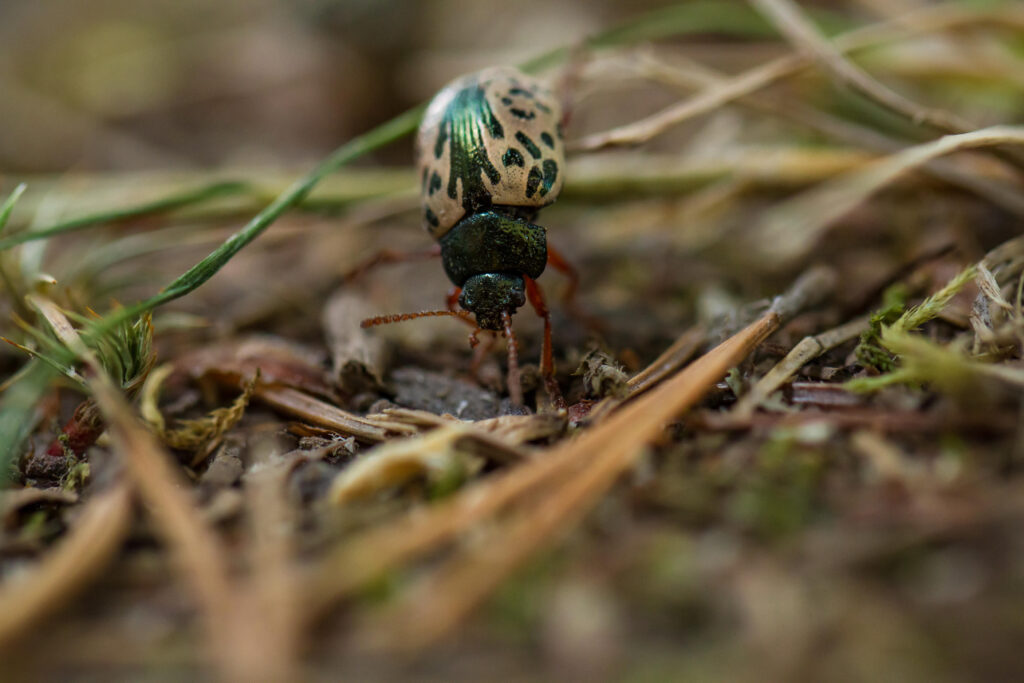
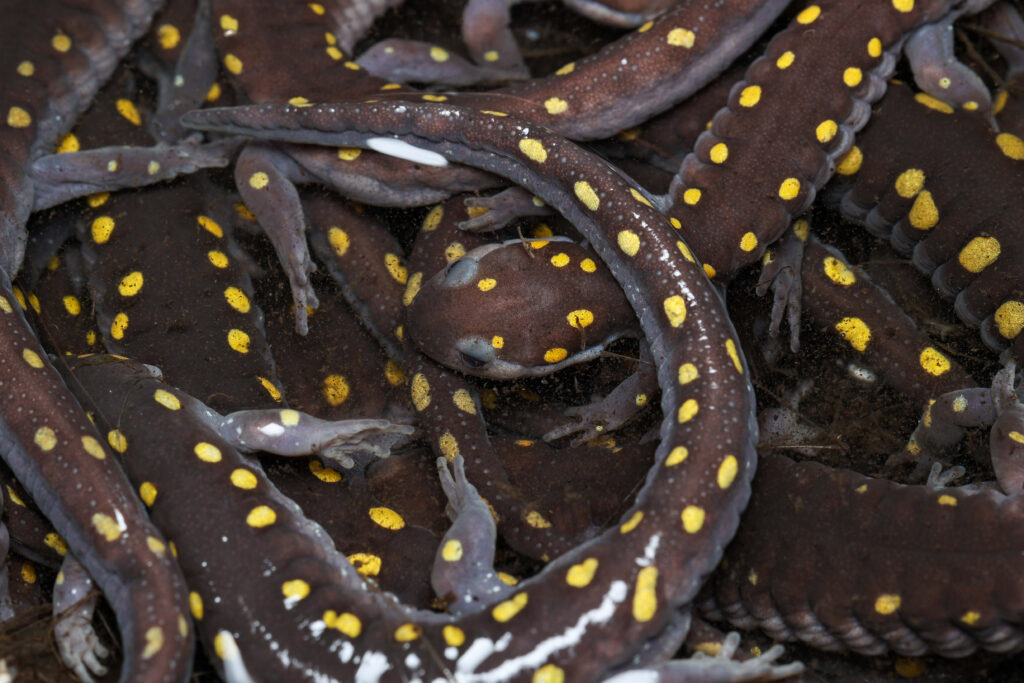
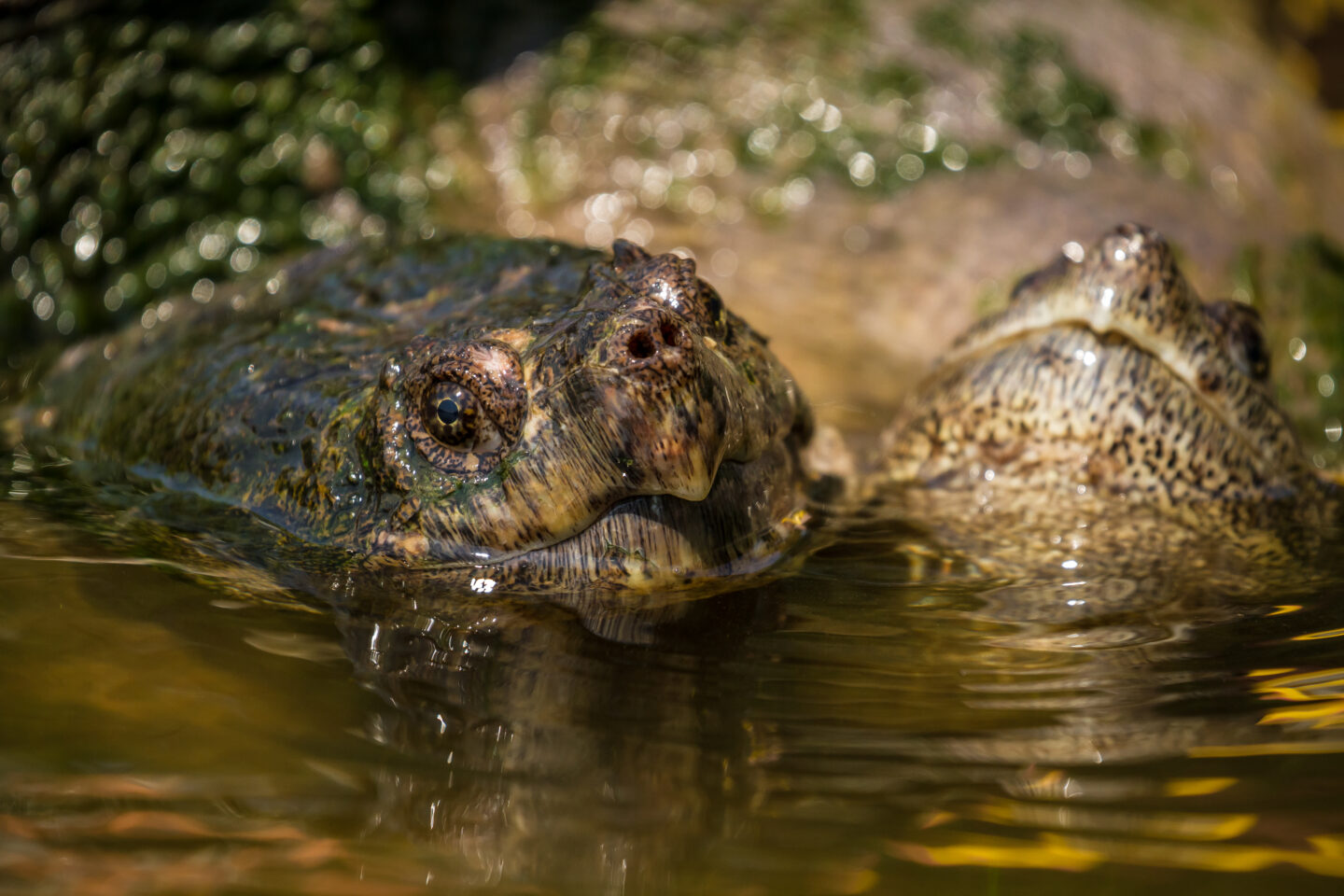
Below are photographs from the Canadian Geographic community showcasing some of our country’s most important spooky species. We think these images prove that snakes and frogs, bats and spiders are just as photogenic and worthy of appreciation as Canada’s megafauna.
Places
Each spring, a disquieting tangle of tens of thousands of gartersnakes emerges from their winter home, forming the world’s largest gathering of snakes

People & Culture
The best-selling author and explorer has already found nine of the 25 snakes, will he find the remaining 16?
History
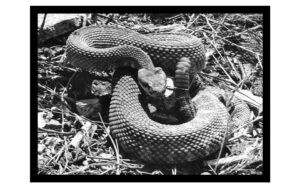
A look at the devastating environmental toll and the unlikely positive influence a historical conflict with rattlesnakes had on Canadian herpetology
Travel
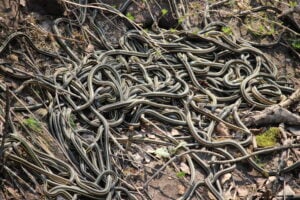
A bucket list experience observing the world’s largest concentration of snakes