
People & Culture
The biggest year in Canadian birds
A tale of joy and persistence: Logging Bruce Di Labio’s birding “big years” almost 50 years apart
- 4123 words
- 17 minutes
This article is over 5 years old and may contain outdated information.
Wildlife
A small island off the western coast of Prince Edward Island that once housed a resort will now be a 'hotel for birds.'

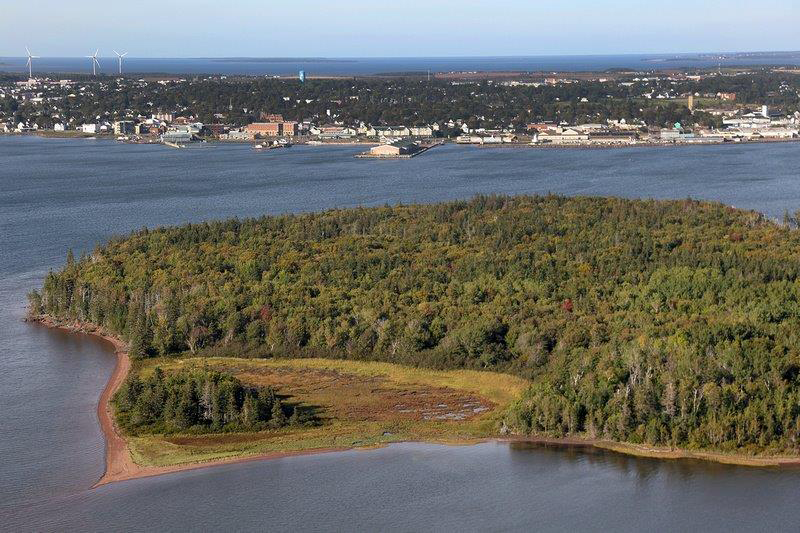
A small island off the western coast of Prince Edward Island that once housed a resort will now be a “hotel for birds.”
The Nature Conservancy of Canada (NCC) has acquired Holman’s Island in Bedeque Bay, protecting a significant habitat for migratory birds as well as a unique piece of P.E.I.’s history.
The island, located less than two kilometres from Summerside, was once home to the Island Park Hotel, the province’s first summer resort. The hotel burned down in 1904 and nature quickly took over, transforming Holman’s Island into a refuge for great blue herons, belted kingfishers, Canada geese, and the endangered red knot.
Julie Vasseur, program director for the NCC in P.E.I., says the acquisition of Holman’s Island is an important step toward the organization’s ultimate goal of protecting all of the province’s 19 coastal islands.
“P.E.I.’s islands are a biodiversity hot spot,” she explains. “They’re pockets of isolation away from the densely-populated mainland, which makes them so important for breeding birds.”
Because the island’s former owners, the Clark family, left the property mostly untouched, Holman’s Island is also home to almost 36 hectares of old-growth Acadian forest, adding to its attractiveness as a nesting ground for colonial seabirds.
“It’s really cool to go out there and see mature American beech and sugar maples and yellow birch and know that you’re in a forest that has been left alone for so long,” Vasseur says. “It’s like a snapshot of pre-settlement P.E.I.”
The island is publicly accessible and an easy paddle from Summerside, though Vasseur cautions there are no hiking trails or other infrastructure, and overnight camping and campfires are strictly prohibited.
The NCC has now set its sights on protecting P.E.I.’s Cascumpec Sand Hills, a barrier of sand dunes that divides Cascumpec Bay from the Gulf of Saint Lawrence and is also an important habitat for shore birds.
Related:

This story is from the September/October 2019 Issue
People & Culture
A tale of joy and persistence: Logging Bruce Di Labio’s birding “big years” almost 50 years apart
Mapping
These federally protected areas are located along avian superhighways — also known as flyways — traversed by millions of birds on their annual migrations. They provide vital stopover sites and breeding grounds.

Wildlife
Award-winning birder and acclaimed writer Pete Dunne explores how birds in North America have adapted to survive the challenges of the winter season
Travel
Spread your wings with birdwatching’s elite guard in south Texas