
Travel
A tale of two bagels
Alex Hutchinson goes inside the friendly rivalry between two titans of the Montreal-style bagel to figure out the secret of the doughy snack’s allure
- 1270 words
- 6 minutes
People & Culture
Cyclist Magdeleine Vallieres surprised everyone when she won the world championships last year. Now she’s coming home to defend her title.
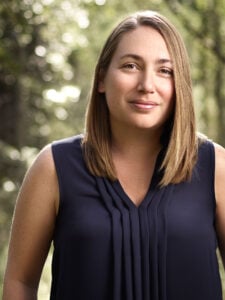
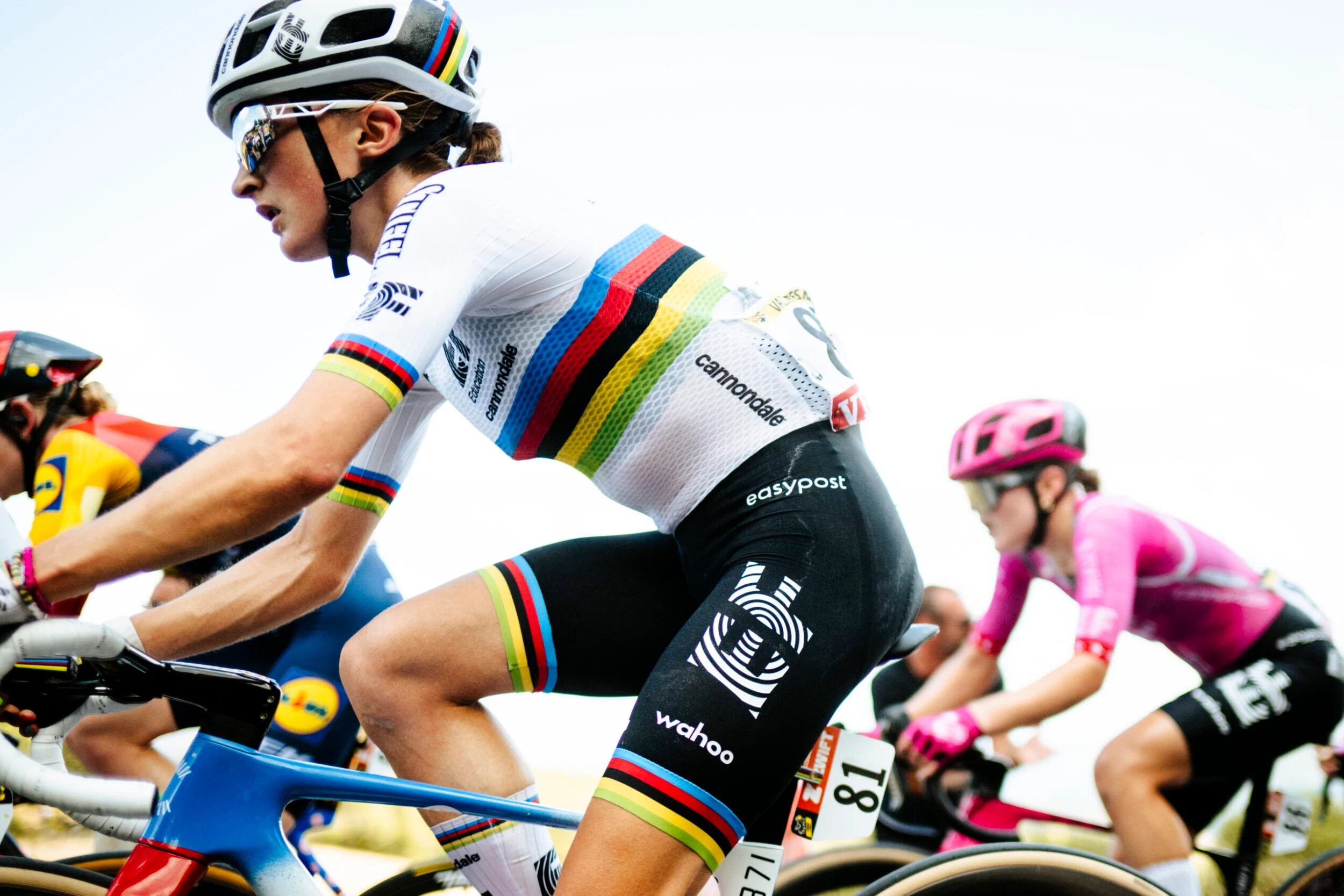
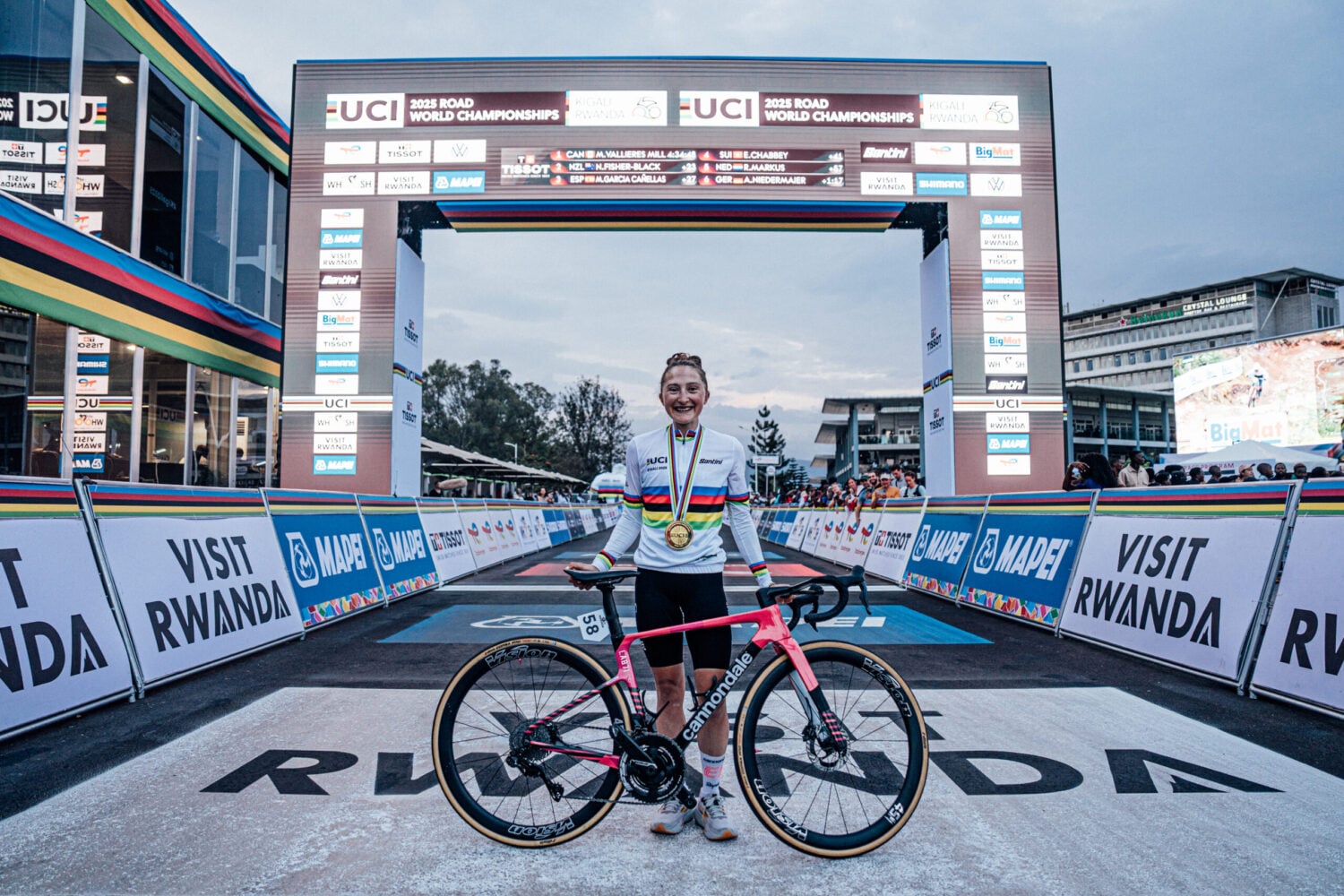
One year ago, in Kigali, Rwanda, a relatively unknown Canadian woman shocked the best cyclists in the women’s pro peloton and rode away with the road cycling world championships. Magdeleine “Mags” Vallieres had only won one previous professional bike race, in 2024. Suddenly, the 24-year-old from Sherbrooke, Que., was the world champion.
Now 25, Vallieres won’t be overlooked again. She rode this season in the rainbow-striped white jersey that marks a world champion in professional cycling, and even after her title passes to someone else, she’ll retain the right to wear more discreet rainbows on the sleeves of her racing uniforms for the rest of her career.
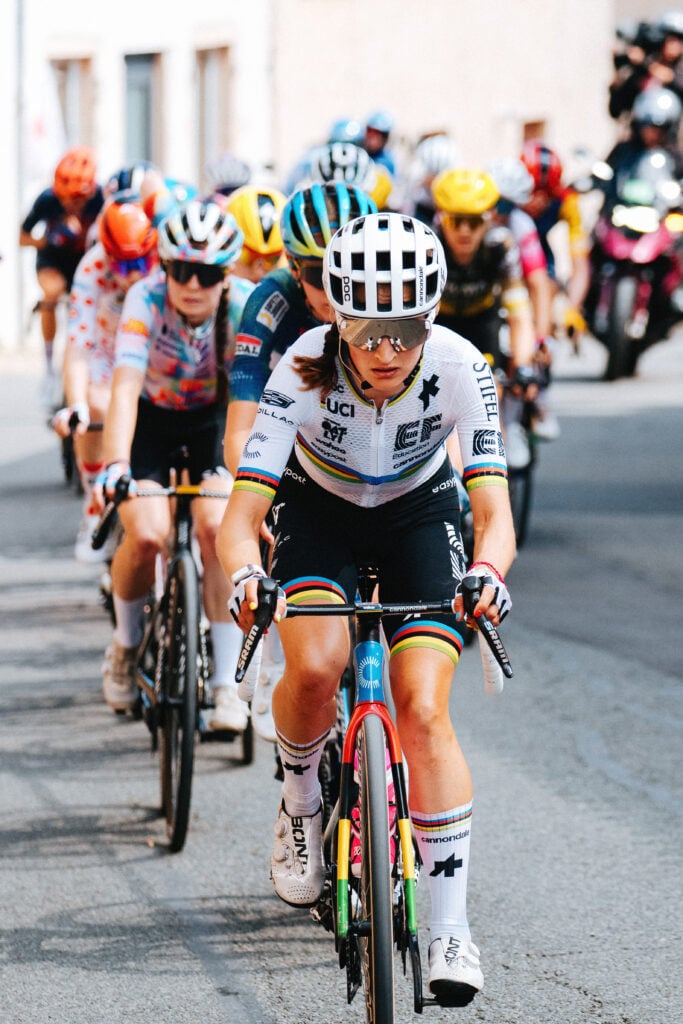
On September 26, she’ll defend her title in the 2026 women’s road cycling world championships. And she’ll do so close to home, in Montreal: the race will loop through the suburbs on the south shore of the St. Lawrence before sending riders up and around Mont-Royal for six grueling laps. Vallieres may have lost the element of surprise this time around, but the race is still the focus of her training for the year. “For sure, it’s a big target,” she says. “Coming with the [defending champion’s] #1 on the back, and at home, it’s unreal.”
As she prepared for the race, Vallieres spoke with Canadian Geographic about her path to the pinnacle of women’s cycling.
On getting started
My dad introduced me to the sport. He bought me a bike for Christmas one year, and he said, we’ll train a little bit and then next year we’ll go and meet where your mum lives, we’ll ride there. Which was one thousand kilometres away. So, I was nine years old and we left my hometown, Sherbrooke, and then we went to Carleton, in Gaspésie. We did it in nine days, so a bit over a hundred [kilometres], average, per day, with the luggage and everything. I could have either really hated it or really loved it, and I think I just fell in love with the sport then.
When we came back, my dad put me in a club, Club Cycliste de Sherbrooke, and to be honest the first few years I was not that interested in racing. We just did these trips and that’s more what I liked. And then when I got into high school I went into a sport program, and then we did more mountain bike, cyclocross, a bit of BMX, a bit of road, and then I got more into competition.
[Eventually] I went to the world championship in Austria, and that was my first experience in an international peloton. It was only one race, and it was my first race, and I thought, this is not for me. This is too scary in the big bunch like this. I also broke my thumb the day before, so I raced with a broken thumb, with a cast, so maybe that’s why it felt even extra scary.
But yeah, it was a big jump. And then, the more you race, the more you get kind of used to it. The more you learn, I wouldn’t say it gets easier but you get a bit better and you’re able to race more.
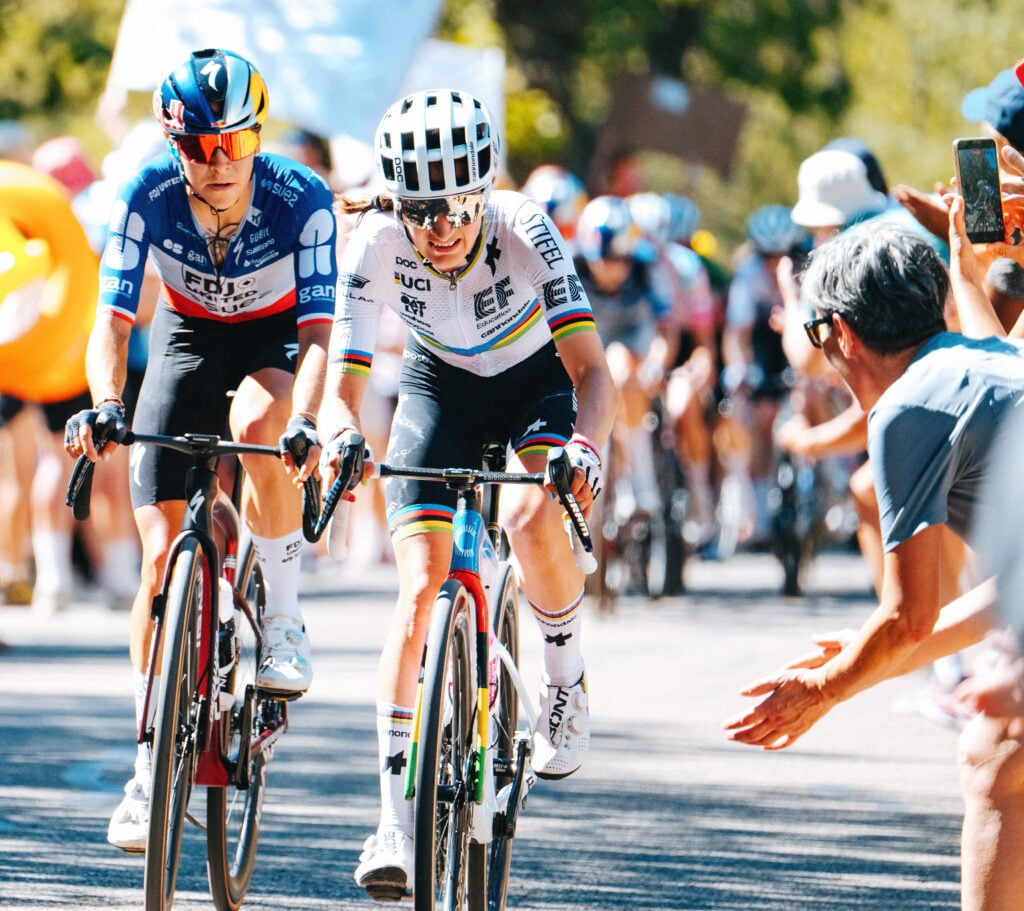
On winning the World Championships in Rwanda last year
To be honest I didn’t expect it at all. It’s always a goal to win, and I think all athletes kind of have this feeling that they want to win, and when you start a race that’s always what you need to tell yourself. But I had won one race in Europe before, one international race, and it was a smaller one, so [winning the worlds] was not in my real expectations… I knew I was the strongest I had been, I knew the course was really good for me, but I didn’t expect it. When I won, it was one of the greatest moments, but also I was a bit lost. There was a lot of emotion.
On her strengths as a rider
I think I’m better when it’s really a course that you will have to suffer. That’s maybe a weird strength to have. In Kigali, the course was a lot of climbing, but also a lot of repetition of climbs, so every lap you get a bit more tired and a bit more tired. I normally keep the same level; even when people are getting tired I’m kind of the same as I was at the beginning, so that’s where my strength was. And also it was at altitude, which makes it a step harder, and then the quality of the air also made it a bit harder, so altogether it made quite a good course for me. [Laughs]
What’s interesting about the Montreal course is that it fits a lot of riders. I think [the winner] could be someone that’s more of a sprinter, it could be more of a climber, it could be an all-around rider, because it’s a circuit but the climbs are hard, but maybe not hard enough – it’s kind of a big mix, a lot of scenarios.
I’m hoping I can make it a scenario that fits me better. That’s the goal.
On returning to Montreal
I raced [in Montreal] quite a lot when I was growing up. We did Mont-Royal, Camillien-Houde a few times, so I have great memories of doing that climb. And then food, well, my dad used to work in Montreal a little bit in the week, so when I didn’t have school I would go with him, and we would often stop to get bagels.
I think for sure after the race I have to go get some bagels to enjoy.
Travel
Alex Hutchinson goes inside the friendly rivalry between two titans of the Montreal-style bagel to figure out the secret of the doughy snack’s allure
People & Culture
For the first time in Canadian Olympic history, more women will be competing than men — see where our athletes hail from

Travel
Plan a spring getaway around these activities the whole family will enjoy
Environment
Myra Hird, a sociology professor at the School of Environmental Studies at Queen’s University in Kingston, Ont., discusses why recycling isn’t a perfect solution