Environment
Inside the fight to protect the Arctic’s “Water Heart”
How the Sahtuto’ine Dene of Délı̨nę created the Tsá Tué Biosphere Reserve, the world’s first such UNESCO site managed by an Indigenous community
- 1663 words
- 7 minutes
People & Culture
The Grande Prairie-based artist, gallery owner and city councillor uses sculpture, storytelling and community-building to challenge stereotypes
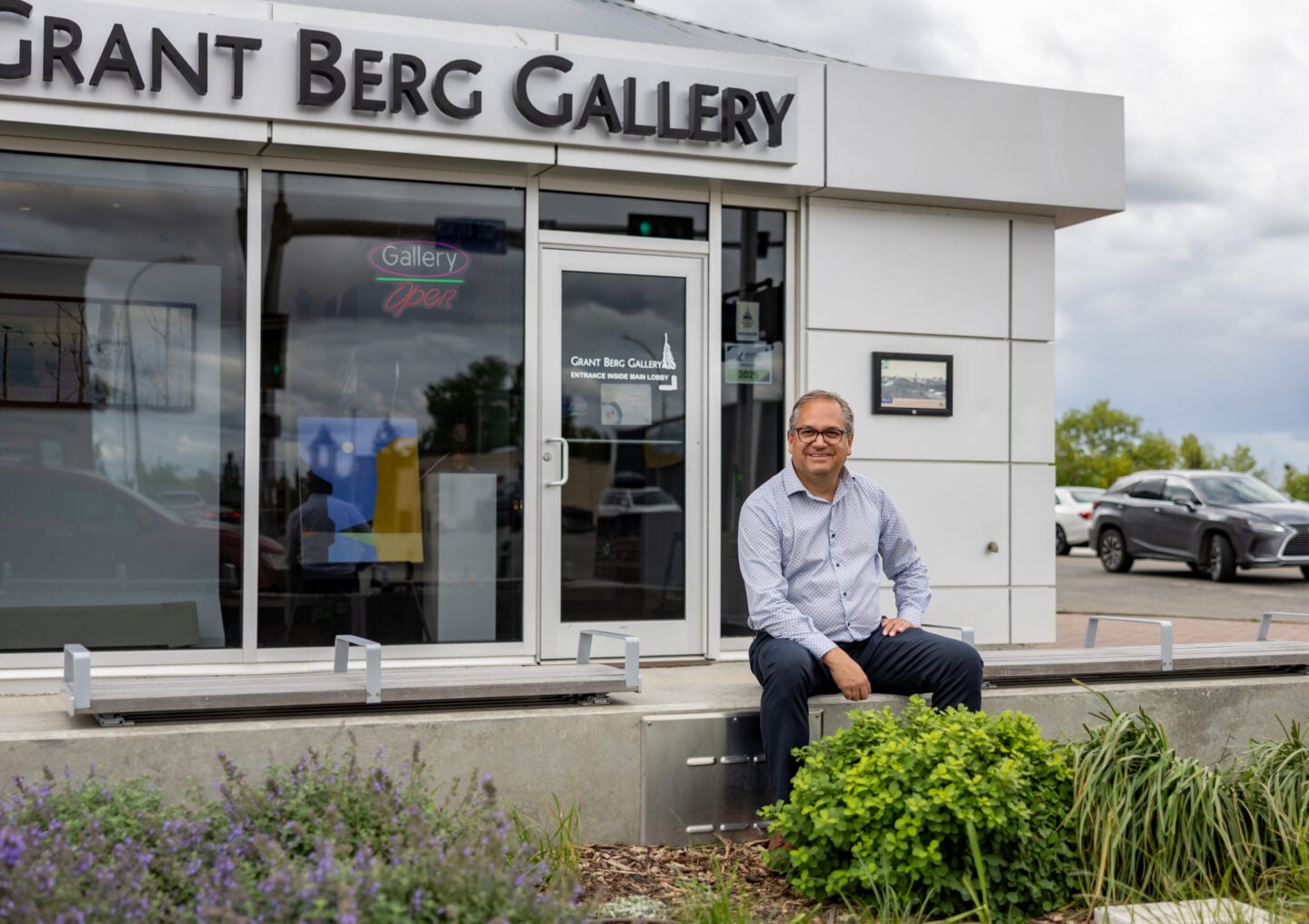
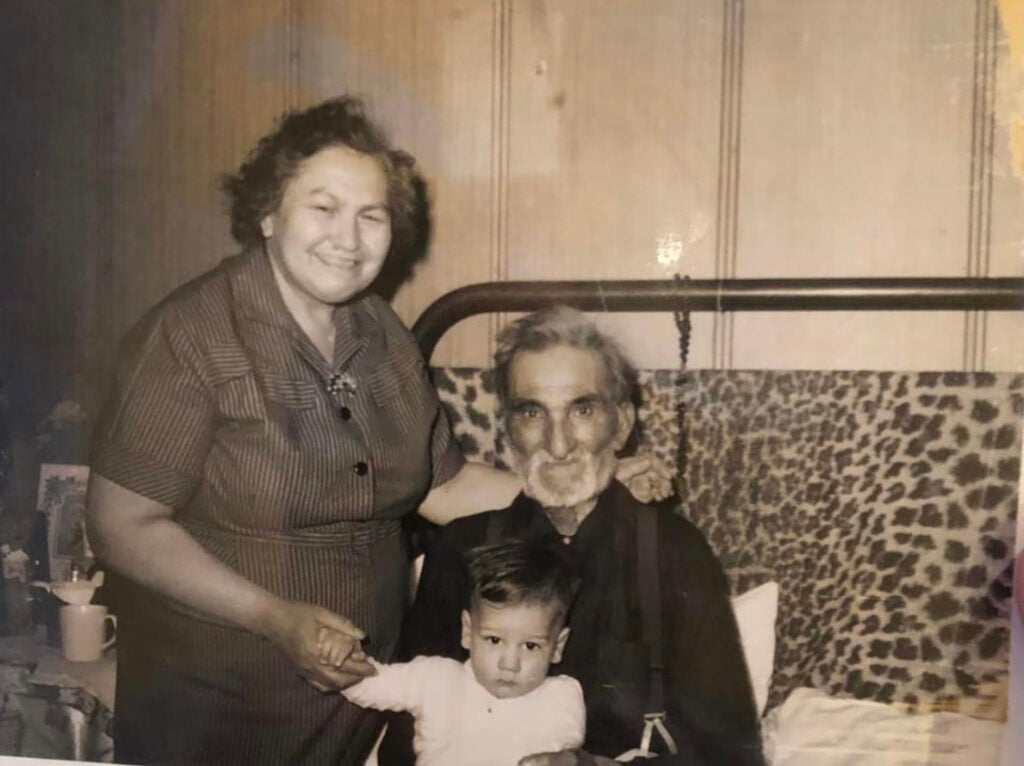
Cree-Métis sculptor Grant Berg still reminisces about making art with his grandmother while growing up in northern Alberta. He helped her attach miniature trees and plastic animals to driftwood, and she sold their handiwork at a local community market in Tofield, Alta.
Today, Berg is best known for carving trees from stone, often incorporating bears, wolves, or ravens into the base. His art is rooted in the landscape he works to protect and promote.
In 2016, he opened the Grant Berg Gallery, Grande Prairie’s only commercial art gallery. Featuring 55 Canadian artists, more than half from the Peace Country, the gallery challenges the idea that northern Alberta is defined only by oilfields, pickup trucks, cowboys, or proximity to the Rockies. Located in the city’s tallest building, 214 Place, which rises 14 storeys above the prairies, the gallery is a fixture in the community — much like Berg himself.
Despite lending his name to the gallery, Berg doesn’t make himself the centre of the story. He is an enthusiastic ambassador for the Peace Region and a steadfast supporter of its community, using his platform to promote local talent, preserve local history and broaden perspectives of northern Alberta.
This interview has been edited and condensed for clarity and length.
I’ve always been an artist. My grandmother taught me how to craft and encouraged me to be active in the community. I’ve explored all sorts of different mediums, from drawing cartoon characters as a young boy to watercolour painting in my 20s and now writing song lyrics.
I felt magic happen the first time I worked with Italian soapstone. In my sculptures, the tree often represents Mother Nature or my grandma, but not always. When I create, I don’t want to force anything — I want it to be natural. For example, the Over the Bow sculpture represents my ancestors. Over time and through no fault of their own, their roots were swept out from under them. Some were lost and forgotten; others rebalanced and reached for the sun. Because of their ability to adapt, they now stand out for their resilience, as beautiful as the trees in the forest.
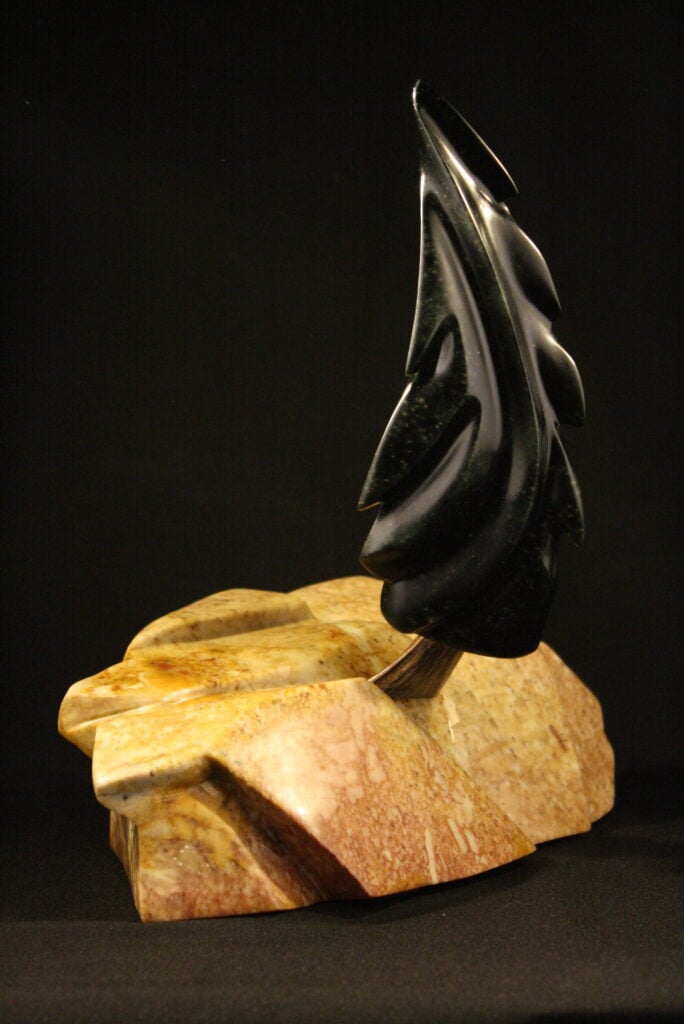
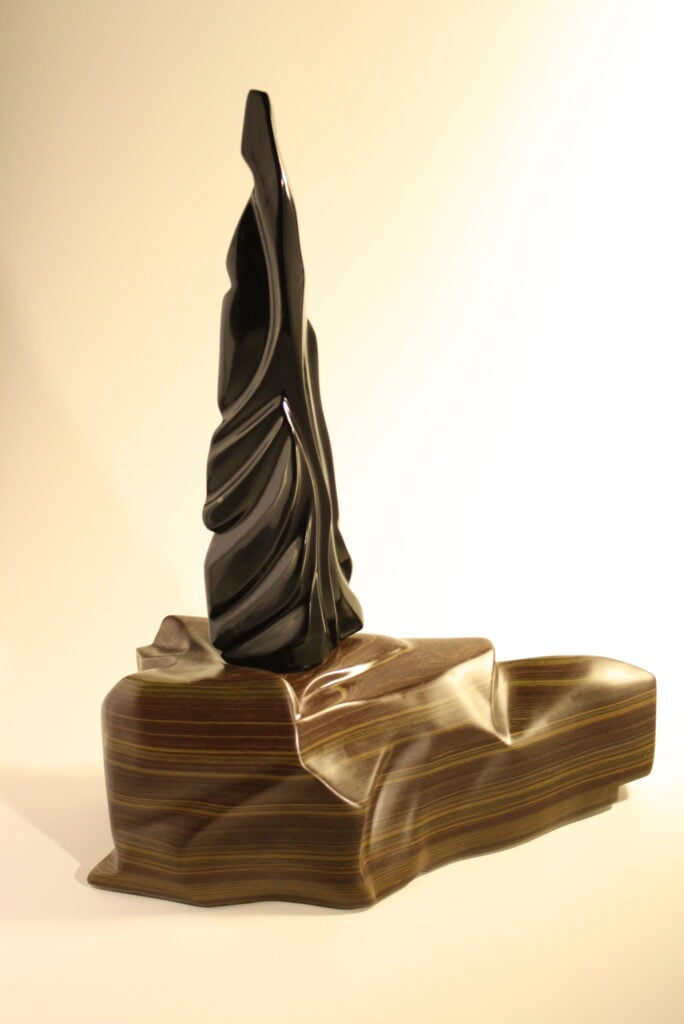
I want to make art accessible for everyone. Grande Prairie is mainly known for the oil and gas industry, not its art scene, yet it has an impressive array of art and talented artists. It shocks people when they come here. Our winters are so long, and we spend so much time indoors, so we take the time to make music, write, draw, paint, sculpt, photograph and cook. I love it when people push and explore their full potential and creativity in any form. Art opens up who you are and appeases the soul.
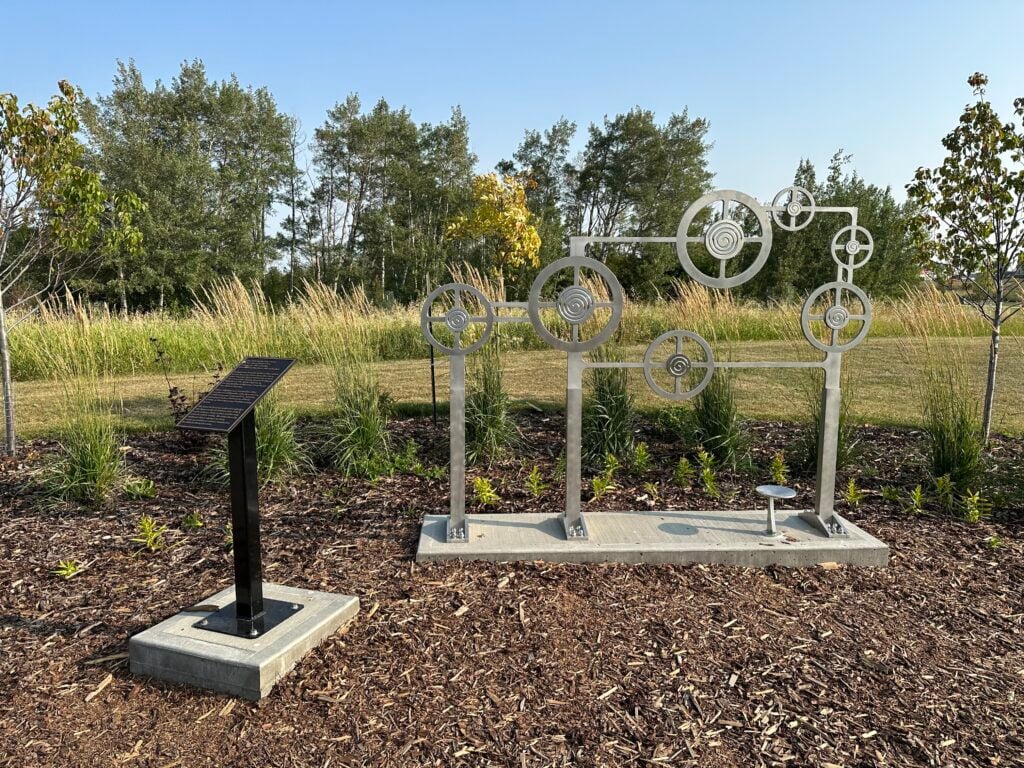
I was asked to contribute a public art piece to the Blossoming Garden of Hope, a place for people who are grieving the loss of a child. Next to the park is a fun dinosaur-themed playground, so parents can be with both the living and the children no longer here. When the news about unmarked graves at residential schools broke, all I could think about were the lost and lonely souls trying to find their way back home. At first, I wasn’t sure I was the right artist to create such an emotional piece. I felt the weight and significance of the project might be too much for a softie like me. Some Indigenous People believe we are born from the stars and return to the stars when we die. To reach the afterlife, we must travel through the Hole in the Sky. I created this sculpture to help the children find their way back home.
I wanted to create a story to immortalize and honour my grandmother, who had a beautiful soul. She was born in 1910 in northern Alberta and avoided the residential school system. Life was never easy for her, but all she left behind was beauty. The books are based on her resilience and spirit. A lot of Indigenous girls don’t have a role model, or it’s just Pocahontas.
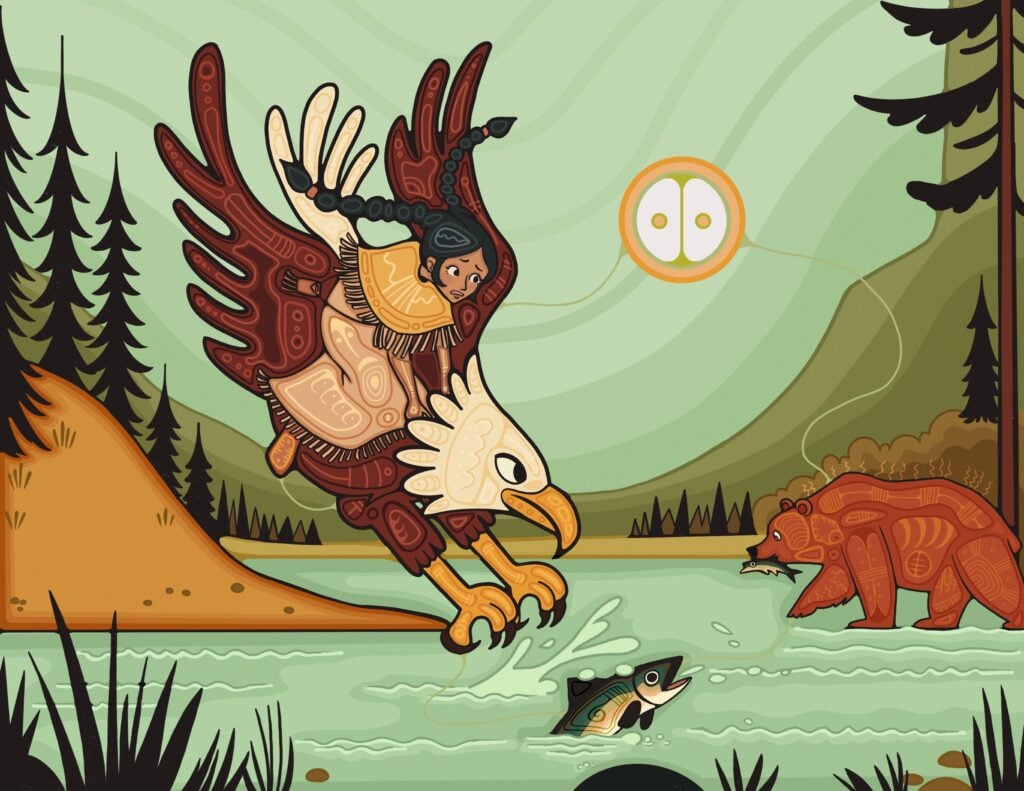
I hired Phoebe Riel, a young Indigenous woman from Calgary, to illustrate my children’s books in the Woodland Style, which is part of where my ancestors come from. It was important to me to try and elevate that art form. The first book, Astina and the Quest for Medicine, will be published in October 2026.
I love Alberta. It’s home. I was born in Edmonton and moved to Grande Prairie in 1991. Because Grande Prairie was such a young city, I felt that it could still be moulded and developed for the future. I wanted to be part of writing that story, so I started volunteering to build community and culture. I was juried into the Alberta Society of Artists, sat on the Premier’s Council on Culture and served as chair of the Art Gallery of Grande Prairie. I’ve fought to protect our history, the natural environment and the stories that shape who we are, but I don’t necessarily need my name attached to what I’m helping to build.
There’s a quote often attributed to Louis Riel: “My people will sleep for one hundred years, but when they awake, it will be the artists who give them their spirit back.” As an Indigenous artist, I feel I have a personal responsibility to take that on rather than ignore it.
Environment
How the Sahtuto’ine Dene of Délı̨nę created the Tsá Tué Biosphere Reserve, the world’s first such UNESCO site managed by an Indigenous community
People & Culture
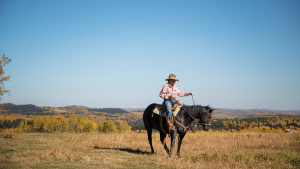
The ultimate goal of vaquero horsemanship is to produce a “finished” horse: an exceptionally responsive animal that is a true partner to its rider
Places
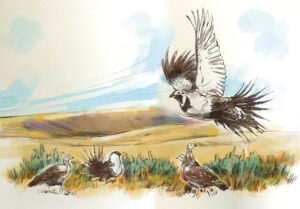
“All the mischiefs humans and the universe are capable of inflicting on an ecosystem have conspired to attack the prairies.”
People & Culture
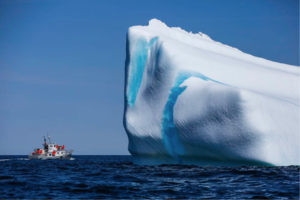
Gawking tourists, idealistic humanitarians and the discerningly thirsty all want a piece, but the question remains: who owns the icebergs?