Wildlife

How Montreal turned an asphalt sprawl into a biodiversity highway

The Darlington Ecological Corridor provides safe passage through the city for urban wildlife — and puts food on the plates of those in need

[ Disponible en français ]
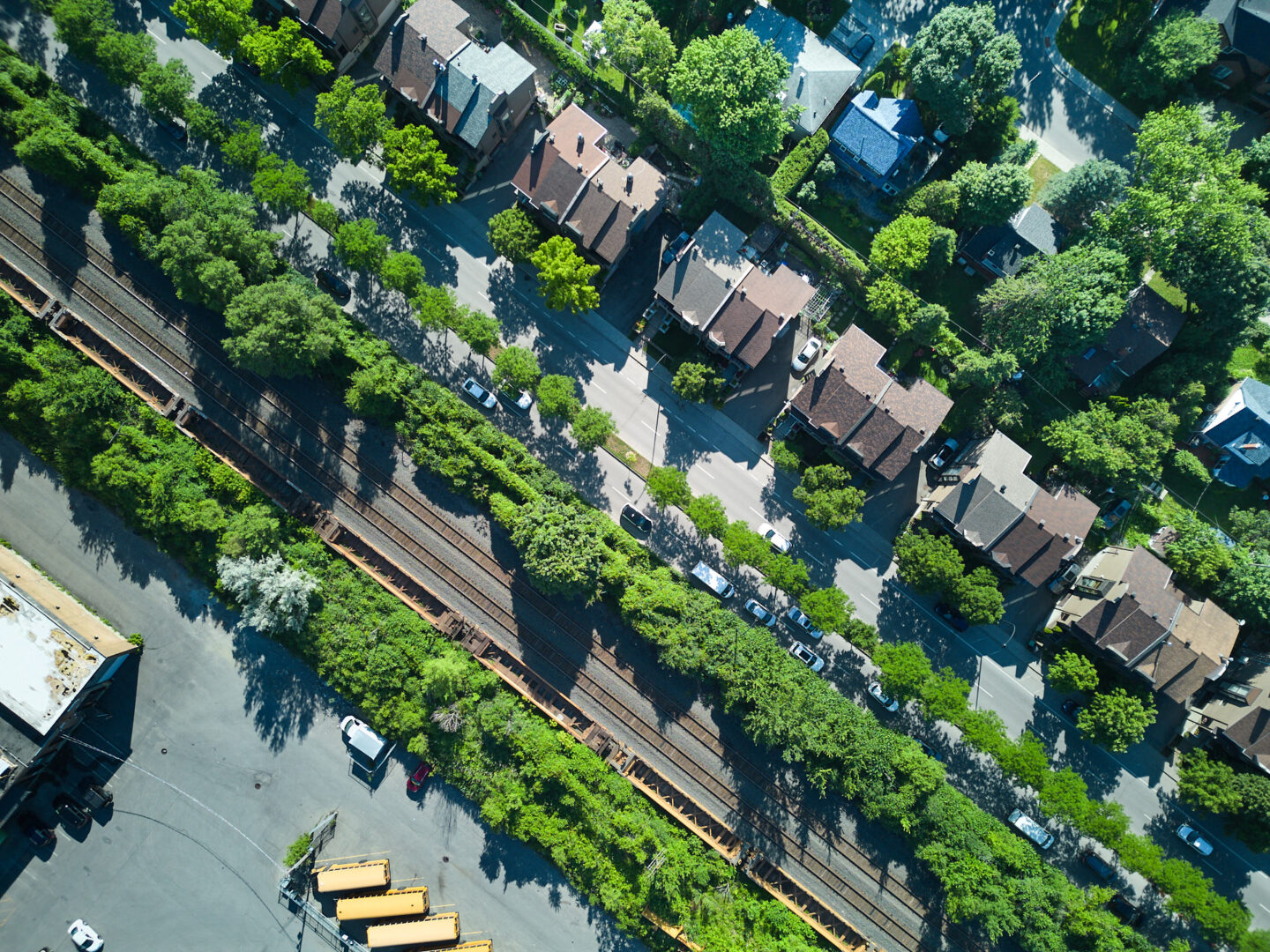
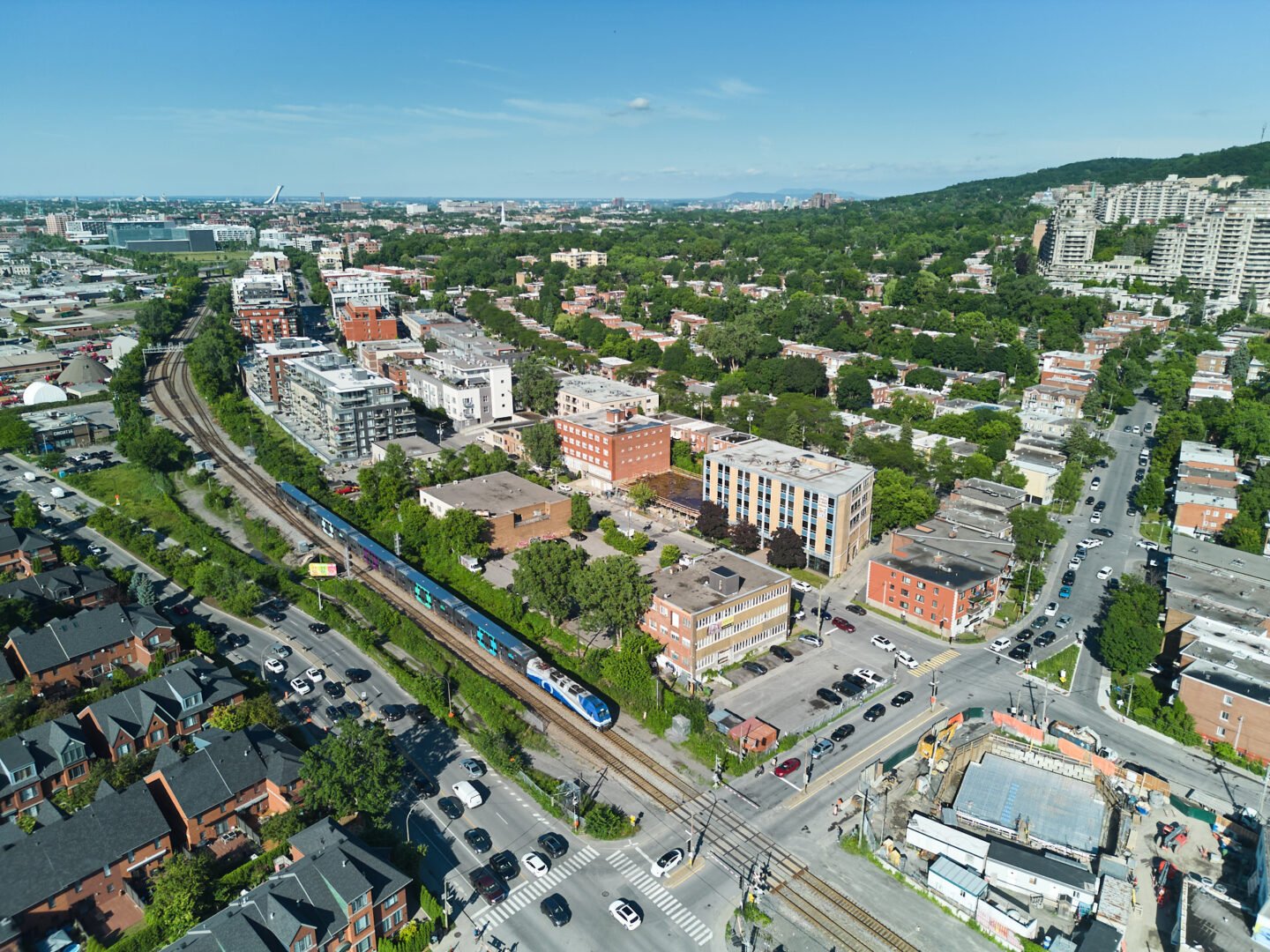
The railway line along Jean Talon Boulevard forms part of the Darlington Ecological Corridor in Montréal.
Expand Image
Advertisement
Advertisement
Live Net Zero Email Service
Advertisement

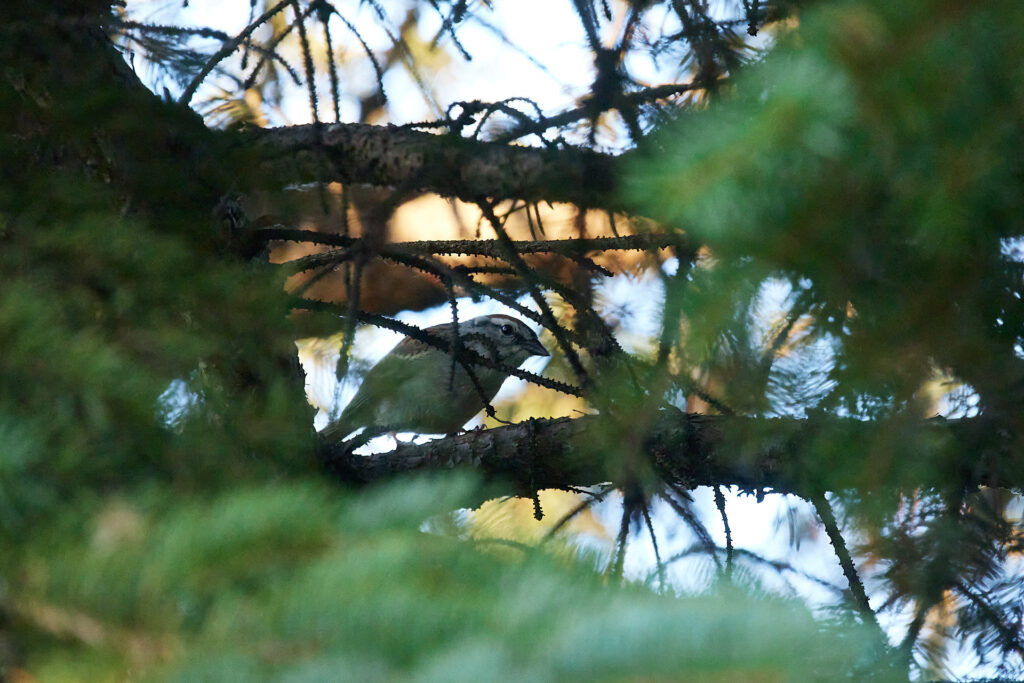
A forest is growing amid the asphalt of Montreal’s streets. Hundreds of tree saplings are sprouting. Pines, sugar maples, red oaks. Each year, once they mature, the trees host dark-eyed junco that stop over during their migration north. When the fruit on the cherry trees ripen, the berries are picked and donated to the local food bank.

The micro-forest at Mahatma-Gandhi Park is just one stop on the Darlington Ecological Corridor, an interconnected patchwork of parks, gardens and curbside flowers spanning seven kilometres in the city’s Côte-des-Neiges neighbourhood — a Montreal first that changes what it means to share an urban metropolis with wildlife.

Ecological corridors typically connect protected and conserved green spaces, preserving biodiversity and allowing wildlife like bears and caribou to travel across vast landscapes. Montreal — a city populated with millions of residents — may not appear to be a suitable setting for such a project at first glance. But the Darlington squad is building its own biodiversity highway for critters and plants within the city, while also nourishing its human residents.

At its base, the T-shaped corridor begins at Mount Royal, Montreal’s biodiversity hub and highest peak. It then runs northwest along Darlington Avenue until it meets a railway frequented by foxes. From there, it follows the train tracks in two directions: northeast to the University of Montreal’s MIL campus (from the French word “milieu” meaning middle), and southwest to a former horse-racing track on the border of Côte-des-Neiges and neighbouring borough Saint-Laurent.

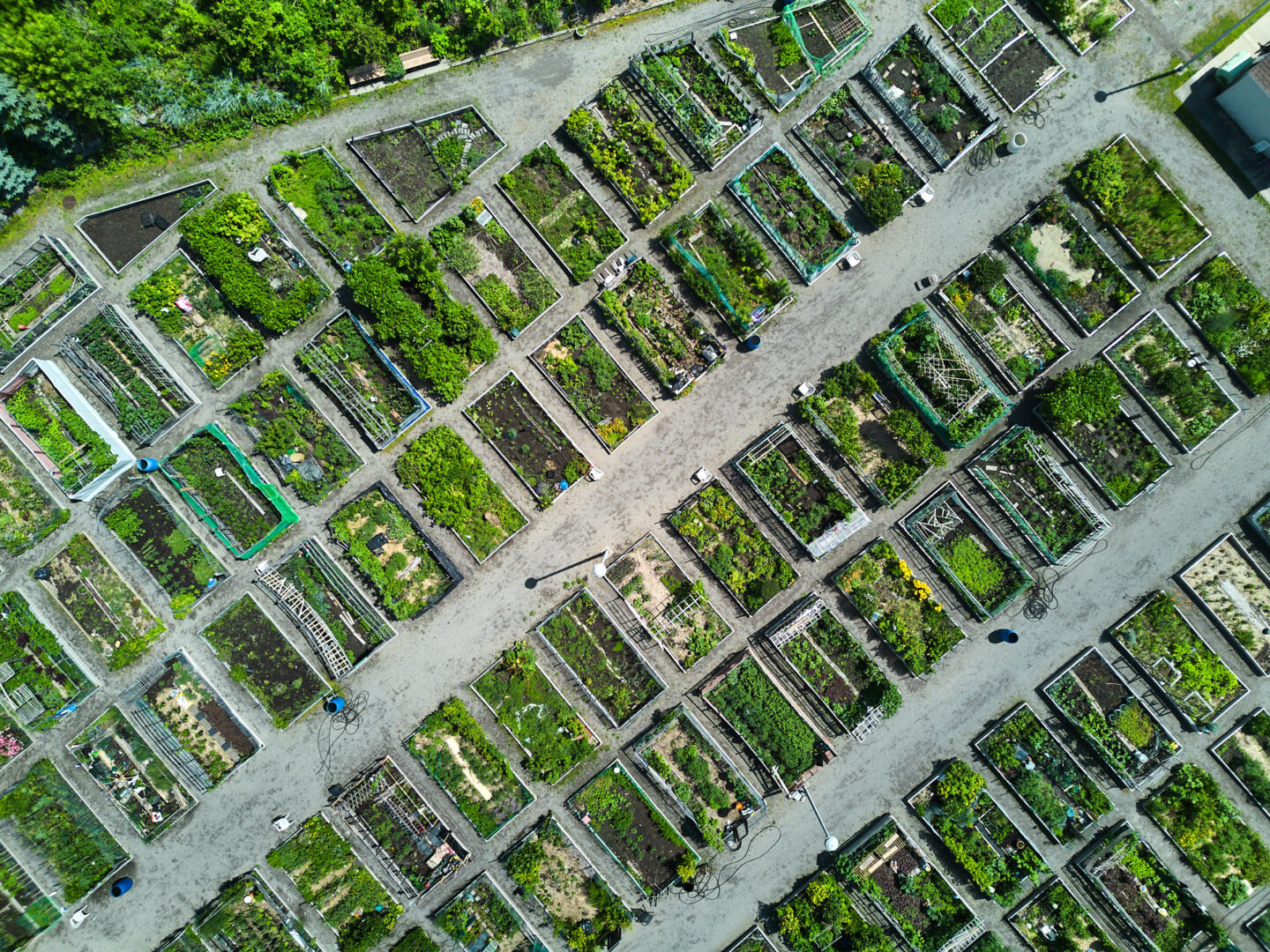
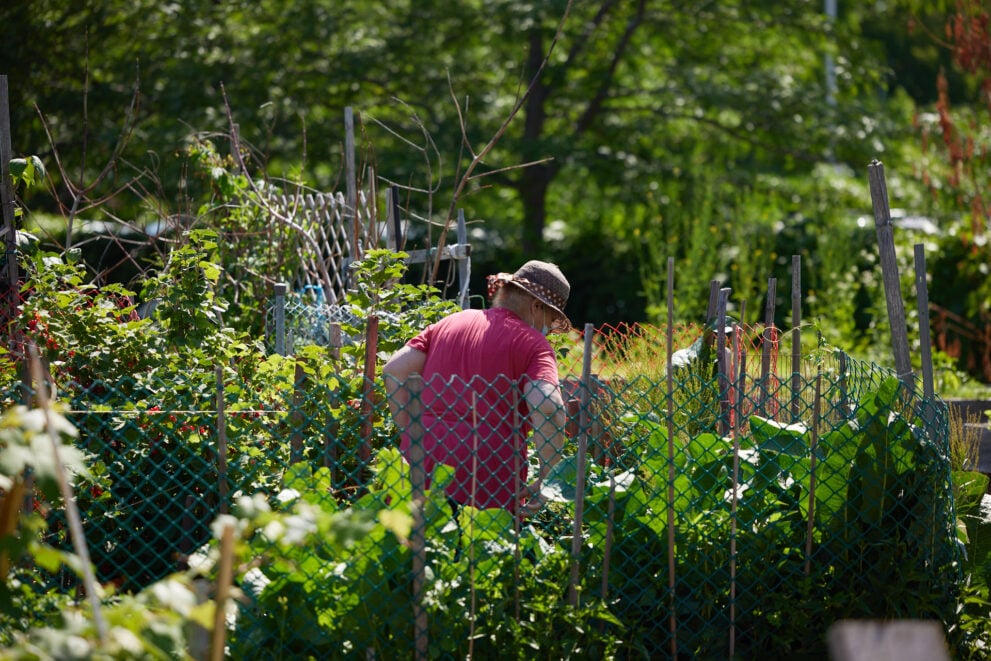
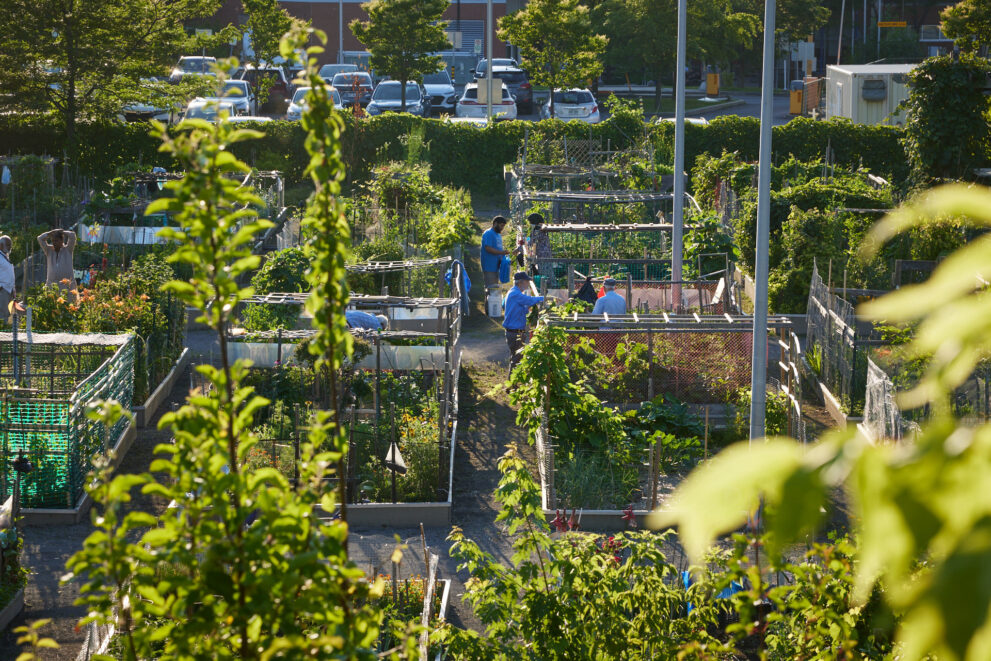
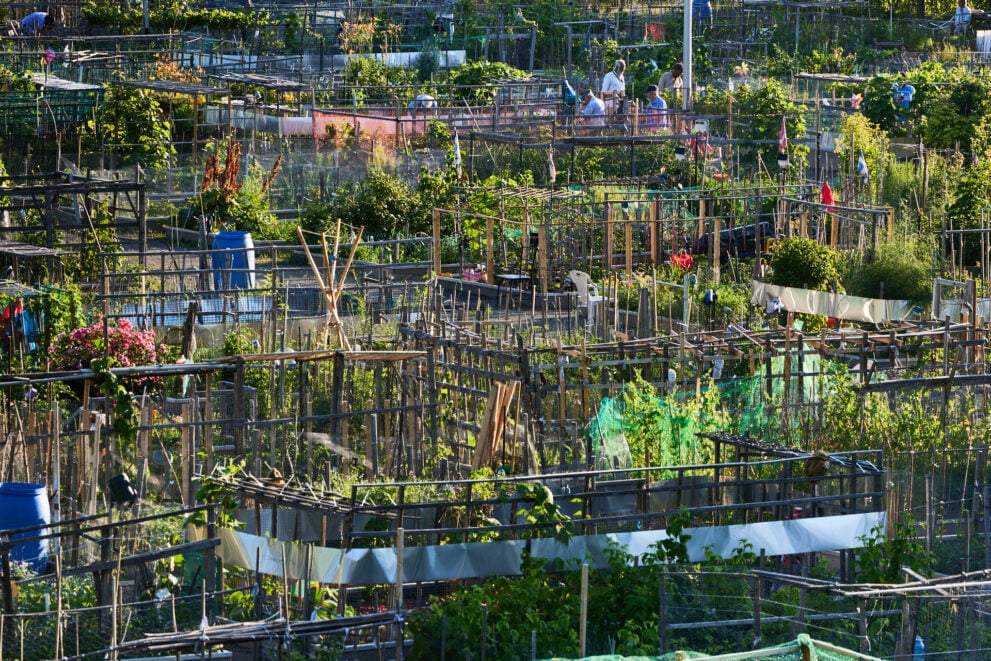
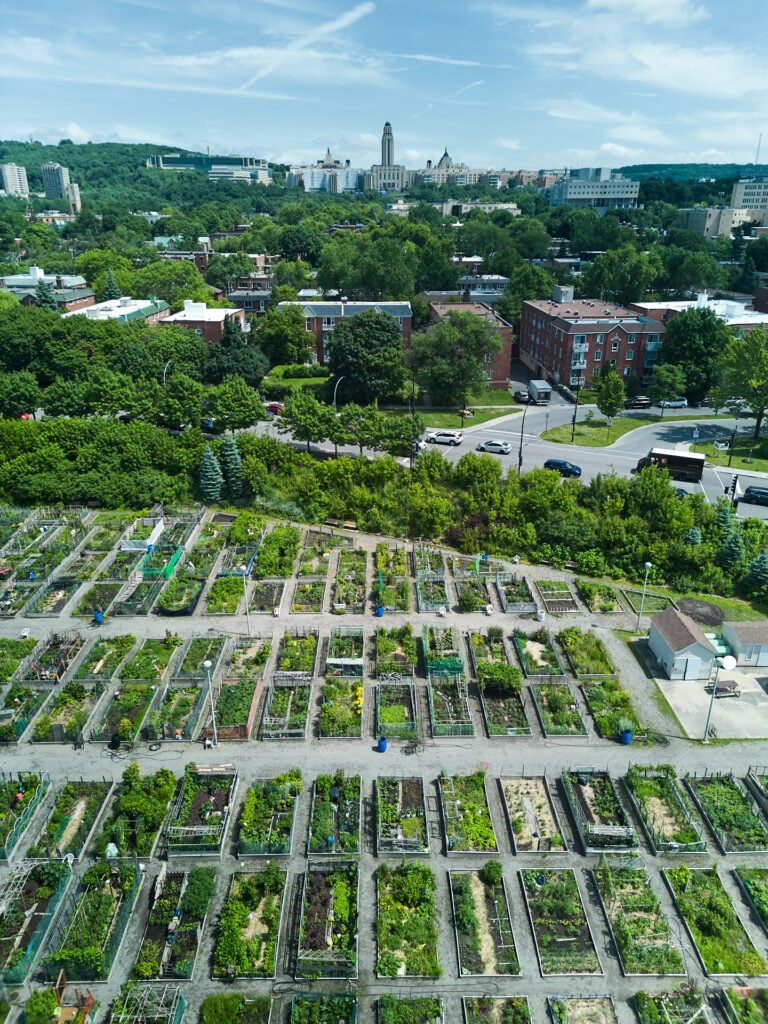
Châteaufort community garden, part of the Darlington Ecological Corridor in Montréal. with Mount Royal in the background.
Expand Image
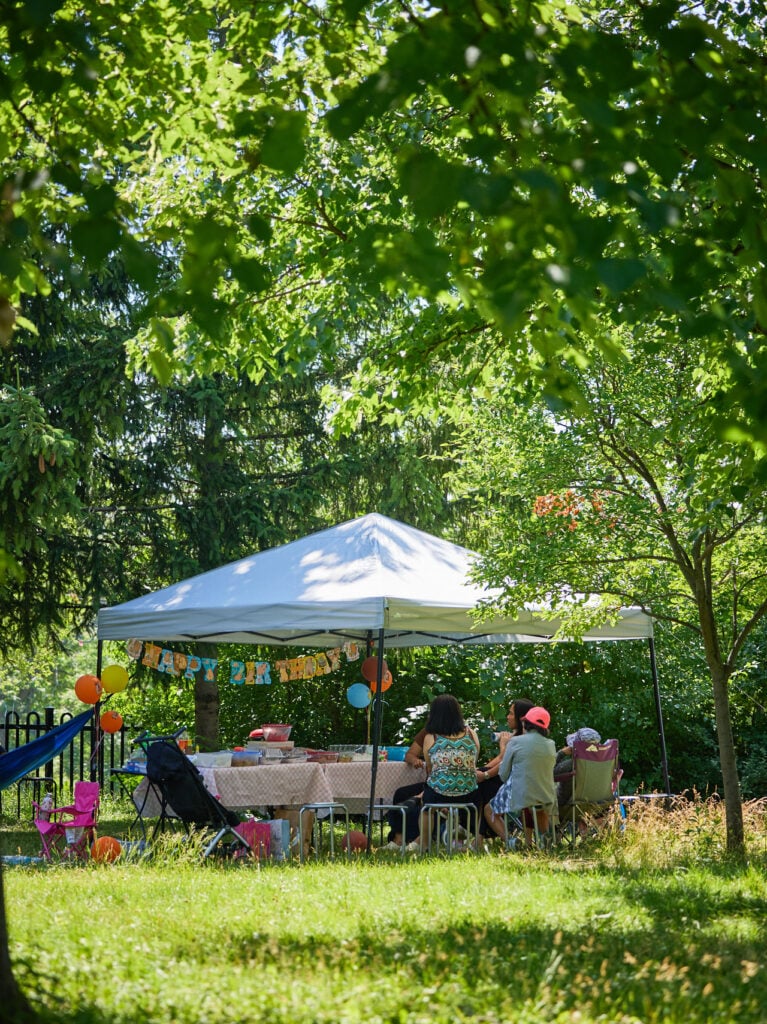
Birthday party at Parc Mahatma Gandhi, part of the Darlington Ecological Corridor.
Expand Image

A decade after getting the project off the ground, Alexandre Beaudoin, biodiversity advisor at the University of Montreal, says Darlington remains a work in progress, a puzzle with plenty of concrete gaps to fill with biodiversity — but one that’s expanding, piece by piece.

Beaudoin was inspired by the Appalachian corridor that runs from Vermont’s Green Mountains to Quebec’s Eastern Townships. At the time, the closest example to something akin to an urban green corridor was New York City’s High Line.

“We started thinking about what we can do to help the biodiversity in the city. How can we do the same thing at the Montreal scale, at the Côte-des-Neiges scale?”

After Mount Royal’s fox population was decimated by illness in 2010, Beaudoin told himself he had to help bring the animal back to the mountain. Knowing the railway that ran within a couple of kilometres of the mountain was popular with foxes, he saw a possible solution in creating a pathway for foxes to migrate between the two locations. Though the animal reappeared on Mount Royal before he could launch the corridor project, he says the corridor ultimately made Côte-des-Neiges a more welcoming space for the animal.

“We have this beautiful story that two years ago a mother fox came to give birth in one of the gardens that we’re working on,” Beaudoin says. “This one stopped there because it was quiet enough with plants, trees, flowers.”

Rabbits and other wildlife, including foxes, use the Darlington Ecological Corridor to get from one green space to another.
Expand Image
Sparrows and other birds make use of the trees and greenery along the Darlington Ecological Corridor.
Expand Image

Downhill from the mountain, the Darlington squad set up birdhouses around the community garden, along with rocks to make the space more hospitable for reptiles. On what were patches of sidewalk grass, they planted flowers to attract pollinators: milkweed for monarch butterflies and New England asters for bees. The pollinator meadow also doubles as a rain garden, accumulating sought-after water for parched animals.

One species, the northern cardinal, is becoming a familiar sight on the corridor. Beaudoin says the bird is expanding its range northward because of climate change, and the corridor’s berry bushes and seed plants invite the birds to stop for a snack.

But a new focus on rebuilding humans’ connection to nature has caused the project’s purpose to change since its inception, says Beaudoin.

More green space in Montreal means more space for people to congregate, socialize and exercise in nature — activities that contribute to stress management. Green spaces beautify public space by covering up the less than inspiring sight of concrete roadways, absorbing the clamour of traffic as well as carbon emissions and reducing urban heat island effects.

Aerial view of Châteaufort community garden.
Expand Image
Advertisement

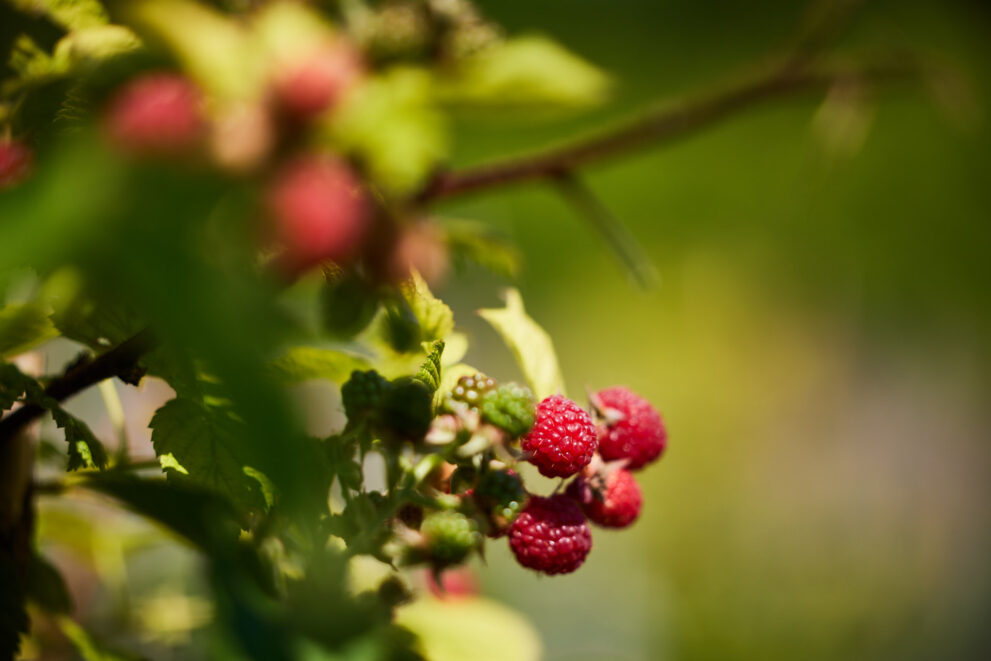
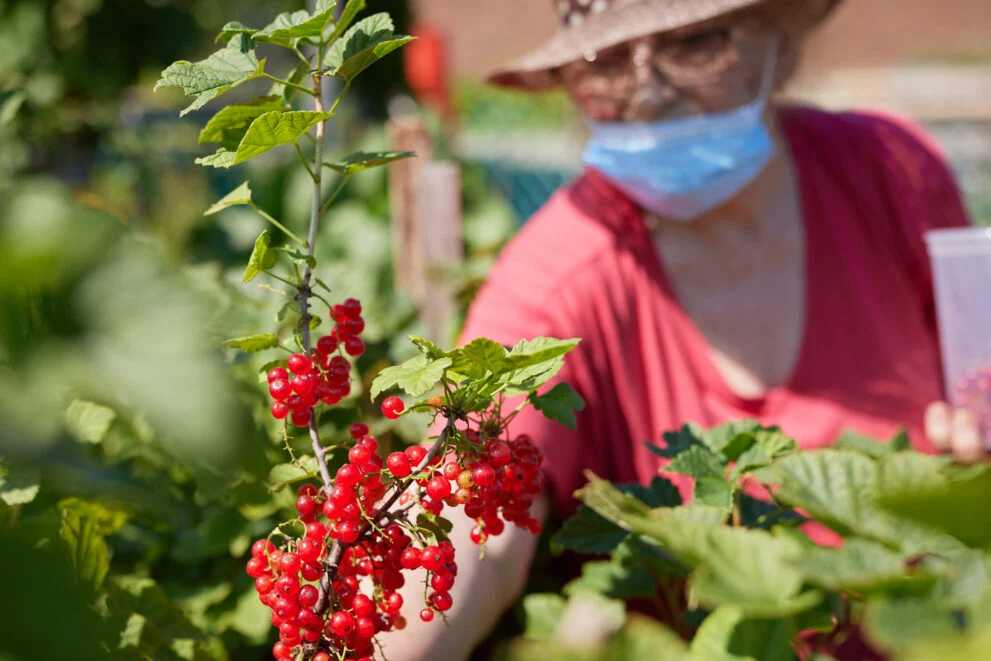
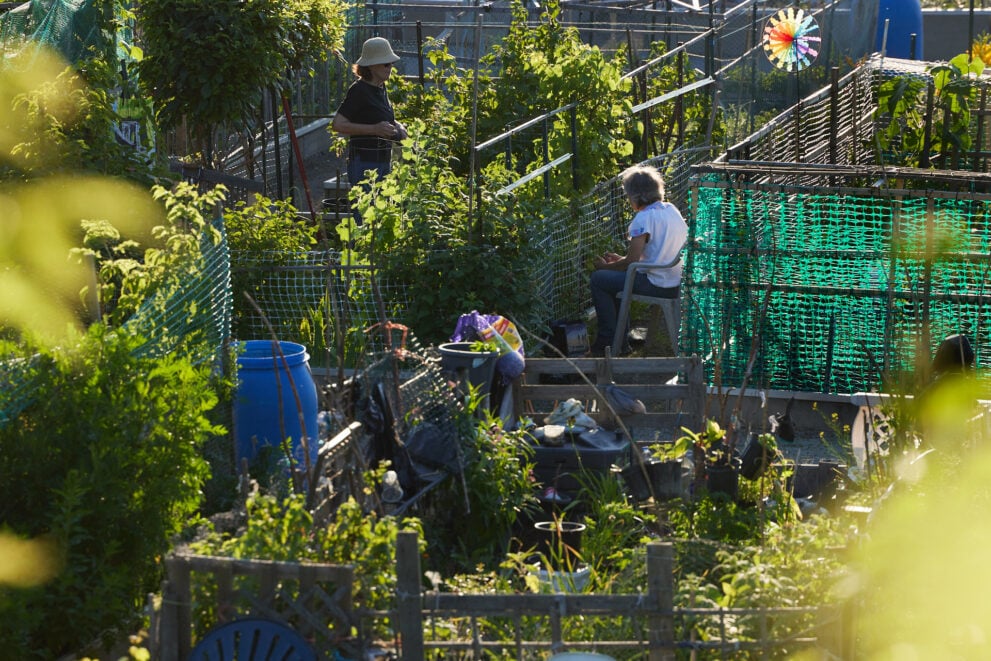
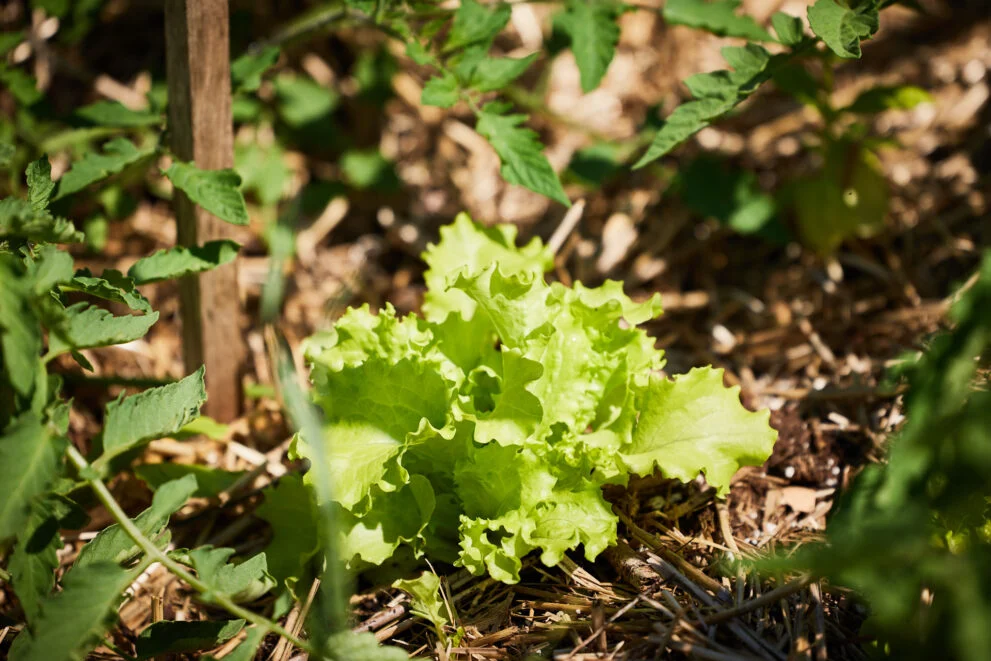
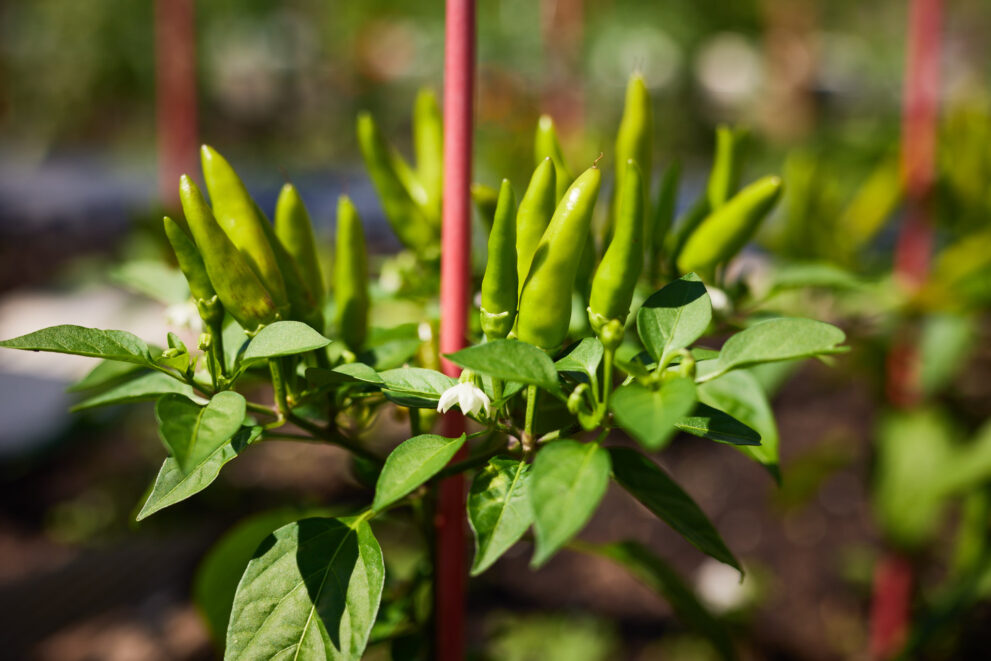
As well as restoring the city’s biodiversity, the corridor also puts food in people’s stomachs by planting food gardens of non-native edible plants. MultiCaf, a non-profit food aid organization, harvests food grown on the corridor, with the biggest bulk of fruits and vegetables sprouting from the former racetrack. In the summer, the bounty is sold at reduced cost to thousands of low-income locals, about half of whom are first-generation immigrants in an area considered a food desert.

Jean-Sébastien Patrice, MultiCaf’s executive director, counts up to 25 kinds of vegetables, from eggplants to radishes, and about a half-dozen varieties of fruit. The harvest totalled 3,000 kilograms worth of food in 2024, Patrice says, and an estimated 10,000 kilograms in 2025.

However, the project “goes beyond ecology and diet,” Patrice says. “It crystallizes the human spirit between people from different parts of the world,” he says, adding the people who enjoy the low-cost food take part in every step of the process, from cultivation to decision-making and distribution.

Andrew Gonzalez, McGill professor and co-director of the Quebec Centre for Biodiversity Science, works with cities across the province to create green corridor maps. Montreal, he says, is one of the country’s leading cities in building networks of interconnected green space to reduce the impact of urban sprawl

“This connective tissue … allows you to get more than the sum of the total area of your protected spaces and your green spaces,” he says, adding that the project addresses target 12 from the COP15 United Nations biodiversity conference: increasing the connectivity of green spaces in urban and densely populated areas.

While Darlington is Montreal’s first ecological corridor project, the city is now home to several other corridor projects.

However, change comes with some resistance. Yolande Moreau, sustainable development project manager at Montreal’s Côte-des-Neiges–Notre-Dame-de-Grâce borough, says progress has been complicated by having to wait for the city’s transit authority and light-rail network to complete infrastructure projects.

“We’re not able to do anything very structural,” Moreau says, “so what we’ve been focusing on with Beaudoin and his team is doing these small initiatives.”


The railway line along Jean Talon Boulevard, lined with trees, shrubs and other greenery.
Expand Image

It’s possible locals could lose some parking spaces when tree planting and sidewalk curb extensions are proposed, she says, admitting that many of the neighbourhood’s low-income newcomers work odd hours and aren’t well served by public transport.

Eco-gentrification is another obstacle, Tarrah Beaudoin (no relation to Alexandre), a consultant with the corridor, adds. “Some people are saying that we should go faster with building the corridor, but if we do it too fast, maybe that’s going to jack up the prices for the people living in (the neighbourhood),” she says.

Regularly checking in with the community and asking locals what they want out of Darlington is key to keeping residents on board, Tarrah Beaudoin says. Each year, the crew hosts a community barbecue, and while locals may come to munch on hot dogs, she uses the opportunity to ask locals what they like and dislike about the corridor. Such interactions she says have paid off in getting residents more involved in Darlington initiatives and have even succeeded in getting upset locals to embrace the project.

Ultimately, the level of commitment and collaboration from the community is what determines if an urban green corridor fails or flourishes, Alexandre Beaudoin says, and no one-size-fits corridor blueprint exists for other boroughs, let alone other cities.
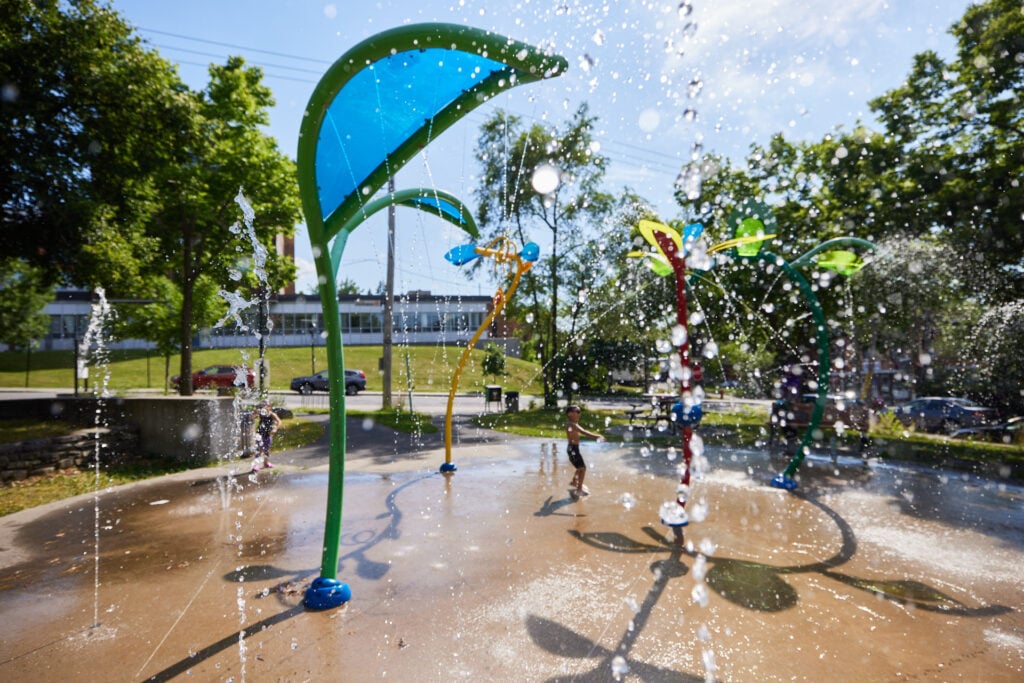
A splash pad at Place Darlington, Montreal.
Expand Image
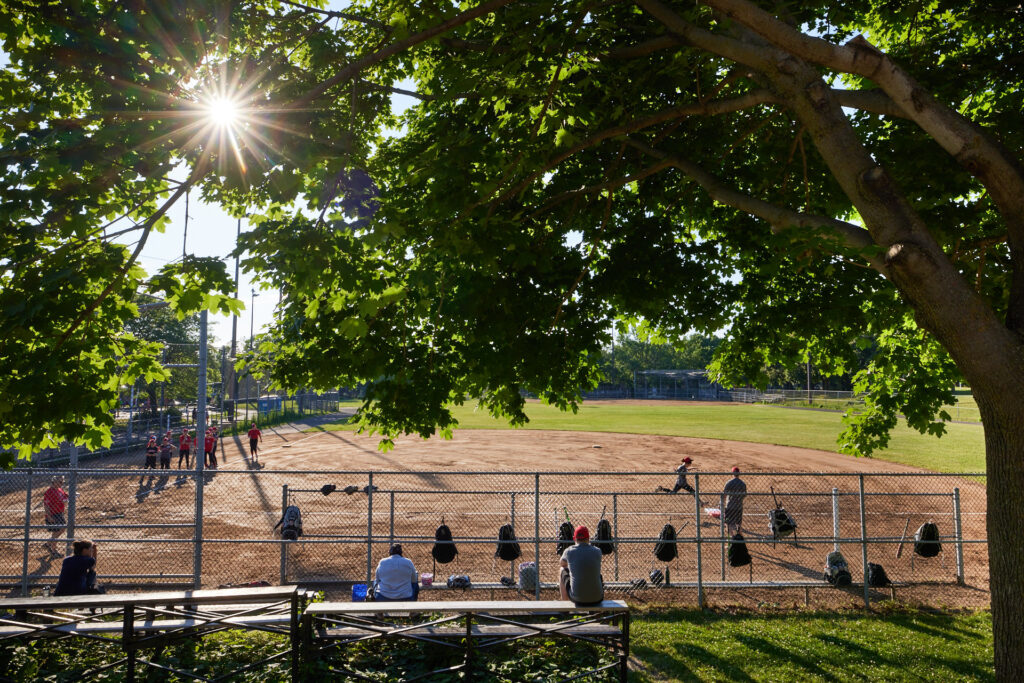
Baseball practice; Martin Luther King Park, Montreal.
Expand Image

Place de Darlington, one of the corridor’s nerve centres, is flanked by red-brick apartment buildings. Nestled between the splash pads and dog park sits a circular garden where nearby residents can pick fruit or grow their own produce — a vision of a verdant metropolis teeming with abundance that Tarrah and Alexadre hope will take root across Montreal.

What inspires Alexandre Beaudoin to keep putting the puzzle pieces together is “building a new society” — one that is more sustainable and enhances the well-being of its residents.

“I have kids and … I hope they will grow up in a world [with] … a lot of different corridors,” he says, hoping they will leave home wondering, “which corridor will I take to get to school today?”

This story is part of a series about ecological corridors produced with support from Parks Canada. Learn more by visiting the Right of Passage website. 

Advertisement

Help us tell Canada’s story

You can support Canadian Geographic in 3 ways:

Live Net Zero Email Service

Related Content

Environment

Comment Montréal a transformé une étendue d’asphalte en une autoroute de la biodiversité

Le corridor écologique Darlington offre un passage sûr à travers la ville pour la faune et la flore urbaines – et met de la nourriture dans les assiettes des personnes dans le besoin.

  • 1583 words
  • 7 minutes
A grizzly bear lies dead on the side of the road

Wildlife

Animal crossing: Reconnecting North America’s most important wildlife corridor

This past summer an ambitious wildlife under/overpass system broke ground in B.C. on a deadly stretch of highway just west of the Alberta border. Here’s how it happened.

  • 3638 words
  • 15 minutes

People & Culture

Losing track: The importance of passenger rail corridors

What does it mean for Canada if we continue to pull up train tracks? 

  • 4438 words
  • 18 minutes

Environment

The sixth extinction

The planet is in the midst of drastic biodiversity loss that some experts think may be the next great species die-off. How did we get here and what can be done about it?

  • 4895 words
  • 20 minutes
Advertisement
Advertisement