Kids

Getting kids to unplug and go outside is a challenge. Curious by Nature guides can help

Getting kids inspired by the natural world is good for their well-being — and critical to the fate of wild places. Curious by Nature guides, a new resource for educators and parents, can help make that happen.

  • May 13, 2026
  • 1,817 words
  • 8 minutes
[ Disponible en français ]
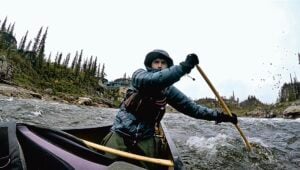
Adam Shoalts is a professional adventurer and explorer with the Royal Canadian Geographical Society. He credits his teachers and a nature-focussed curriculum for nurturing his interest and enthusiasm for the natural world. (Photo: Adam Shoalts)
Expand Image
Advertisement
Advertisement
Live Net Zero Email Service

When I visited a high school recently as a guest speaker, I was surprised by how quiet I found the crowd of students in the entrance foyer. There must have been 100 students, but rather than the noisy, chatty hallway I was expecting, they barely seemed to speak at all. Instead, they were looking down, apparently completely absorbed, at the phones in their hands.

I’d been invited as a speaker to motivate kids to “unplug” and get excited about nature. I could see I had my work cut out for me. I’m a professional adventurer, the Westaway Explorer-in-Residence of the Royal Canadian Geographical Society. Much of the time, I’m out in the wild, hundreds of kilometres from the nearest other person, in some of the most isolated places on Earth. I get to spend months out of the year unplugged. If that’s your idea of paradise, then we think alike.

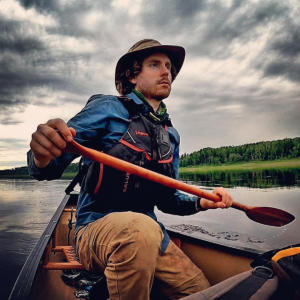
Most days are pretty simple: ploughing through Arctic ice floes in a canoe, sleeping alone in polar bear territory, paddling across lakes that stretch beyond the horizon, trekking in places where there are no trails, coming face-to-face with wolves and muskox, and wandering across ancient lava flows. But convincing students to unplug and get outside? Now that is a challenge.  

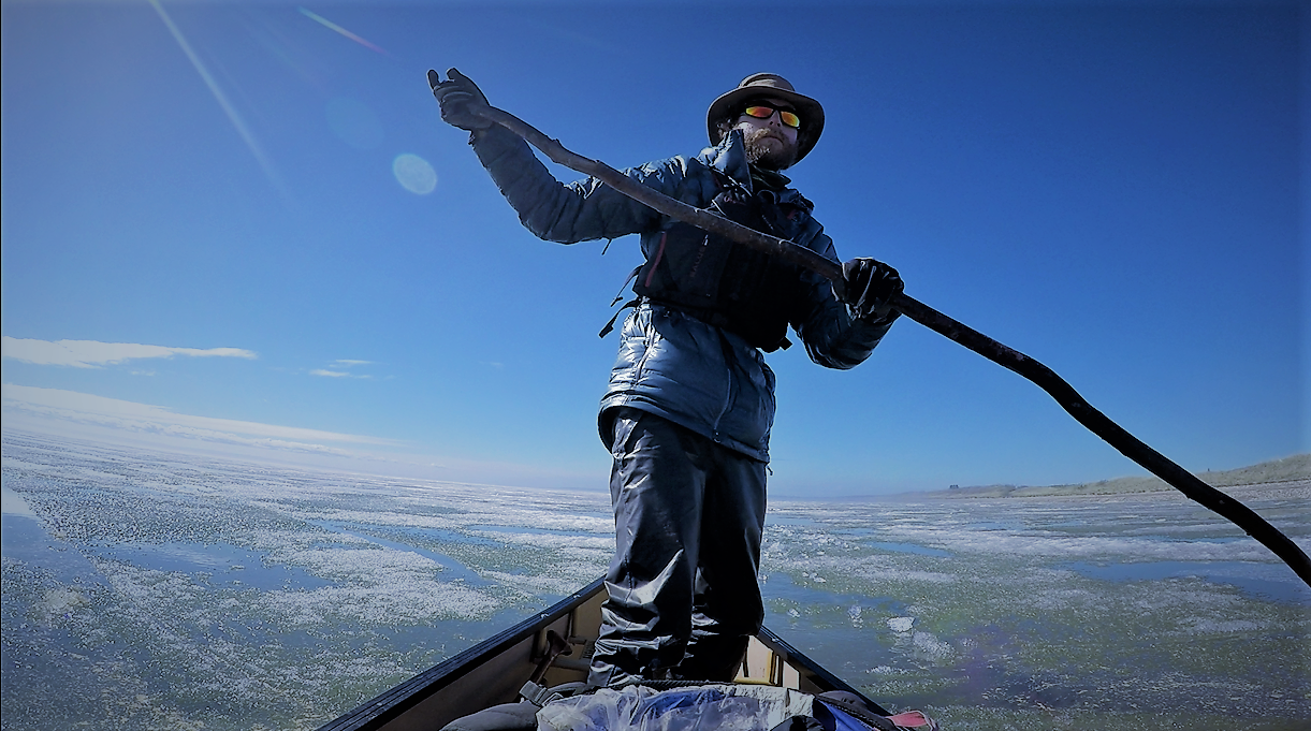
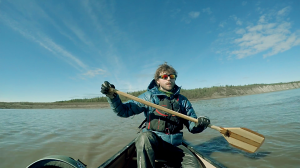
When he speaks to students, Adam Shoats says he tries to reawaken their sense of awe in the natural world to motivate them to become active in working to preserve and restore natural habitats. Here, he is shown canoeing in the Arctic. (Photo: Adam Shoalts)
Expand Image

A recent U.S. study of media use among young people found that kids and teens age eight to 18 spend an average of more than seven hours a day looking at screens.

There is little reason to think the numbers are any different here in Canada. Researchers have linked excessive screen time to increased anxiety, stress, difficulty concentrating, unhappiness and other unhealthy outcomes. The American author Richard Louv has even coined the term “nature deficit disorder” to refer to the growing trend of kids (and adults) spending too much time indoors.

It turns out that a steady stream of social media, emails, online content, video games and binge-watching shows does not lead to a well-balanced, healthy life. (Which is not to say any of these things are bad in moderation.) But how do we encourage kids to get passionate about nature? Maybe there is an app for that? Probably, although I think there’s a better way.

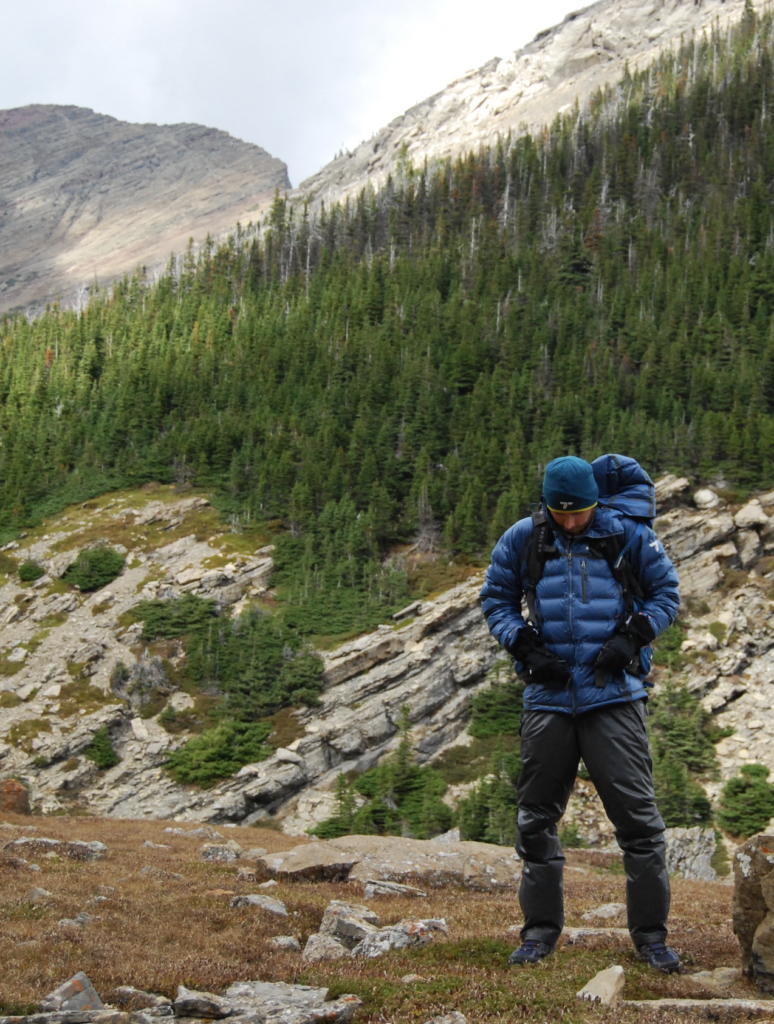
Shoalts thinks teachers (and parents) need to take a two-pronged approach to connecting kids with nature — the first is teaching more nature in the classroom, while the second is getting students outside more. (Photo: Adam Shoalts)
Expand Image

When I cast a glance back at my own childhood and education, I count myself incredibly lucky. I happened to grow up with a forest right on my doorstep. We lived on a country road without streetlights or sidewalks. My playground was those swampy woods that surrounded our home on all sides. Out there, among the oaks and sycamores, the birch and basswoods, I first learned about plants, birds and other animals. I developed a deep love for forests, nature and the wild that has never left me.

But I was also fortunate that my interest and enthusiasm for the natural world was nurtured and encouraged by the public-school curriculum and my teachers. In elementary school, we gathered leaves from our schoolyard and made rubbings of them, identifying the different species. Nearby was a conservation area where we learned orienteering and played predator-prey games that taught me about the food chain and web of life.

I vividly recall learning about environmental issues in my Grade 3 class from Mr. Sibley and how alarmed I was at the thought of forests disappearing. In Grade 4, our class did projects on endangered species (I chose the wolverine). In Grade 6, my teacher, Mrs. Stock, had our class do projects on an individual tree species. I did mine on tulip trees — towering giants found in the Carolinian forests of southernmost Ontario. I still have my Grade 7 project on Canadian woodlands, where we studied different types of forests in Canada and what makes each unique. For that project, I was able to do research in my own backyard. All of this helped encourage my appetite for the outdoors.

Co-developed by Environment and Climate Change Canada and Nature Labs, Curious by Nature guides are interactive booklets that use storytelling to guide teachers, parents and students to explore the biodiversity around them. (Courtesy: Environment and Climate Change Canada)
Expand Image

Now, when I’m invited to present at schools about my books or expeditions, I try to entertain students with tales of adventures in the wild — of sleeping under stars, of mapping northern rivers that snake across the land like giant anacondas and of meeting bears and wolverines. I try to reawaken their sense of awe and delight at the mysteries and magic of the natural world, in the belief that doing so will inspire students to want to know more about the outdoors. That, in turn, will hopefully motivate them to become active in working to preserve and restore natural habitats.

One common question I get from parents and teachers is where to even begin learning about the outdoors and how to give students the mental tools they need to experience nature for themselves in an exciting way, in their own backyard or local park.

I think schools (and parents) can take a two-pronged approach to accomplish these goals. The first is teaching more nature in the classroom — things like leaf rubbings and tree identification, and plant and animal ecology. The second is getting students outside more. Crucially, these things need to be combined.

A common mistake is emphasizing only one element instead of both together. But just sending a kid out into the woods without any knowledge of how to interpret them is like assigning a child a play by Shakespeare before they have learned to read. On the flip side, learning about nature only while sitting indoors is like studying music theory without the music.

When I speak with students about nature, I like to begin by talking about two things that are immediately at hand and almost always visible: trees and birds.

These are nature’s ABCs, the fundamental building blocks that will let someone begin to “read” the woods.

We go beyond tree identification to figuring out more about the character of each tree: How old is it? What are its traditional uses? How does the wood compare? Soft basswood is a wonder for carving, while hop-hornbeam is rock-hard. Why did that tree grow in a particular way? Compare the big spreading branches of the white oaks to the wiry understorey witch hazels. Why do silver maples grow in swamps? Hemlocks in shady ravines?

Then gradually those trees around the schoolyard aren’t just “trees” anymore. They’re red oaks, white pines and sugar maples. They begin to tell a story — the story of the natural world.

“In a world full of problems, nature is our common humanity and a starting point for listening and learning.”

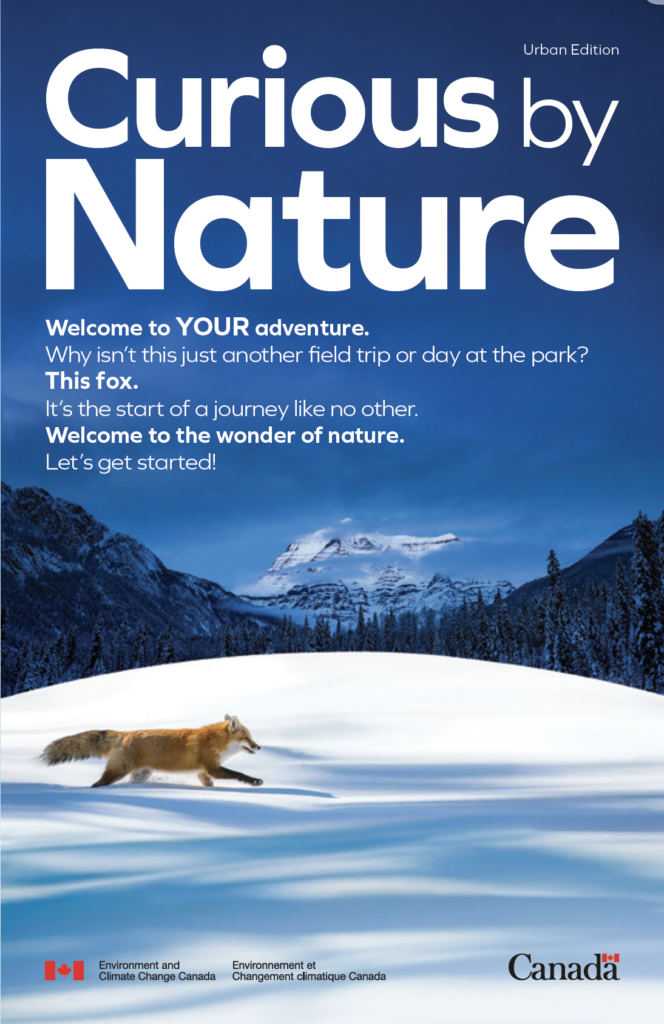
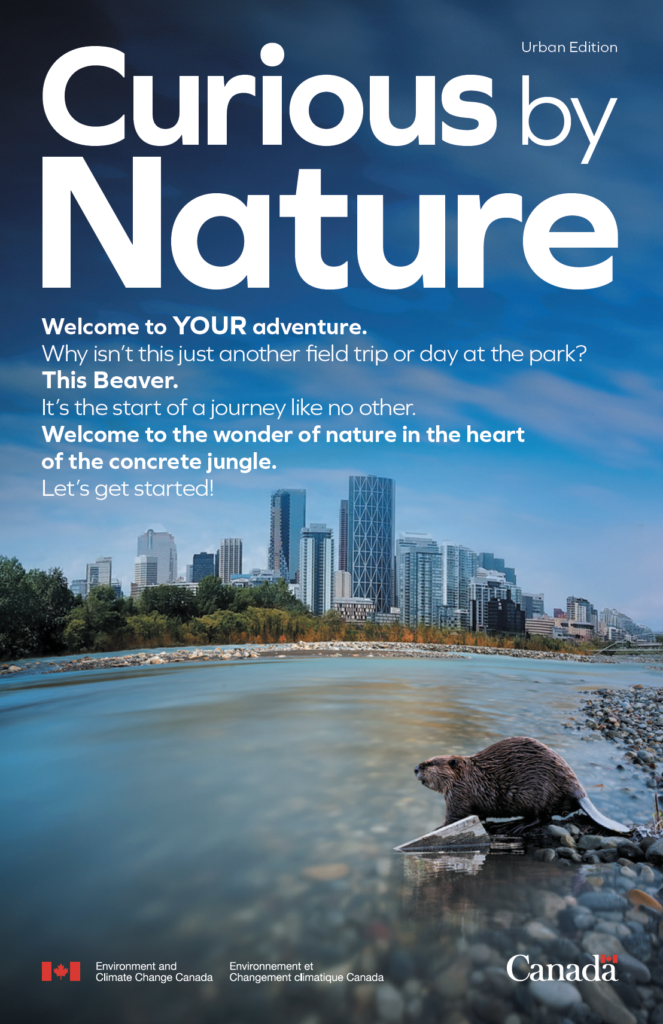
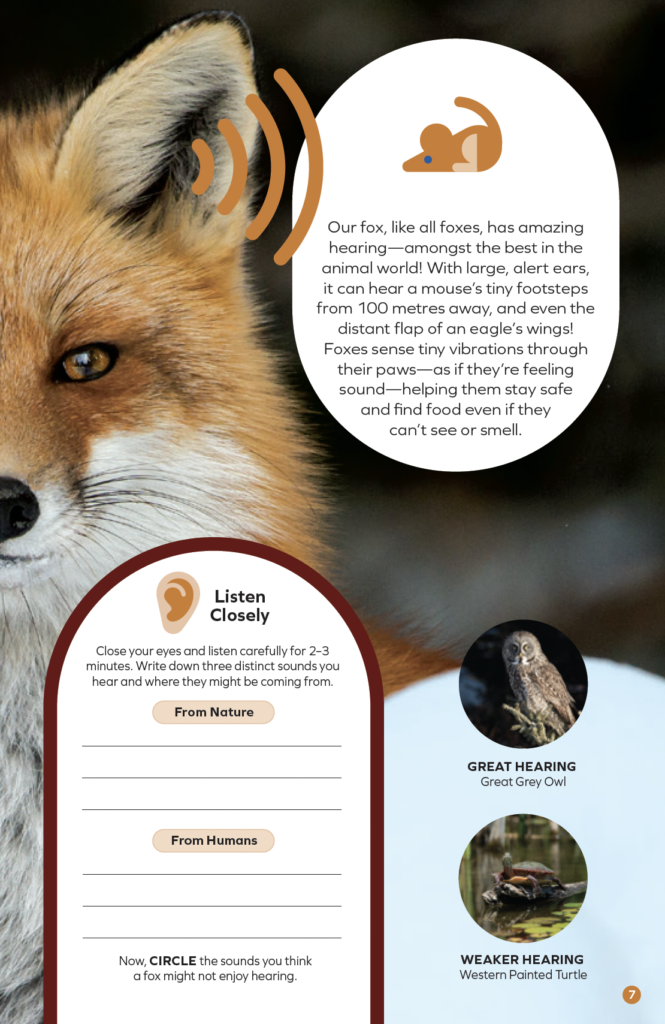
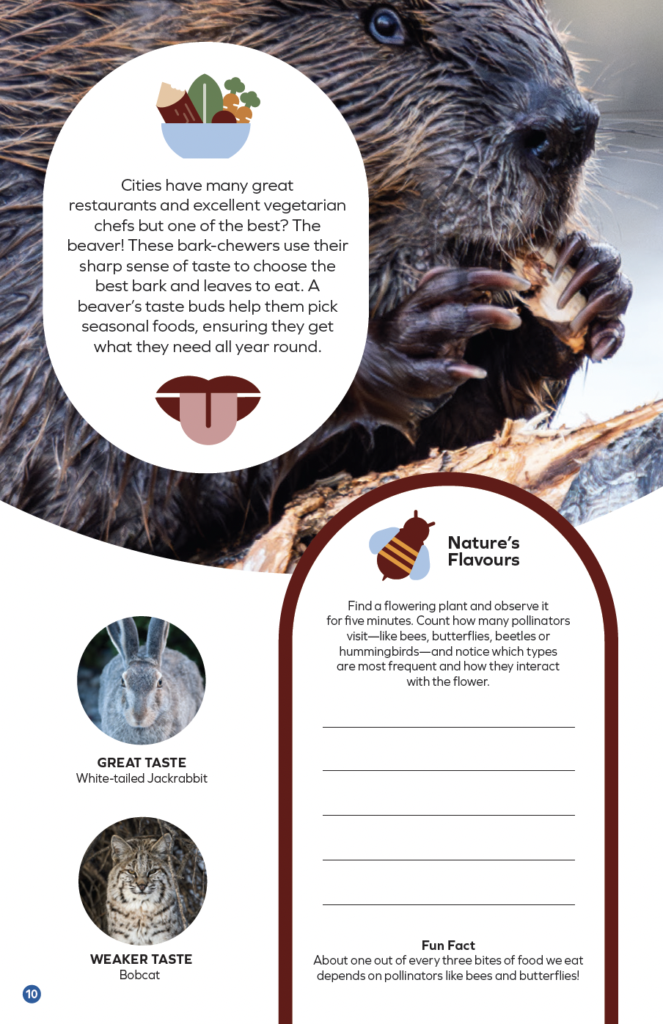
There are two versions of the guides: a nature edition and an urban edition. Each guide uses the story of a particular animal (a fox in the nature edition and a beaver in the urban edition) to help kids learn about natural habitats, ecosystems food webs and more. (Courtesy: Environment and Climate Change Canada)
Expand Image

I also like to focus on birds. Birds, like trees, are almost always around — even in urban settings. And because many birds are migratory, they connect us immediately to faraway places, from the warblers that spend their winters in the Amazon to the snow geese that migrate north to the Arctic each spring to nest.

Like the trees, each bird species has a story to tell. As we learn more about them, gradually the birds flying by or singing in the cedars aren’t just catch-all “birds” anymore — they become distinct species.

To borrow a digital metaphor, now the picture starts to come into high definition, and we can make out white-breasted nuthatches, downy woodpeckers, Canada jays, tufted titmice and black-capped chickadees.

The more we learn, the sharper the focus gets as the natural world becomes more and more intelligible and ever more fascinating. One new resource that has recently become available is the Curious by Nature guides. These interactive booklets have been co-developed by Environment and Climate Change Canada and Nature Labs, an organization that uses storytelling and nature to help connect teachers and students to real-world issues.

The Curious by Nature guides are designed to support parents, teachers and youth in exploring the nature and biodiversity around them. There are two versions of the guides: a nature edition and an urban edition. The nature edition is designed more for exploration in a natural area like a national park, while the urban edition guides young people as they explore parks and other natural areas in the city. Each guide uses the story of a particular animal (a fox in the nature edition and a beaver in the urban edition) to help kids as they learn about natural habitats, ecosystems, food webs and more.

The guides are designed primarily for the 8-12 age group but can be used by anyone who is curious, regardless of their age. They can become part of a family adventure, encouraging parents and children to explore nature together. For educators, they come with a separate guide that is linked to curriculum learning objectives and includes lesson plans that delve deeper into some of the concepts explored in the guides themselves.

Simon Jackson, co-founder of Nature Labs, says, “The Curious by Nature guides are designed to help a new generation pause and appreciate the wonder of nature.… In a world full of problems, nature is our common humanity and a starting point for listening and learning.” He calls the guides “a toolkit for curiosity,” one that uses unexpected stories to open kids’ eyes to the world around them.
Expand Image
Expand Image

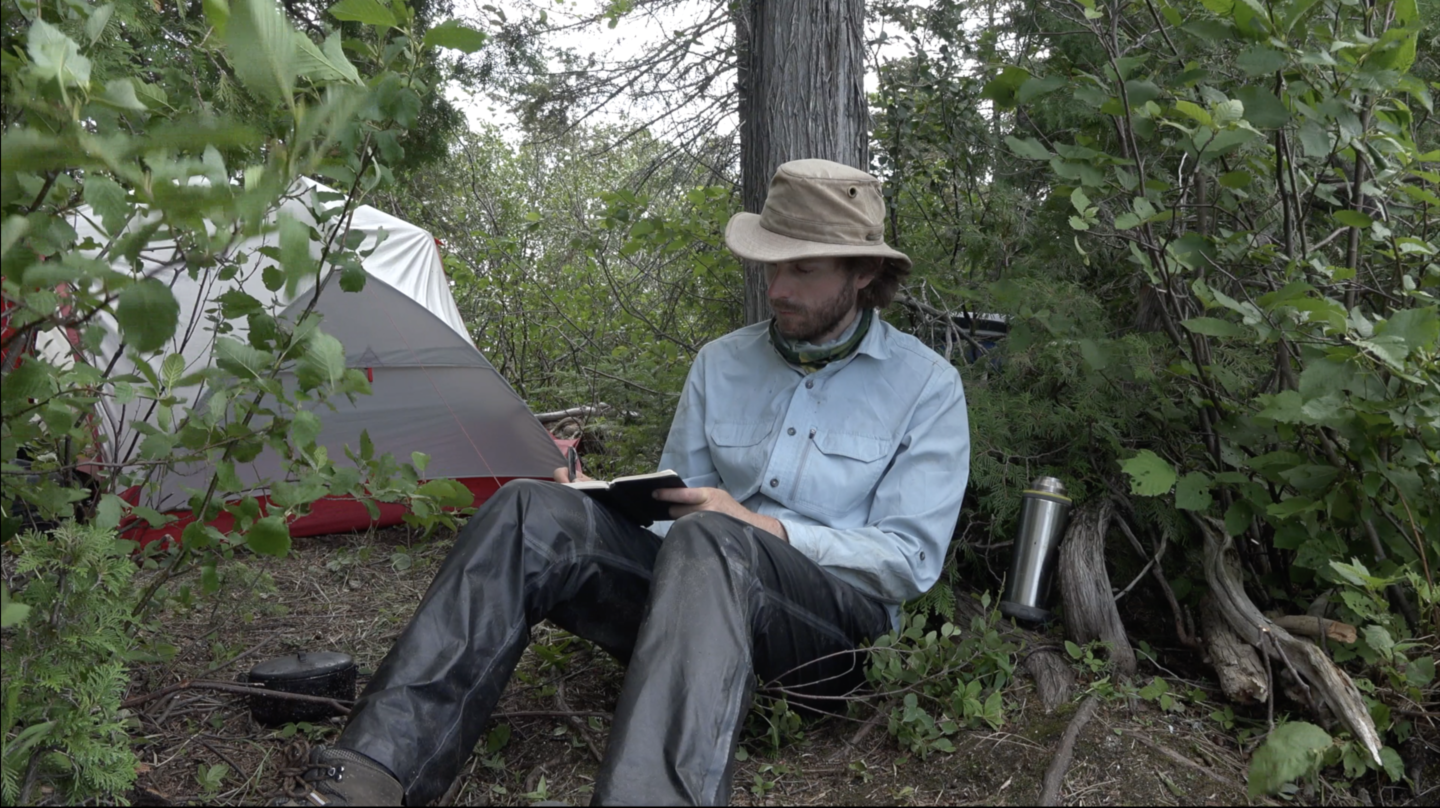
LONG AFTER I LEFT SCHOOL, I’m still learning about nature. My expeditions for the Royal Canadian Geographical Society have taken me everywhere from exploring caves in the Arctic to studying marine fossils along isolated rivers to tracking down and photographing Canada’s most elusive snake, the endangered blue racer. I’m now preparing for a solo off-grid canoe journey. When I return, I’ll have new adventures and material to share with students at the schools I visit.

Now more than ever, it’s critical we reawaken our sense of awe for the wild. It’s not only that we need nature. Nature needs us. Now more than ever, the natural world is under tremendous pressure.

A recent landmark United Nations report laid out in stark detail the grave loss of biodiversity directly tied to human actions, chief among them habitat loss. The key conclusion was that humans now threaten over one million species with extinction. The report found that over 100 million hectares of tropical forest were lost between 1980 and 2000 alone. Even more severe was the disappearance of wetlands: an estimated 87 per cent of the world’s wetlands are already gone. All of this habitat destruction is driving skyrocketing rates of extinction.

That’s why I think it is so critical we reconnect with nature — not only for our own well-being, to live healthy, balanced lives, but for the fate of the plants and animals we share our world with.

The first step is learning to care more about the wild all around us. In doing so, we’re not only helping students lead healthier, more balanced lives; we’re planting the seeds for a greener tomorrow.

This story was created in partnership with Environment and Climate Change Canada.

Advertisement

Help us tell Canada’s story

You can support Canadian Geographic in 3 ways:

Live Net Zero Email Service

Related Content

Adam Shoalts, Arctic, explorer, expedition, North, wildlife, canoe, RCGS

People & Culture

Exclusive: Adam Shoalts on his epic Trans-Canadian Arctic Expedition

Explorer Adam Shoalts, who completed his monumental 4,000-kilometre journey on September 6, speaks to Canadian Geographic about an expedition that calls to mind the likes of Vilhjalmur Stefansson and Joseph Tyrrell

  • 2702 words
  • 11 minutes

Exploration

Vanished Beyond the Map: Adam Shoalts on the mystery of lost explorer Hubert Darrel

Episode 111

Through extensive reporting for his new book, RCGS Explorer-in-Residence Adam Shoalts discusses the story of Hubert Darrell, the legendary Arctic explorer who vanished in 1910

  • 58 minutes
Prime Minister Justin Trudeau talks with RCGS Explorer-in-Residence Adam Shoalts

People & Culture

Prime Minister Justin Trudeau meets with new RCGS Explorer-in-Residence Adam Shoalts

Trudeau congratulated Shoalts on his recent appointment

  • 344 words
  • 2 minutes
Adam Shoalts, exploration

People & Culture

Canadian explorer Adam Shoalts kicks off solo 4,000-kilometre Arctic expedition

Five-month trek will take him across the Arctic Circle from Old Crow, Yukon to Baker Lake, Nunavut

  • 415 words
  • 2 minutes
Advertisement
Advertisement