
Exploration
Photos: Tracking Arctic sea ice in Nares Strait
An account of Enduring Ice, The Royal Canadian Geographical Society’s 2017 Expedition of the Year
- 684 words
- 3 minutes
Environment
A team of scientists from Quebec, Switzerland and France is studying this year’s Arctic freeze-up firsthand to understand how declining sea ice extent could impact the marine ecosystem in the future
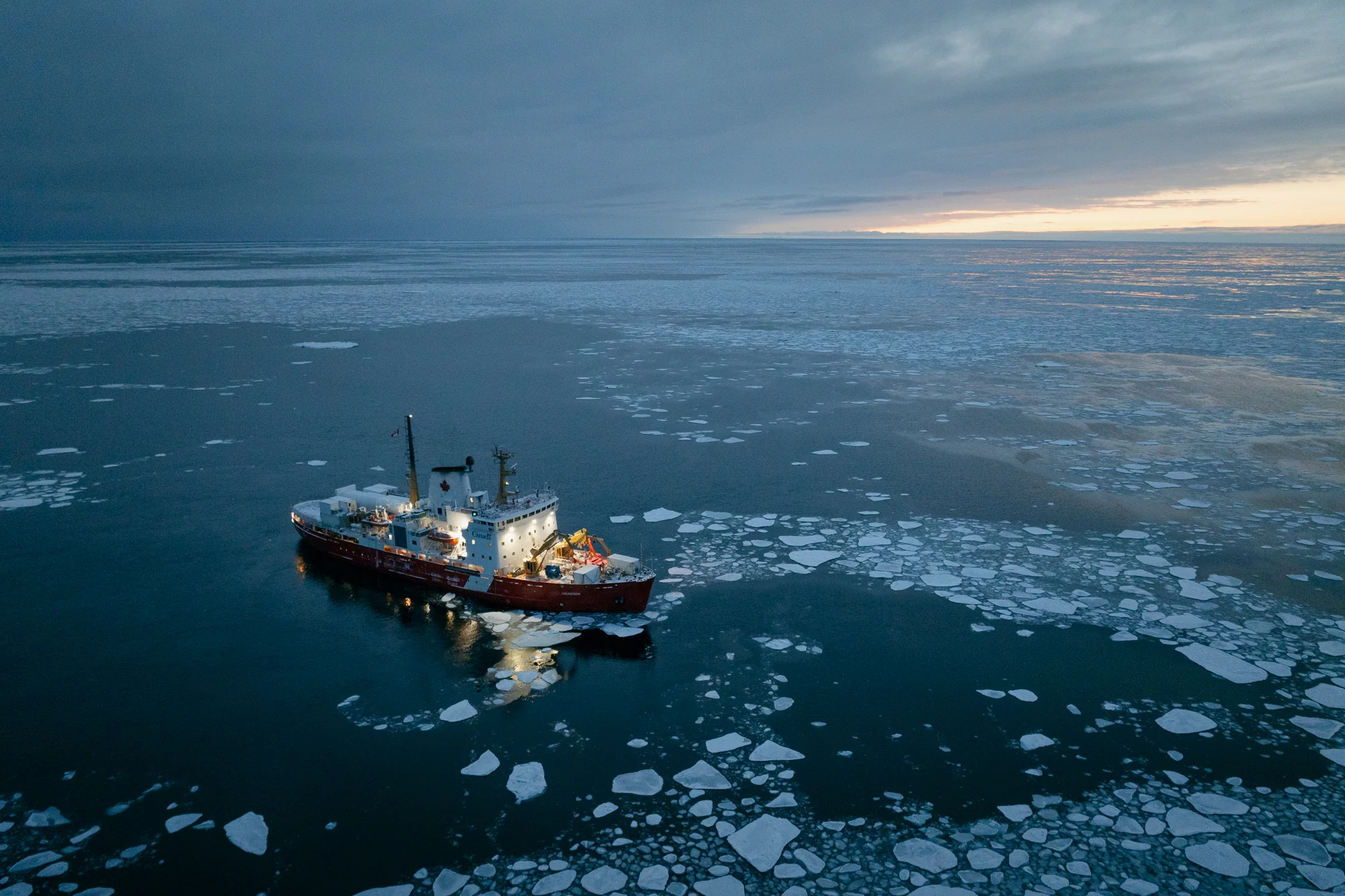
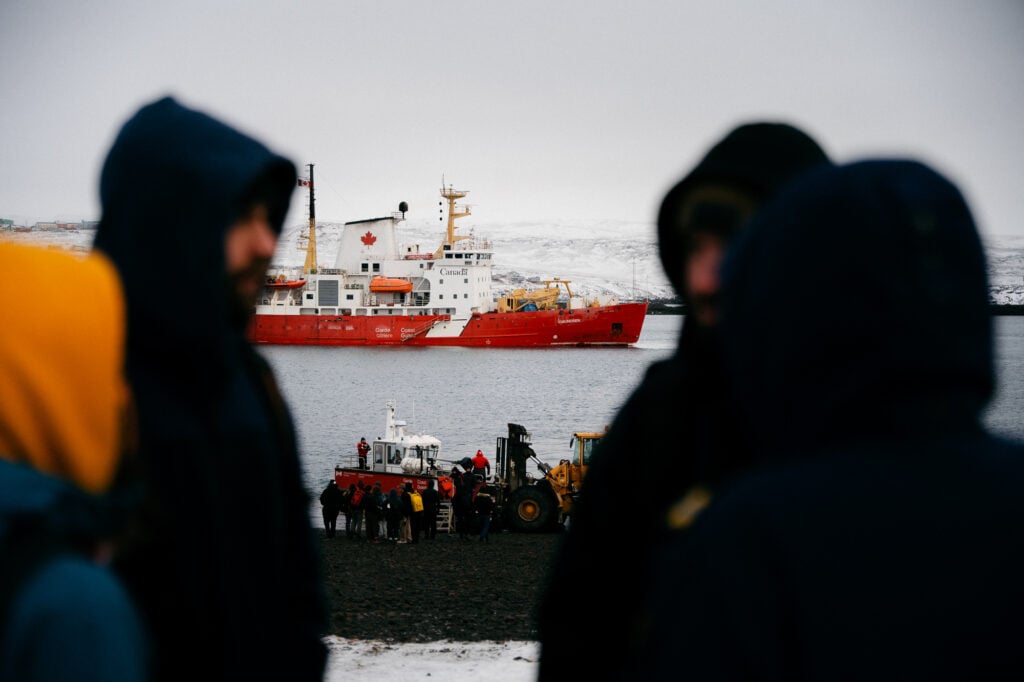
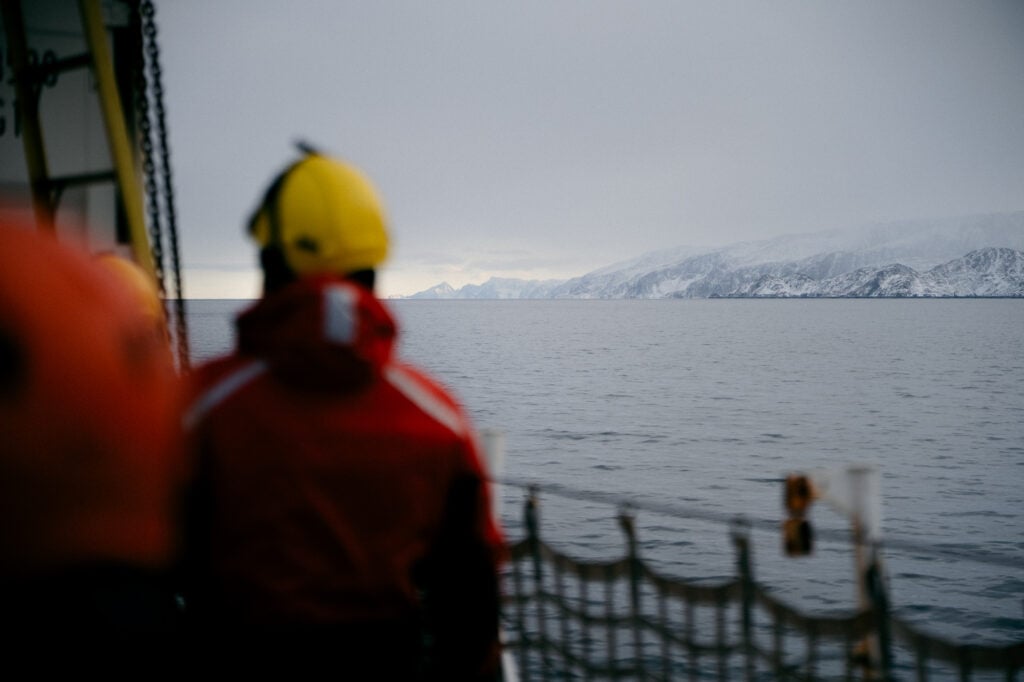
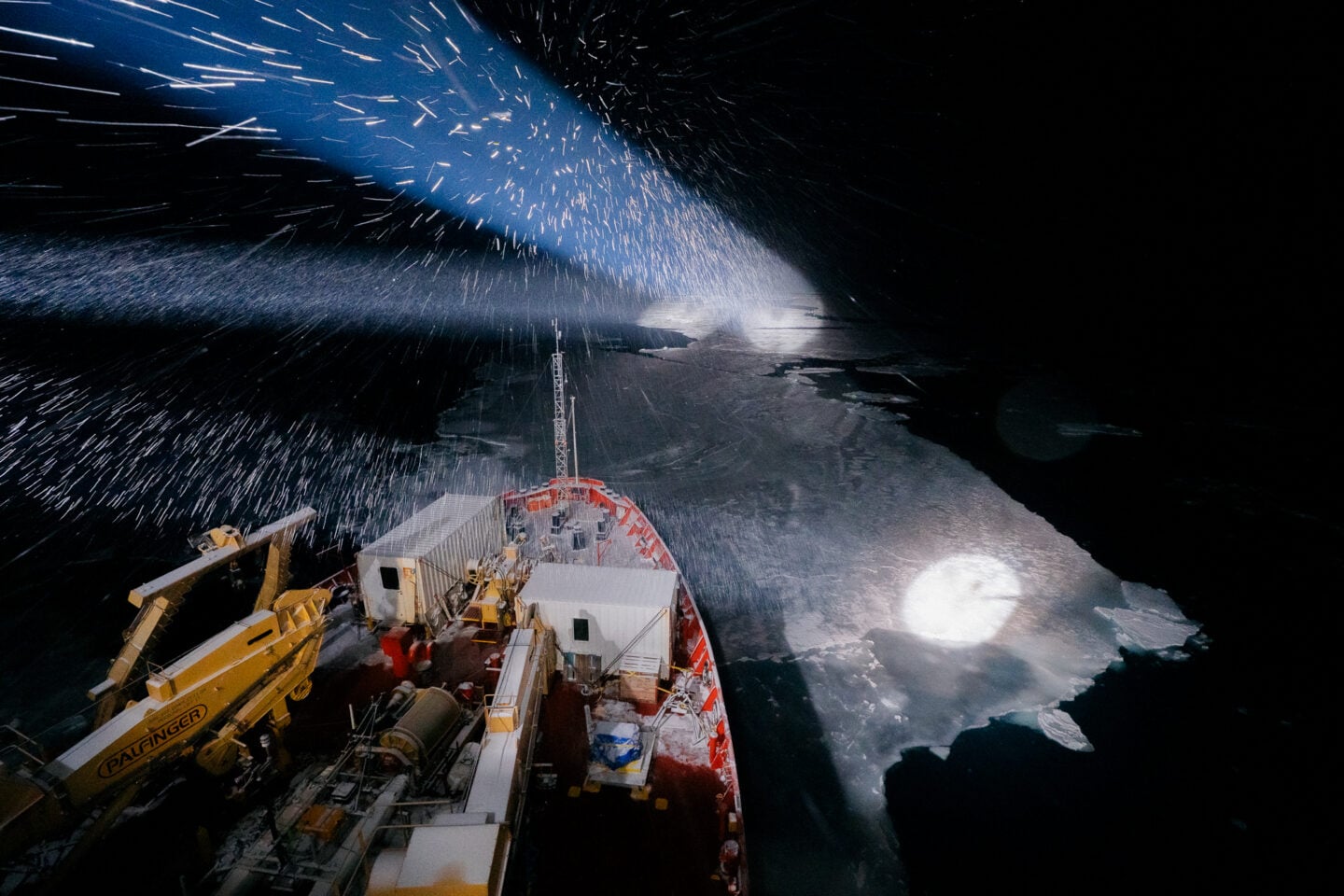
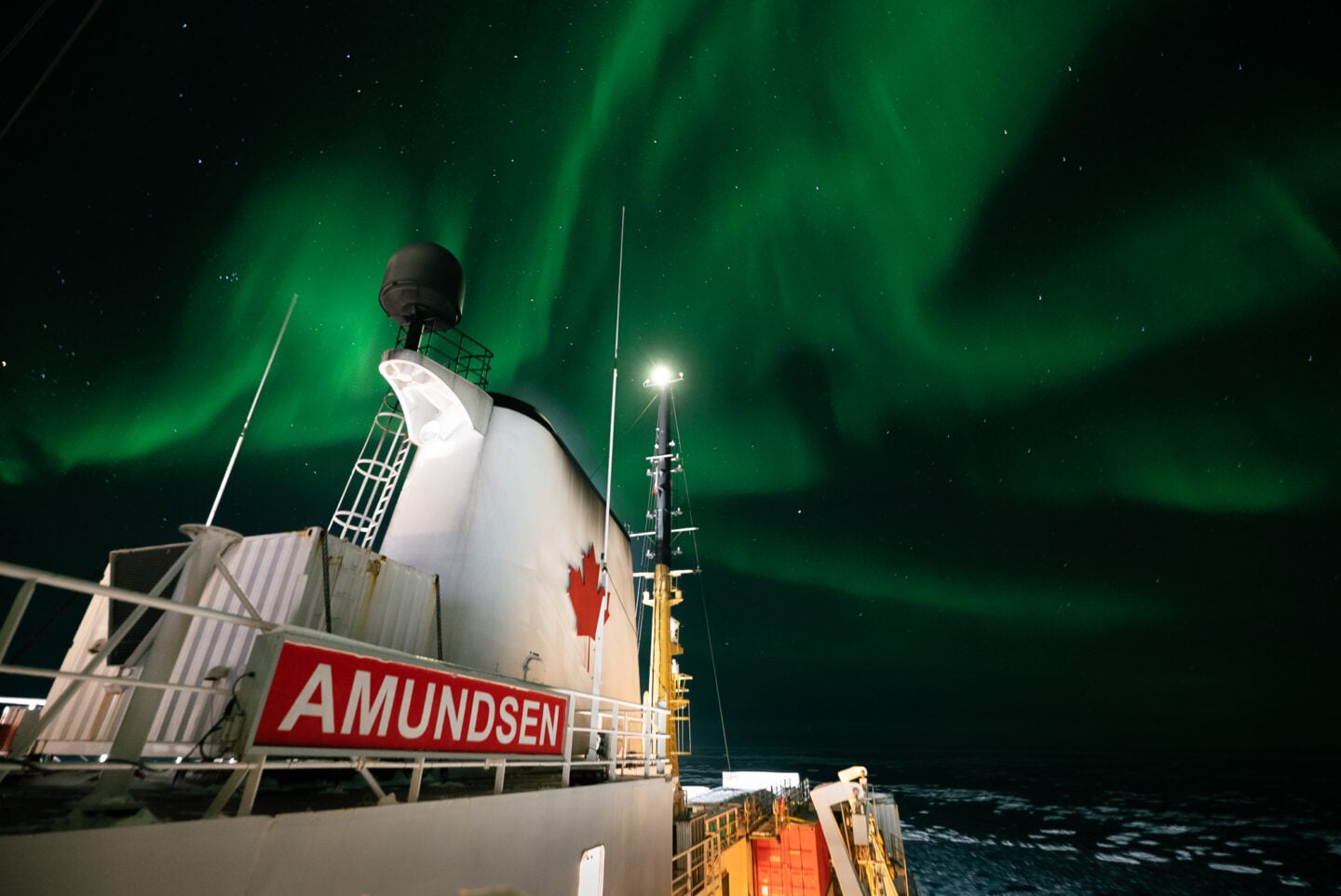
When I arrive at the wharf in Iqaluit, the ship is already waiting, its unmistakable red and white hull brilliant against the dark, rocky landscape dusted with a late-October snowfall. For the last four months, the 98-metre-long Canadian Coast Guard Ship Amundsen has criss-crossed the Canadian Arctic on its annual mission as a platform for scientists looking to better understand a rapidly changing region. This has been one of Amundsen’s longest seasons yet, and there is one more job left to do.
For almost 25 years, Amundsen has served as Canada’s lone icebreaker dedicated to research. While the Coast Guard operates the ship, the science program logistics are managed by the Université Laval-based non-profit Amundsen Science. During this, the fifth and final leg of the 2026 season, the ship is hosting 35 scientists as part of the CASCADES Expedition, a collaboration between the Institut nordique du Quebec, the Swiss Polar Institute and the French Polar Institute that has been years in the making.
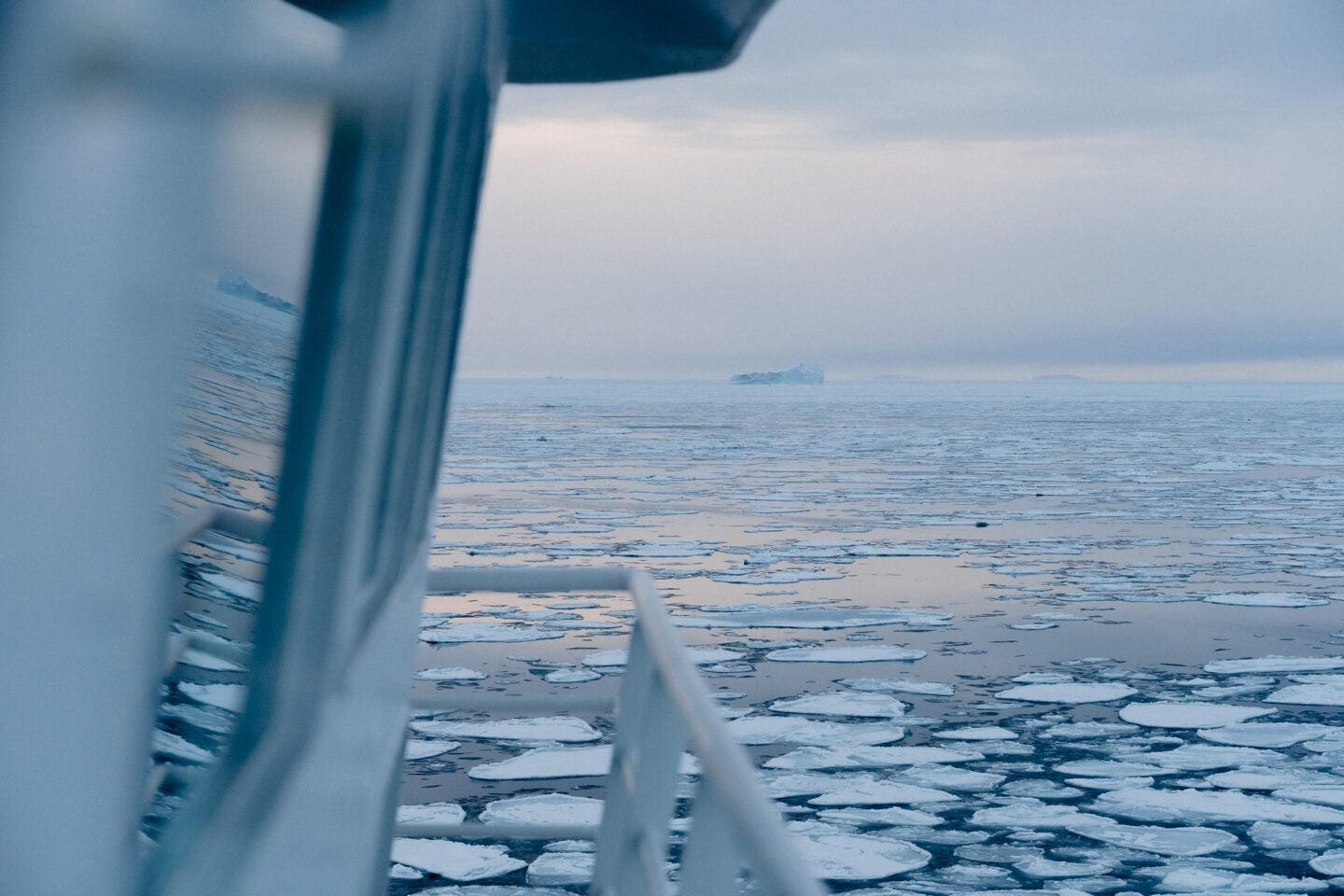
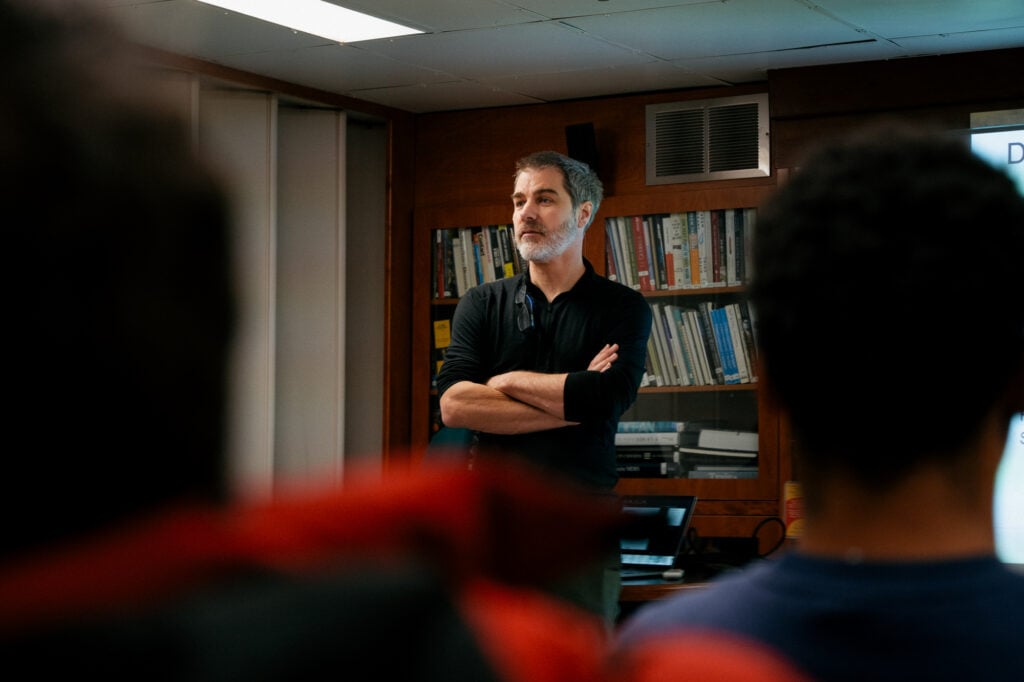
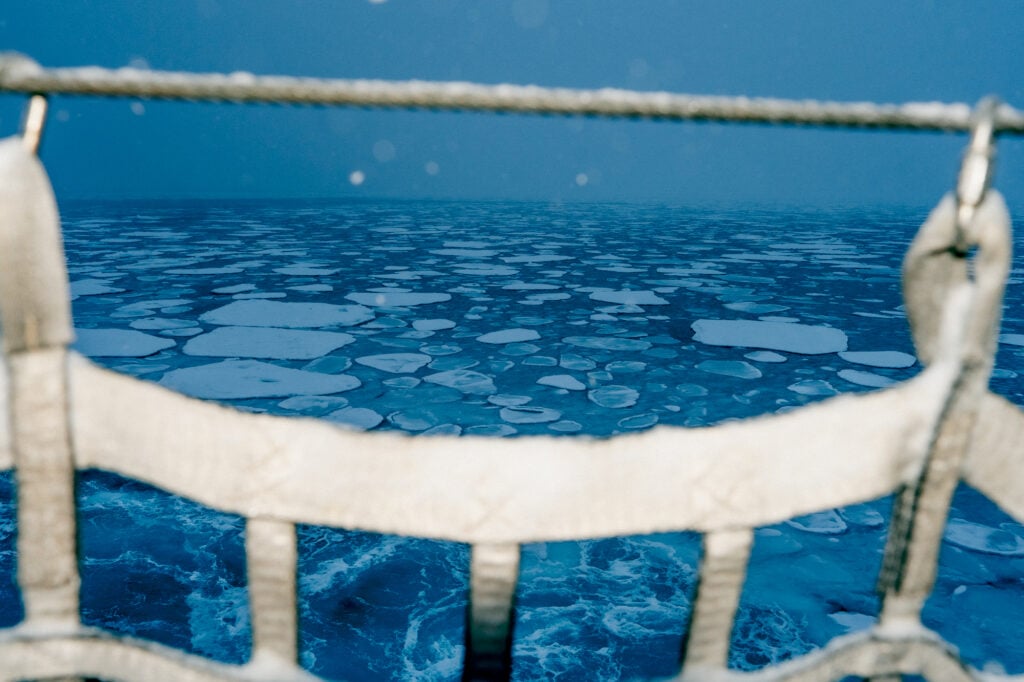
Throughout the month of November, the CASCADES team, led by Chief Scientist Dany Dumont of the Université du Québec á Rimouski (UQAR), will travel thousands of nautical miles throughout northern Saknirutiak Imanga, or Baffin Bay, to study sea ice freeze-up as the polar night settles in and early winter storms brew — something that has never been done before by Western scientists, at least to this extent. Amundsen will cruise back and forth along the ice edge, following the floes as they compact and drift further south. The scientists will take ice and water samples, fly drones equipped with LiDAR sensing and thermal imaging capabilities, and deploy various custom-built tools in order to create a clearer picture of how Arctic ecosystems will react to reduced sea ice coverage and ice type changes now and in the future.
As the Arctic warms up to four times faster than the global average and “old” ice that survives the summer melt disappears, “new” ice represents a greater and greater proportion of total sea ice. This new ice is created annually during the freeze-up period, meaning that by studying it now, scientists are able to catch a glimpse of what the future Arctic could look like.
New ice is very different from old ice and this shift in ice type could disrupt everything from the smallest phytoplankton that make up the foundation of the marine food chain to seasonal animal migrations, with implications for Inuit food security and cultural practices. Plus, a renewed focus on the industrialization and sovereignty of the Arctic threatens to further complicate the future of this region.
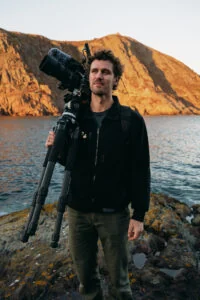
As for me, I have been invited to join CASCADES as a filmmaker and photographer to explore why expeditions like this are important and what role they play in helping us better understand a changing climate.
Steaming out of Frobisher Bay, Amundsen will turn north to follow Baffin Island’s east coast. The first study location is a four day cruise away, allowing for precious time to set up laboratories and field test experiments before near-round-the-clock operations begin.
As the ship approaches the mouth of Frobisher Bay, the ship suddenly comes to a halt. People emerge from their work spaces onto the lower deck. In the mid-afternoon dusk, a group of bowhead whales breaches silently off the starboard side — a moment of calm before the hard work begins.
Exploration
An account of Enduring Ice, The Royal Canadian Geographical Society’s 2017 Expedition of the Year
Exploration
Follow along as an international team led by the Royal Canadian Geographical Society surveys the wrecks of Quest and Terra Nova in the Labrador Sea
People & Culture
As the climate heats up, so do talks over land ownership in the Arctic. What does Canadian Arctic Sovereignty look like as the ice melts?
Exploration
Inside the Royal Canadian Geographical Society’s expedition to survey the wrecks of Quest and Terra Nova