
People & Culture
Biinaagami: A call to revitalize our waters
Announcing a new initiative to connect to and protect the Great Lakes-St. Lawrence watershed
- 774 words
- 4 minutes
People & Culture
His grandparents passed away a long time ago, and their house and small dock are also long gone. Now an old man with his own children and grandchildren, he remembers what was lost when the St. Lawrence Seaway was built
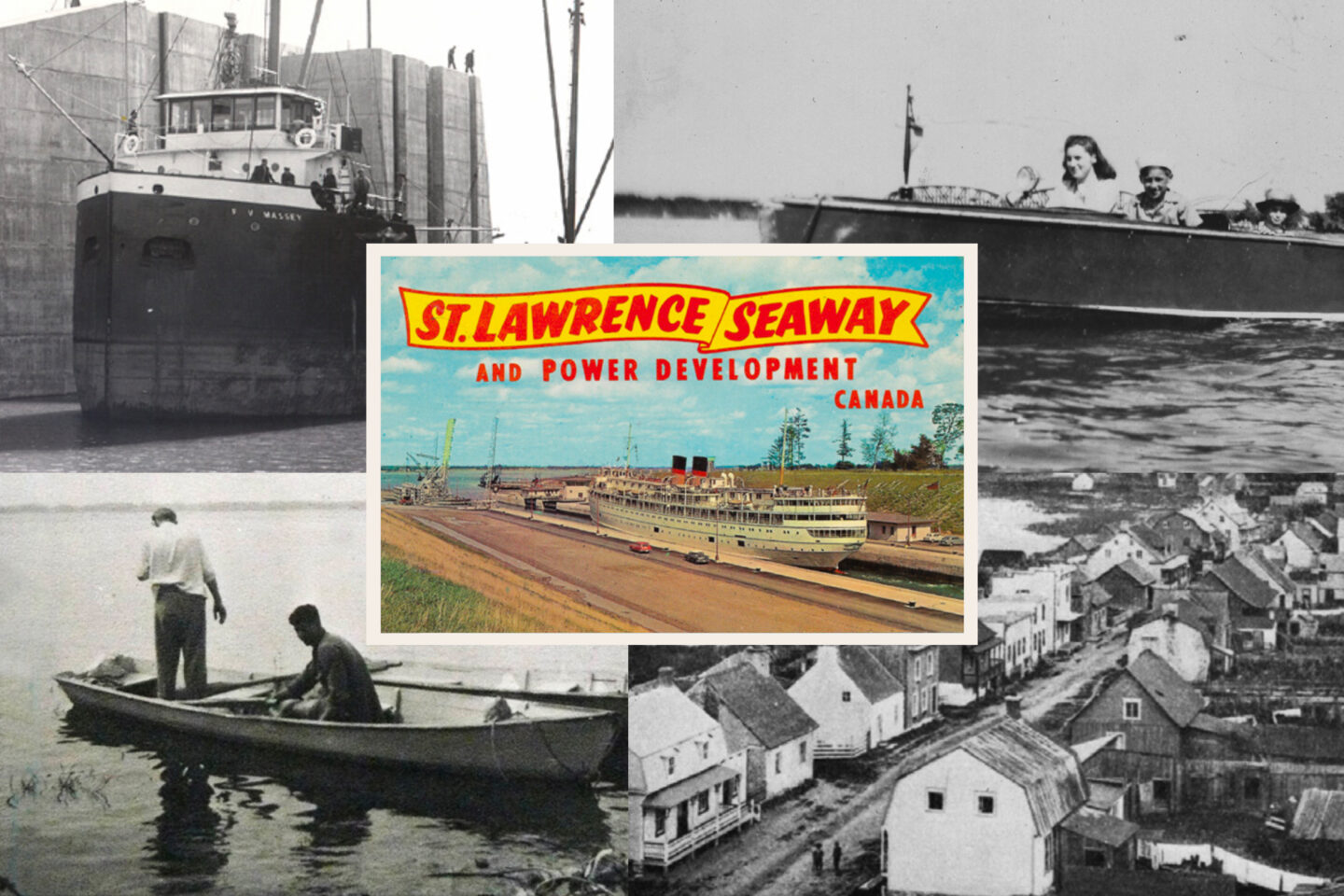
YOU GO OUT ONTO THE LITTLE DOCK your grand-father built out of logs and tied down in the spring as soon as the water was warm so you could swim and fish off it all summer long. Dipping the pail into the river, you get some of the water your Tó:ta will cook with. “Go get me some water for cooking, and I’ll make you something good to eat,” she told you. Later, when the sun starts to fade, your Tó:ta will be washing clothes in the river with a washboard and hanging them to dry in the trees. The water she cooks with is the same water you drink and use to take a bath, the same water you do everything in your lives with.
You are alone, and it is quiet now as you dip water in the early morning, but in the afternoon and at night, people come from the village to picnic or make fires and drink beer. Sometimes people leave their garbage, so you have to clean that up the next day. That’s what you do, you and your grandmother, most days in the summer. After she makes you breakfast, you start the day by cleaning up one of the beaches or your special fishing spot, picking up whatever is there messing up the shore or in the shallow water, making it nice again for families and the kids who live here to spend time on the shore and play in the water.
You always do it without complaining, except for one time when your Tó:ta got fed up with some kids throwing their Kik Cola soda bottles on the ground and busting them on the rocks in the water, and she yelled at them to stop doing that and told them to pick up the broken glass. There was a family eating lunch at the flat rocks, and the man got mad at her. He said something about the sharp words she used with those kids, even telling her she had a hard face for acting like she owned the beach. “This isn’t your river, Konwakeri,” he said. “You should just leave them kids alone.”
Your grandmother was always so soft-spoken, but utkon saraksen, you saw a different look in her eyes then, and she got mad at that man. But she didn’t swear at him or anything like that. All she did was look right at his wife and say, “That’s my house over there, and I’ve lived in it all my life. I know darn well I don’t own the river or the land — nobody does. I don’t need to be told that by you. But we are the ones who live here and who take care of this place, who clean it up every day and make it nice for people like you to come over here from town and use it.” That’s all she said, but she kept looking right at the wife. And the woman turned and looked at her husband, and that man just looked away, and he didn’t say anything else that whole day.
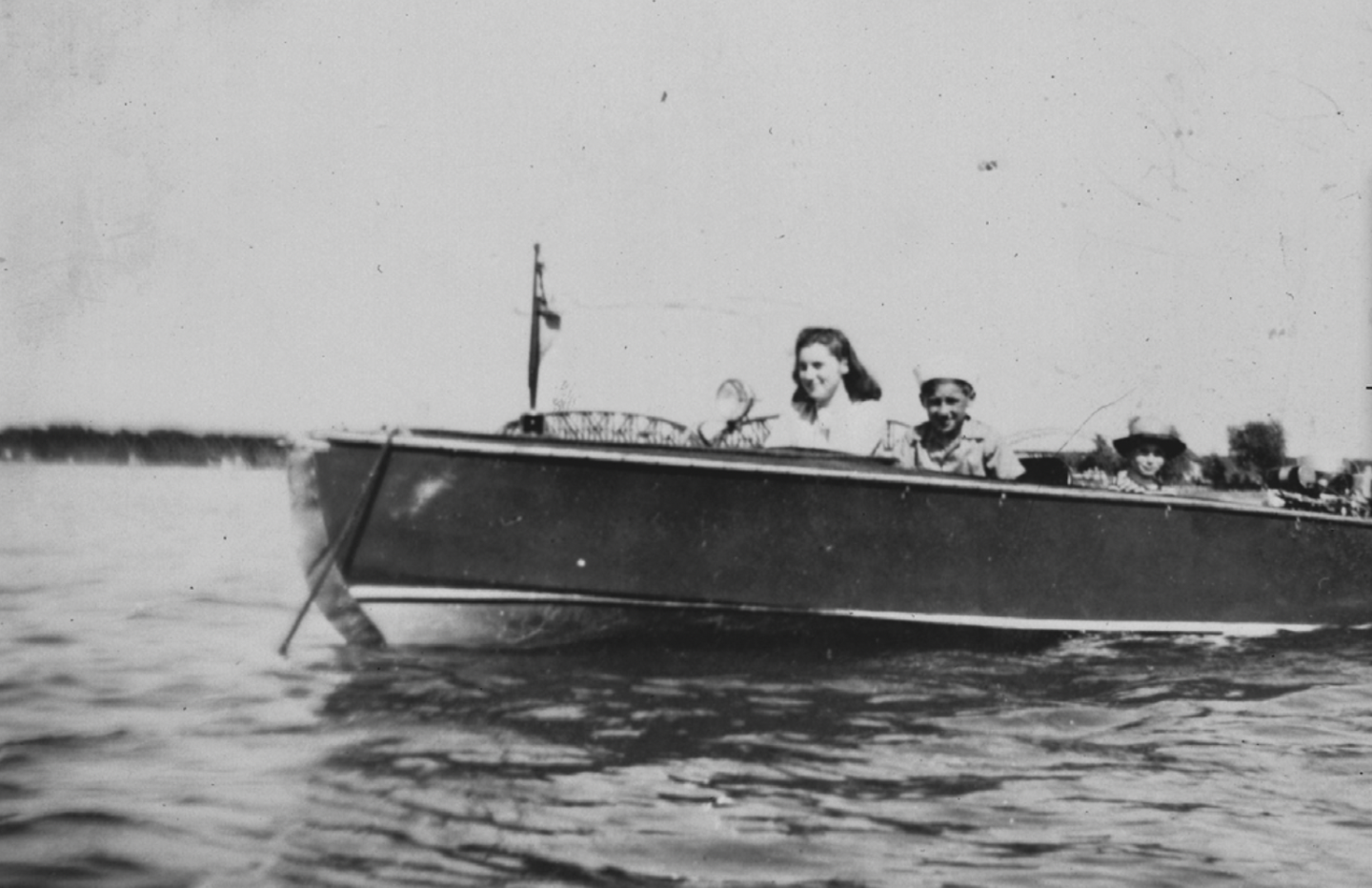
There is a rowboat tied to the dock, and you look at it and think back to when she would take you out on the river, just you and her. You were still just small and sitting in the front of the boat while she was rowing up and down the shoreline, in the early morning, when it was so calm on the water. You hung your face over the side of the boat watching fish. You could see all the way to the bottom, and there were all kinds of fish in the water. Teiotién:taron, a big sturgeon, swam right under your face and scared the heck out of you.
This one time she took you out onto the river toward one of the small islands, and it clouded over and all of a sudden started to rain, and then a storm came up before you could make it back home. So she headed for the small island. When you got to the shore, she turned the boat over, and you sat with her under it in the rain and the wind. Your Tó:ta held you tight and talked to you in a soft voice until the storm passed. When it did, she flipped the boat over, and you kept on going to where you were headed. She would take you out on the water in the summer, and sometimes you’d have to stay under that boat for a long time, once even a whole night, just the two of you out there on a small island in the river. It was okay though because she always had something to eat with her and she always had lots of stories to tell.
Your grandfather uses the boat even more, when he’s home from working away in New York. He asks her what kind of fish she wants to eat for supper, and she tells him, and he goes out and, every single time, a little while later, comes back with a bucket full of that kind of fish. He knows just where to go. The best day of your life was the time you went with him to gather some wood and do some fishing, and you saw a big eel in the shallows near the shore. Somebody must have been spear fishing the night before and stabbed it, but it got away. It was hurt, but your Baba knew you were happy to have found it and that it was just barely alive anyway, so you didn’t have to be afraid of it. Seeing that fish, he told you to go get a big long stick that’s hook-shaped on the end, and you used that stick to drag that eel behind the boat all the way back to the dock. When you got back to dock and walked toward the house holding the eel, your Tó:ta came out wiping her hands on her apron and with a big smile. “Whaaa, what a fisherman you are! The creator must have sent us this great fish so that we can eat good today,” and she grabbed the eel with her hands, held it like it was a precious gift and thanked you for it. That night she baked it, and you ate that eel for supper.
Your Tó:ta and Baba love eating fish from the river, especially eels. Not only fish — you pick all kinds of plants and eat them too. There’s one, everybody calls it tarakwi, and it’s like a date or a wild candy. You don’t even know what they call it in English. Iowe:kon, everything was so good back then.
YOUR GRANDPARENTS PASSED AWAY a long time ago, and the small dock and their house are long gone. You are here living in the now, standing there by yourself on the shore where that little dock used to be, and you can’t help but think about how life is so different today.
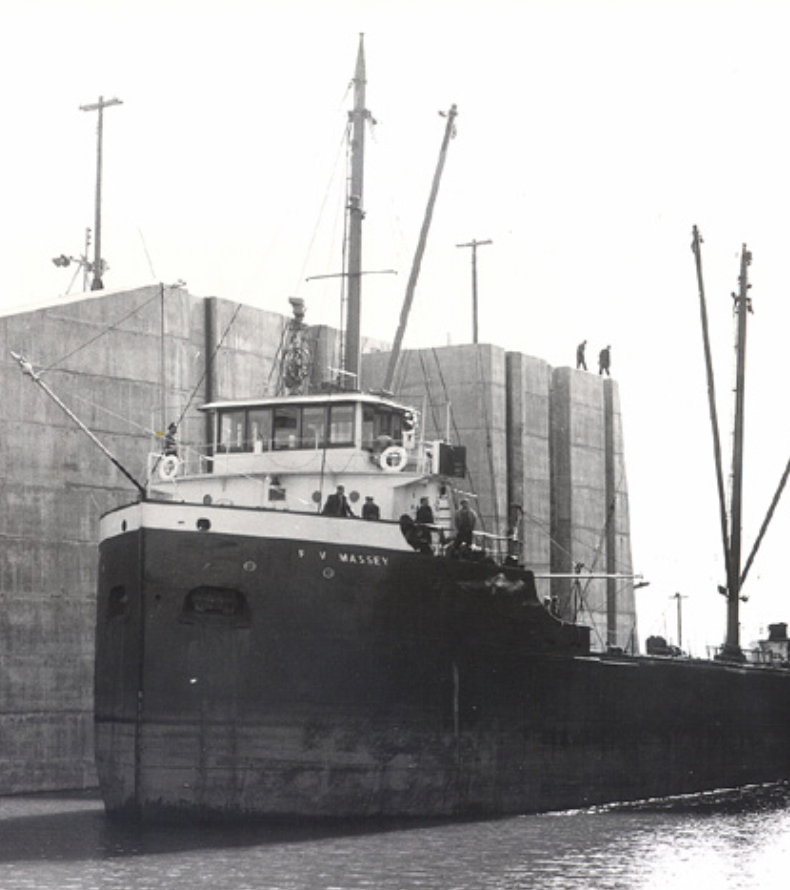
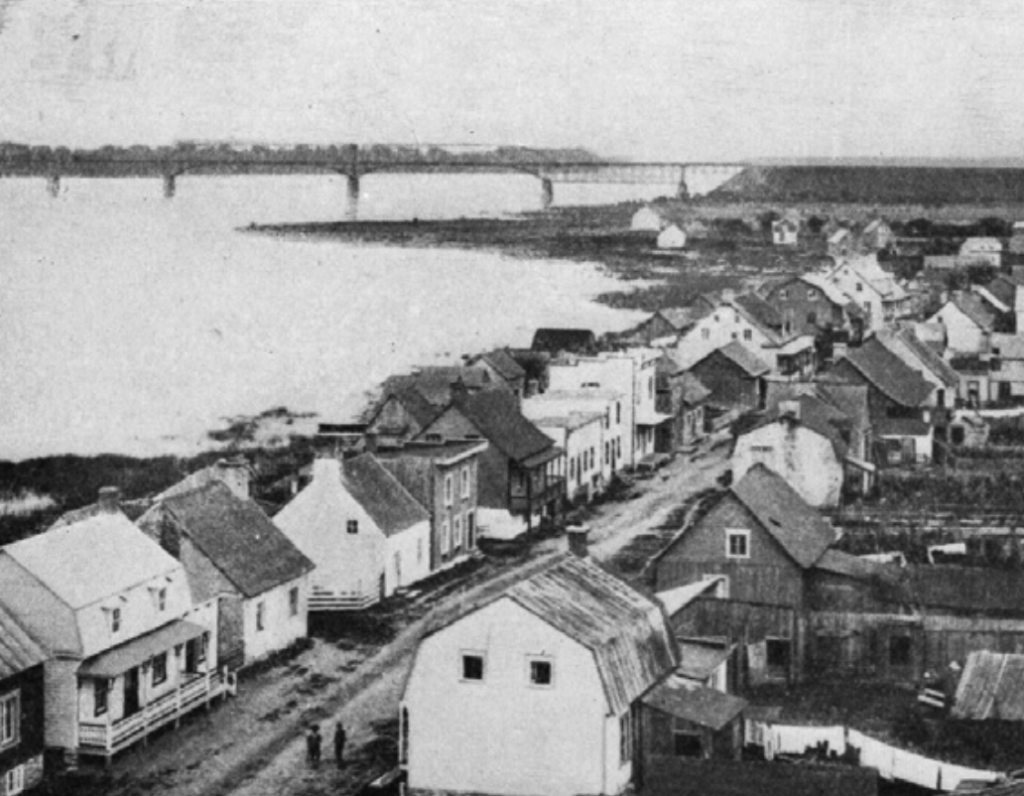
When they moved everybody from the riverside to the village, it was like you became a race of people from somewhere else. They moved you away from the river, and it didn’t take long before you had trouble even imagining grandmas and little kids rowing boats against the current in the big river and grandfathers fishing for sturgeons, or young mothers crossing the train bridge over the river on foot and walking five miles to go to work, or people growing and hunting and trapping their own food.
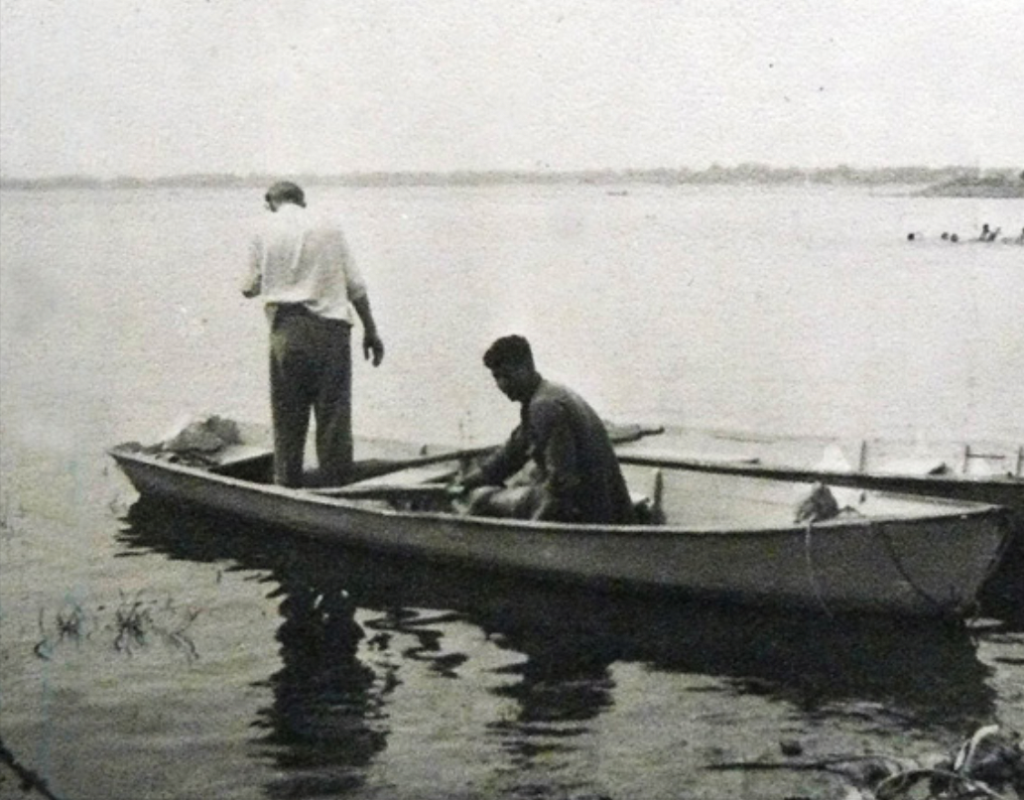
It was just a mile from the river to the place they moved your house to, yet once you were away from the river and living in town, it was like overnight everybody became city people. Your lives were being lived turned away from the water; the seaway was between you and the river, the place where you grew up and where the roots of your family went into the earth and where your father buried the cord that was cut when you were born. It is where your heart and true home are, still. Living in the village right on top of each other, you didn’t have the same feeling about your neighbours that you used to have when you lived on the riverside. People started keeping to themselves in their own little houses, and they didn’t help each other the way they did before.
For years you used to wonder why that was and how things got that way, but now you know. It’s because on the riverside you didn’t need money to be complete and to feel happy. They took away your land to build the seaway, and after that your connections to that place and the land got weak; the land was now just a street you lived on, a quarter acre of property that you put a fence around to make sure your neighbours didn’t come onto it, where you built your new and better houses with insulated walls and indoor toilets. After you moved from the riverside, you all had jobs and cars and TVs, but you couldn’t go to the riverside anymore where your grandparents used to live. You couldn’t go on the river and fish for sturgeon and eels, or float down the river on a log past the black bridge and then walk to the place along the shore where the bushes used to be so thick it was like going into a long, dark maze with the berry bushes totally covering the path and hanging overhead like a tunnel. You couldn’t walk through the bushes and just reach up over your head and pick ripe ahtahwakaion, the small, soft, red berries shaped like thimbles, and handfuls of strawberries too that were hanging down on the path, and there were no women and kids gathered there anymore eating their fill and loading up big black ash baskets with wild berries.
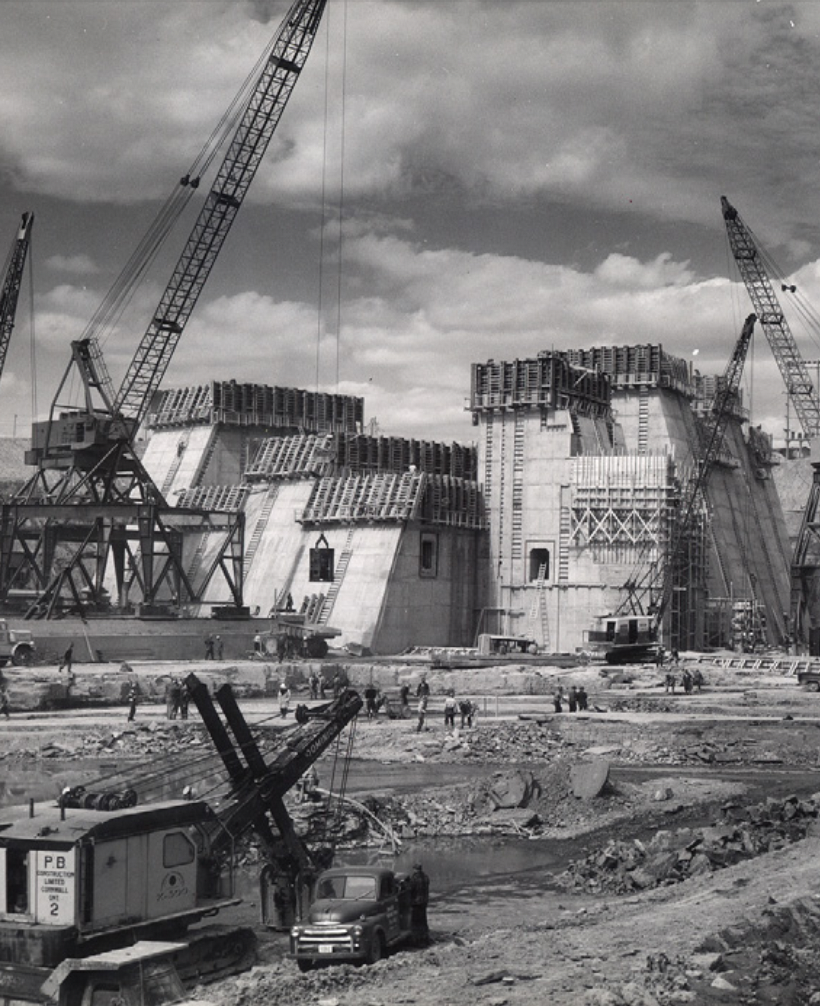
You can’t do any of that now because it’s all noxious weeds and gravel and concrete and junk metal strewn all over the dirt under the footings of the Mercier Bridge. You have money, but you don’t have the land. You need money, and your need for money has changed everything, the land, the water, and it has changed you too.
When they came to build the seaway, they made your Tó:ta pack all her stuff and move, and they bulldozed her house while she stood there watching with tears flowing from her eyes. They made her move, but before she did, she left her washboard right there on the shore. When she left the riverside for the last time, she leaned her washboard up against her favourite tree, a nice big willow with huge branches and roots. That was her last stand, and it was the mark she wanted to leave. You can still picture her standing there in the doorway of her house looking out over the point and the river that one last time.
From where you are standing, on what little land is left of the place your family lived for many generations, this tranquil bastion of the natural world and ancestral spirit, you feel her heart breaking for the loss. The land is still there, the river is still flowing, but where are the people now? You turn and look the other way, over the seaway at the government buildings, the houses, and roads and cars of the reserve on the other side, and you try hard to not see it as a faraway land where foreign people are speaking a language you can’t understand.
This story is from the Biinaagami Special Issue 2025 Issue
People & Culture
Announcing a new initiative to connect to and protect the Great Lakes-St. Lawrence watershed

Mapping
Biinaagami, a CanGeo collaborative initiative seeking to connect people with the Great Lakes-St. Lawrence watershed, has released a suite of educational materials, including a Giant Floor Map, augmented reality experiences, lesson plans and more
People & Culture
How three organizations have come together to promote urban swimmability and change our relationship with water — one plaque at a time
People & Culture
Throughout the Great Lakes, Anishinaabeg communities work together to sow the seeds of success for wild rice