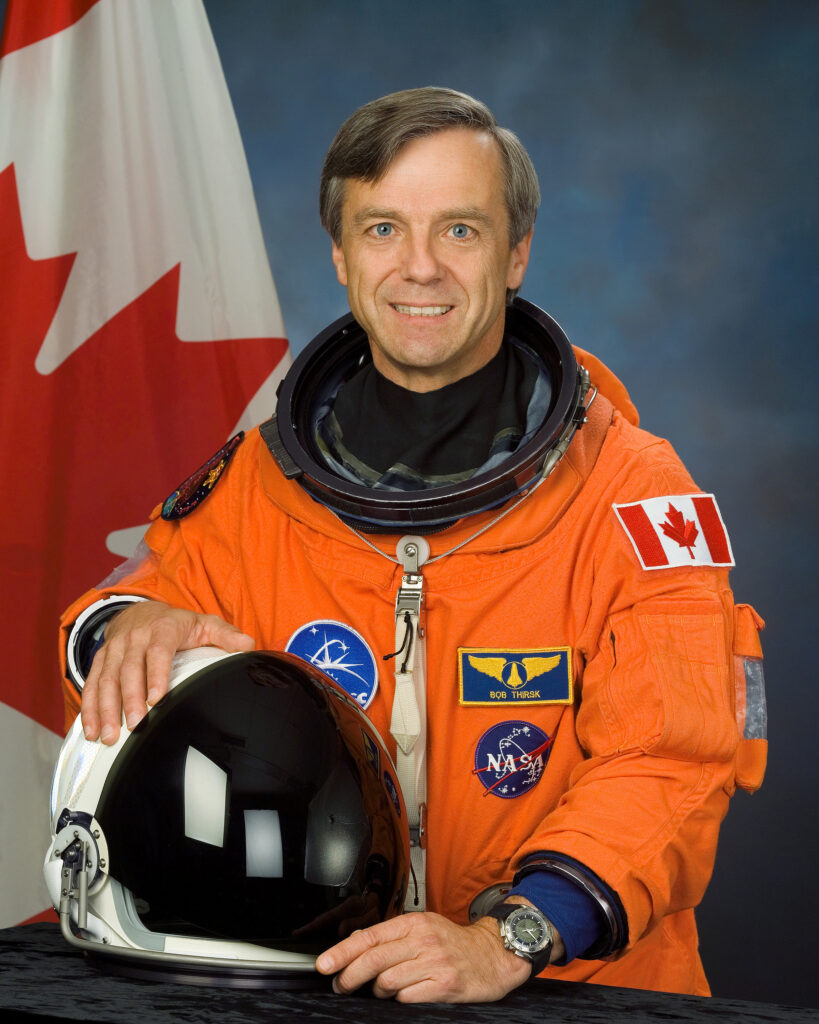
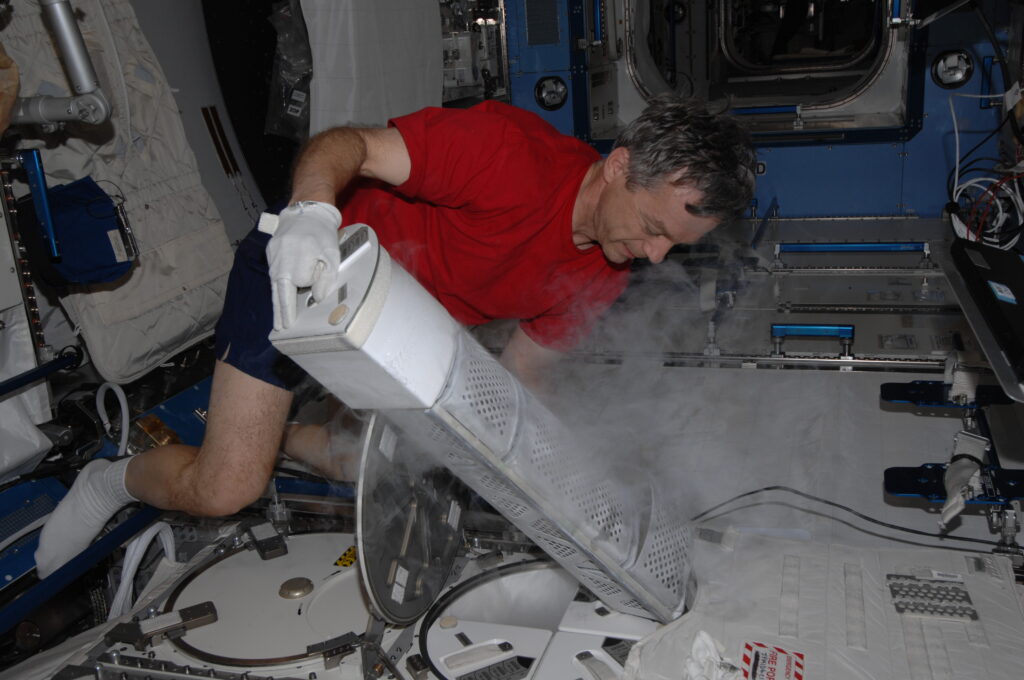
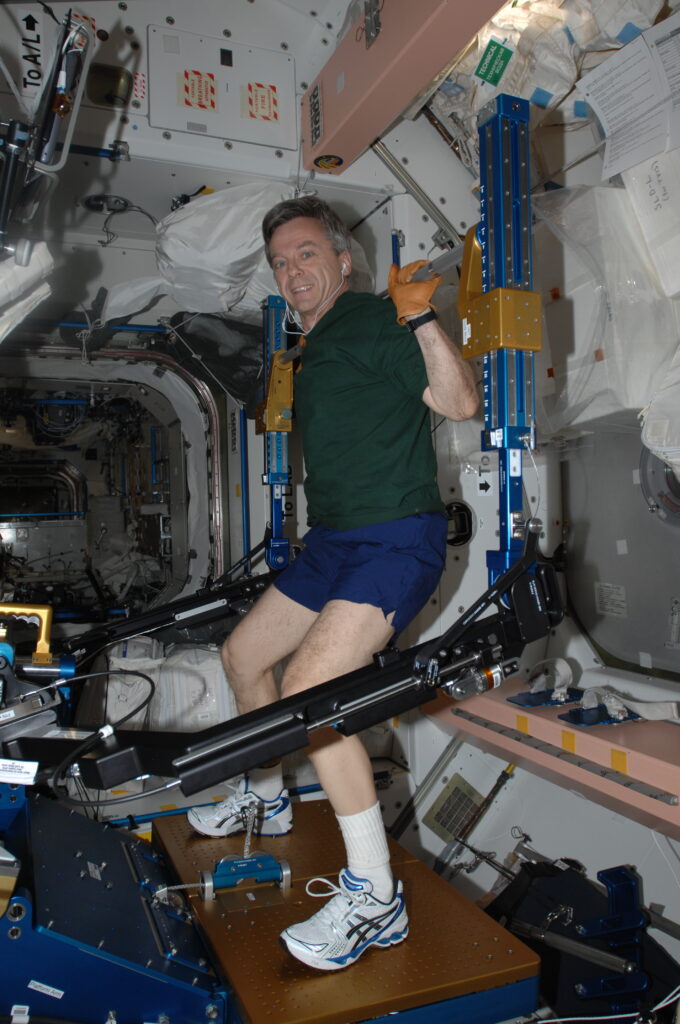
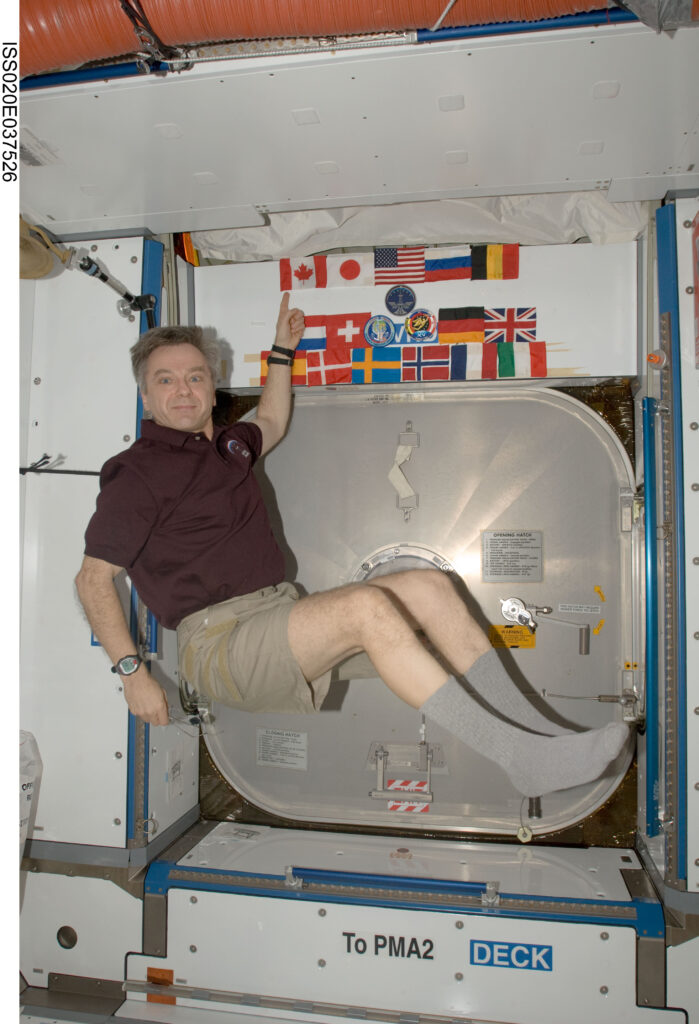
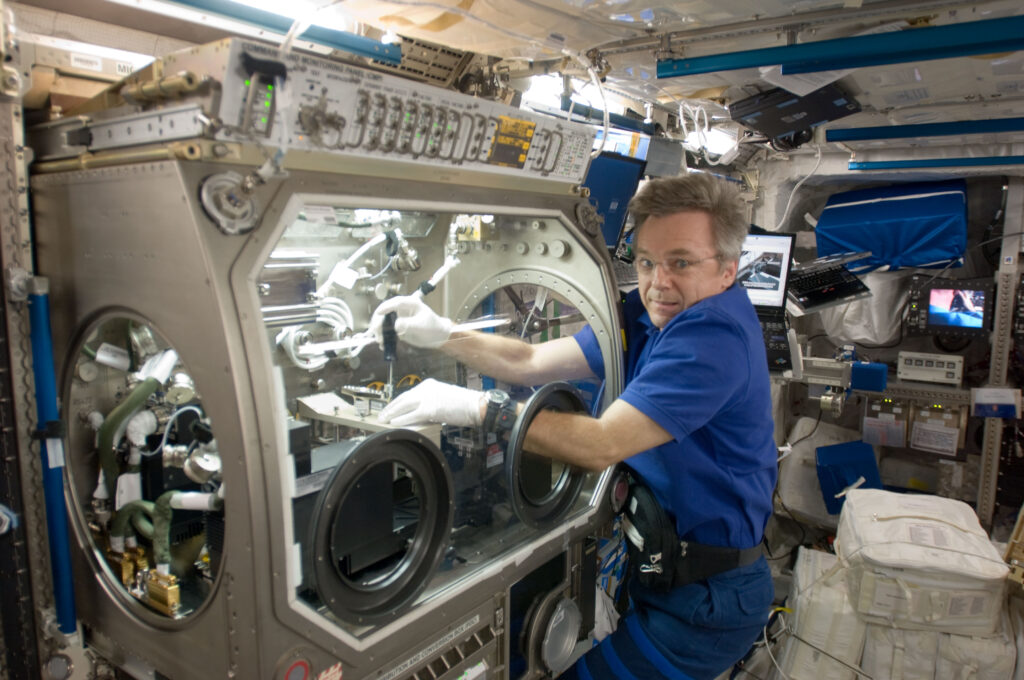
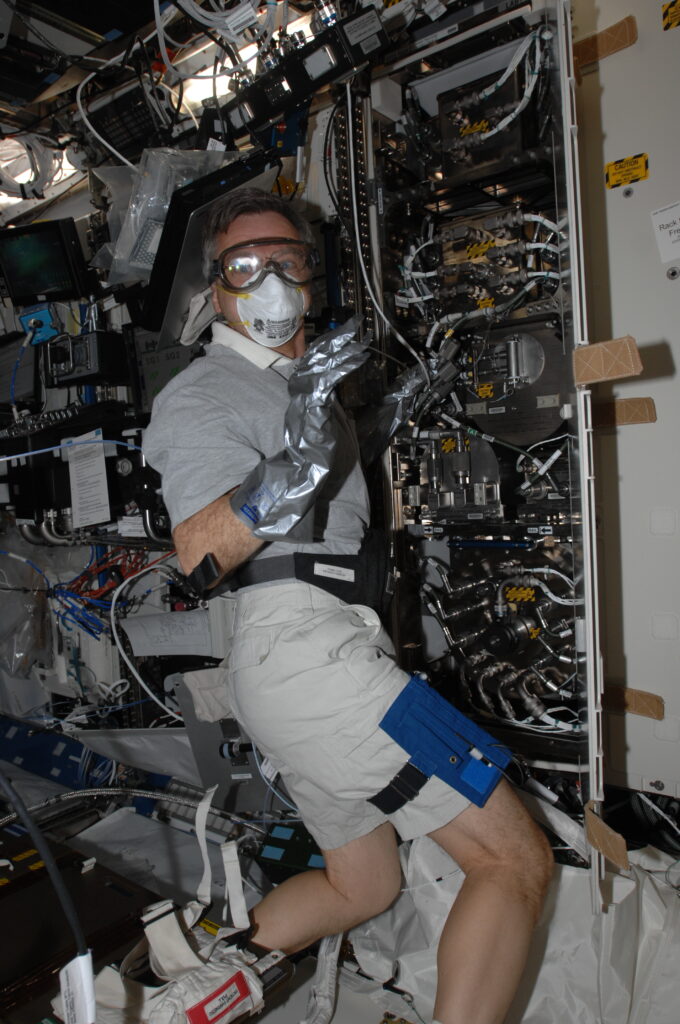
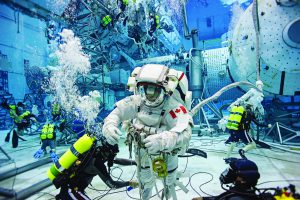
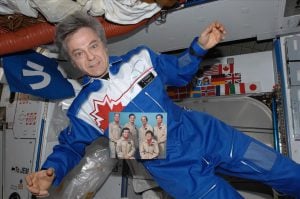
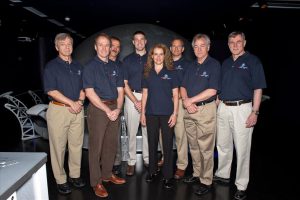
After earning a master’s degree in mechanical engineering from MIT, Thirsk went on to study medicine at McGill University, deepening his understanding of human physiology and disease. With this invaluable educational combination, he was selected as a Canadian Space Agency astronaut in 1983, becoming a central figure in decades of international missions. His first came in 1996 aboard NASA’s Space Shuttle Columbia, followed by a six-month mission on the International Space Station in 2009. Thirsk continues to hold the Canadian record for the most cumulative time in space.
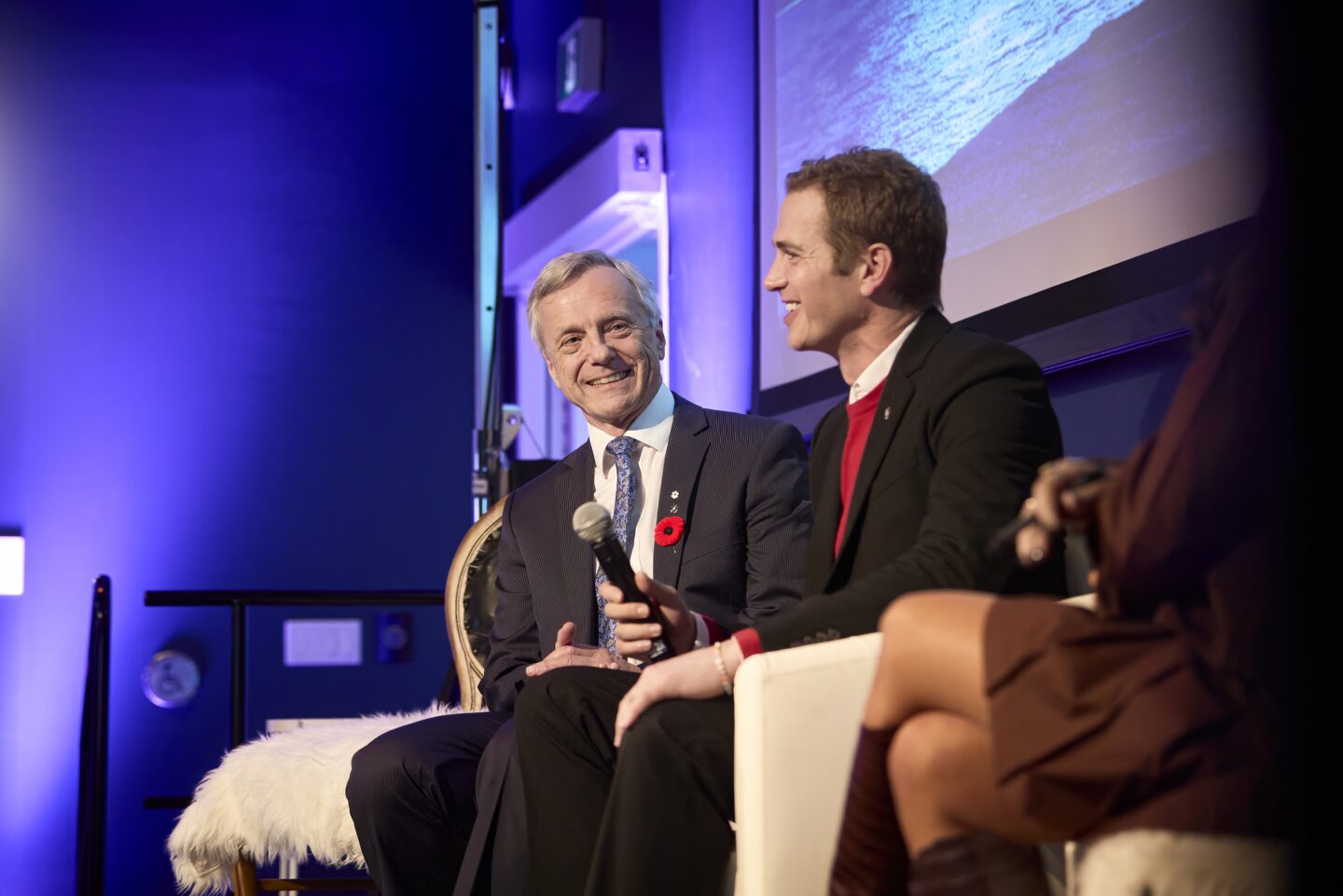
Now based in Ottawa, Thirsk remains a passionate advocate for exploration, innovation and lifelong learning. He has inspired generations of young Canadians to pursue careers in STEM and frequently speaks about the importance of curiosity, teamwork, and resilience. We connected over Zoom to discuss his career, the rise of space tourism, geopolitics, sci-fi movies, and where humanity might venture next.
This interview has been edited for length and clarity.
Robin Esrock: You followed an academic path that could have led to any number of successful directions. How did you end up being an astronaut?
Bob Thirsk: I was a child of the 1960s and 1970s, when the world was moving quickly on many fronts, especially in the space program. The first person flew in space in April 1961, and only eight years later, two people walked on the moon. Amazing! I can remember watching the images on TV, then running out to the backyard and looking up at the moon, trying to reconcile in my mind what was going on.
In the 60s, we also had amazing world leaders, and we did inspirational feats that served to measure the best of our energies and skills. In my last year of engineering, one of my professors took me aside and asked me what I wanted to do with my life. I told him about my interest in space, and he recommended I get a medical degree to go with my engineering degree. His advice took me by surprise, but it made sense, because a lot of the barriers that prevent us from exploring deeper space are medical: how do we protect astronauts against the harmful effects of weightlessness, against ionizing radiation, against the effects of isolation and confinement? I did another engineering degree, picked up the pre-med courses, and then went off to medical school. It worked out well. A year and a half after I graduated, I was selected as a Canadian astronaut. I’m very grateful to that professor who gave me that good advice.